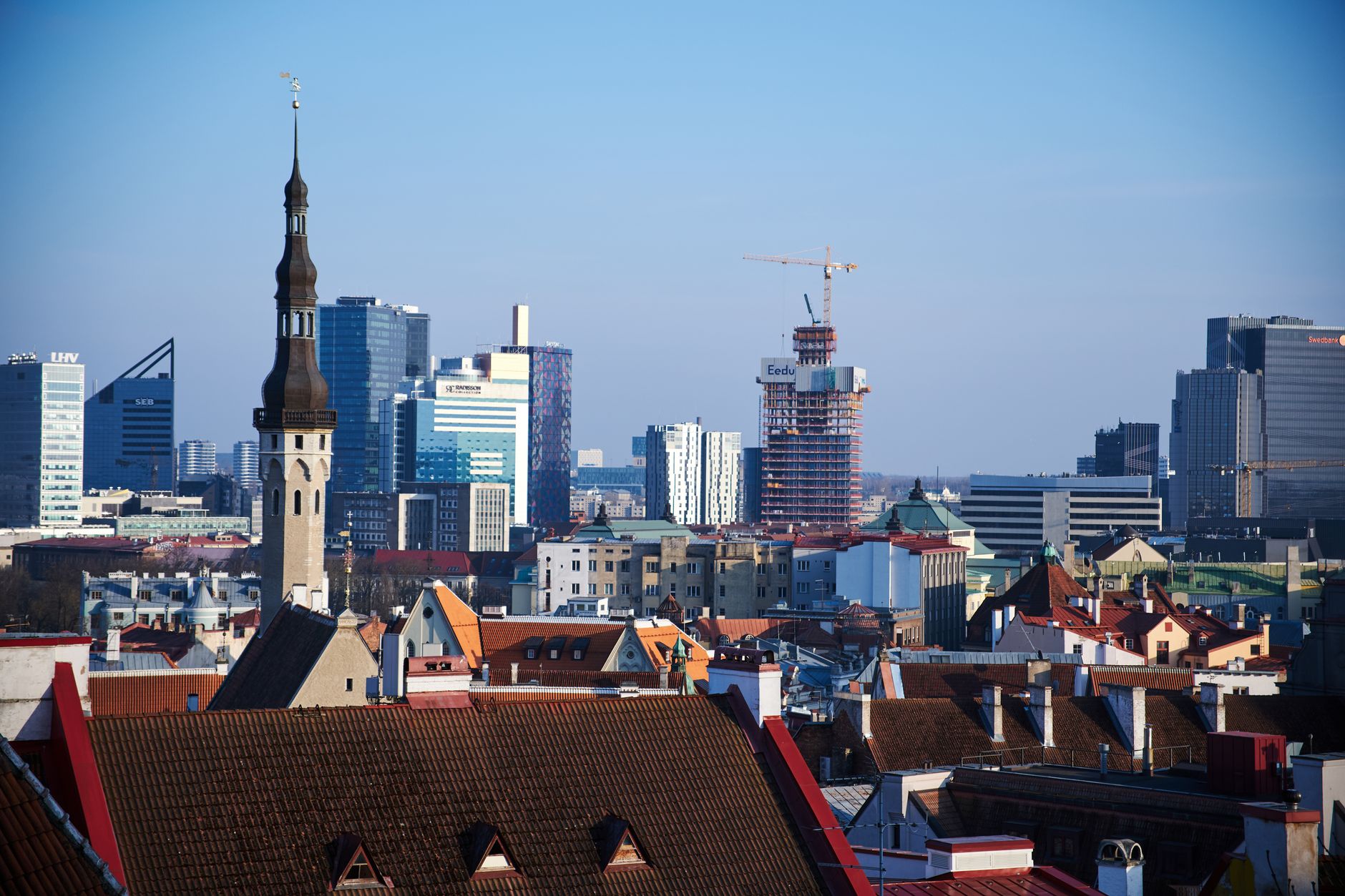
Grey studio in Maardu
Grey studio in Maardu is a practical 3-star stay in Tallinn, Estonia — good value for exploring the area and its landmarks like central Tallinn.
The surrounding Tallinn district is one of the most convenient parts of Estonia to stay in, with restaurants, cafés and transport links close by.
Rates shift with the season and with demand, so the live price on the booking page is always the one to trust — tap through for tonight's or your dates' real availability.
Key facts
What’s included
Around Tallinn



What hotels actually cost in Estonia
Budget rooms — hostel doubles, simple guesthouses, 2-star town hotels in Rakvere, Narva or Võru — run about €35–60 a night, and Narva is consistently the cheapest overnight in the country. Mid-range 3-star doubles sit around €70–110: that is a Tartu city hotel, a Pärnu place a few streets back from the beach, or a Lahemaa manor guesthouse with breakfast and parking. Top-end means €160–300 for a design or historic 4–5 star in Tallinn's Old Town, and €130–200 for a Kuressaare or Pärnu spa hotel with pools and treatments, often quoted half board. Farm and forest accommodation near Soomaa and Setomaa is usually €50–90 including a sauna, and frequently cash-light, card-only bookings direct with the owner.
Rates spike in three predictable bursts. Midsummer, 23–24 June, hits the coast and the islands hardest; July hits Pärnu, where a room that is €70 in mid-May can be €150–190 in the second week of July; and the Viljandi Folk Music Festival weekend at the end of July prices Viljandi like Tallinn. Winter is the bargain, with 3-star Tallinn doubles at €55–80 from mid-January to March, except during Otepää's ski weekends and the Tartu Marathon. Note that Estonia's accommodation VAT rose to 13% in 2025, so older quoted prices you find online may sit slightly below what you are charged; there is no separate city tourist tax in Tallinn.
Ferries, the fifth season and the areas people wrongly skip
The single biggest planning trap is the Virtsu–Kuivastu and Rohuküla–Heltermaa ferries. Foot passengers can nearly always squeeze on, but vehicle places on the summer sailings and on Friday and Sunday crossings sell out, and an unbooked car can mean a two- or three-sailing wait at Virtsu. Reserve the vehicle in advance for anything between mid-June and late August, and remember the crossing is only 27 minutes but Kuivastu to Kuressaare is another 75 km of driving. The second trap is seasonal closure: a meaningful share of guesthouses on Hiiumaa, in Lahemaa's villages and along the Matsalu shore simply shut from mid-October until Easter, so an autumn trip needs the accommodation fixed before the route.
The season nobody expects is Soomaa's fifth season, the spring flood that usually arrives between late March and mid-April when meltwater spills out of the Halliste and Raudna rivers and puts roads, meadows and forest tracks under water. It is the point of going: you paddle a canoe or a traditional haabjas dugout over ground you would otherwise walk, and local operators run guided trips for a few weeks only. As for the areas people wrongly skip, Setomaa and Narva are top of the list. Setomaa's leelo singing is on UNESCO's intangible heritage list and Seto Kingdom Day falls on the first Saturday of August at a different village each year; Narva has the largest castle keep in Estonia facing Ivangorod across the river, the vast Kreenholm mill complex, and 13 km of sand at Narva-Jõesuu for less than half what the same room costs in Pärnu.
Where to stay in Estonia: which area suits you
Tallinn suits first-timers and anyone without a car, with the Old Town, Kalamaja, Rotermann and Kadriorg all within a 30-minute walk of each other and the widest range of rooms in the country. Pärnu is the summer beach and spa base, 128 km south of Tallinn on the Via Baltica (road 4 / E67), and it is the one place where July rates routinely beat Tallinn's. Tartu, 186 km southeast of the capital, is cheaper than both and works as the hub for the southeast — Otepää is 44 km away, Võru 70 km, Lake Peipus around 50 km. Saaremaa and Hiiumaa are island stays reached by ferry, with Kuressaare holding most of Saaremaa's spa hotels and Kärdla the bulk of Hiiumaa's small guesthouses.
For the parks, you are choosing between villages and manors rather than towns. Lahemaa is served by Võsu, Käsmu, Vihula, Palmse and Sagadi, roughly 70–90 km east of Tallinn on route 1 / E20, and rooms there tend to run €60–110. Soomaa has almost no hotels at all: you sleep in farm accommodation near Riisa, Tõramaa or Kõpu, or you commute in from Viljandi (40 km) or Pärnu (65 km). Matsalu birders use Lihula, Penijõe or Haeska; Haapsalu, 100 km from Tallinn, doubles as a Matsalu base and a resort town in its own right. Narva and Rakvere in the northeast are the cheapest overnights in the country, and Setomaa — Obinitsa, Värska, Piusa — is the most distinctive, but expect guesthouses rather than hotels.