Every address
Hotels across Estonia
Every stay we list — 984 properties with live prices and free cancellation on most rooms.
Tallinn
965 stays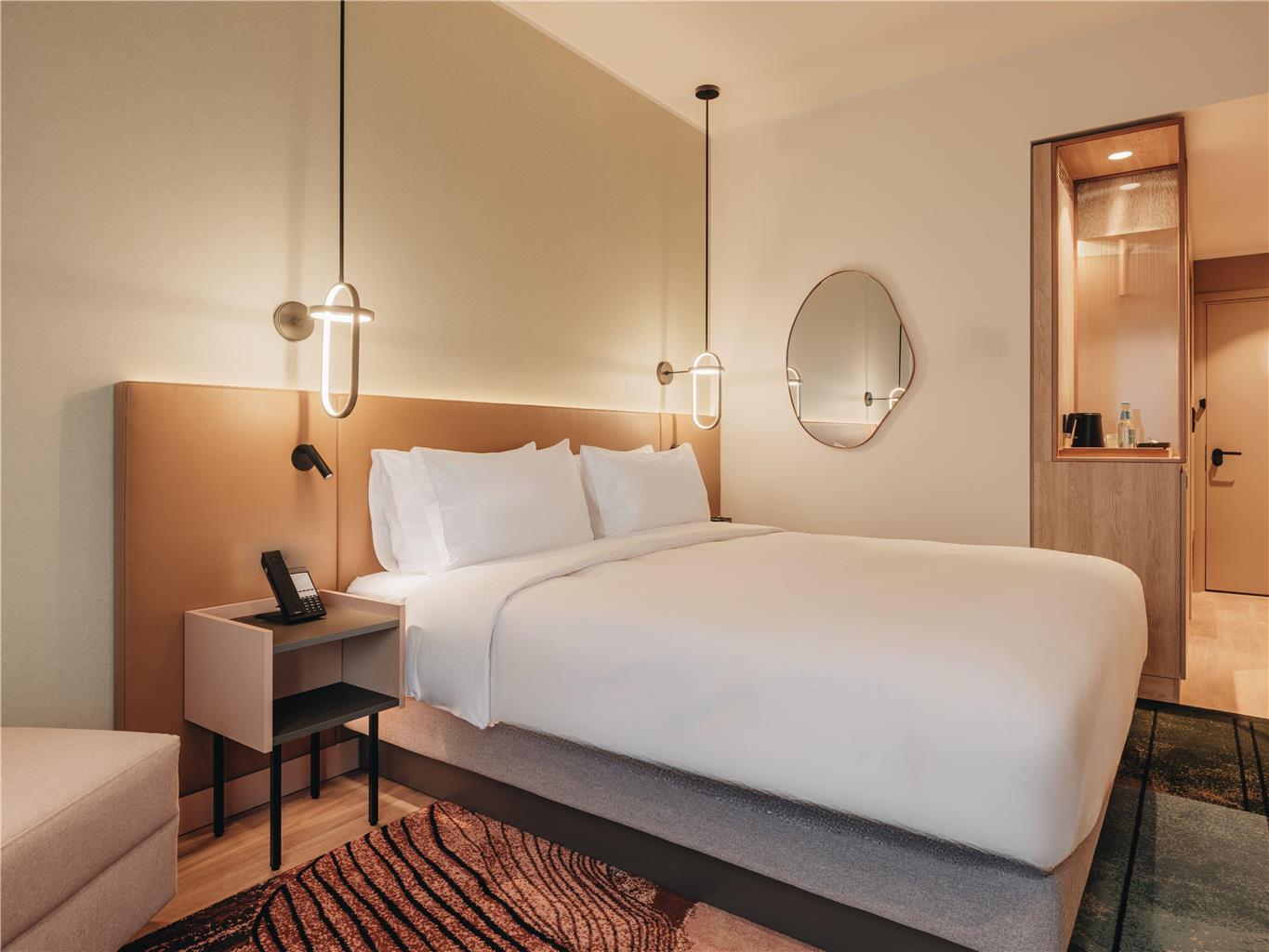

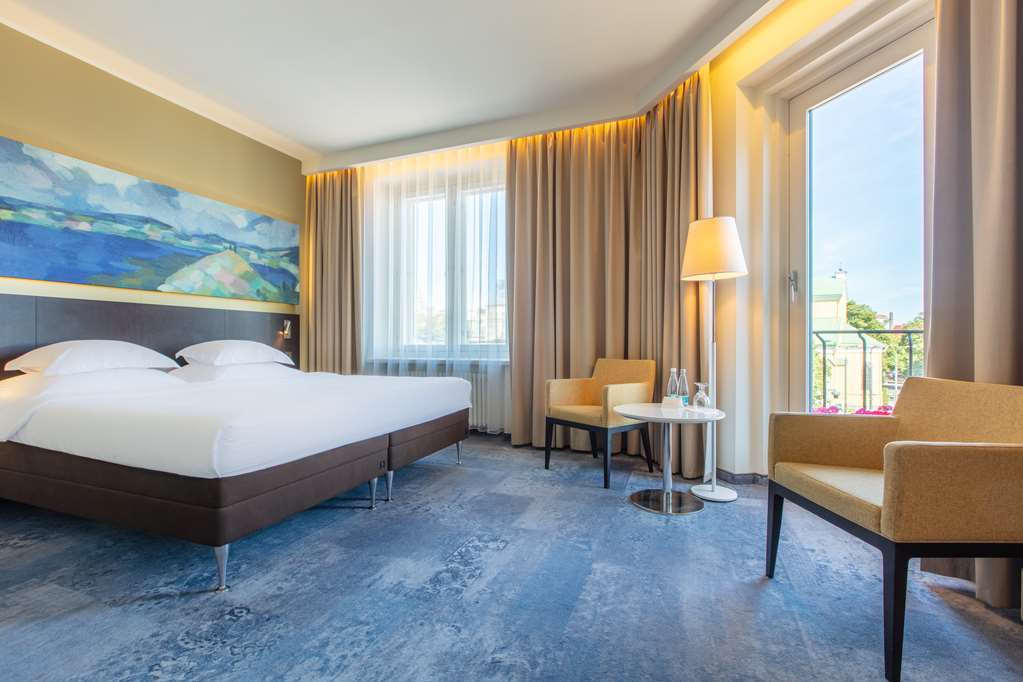
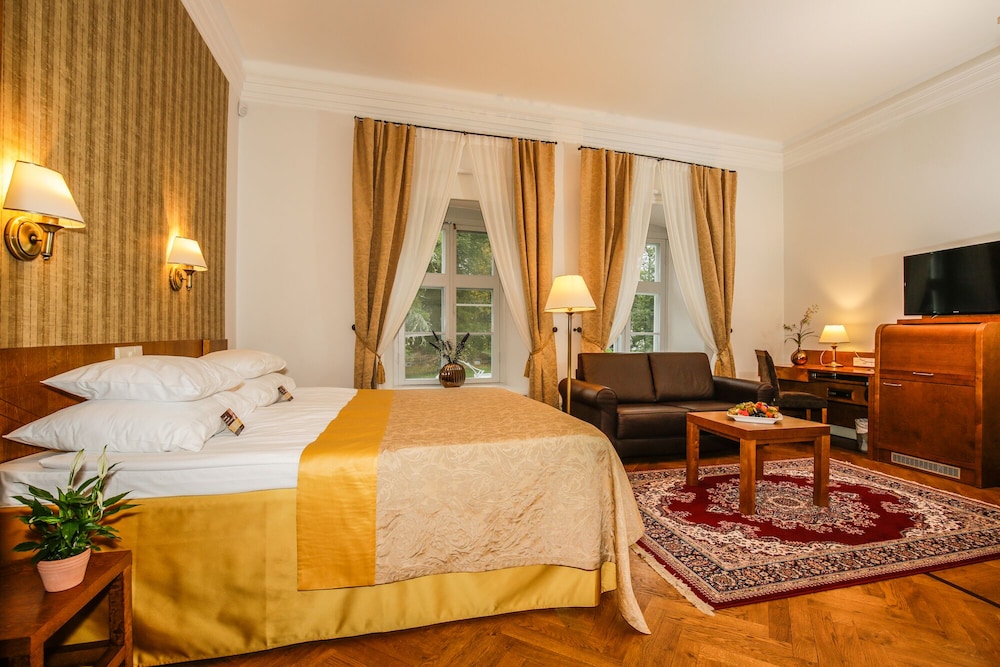
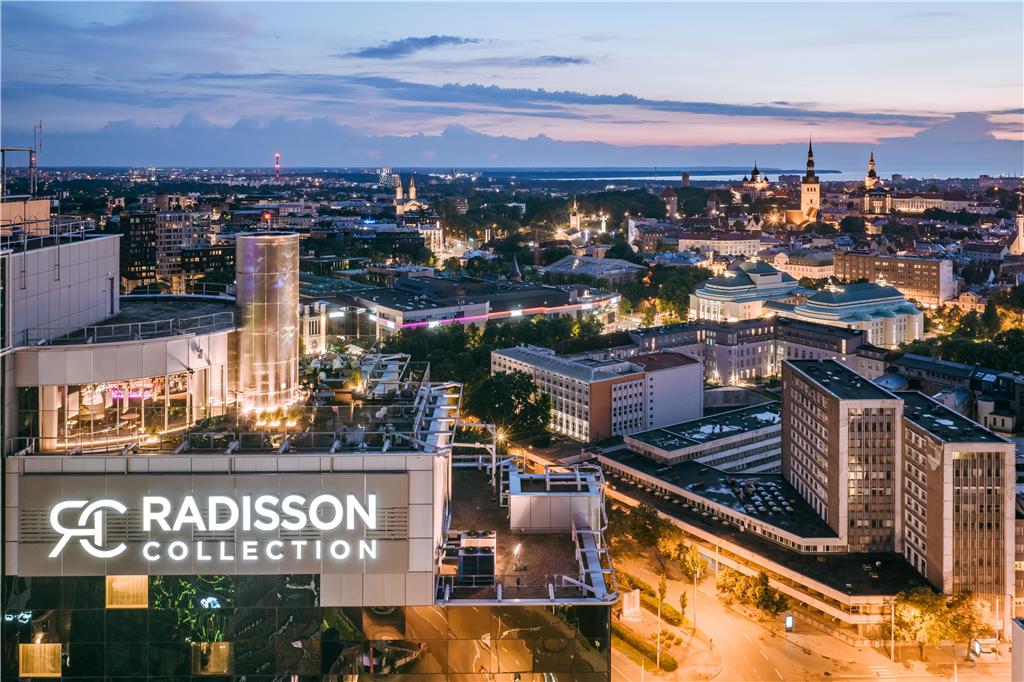

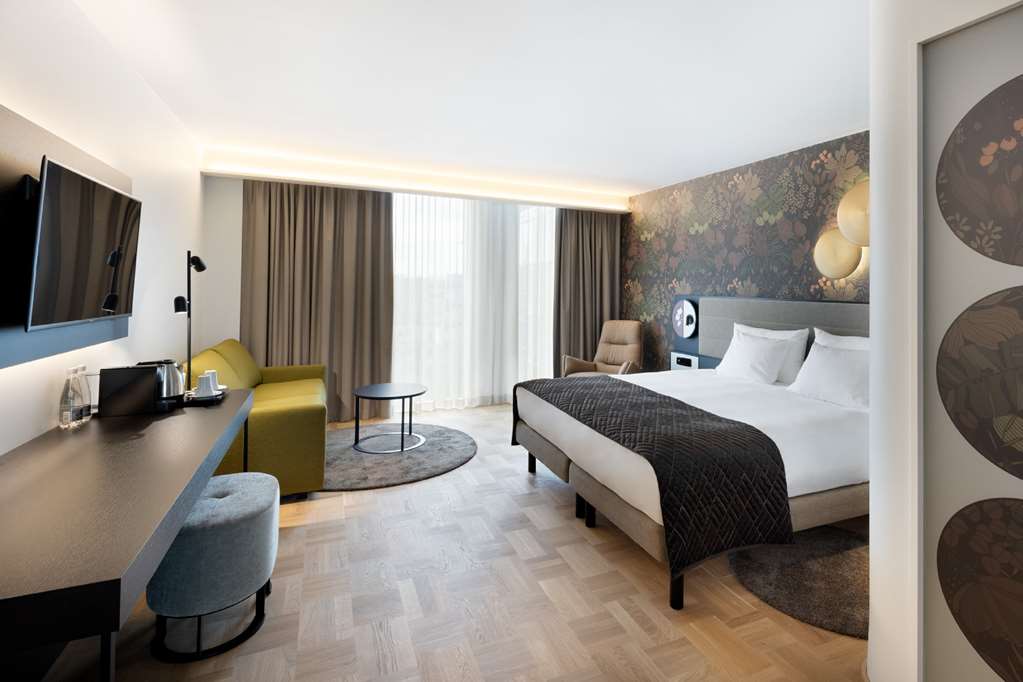
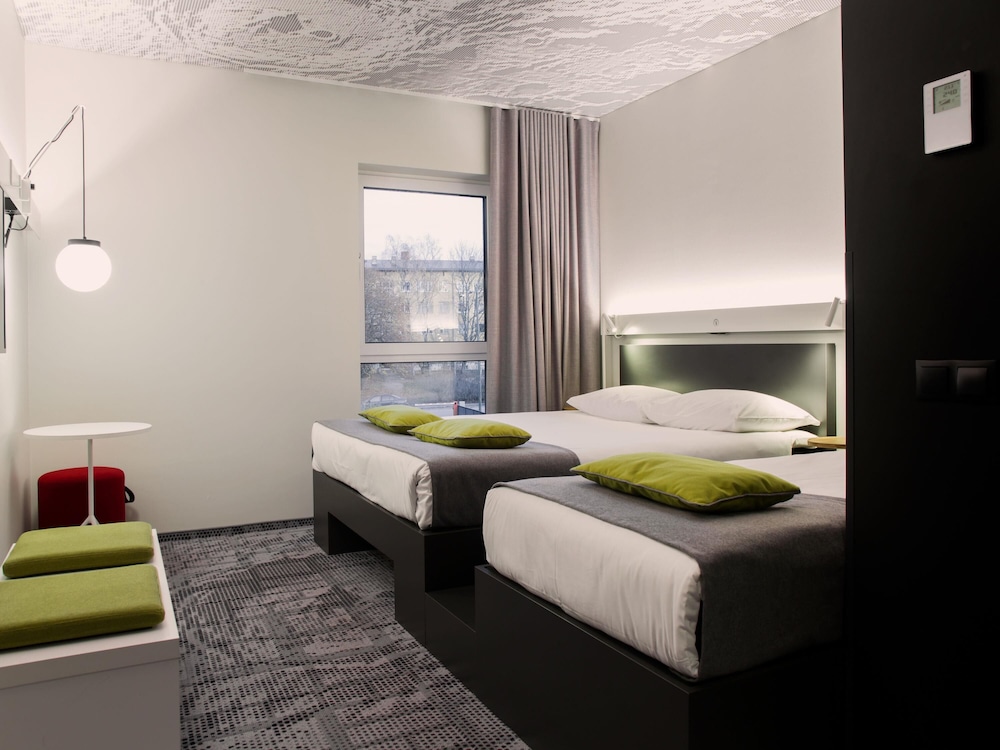
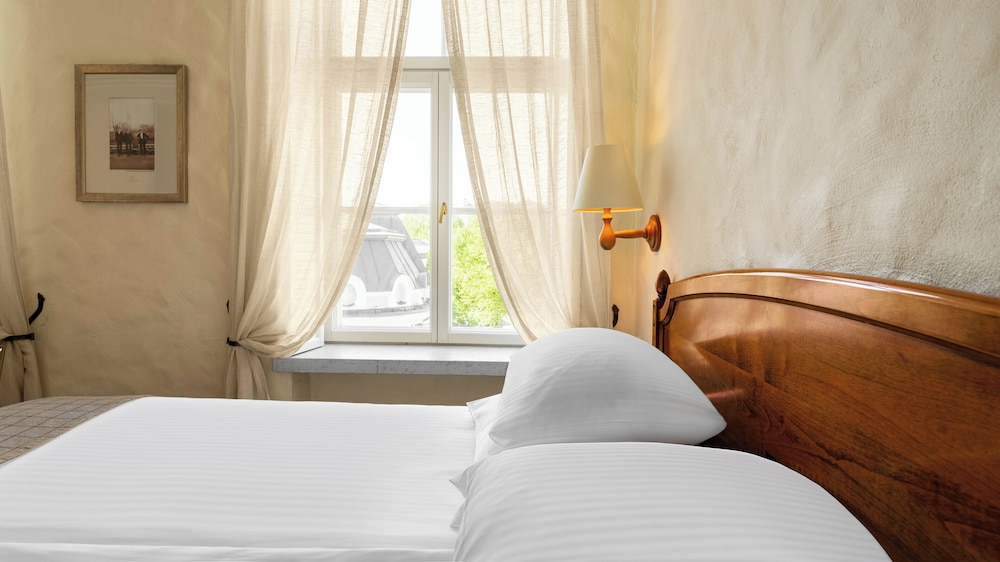
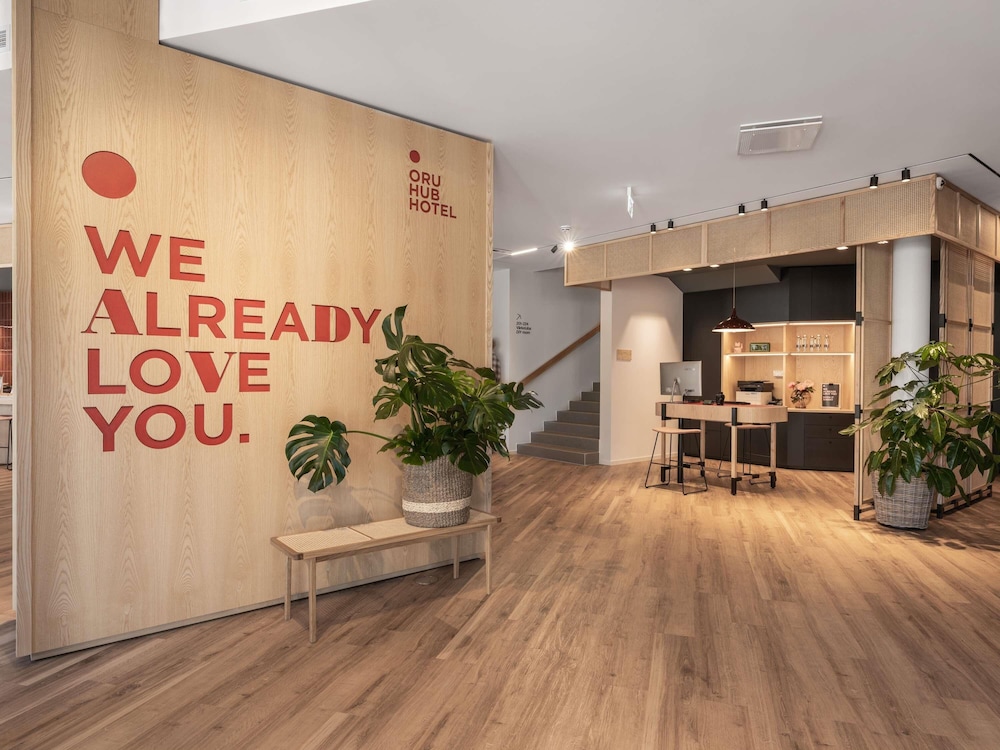
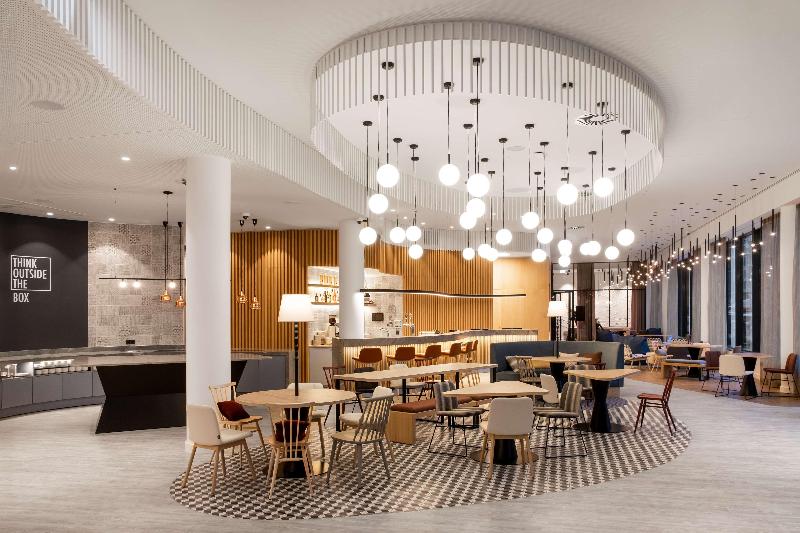
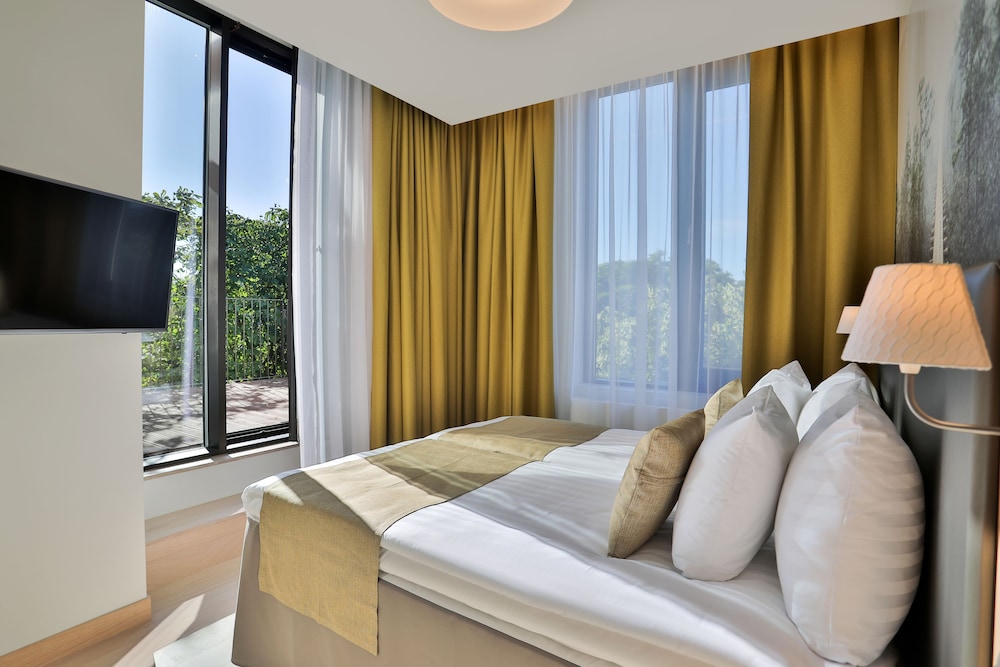
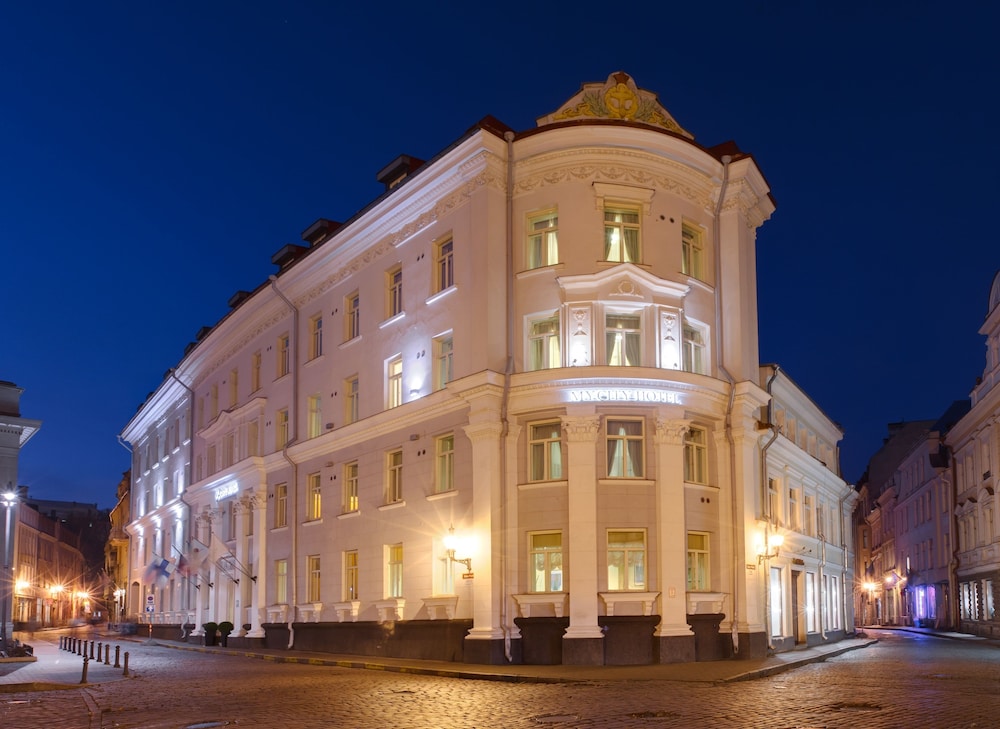
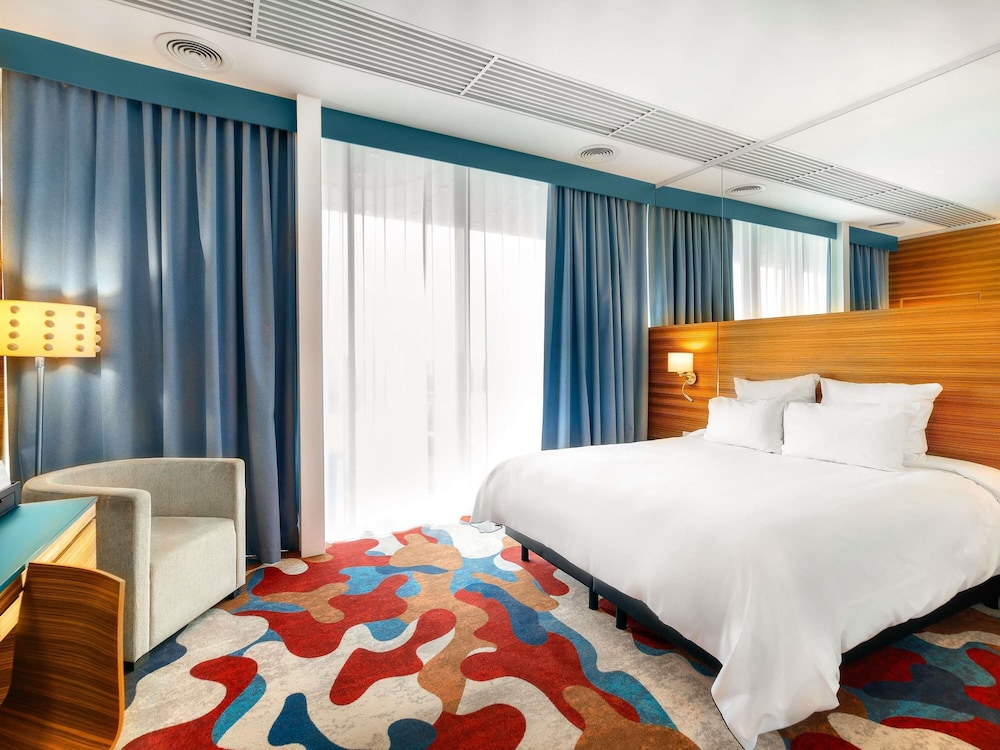
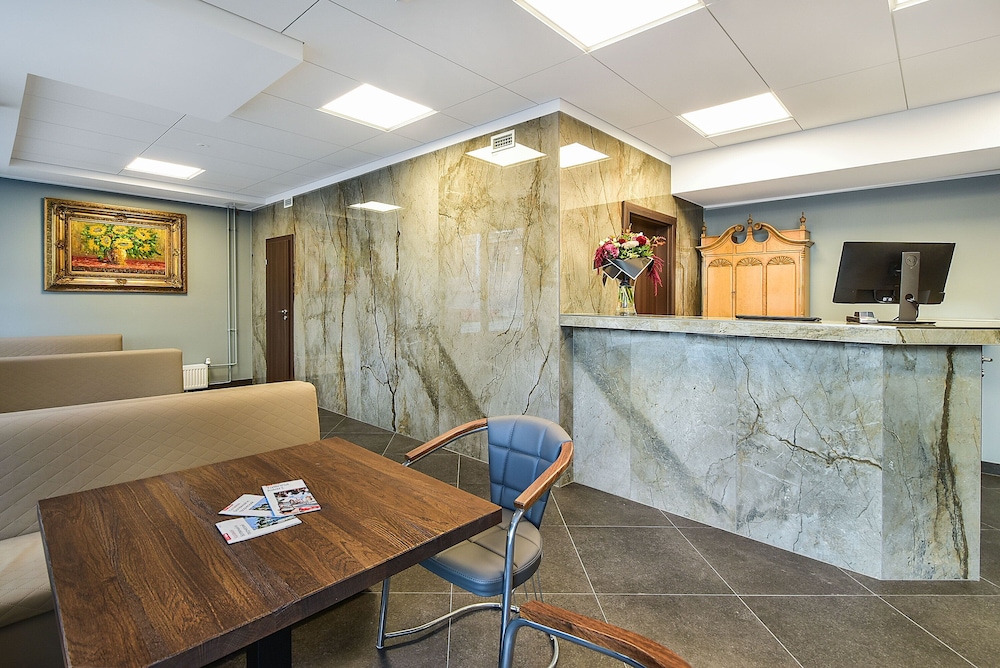
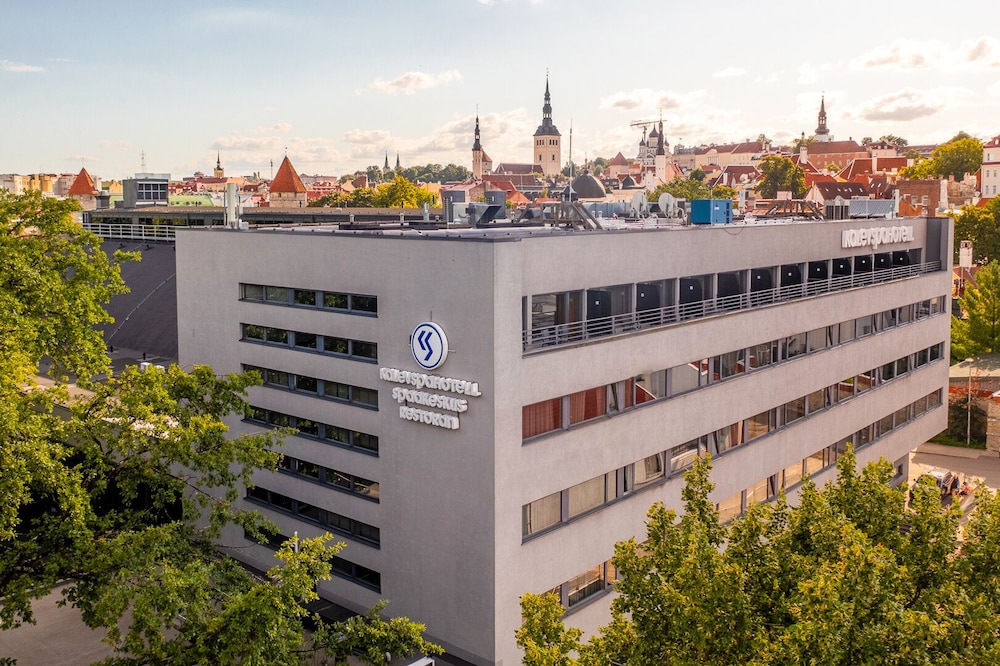
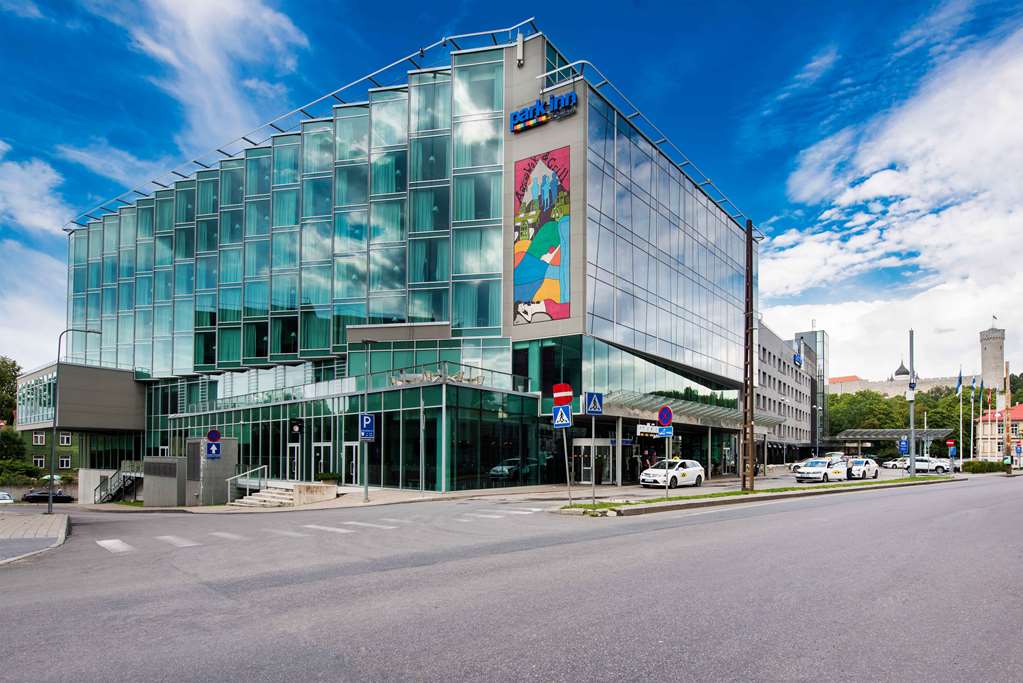
Tallinn
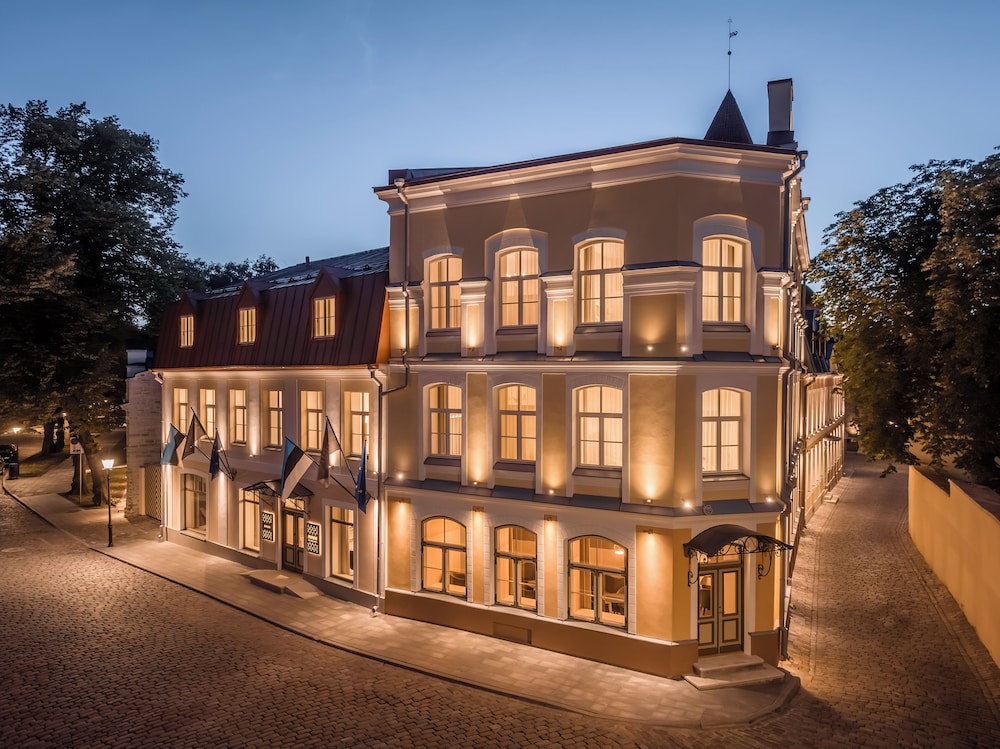
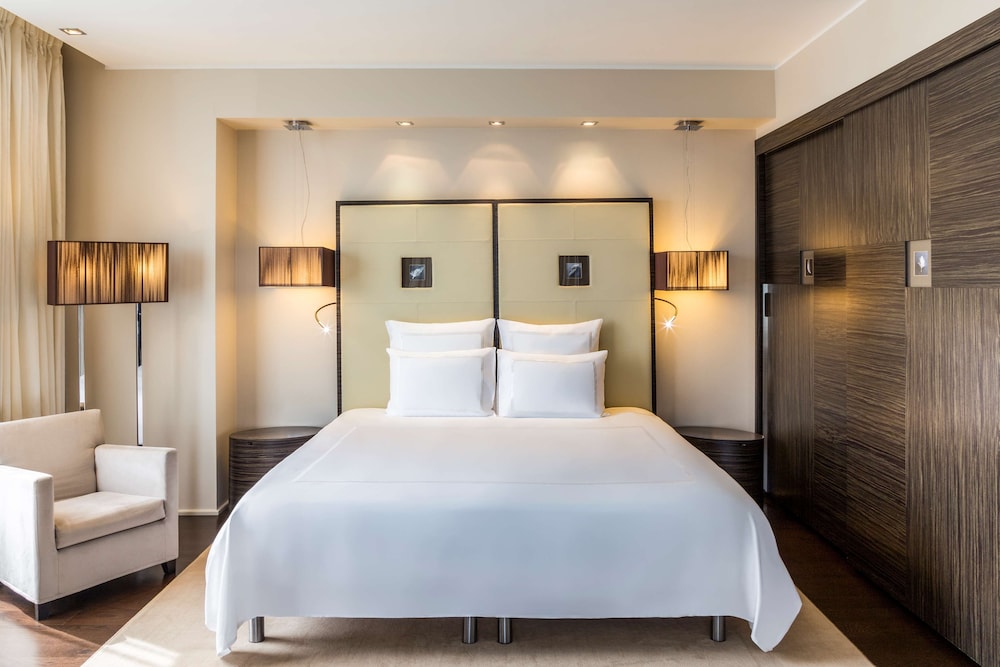
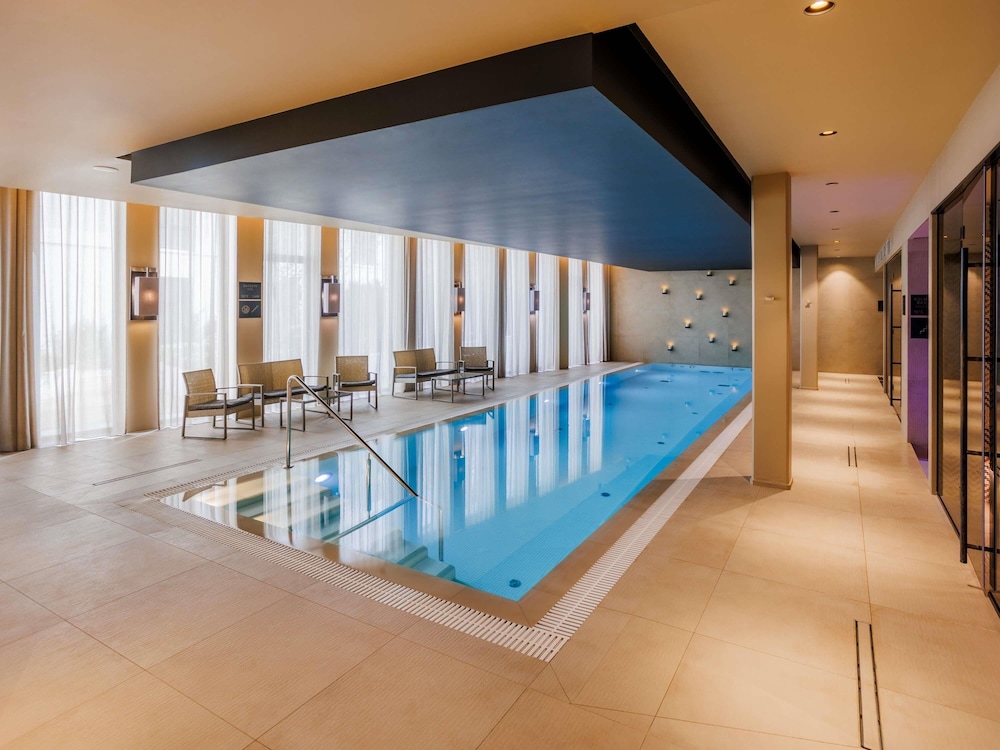
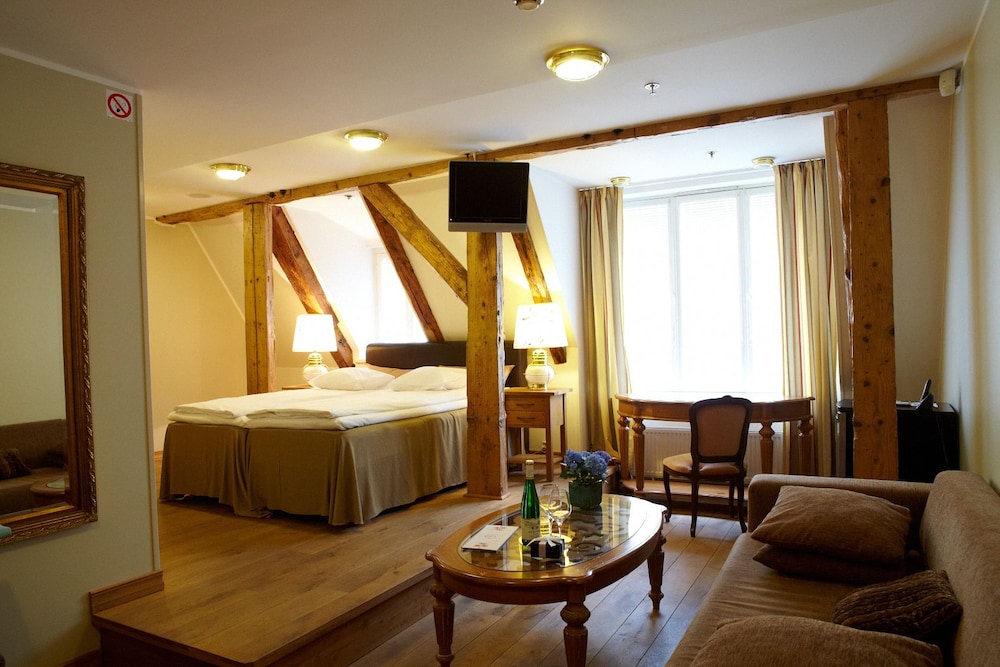
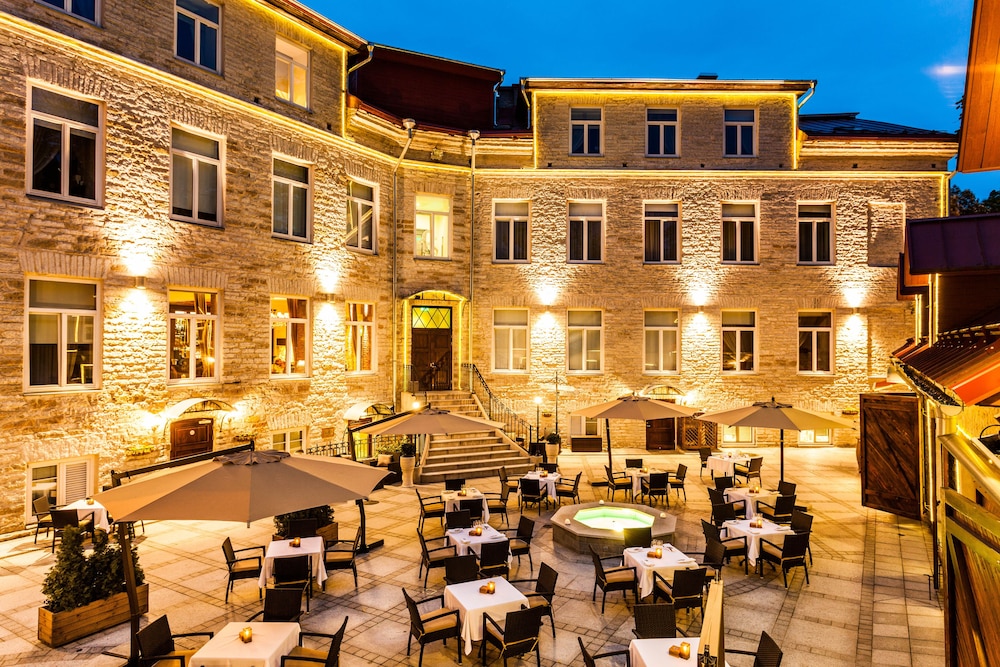
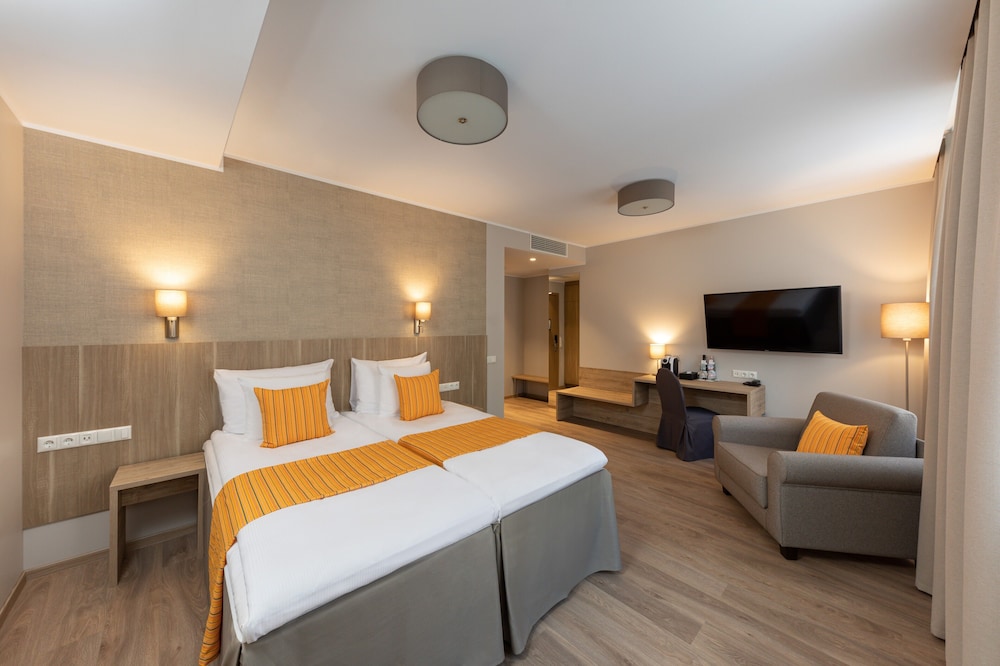
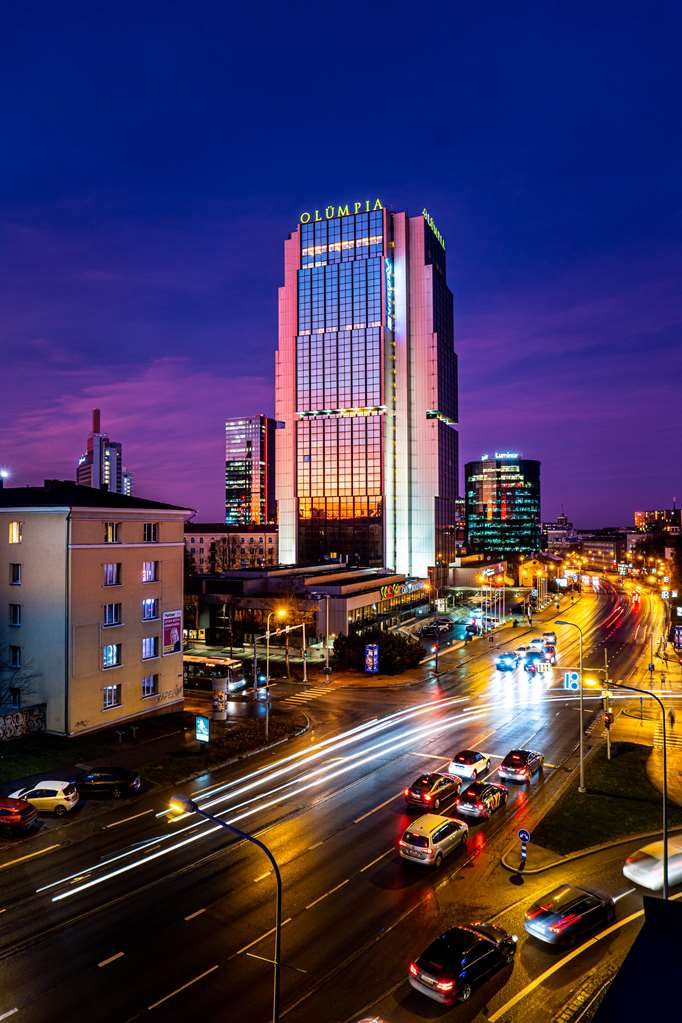
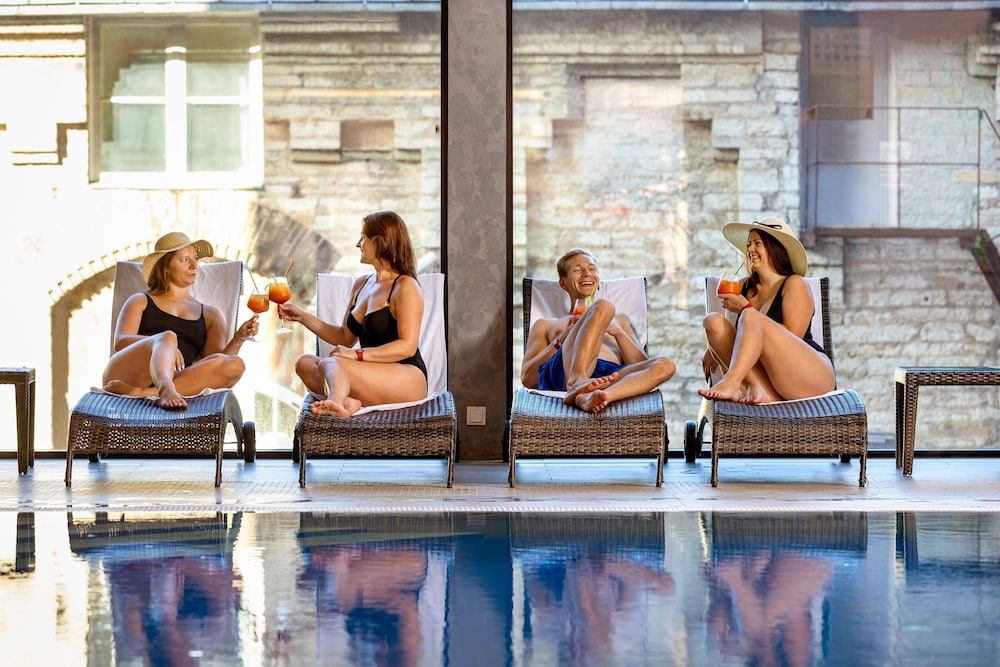
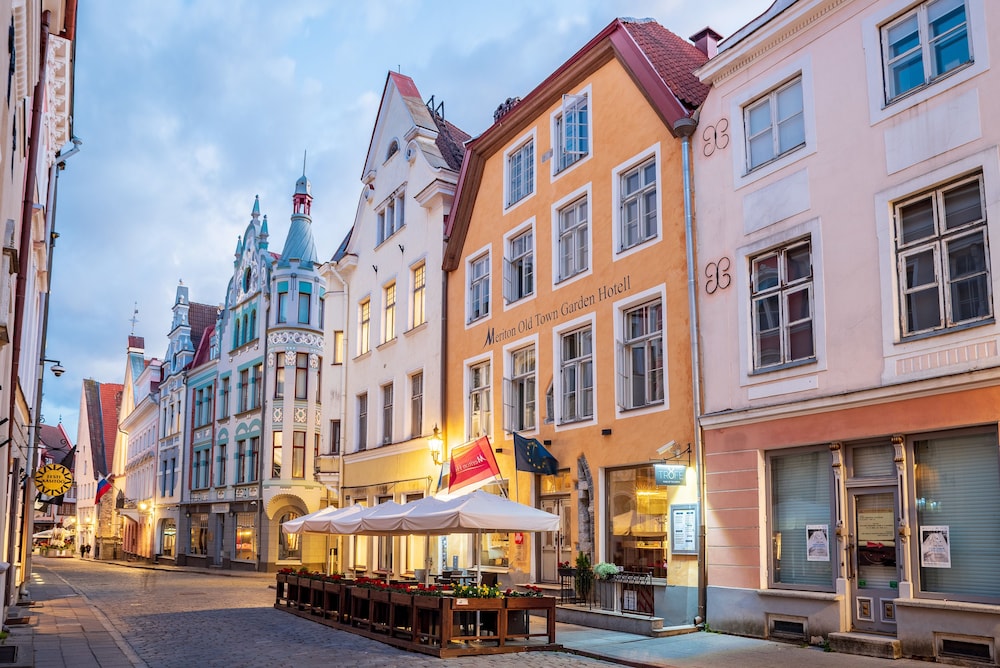
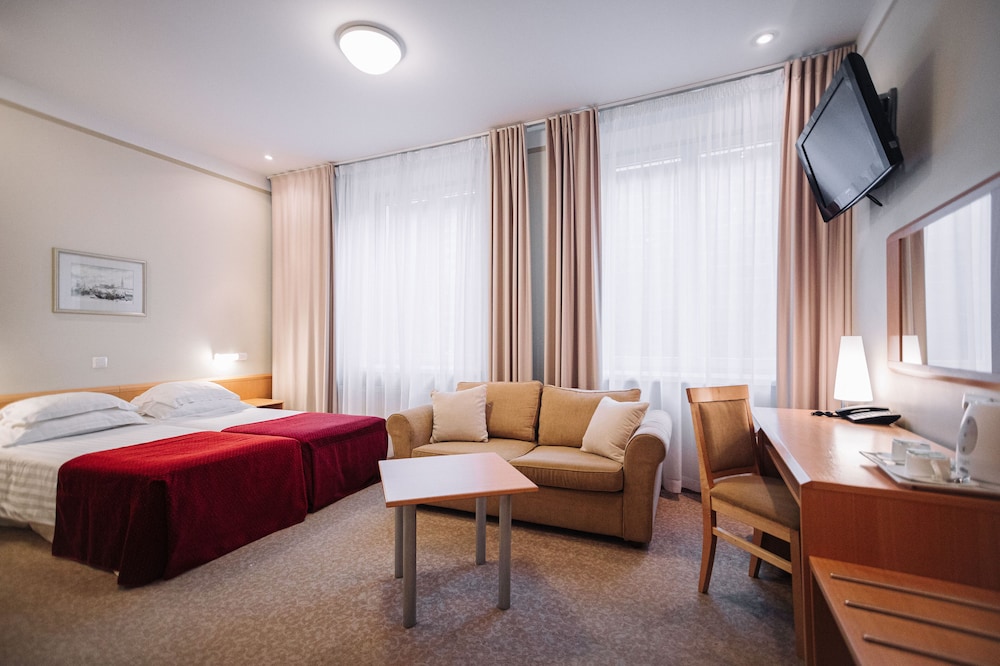
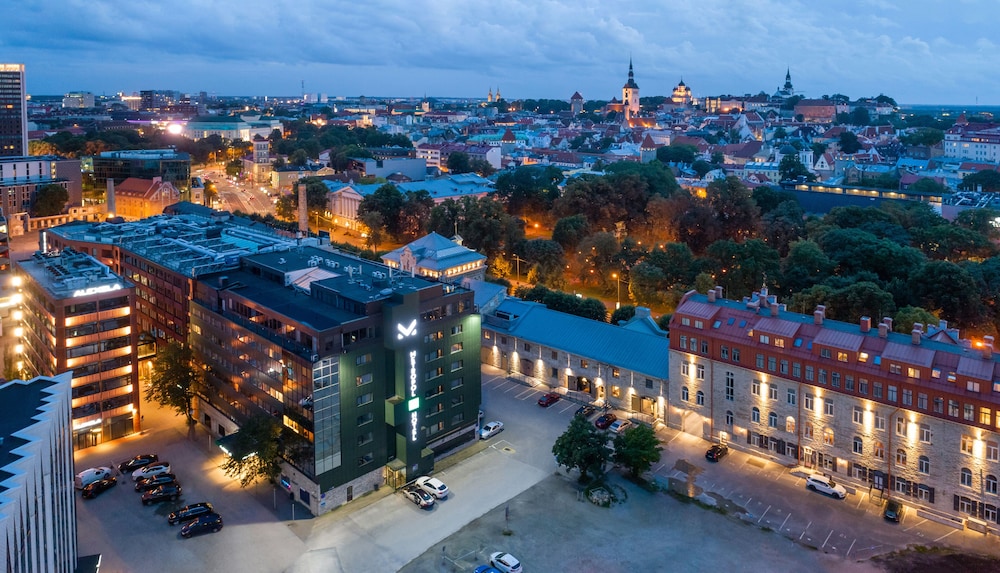
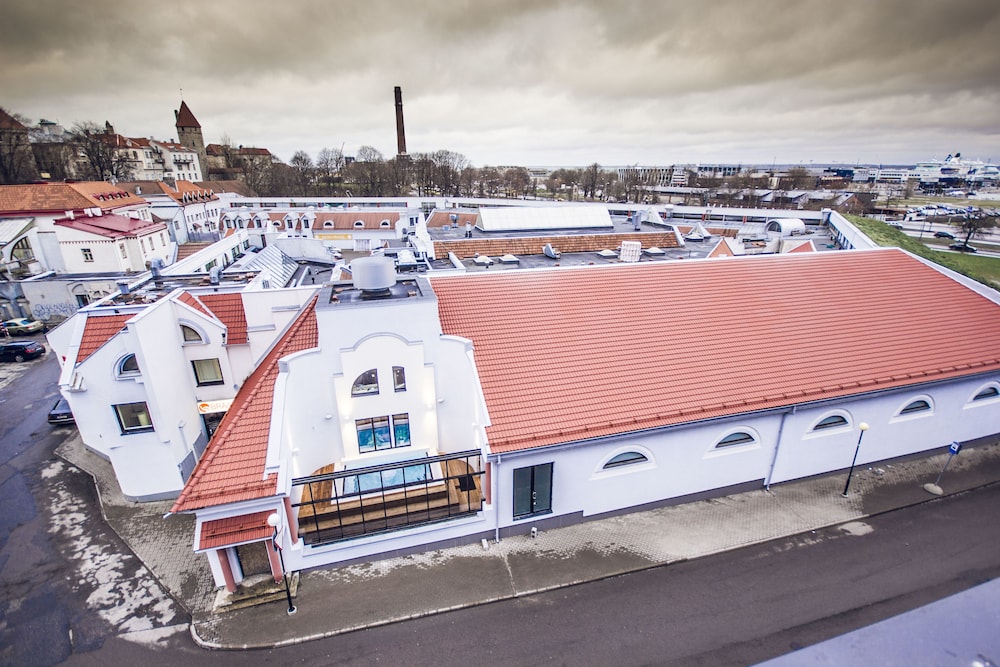
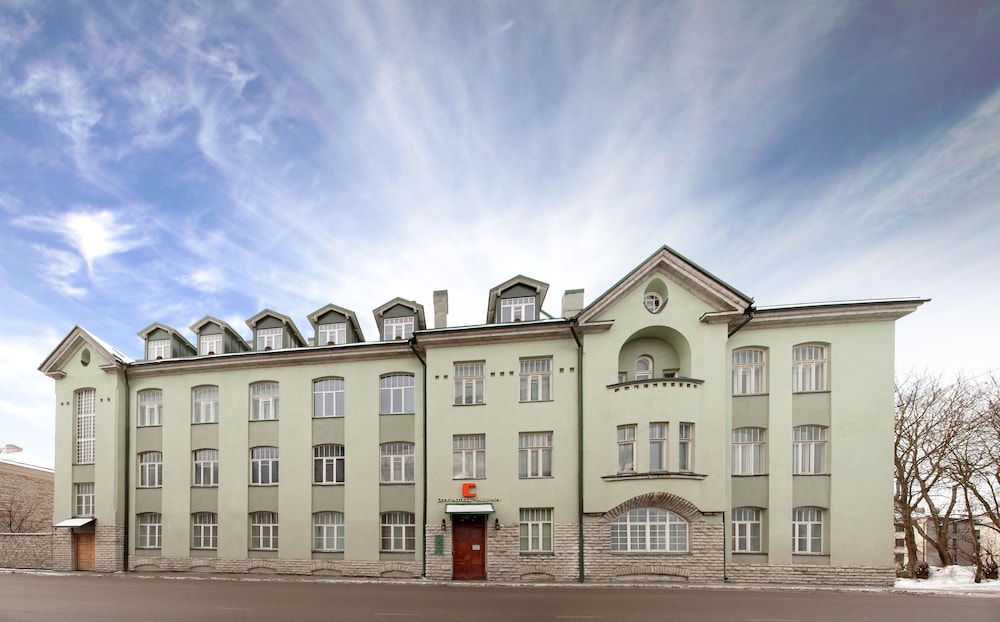
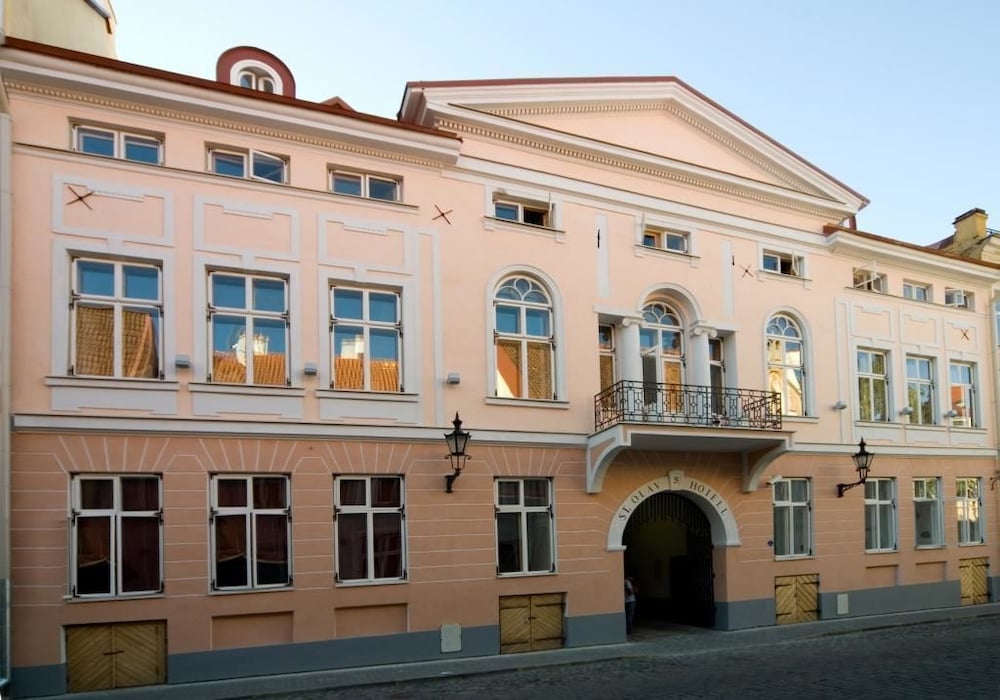
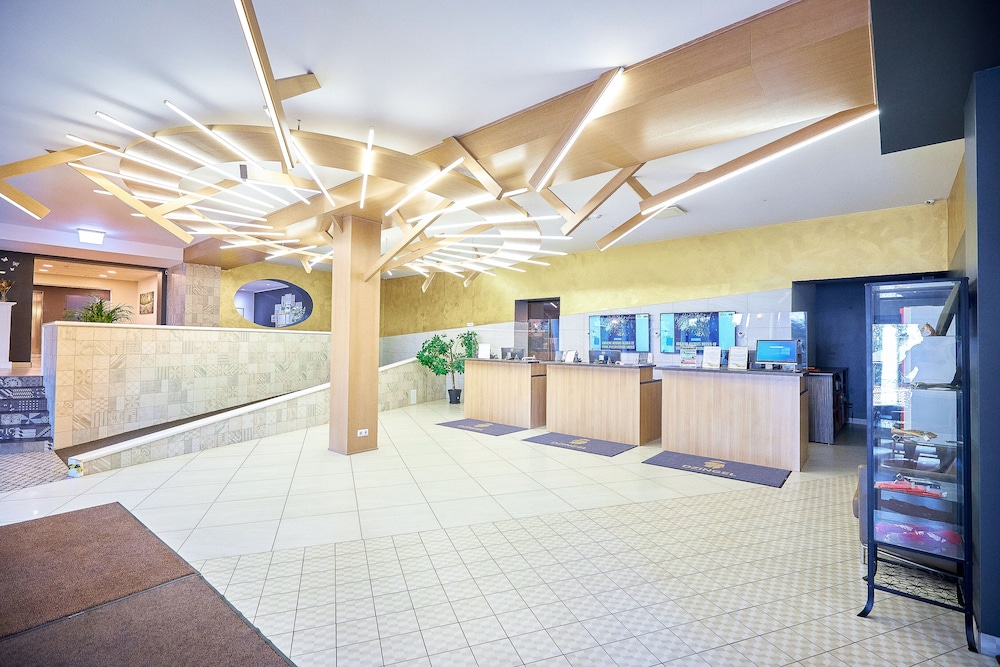
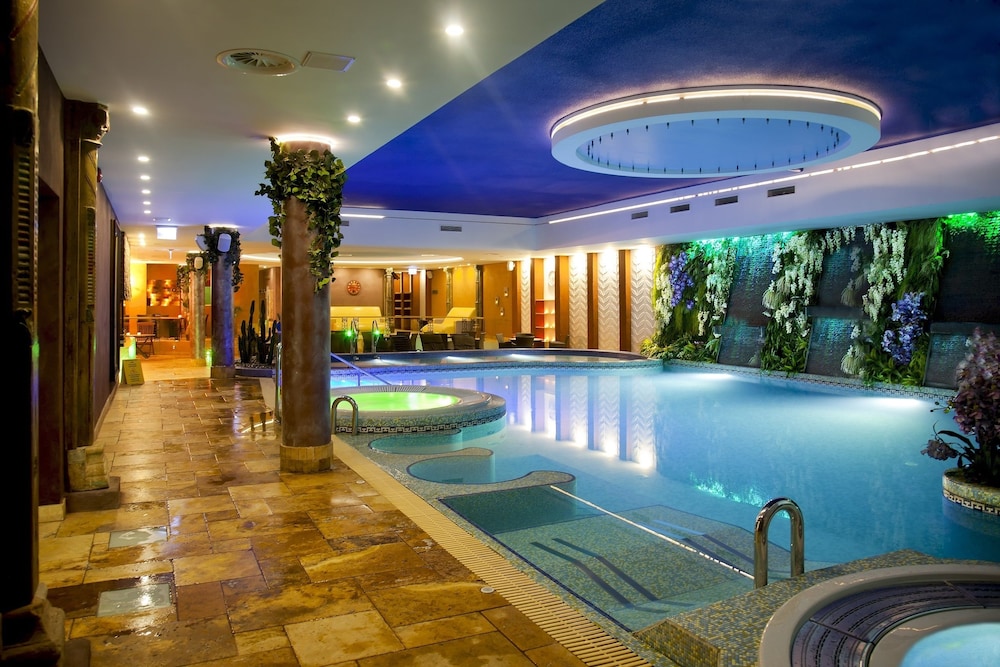
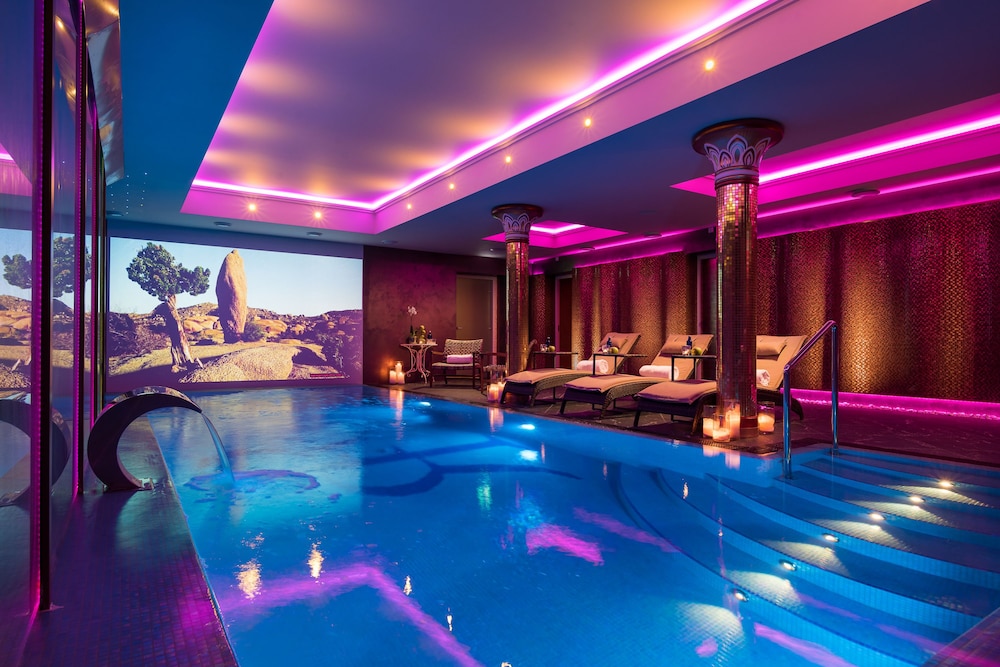
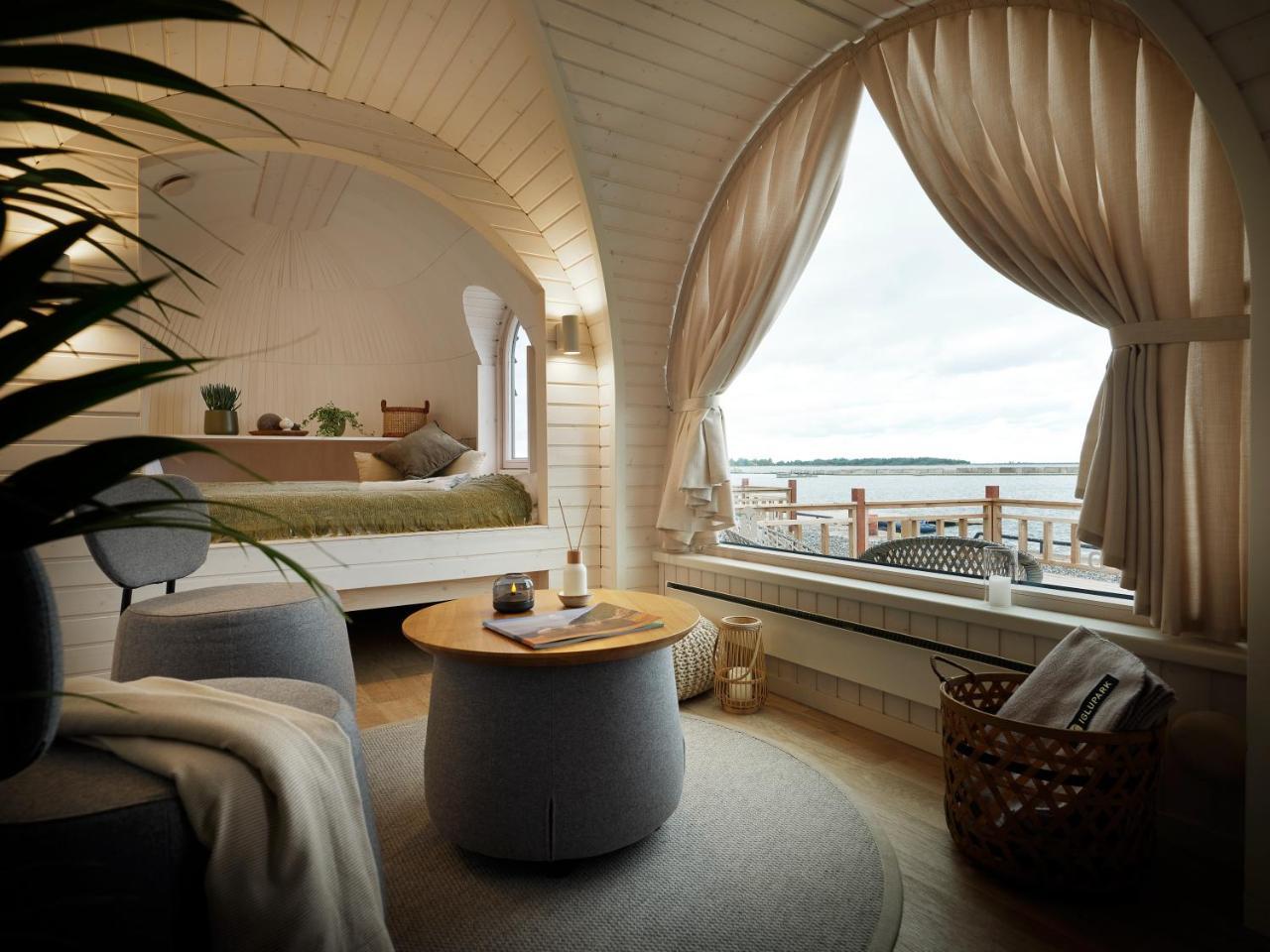
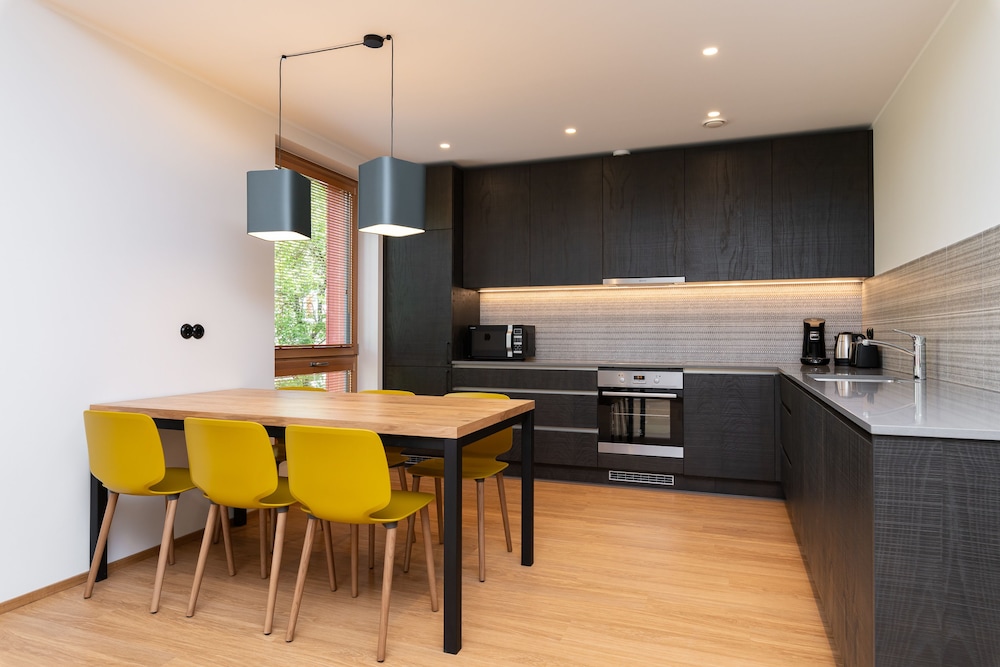
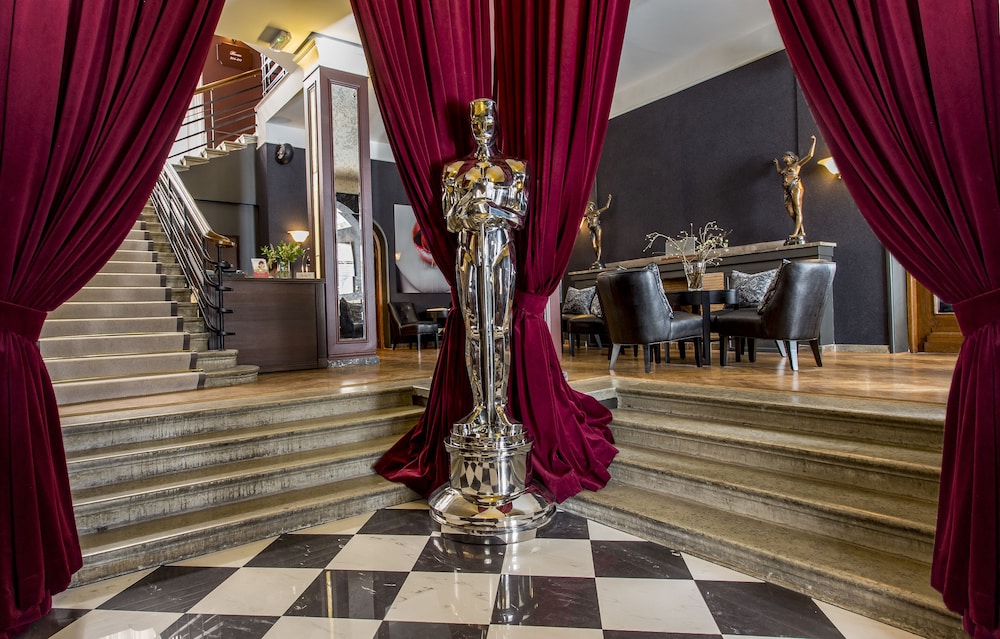
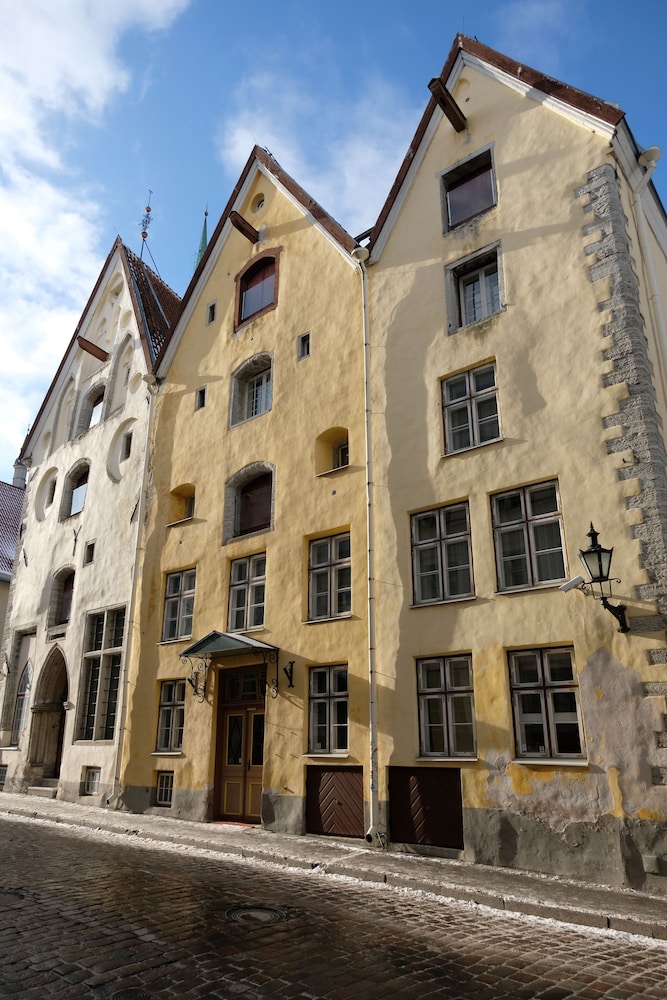
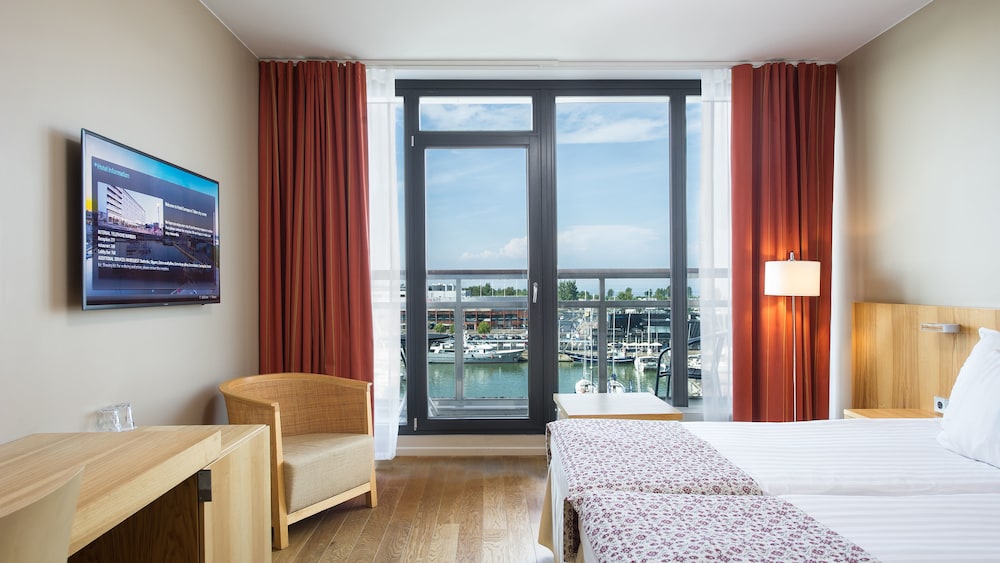
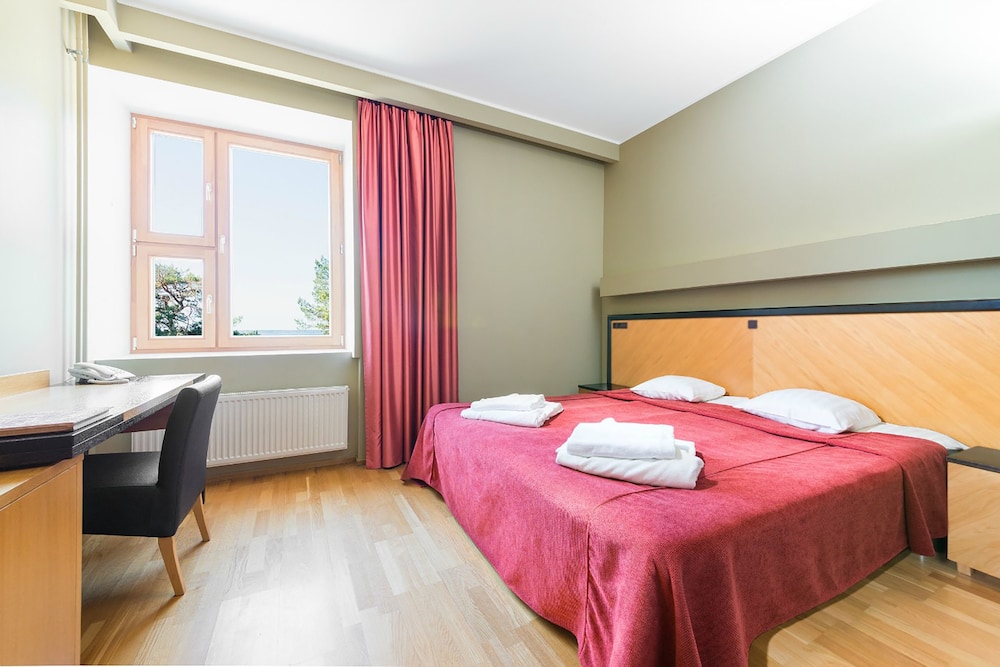
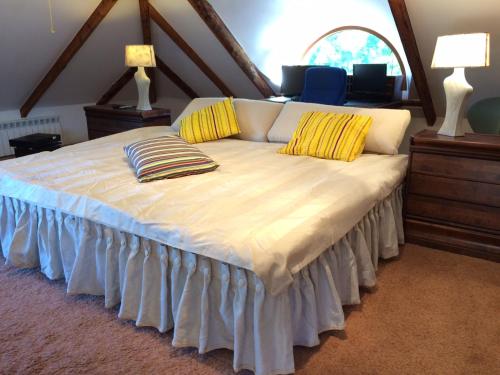
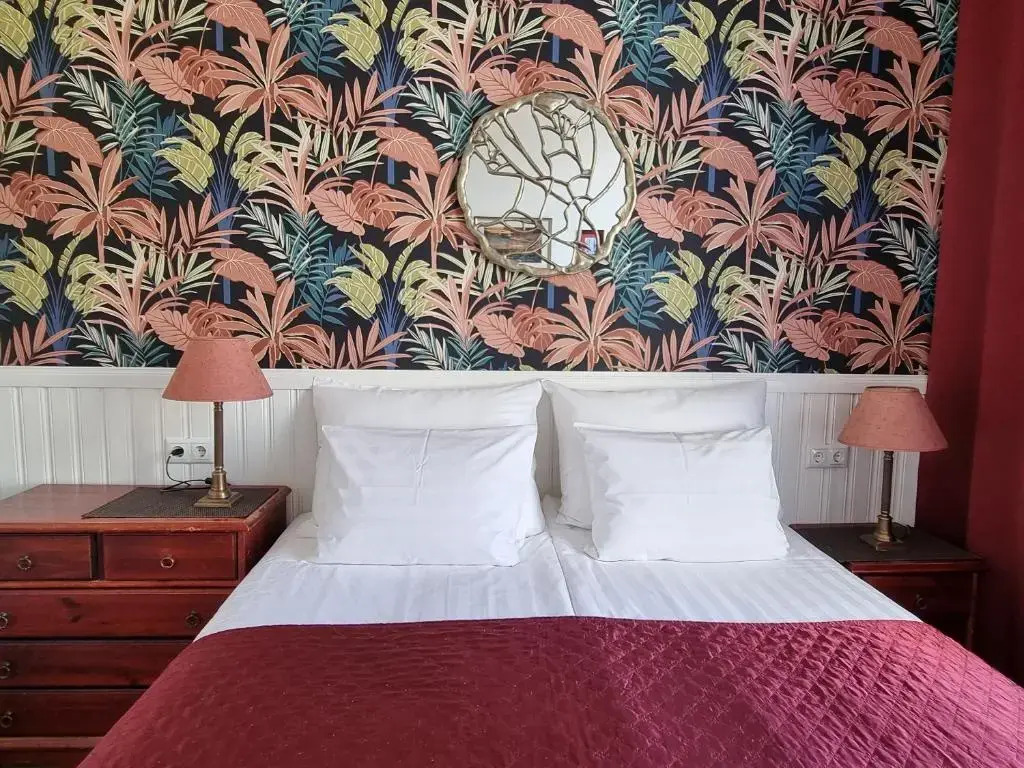
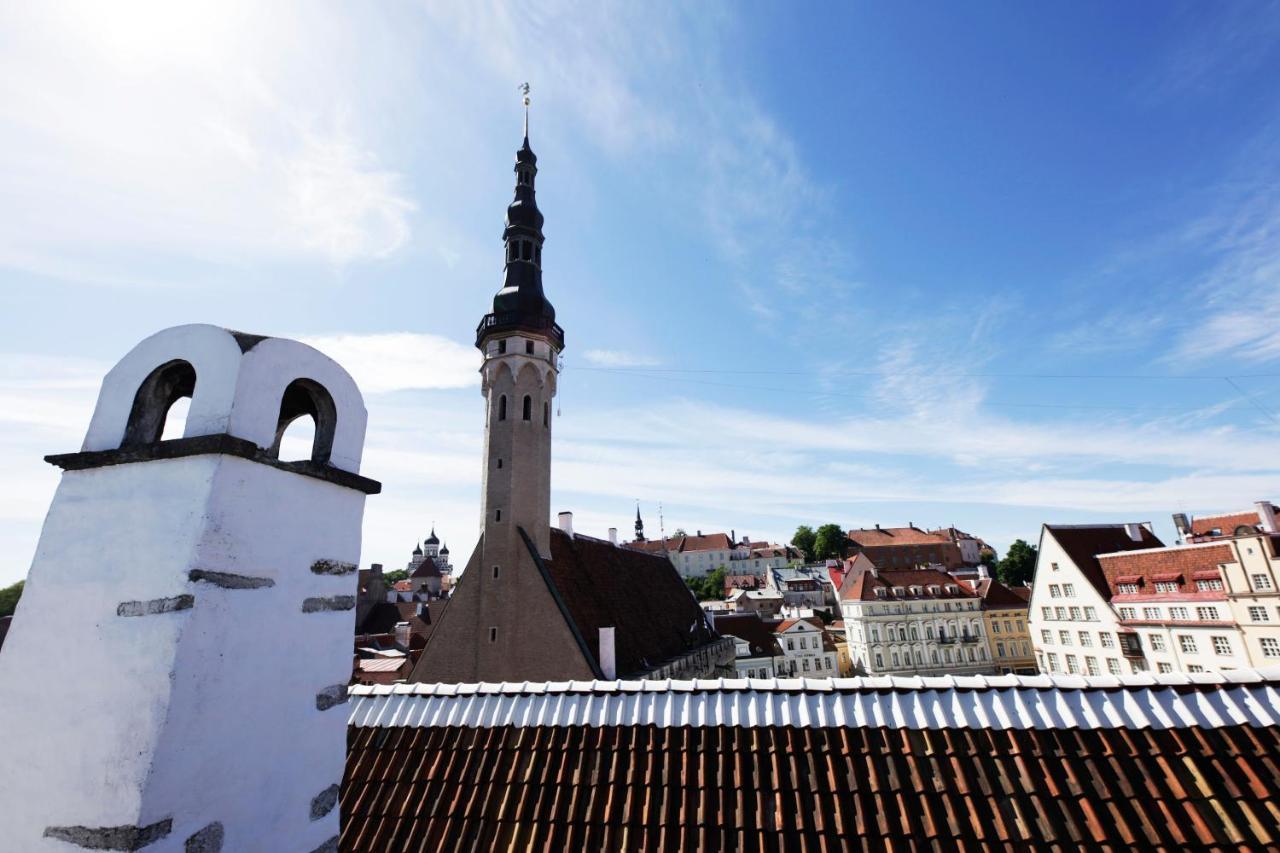
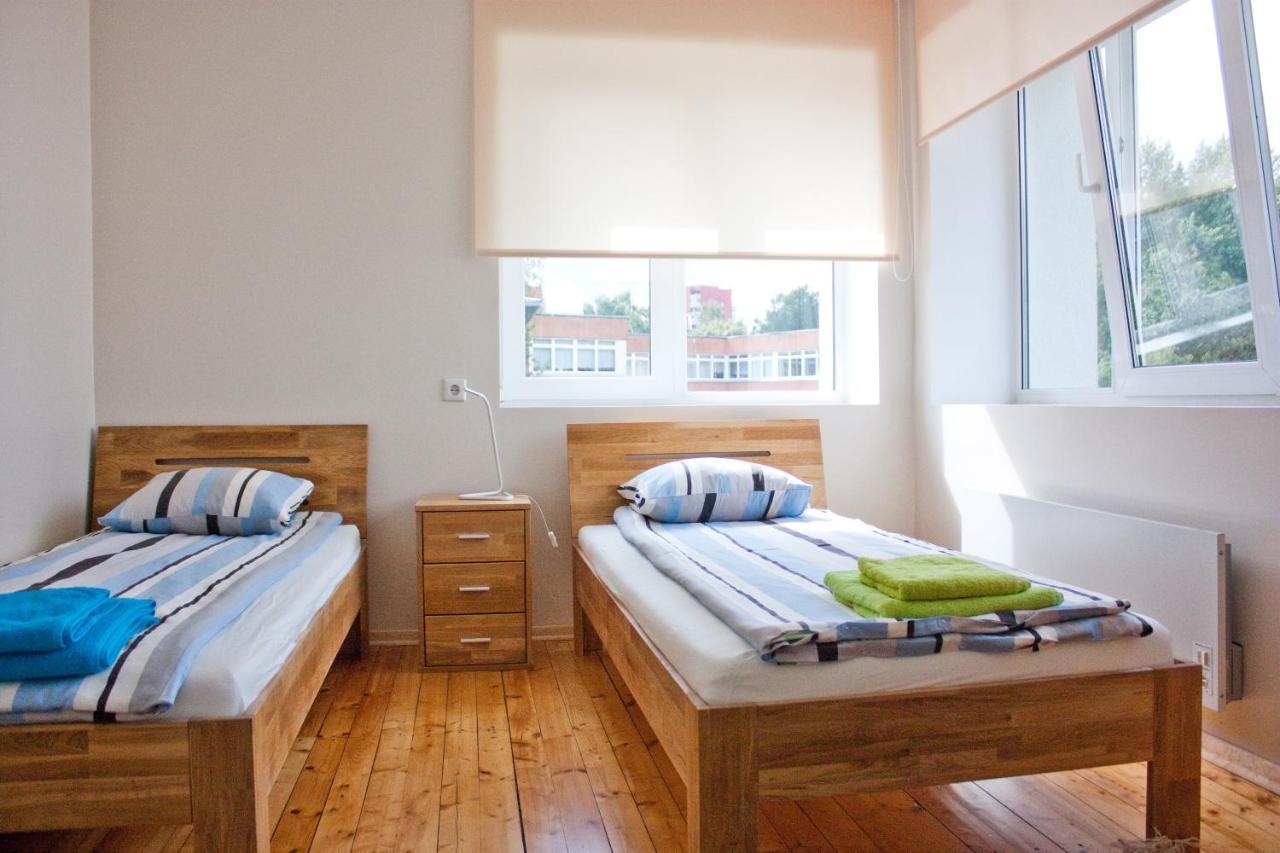
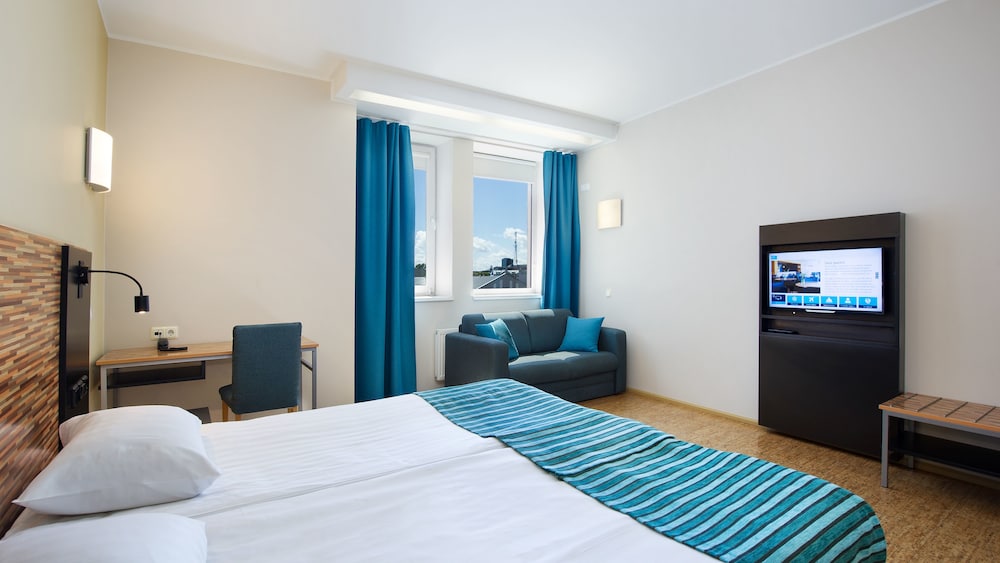
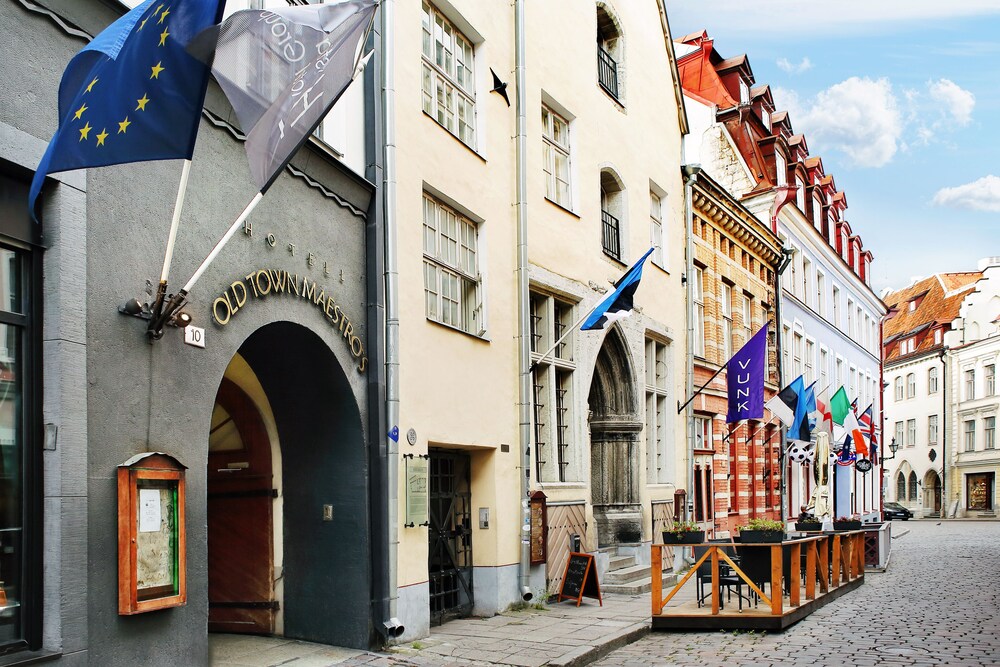
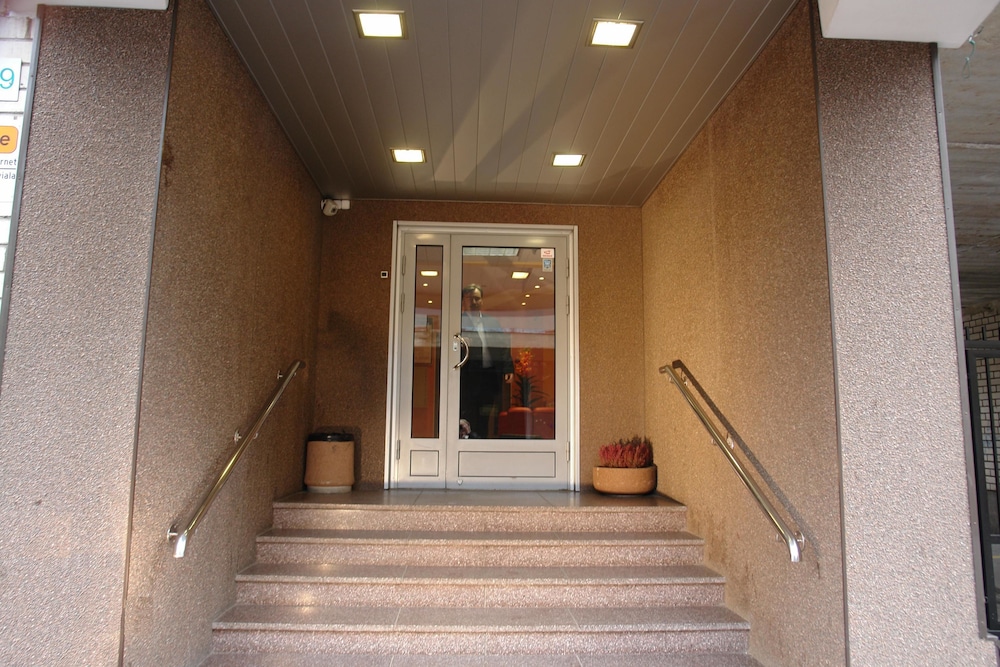
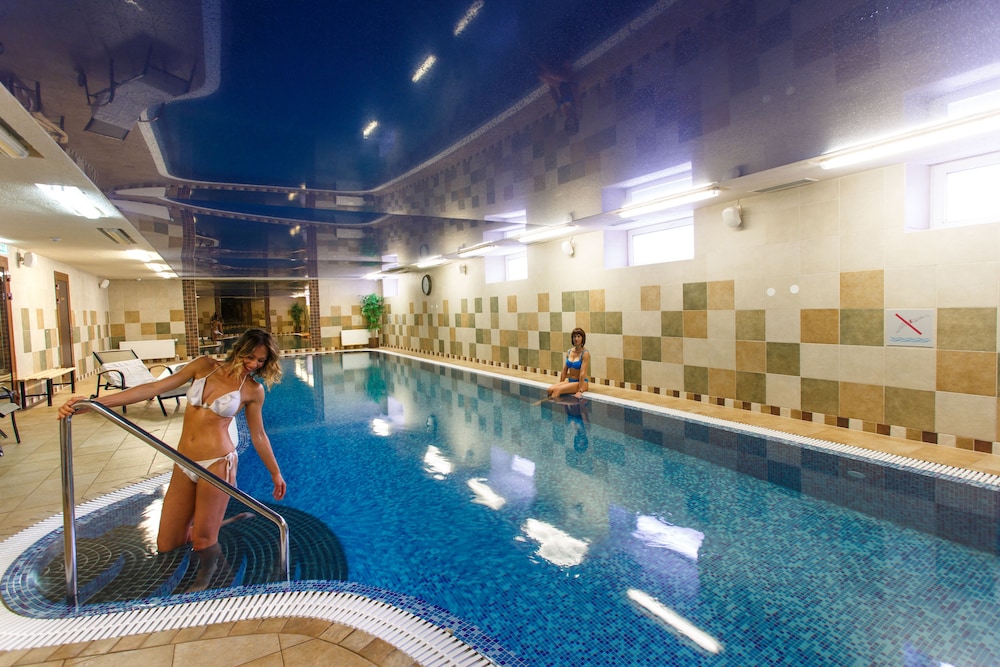
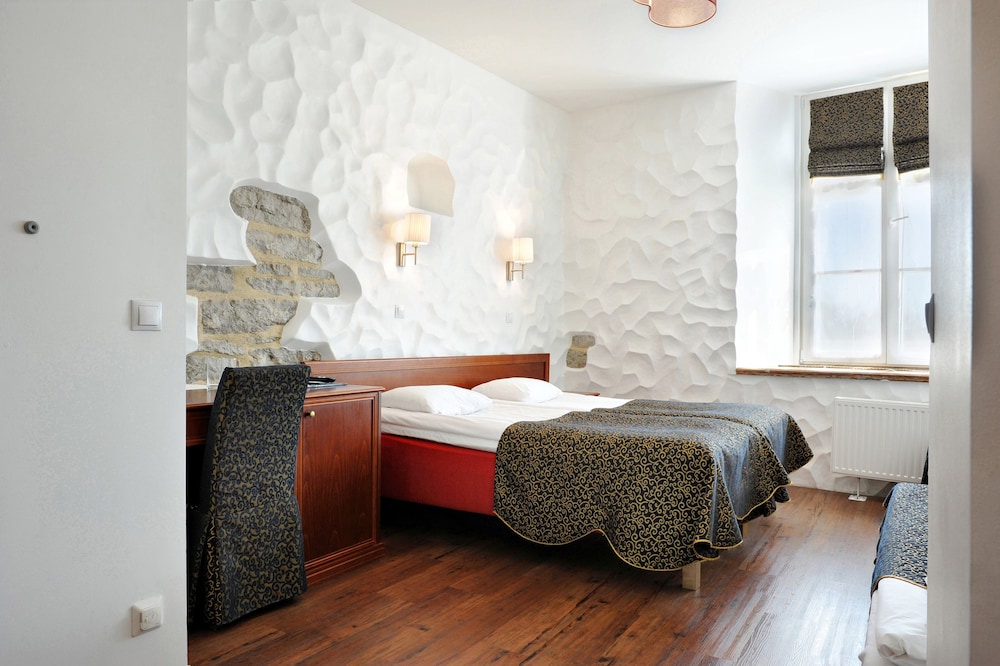
Park Inn by Radisson Meriton Conference & Spa Hotel Tallinn
★★★★ Tallinn
$91 / nightReserve
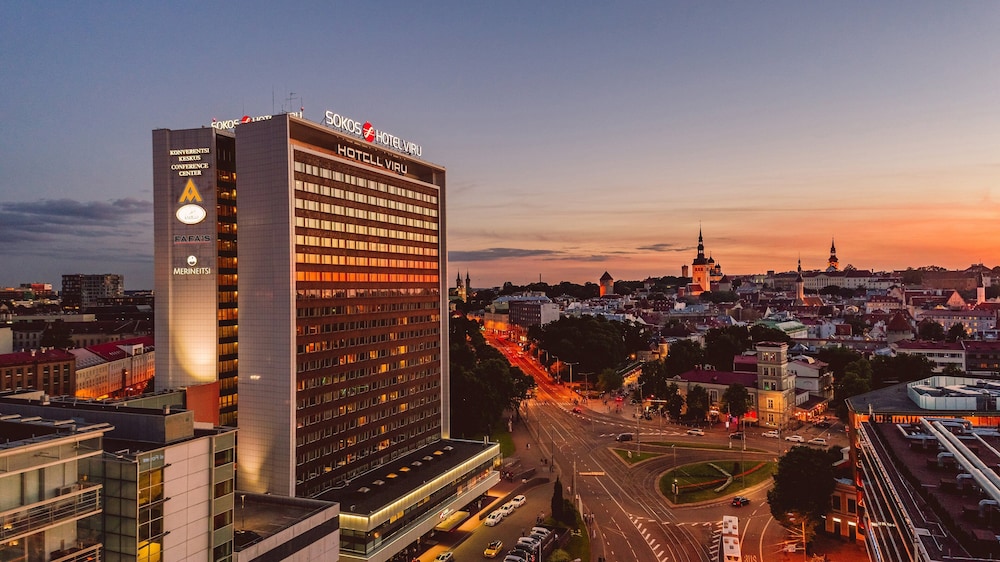
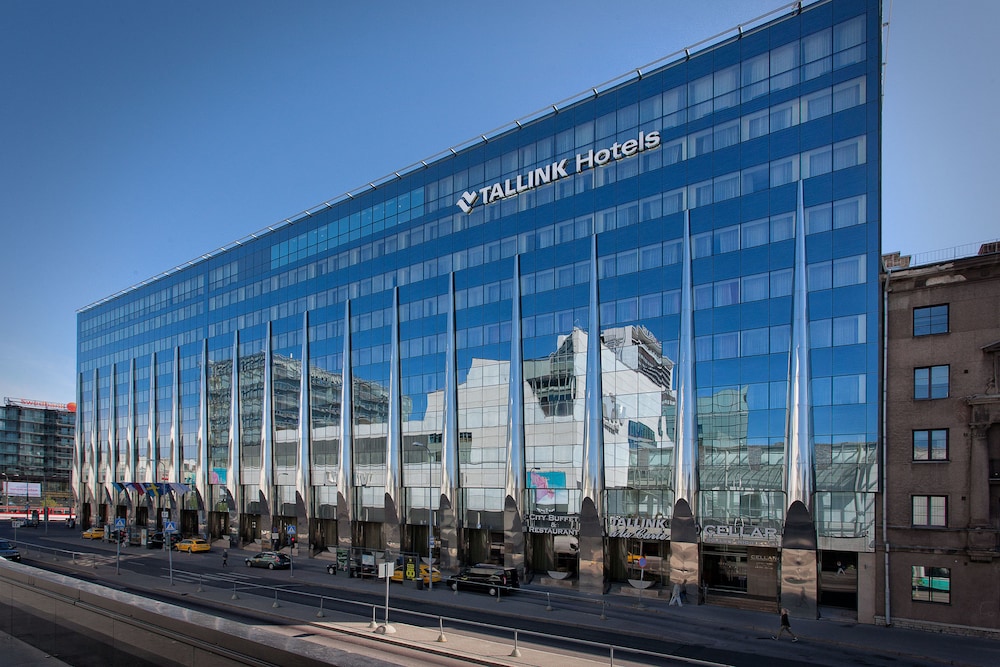
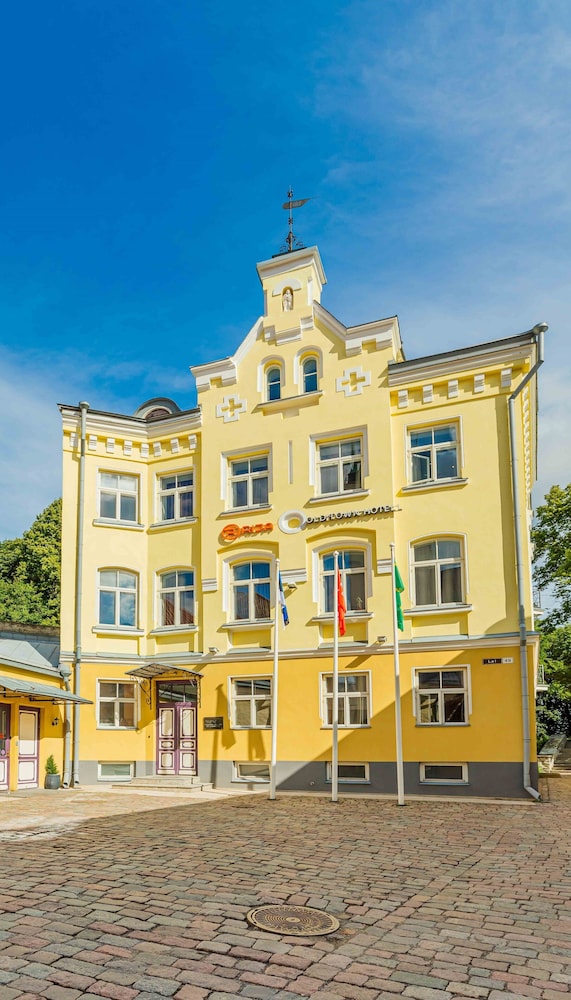
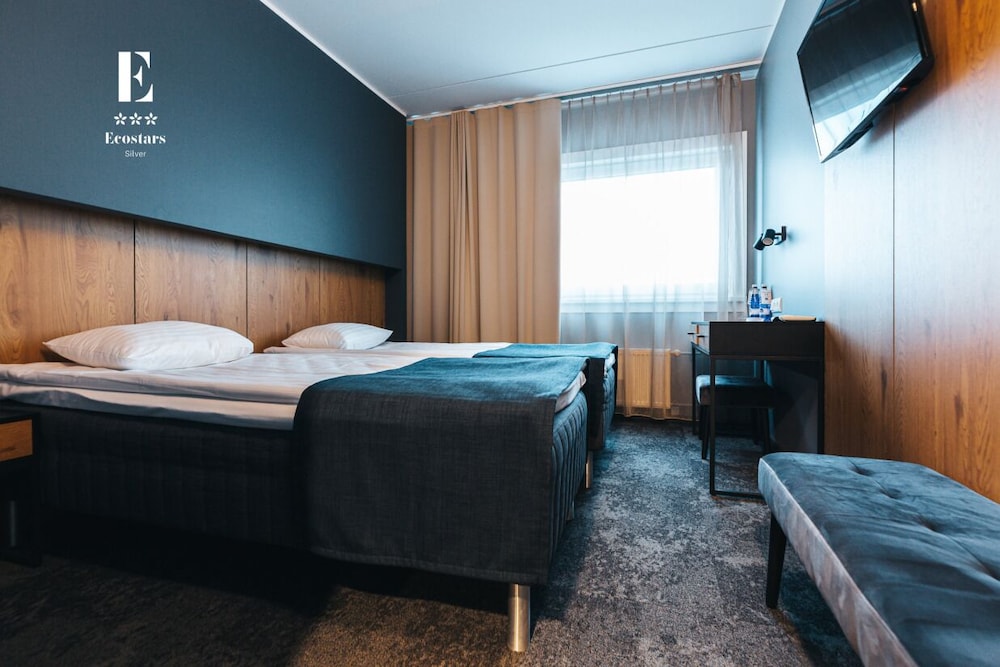
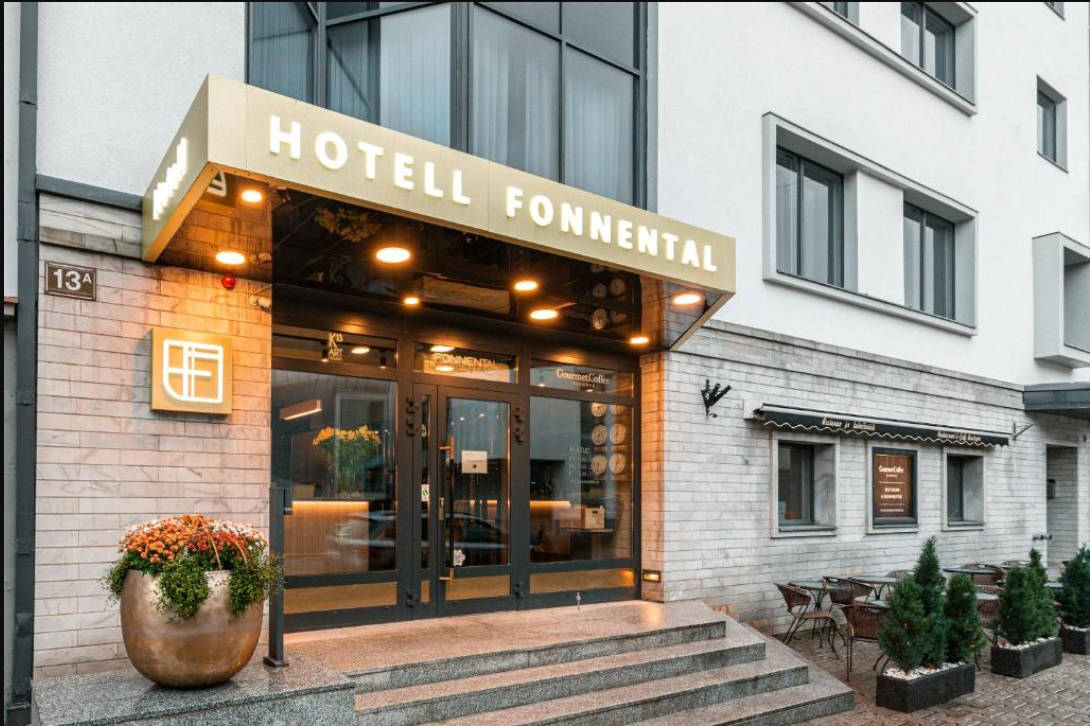
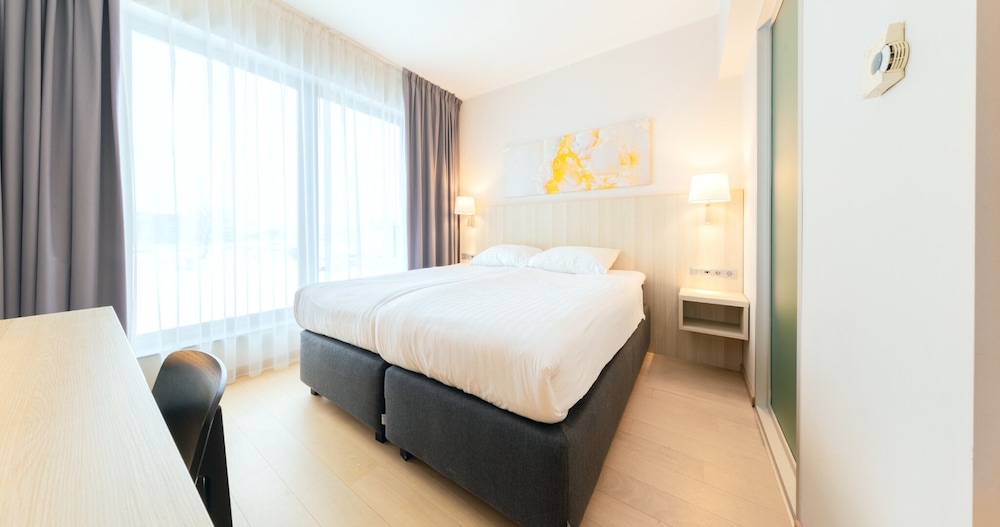
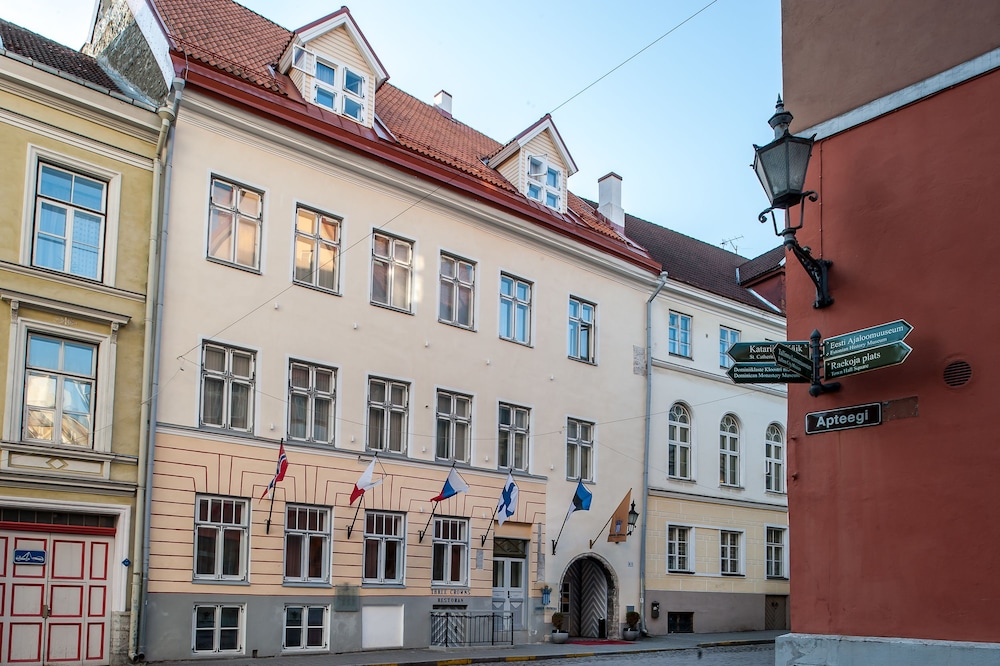
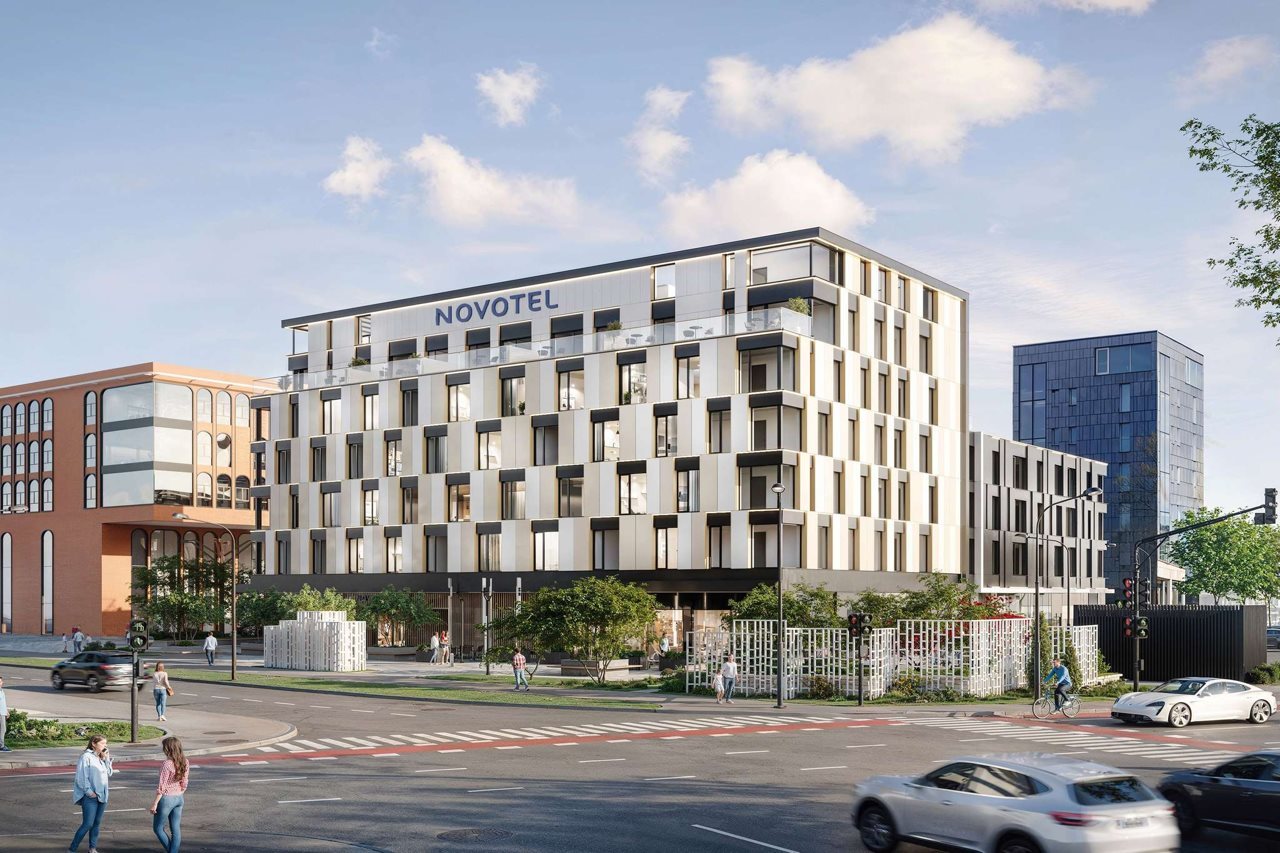
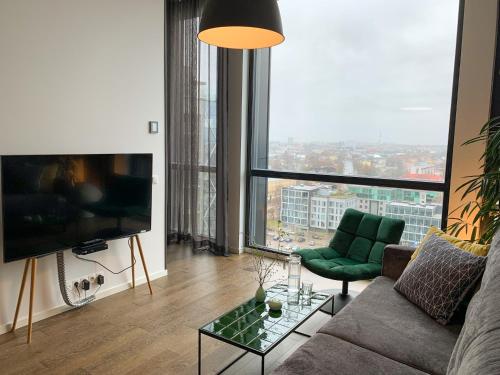
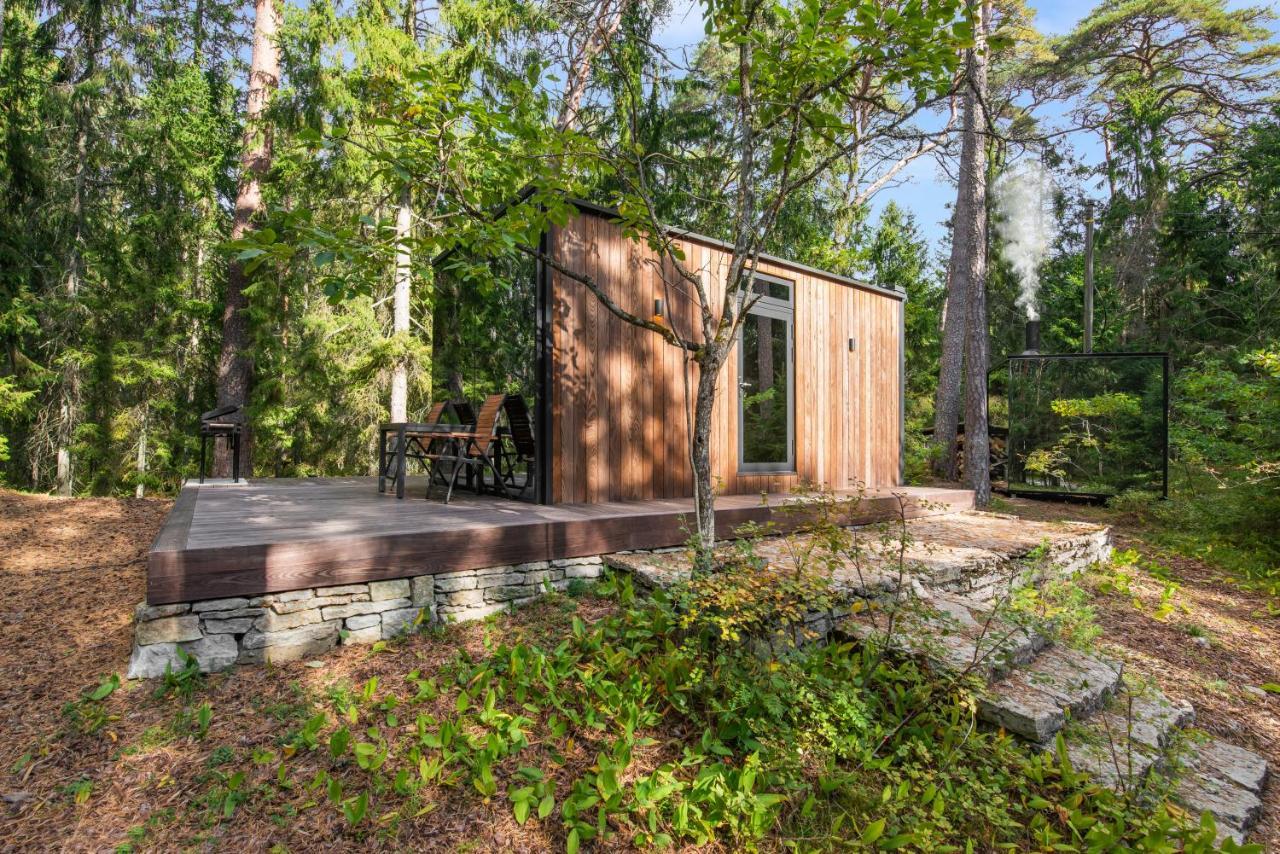
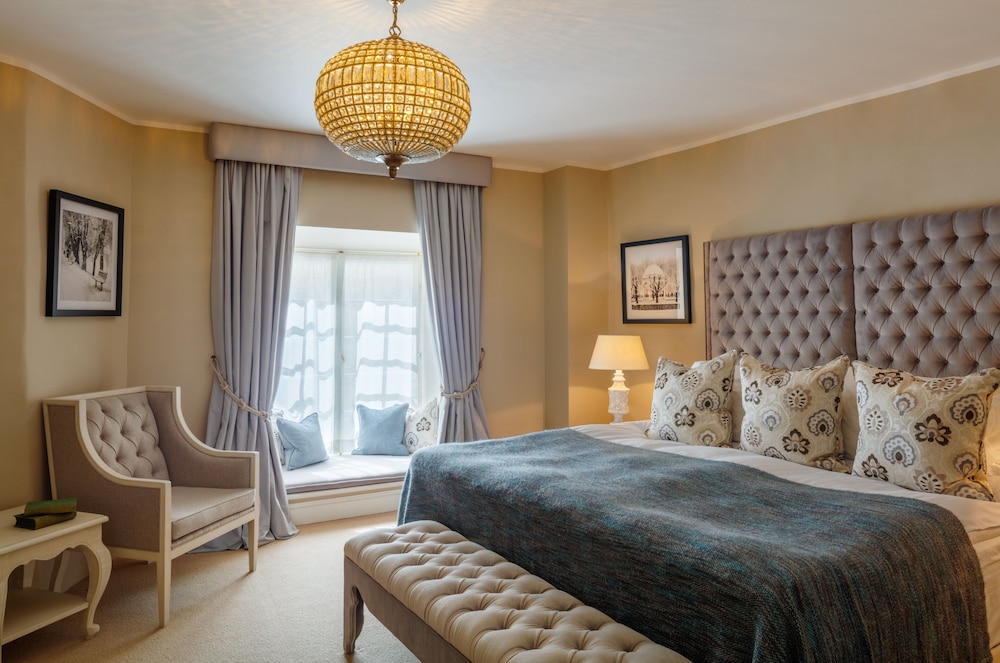
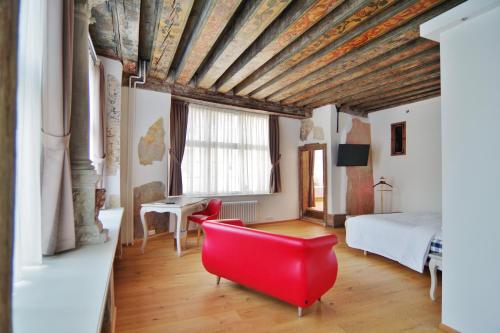
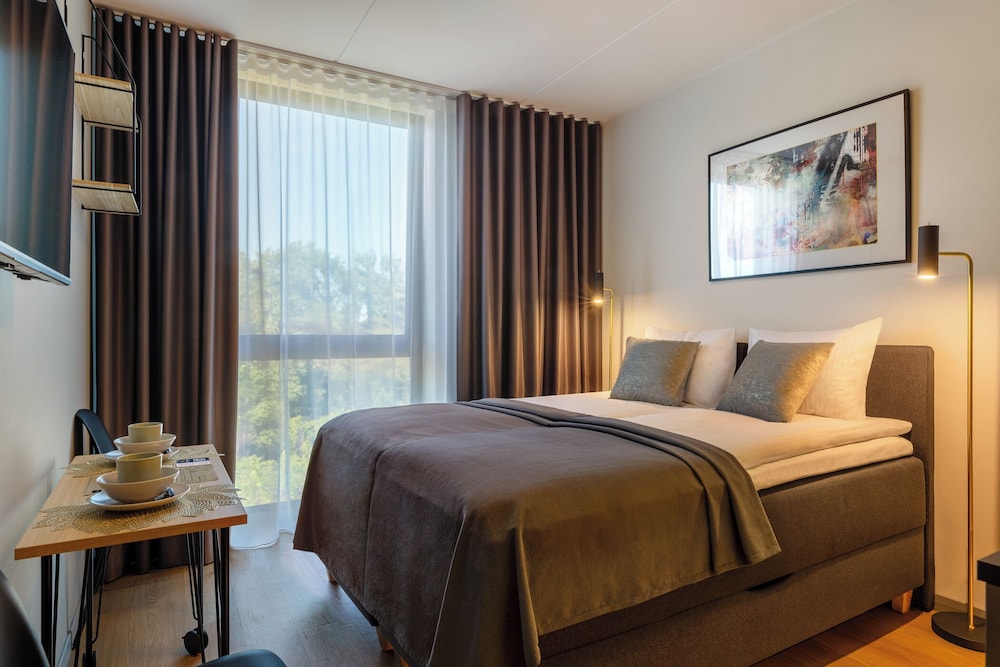
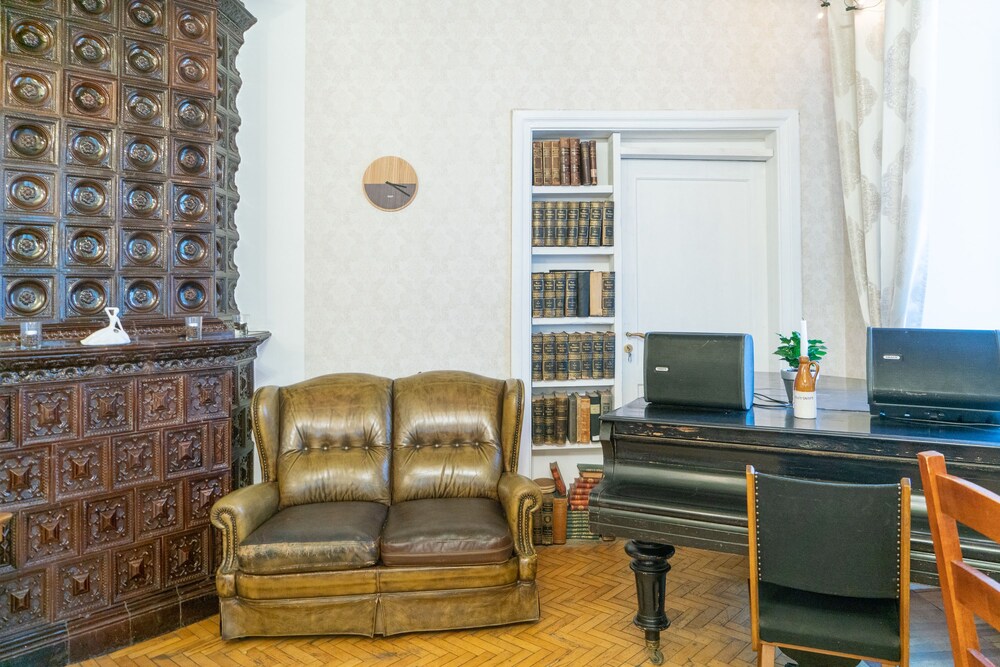
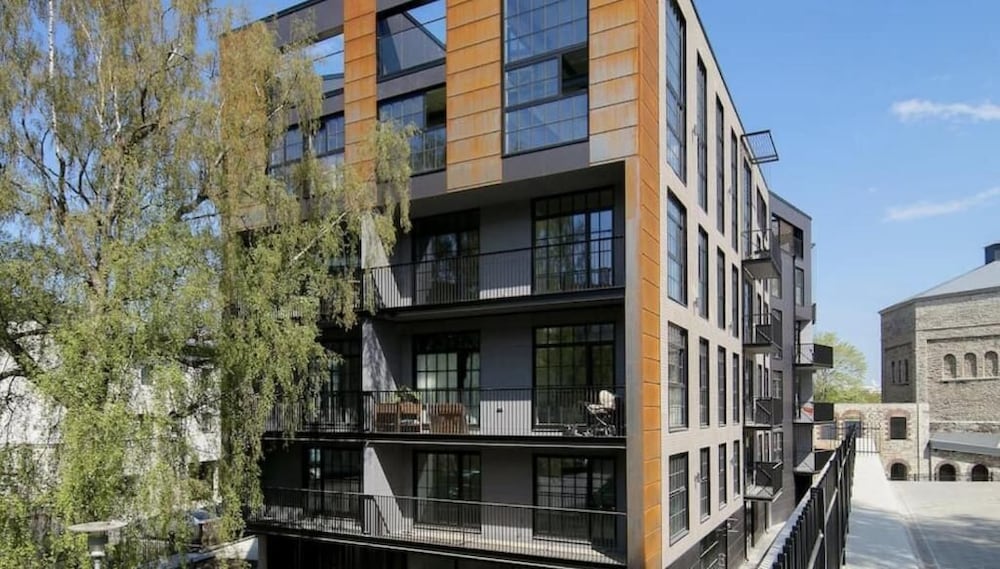
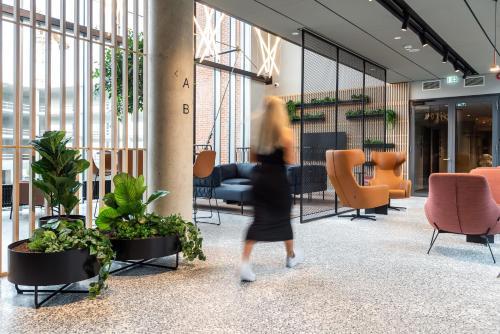
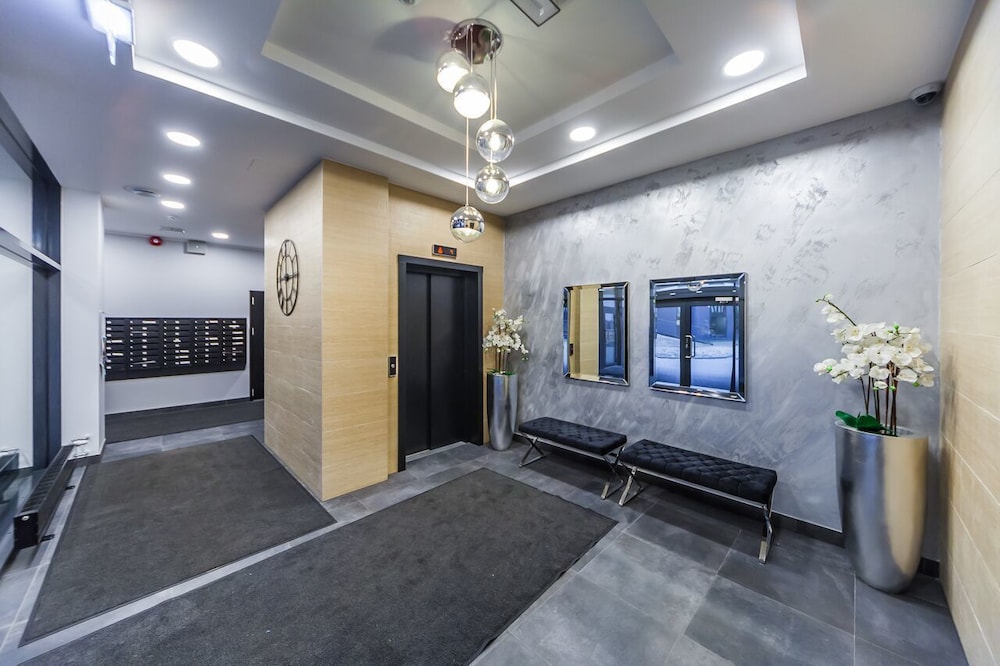

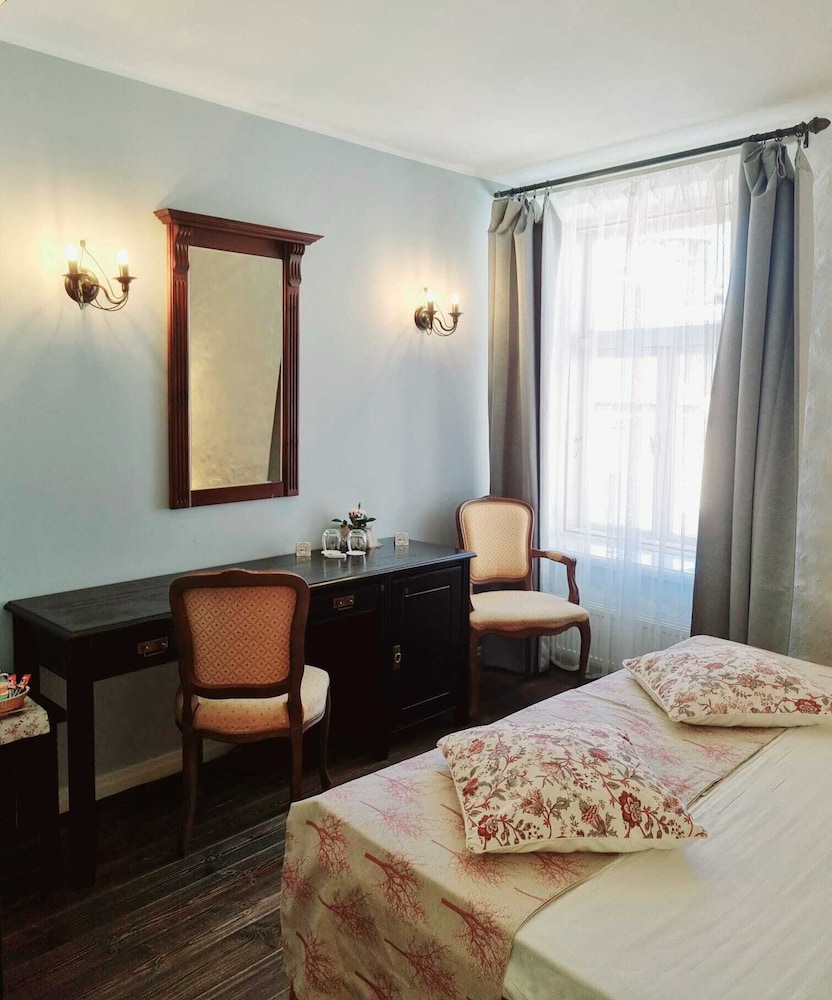
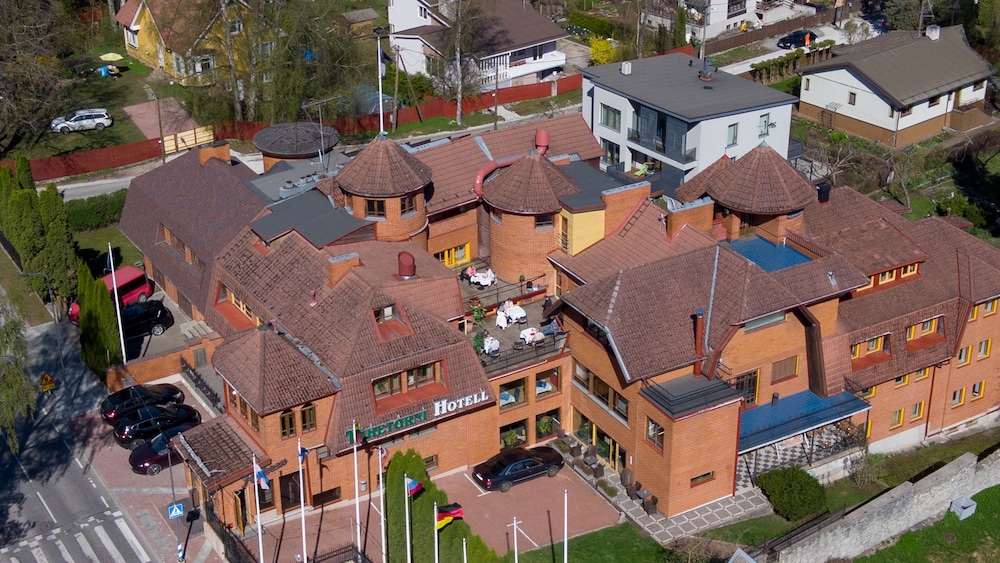
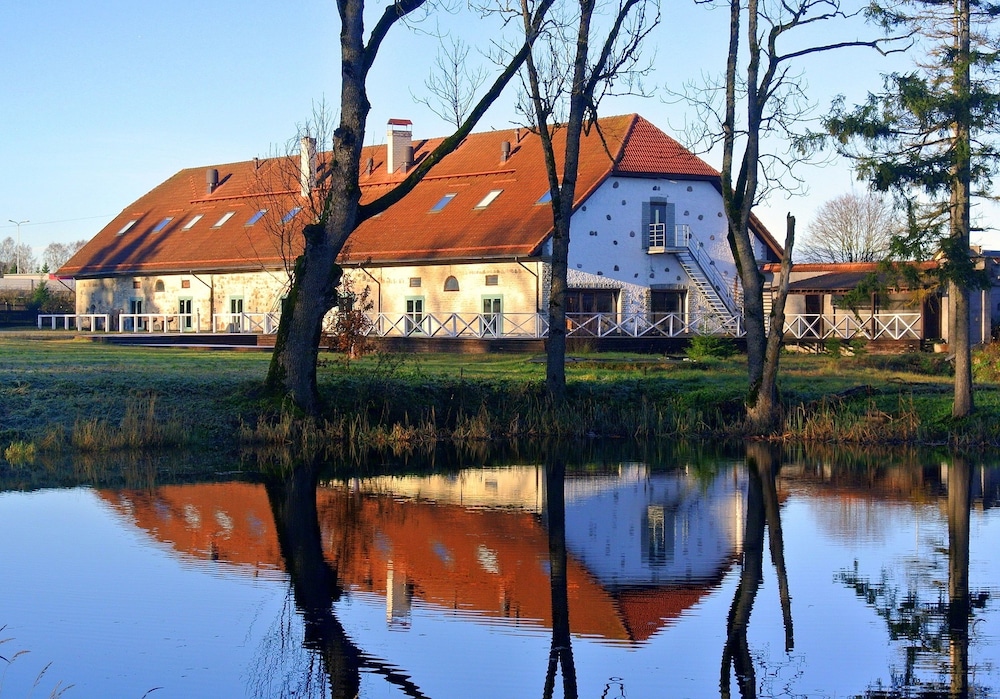
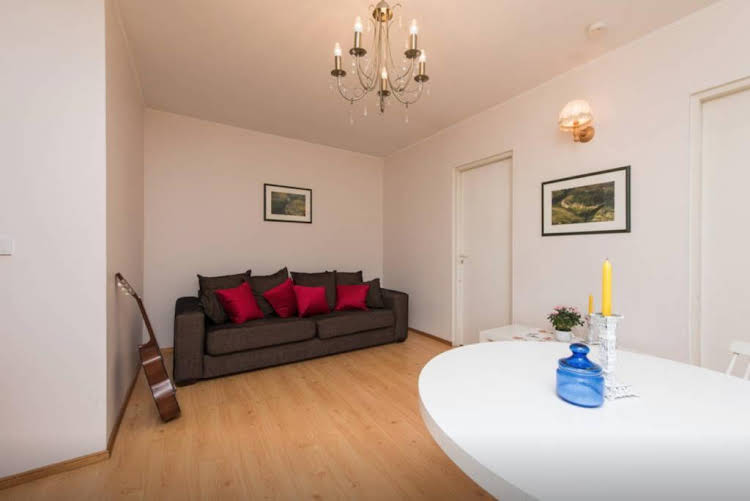

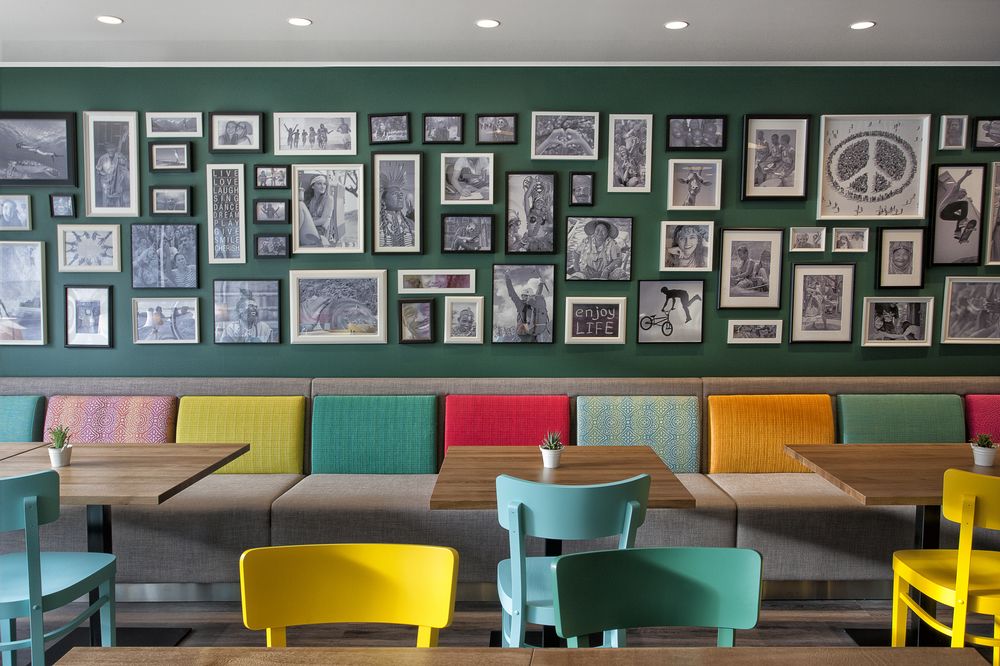
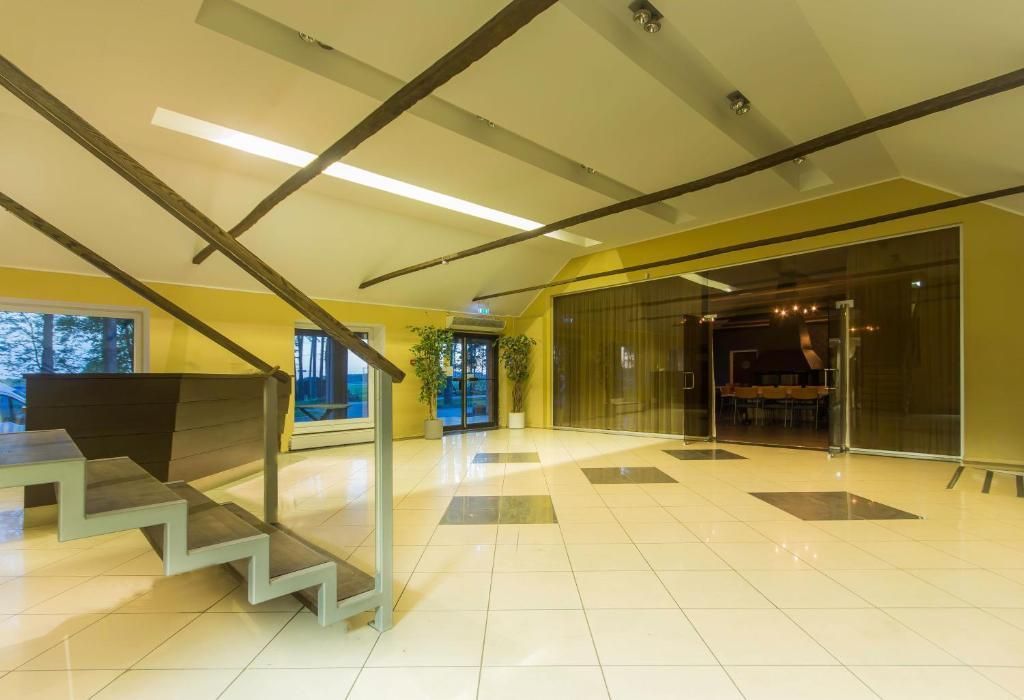
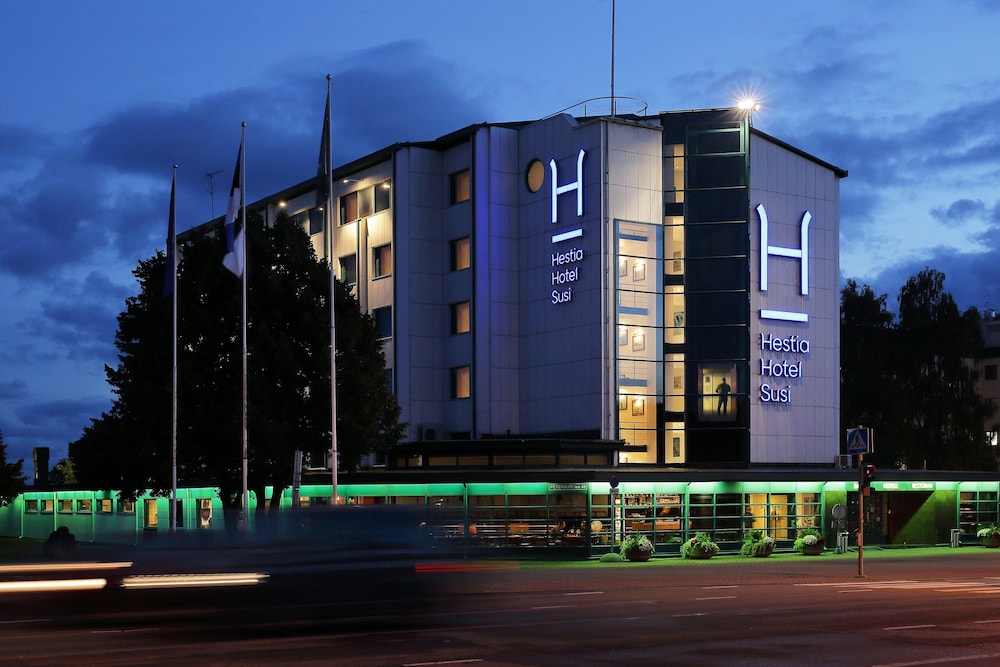
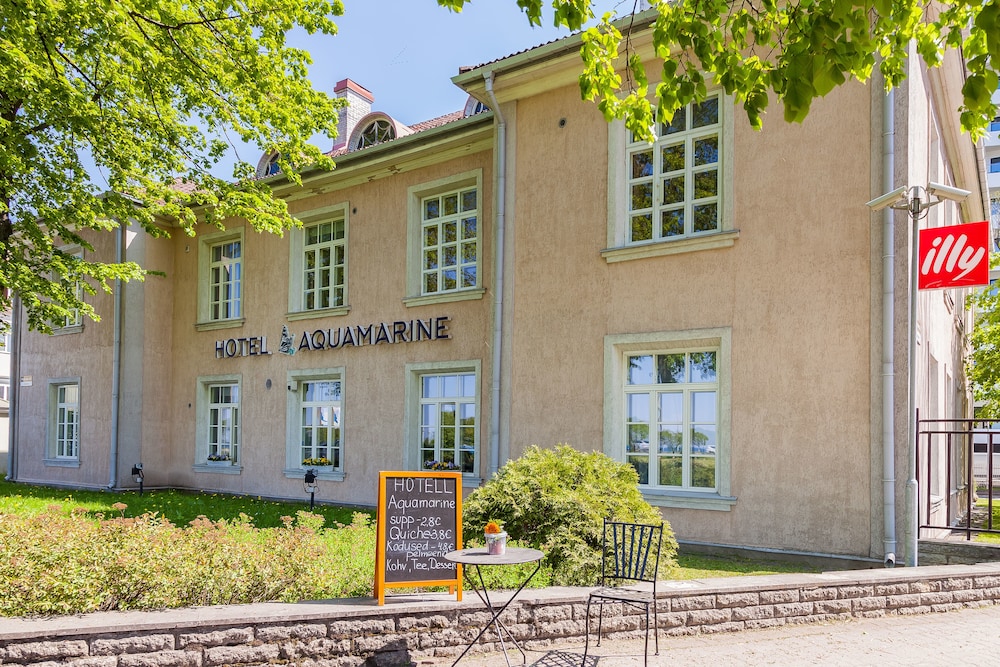
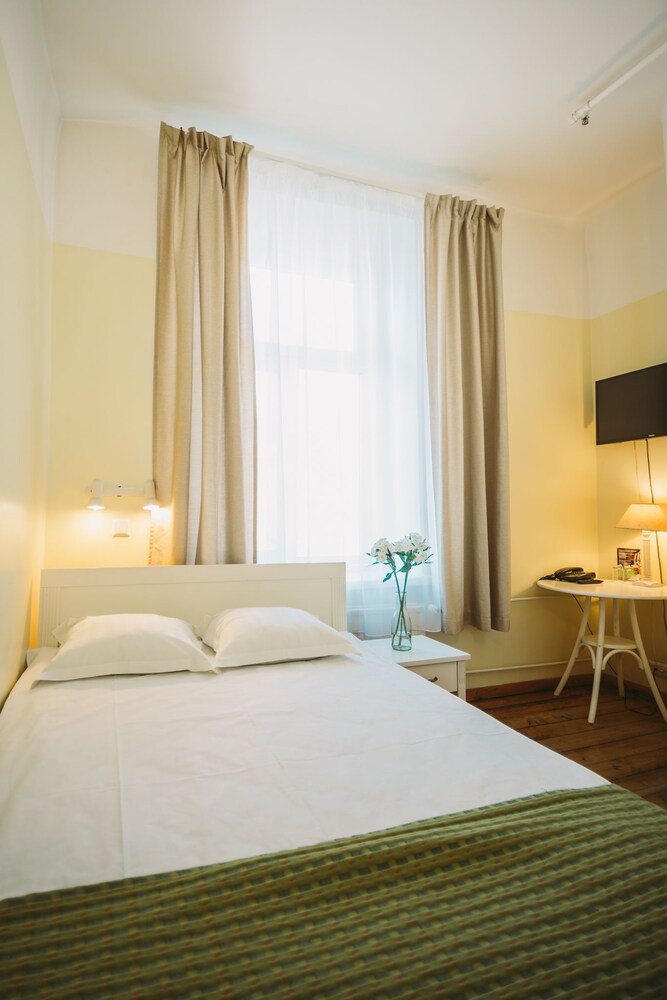
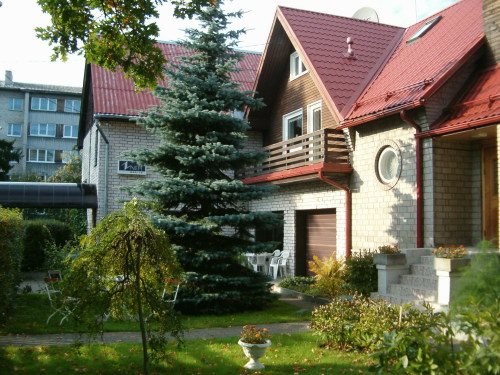
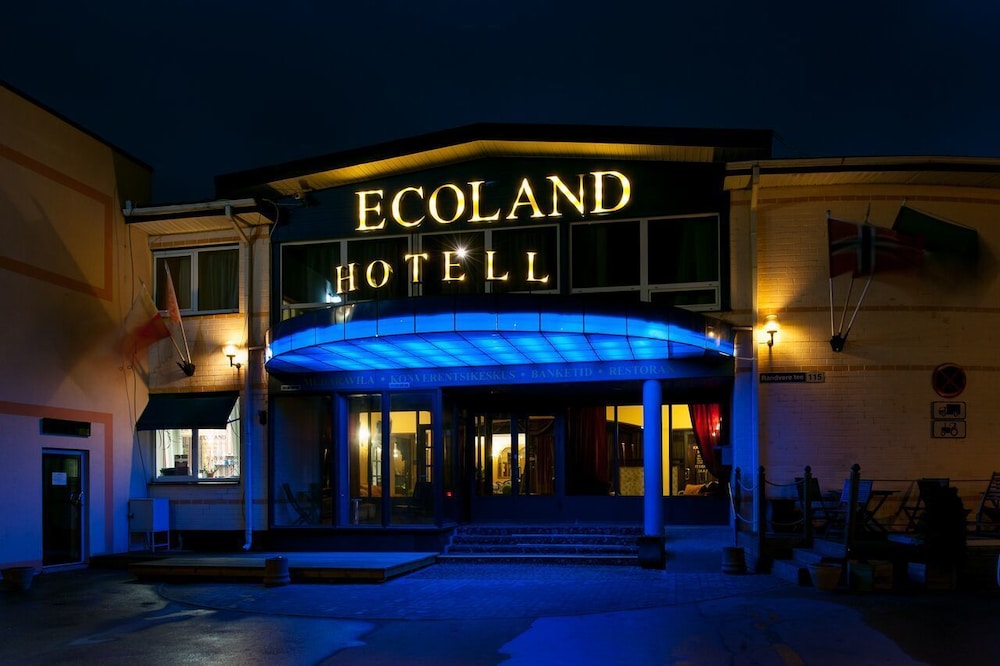
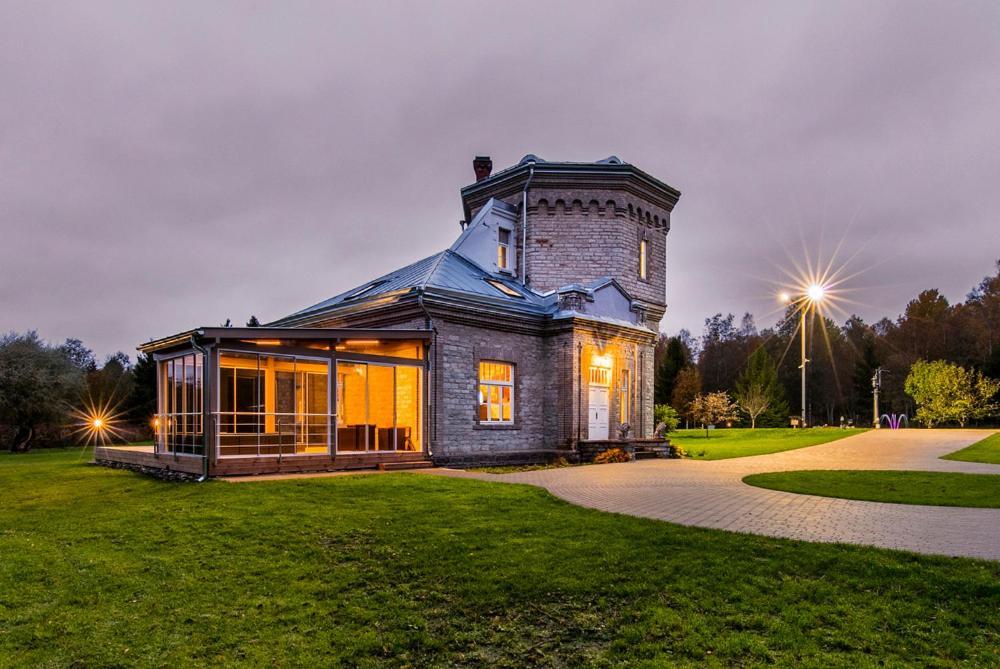
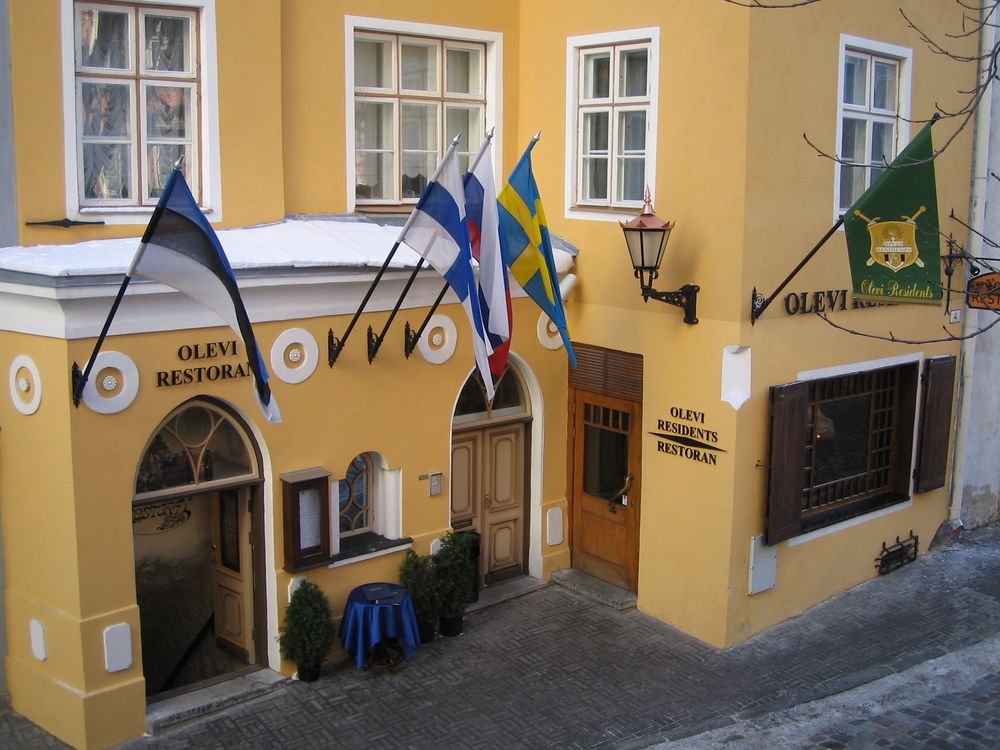
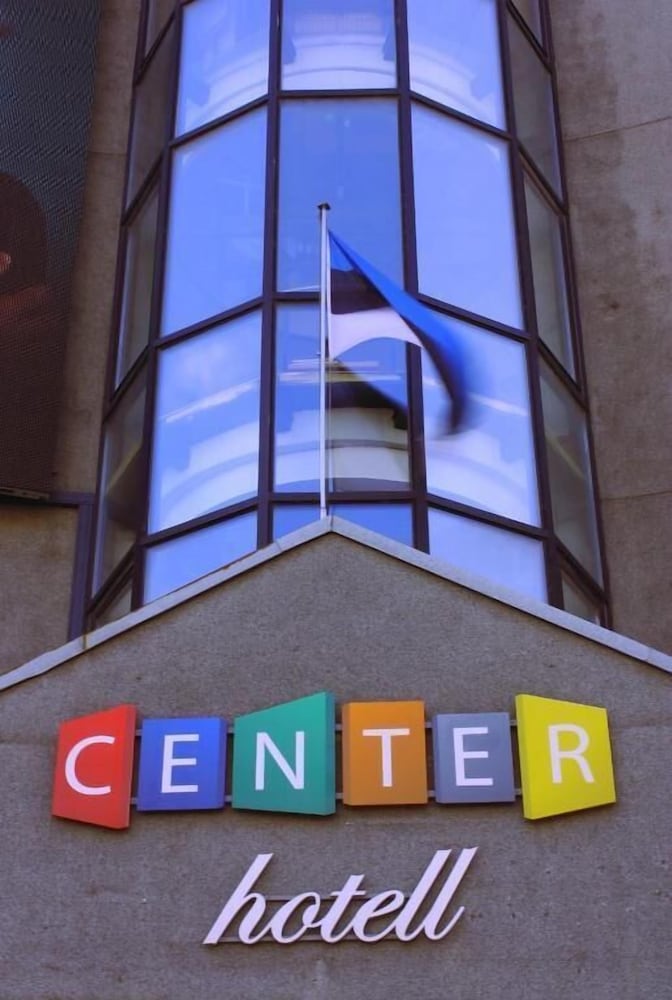
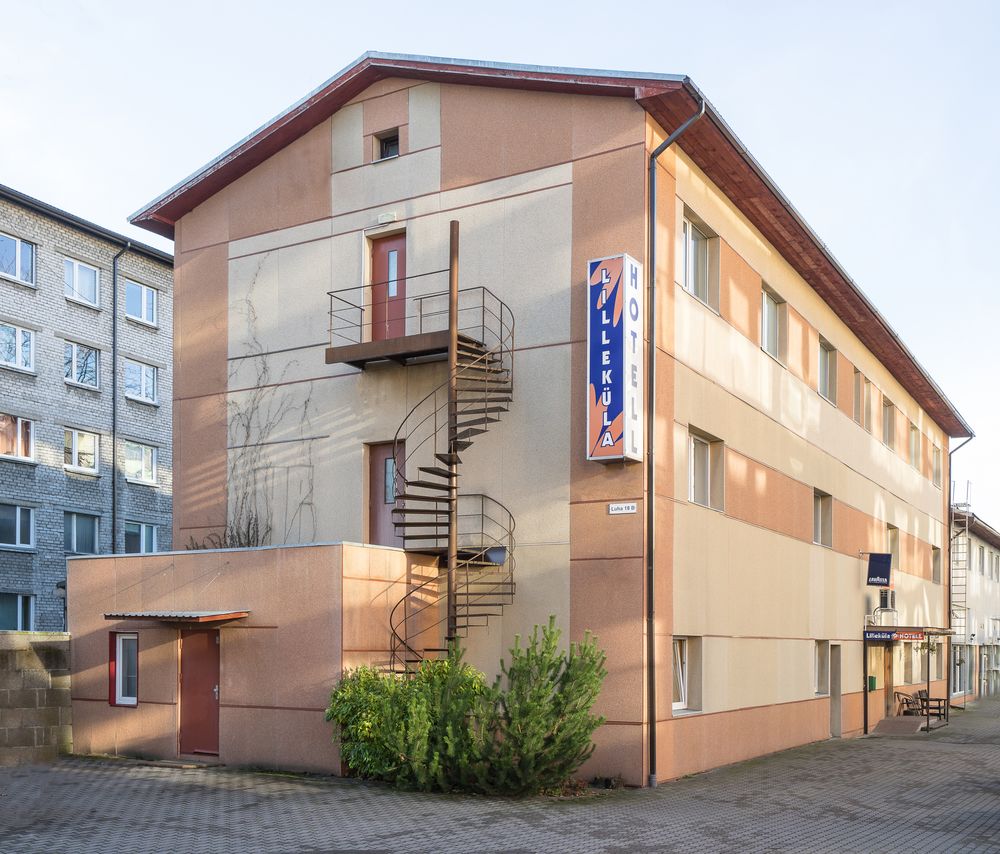
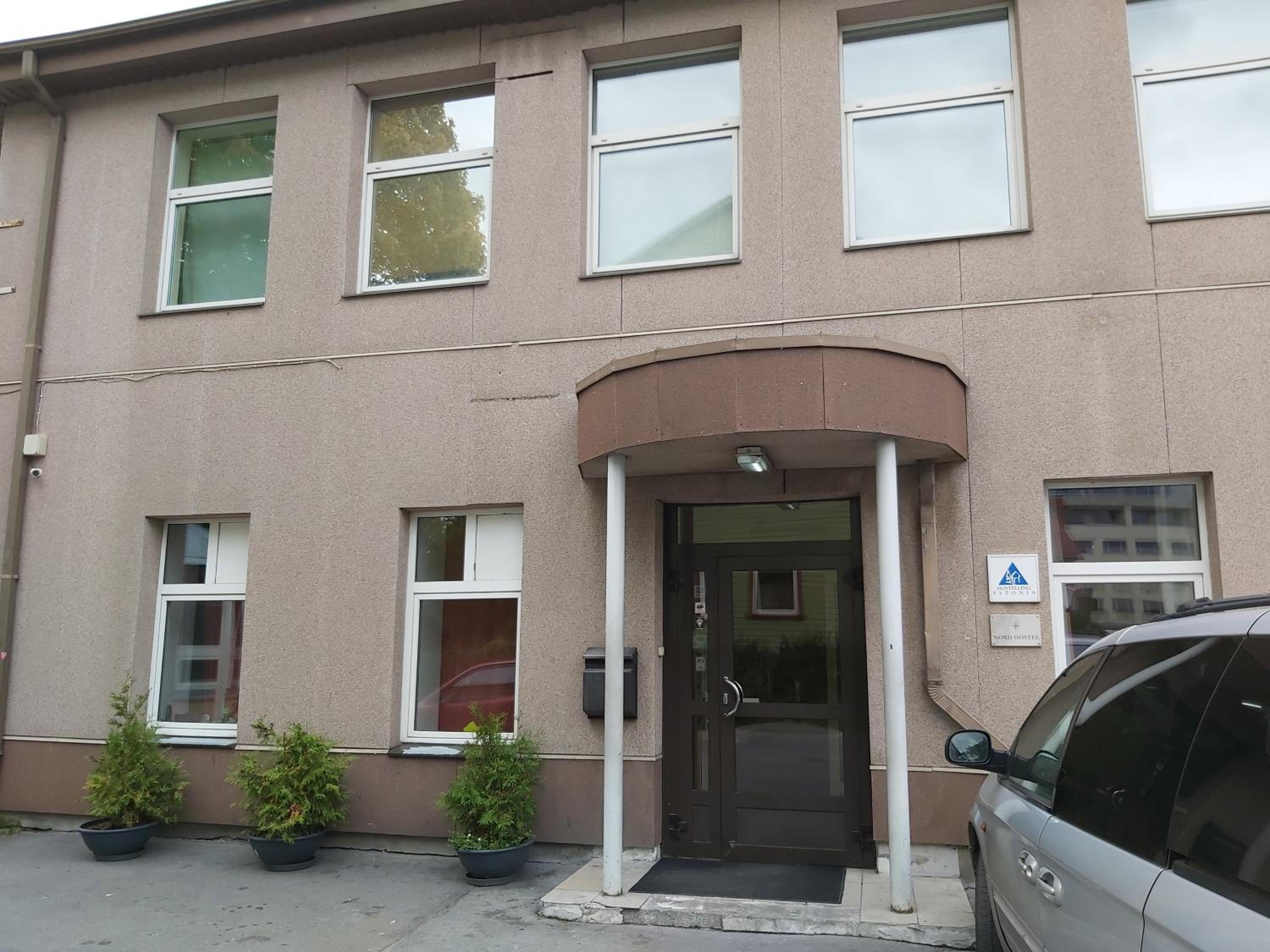
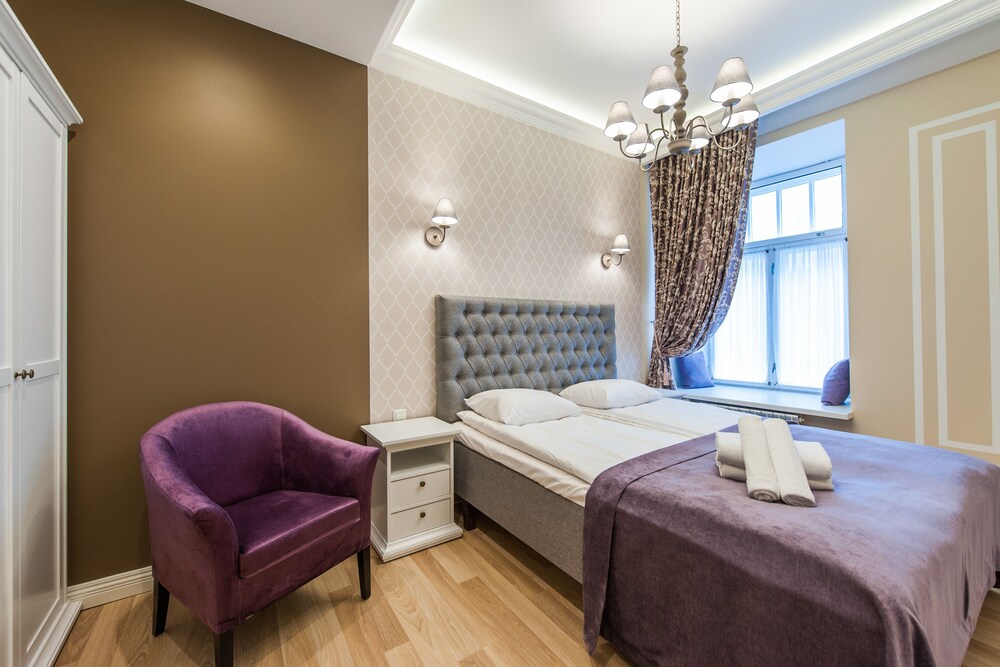
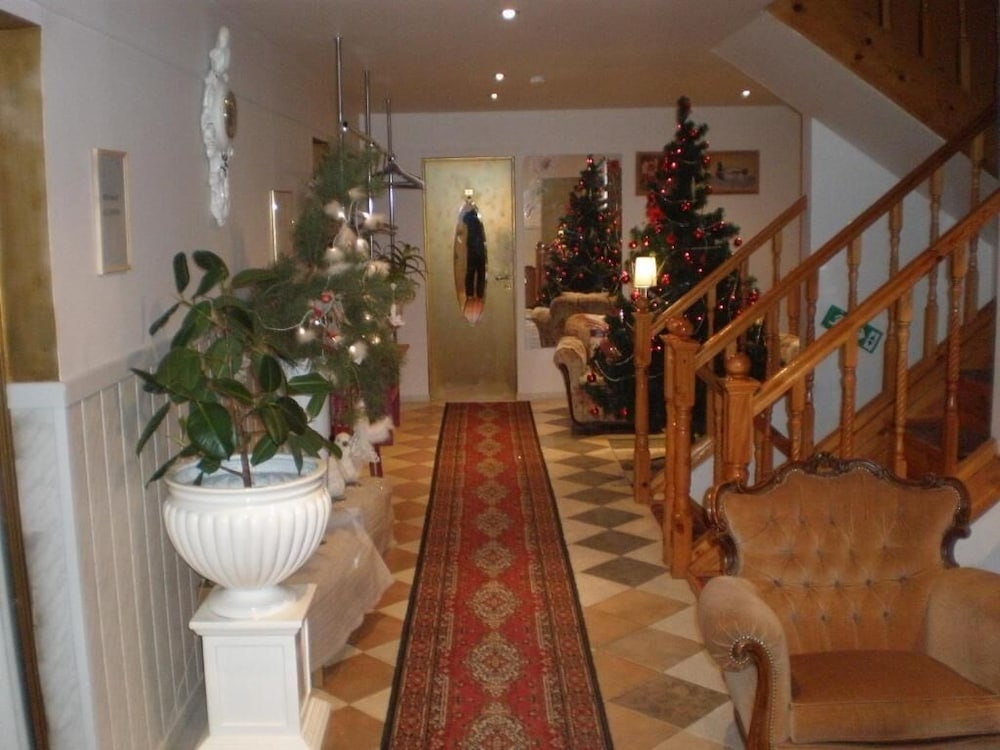
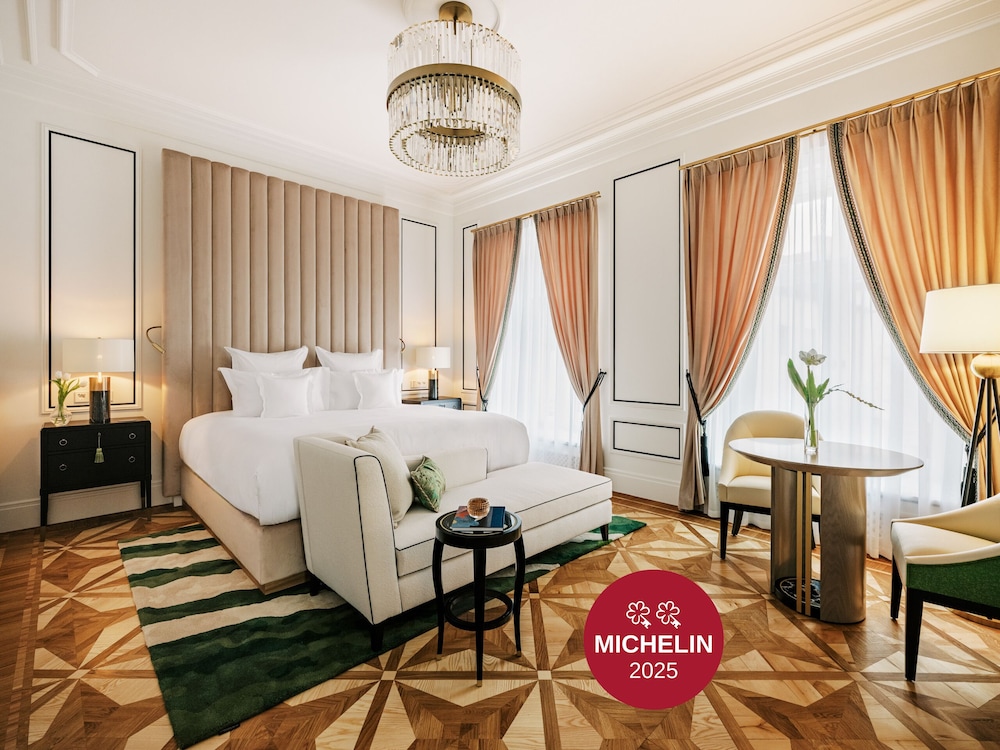
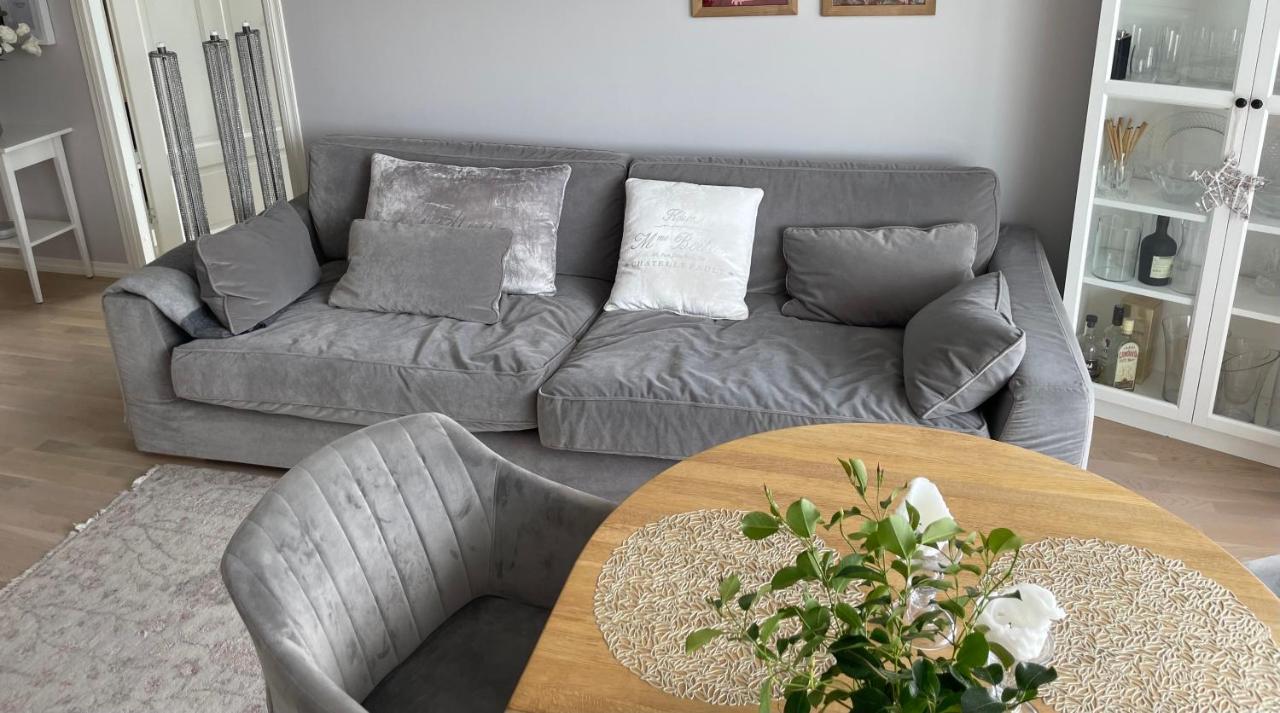
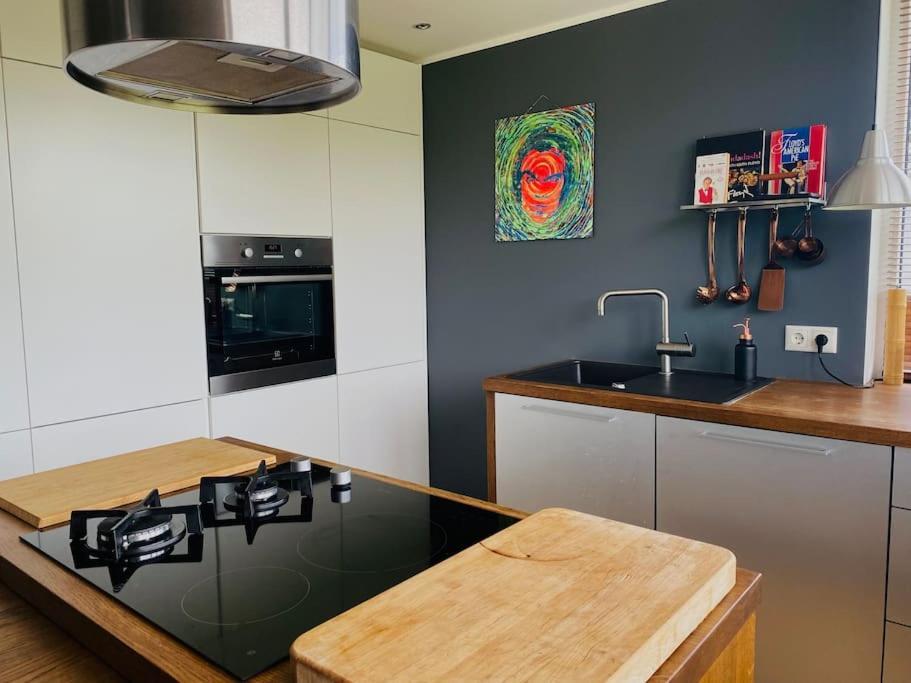
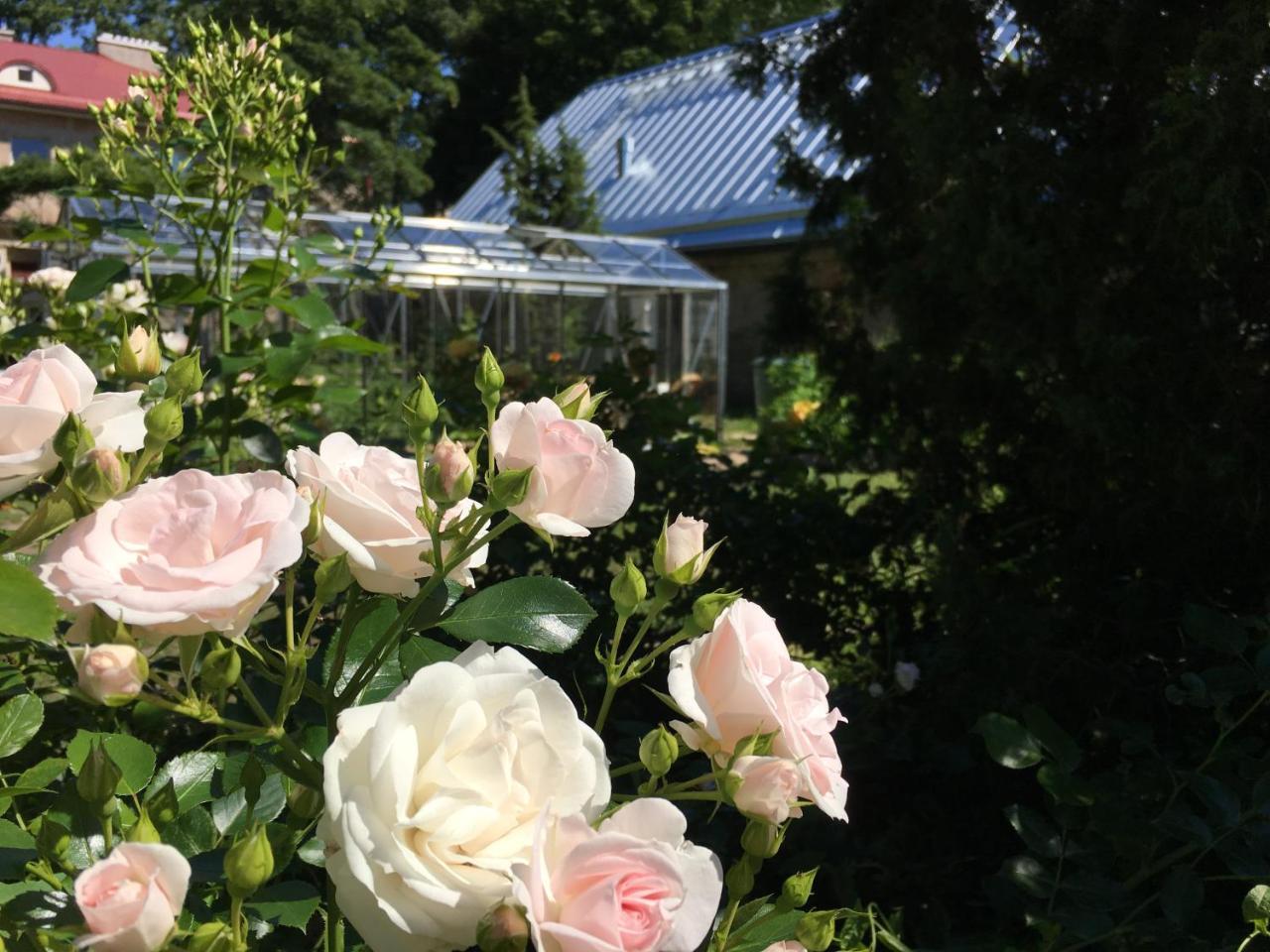
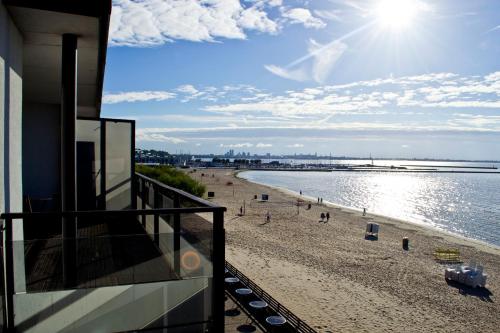
Tallinn
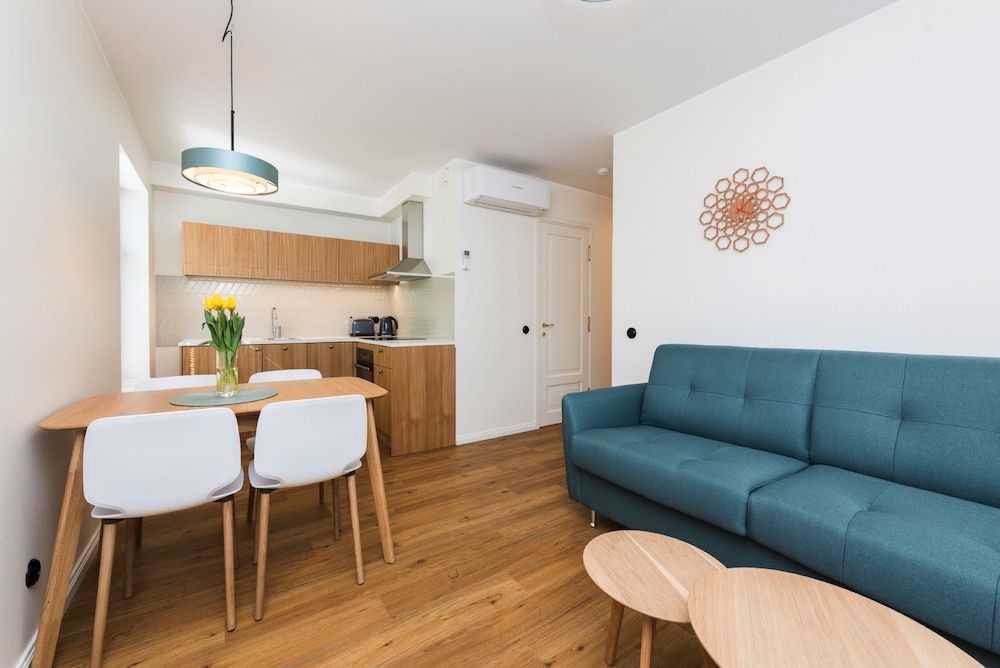
Newly furnished apt in Tallinn with free parking in the underground garage
★★★★ Tallinn
Live priceReserve
Tallinn
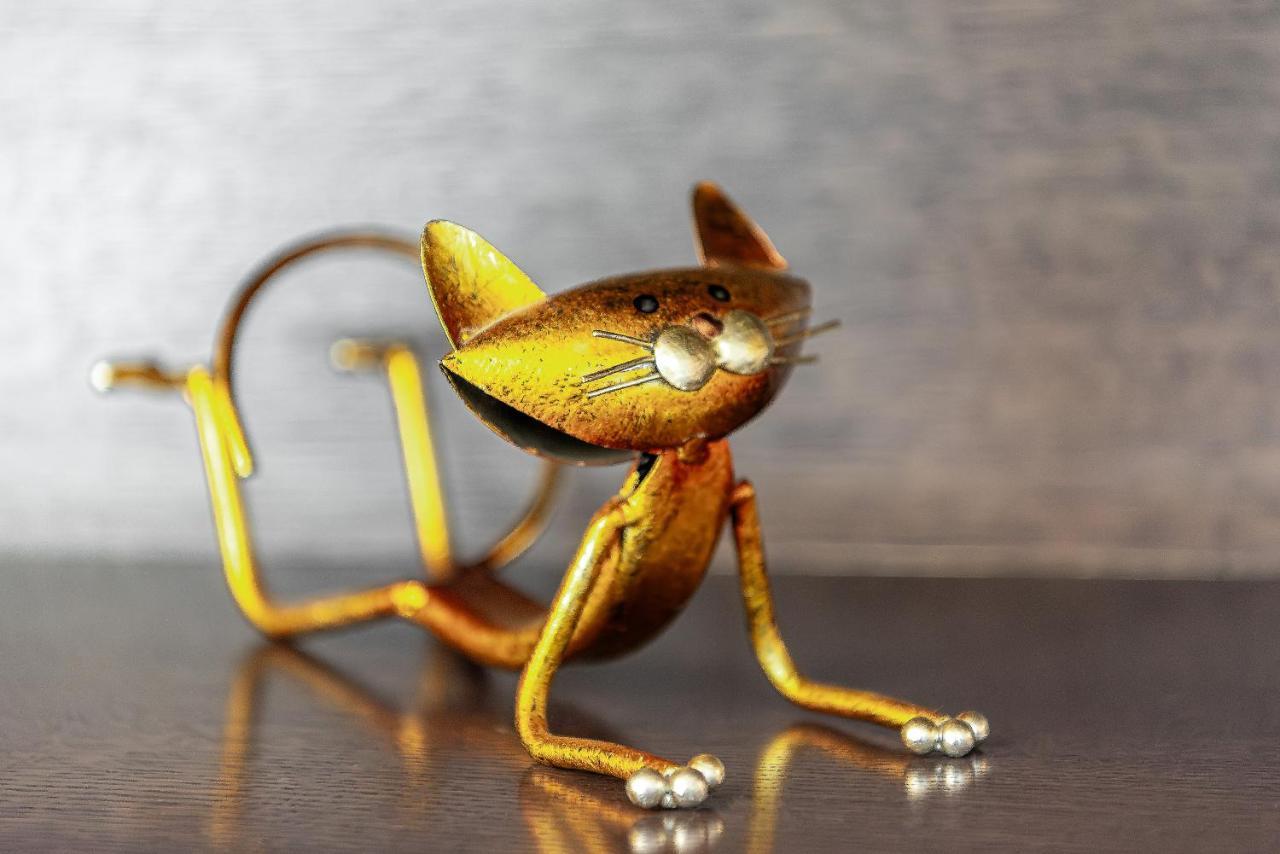
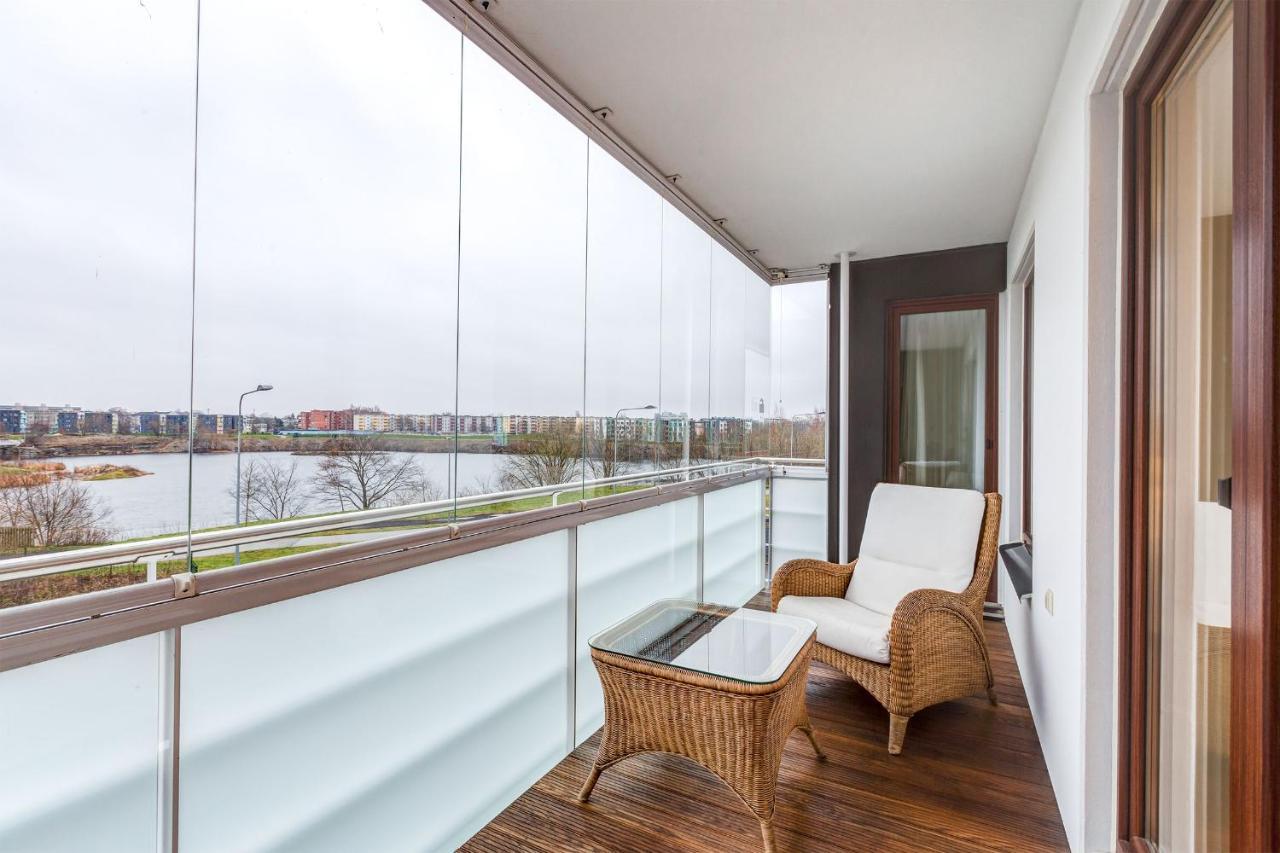
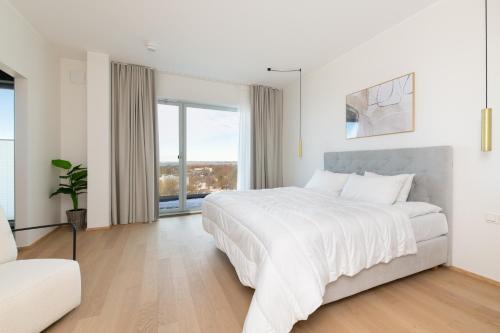
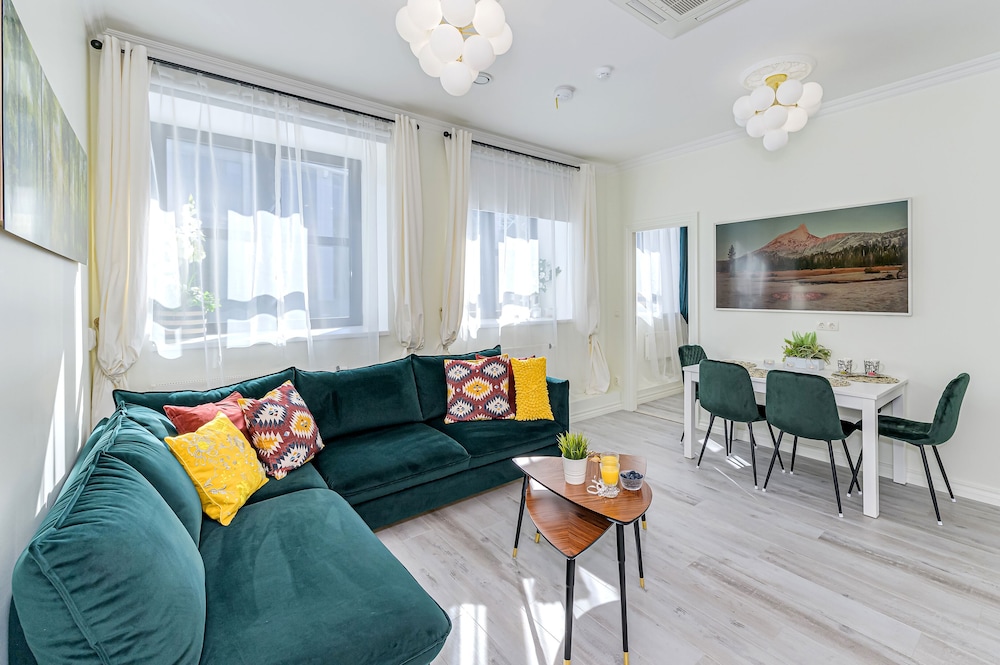
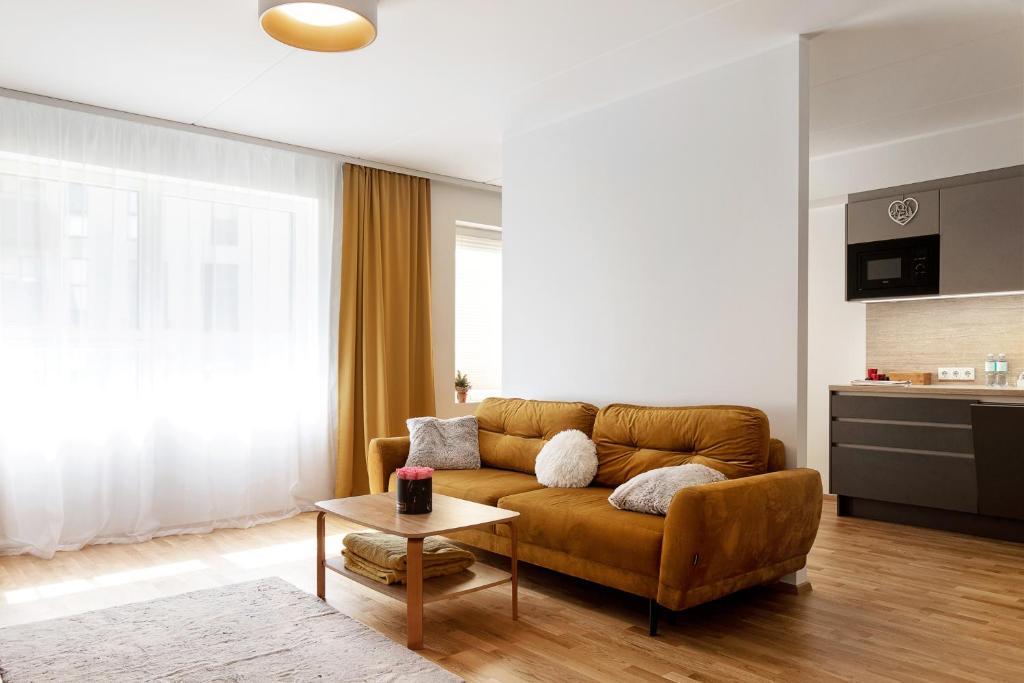
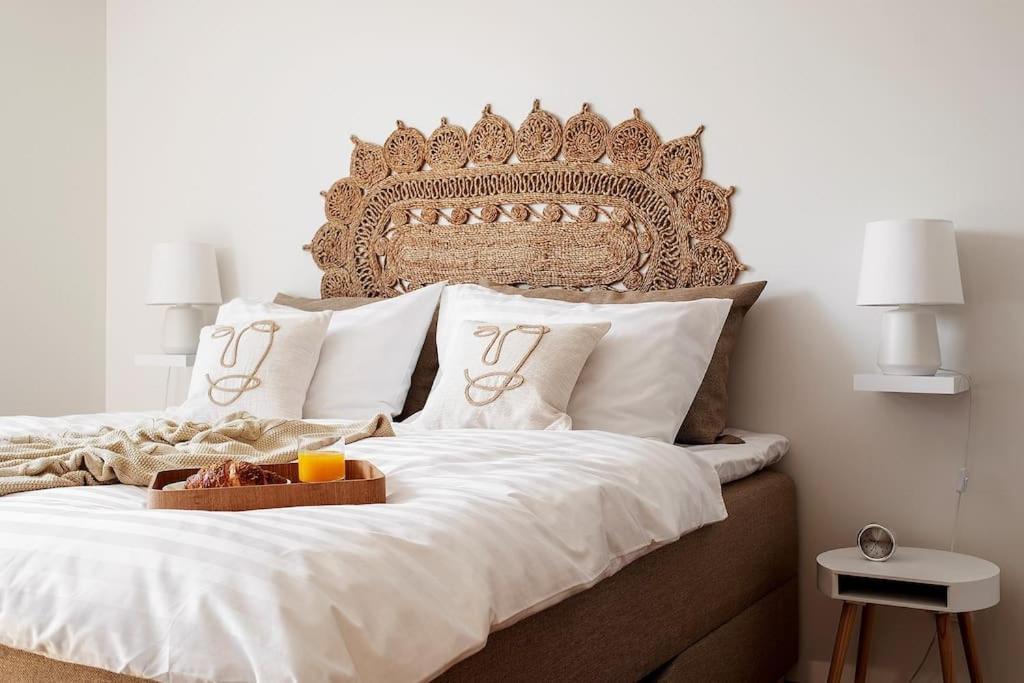
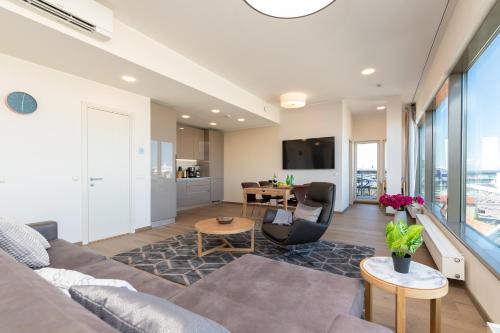
4bdr Modern and Stylish Apartment near Kadriorg with Free Parking
★★★★ Tallinn
Live priceReserve
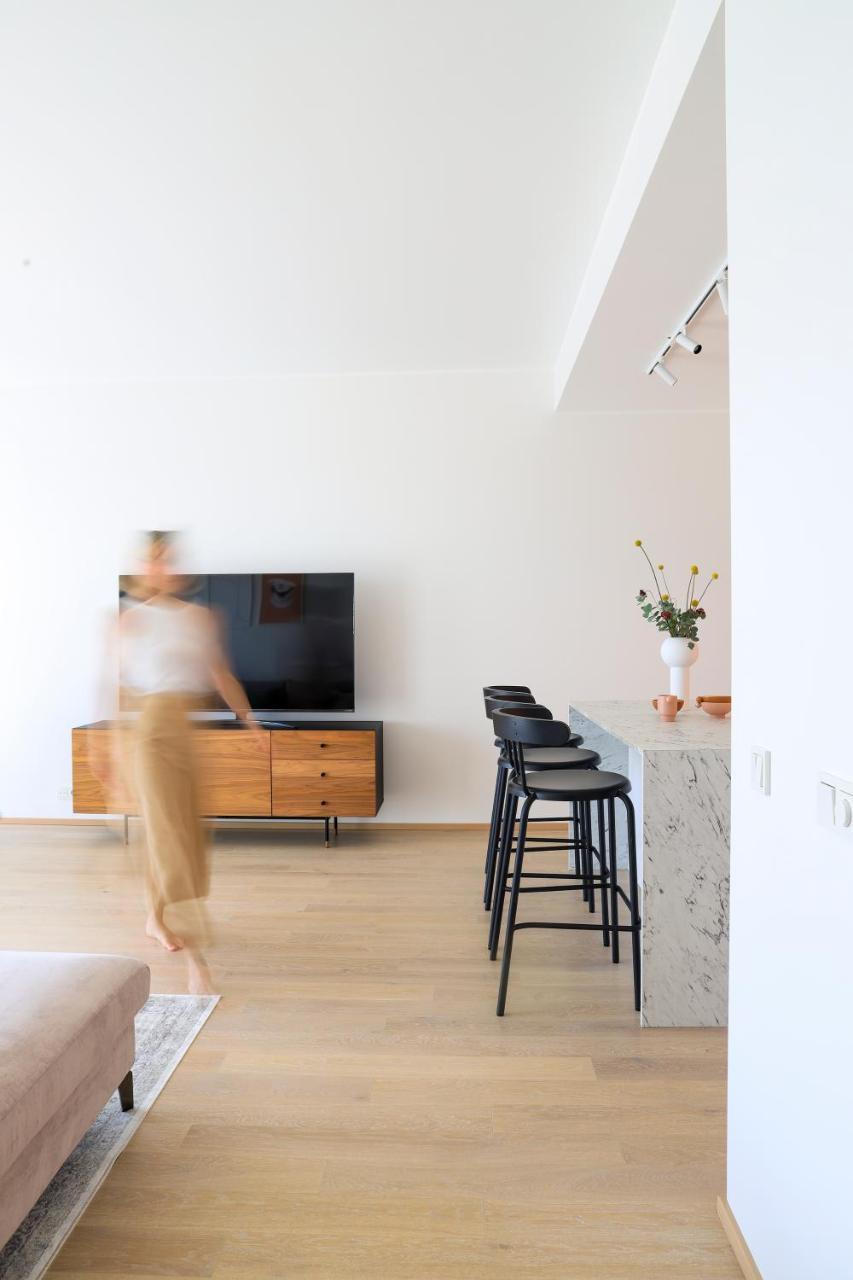
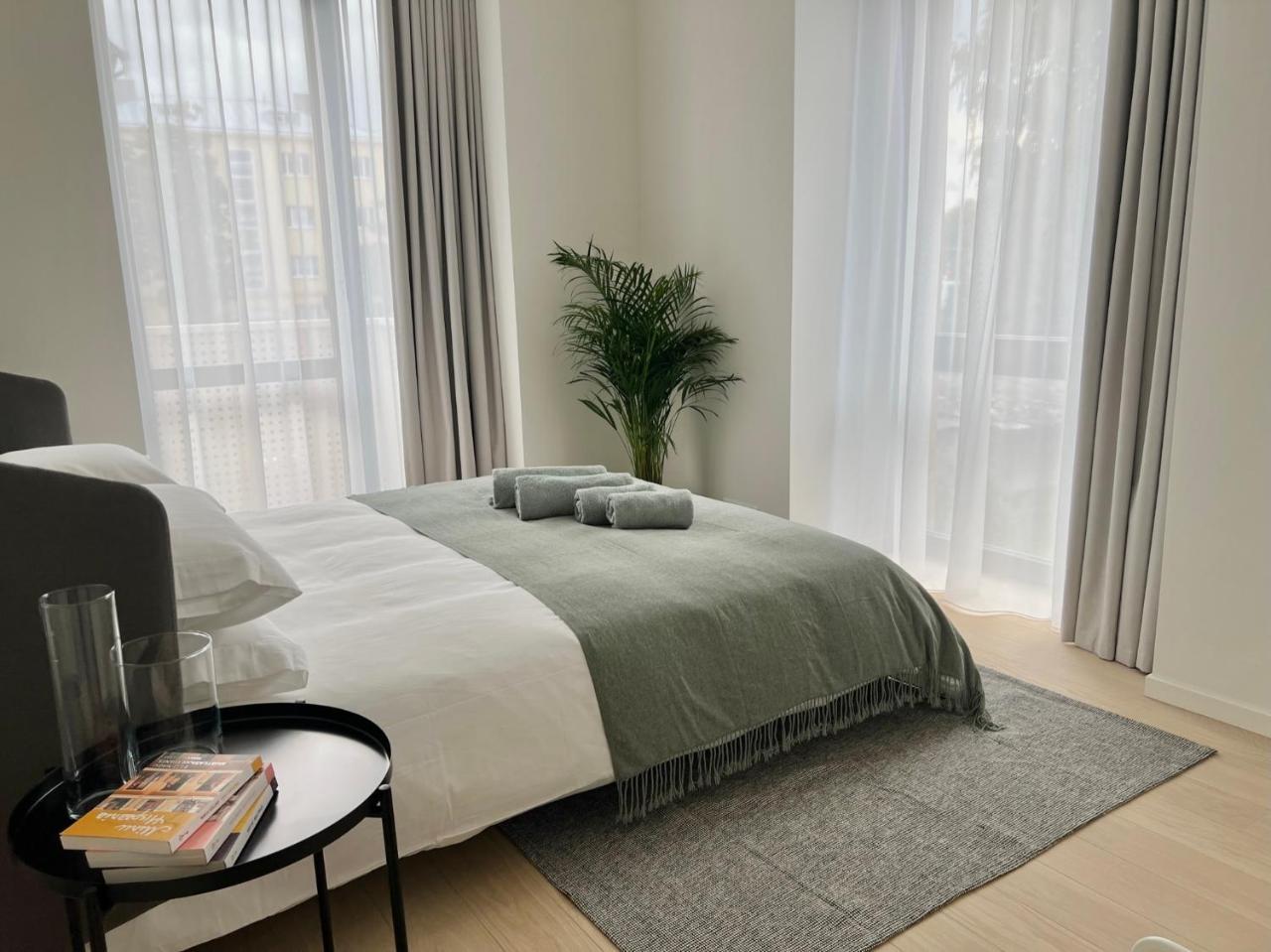
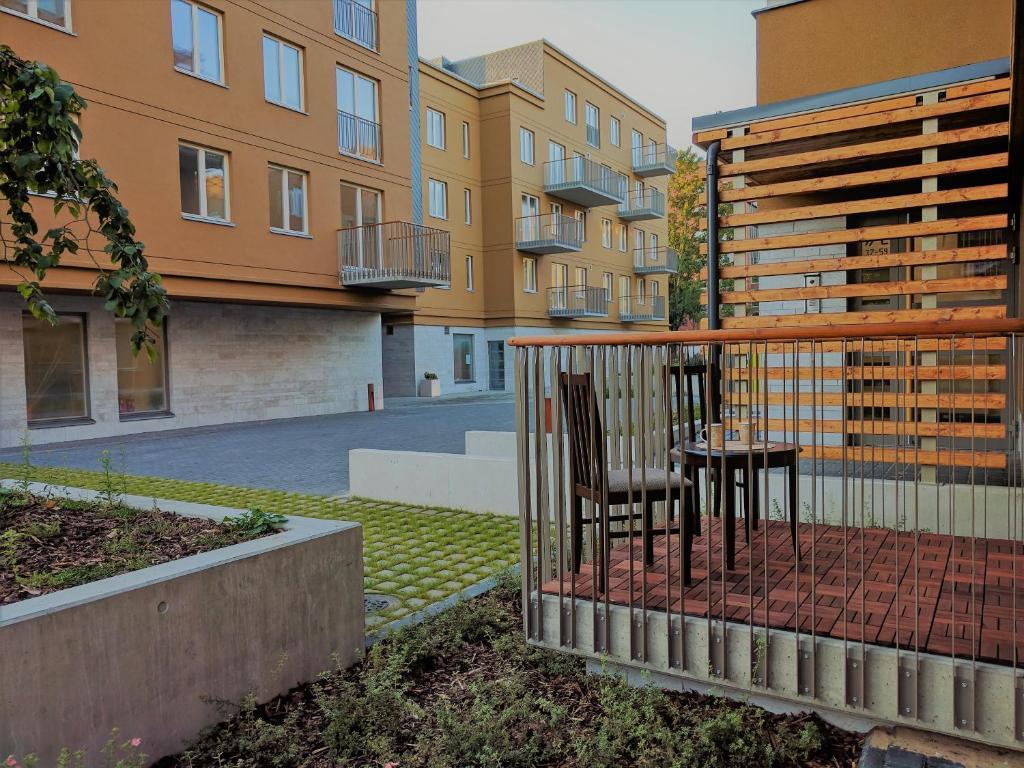
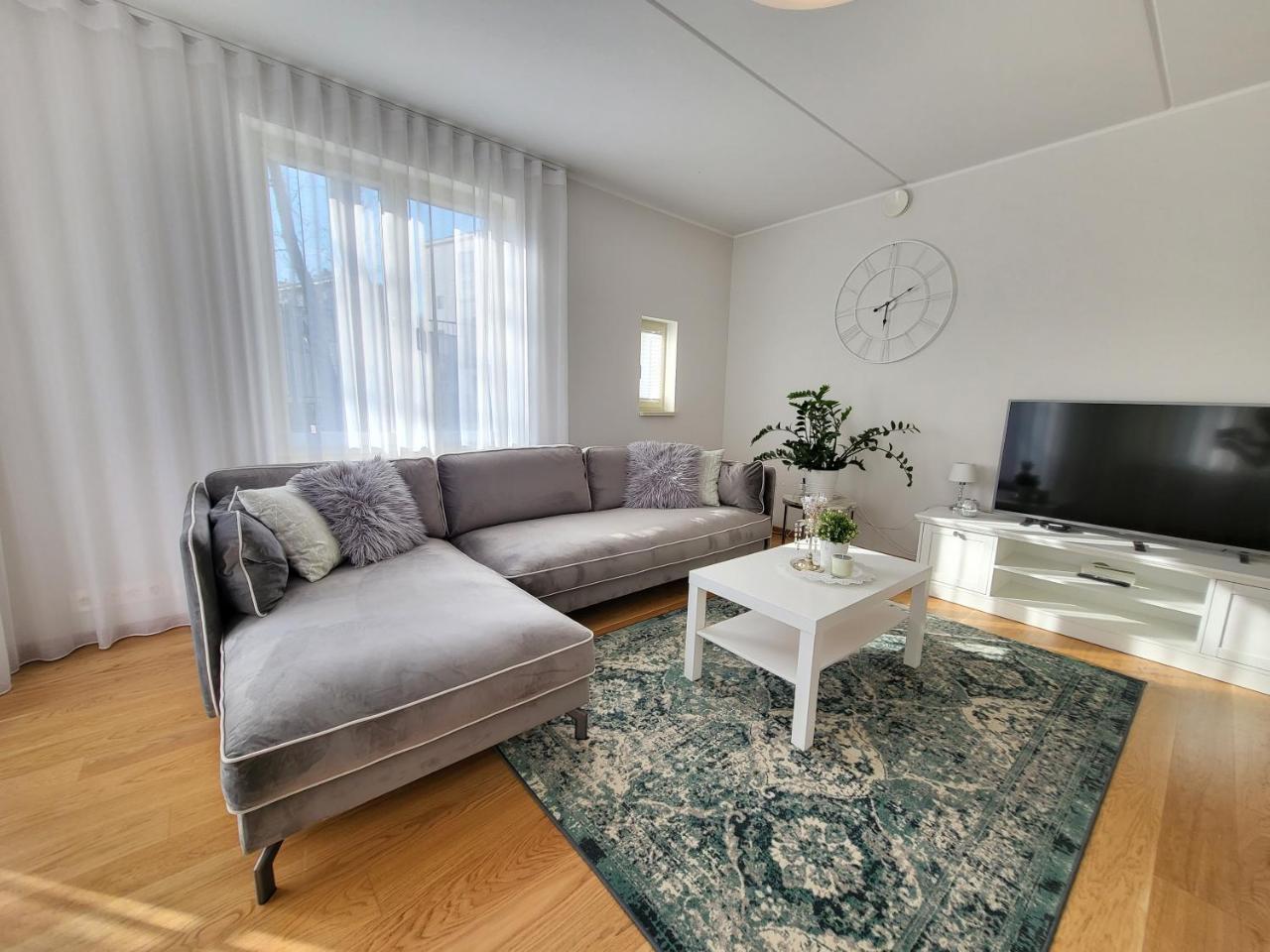
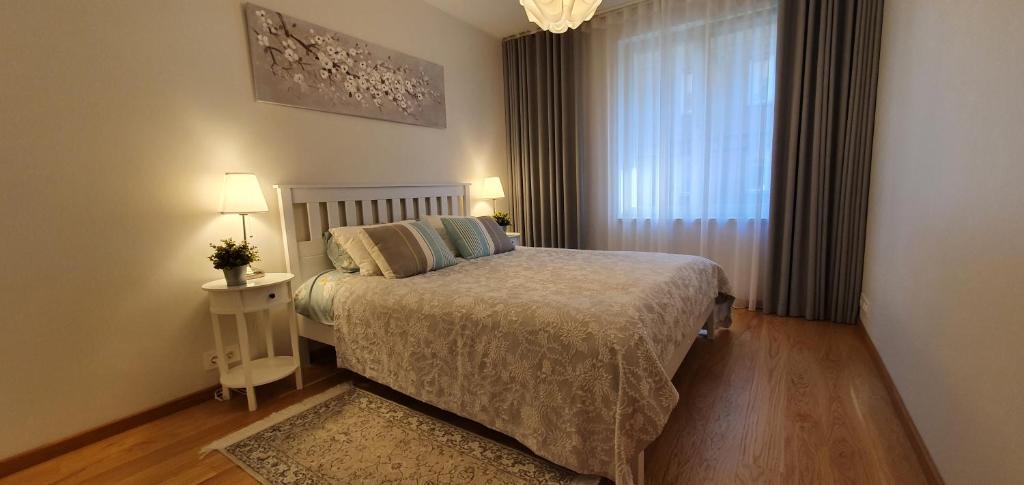
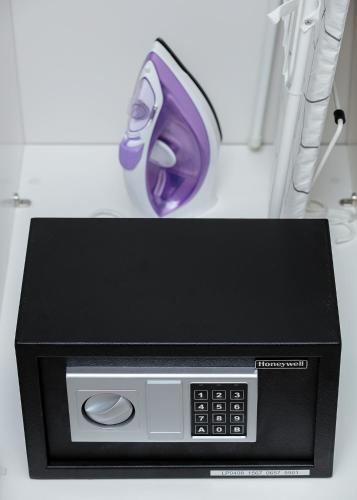
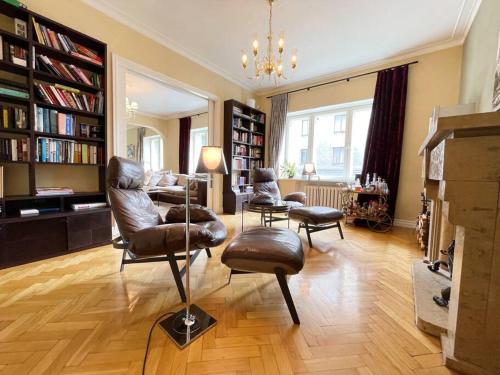
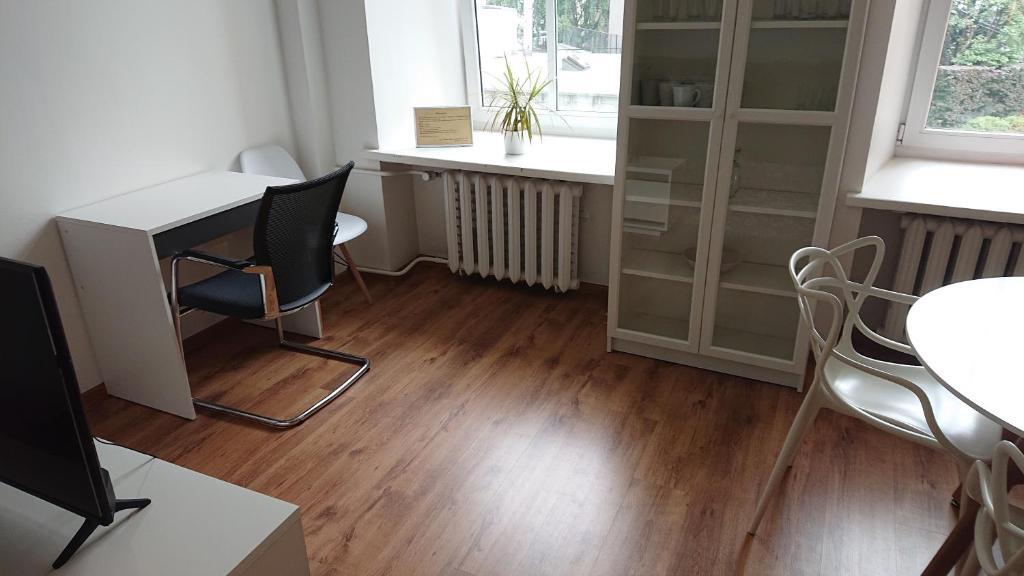
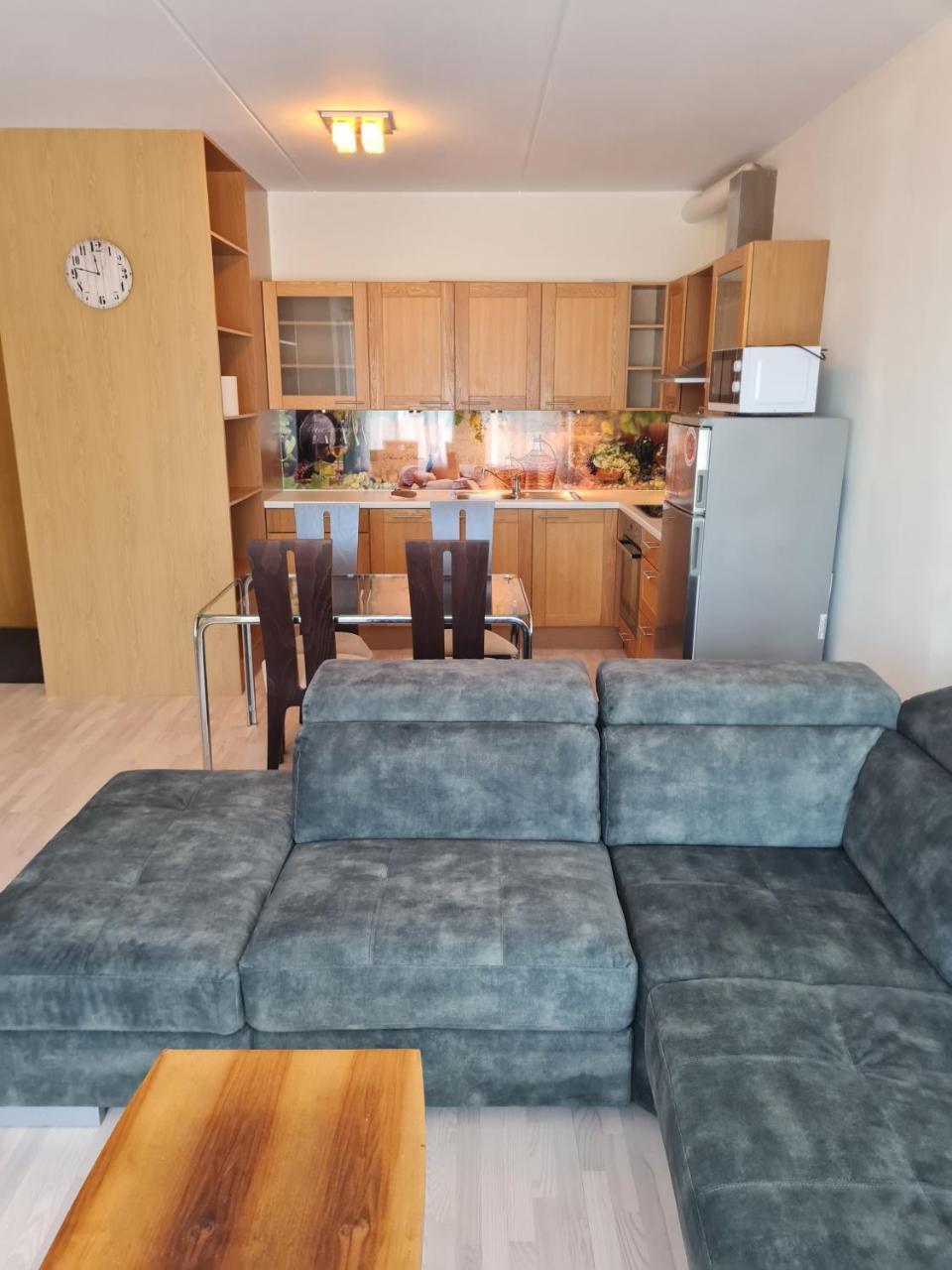
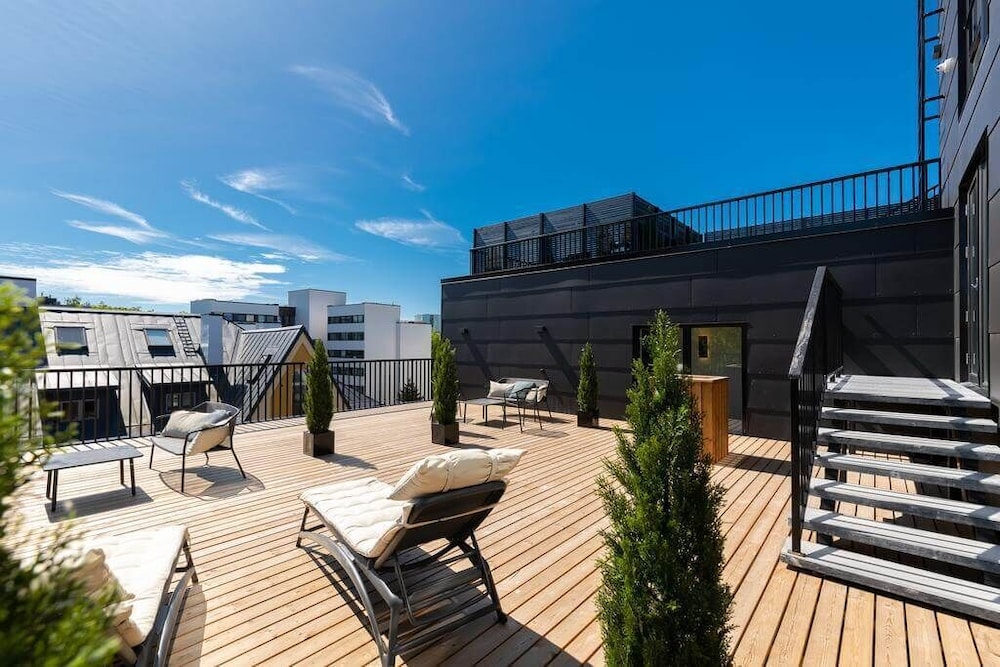
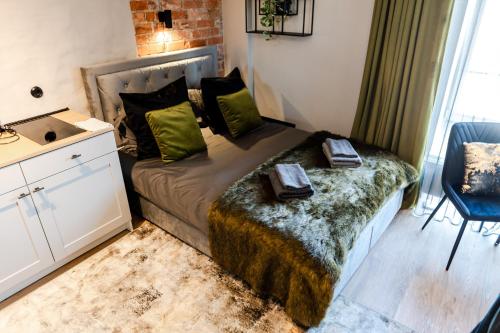
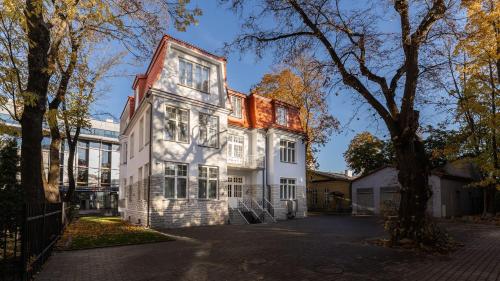
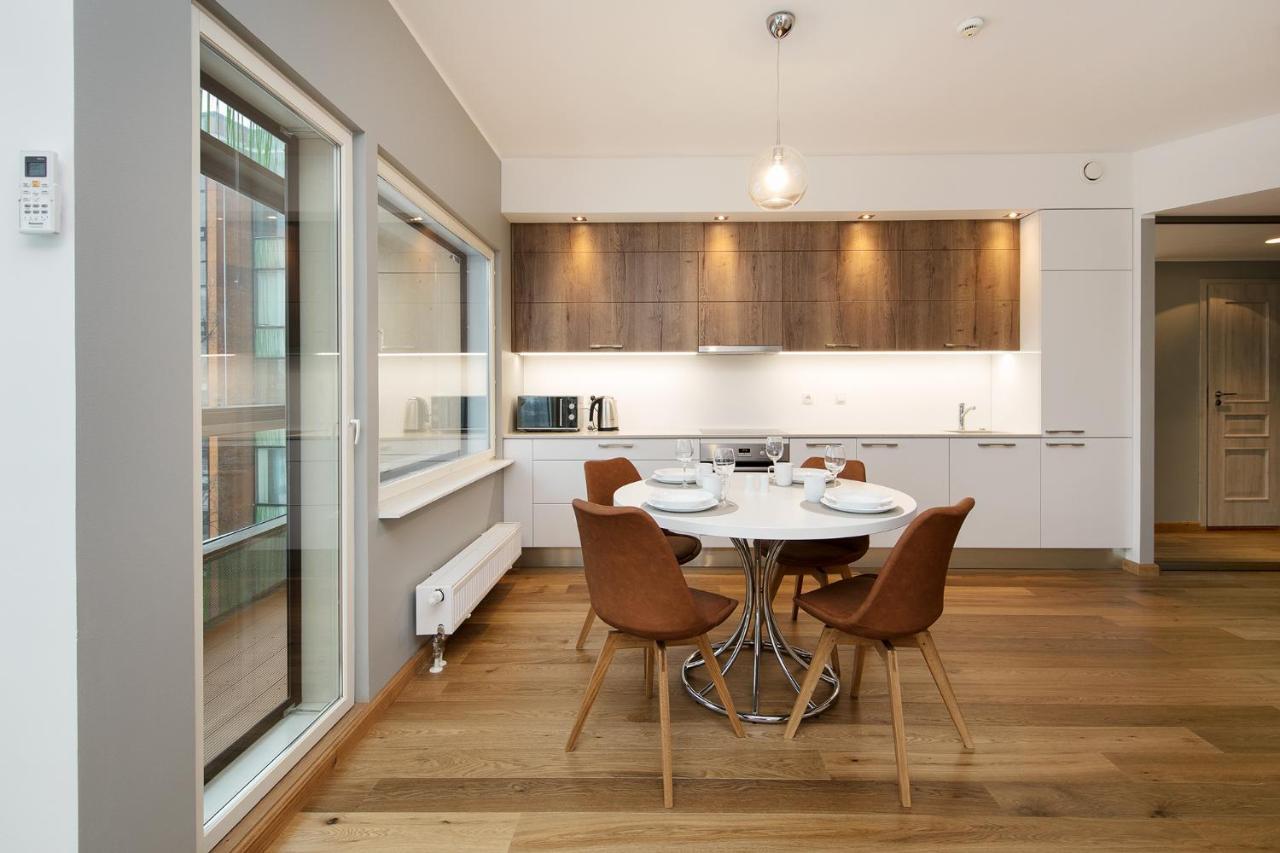
Tallinn
Lootsi apartment with sauna next to Old Town City Center Port
★★★★ Tallinn
Live priceReserve
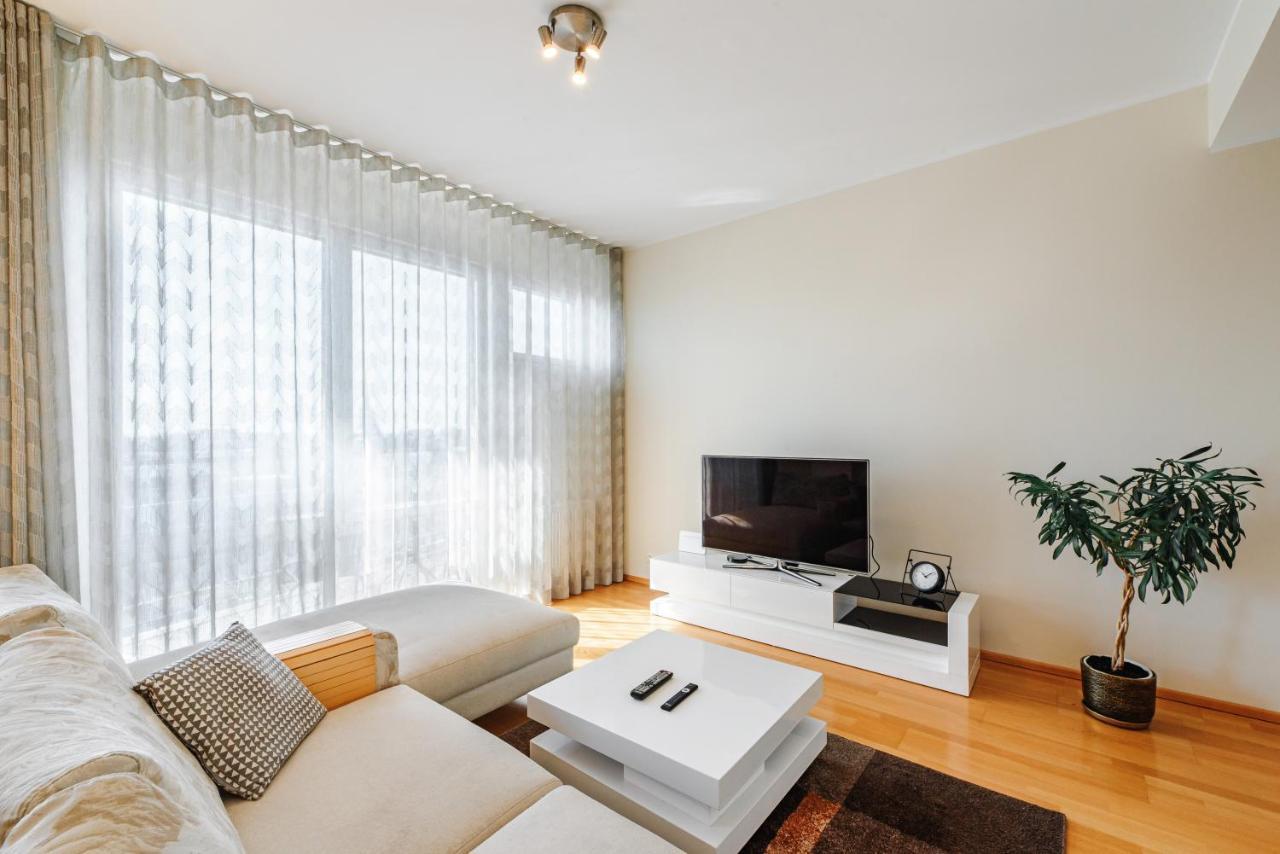
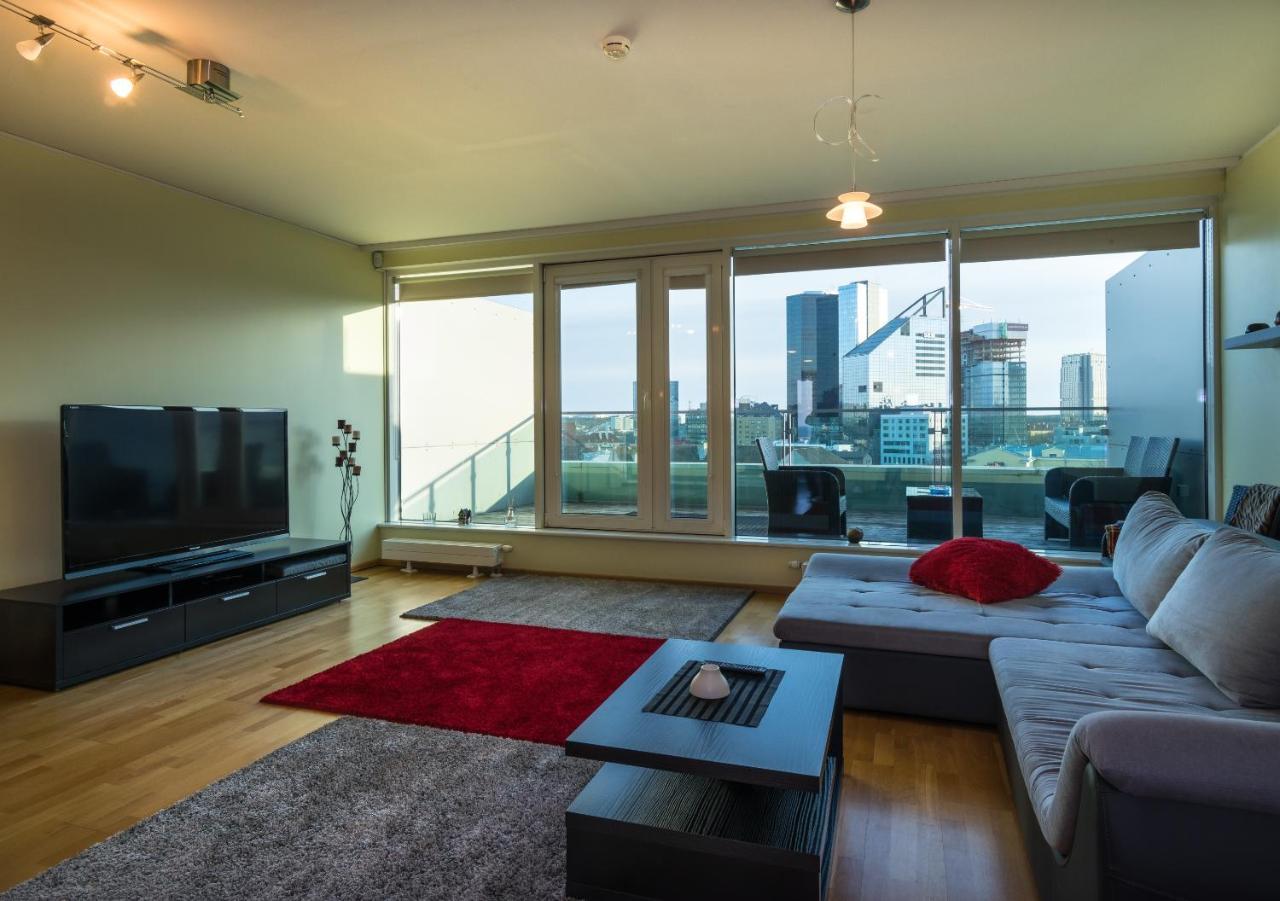
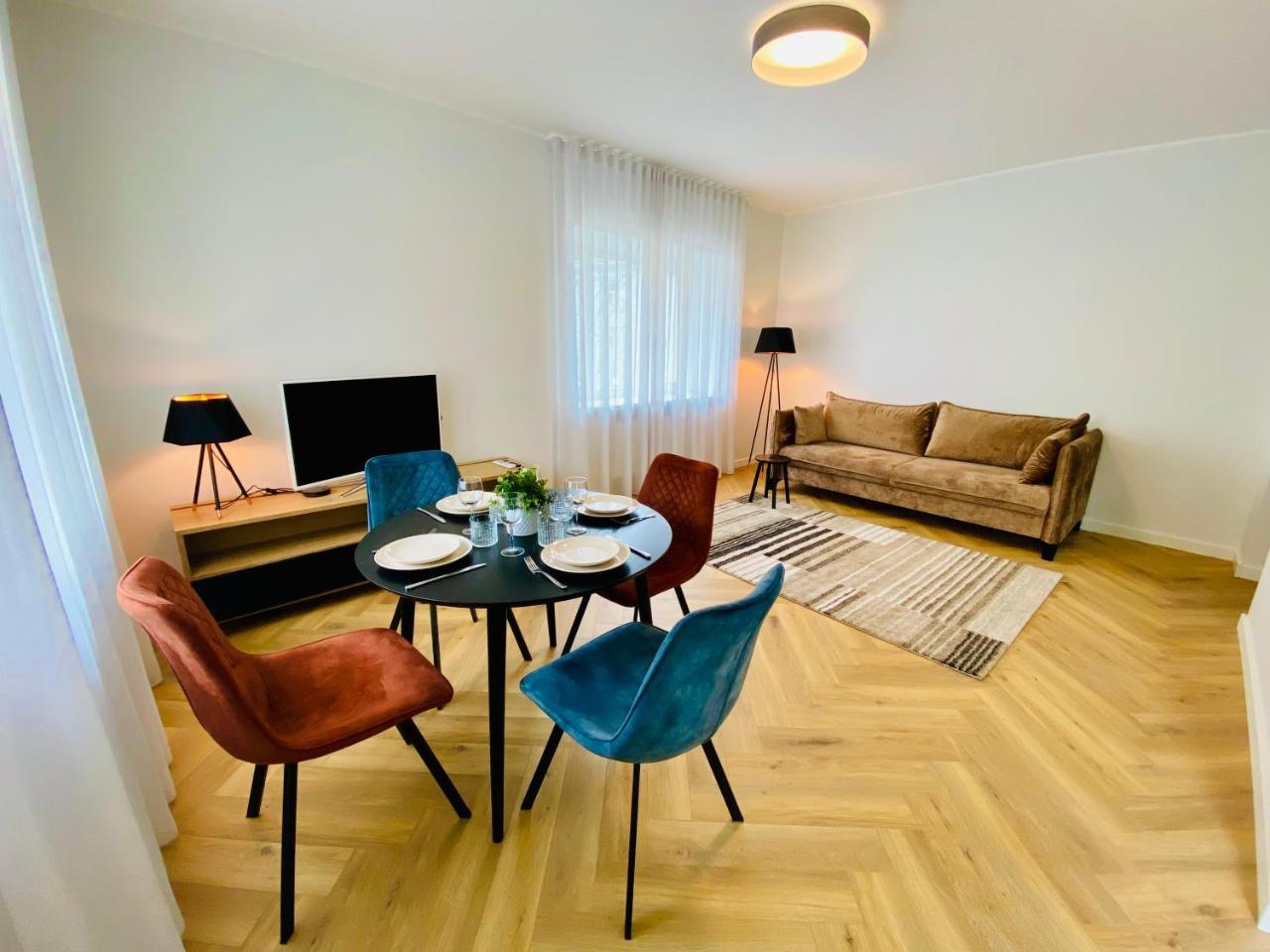
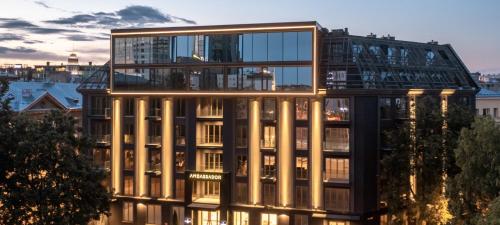
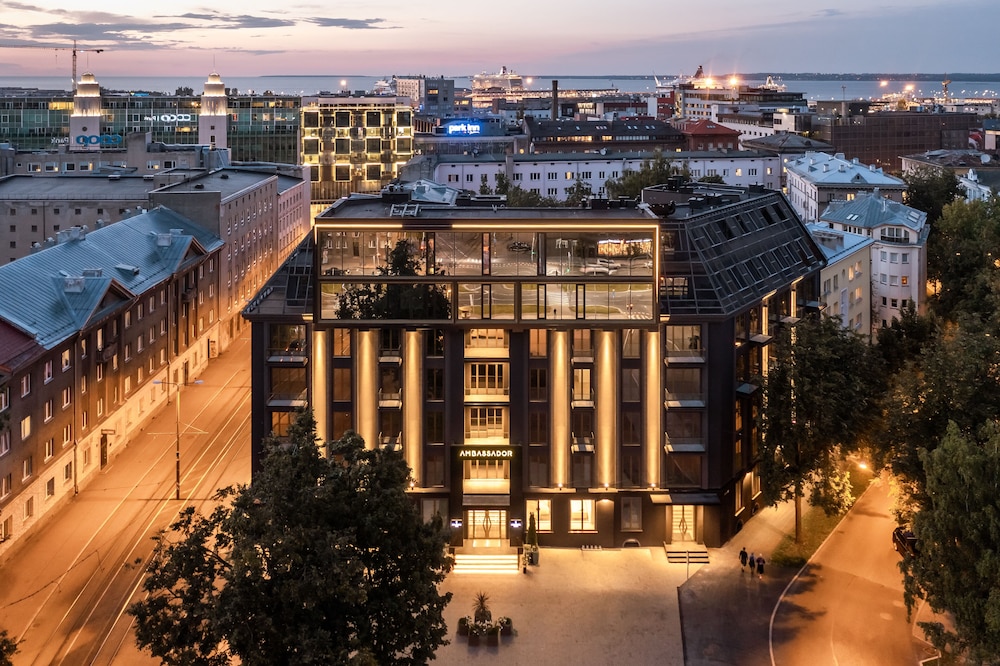
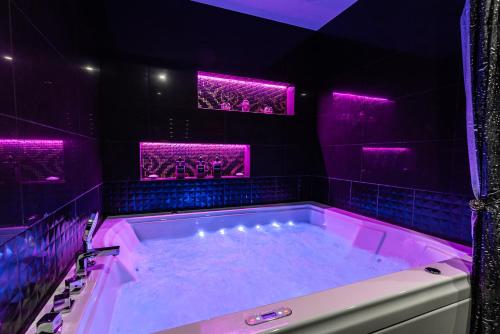
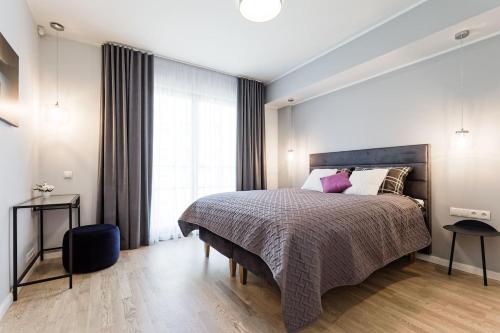
Tallinn
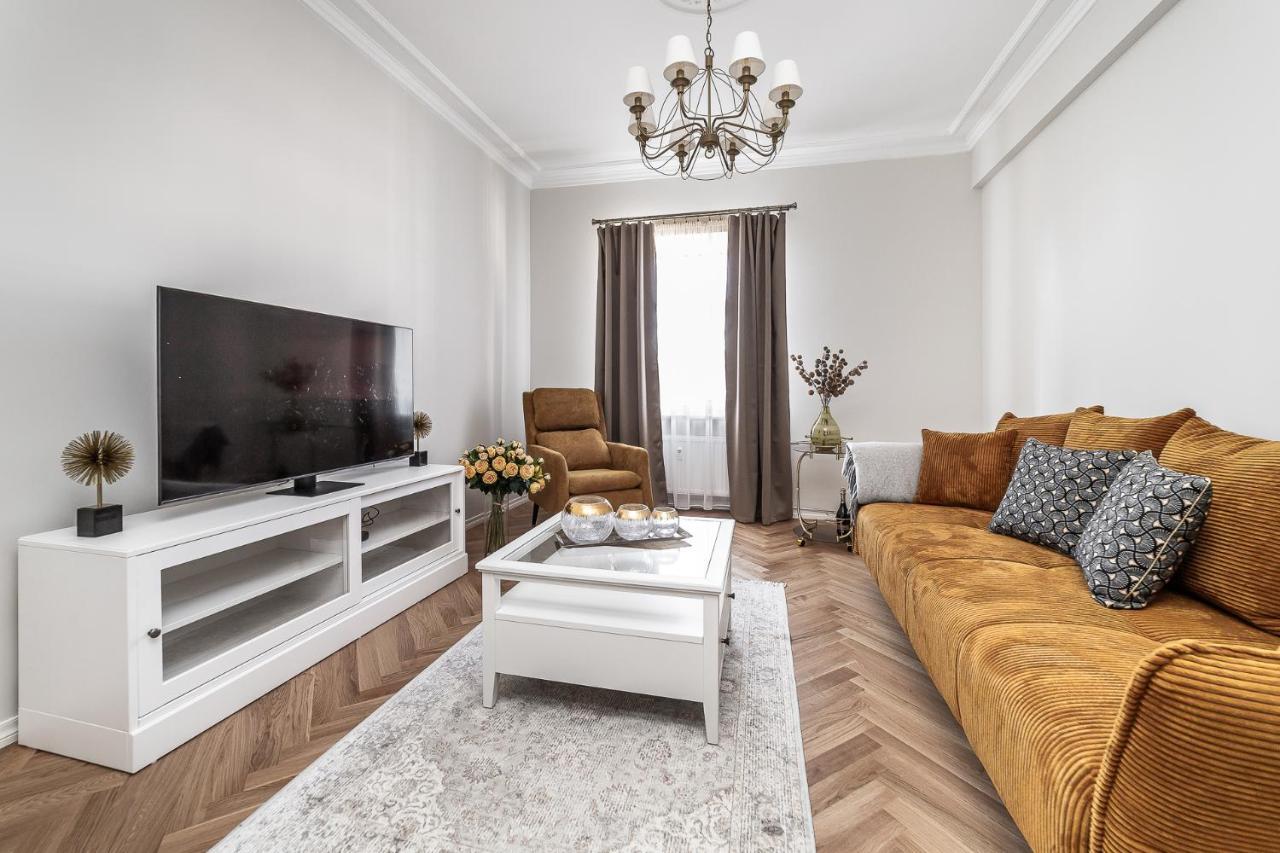
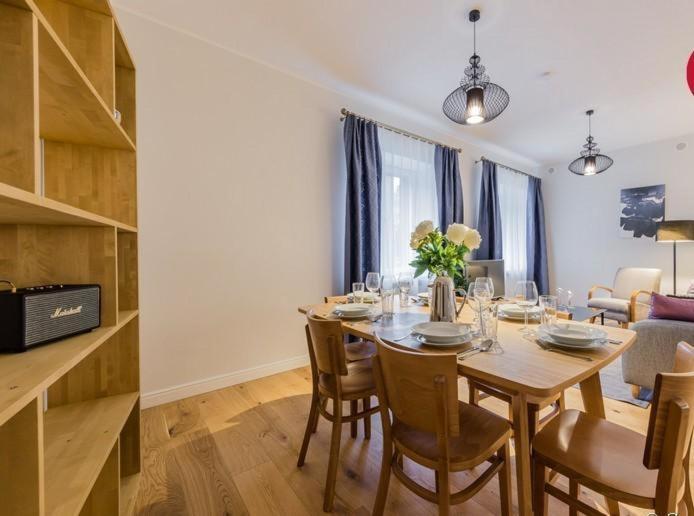
W Apartments Tallinn City exceptional location work friendly
★★★★ Tallinn
Live priceReserve
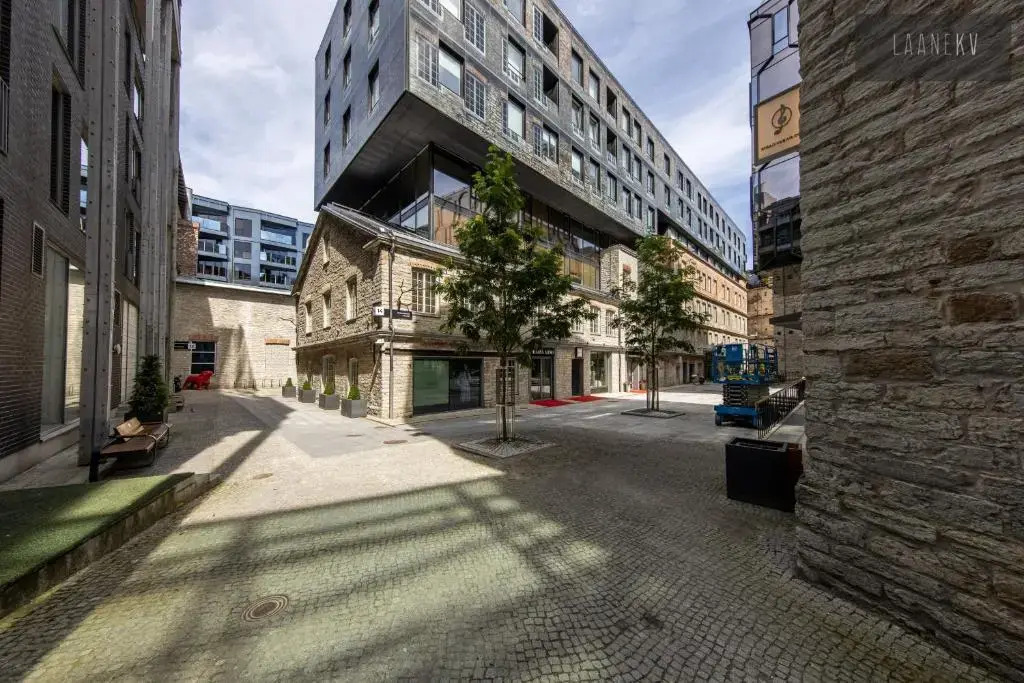
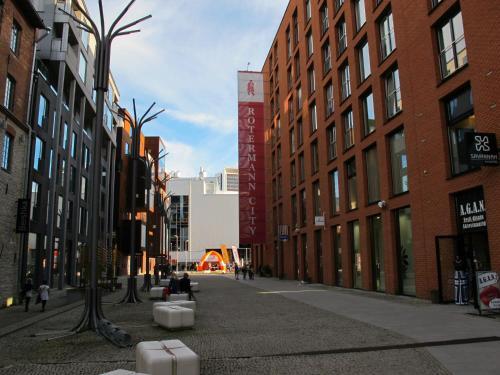
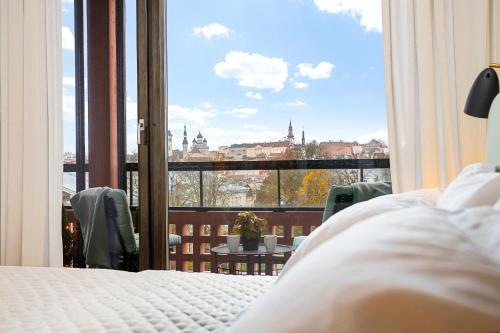
Tallinn
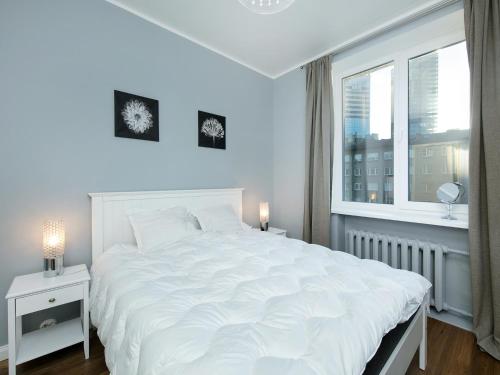
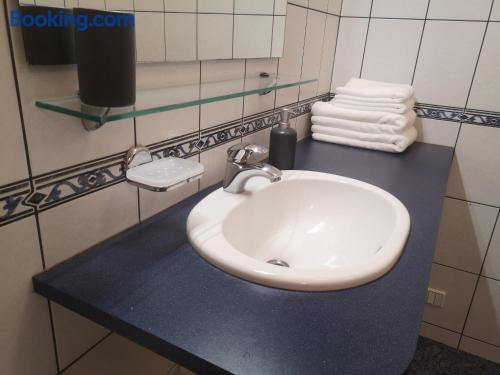
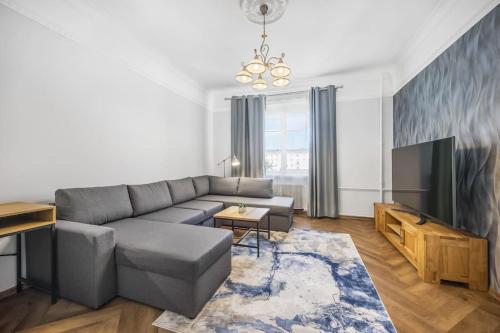
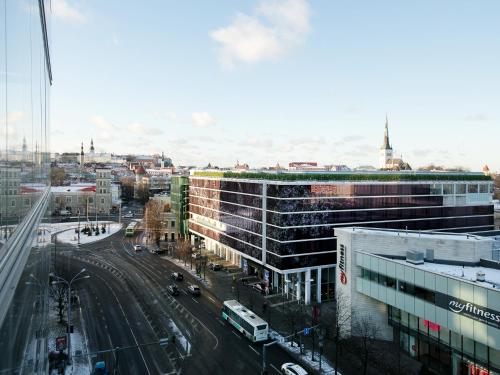
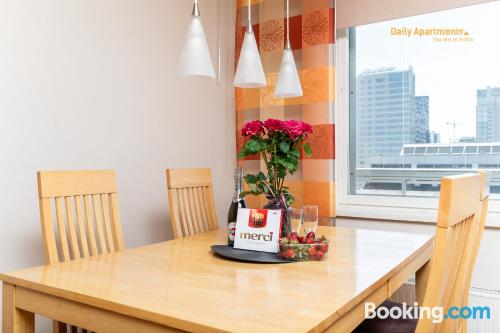
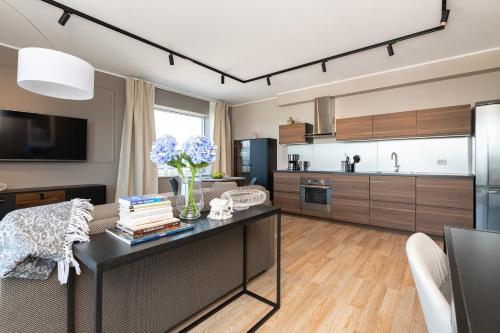
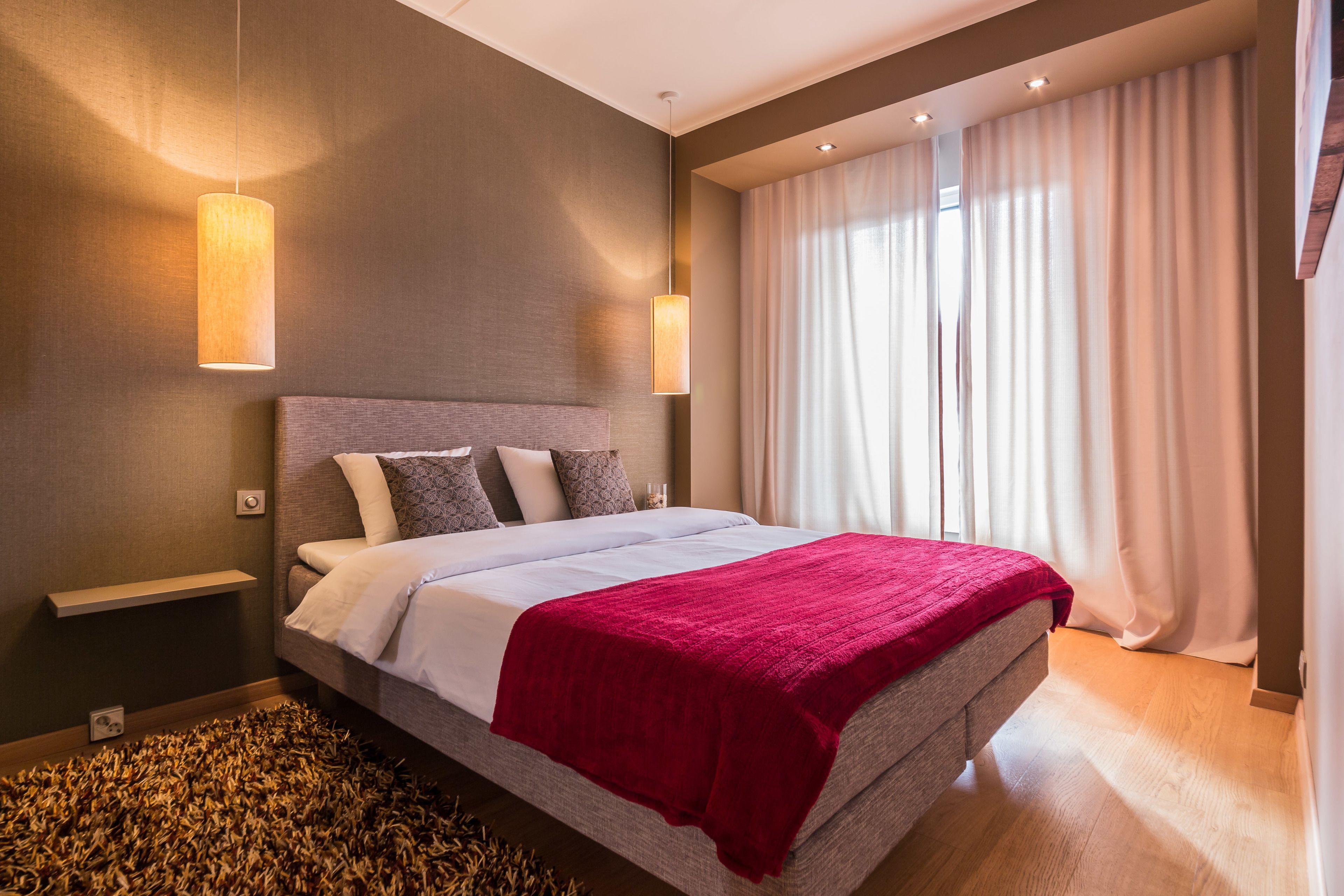
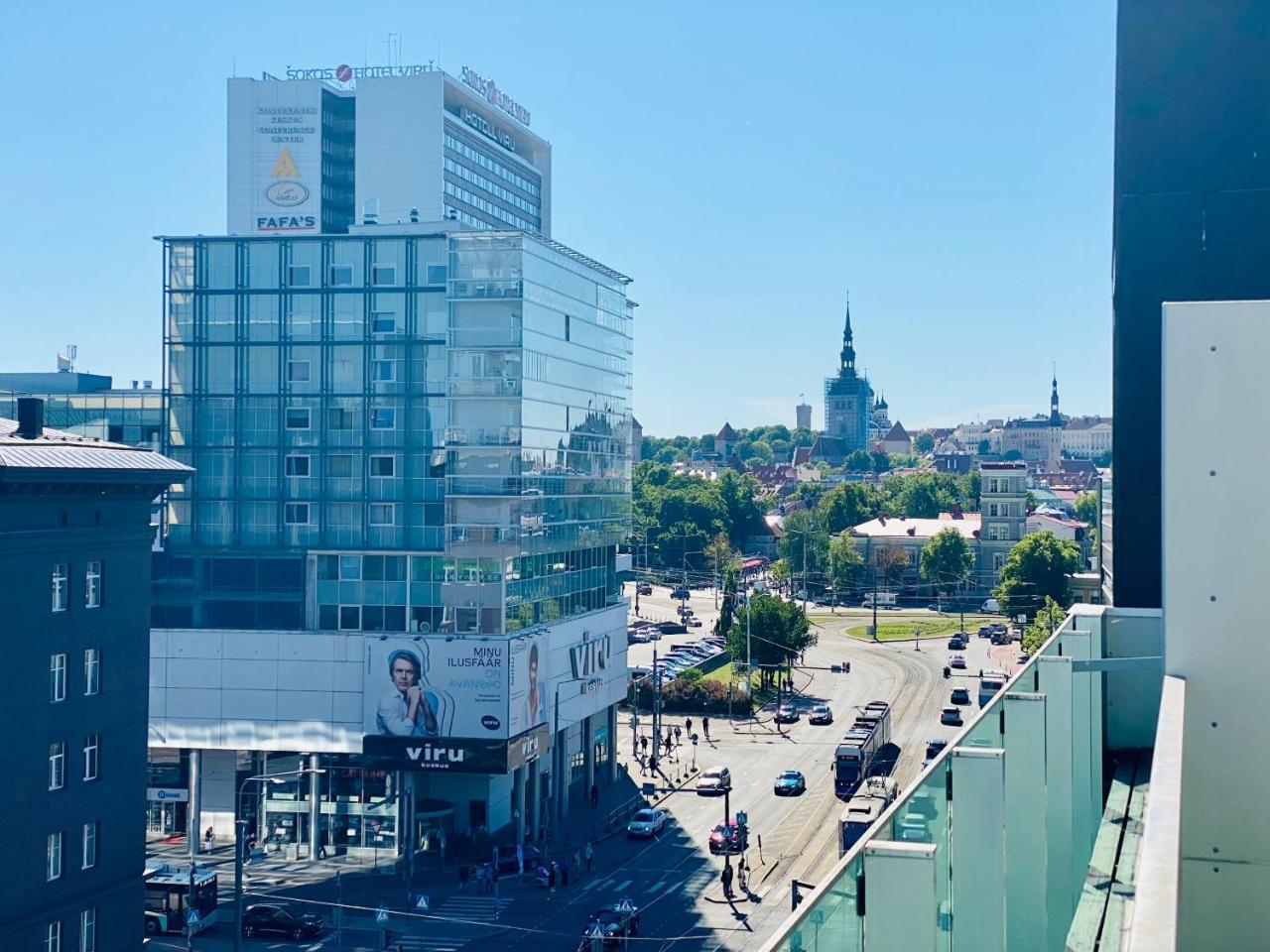
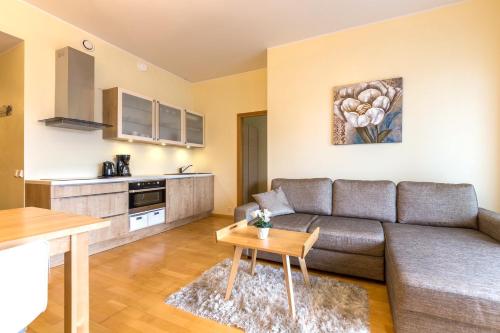
Rotermann Quarter Apartment with Rooftop Terrace & Panoramic View
★★★★ Tallinn
Live priceReserve
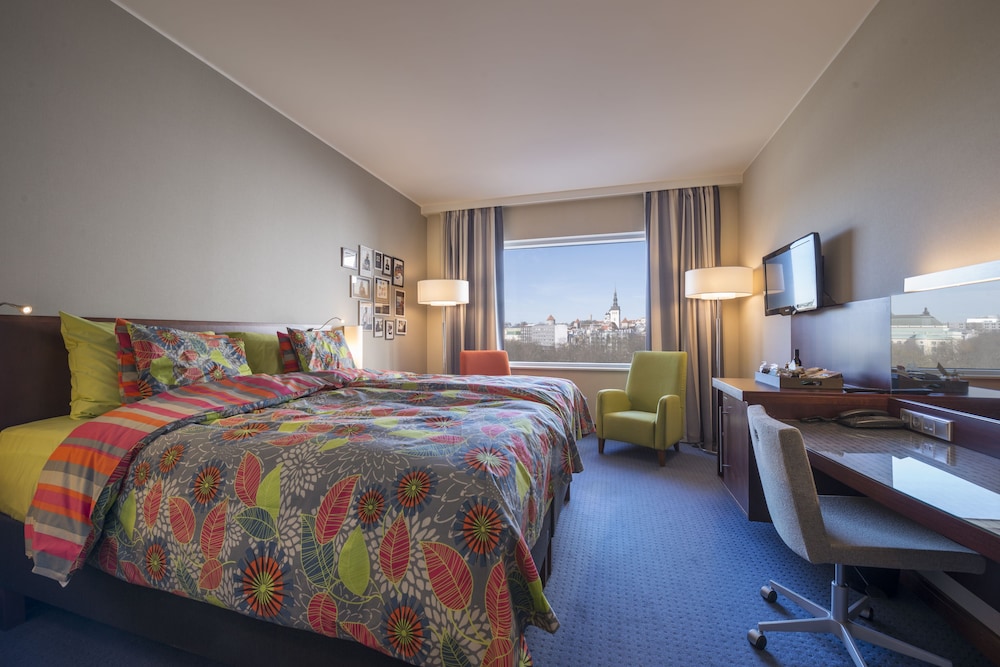
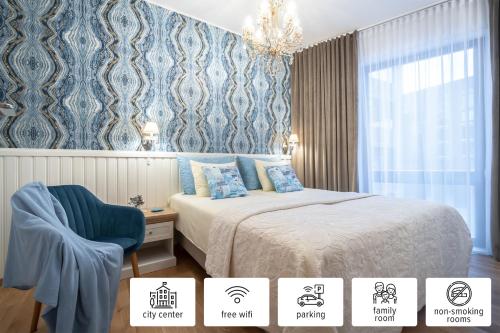
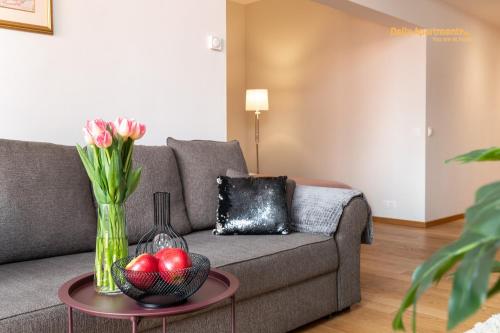
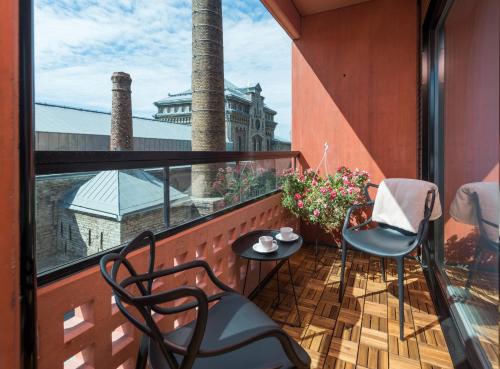
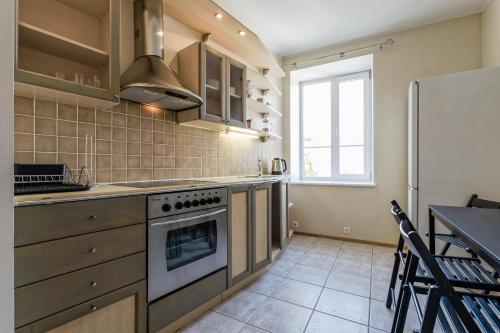
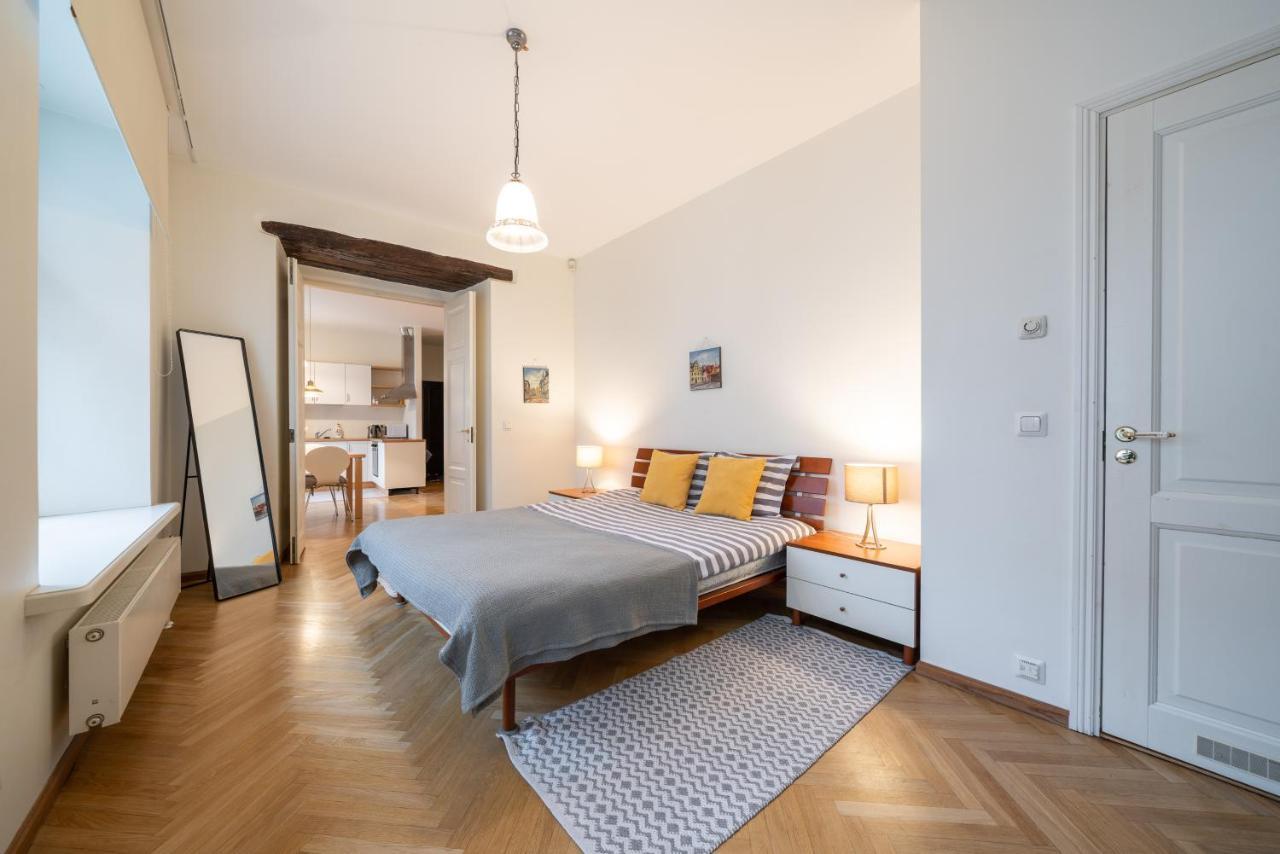
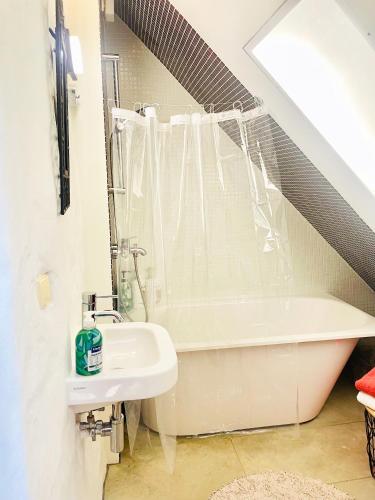
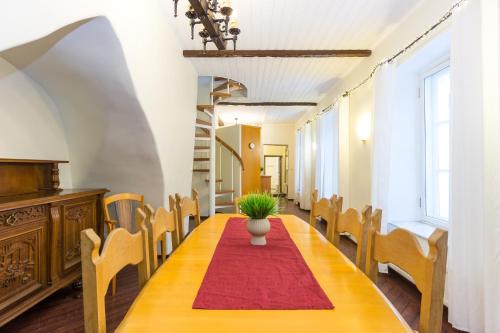
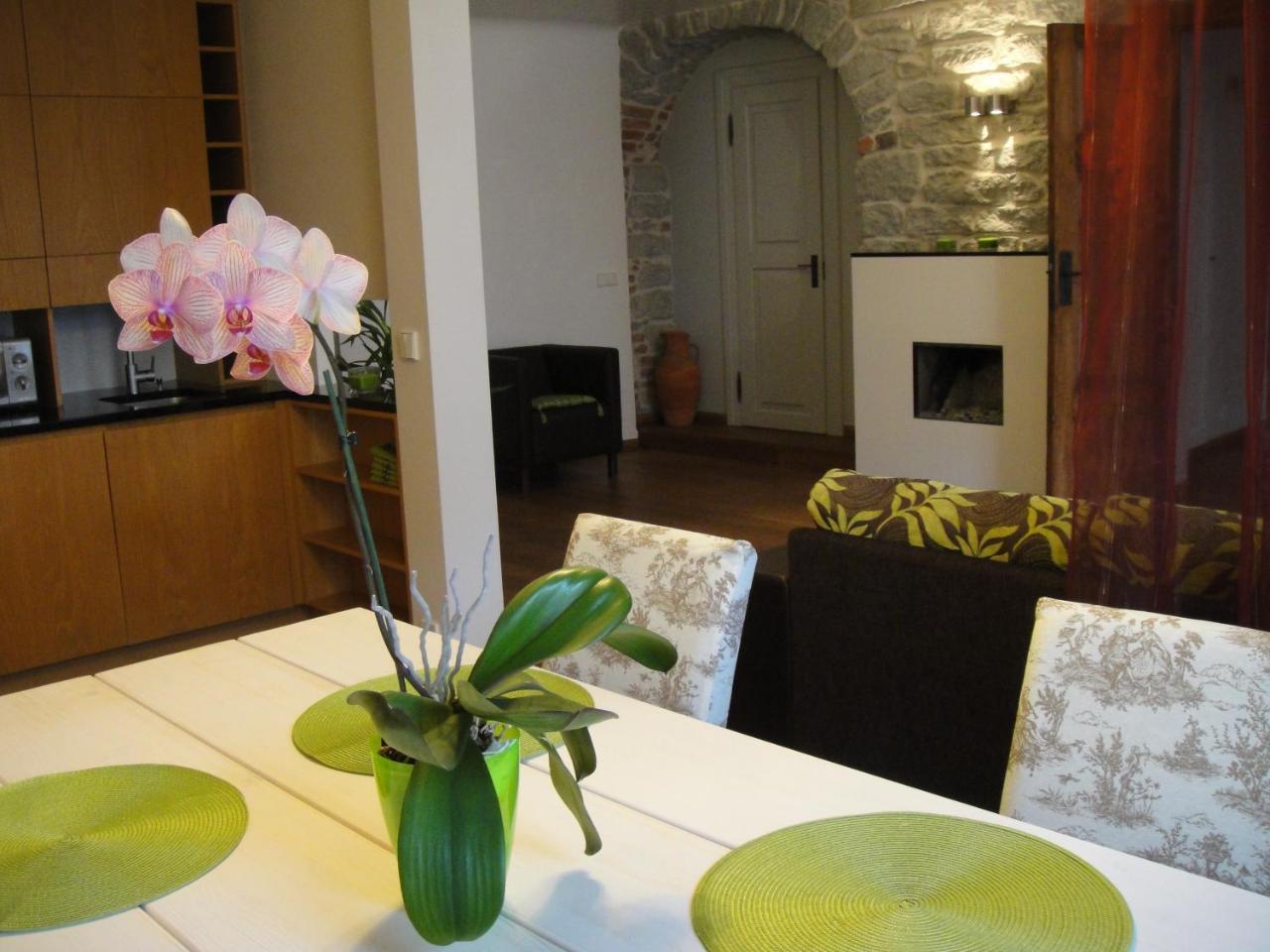
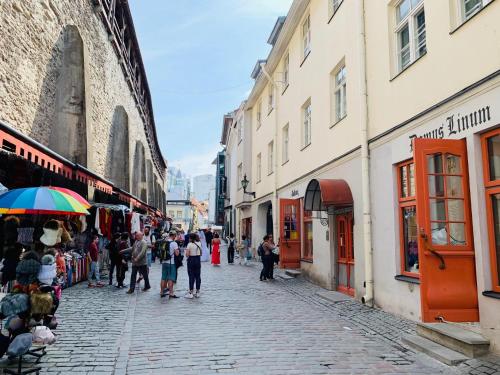
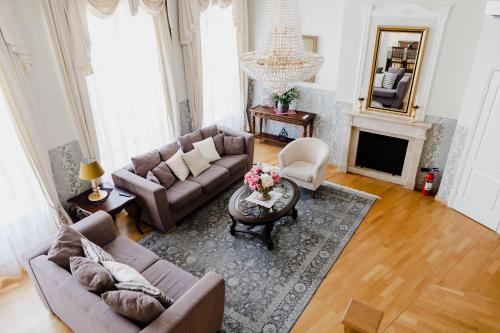
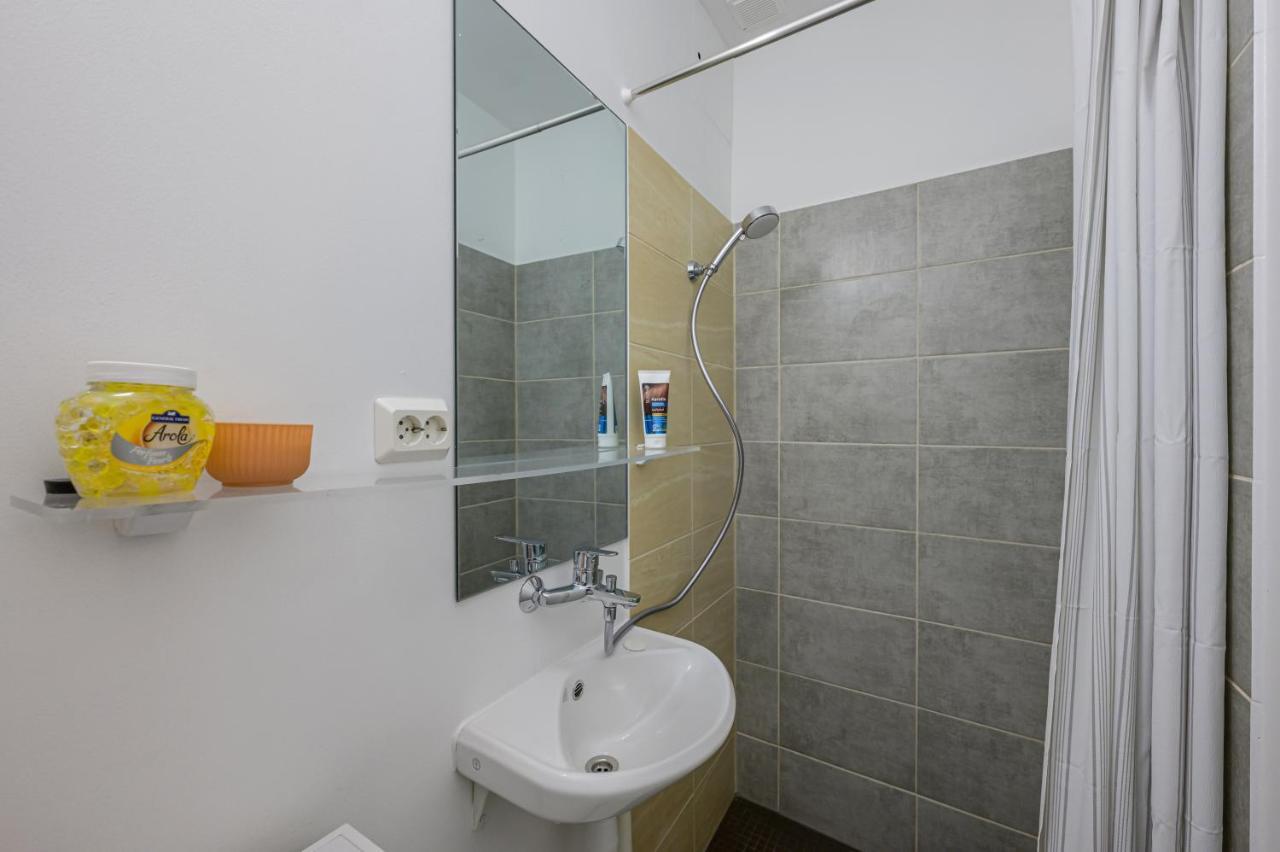
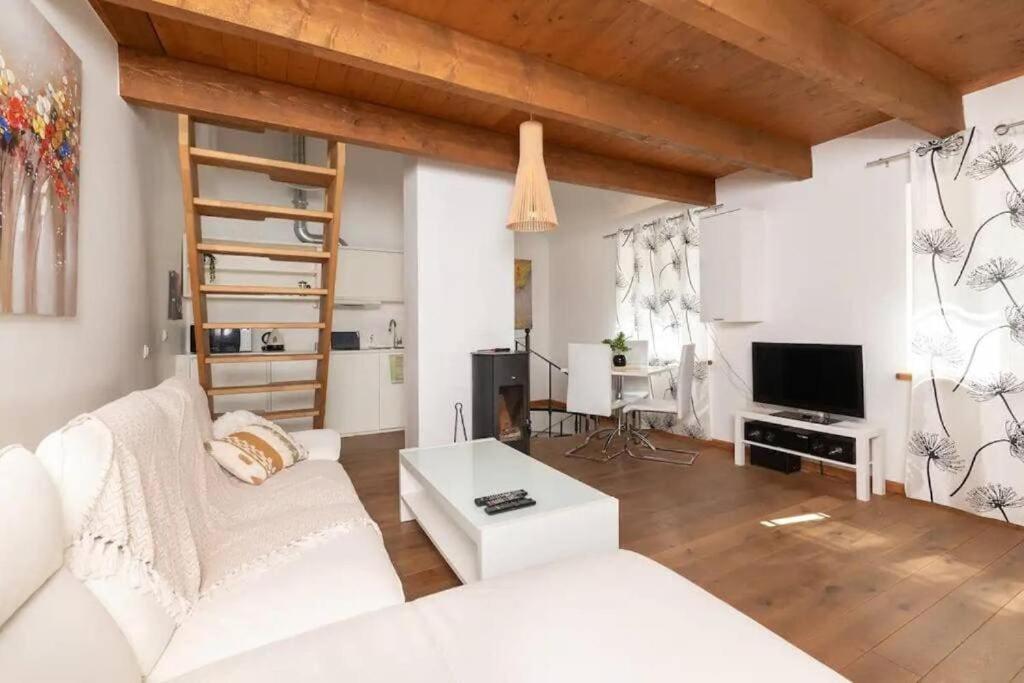
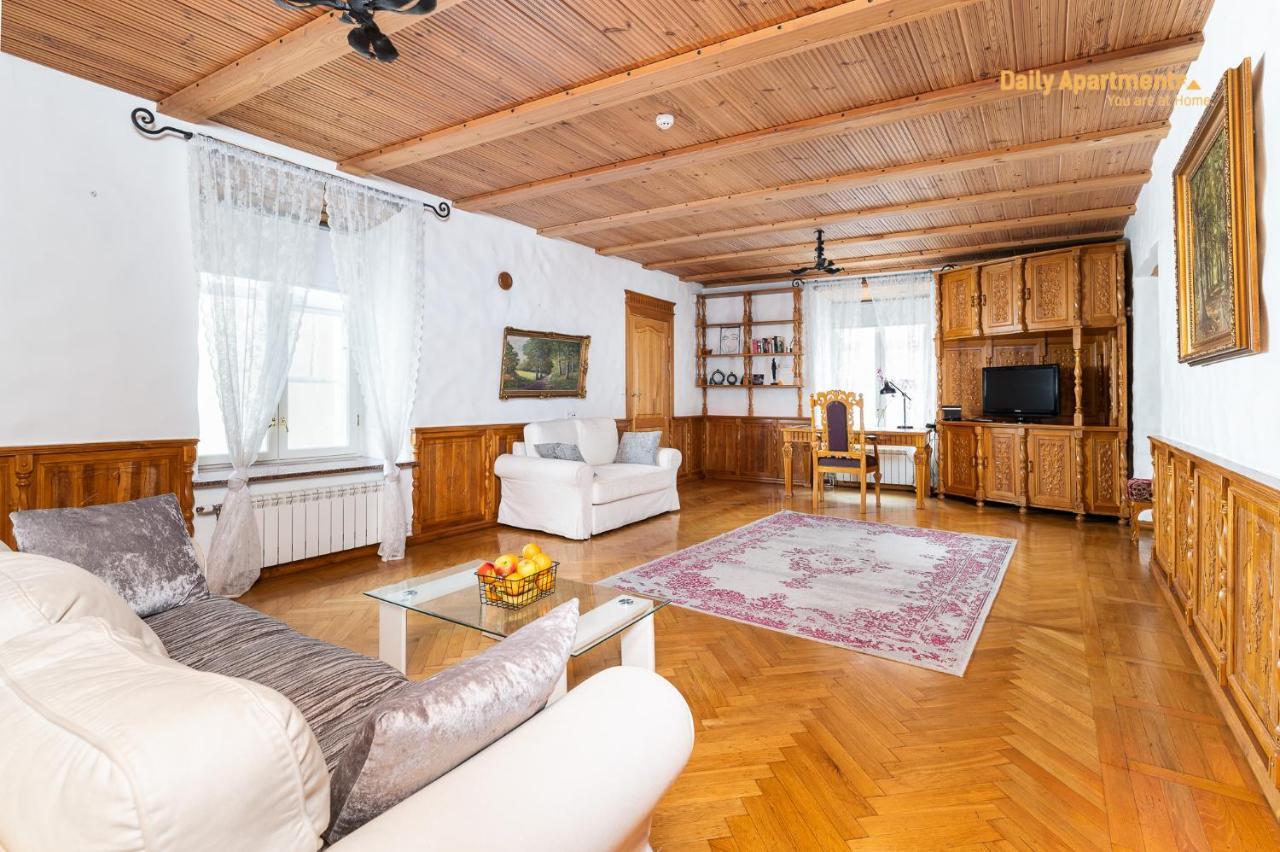
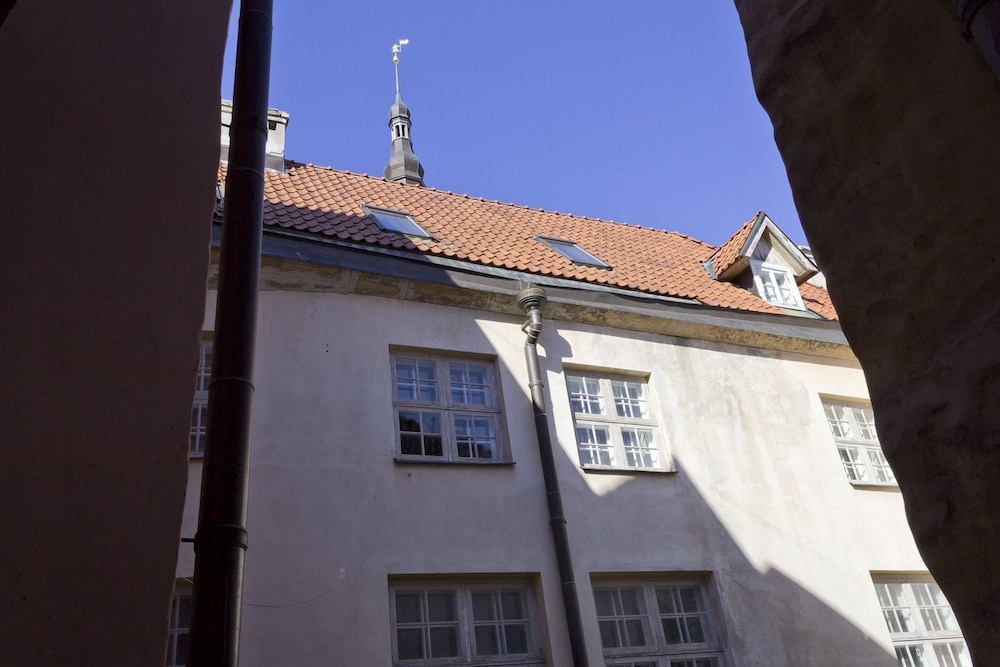
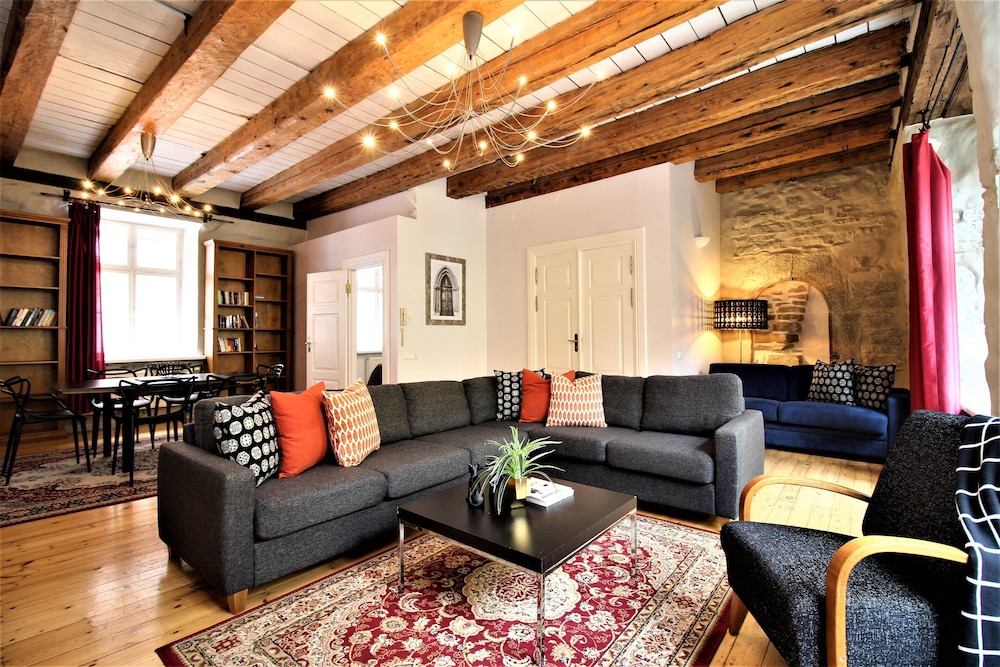
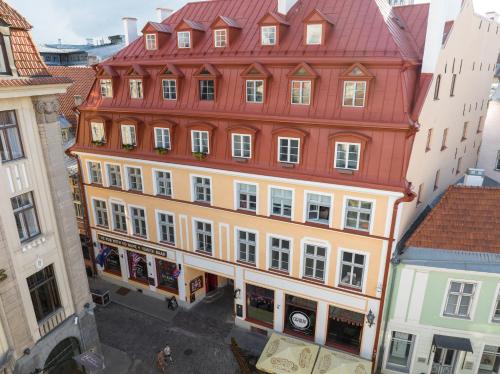
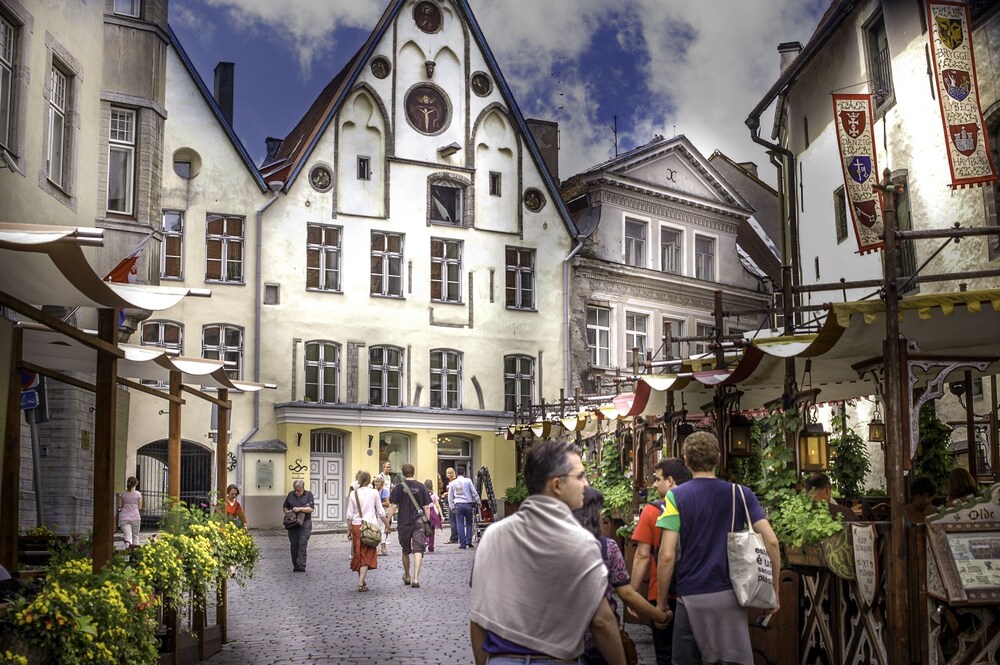
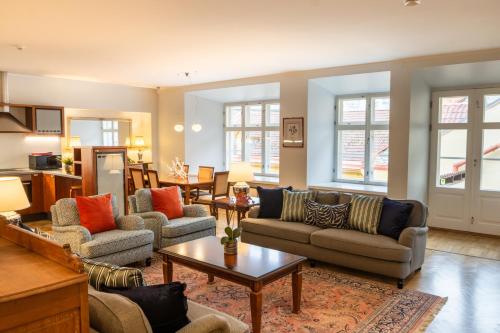
Tallinn
Tallinn City Apartments Luxury 4 bedroom with terrace and sauna
★★★★ Tallinn
Live priceReserve
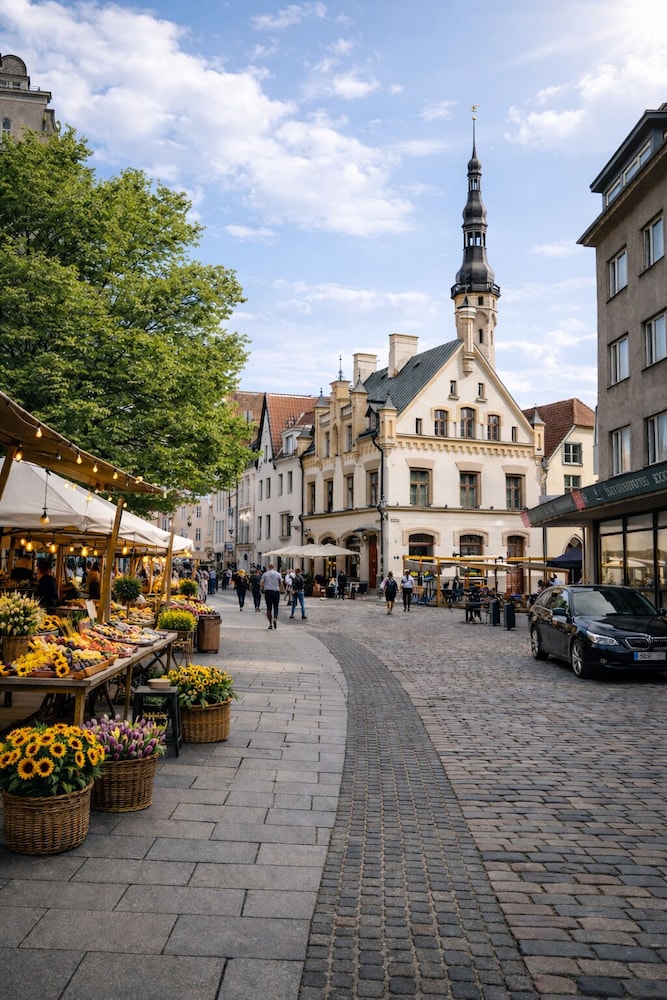
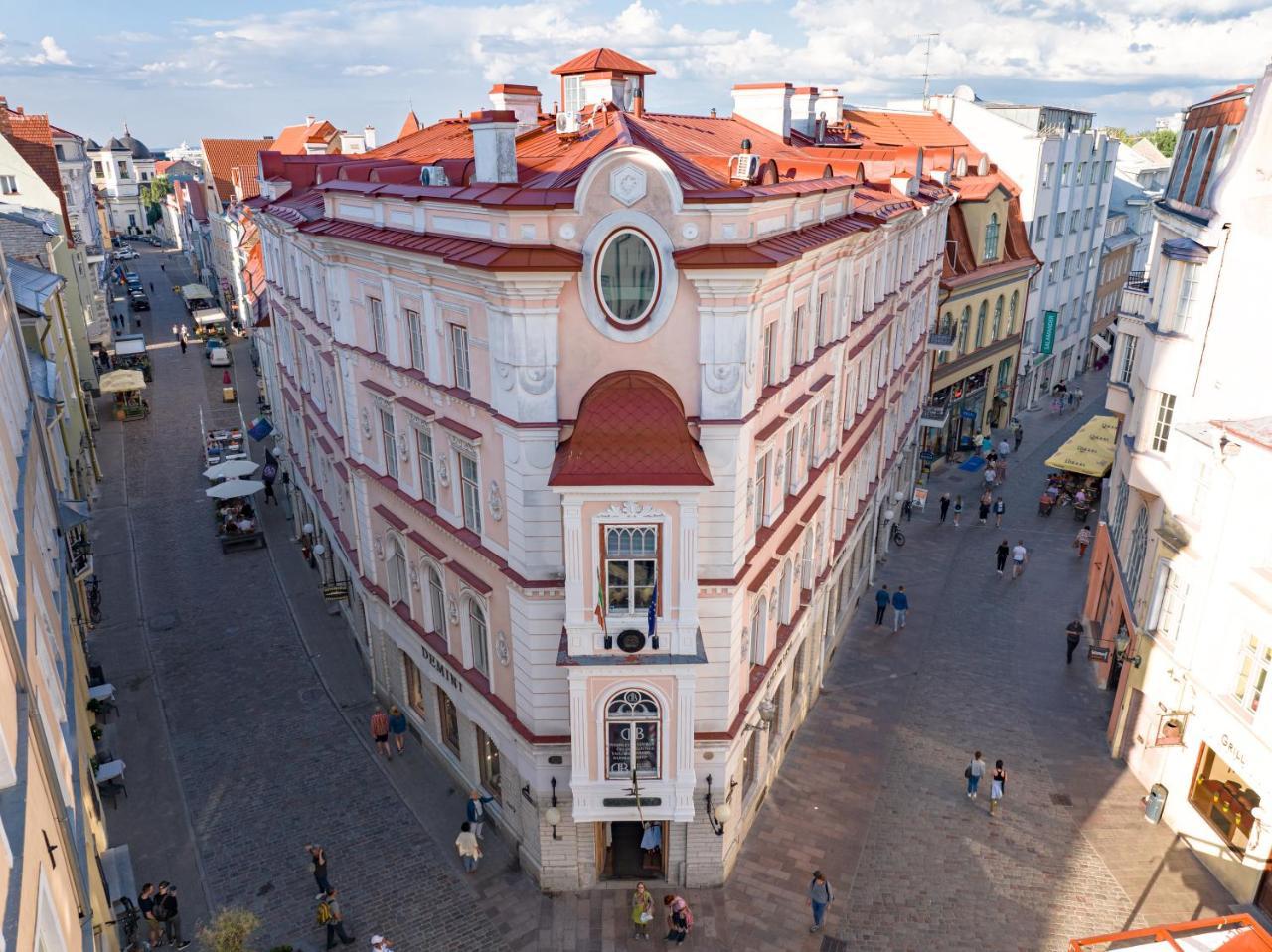
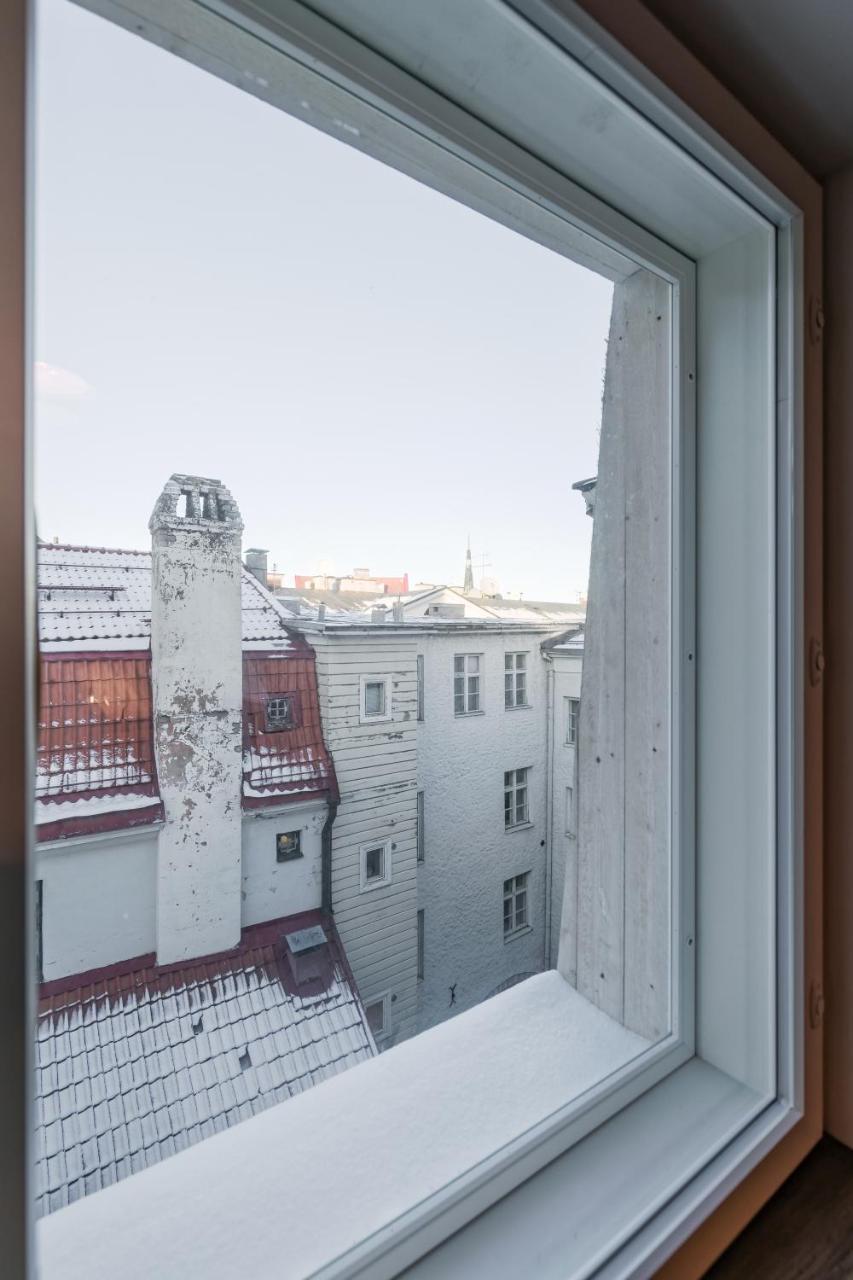
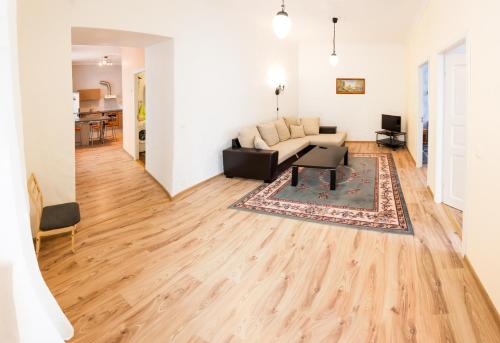
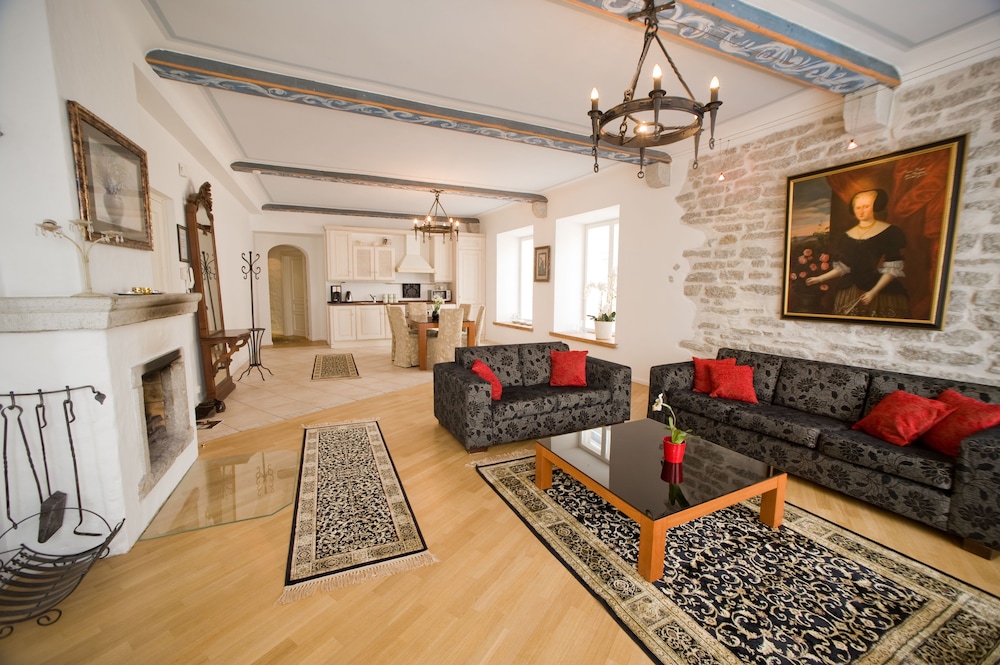
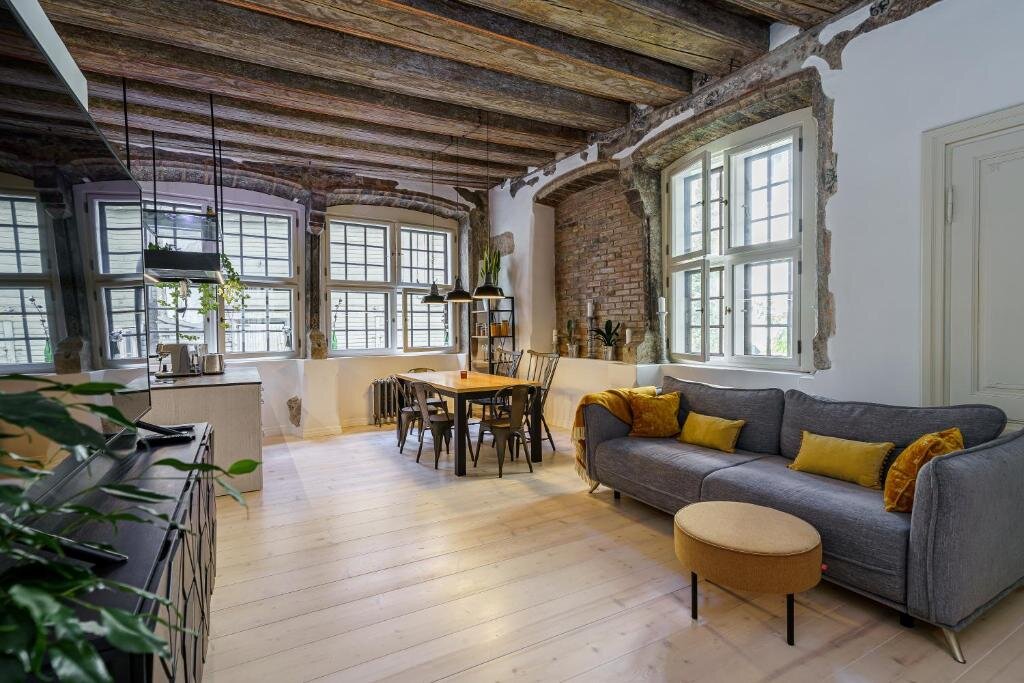
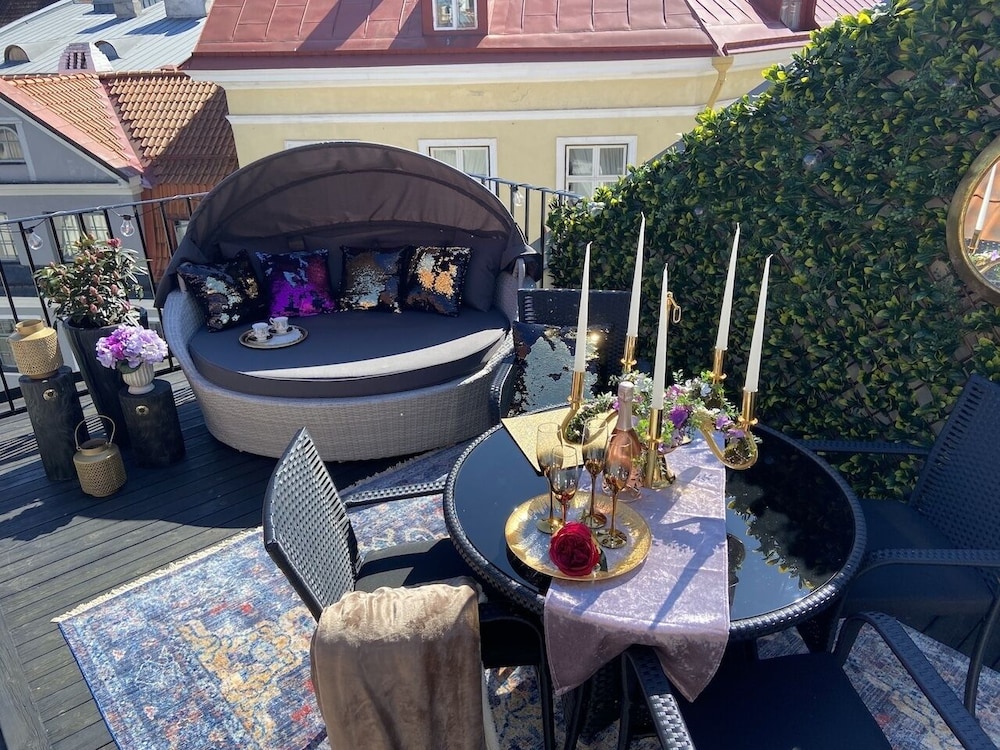
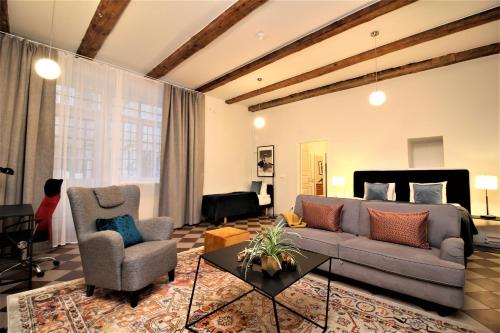
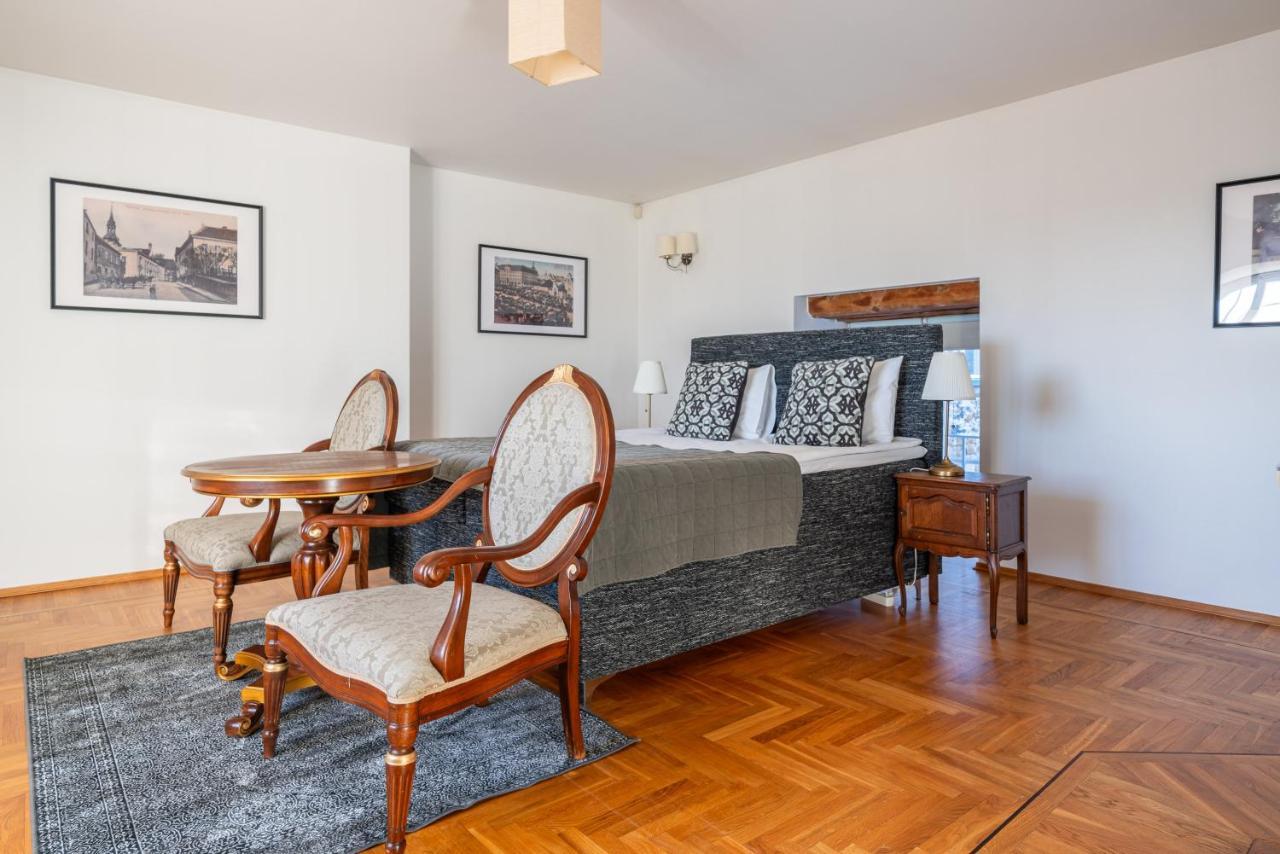
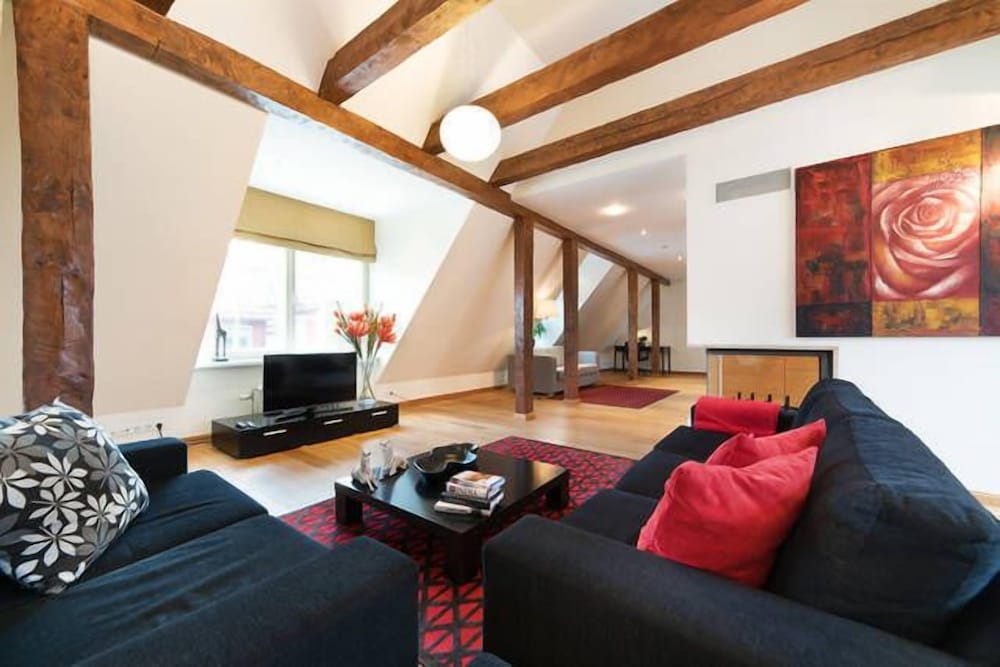
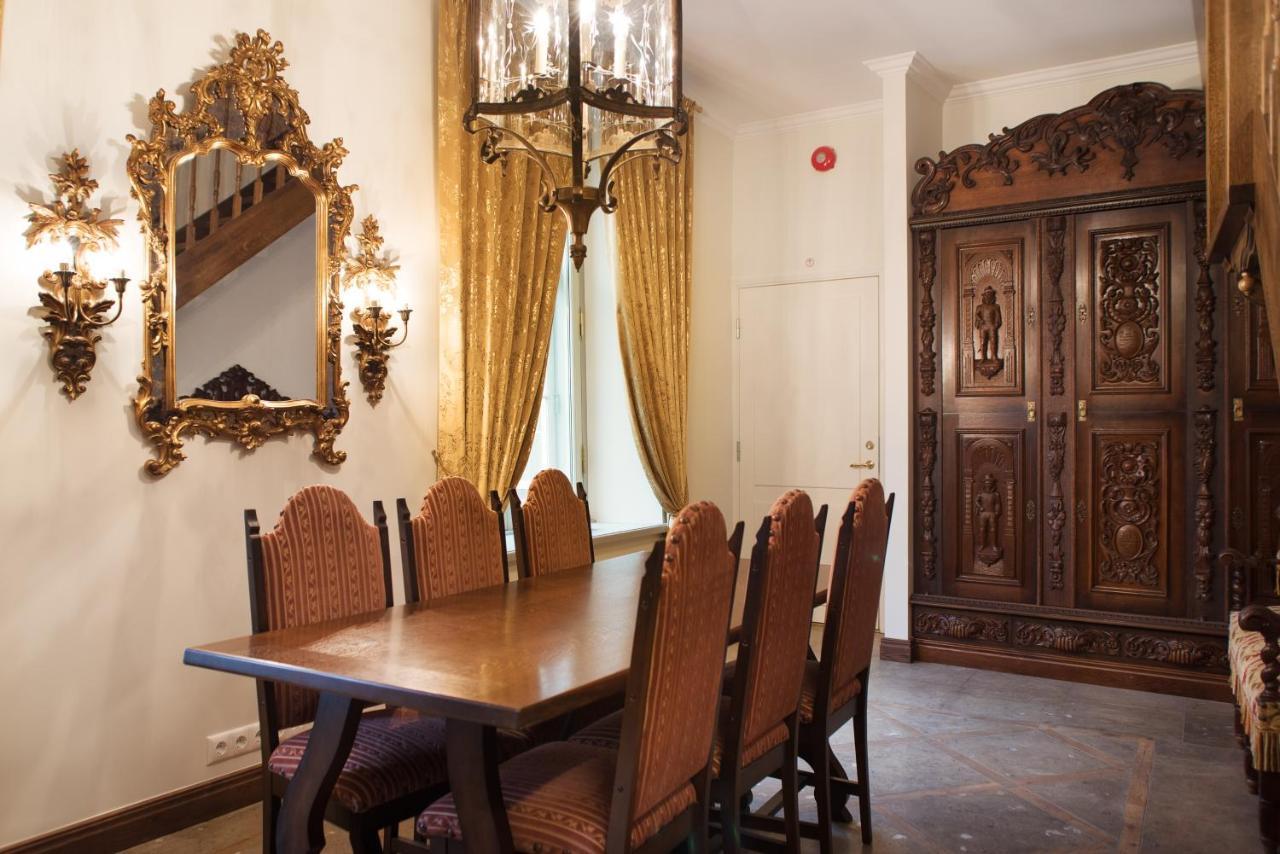
Tallinn
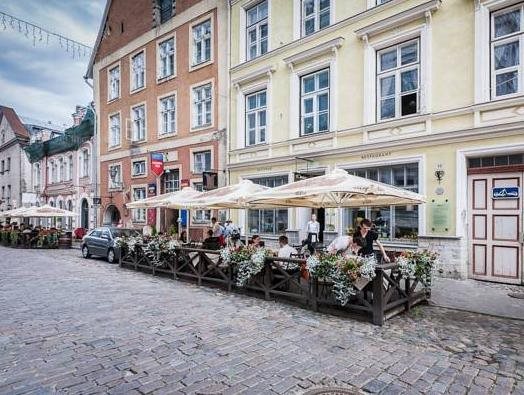
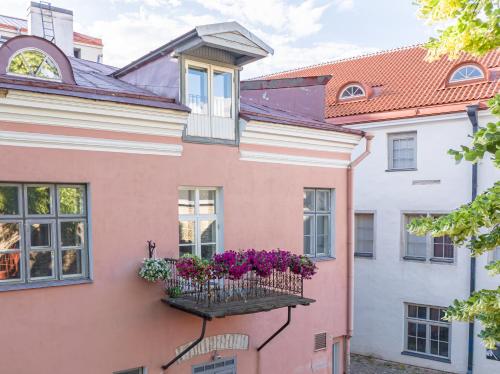
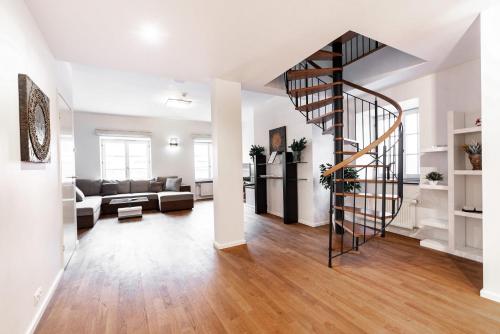
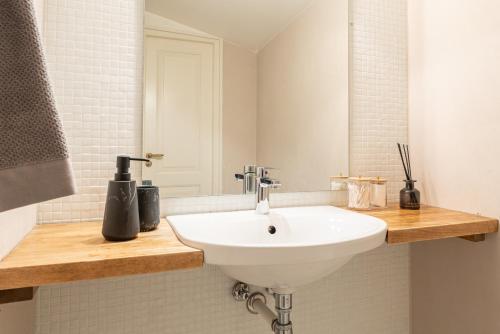
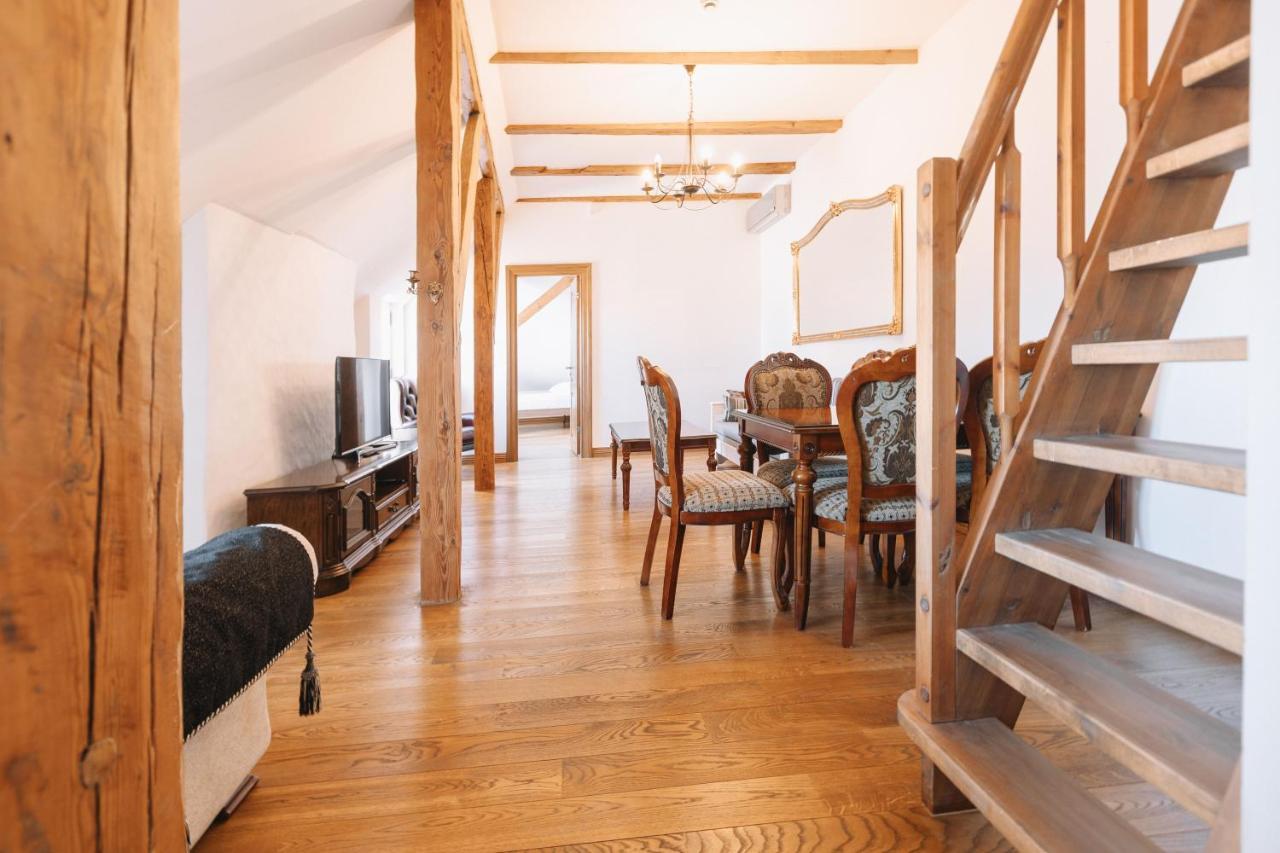
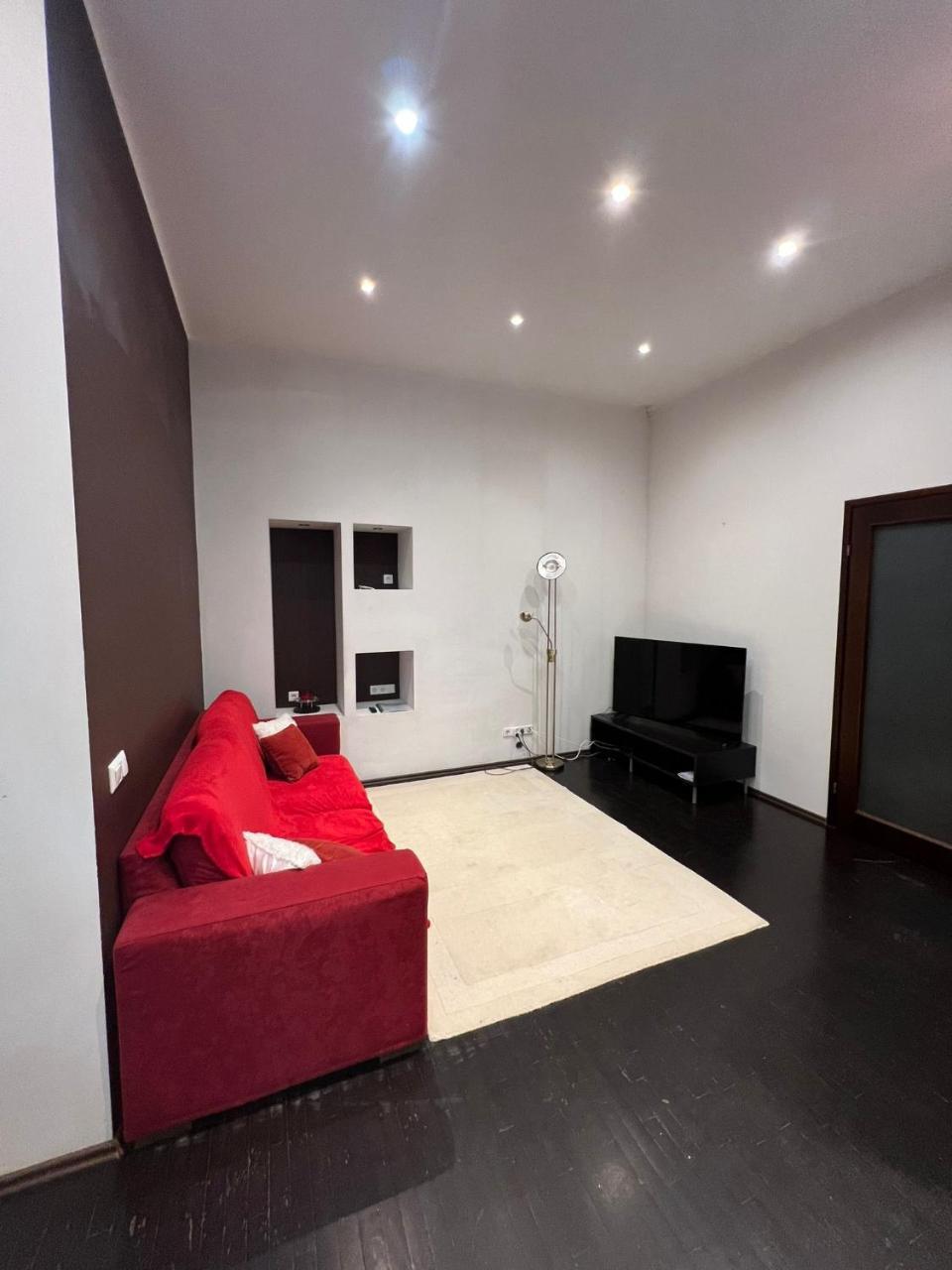
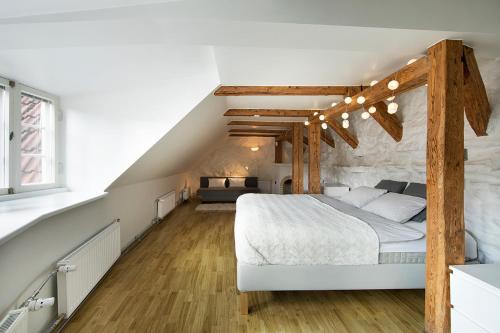
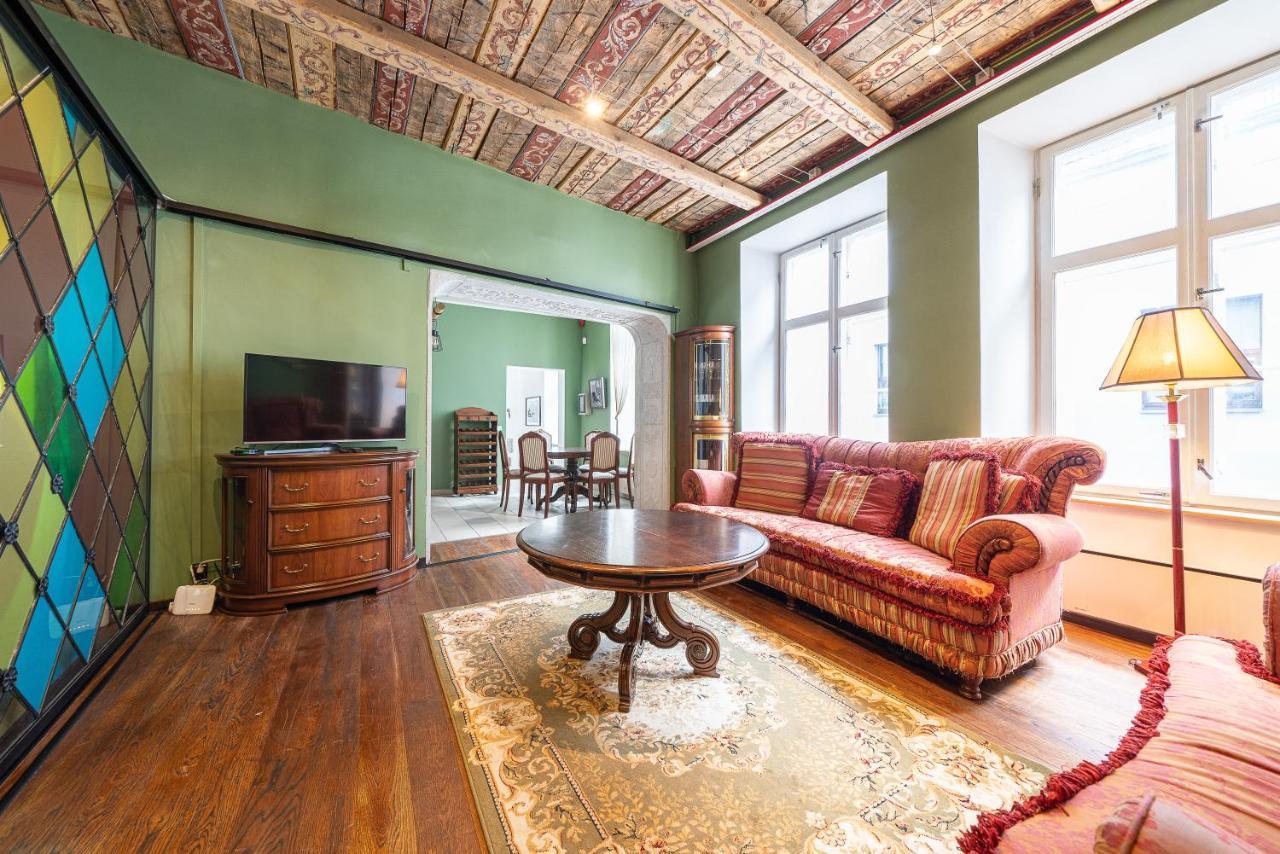
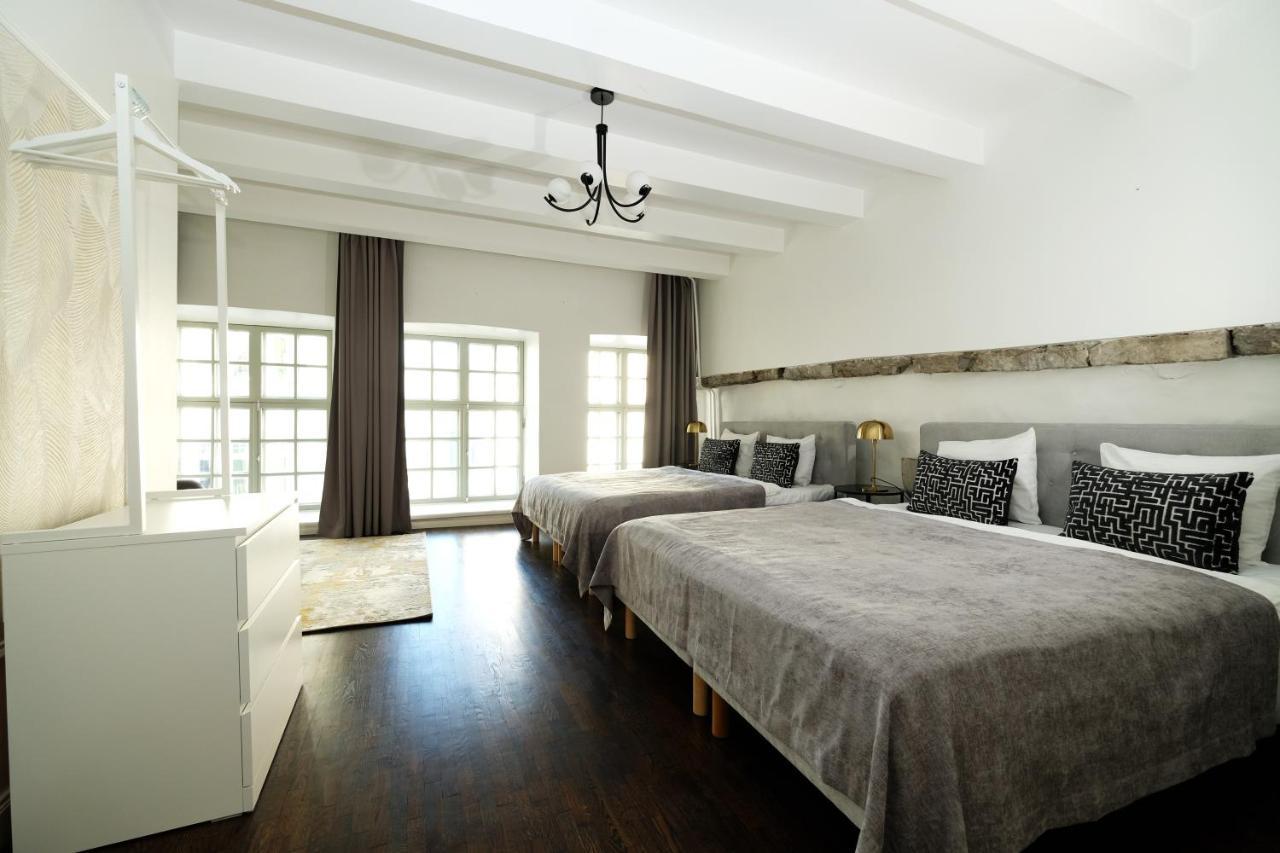
Luxury Medieval 2 Storey apartment with Antique Furniture in Old Town
★★★★ Tallinn
Live priceReserve
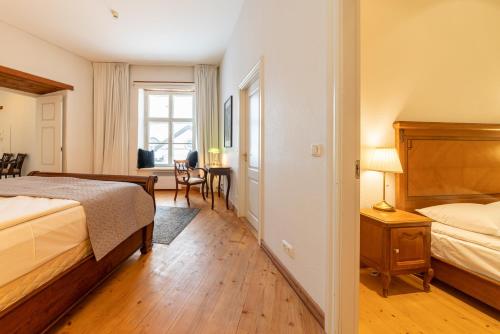
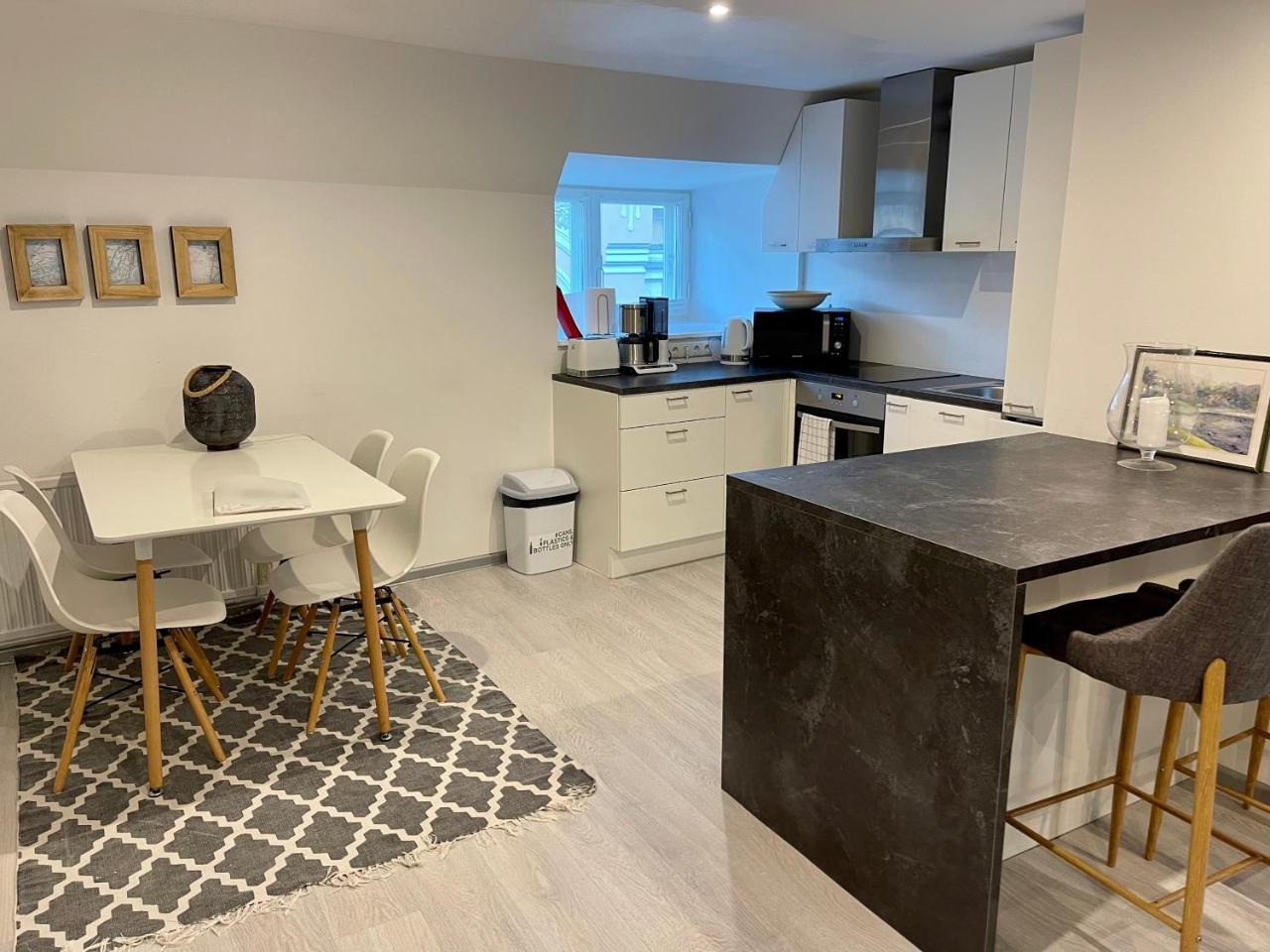
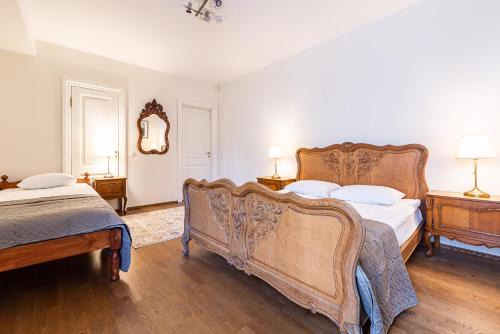
Tallinn
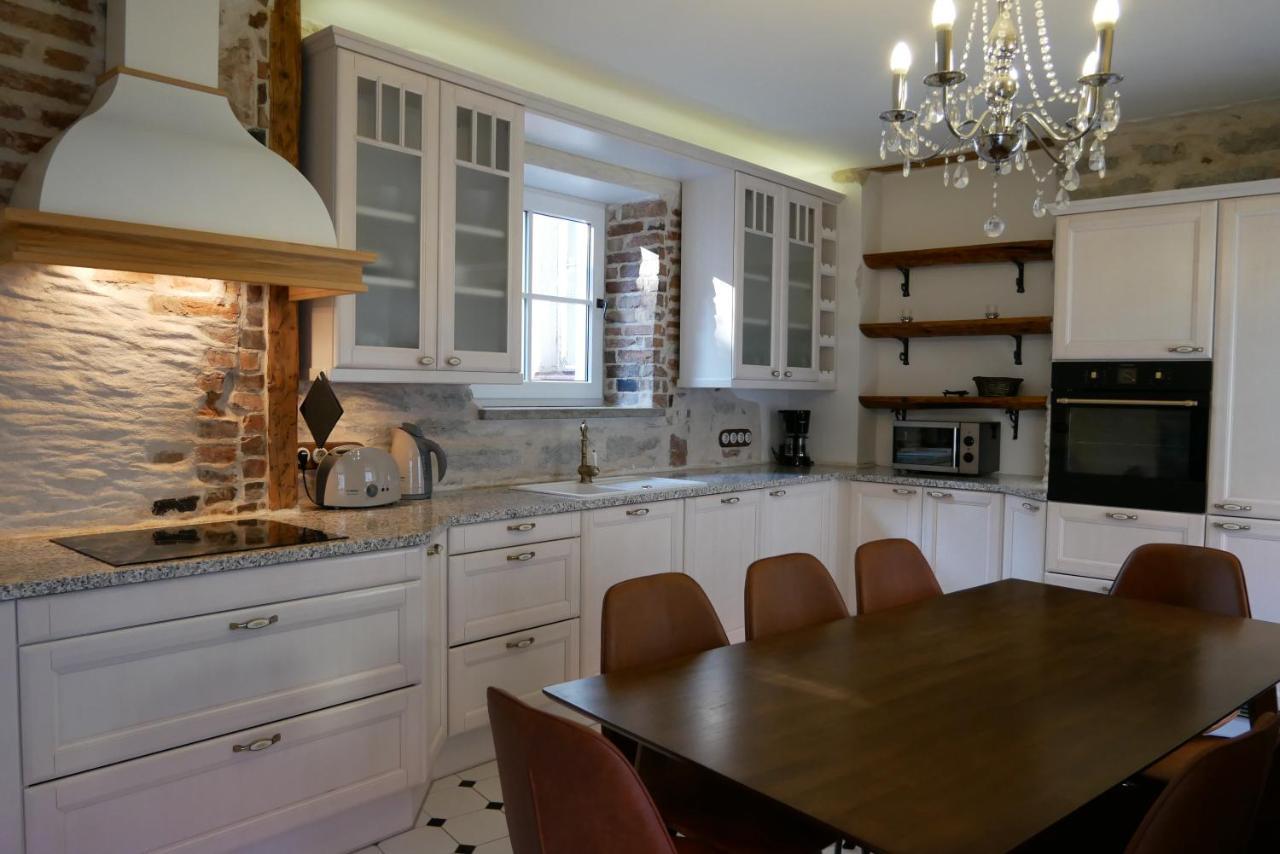
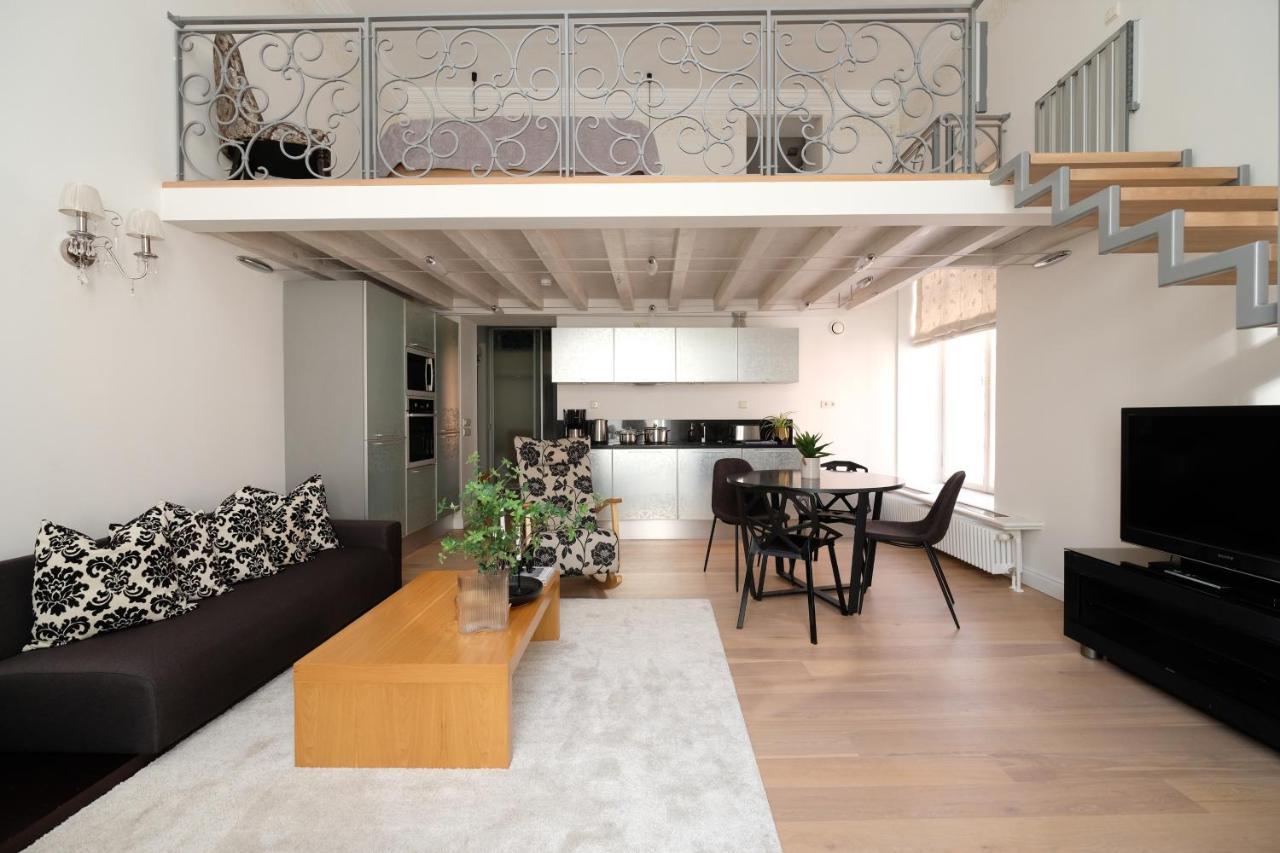
Tallinn City Apartments 5 bedroom two floor 160 m2 penthouse
★★★★ Tallinn
Live priceReserve
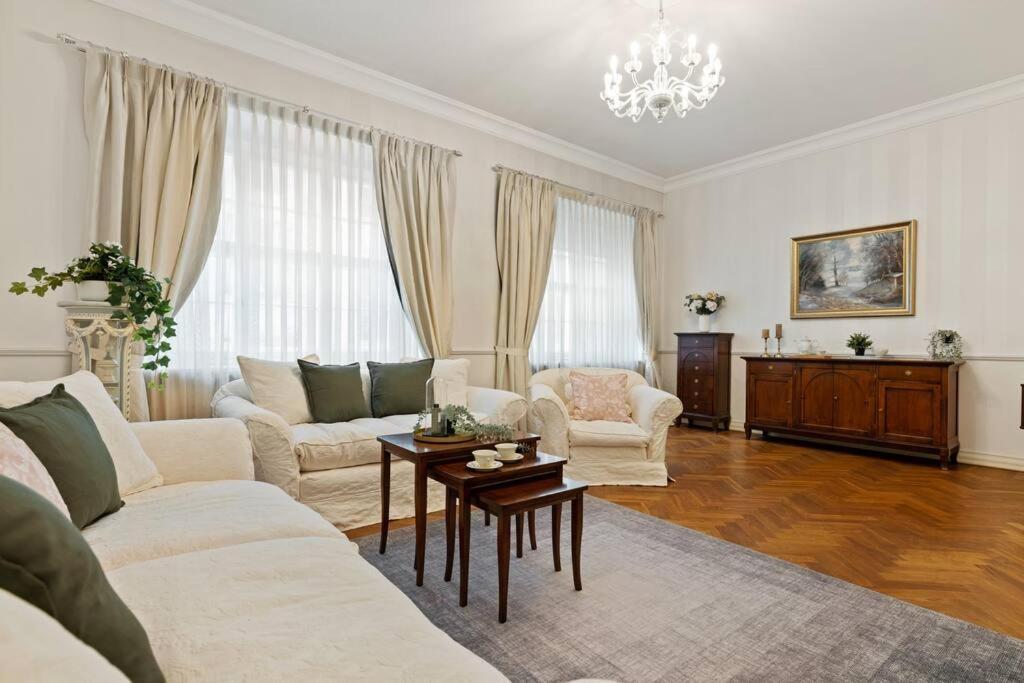
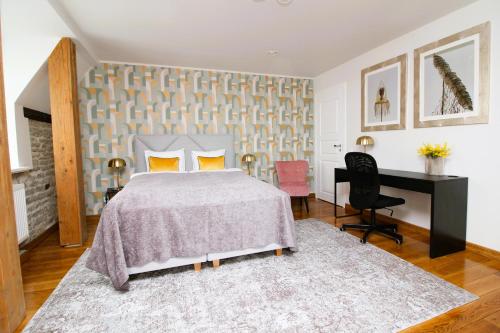
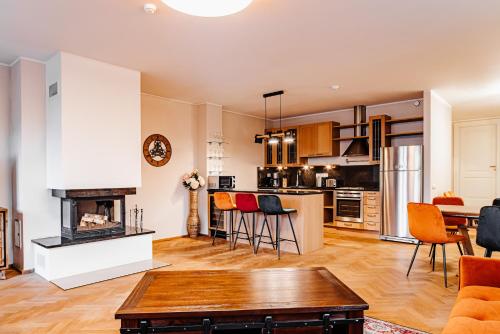
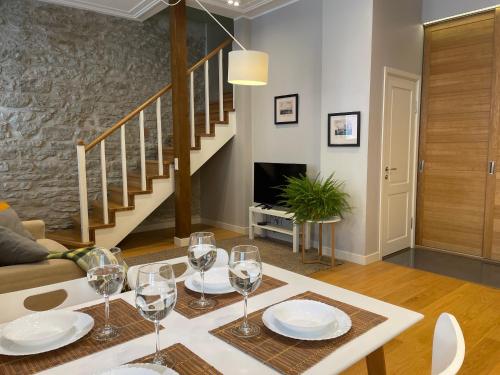
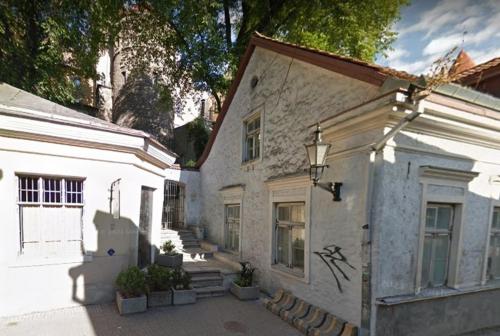
Tallinn
Tallinn City Apartments 2 bedroom & 2 bathroom luxury property with balcony in Old Town
★★★★ Tallinn
Live priceReserve

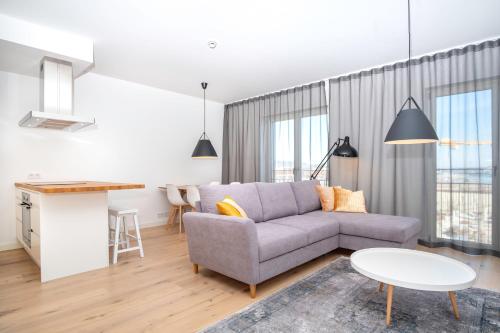
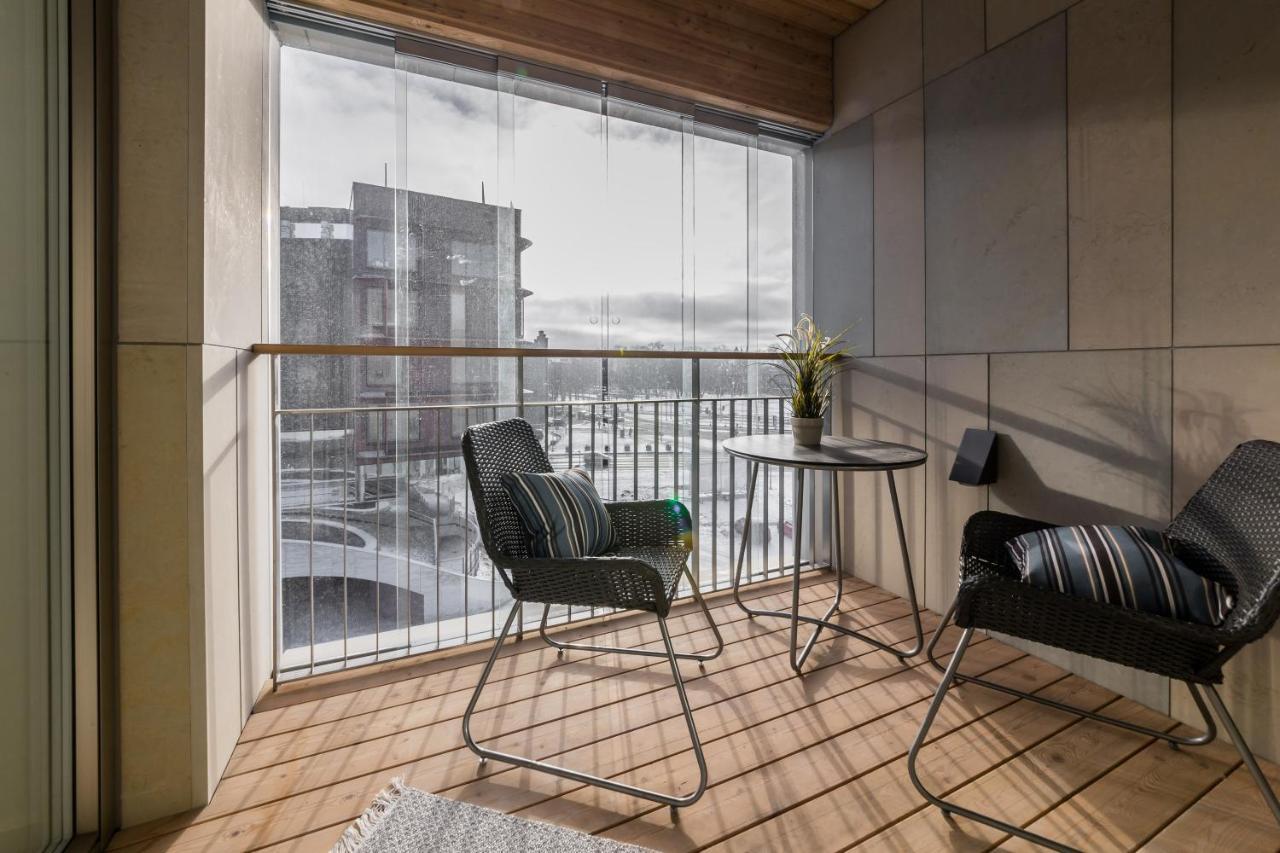
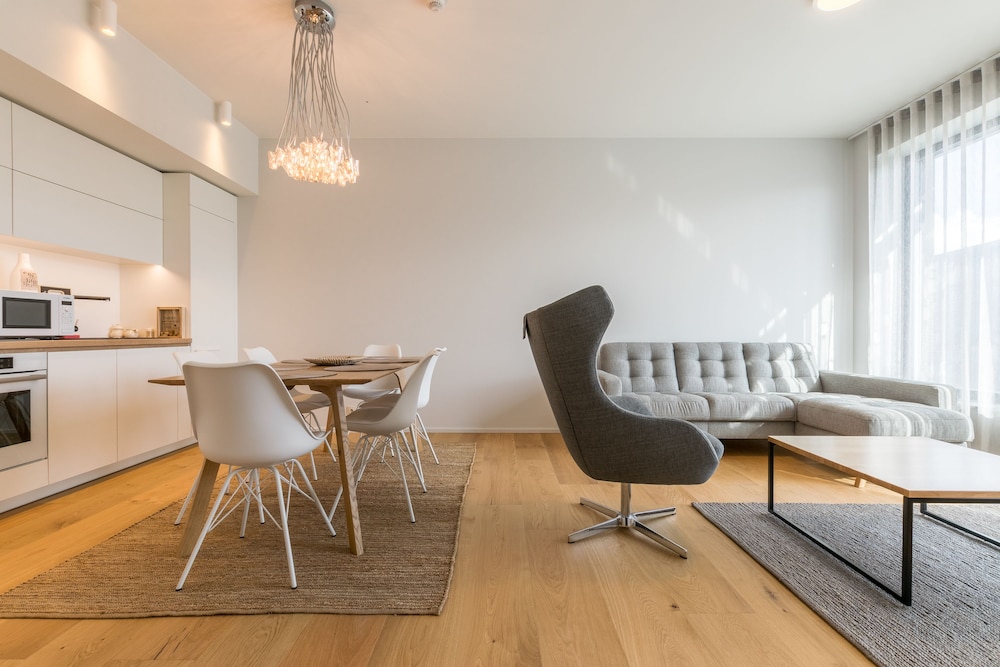
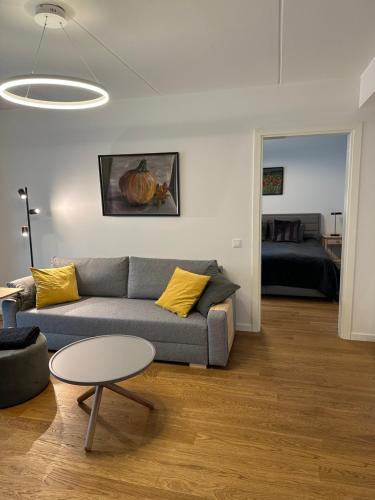
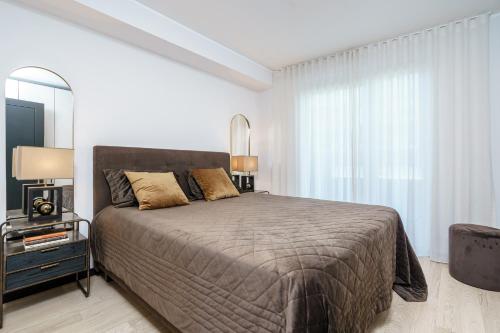
Tallinn
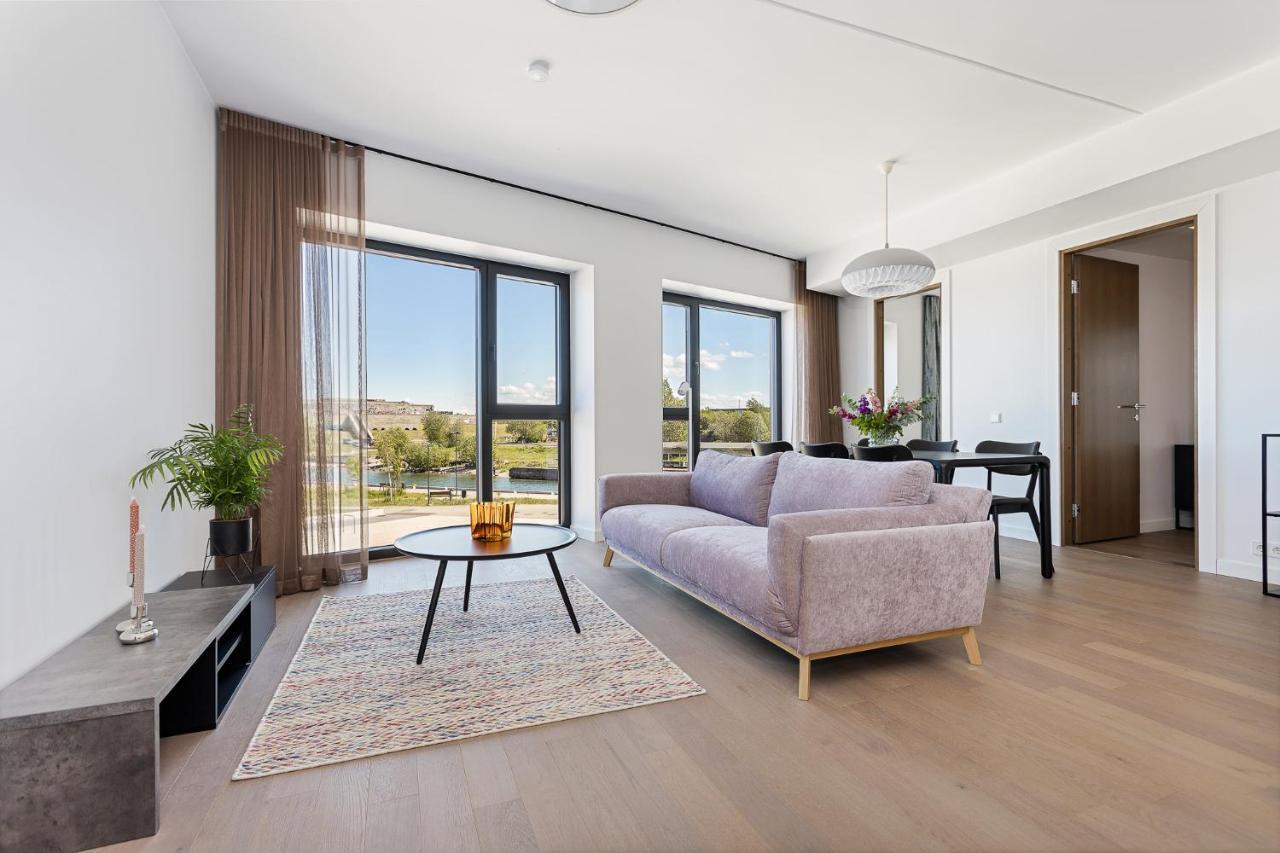
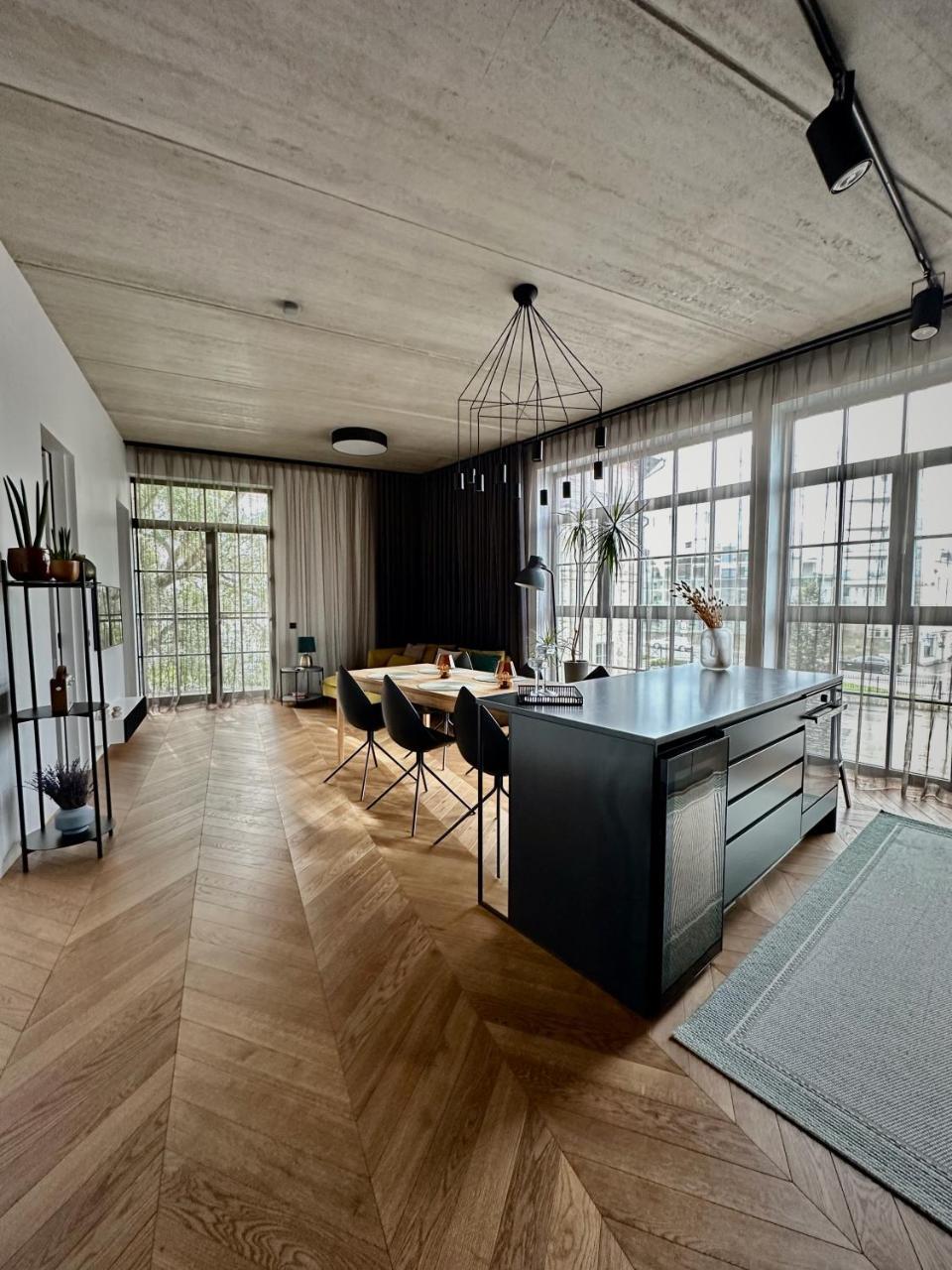
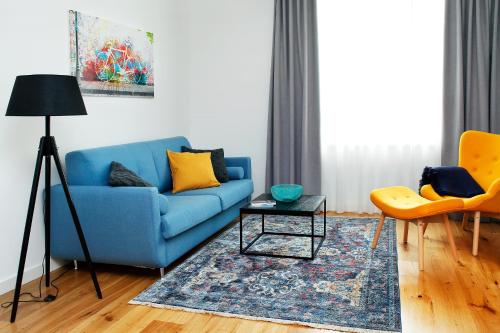
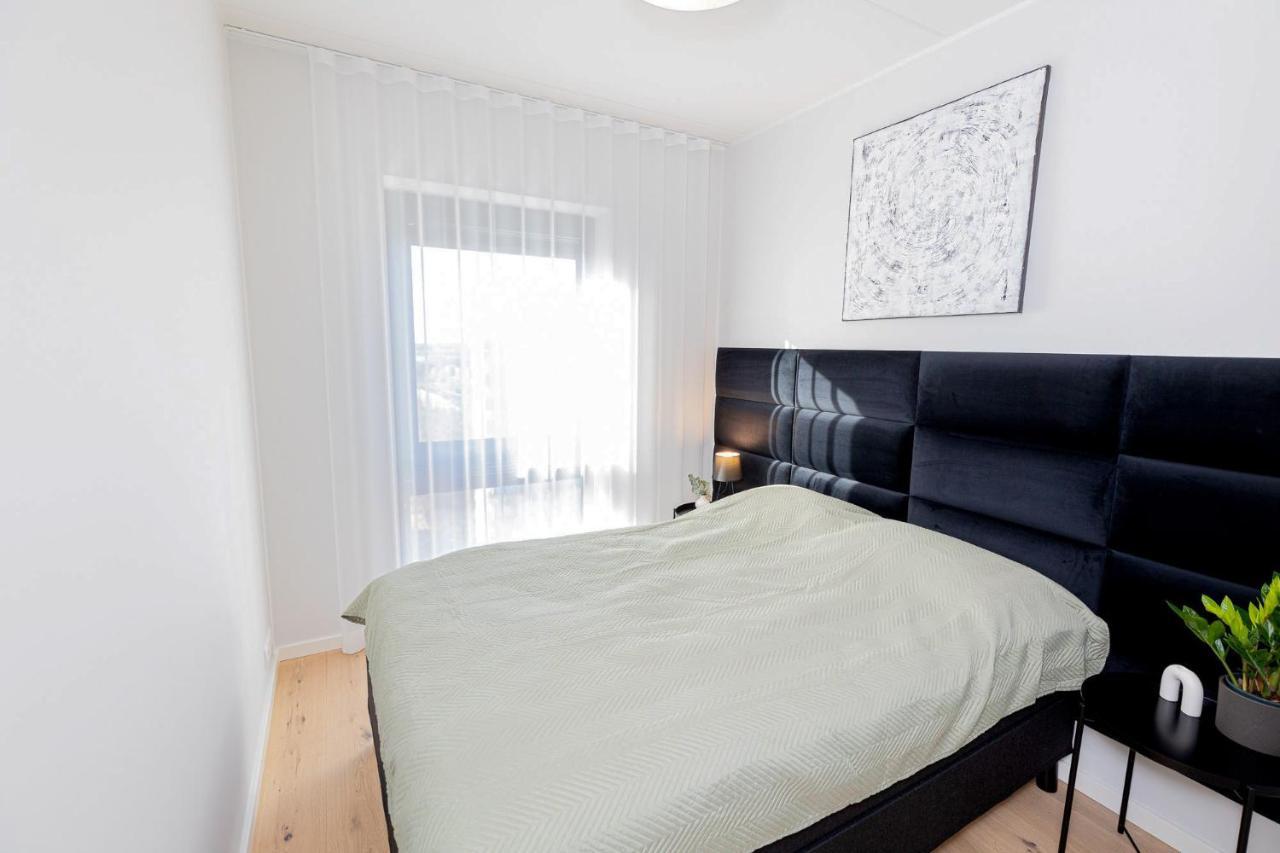
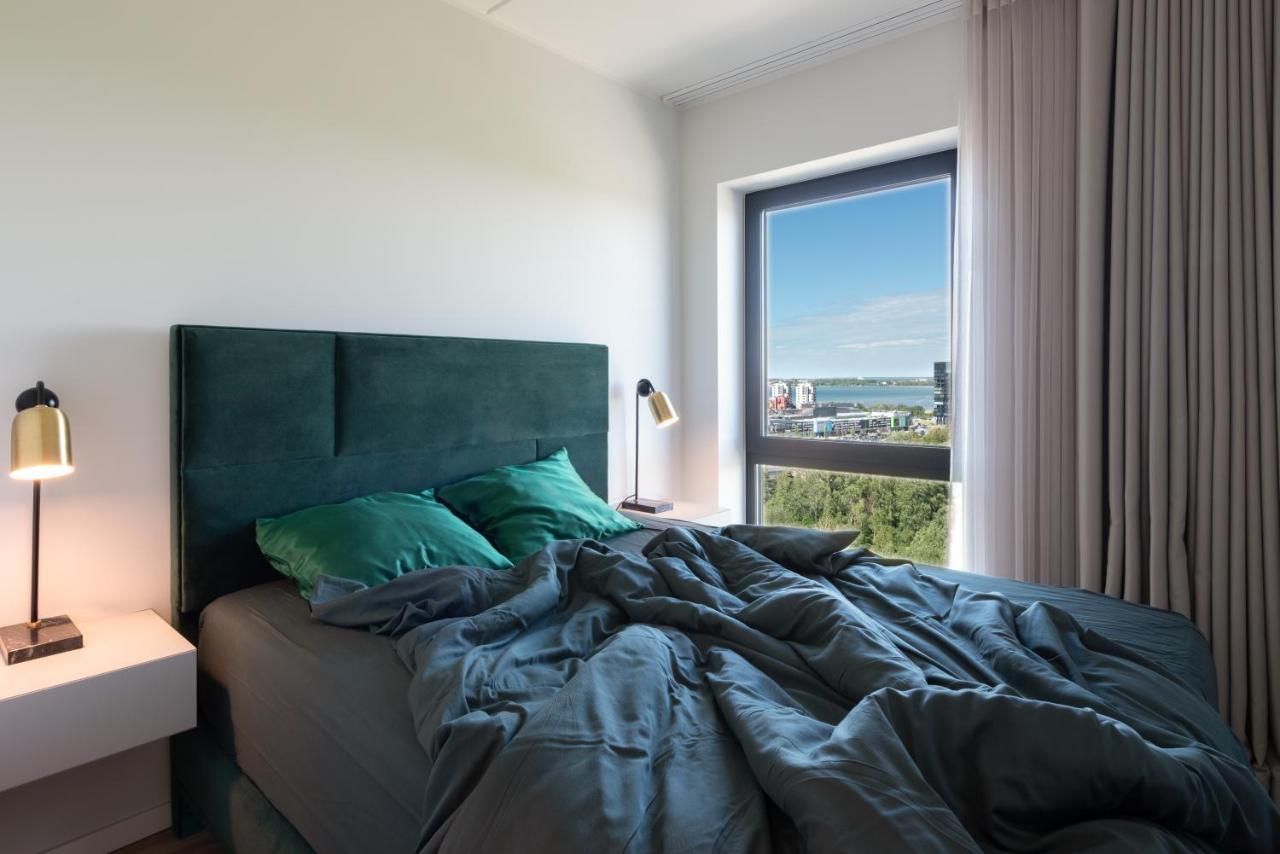
Dream Stay Modern Design Apartments with Balcony & Free parking
★★★★ Tallinn
Live priceReserve
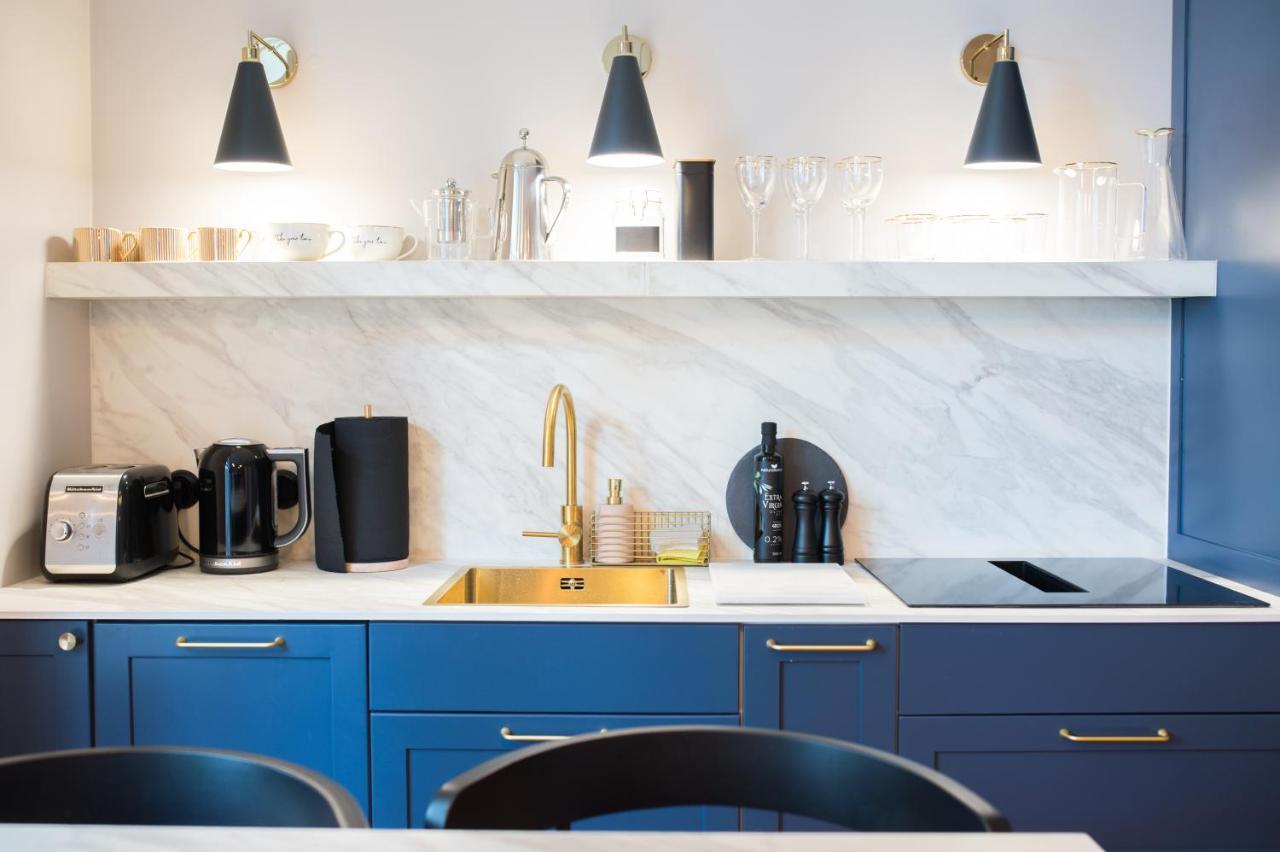
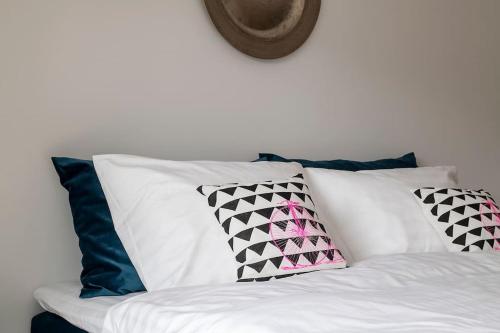
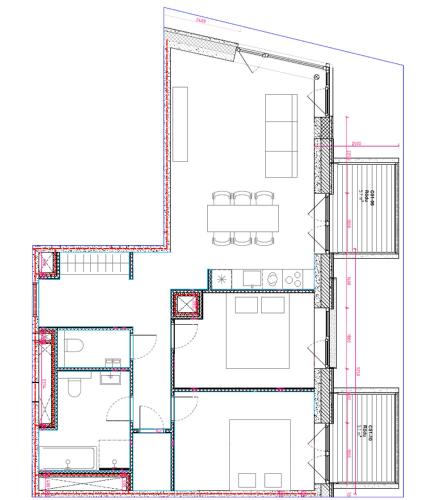
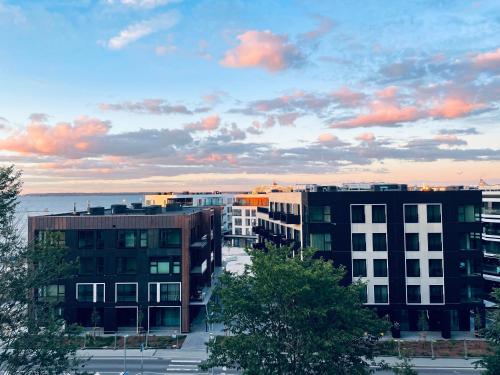
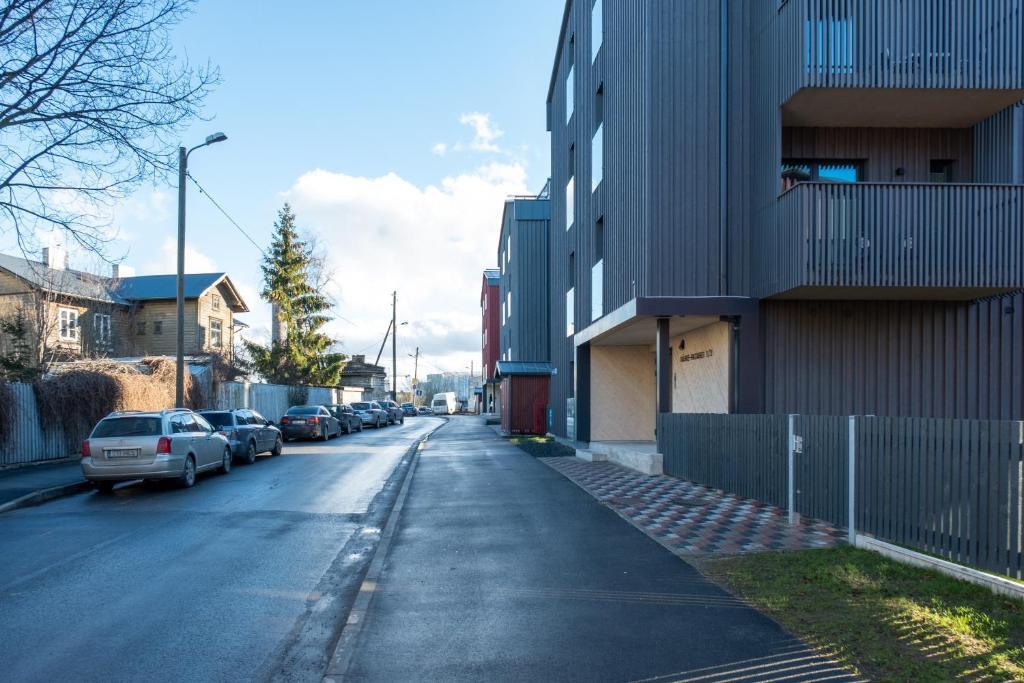
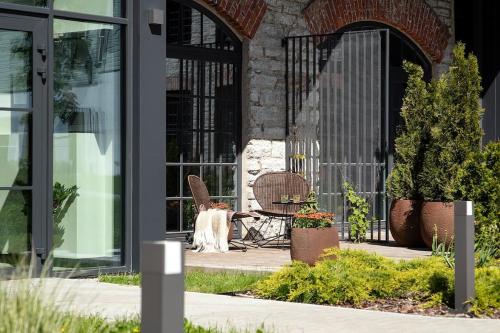
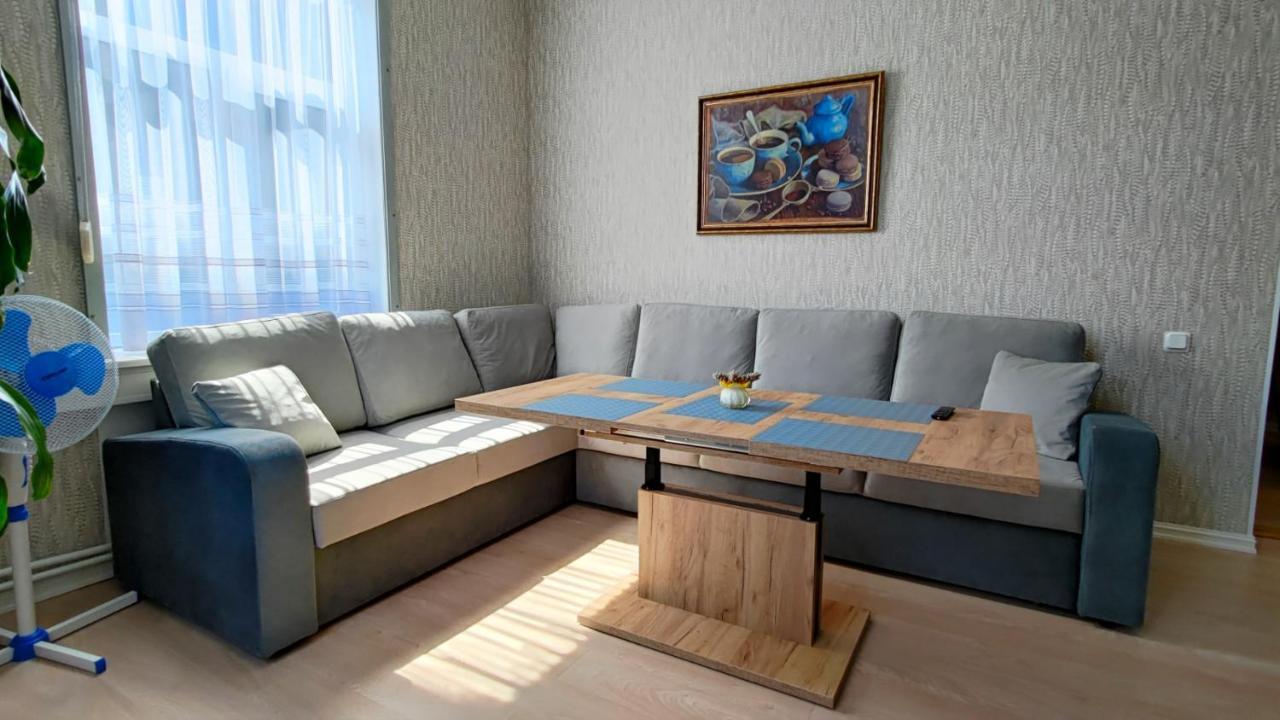
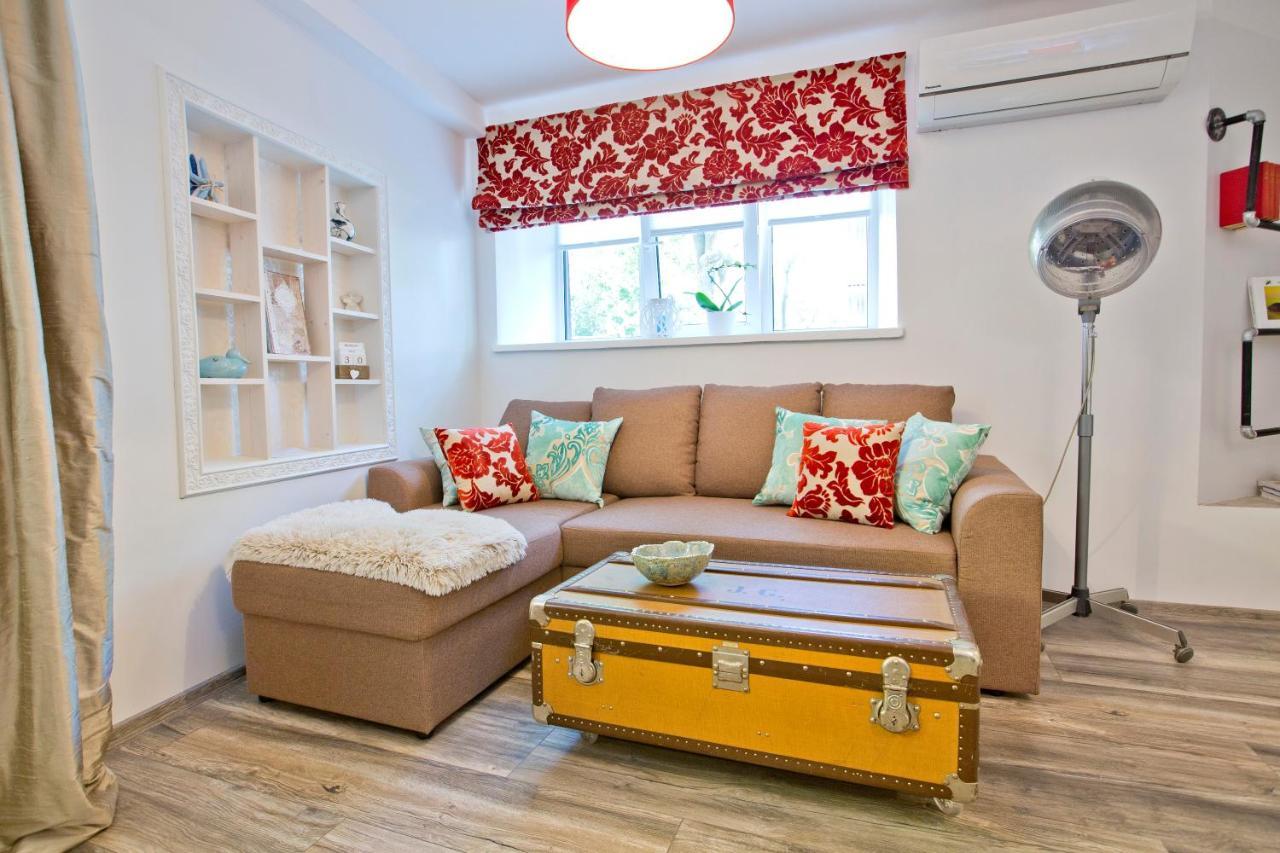
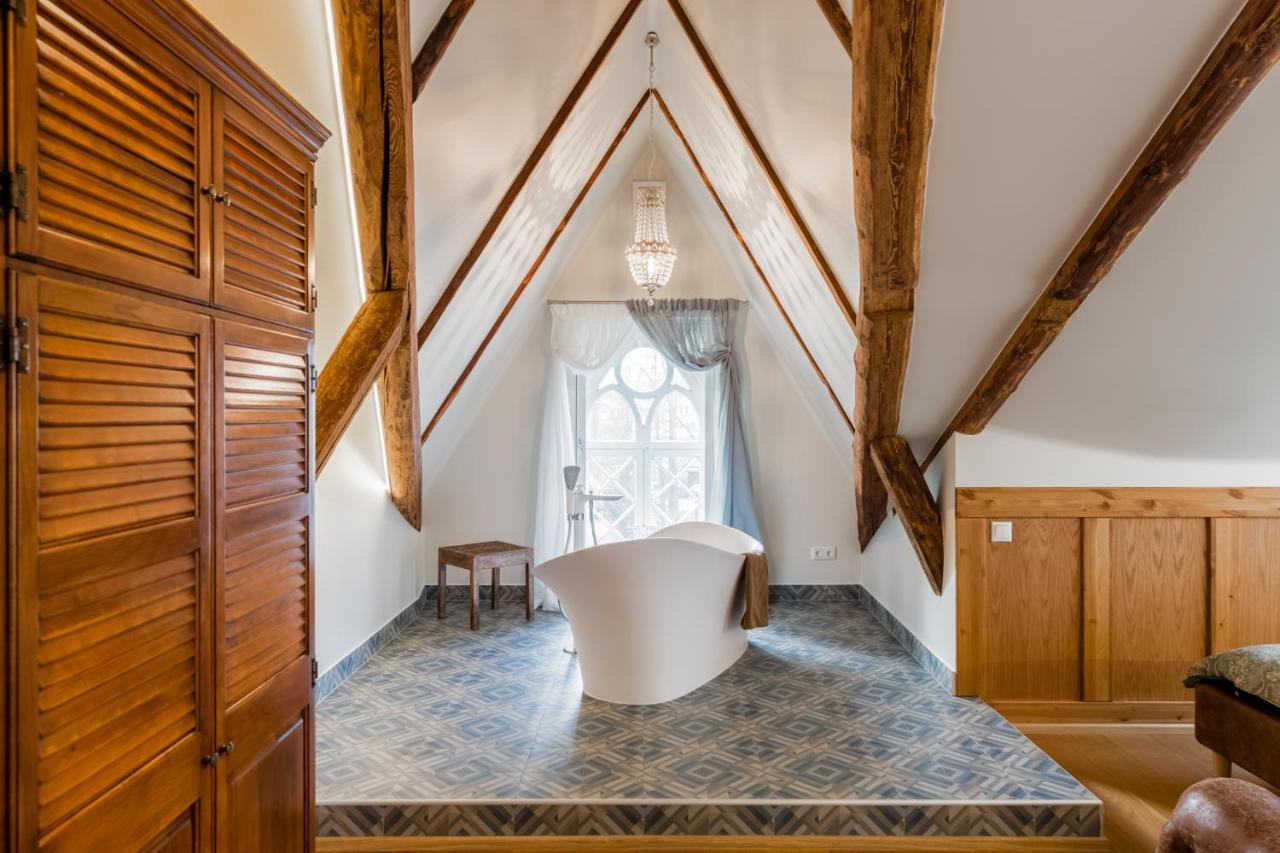
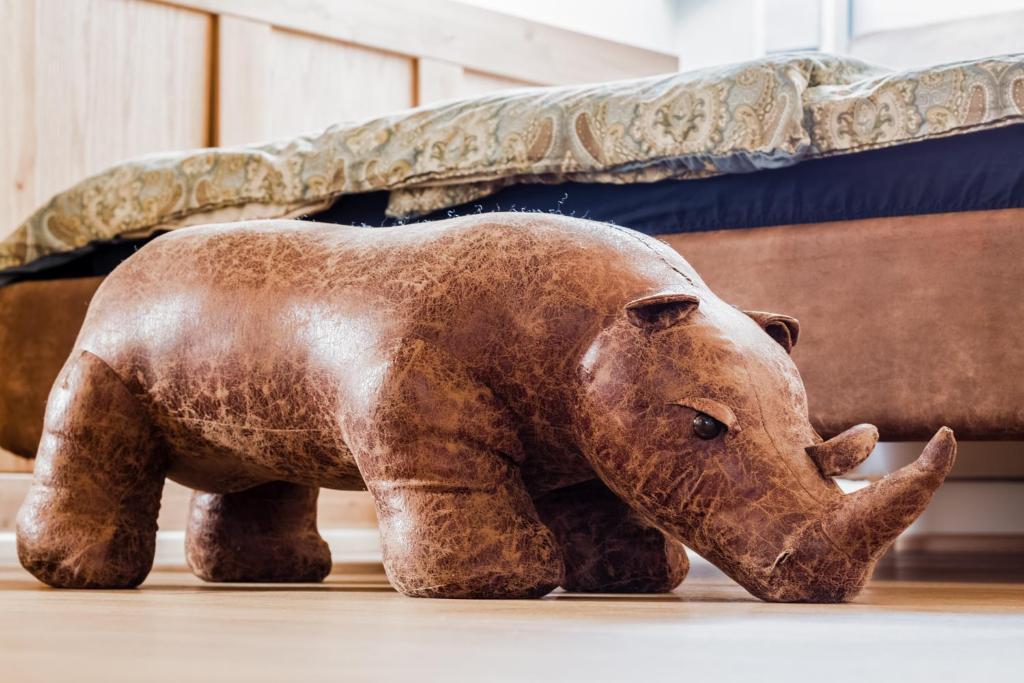
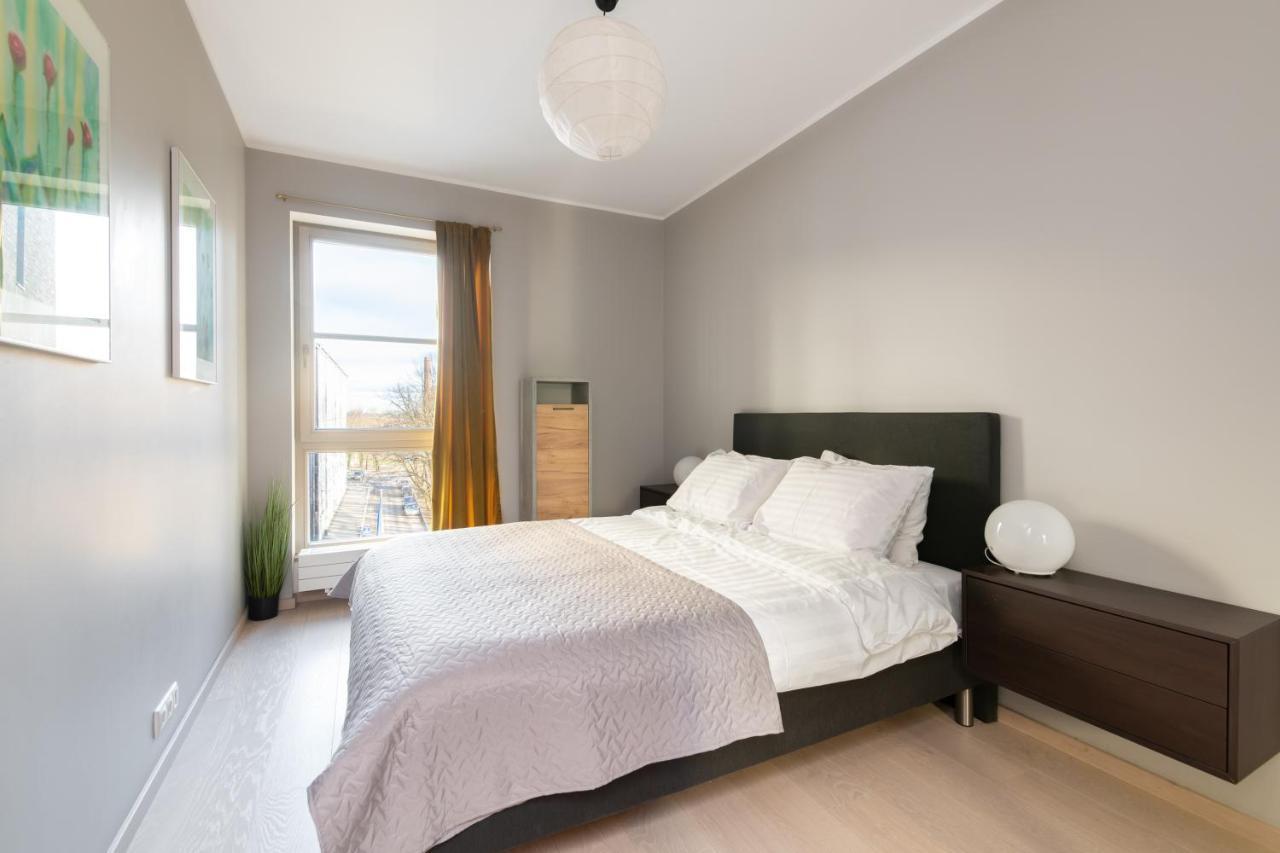
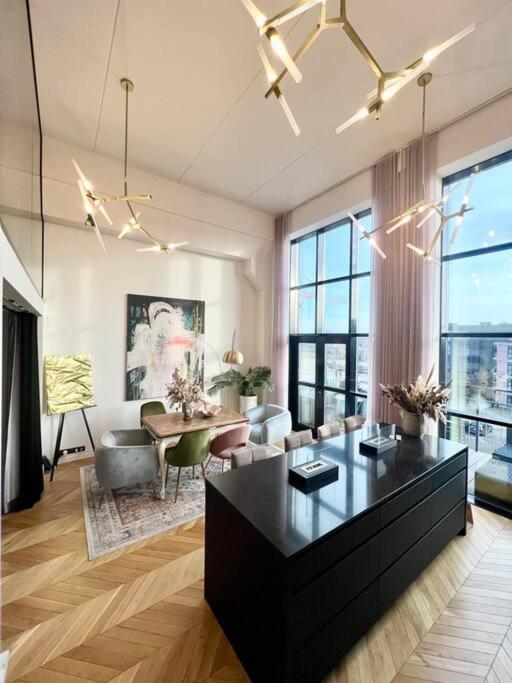
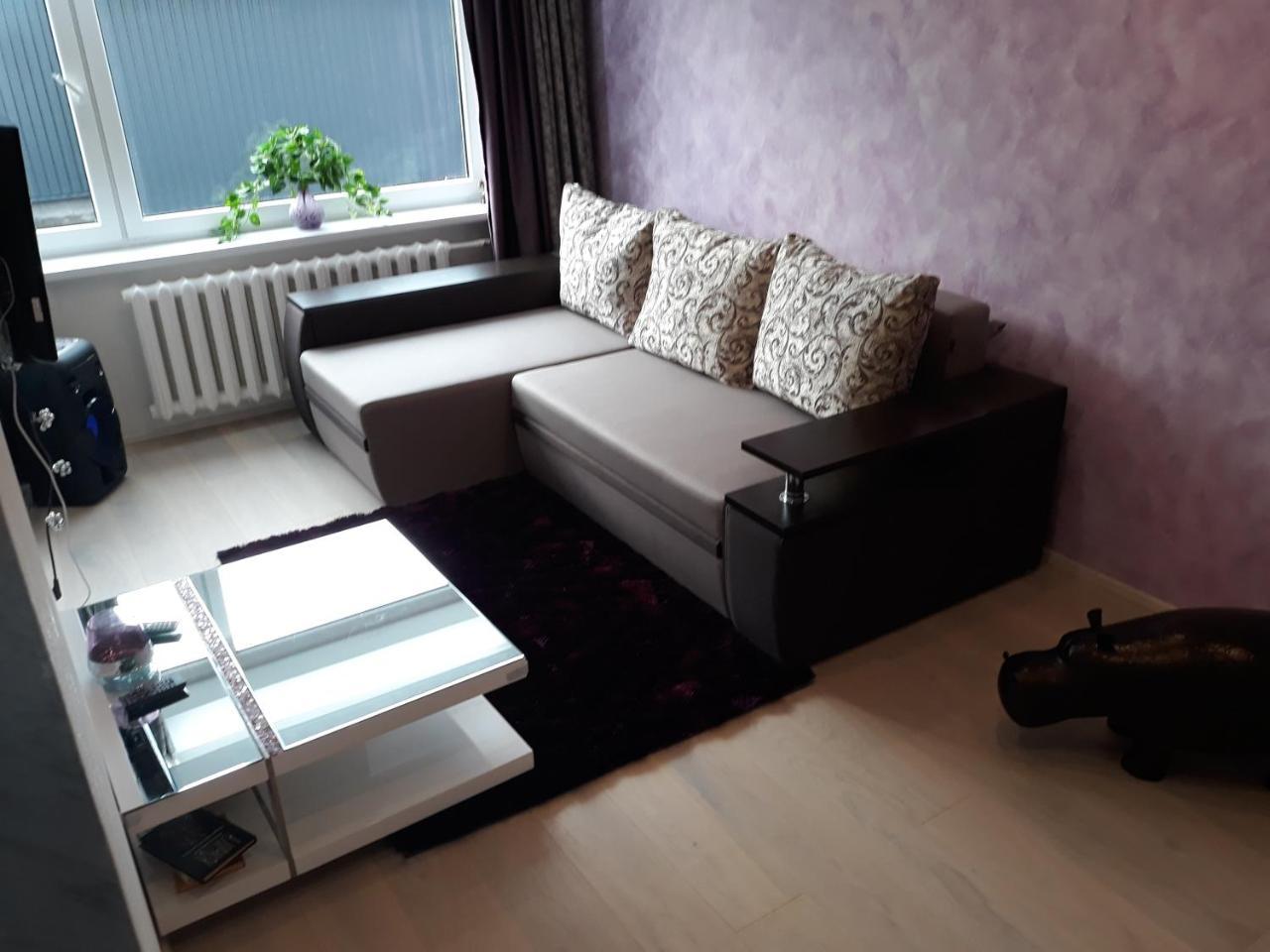
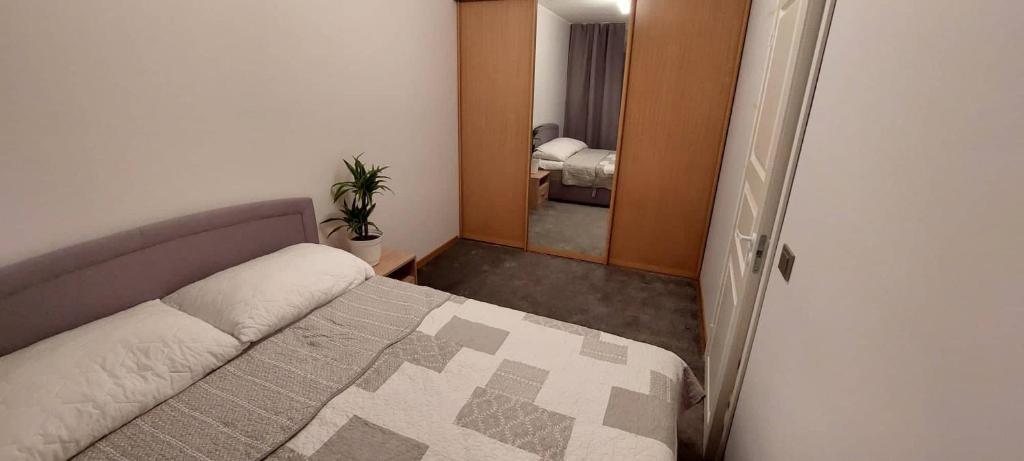
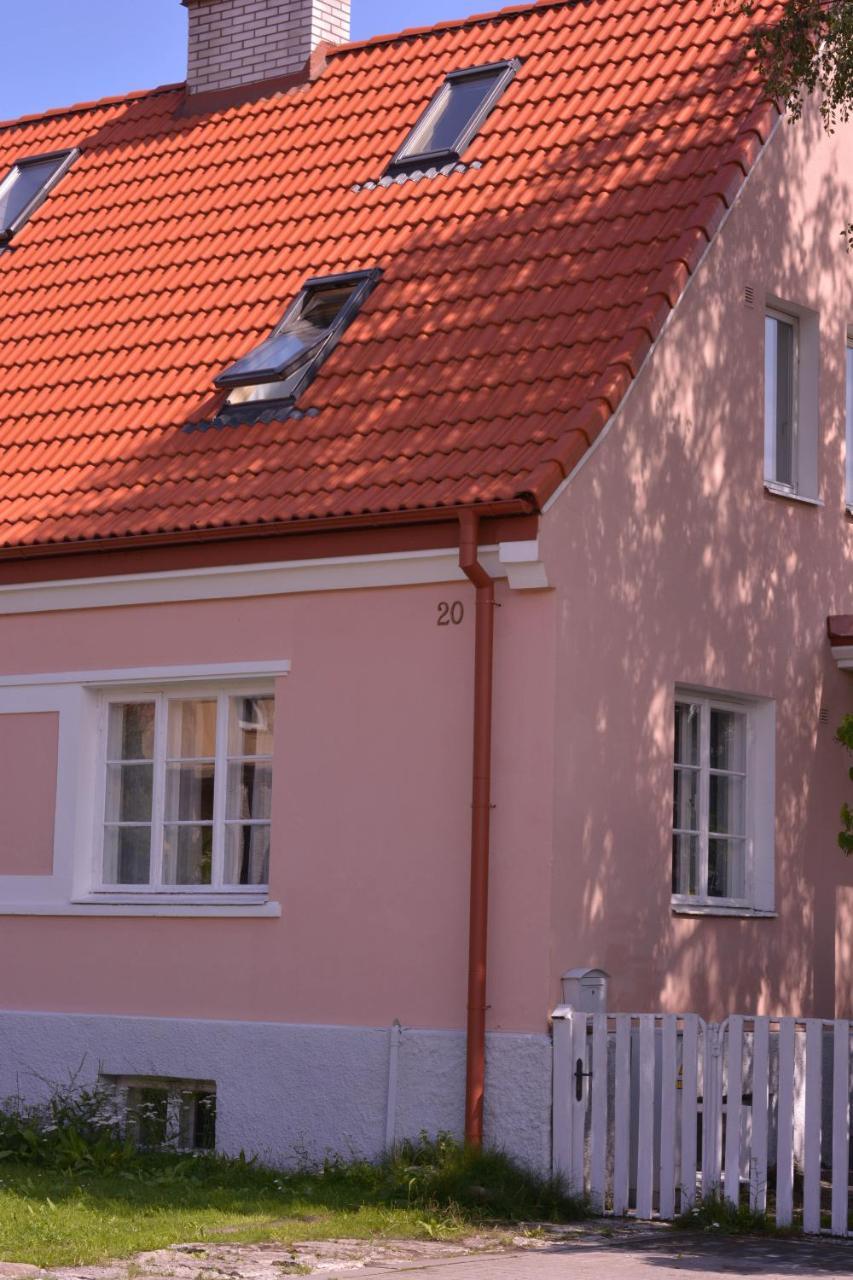
Tallinn
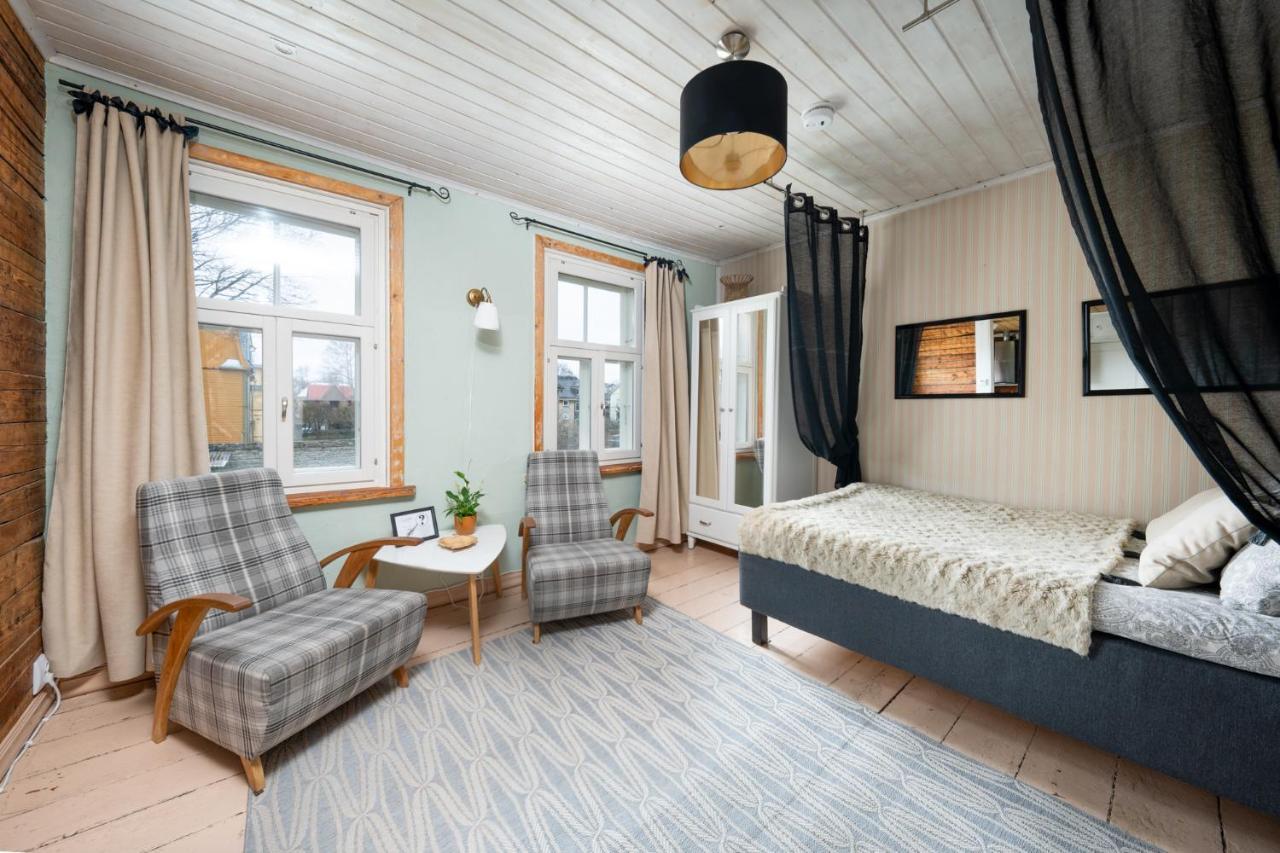
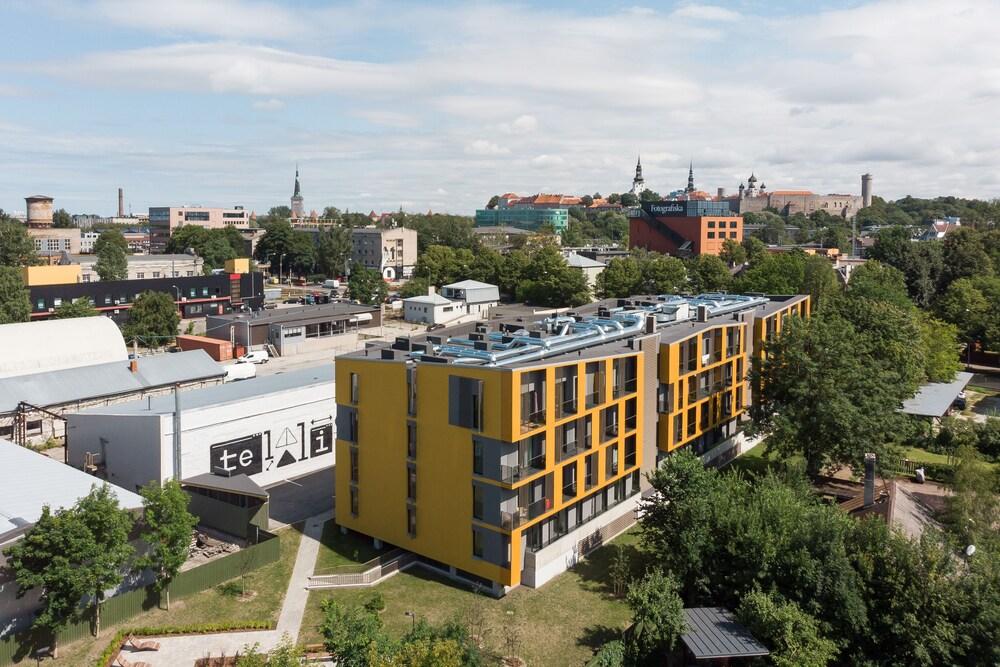
Elegant Seaview Penthouse 3BR Ensuite Luxury Retreat with Sauna and Free Parking
★★★★ Tallinn
Live priceReserve
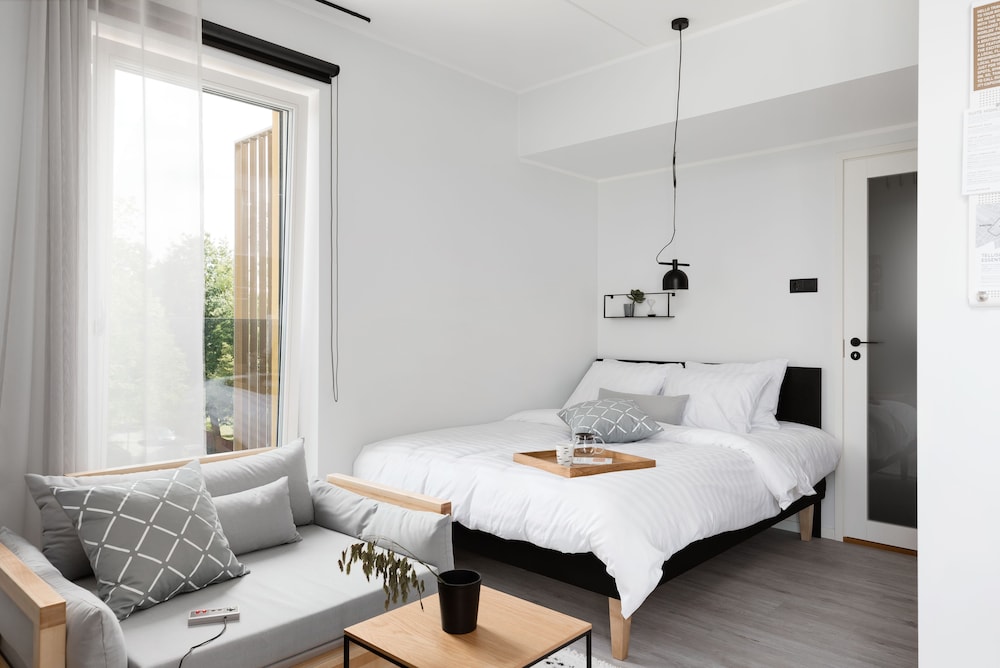
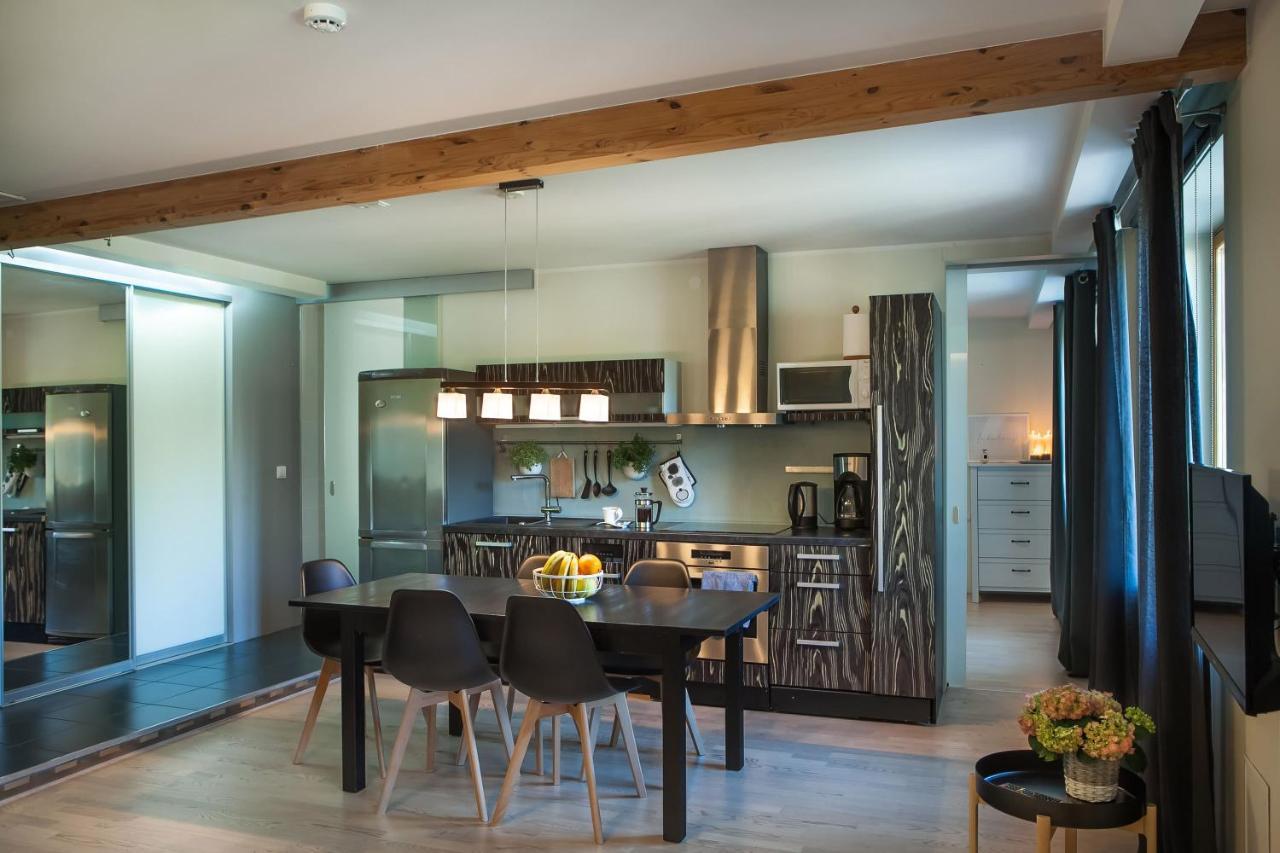
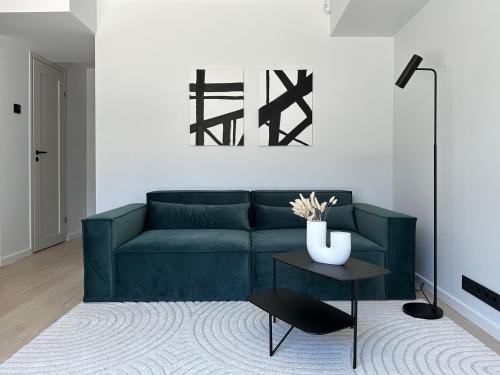
Tallinn
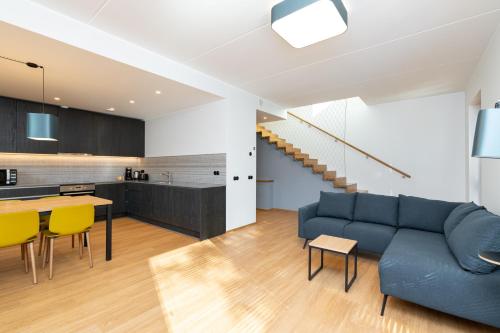
Self check in spacious 1 bedroom apartment with terrace and free parking
★★★★ Tallinn
Live priceReserve
Tallinn
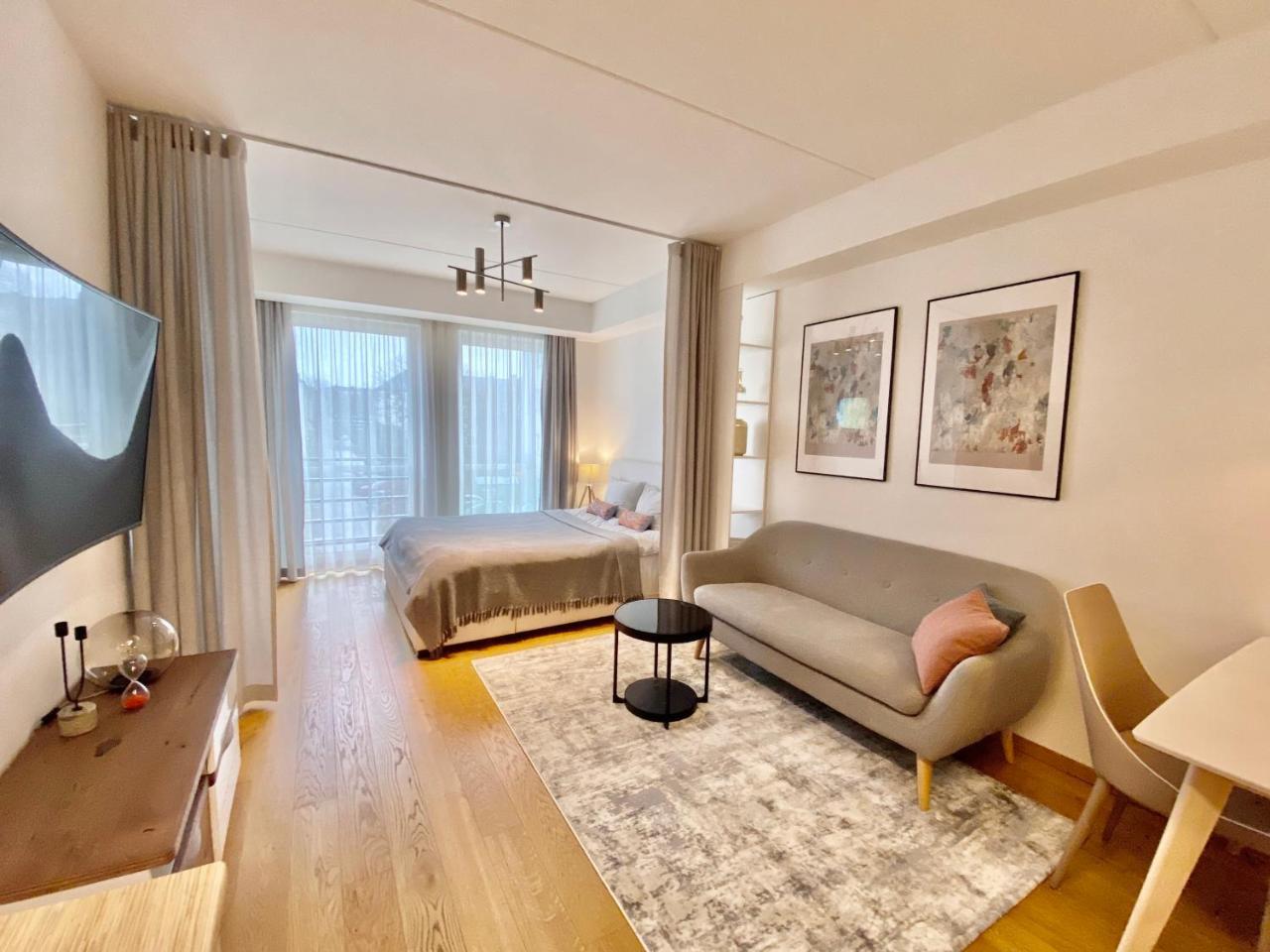
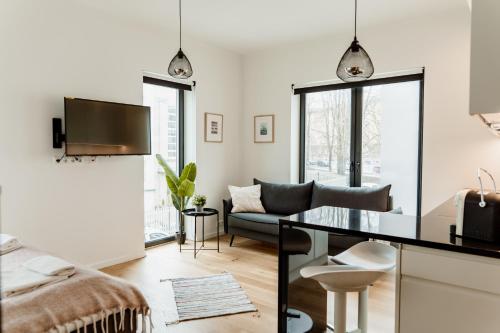
Self check in 2 bedroom apartment with a terrace and free parking
★★★★ Tallinn
Live priceReserve
Tallinn
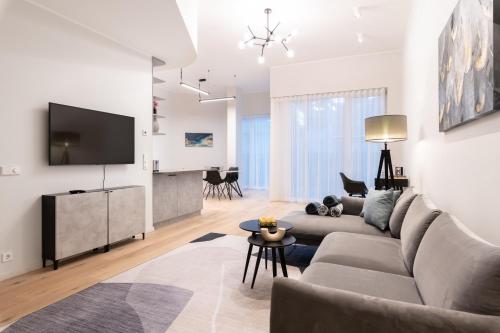
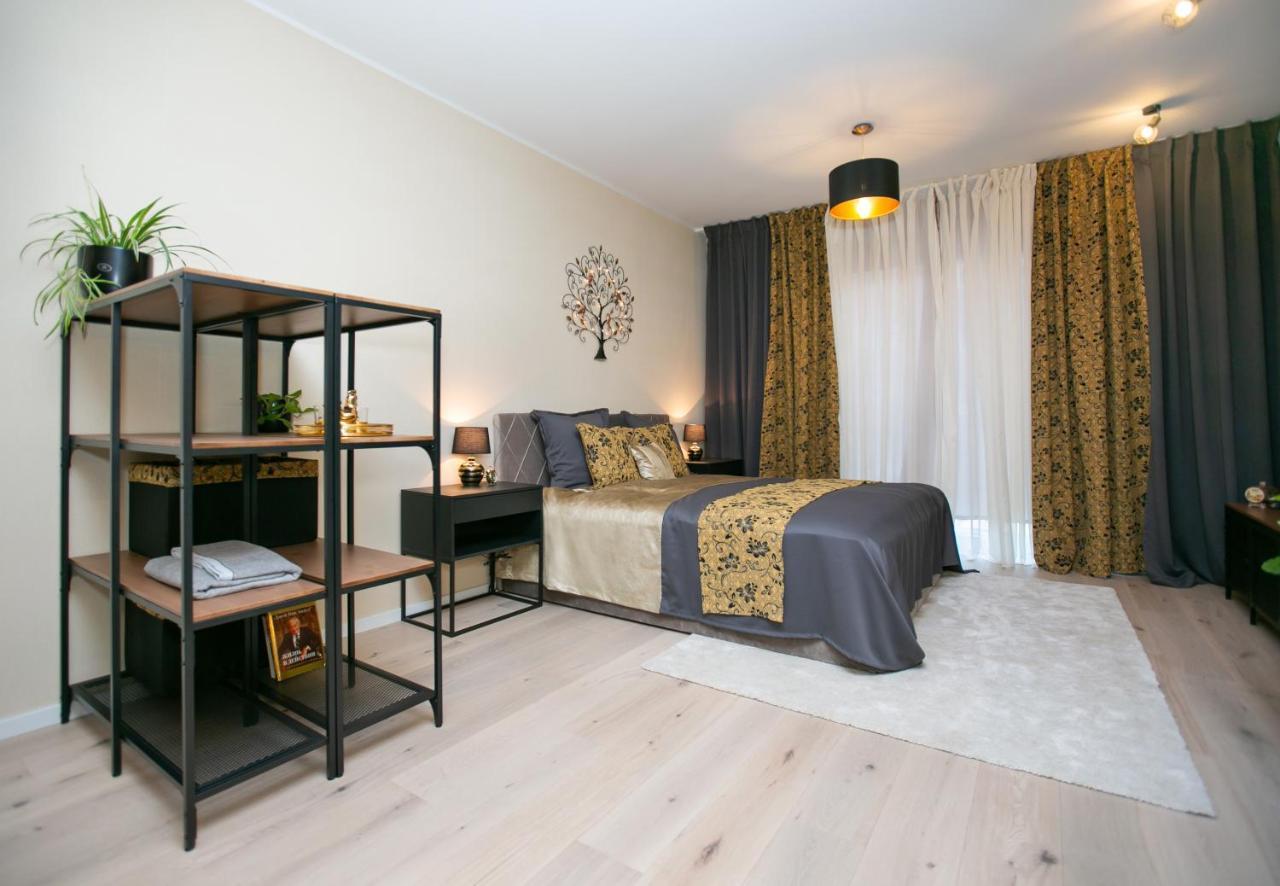
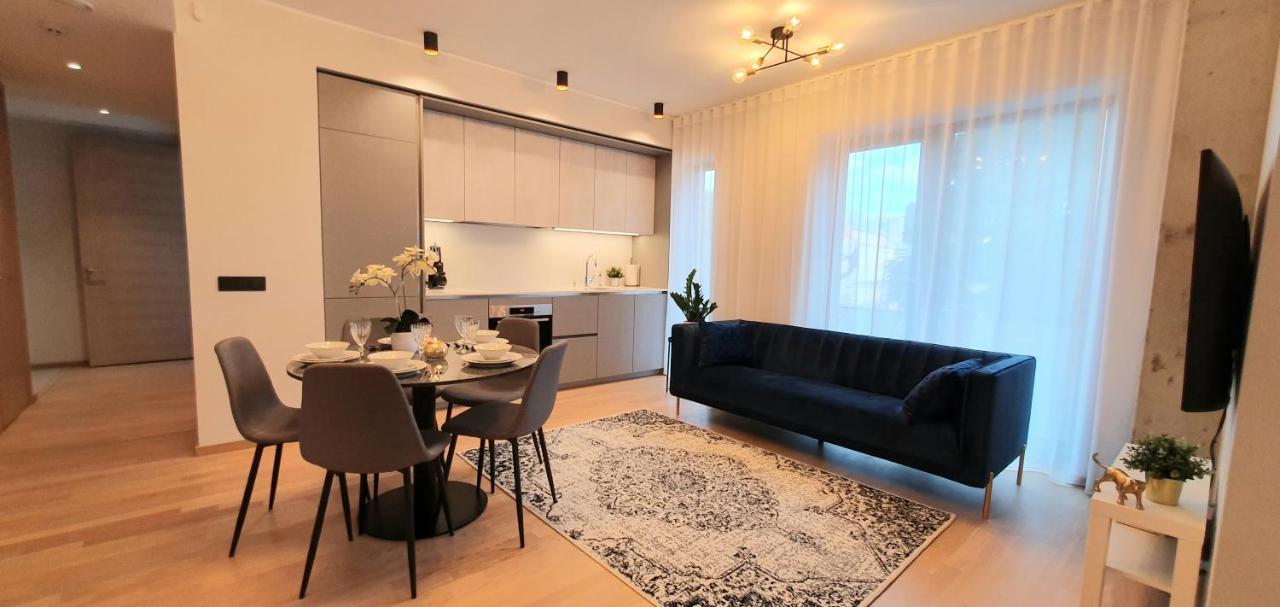
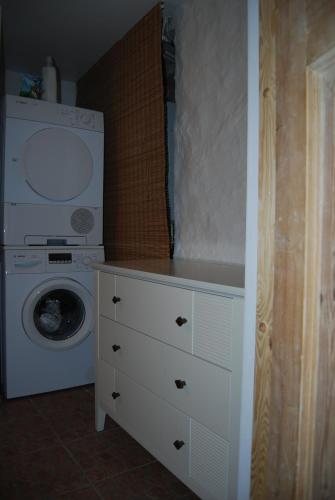
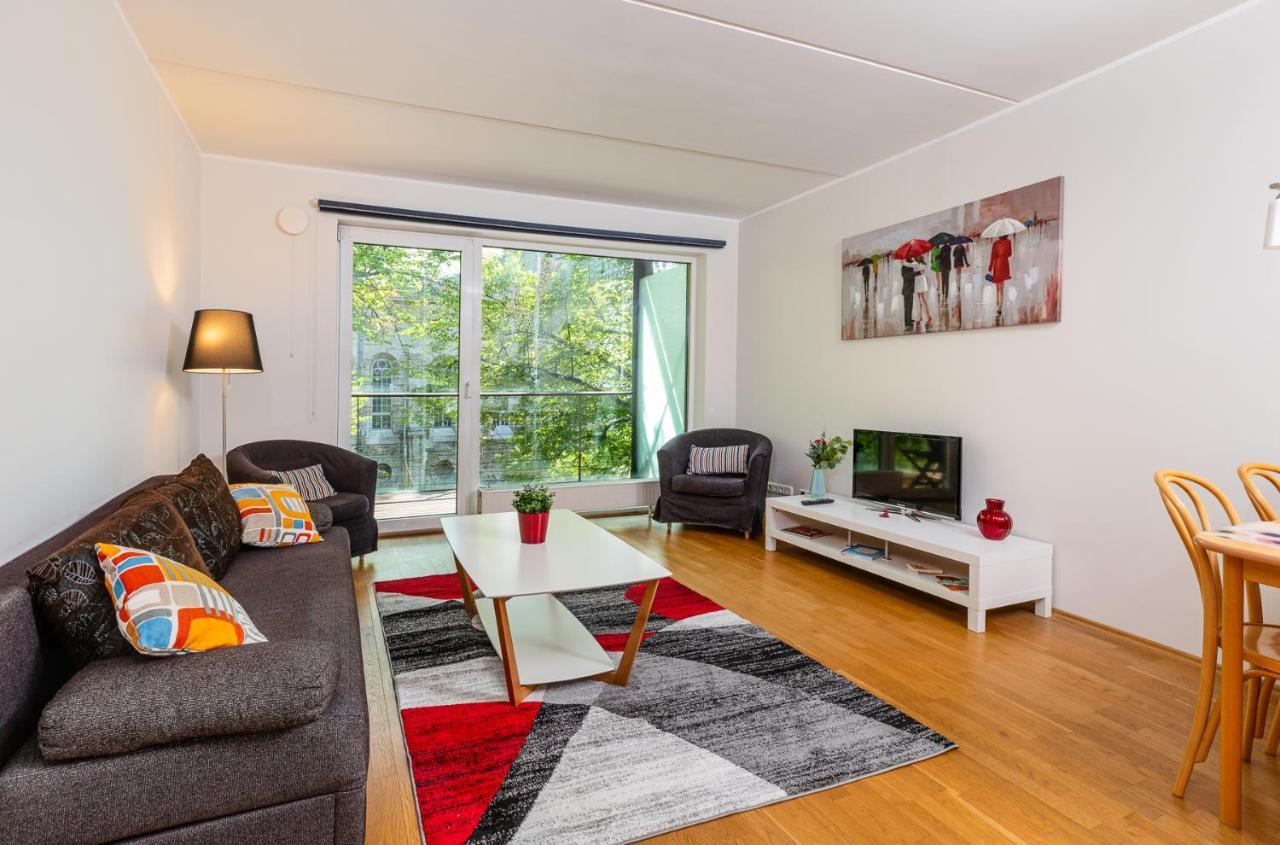
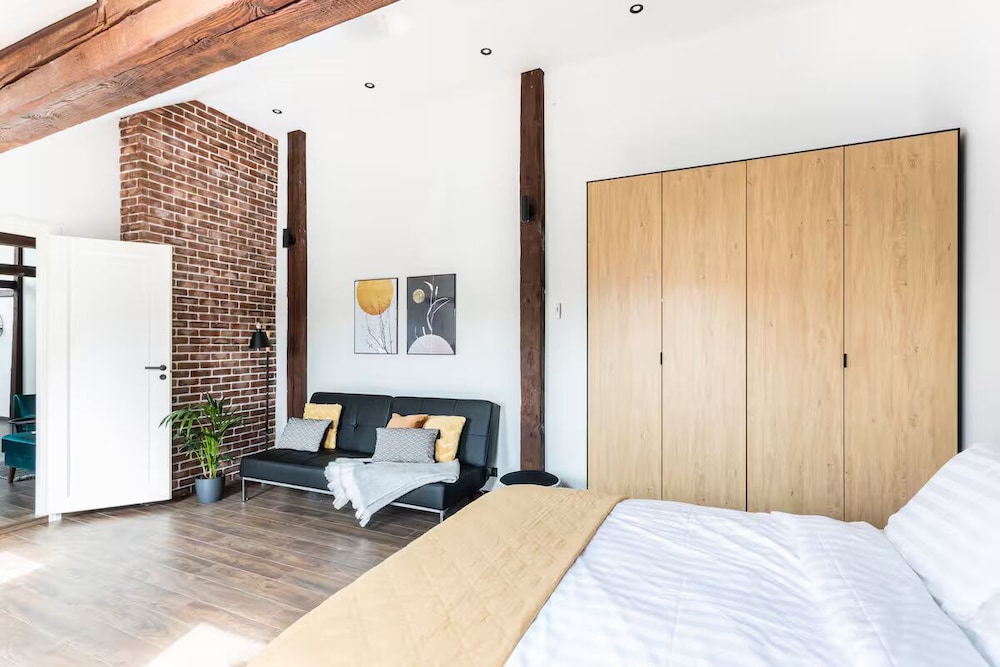
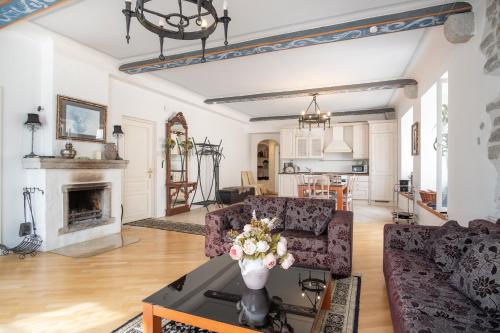
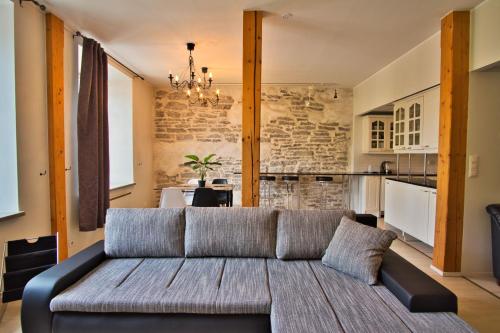
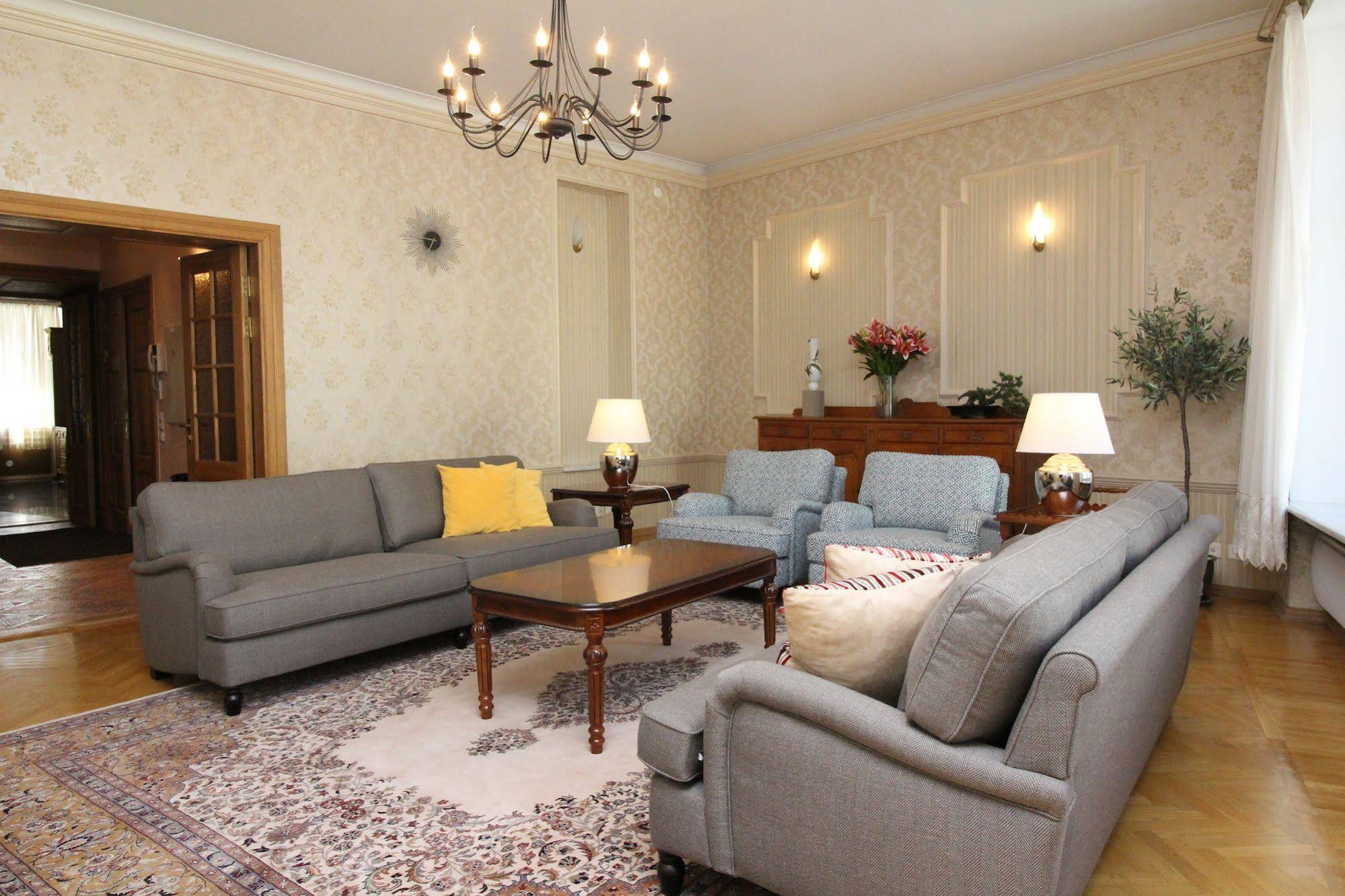
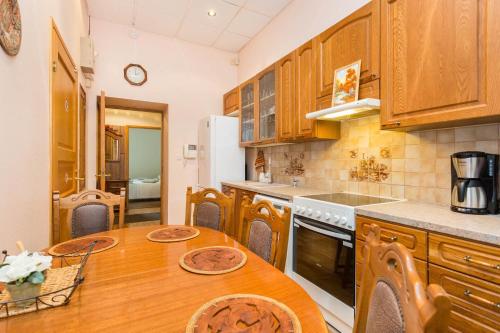
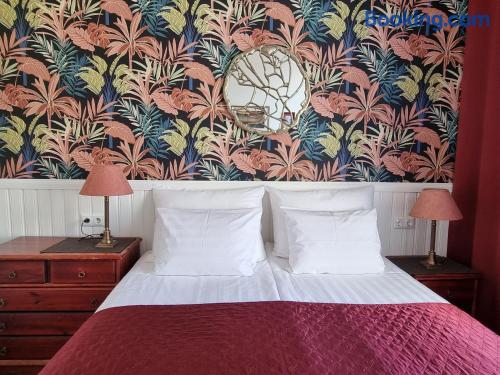
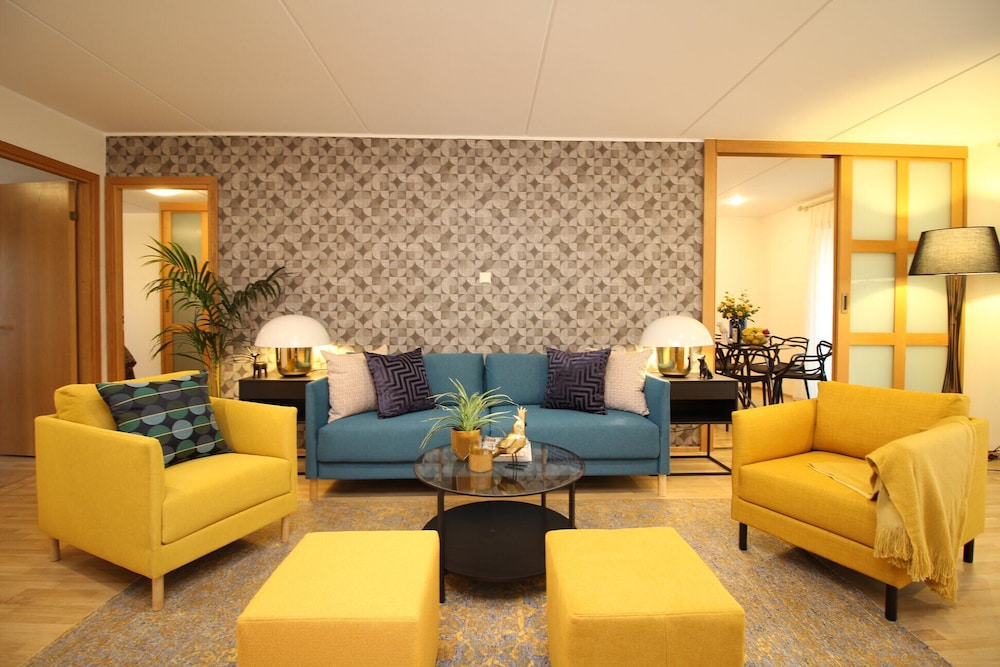
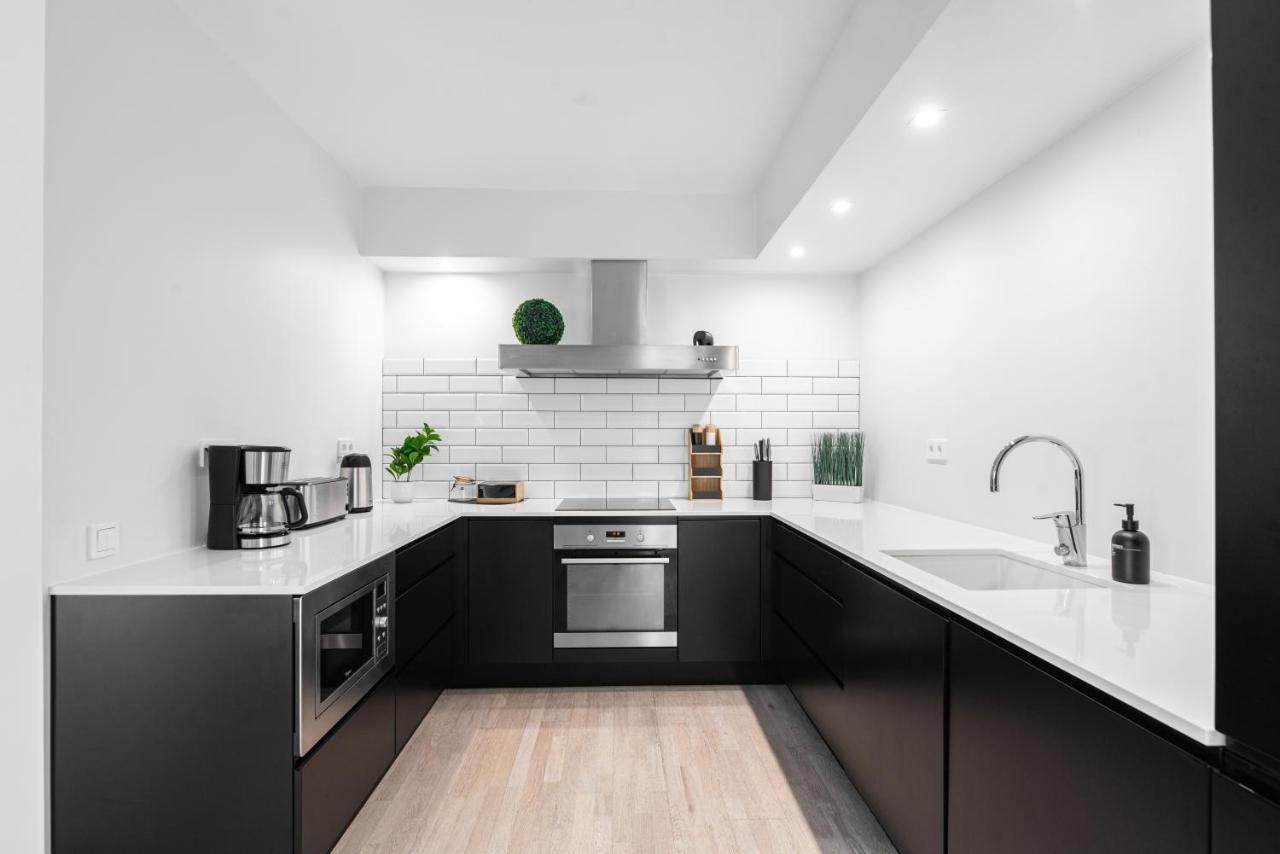
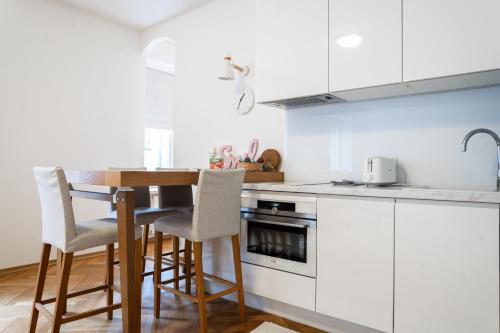
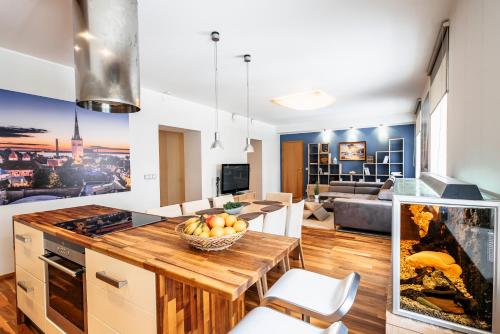
3 Room Central Apartmend 90M2 Parking For One Car Fifth Floor And The Building Does Not Have An Elevator
★★★★ Tallinn
Live priceReserve
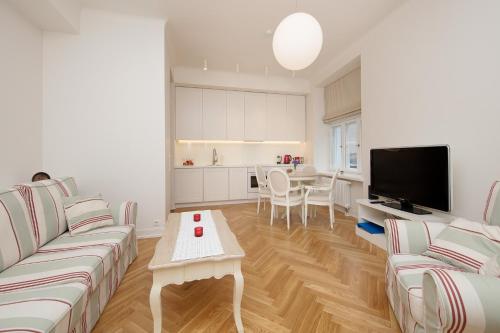
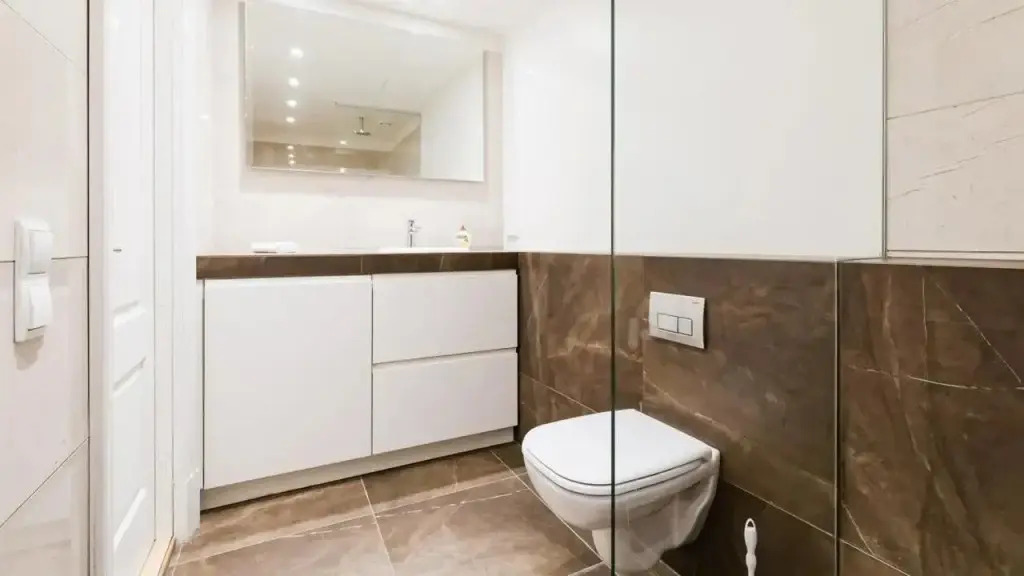
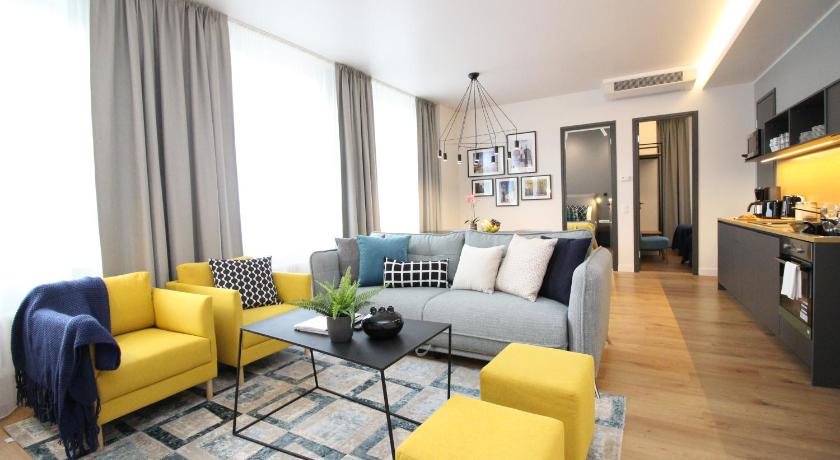
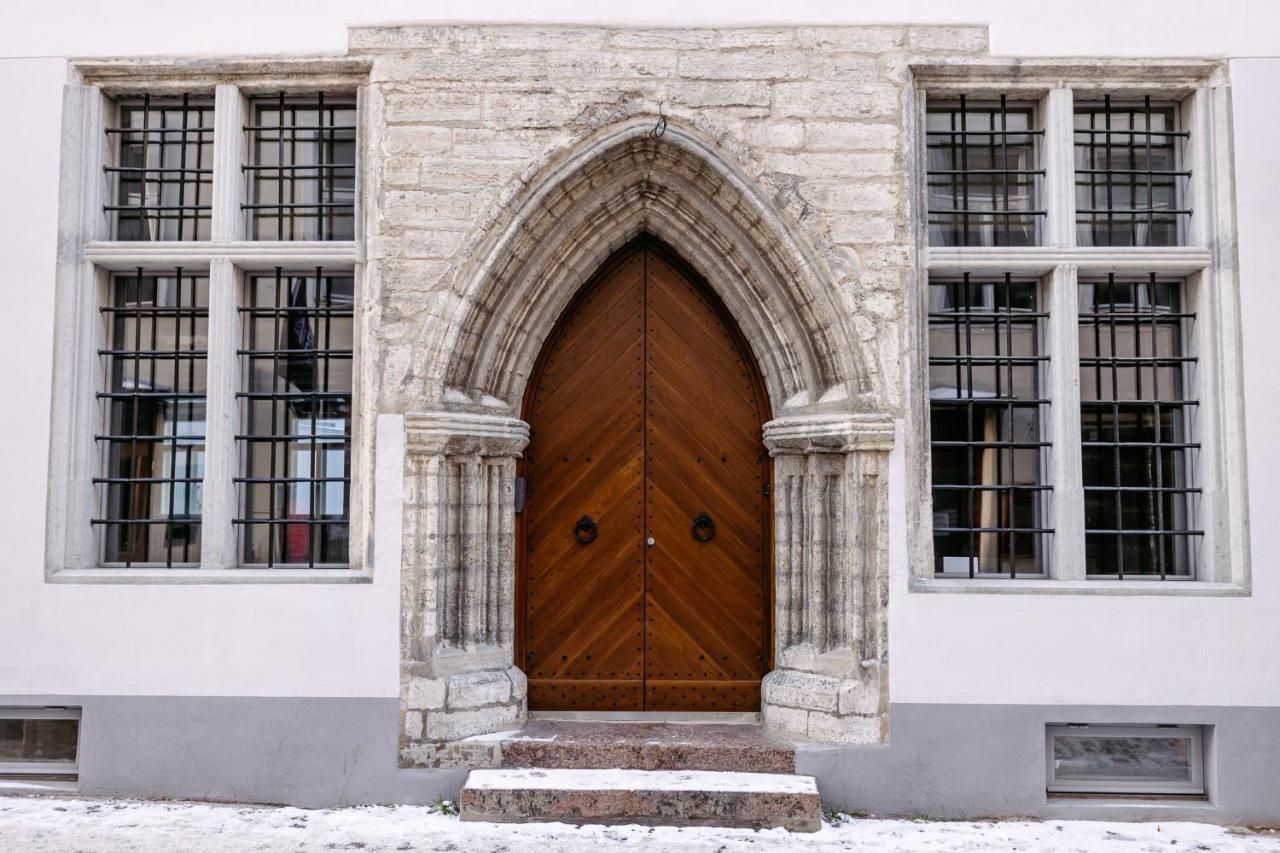
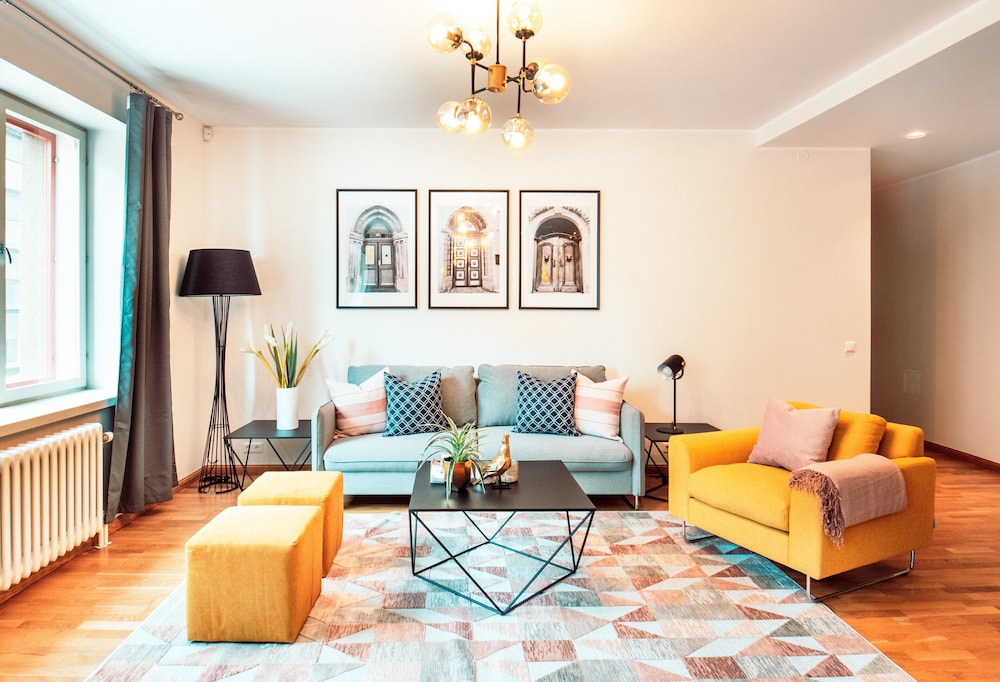
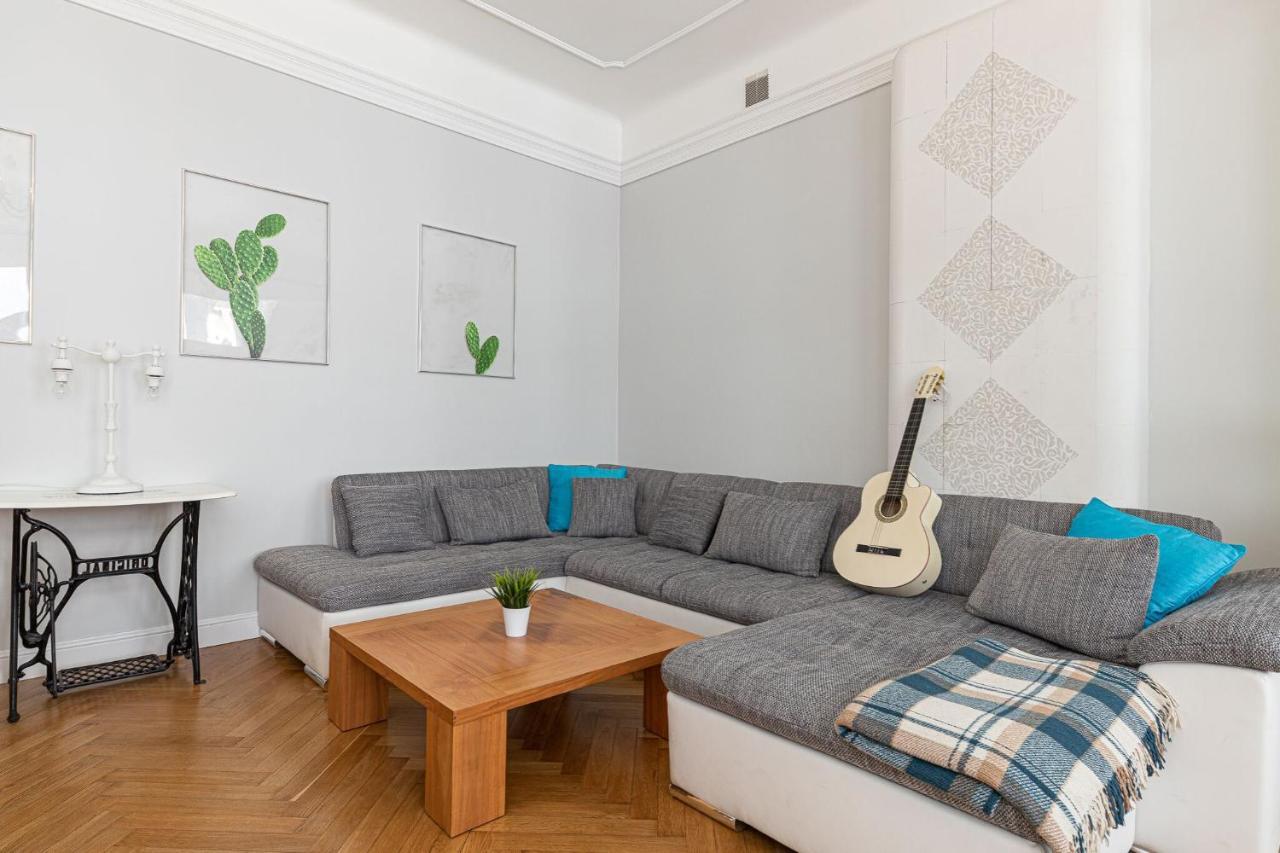
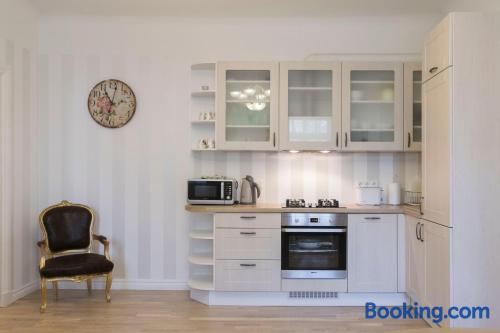
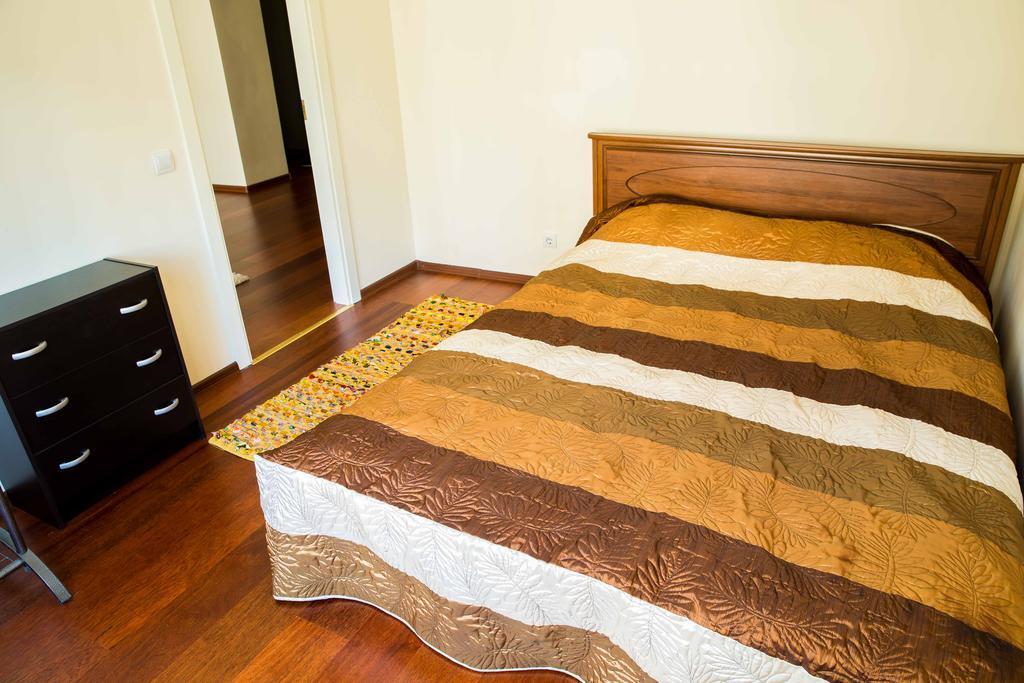
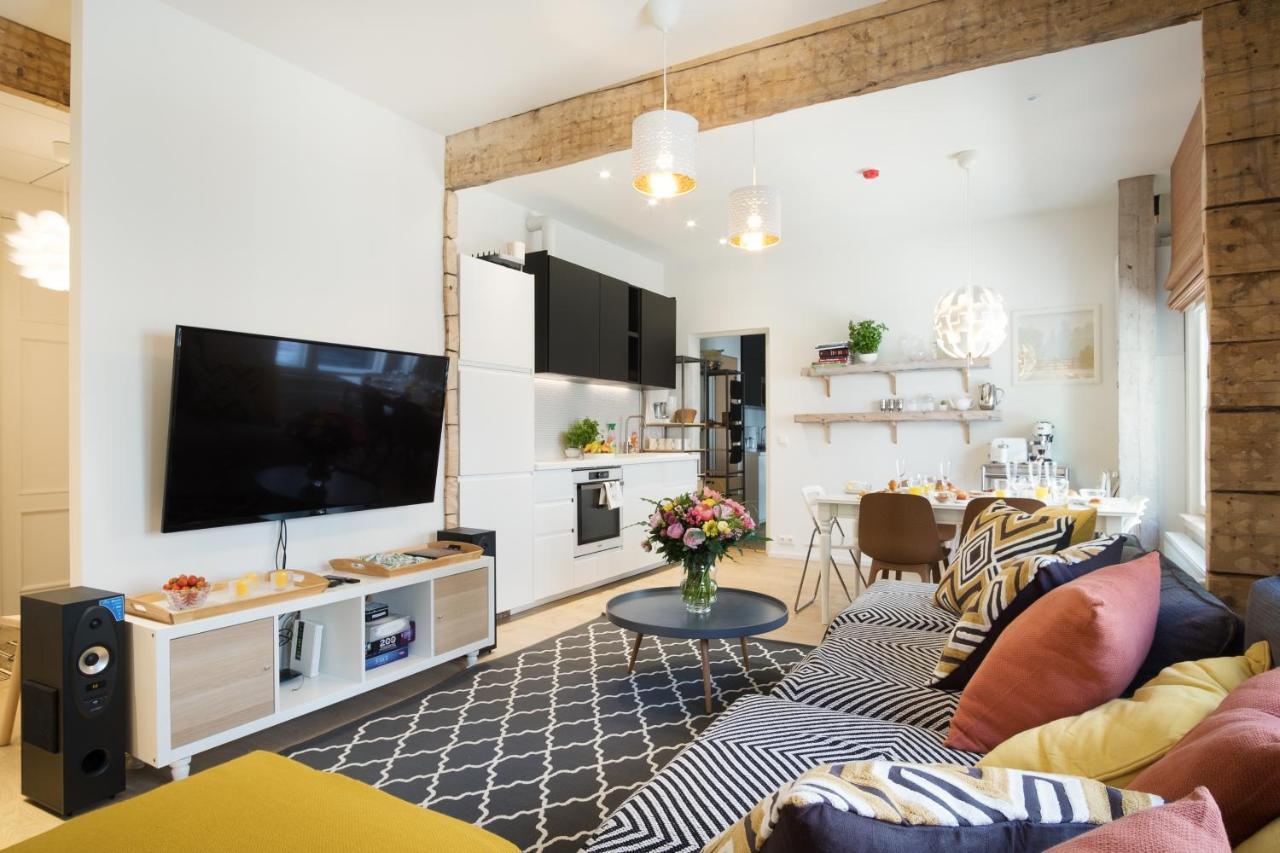
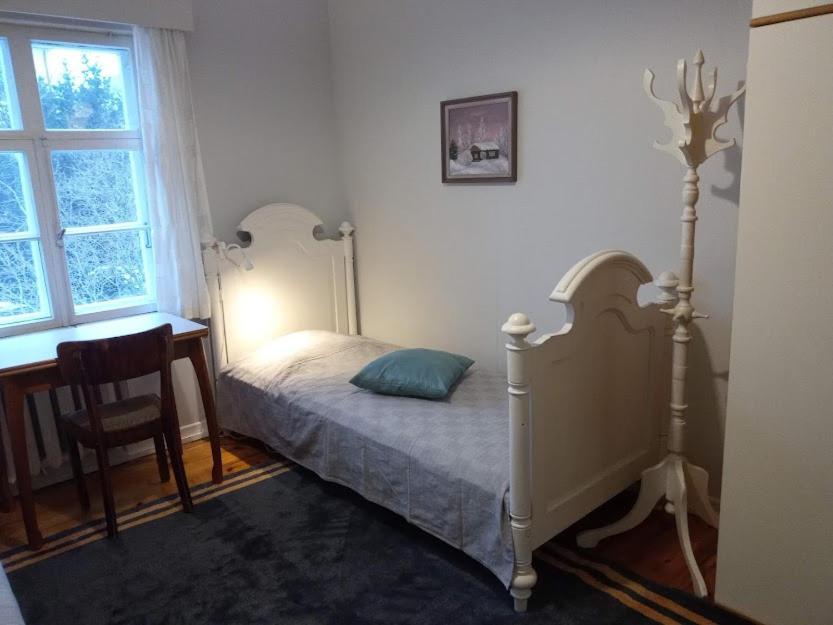
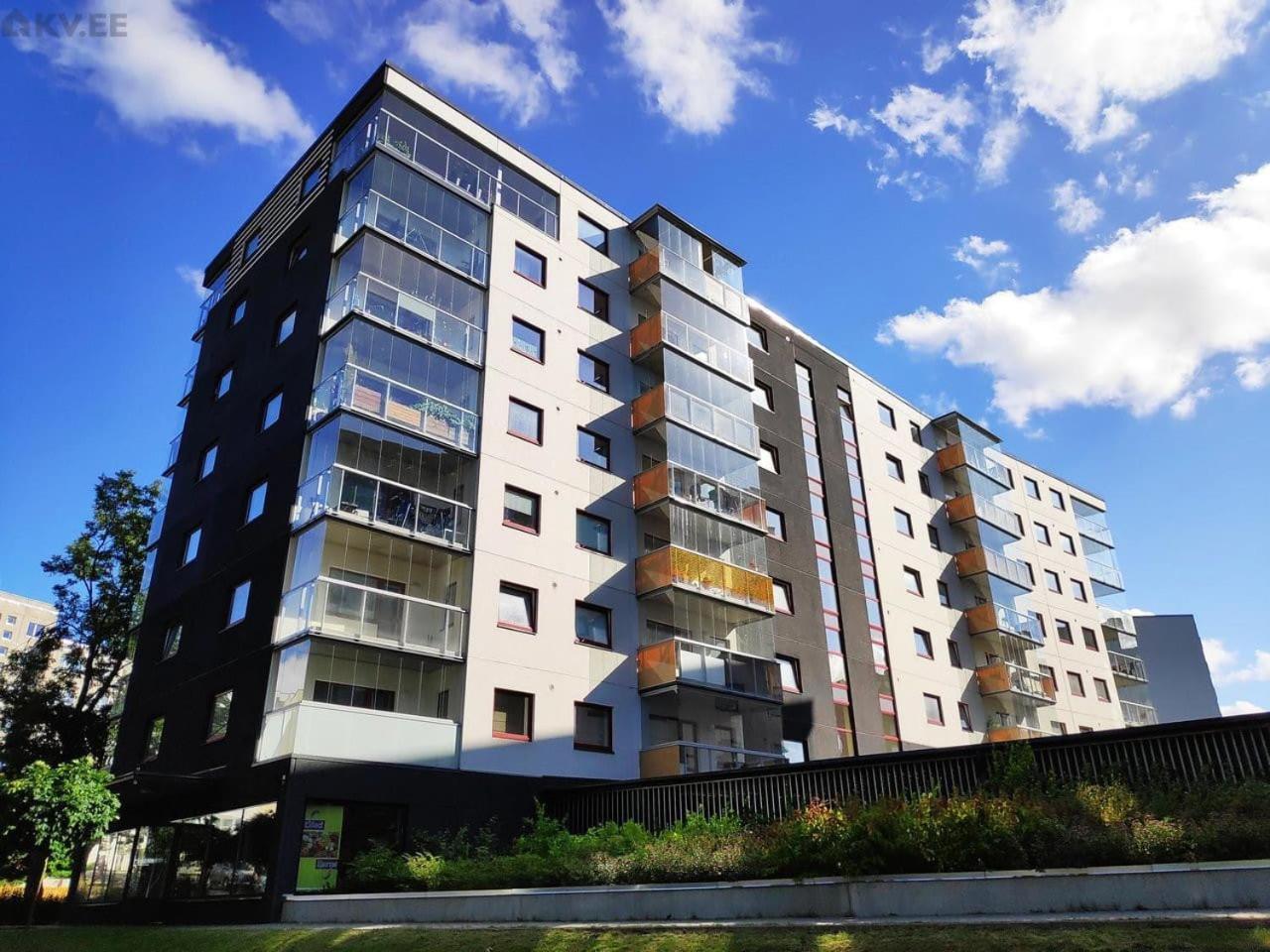
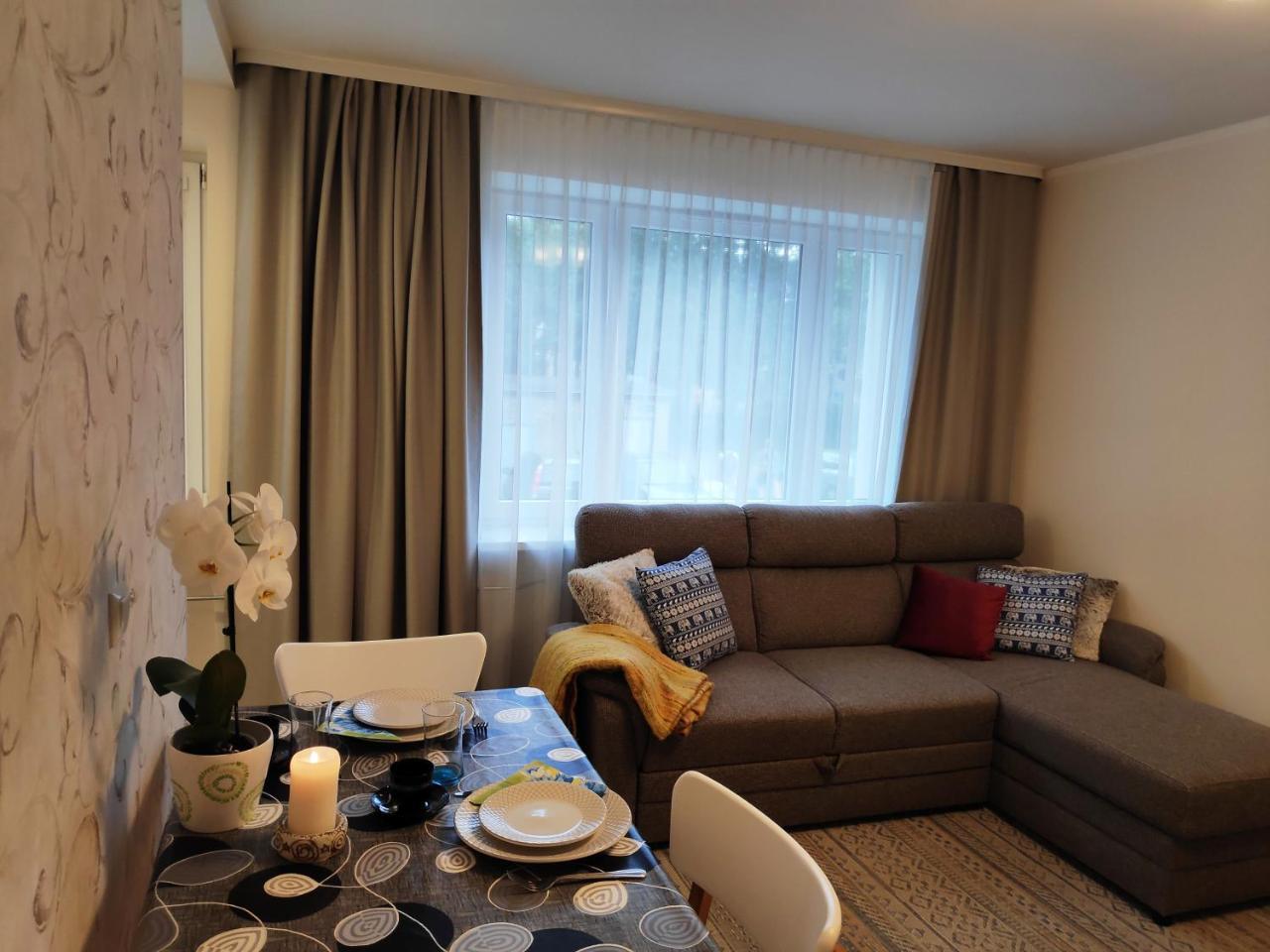
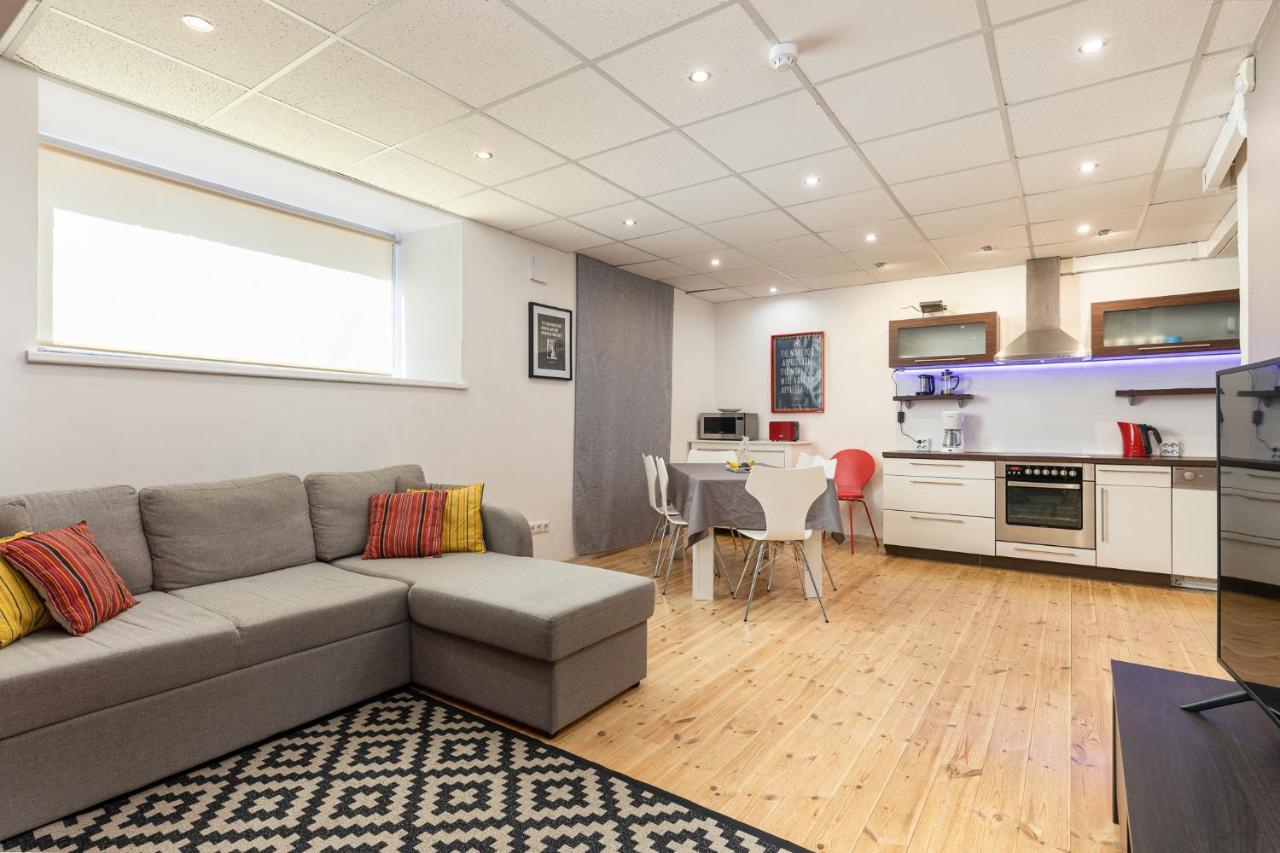
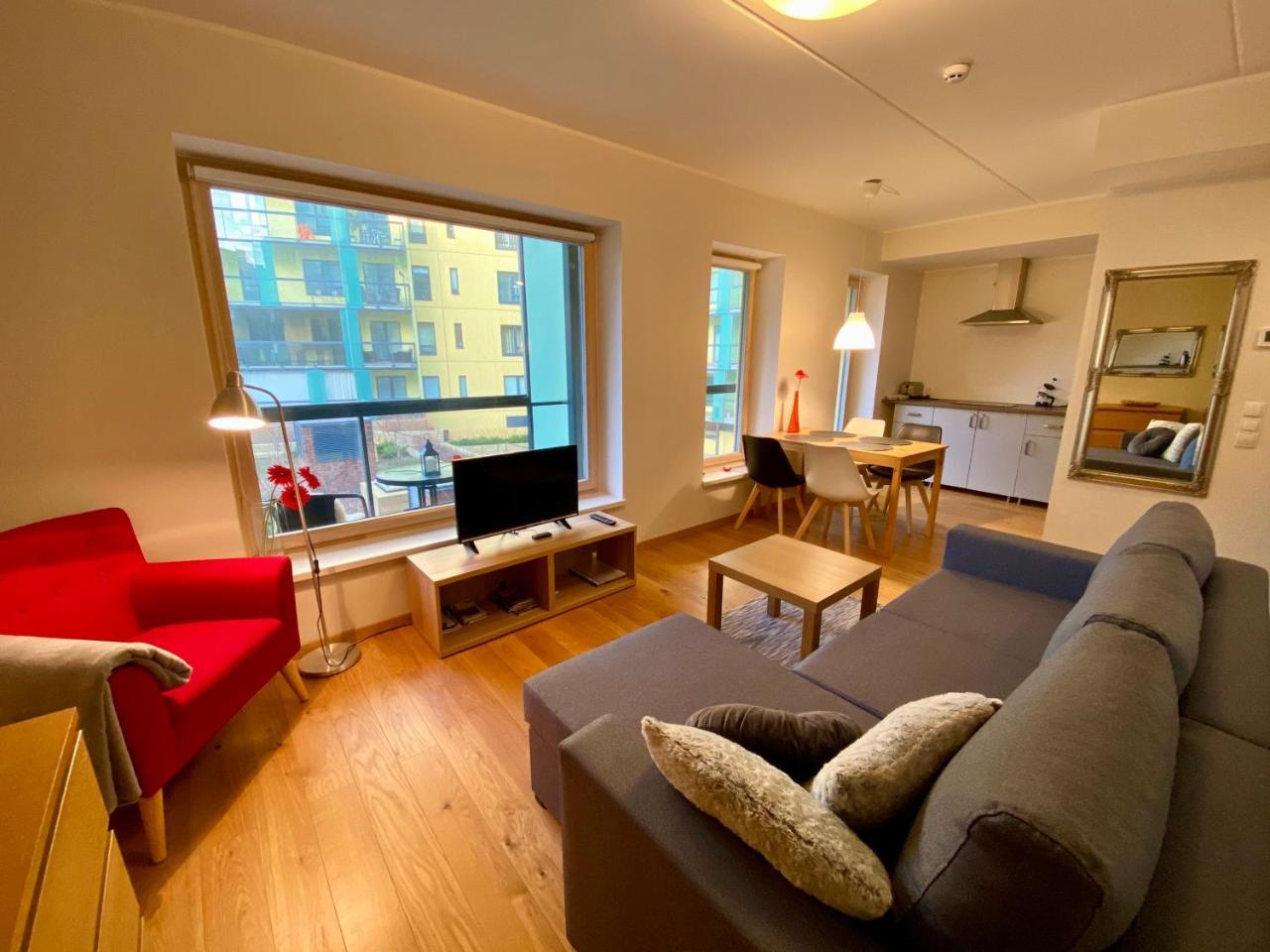
Tallinn
Charming City Centre Apartment with Free Parking And Spacious Balcony
★★★★ Tallinn
Live priceReserve
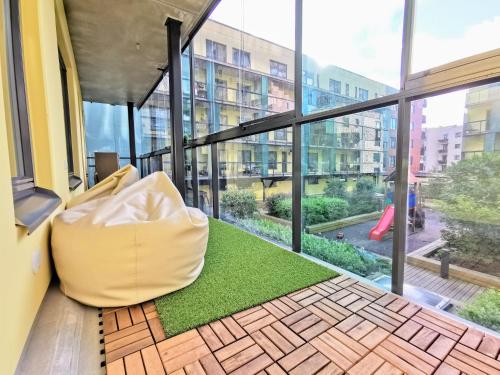
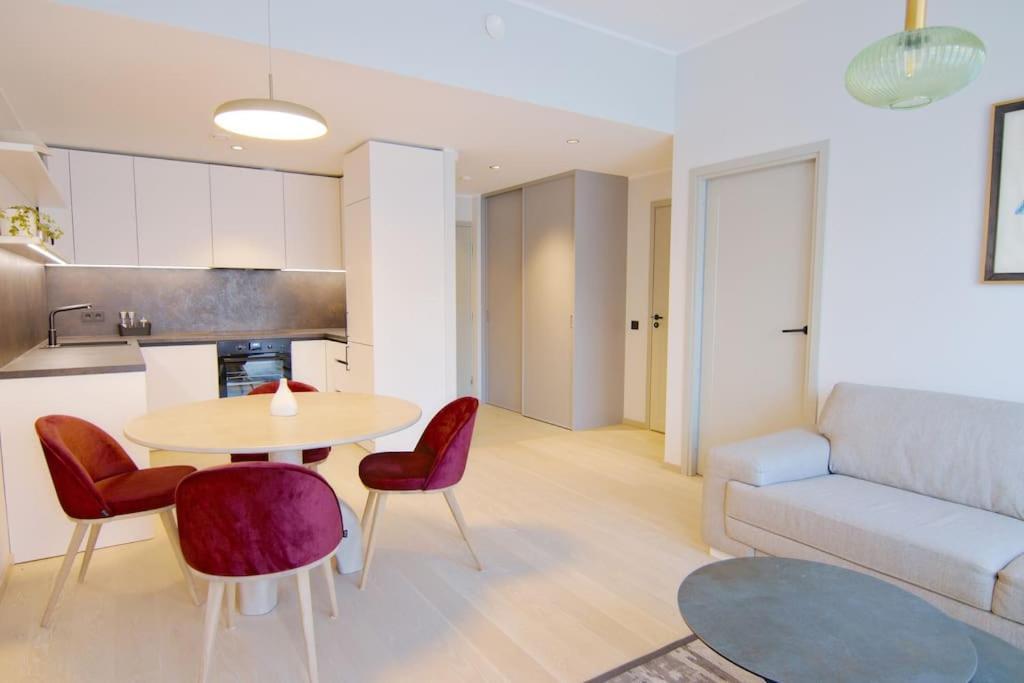
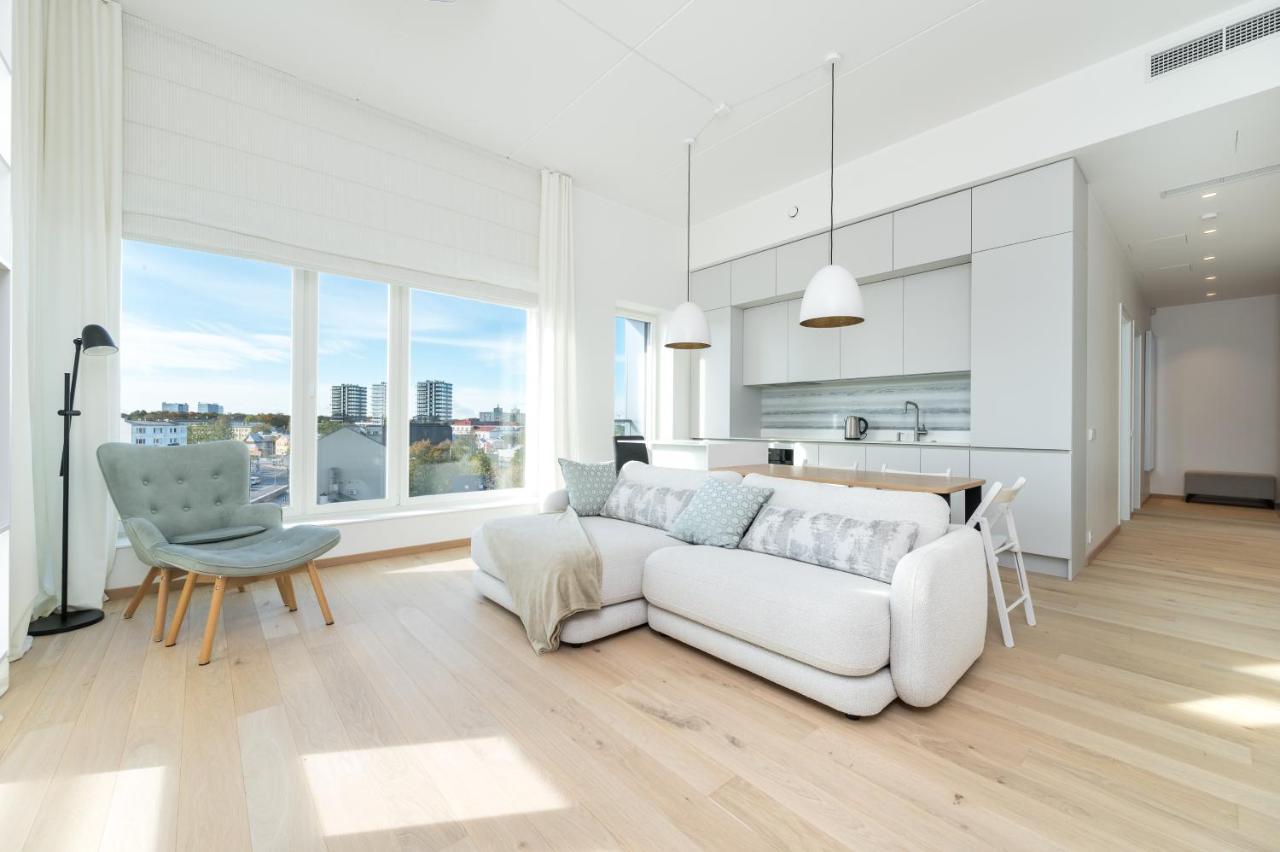
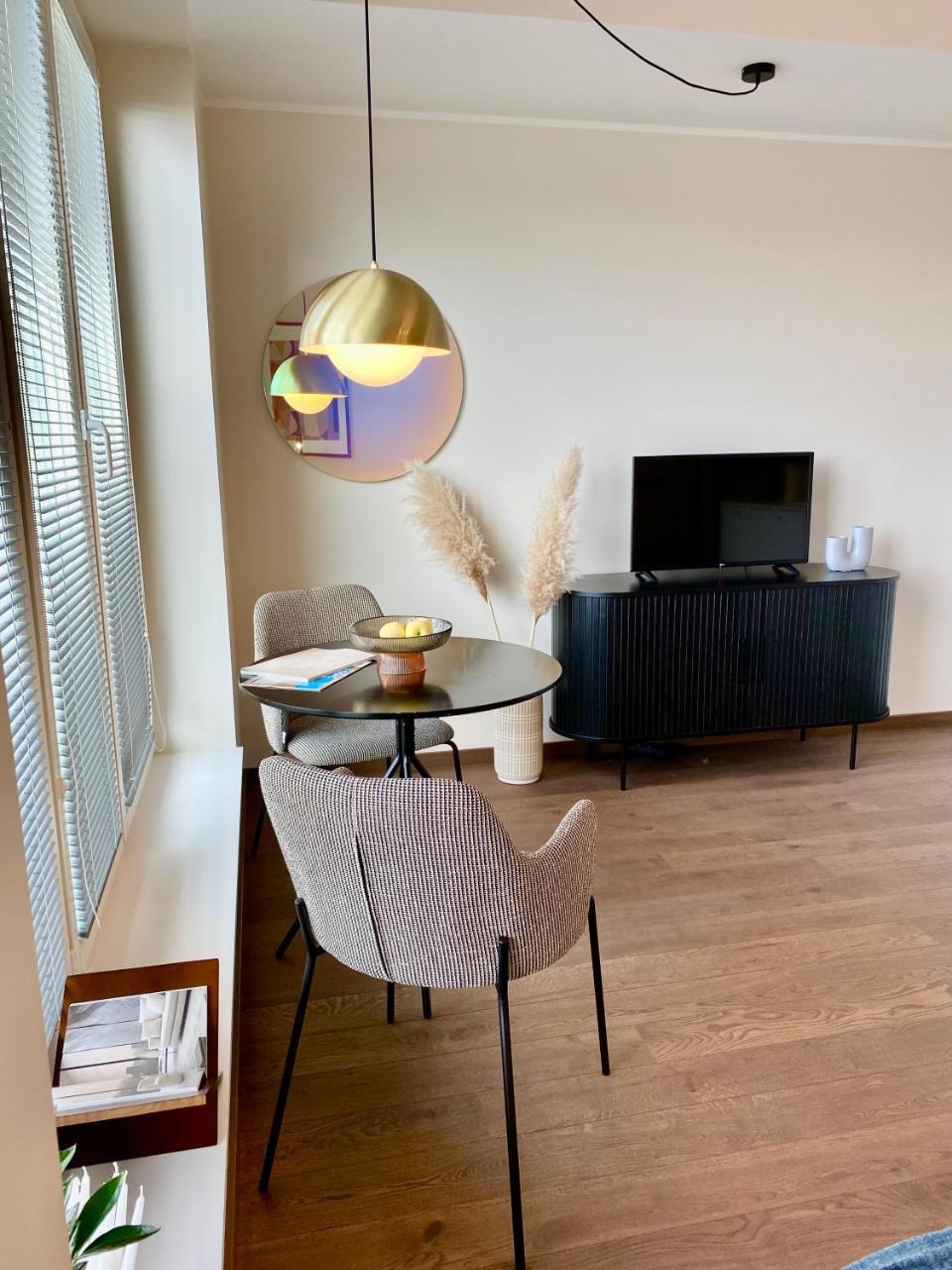
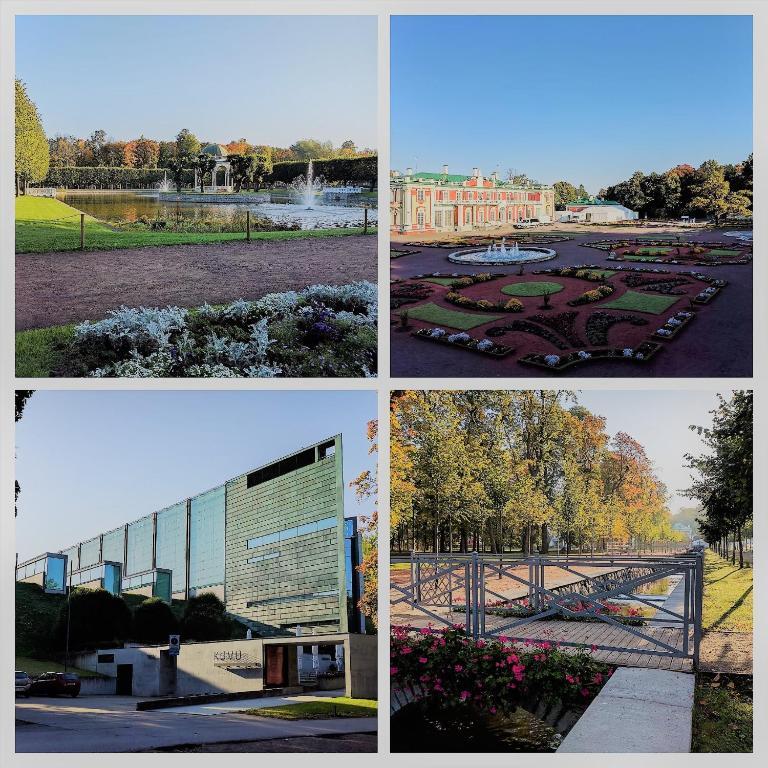
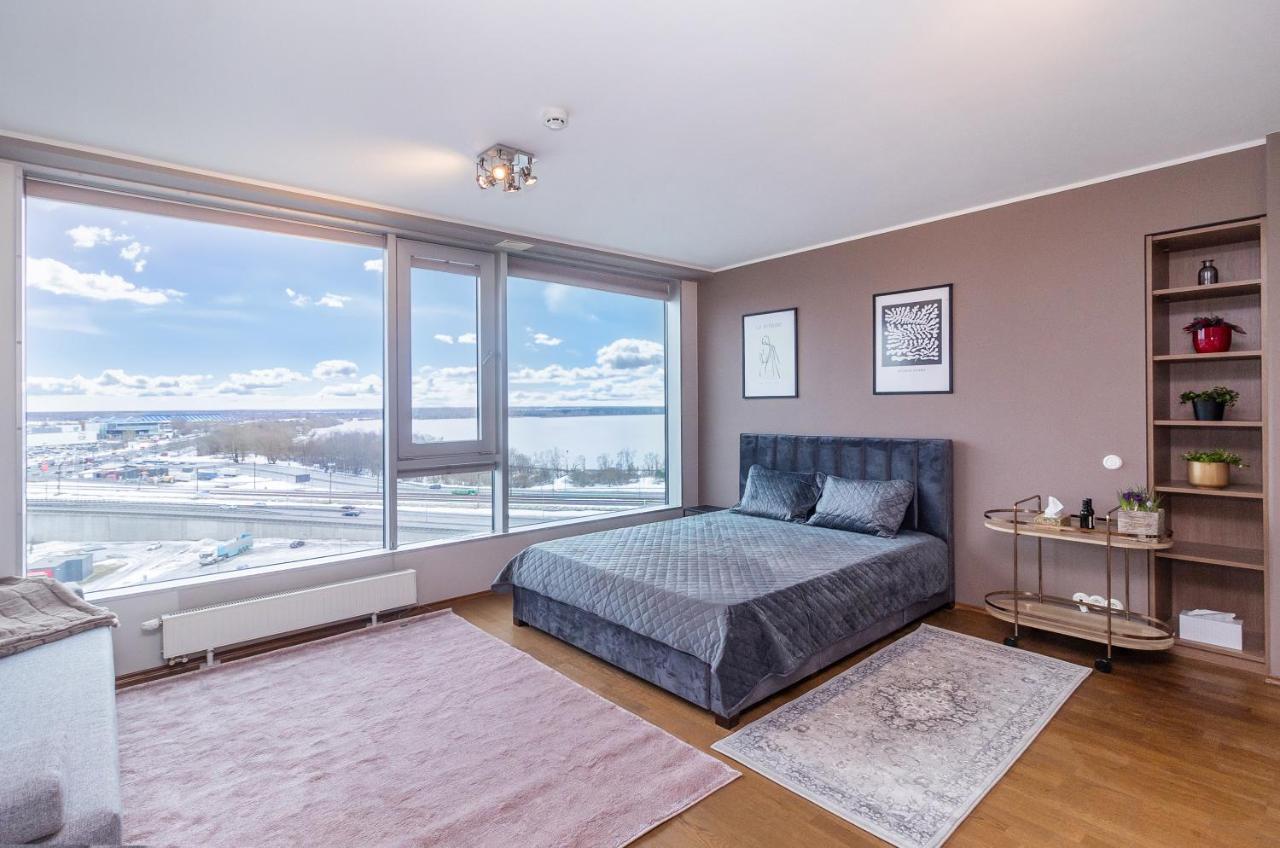
Tallinn
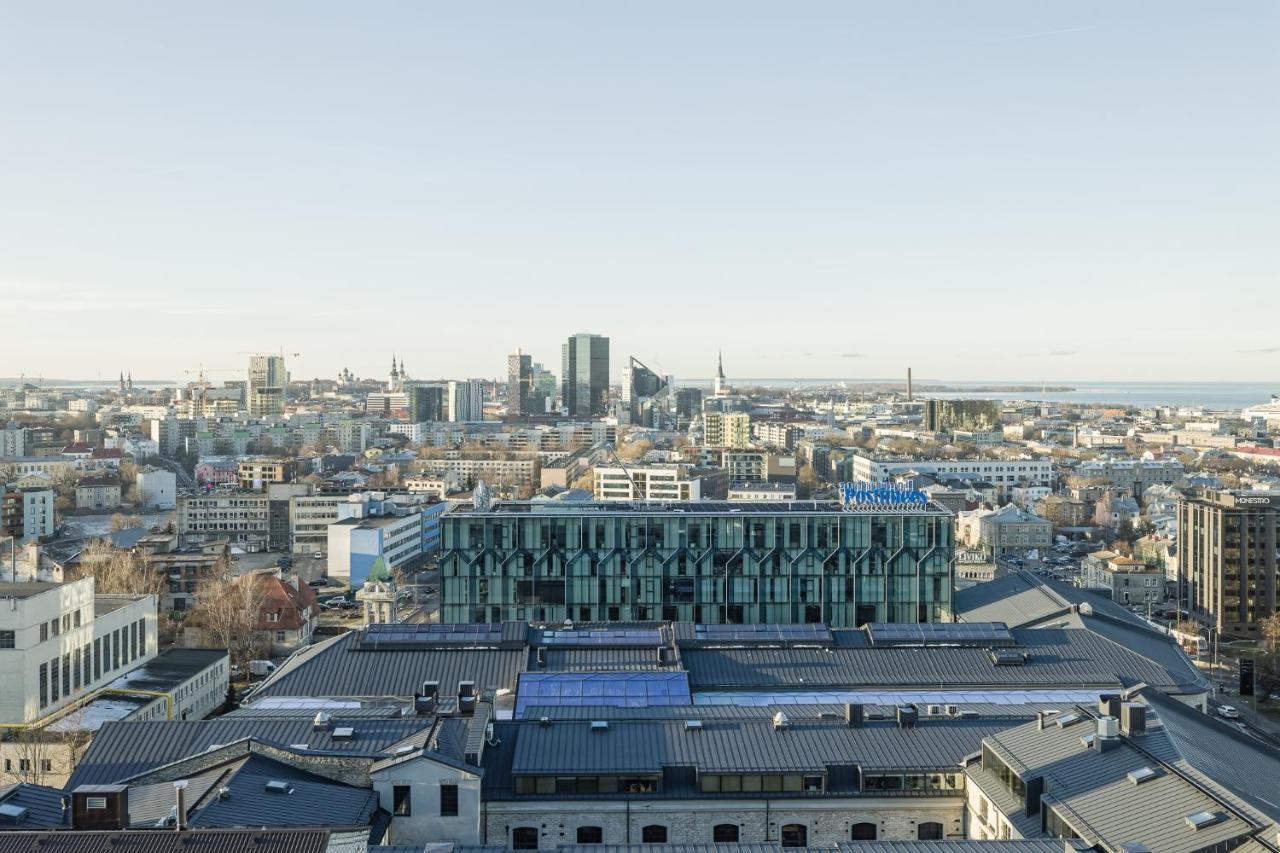
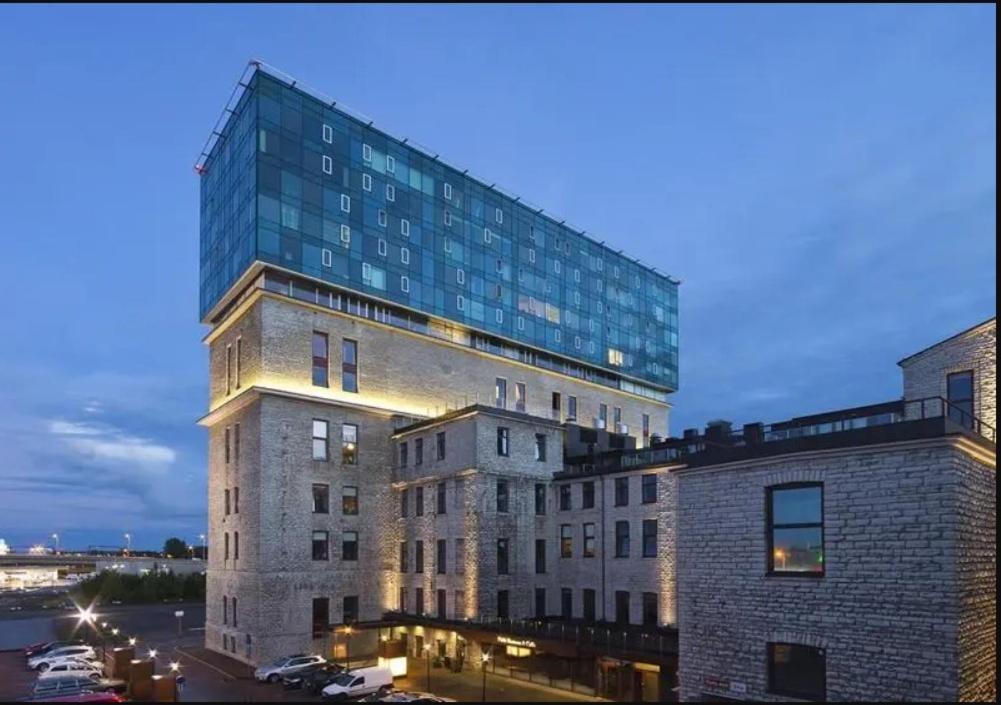
Revalia Fahle Airport Bus Station Apartments with Best views
★★★★ Tallinn
Live priceReserve
Tallinn
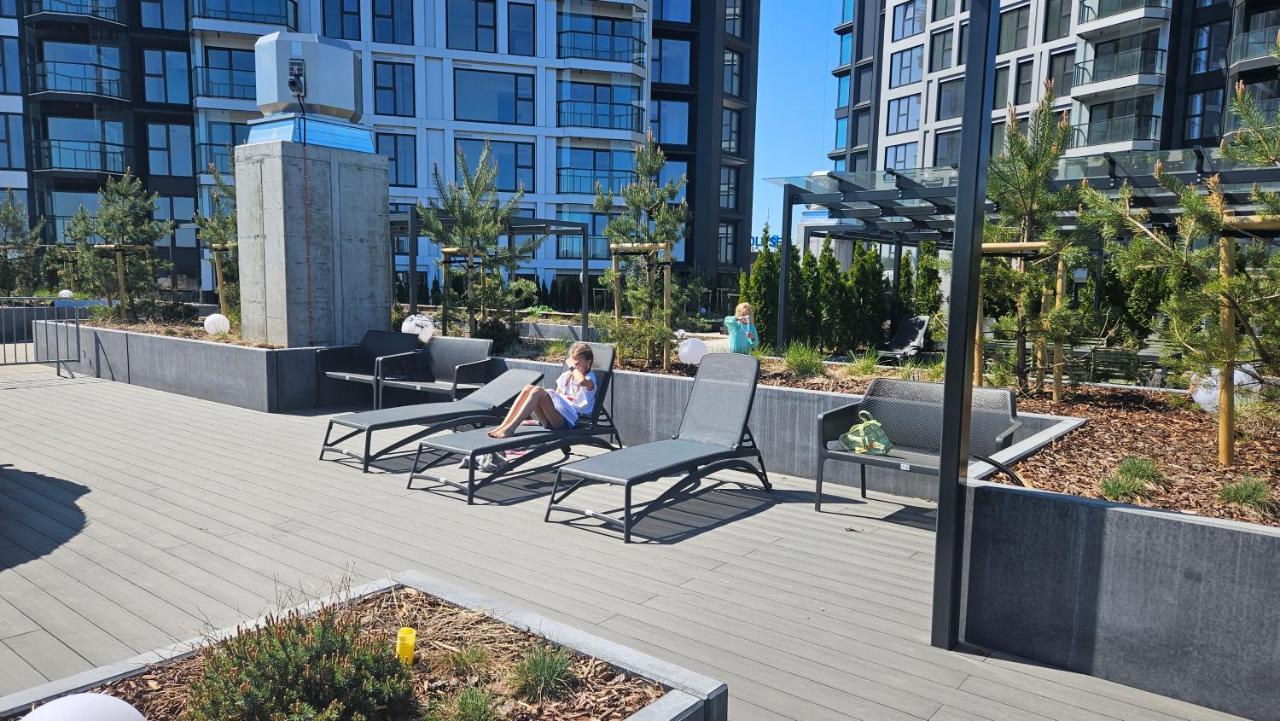
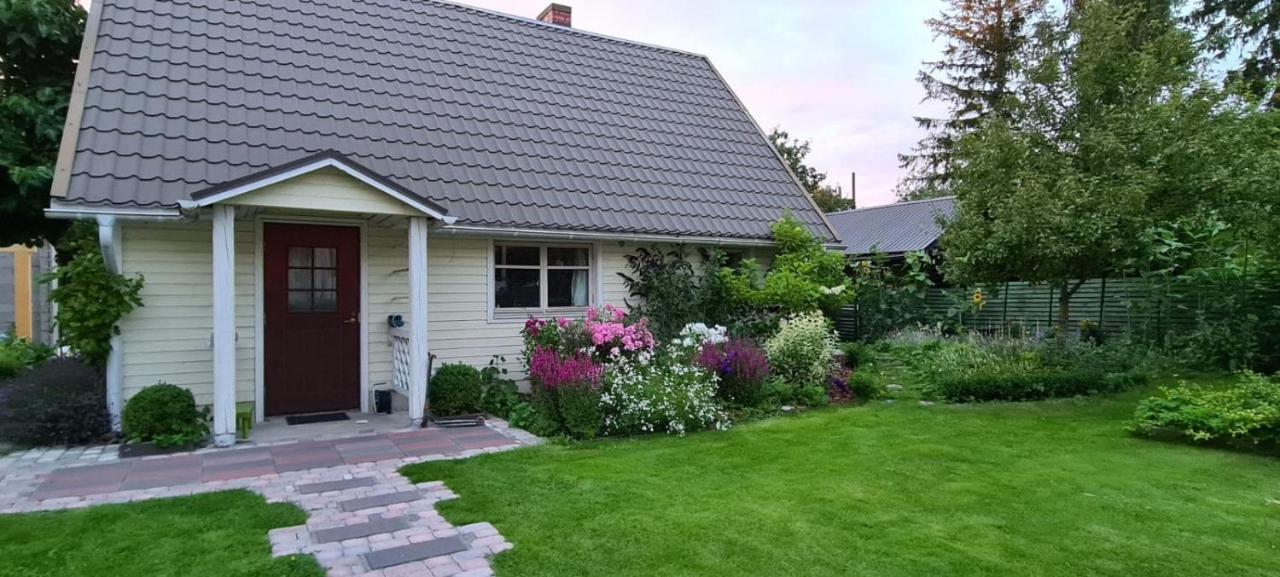
Leete Residence 3BR family friendly home with huge garden&free parking
★★★★ Tallinn
Live priceReserve
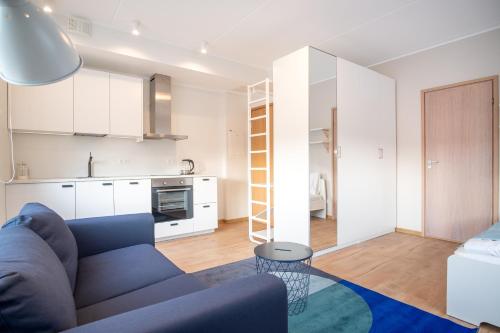
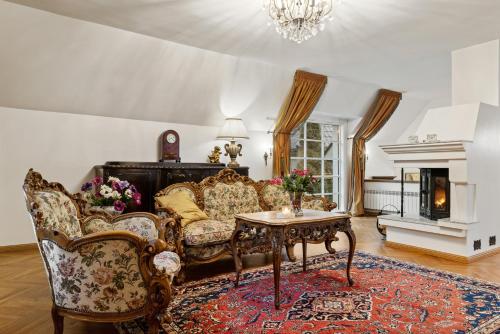
Tallinn
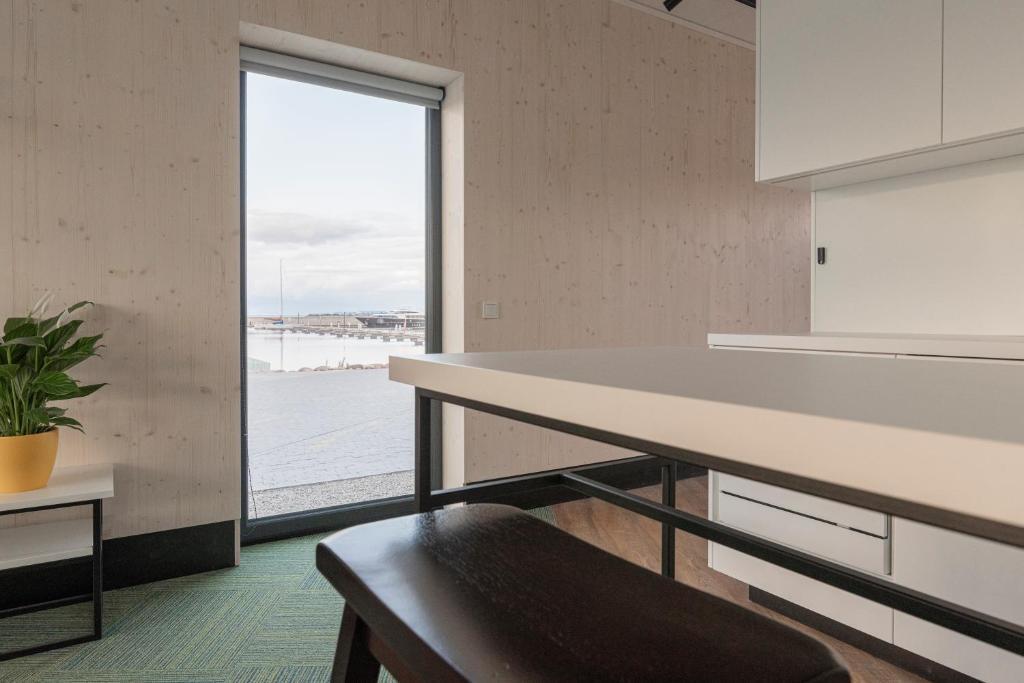
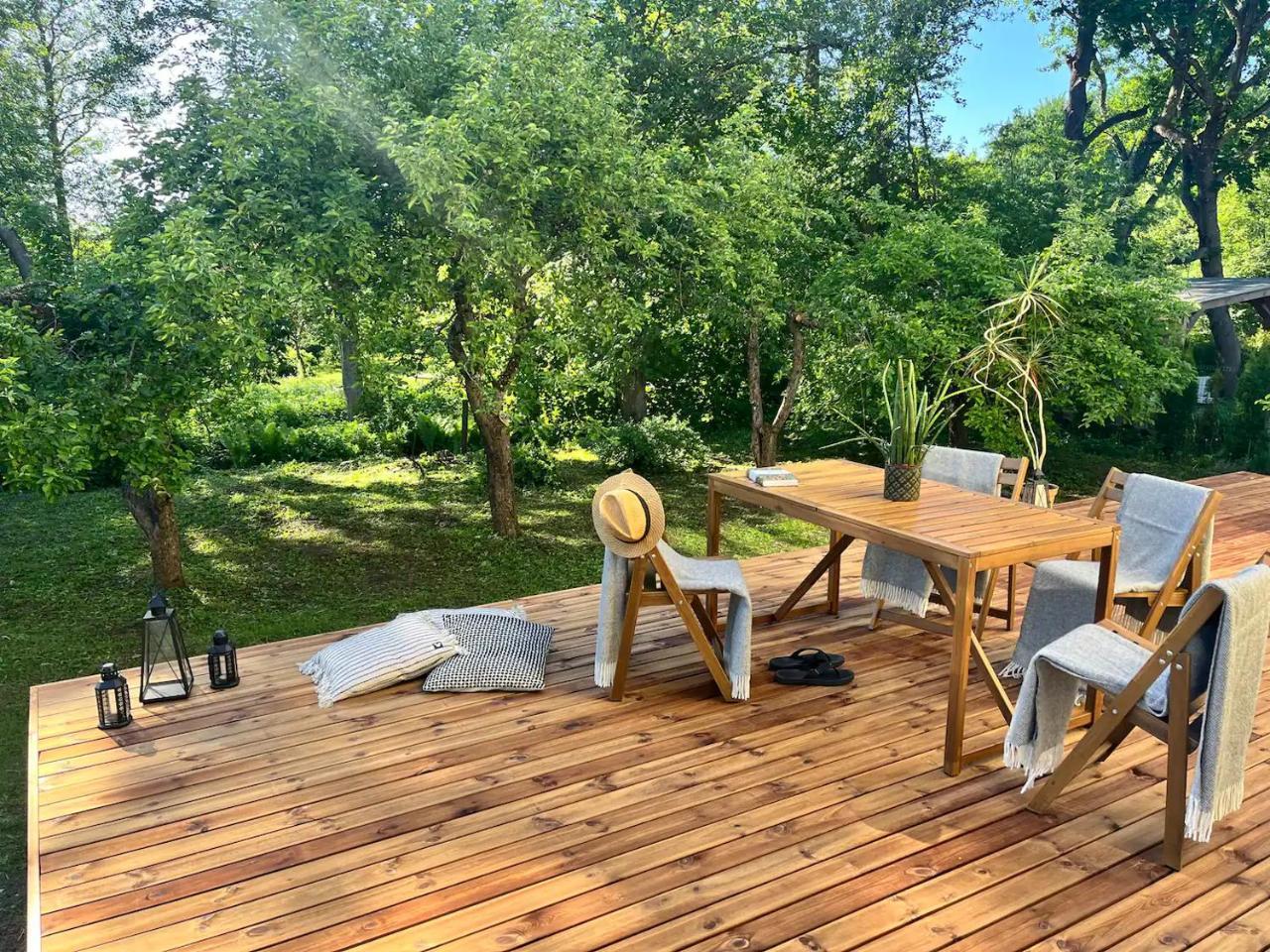
Villa Muusa with a cozy sauna swimming pool and large beautiful garden
★★★★ Tallinn
Live priceReserve
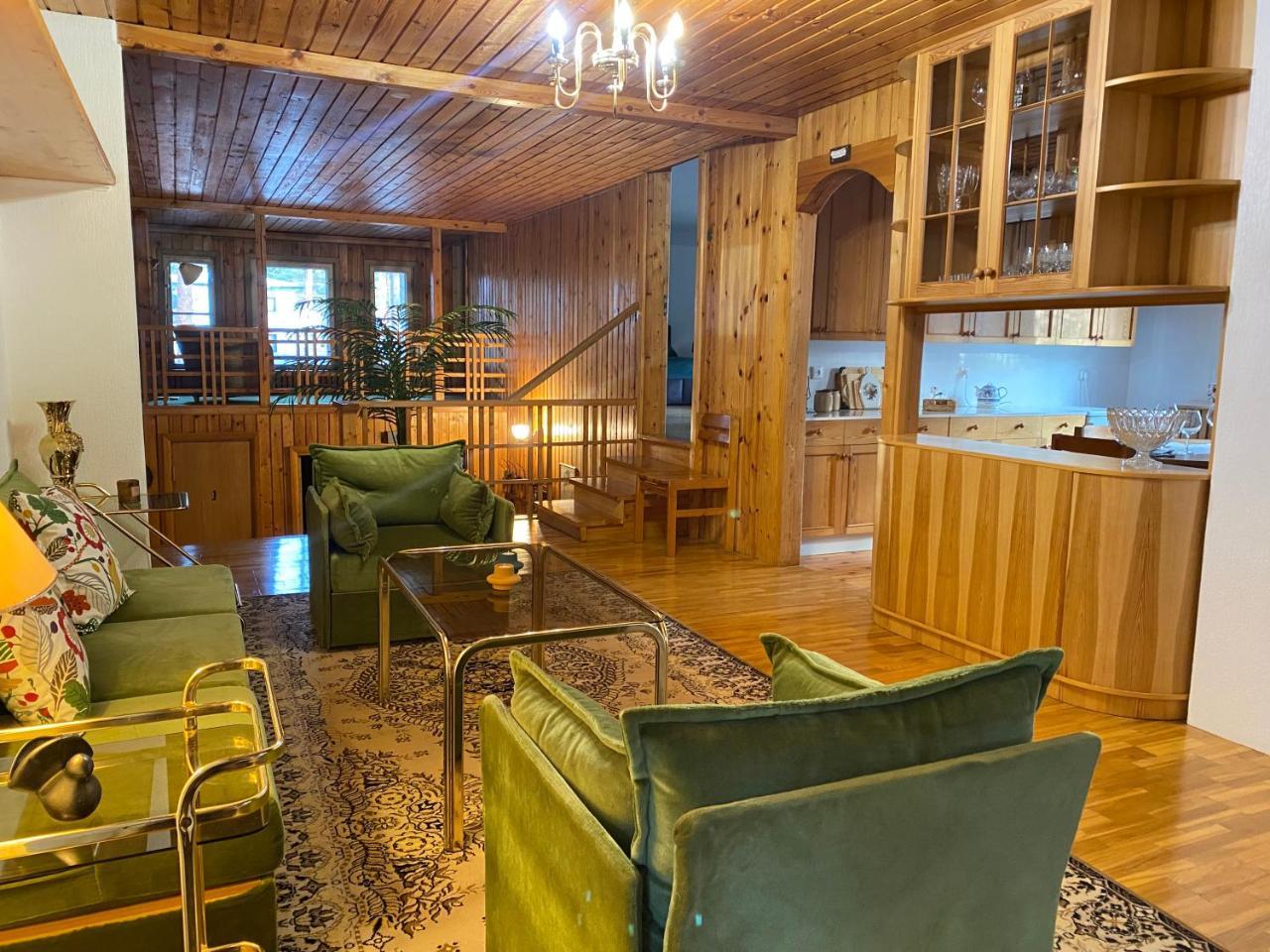
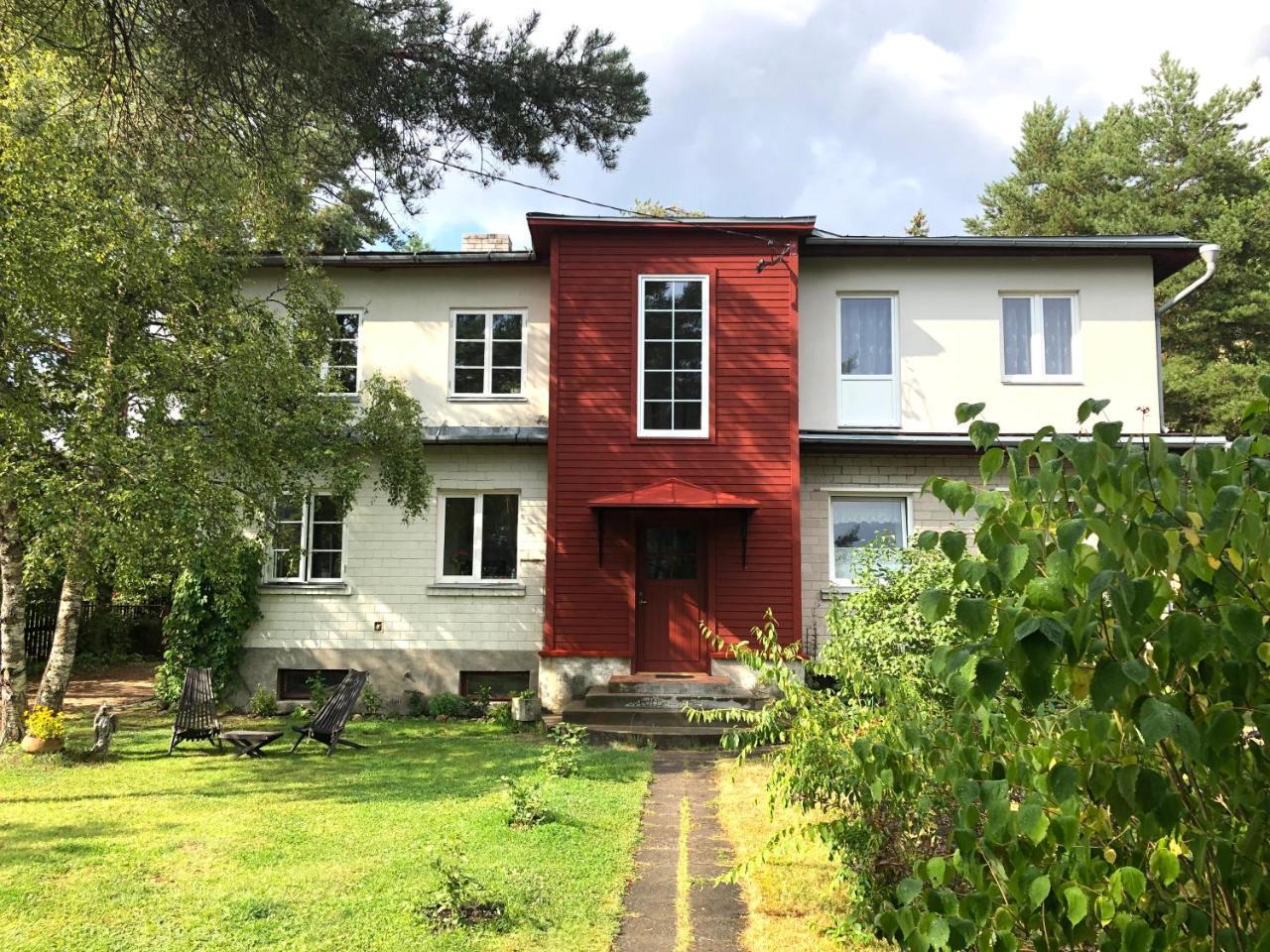
Tallinn
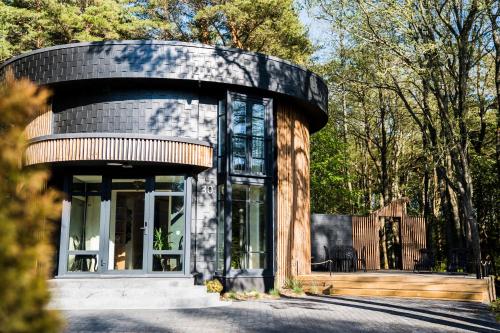
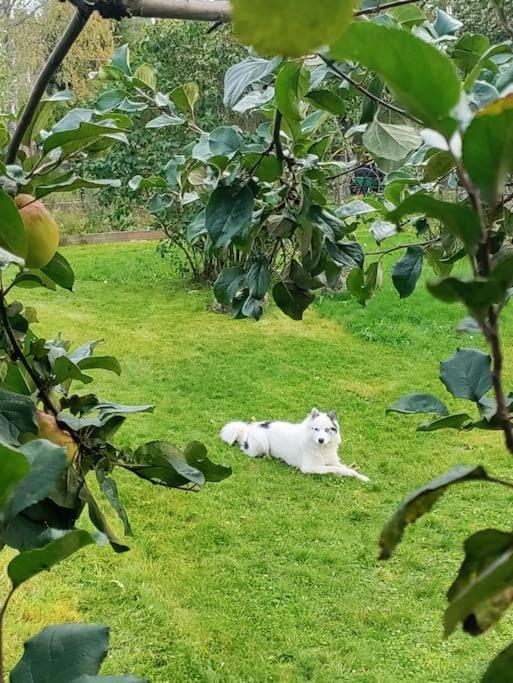
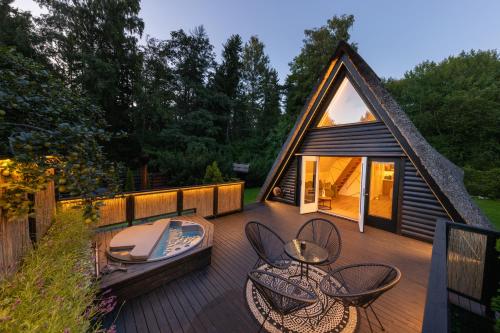
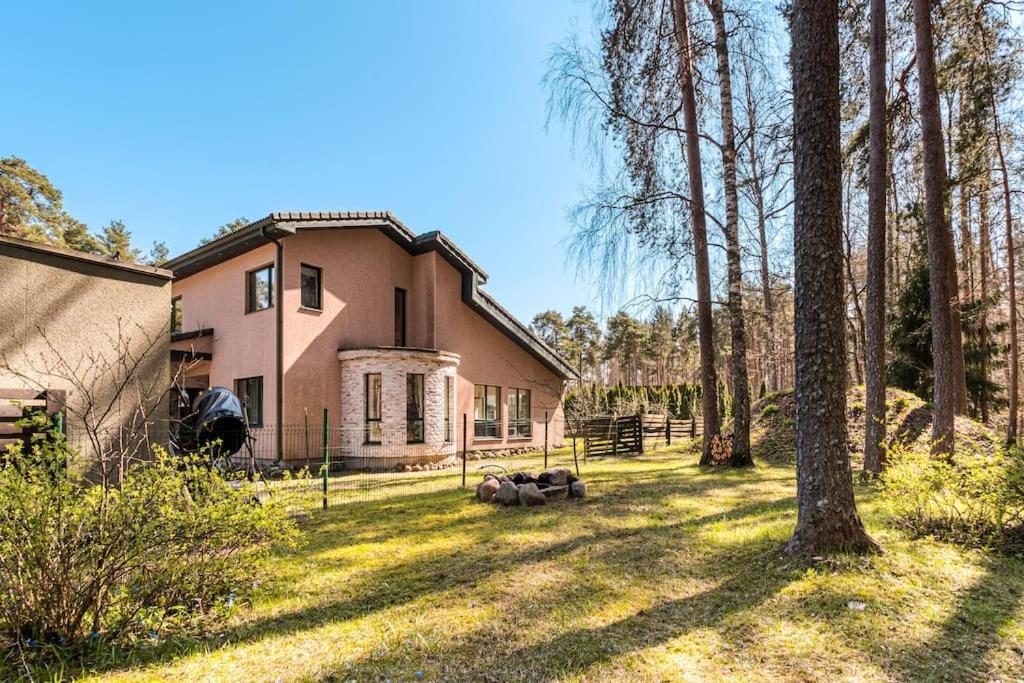
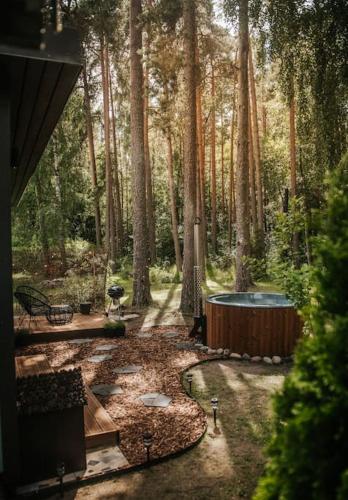
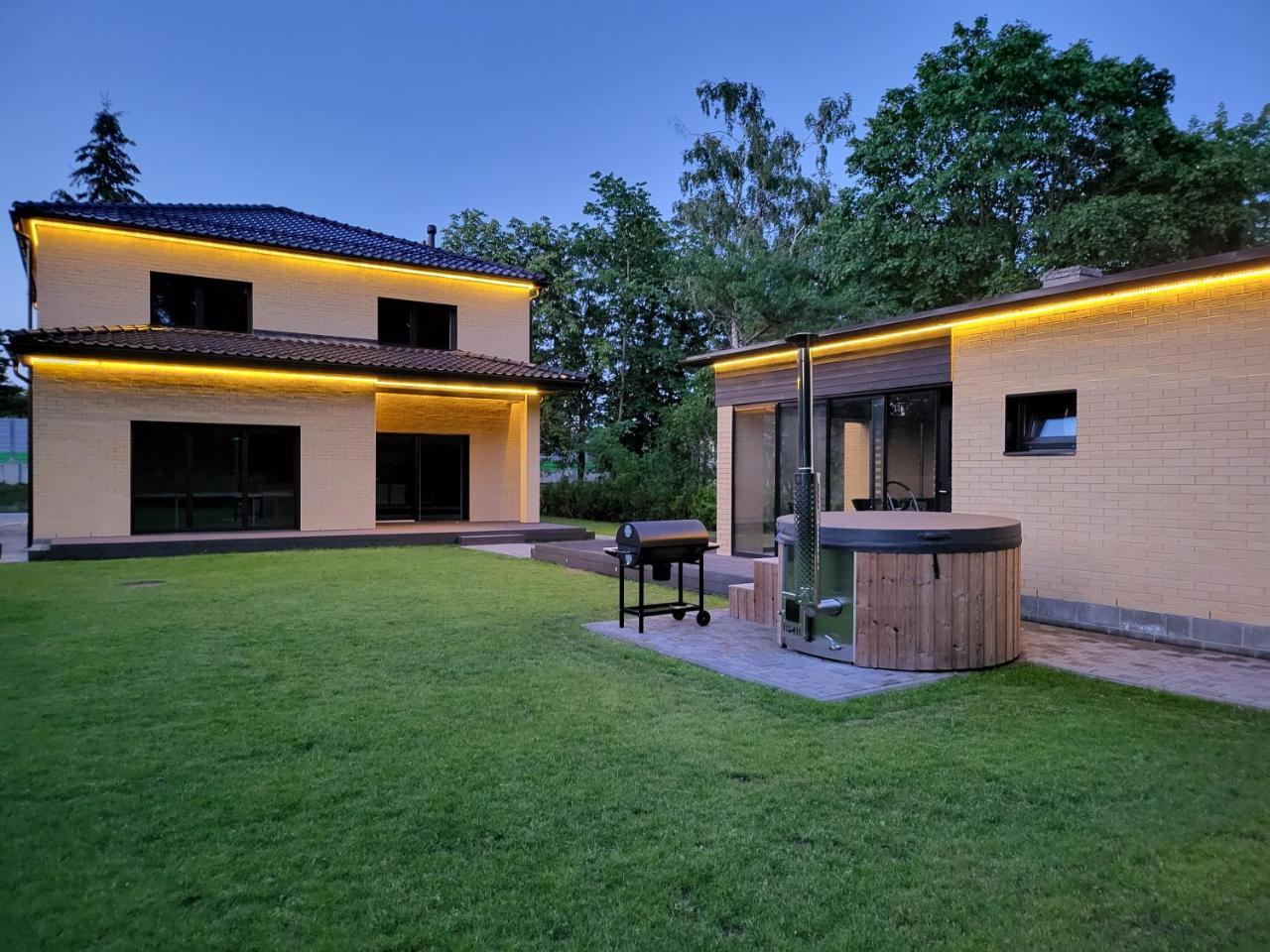
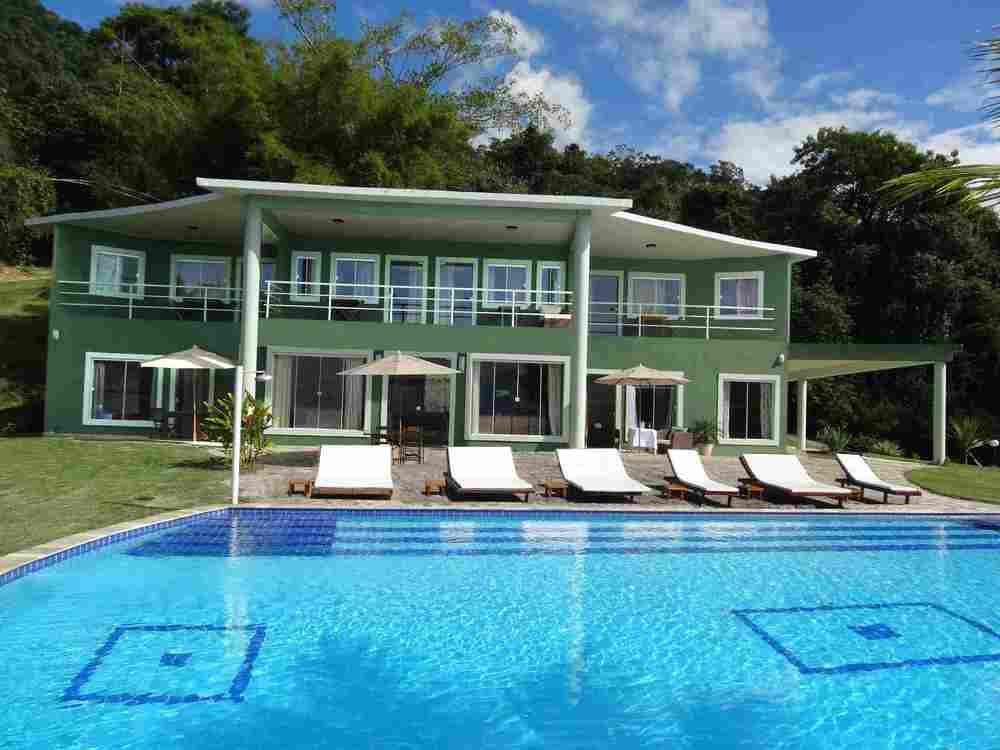
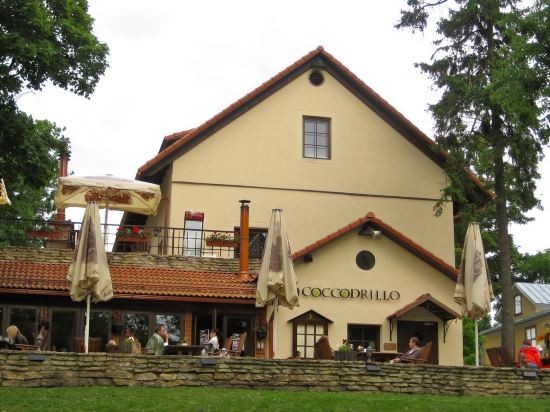
Golden Haven Kullakodu 2 bedroom house with sauna patio grill walk to beach
★★★★ Tallinn
Live priceReserve


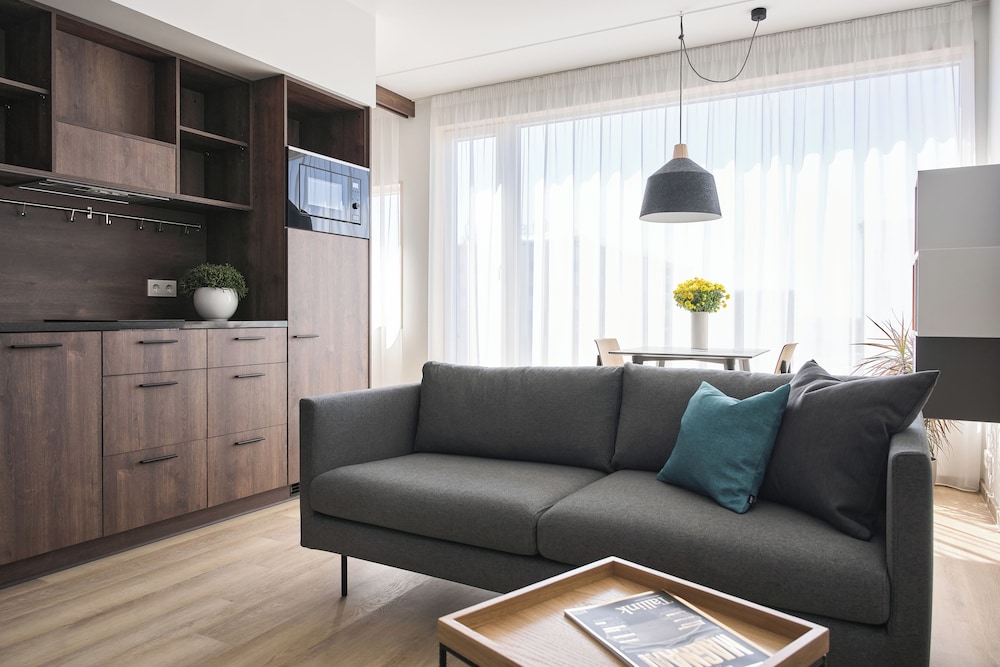
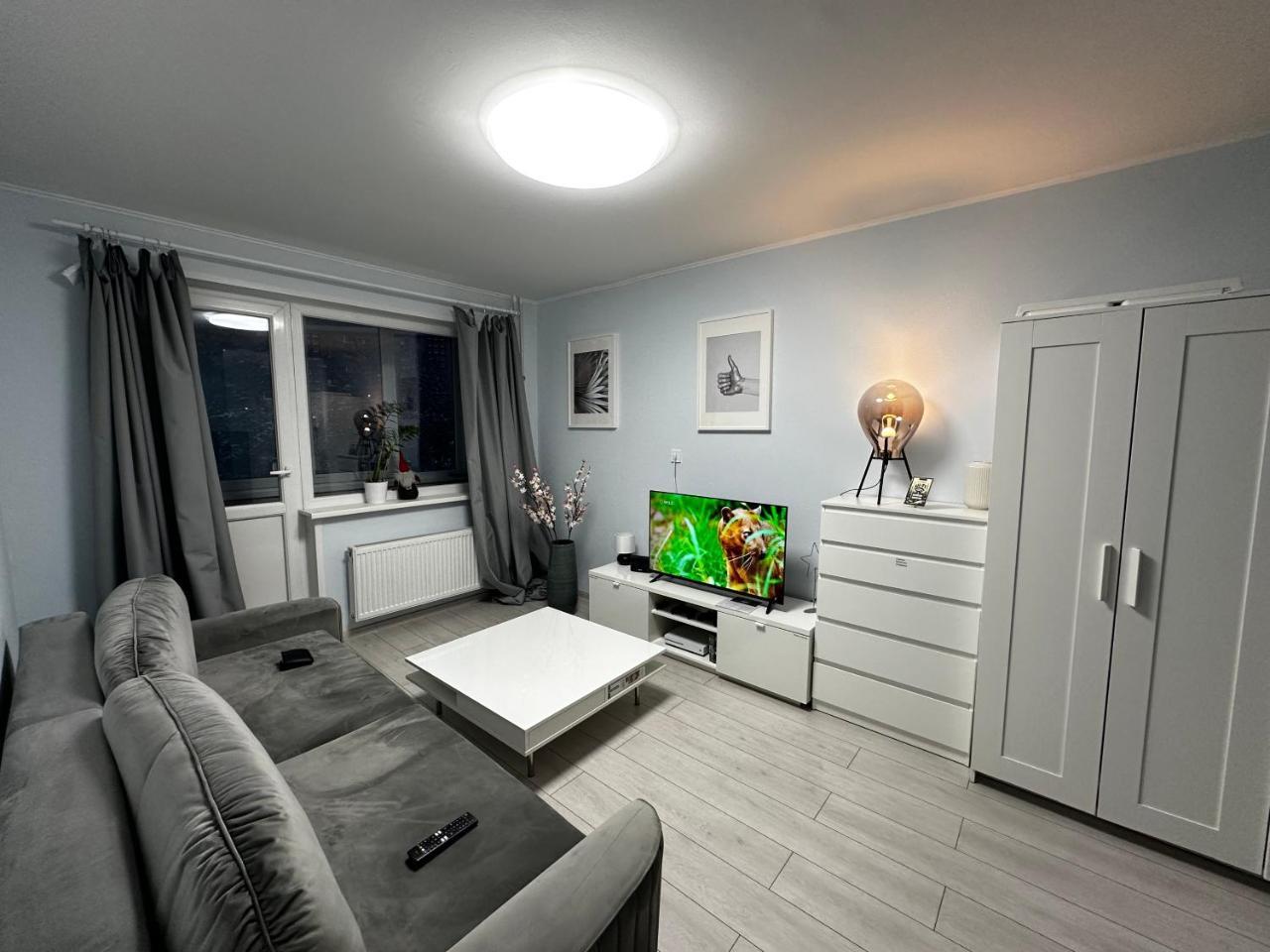
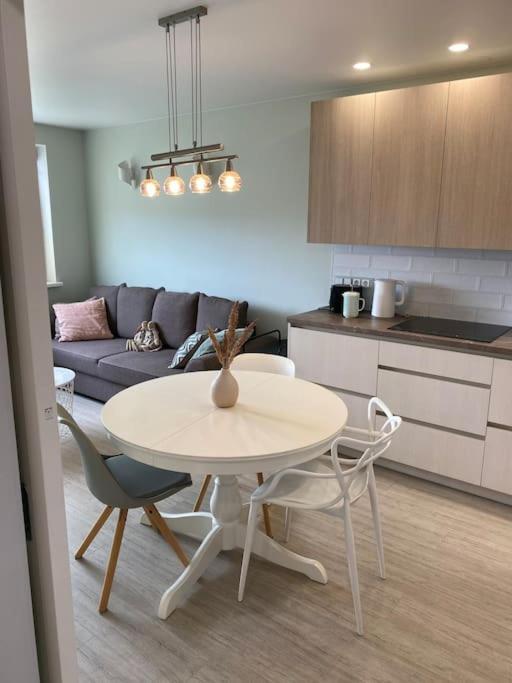
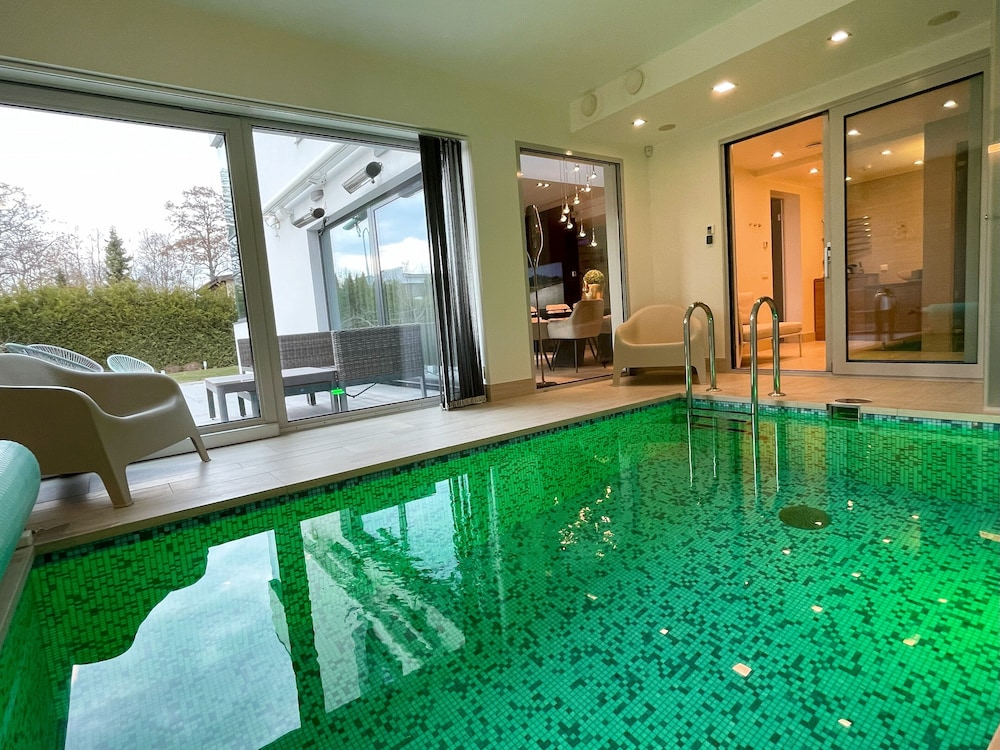
Tallinn
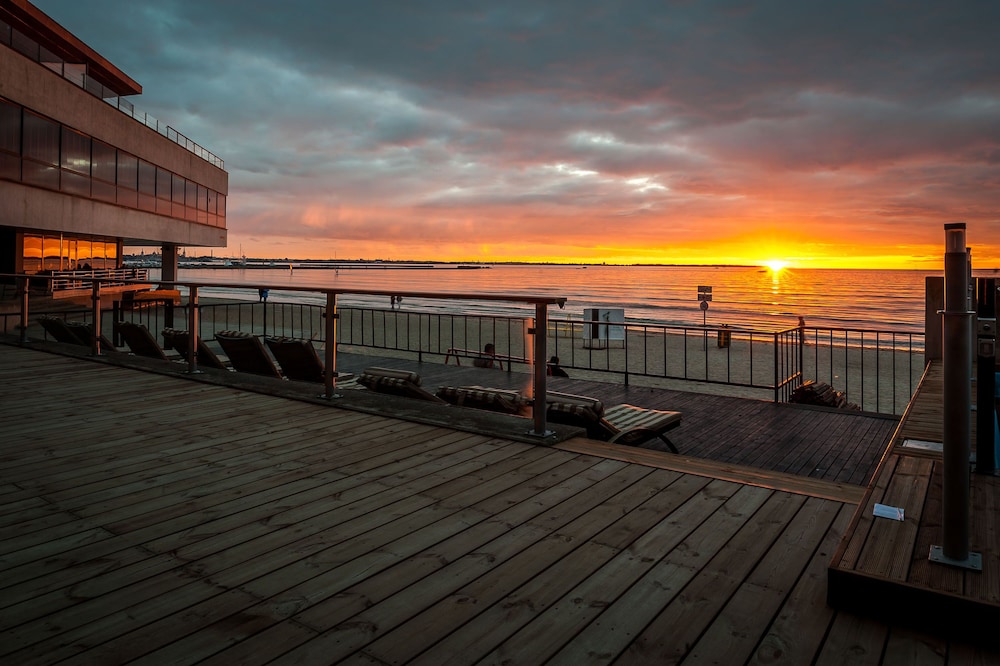
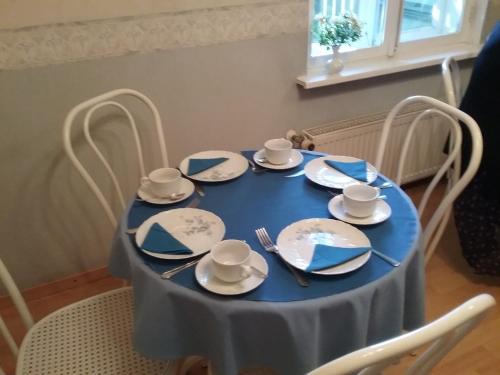
Padriku Apartment with a balcony near to central Self Check In 24 7 FREE Parking
★★★ Tallinn
Live priceReserve
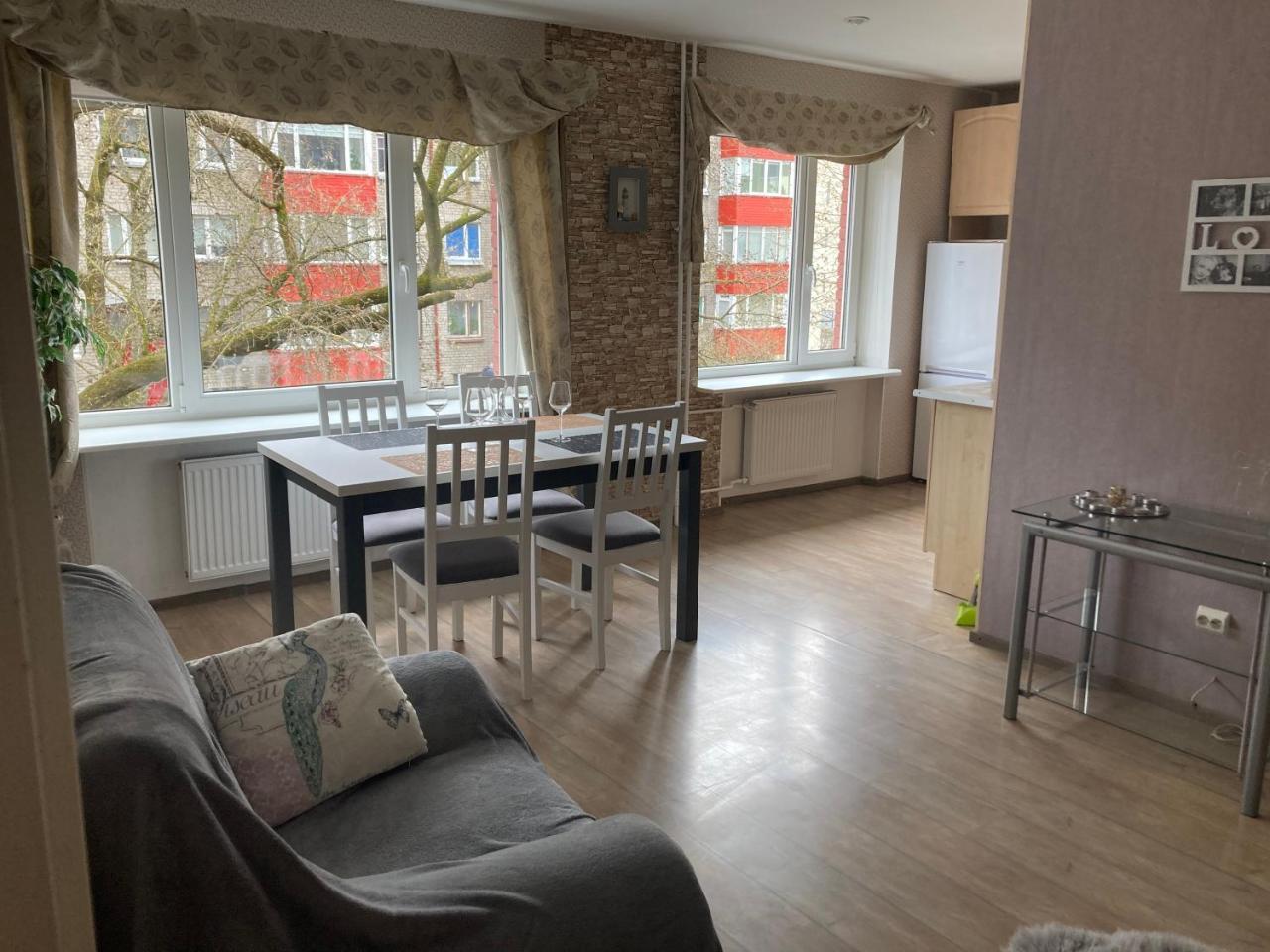
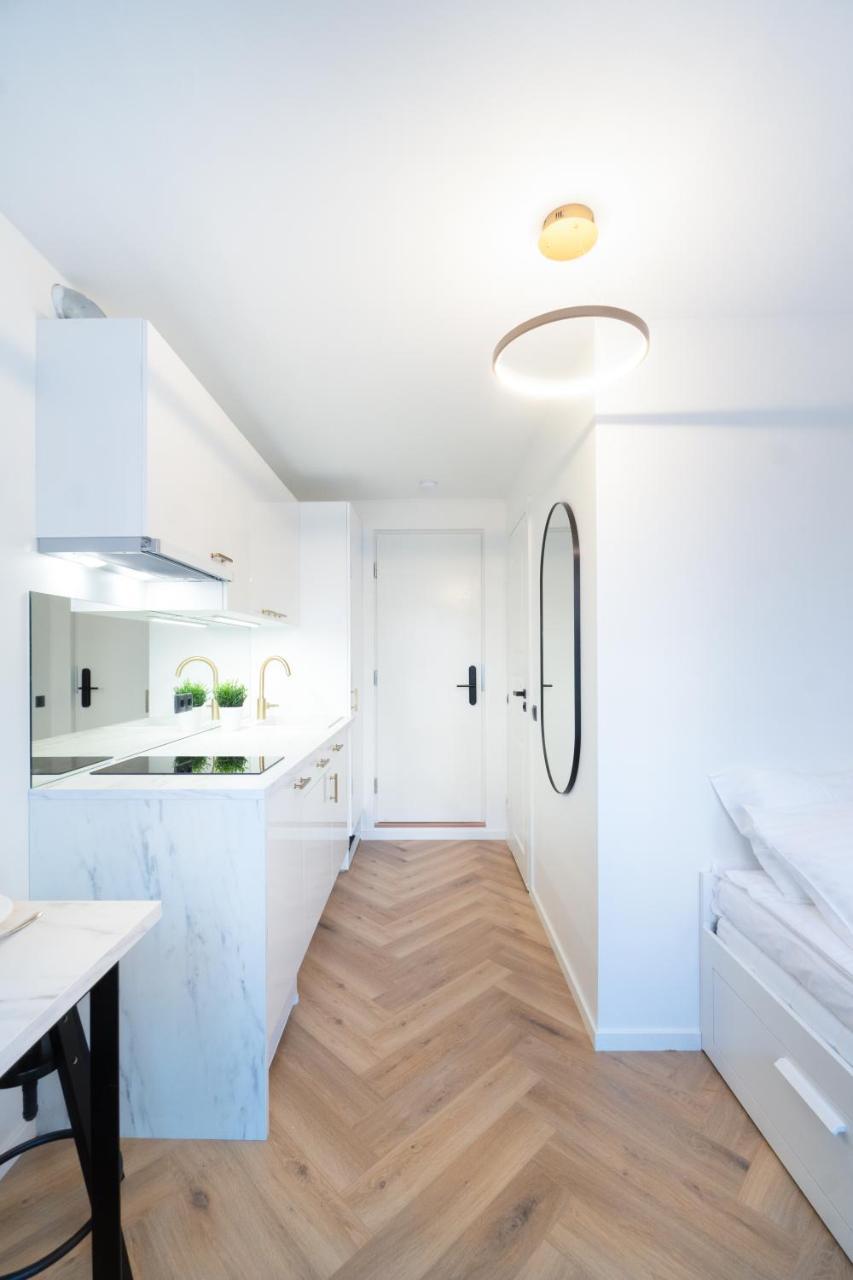
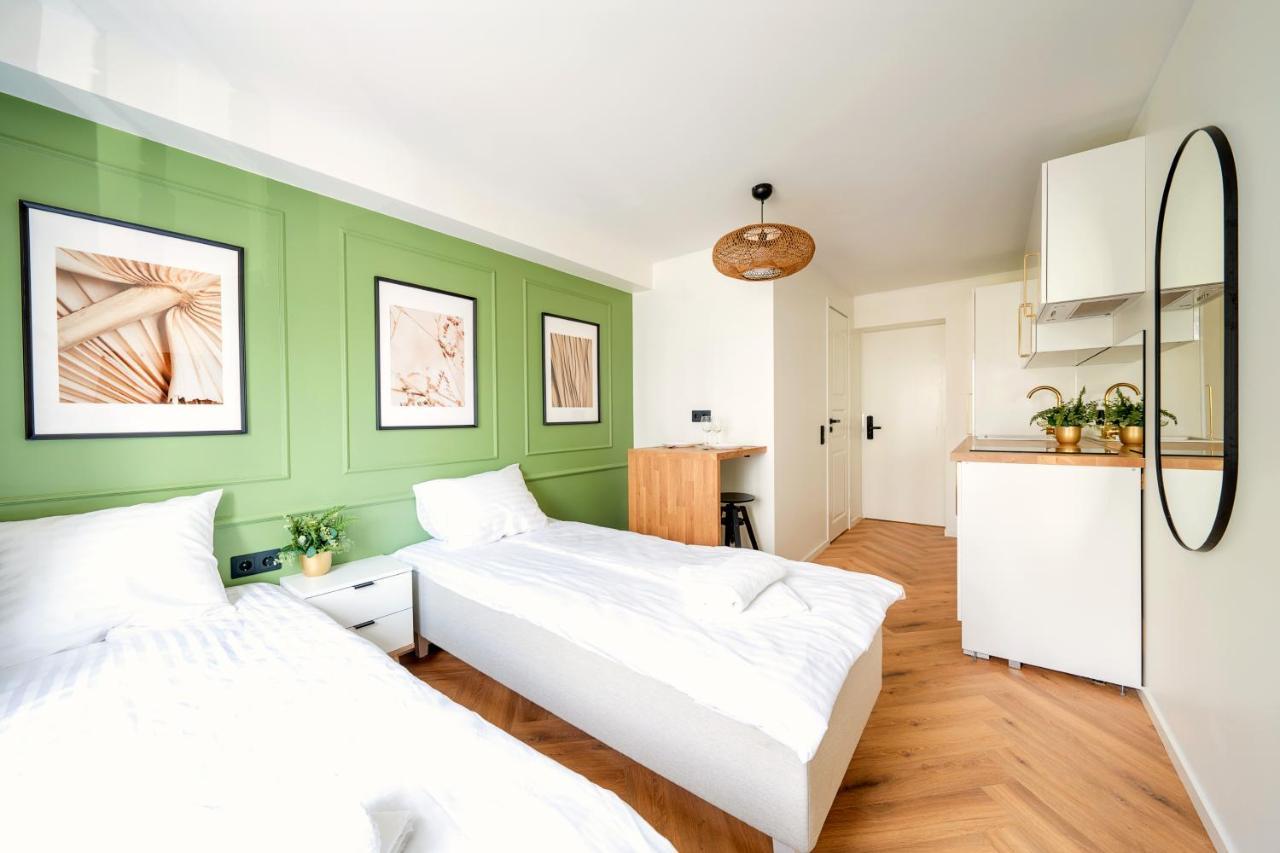
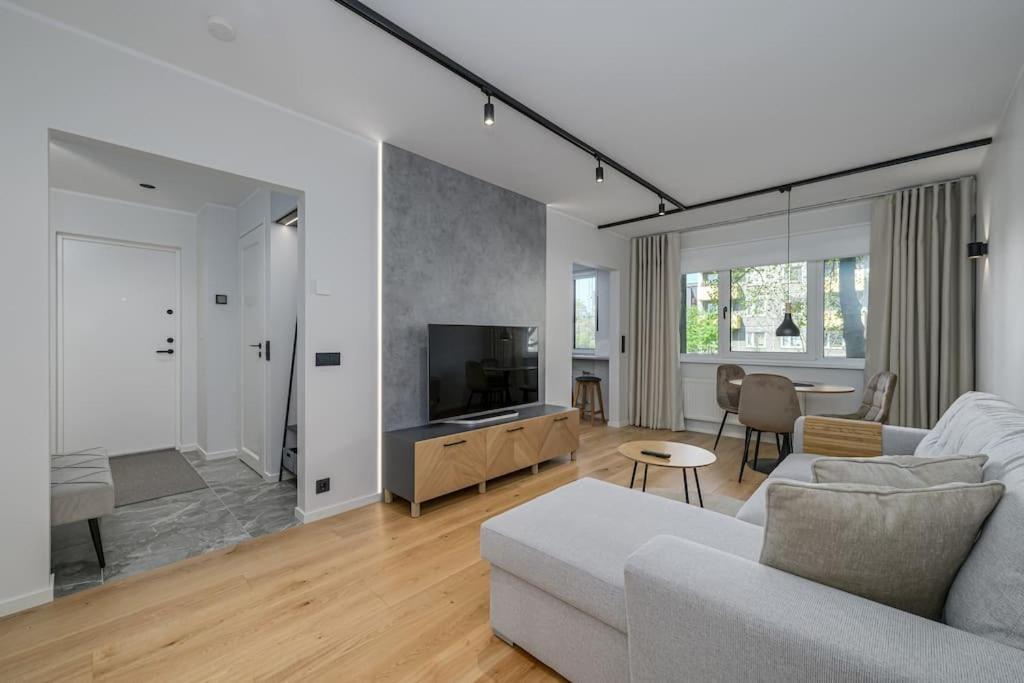
Tallinn
Lumignon Tallinn City centre apartment with free parking spot
★★★ Tallinn
Live priceReserve
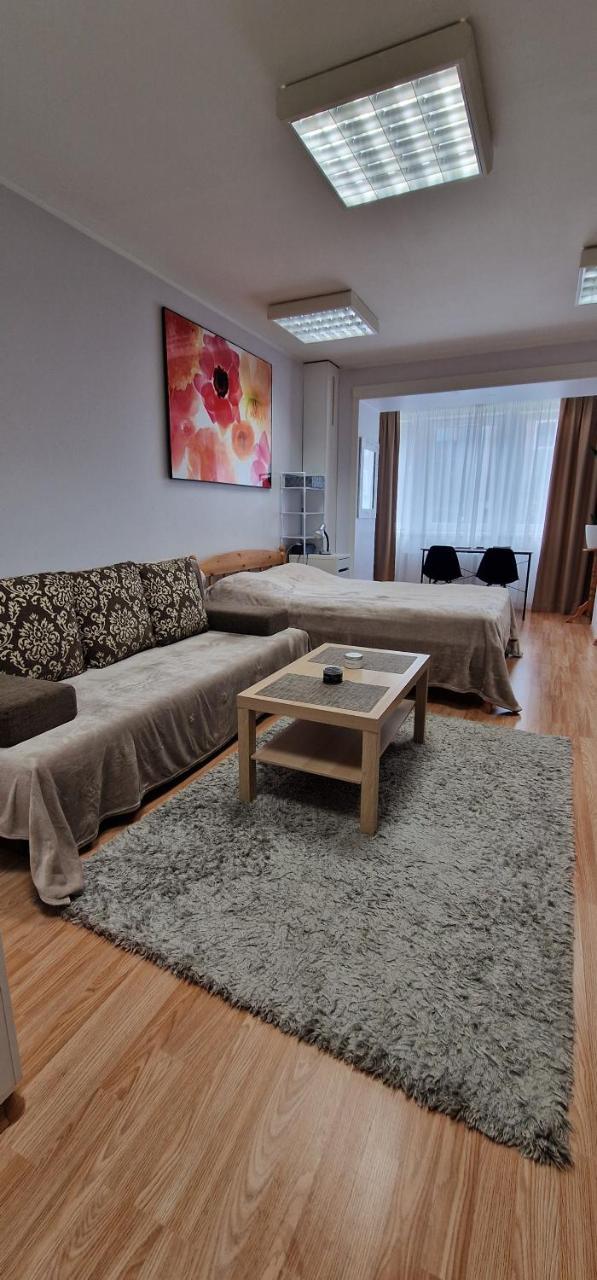
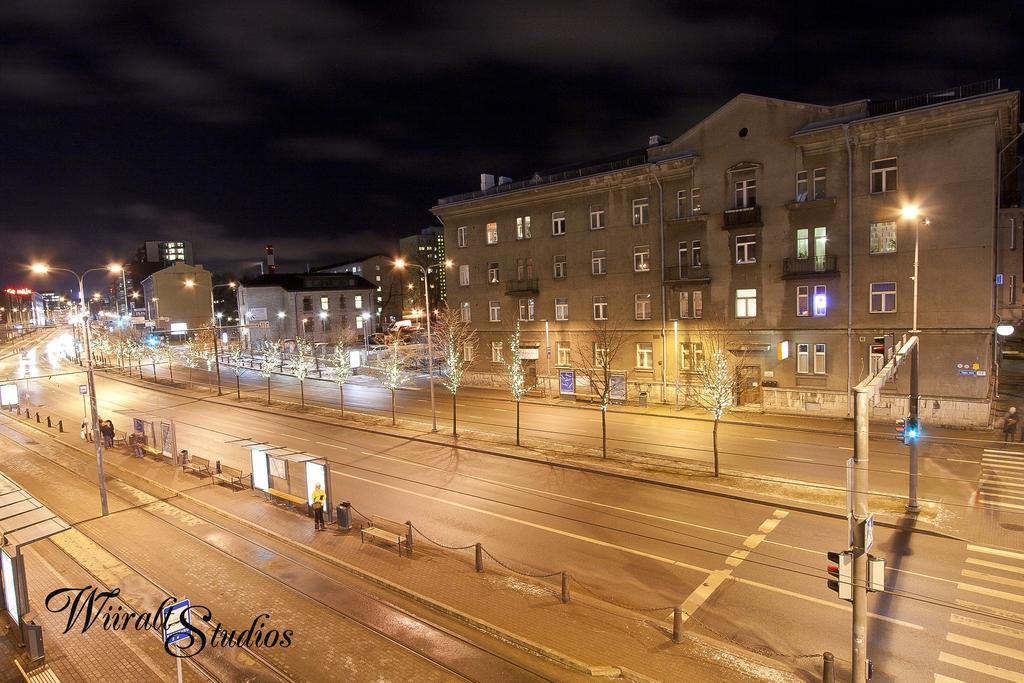
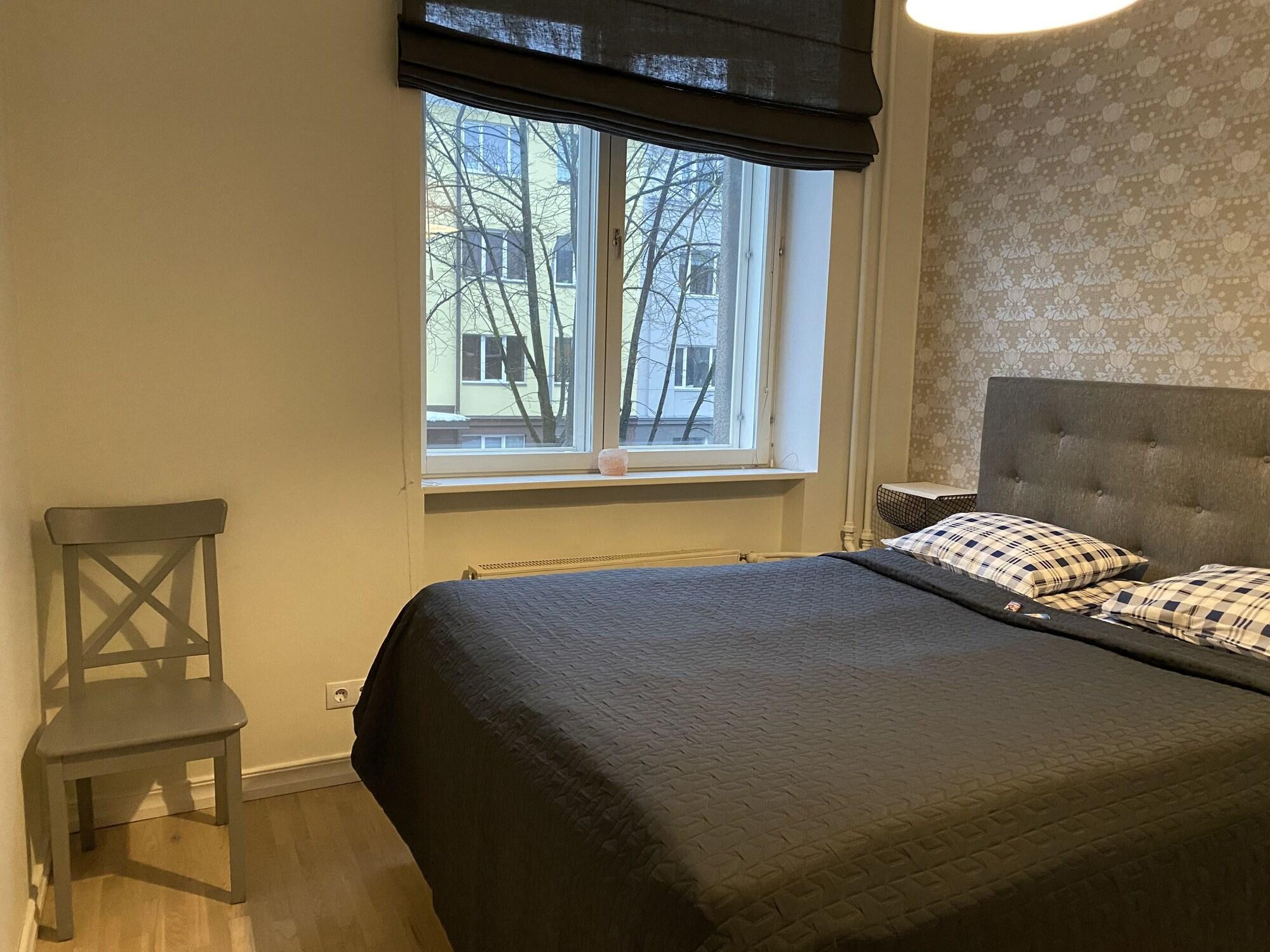
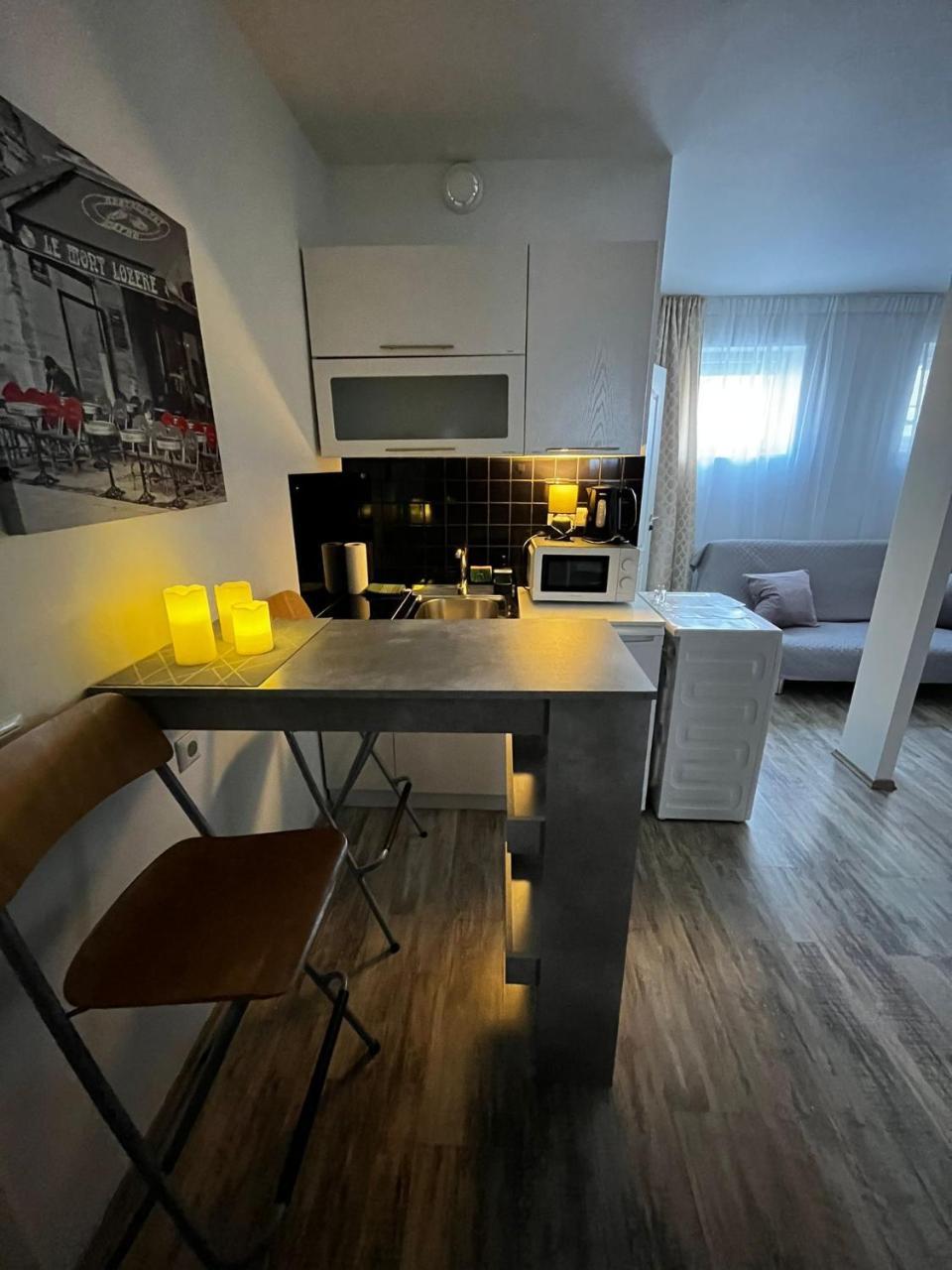
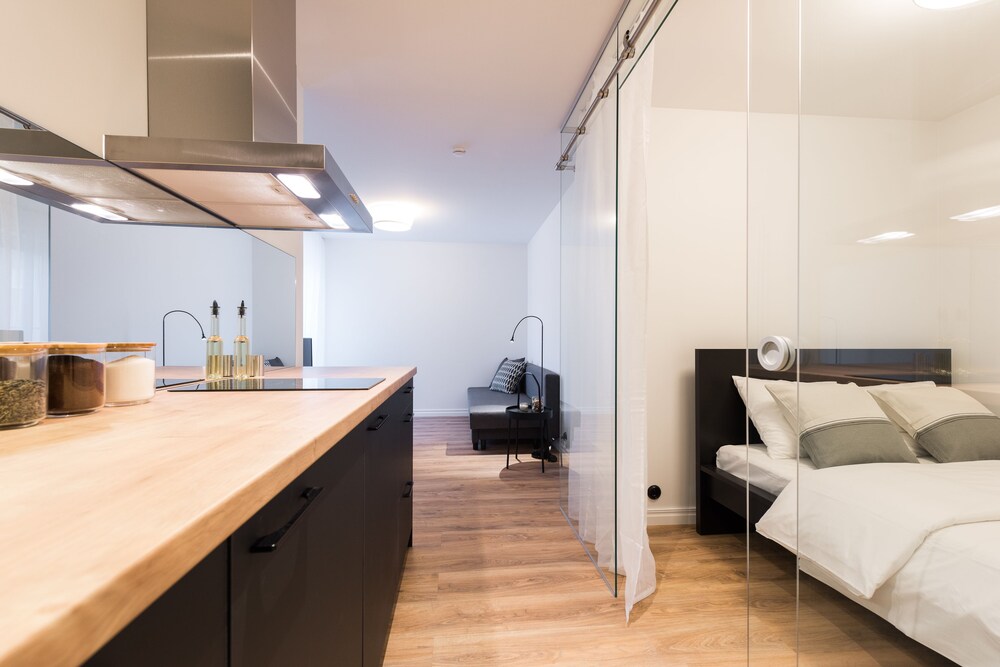
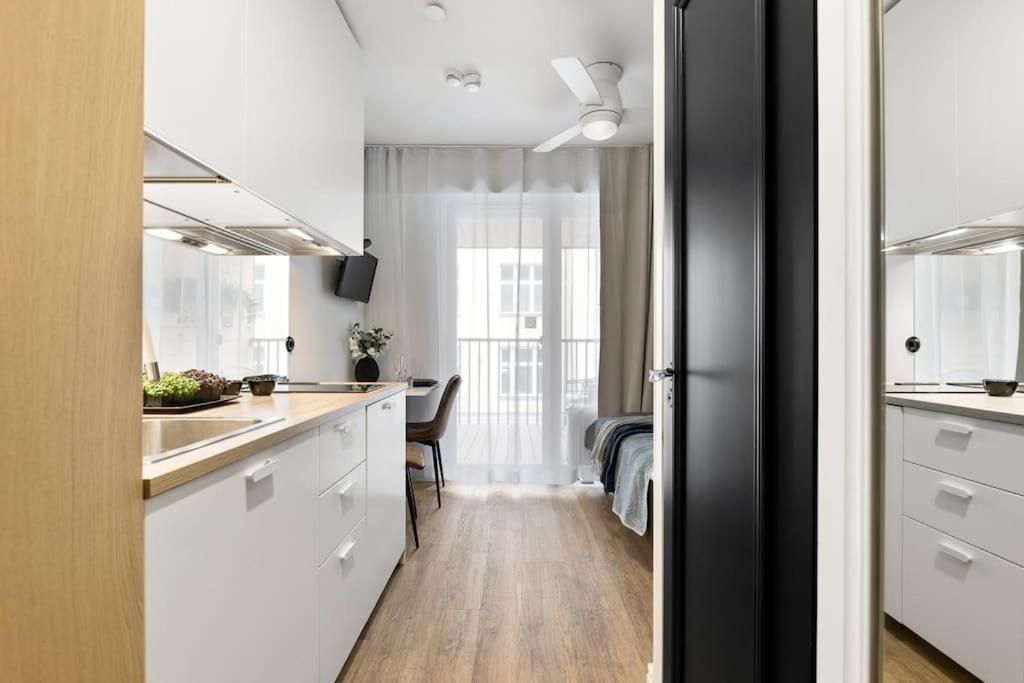

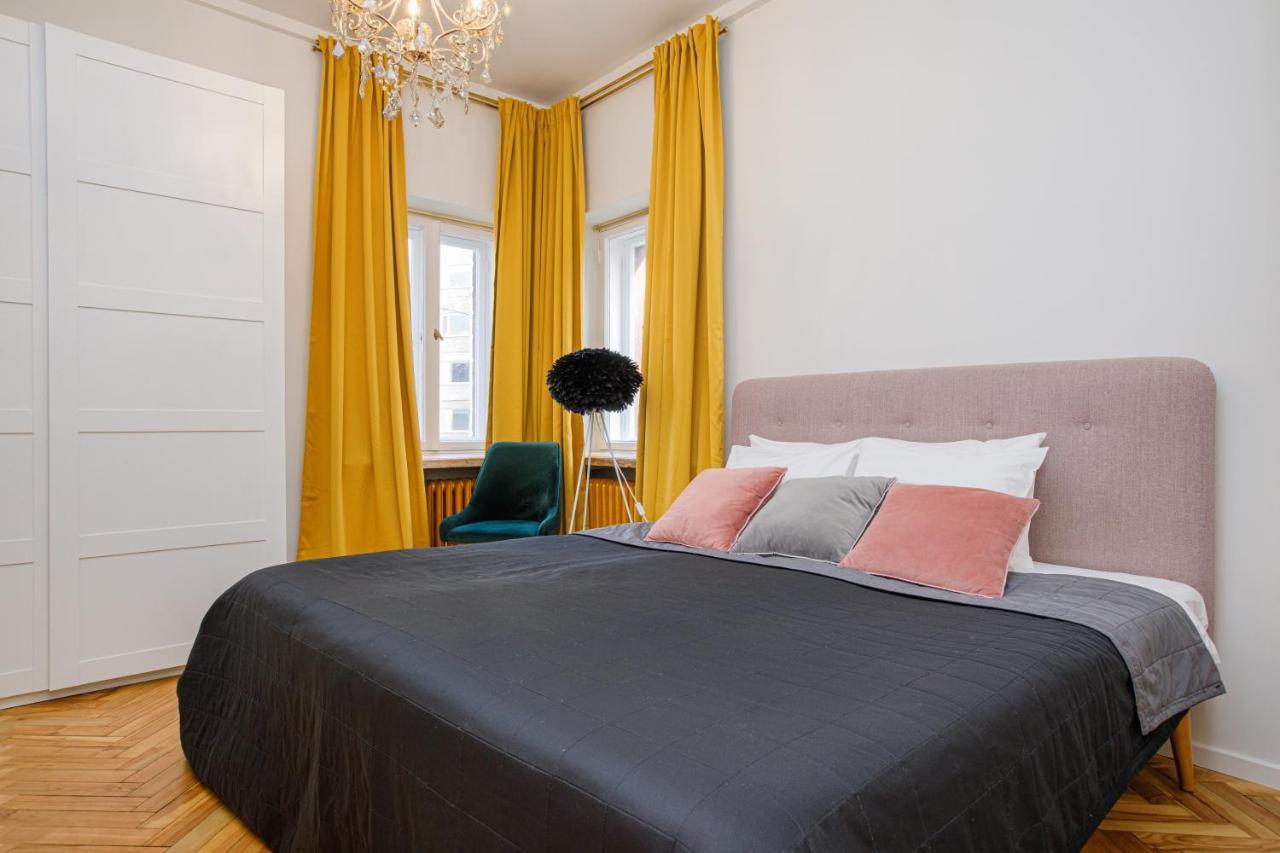
Tallinn
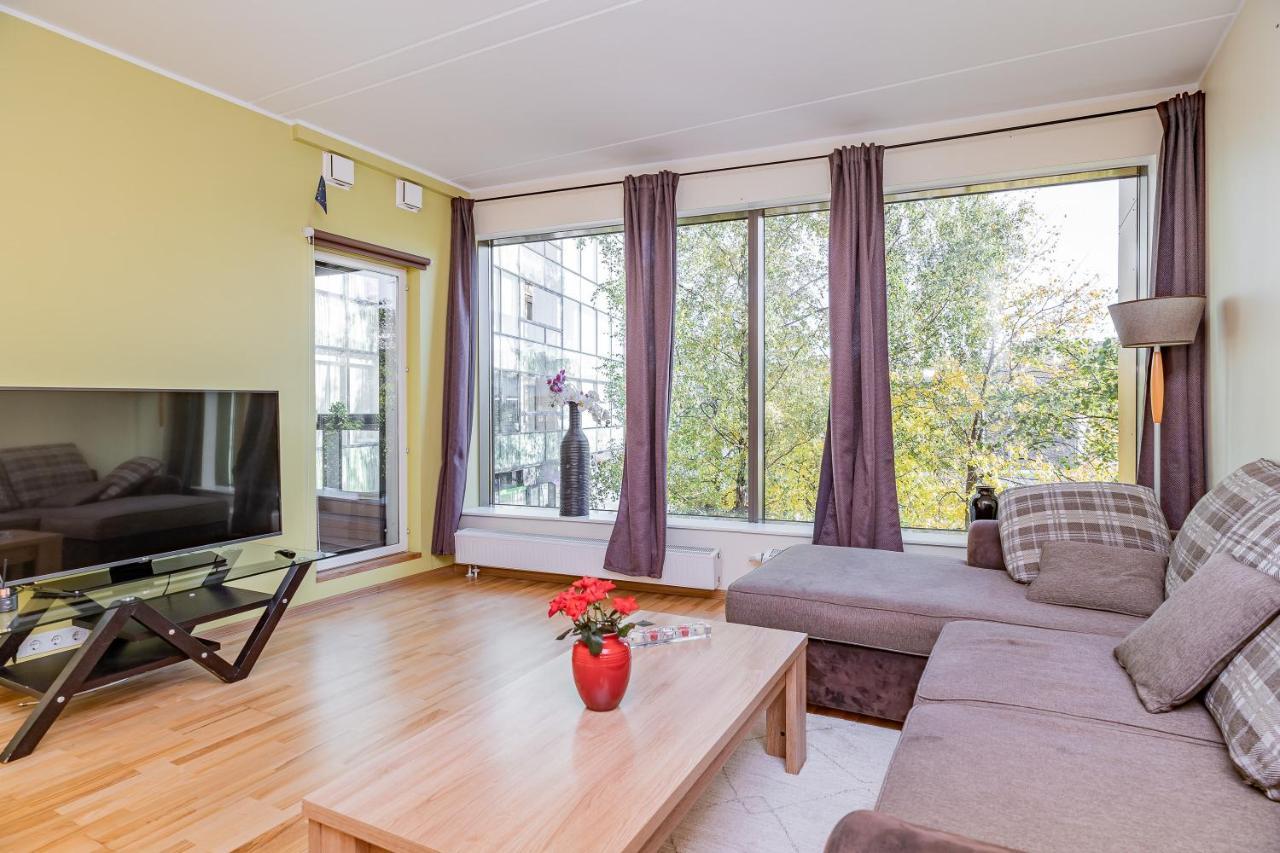
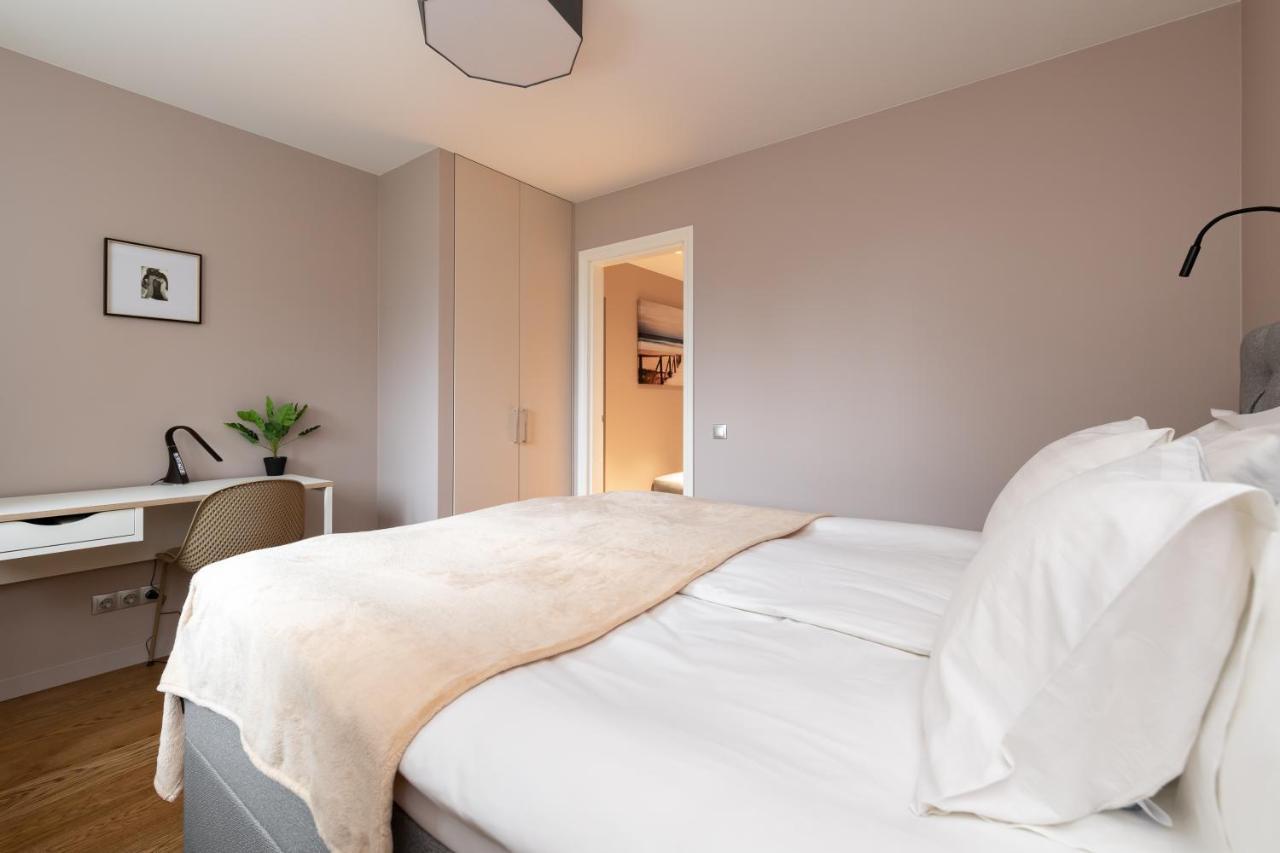
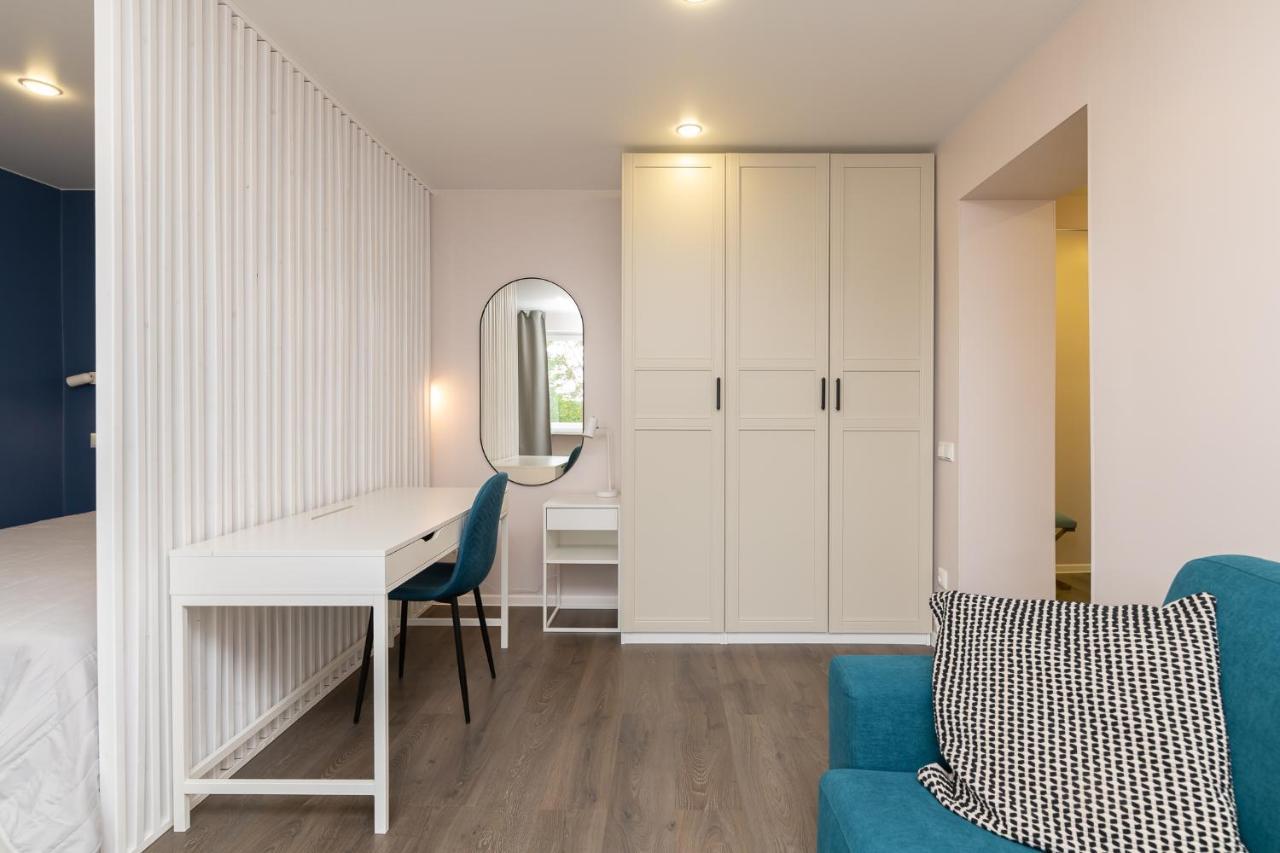
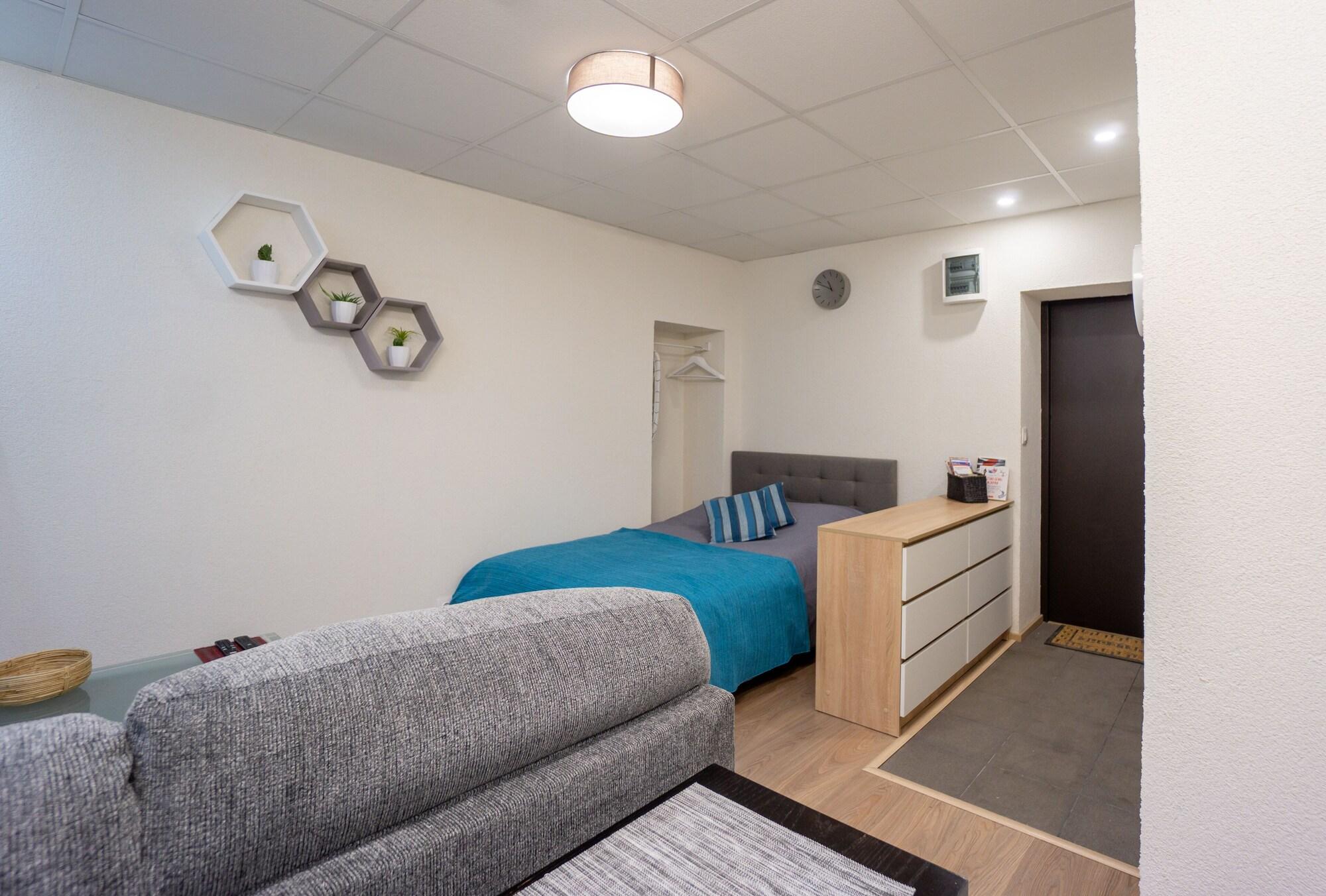
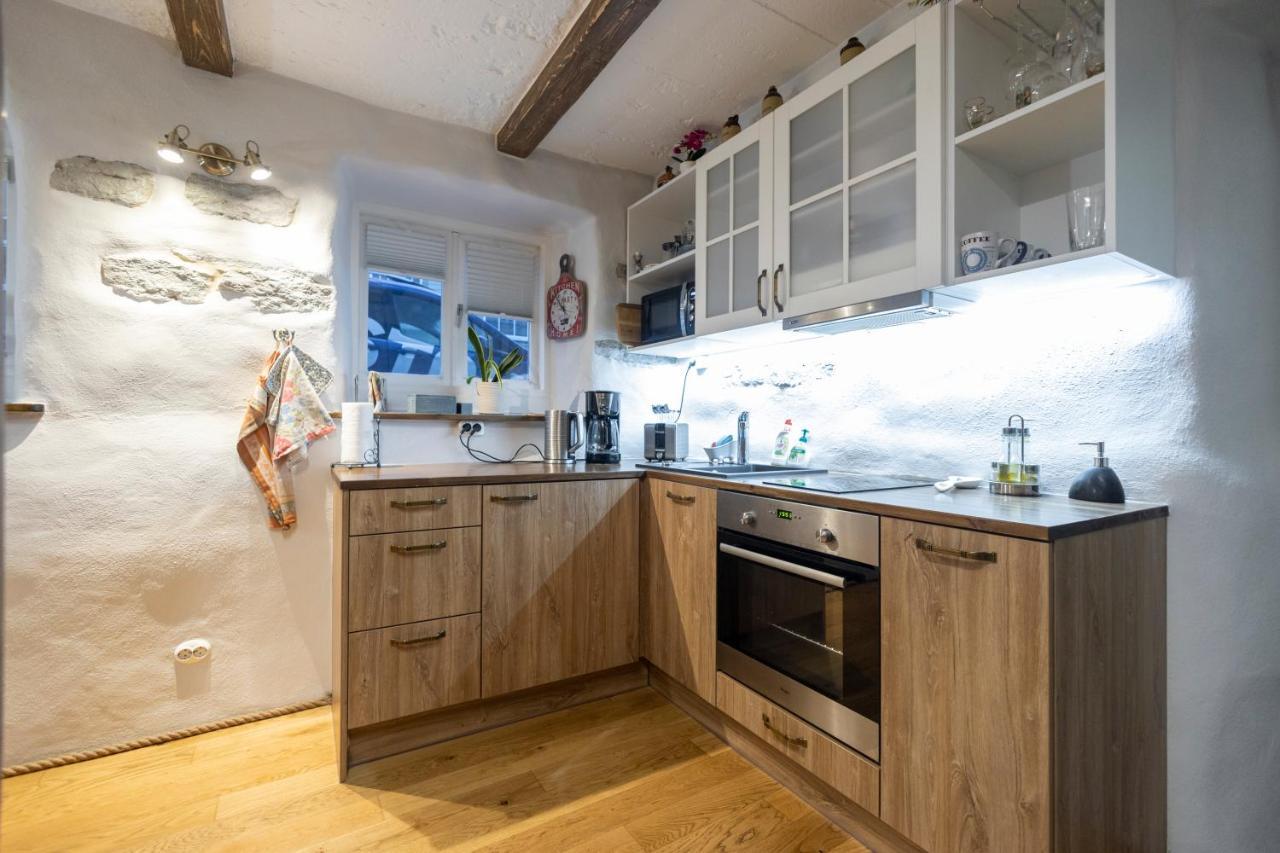
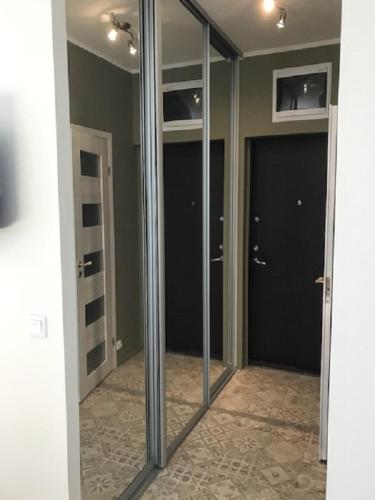
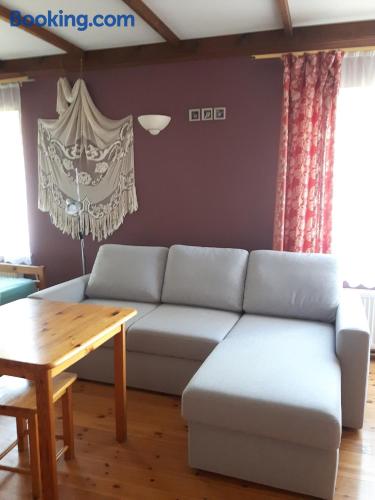
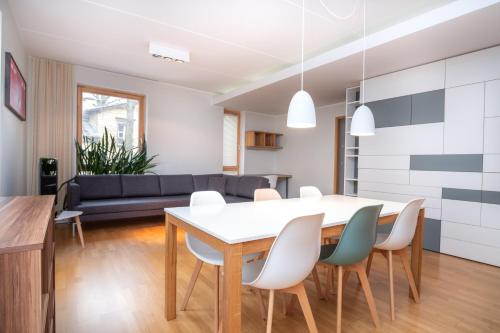
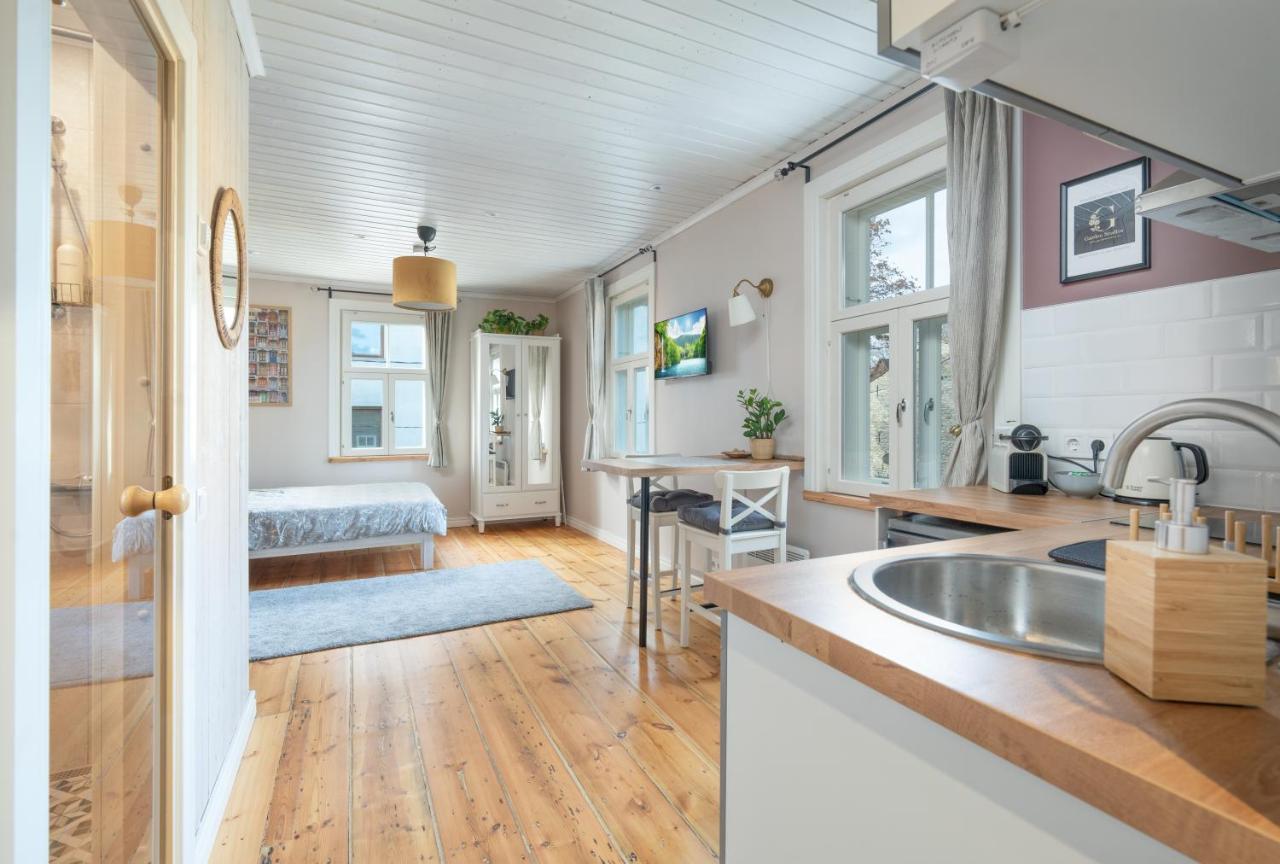
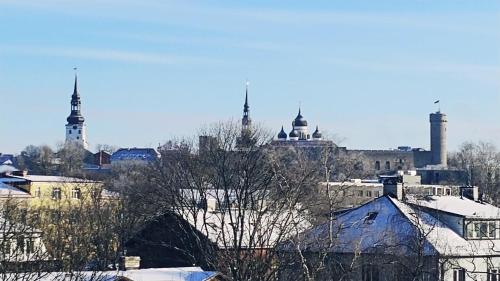
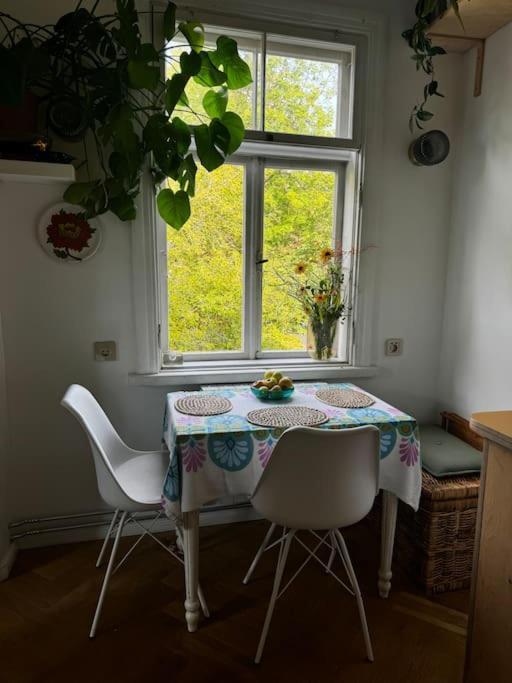
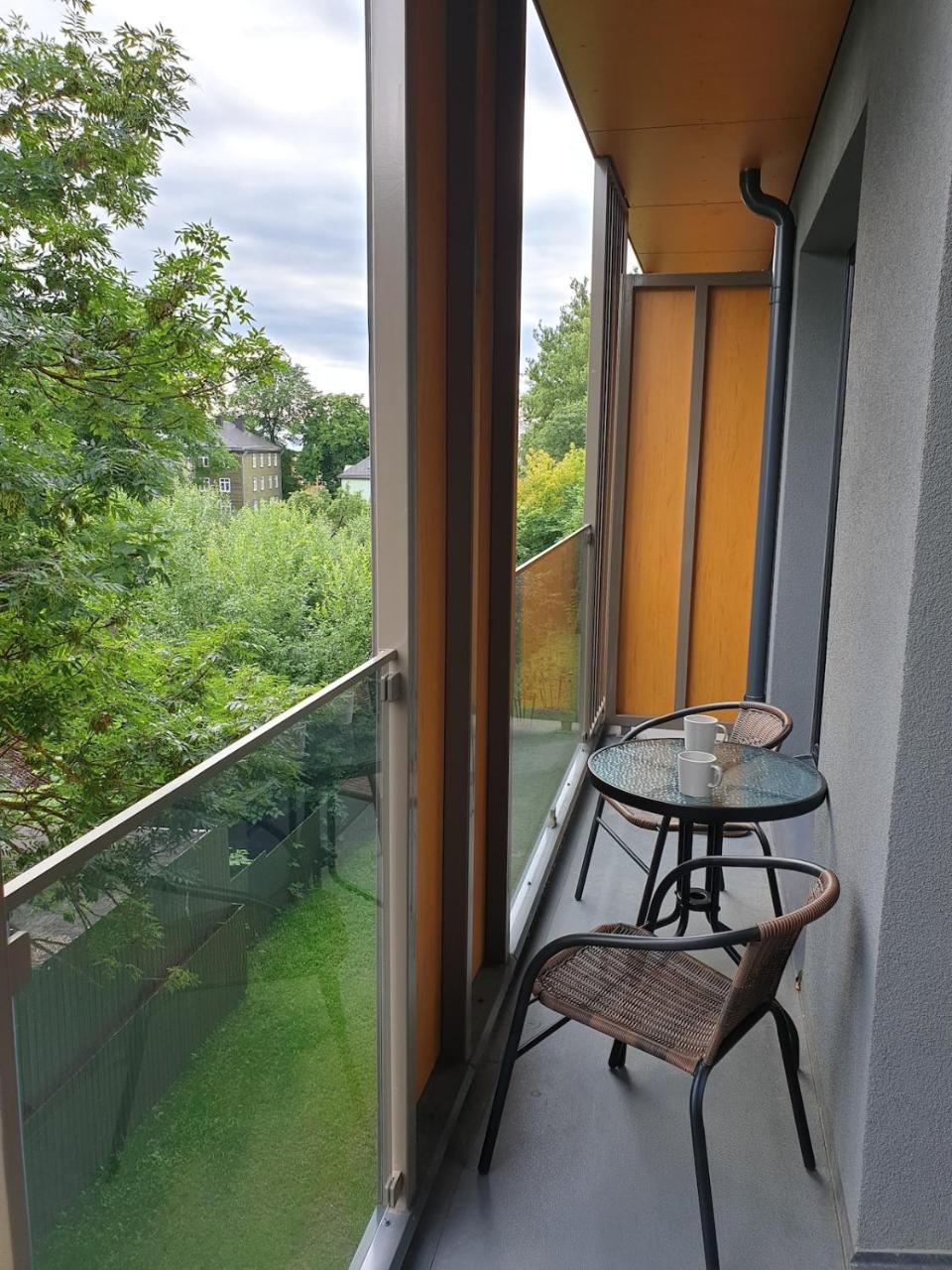
Cozy Stylish Studio Apartment with FREE Parking by Centralapartments
★★★ Tallinn
Live priceReserve
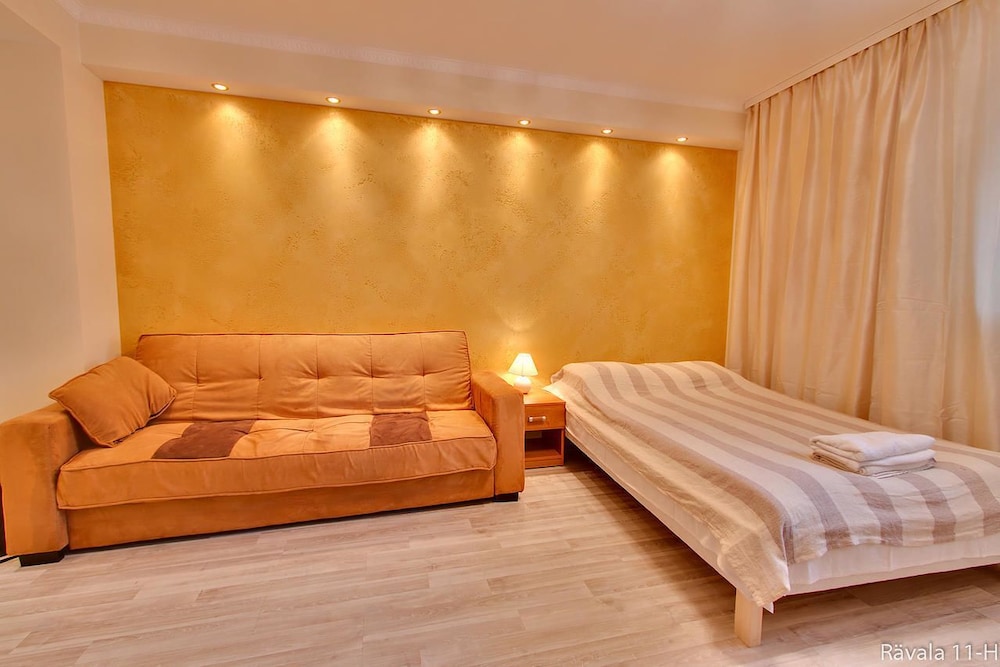
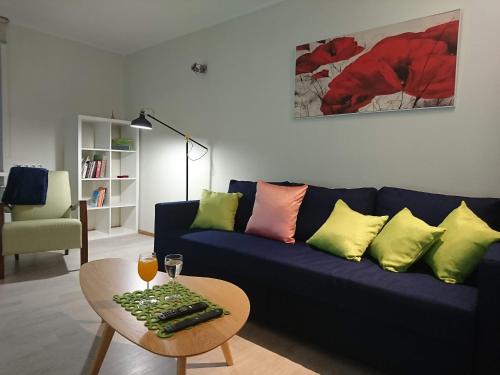

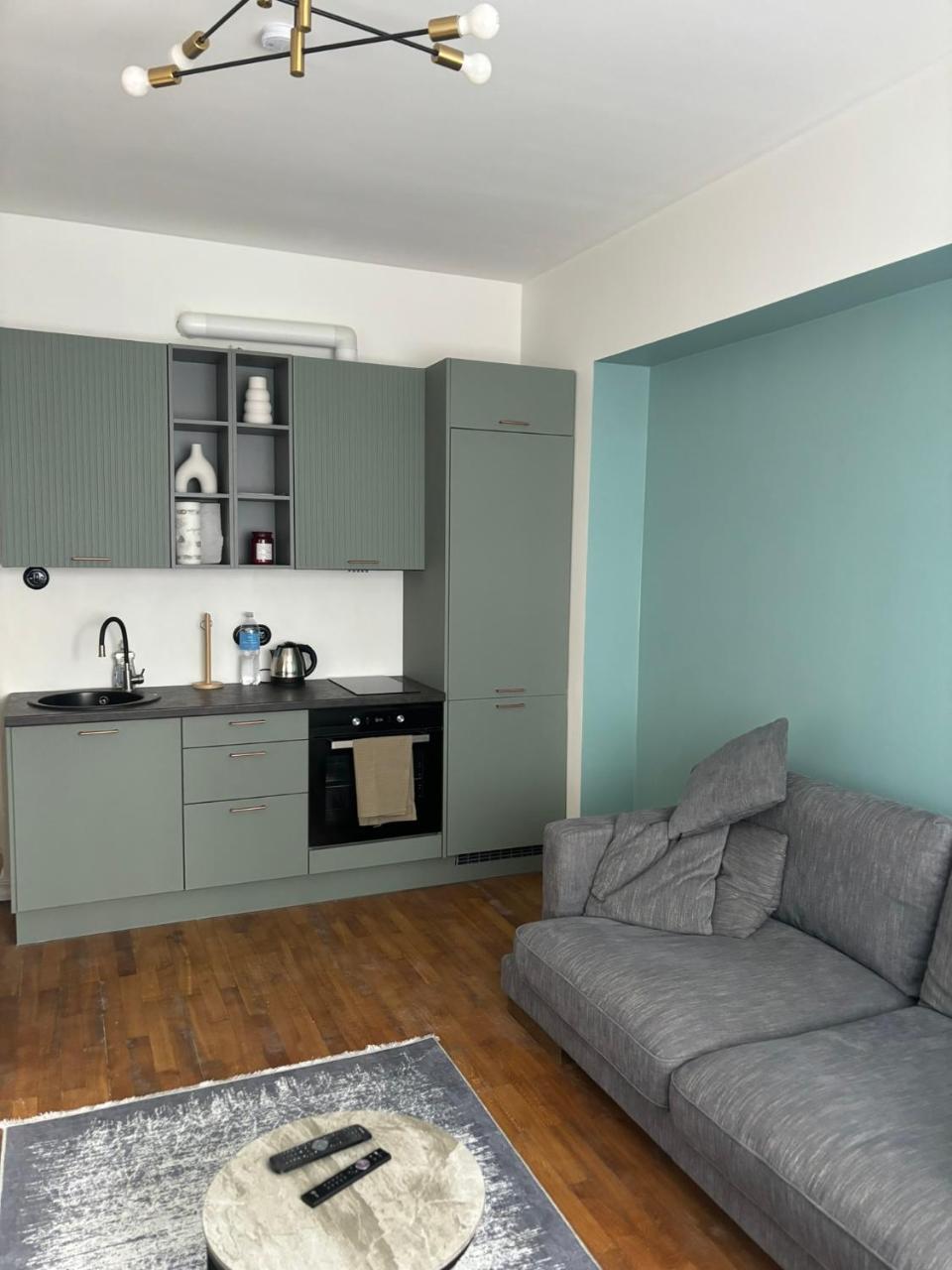
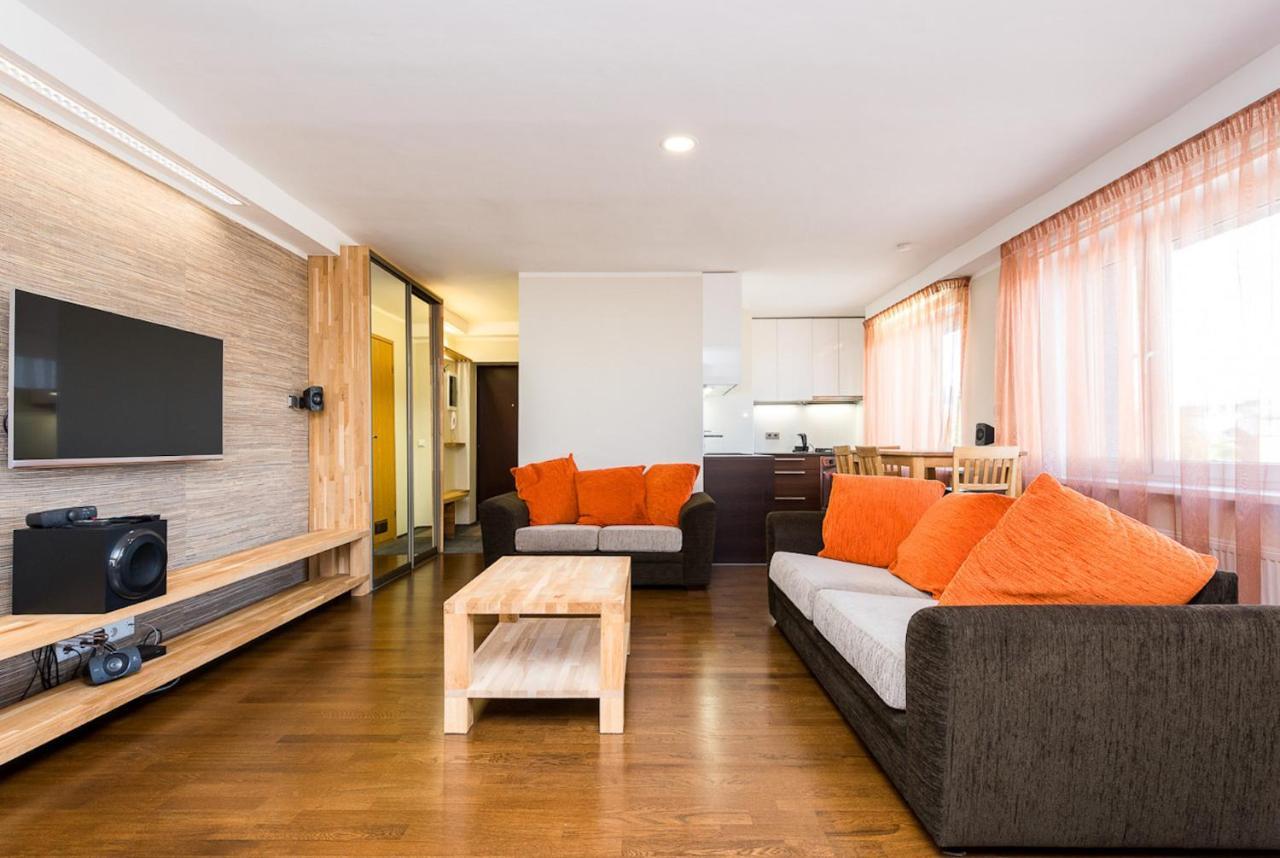
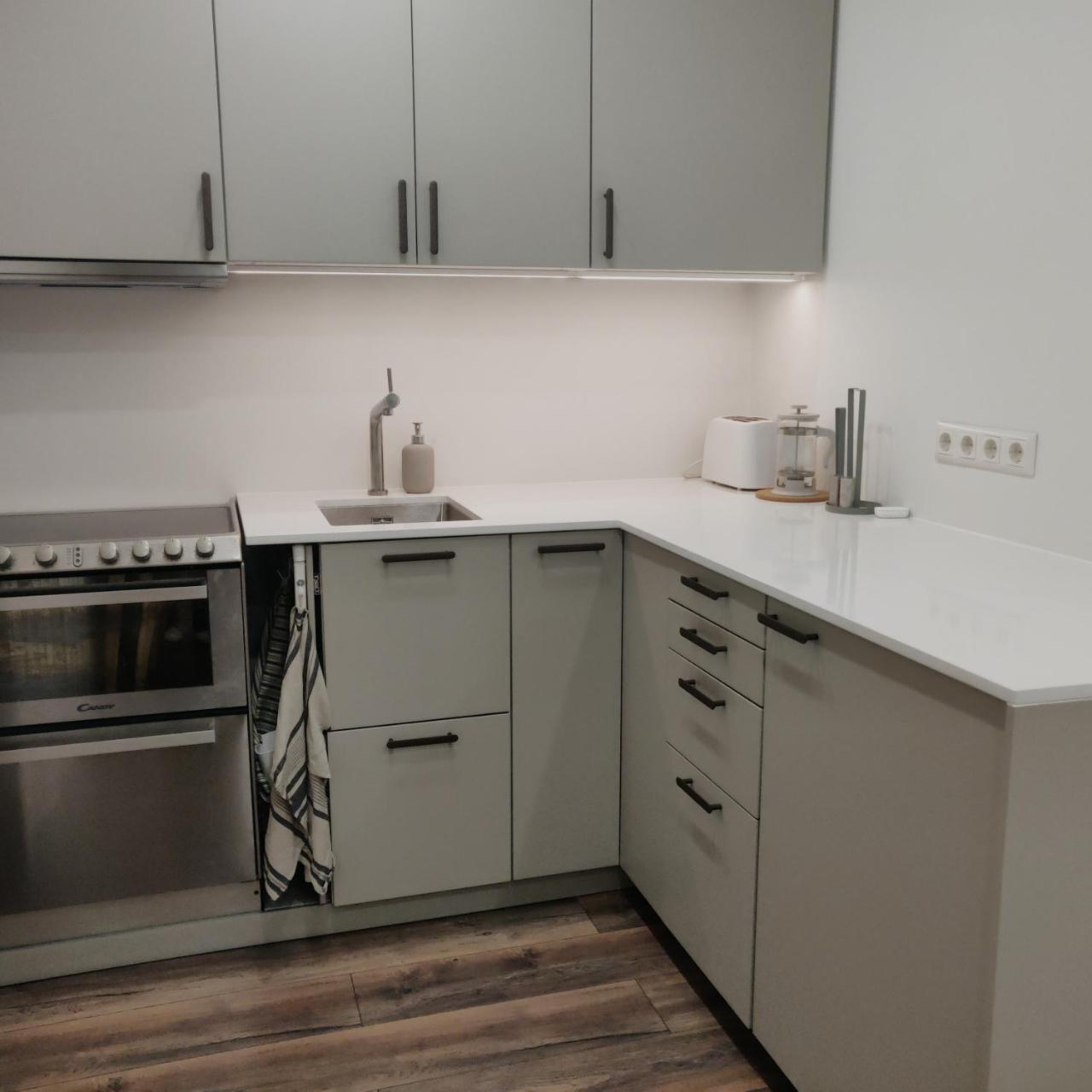
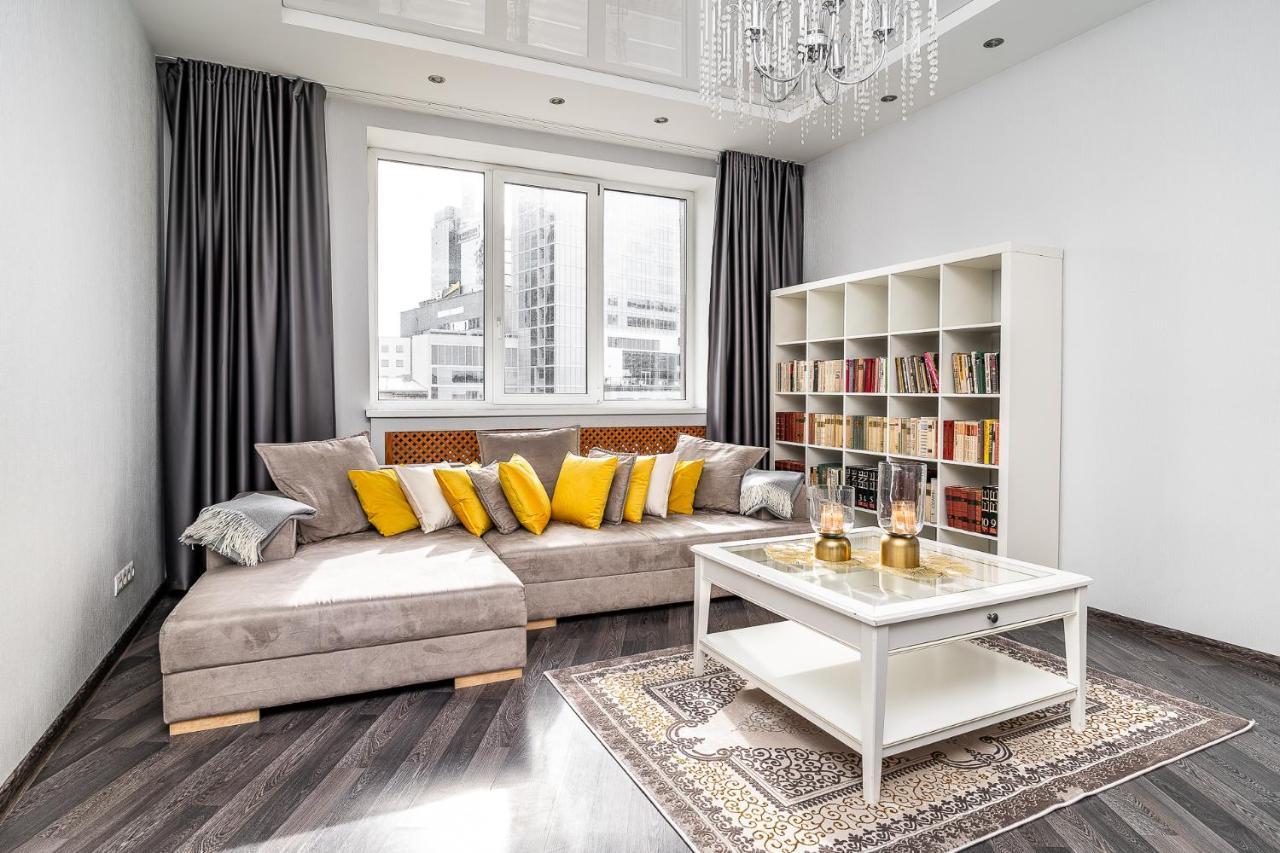
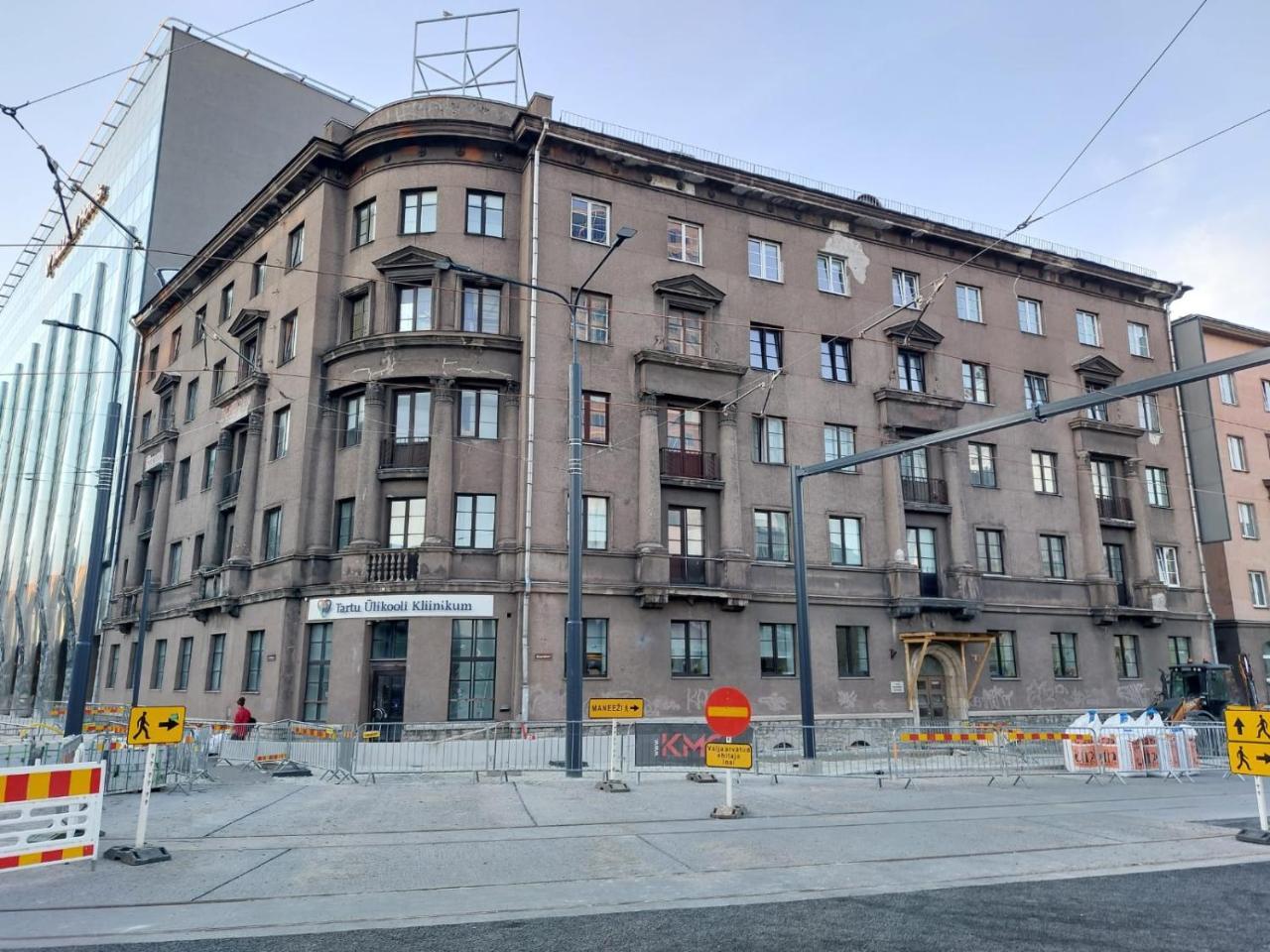
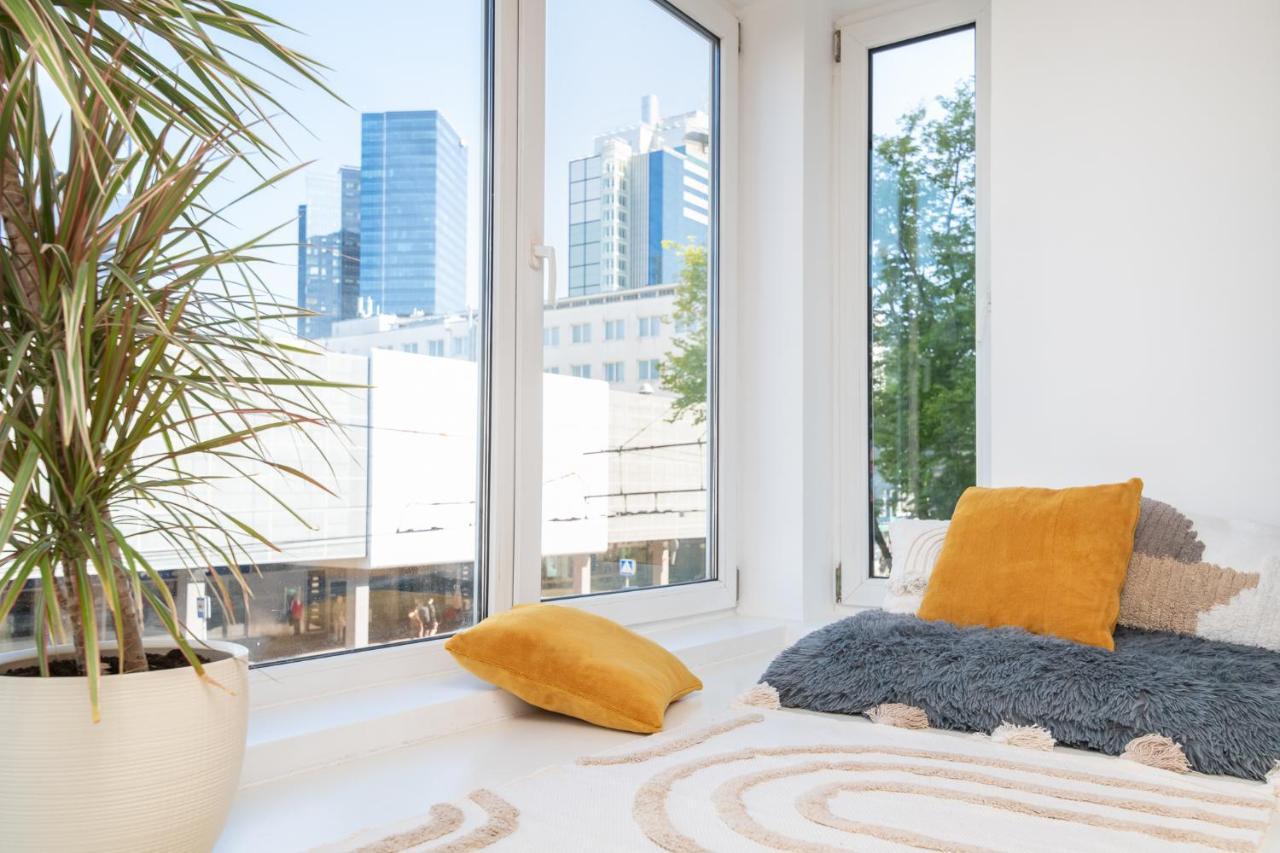
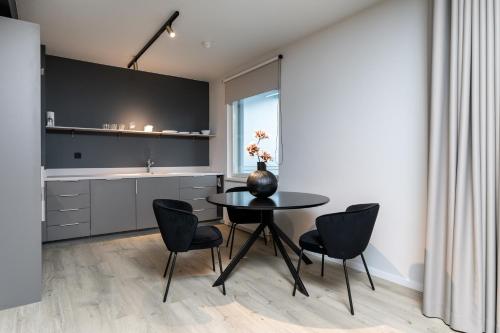
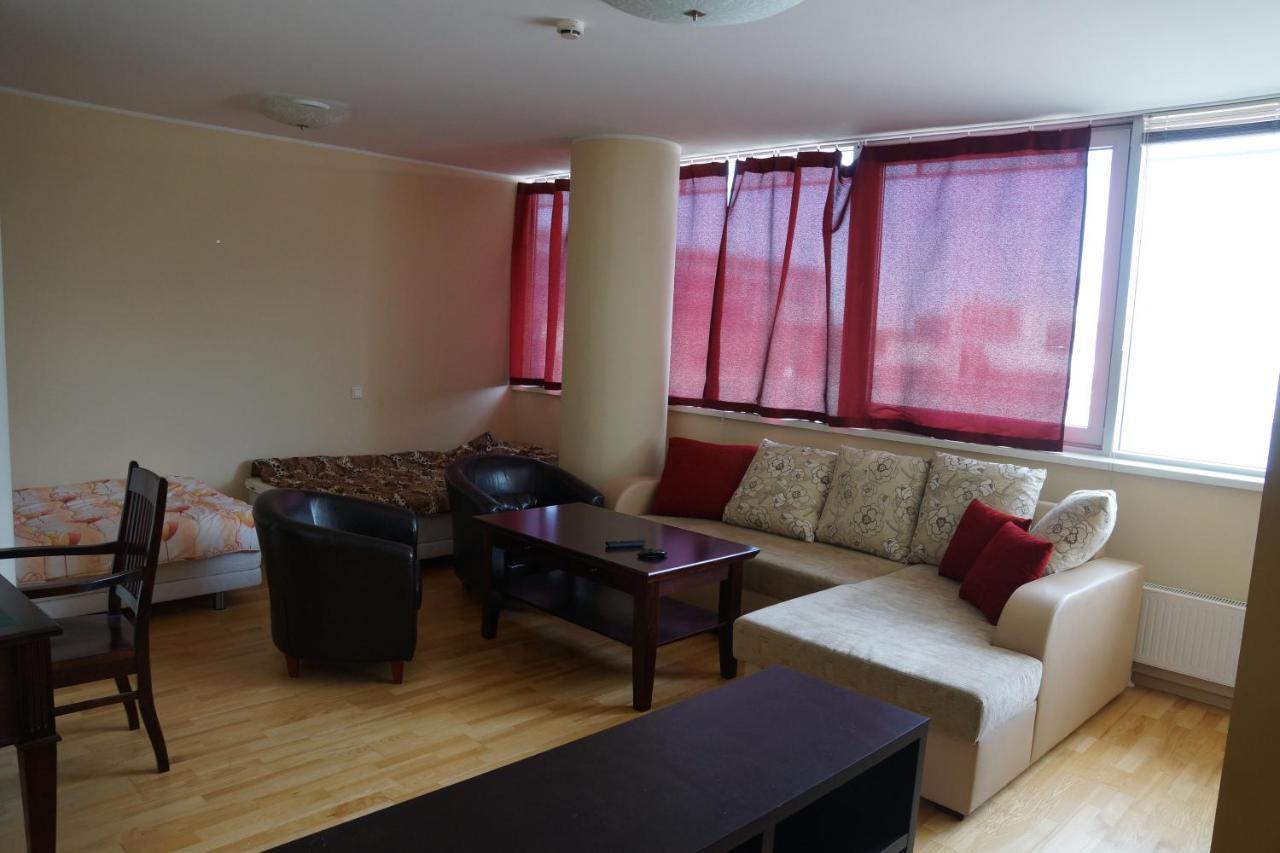
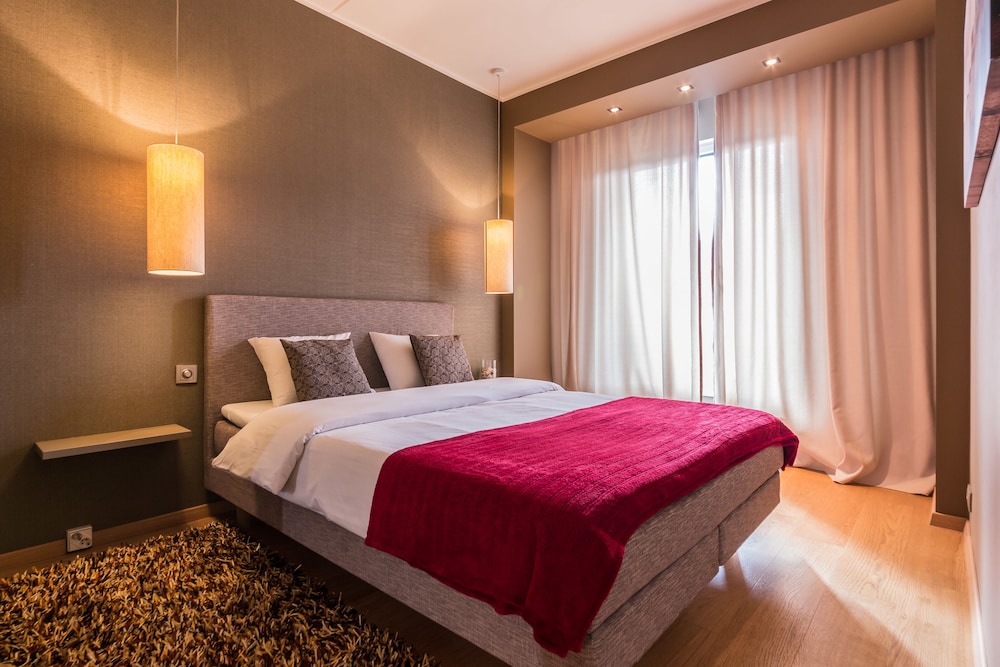
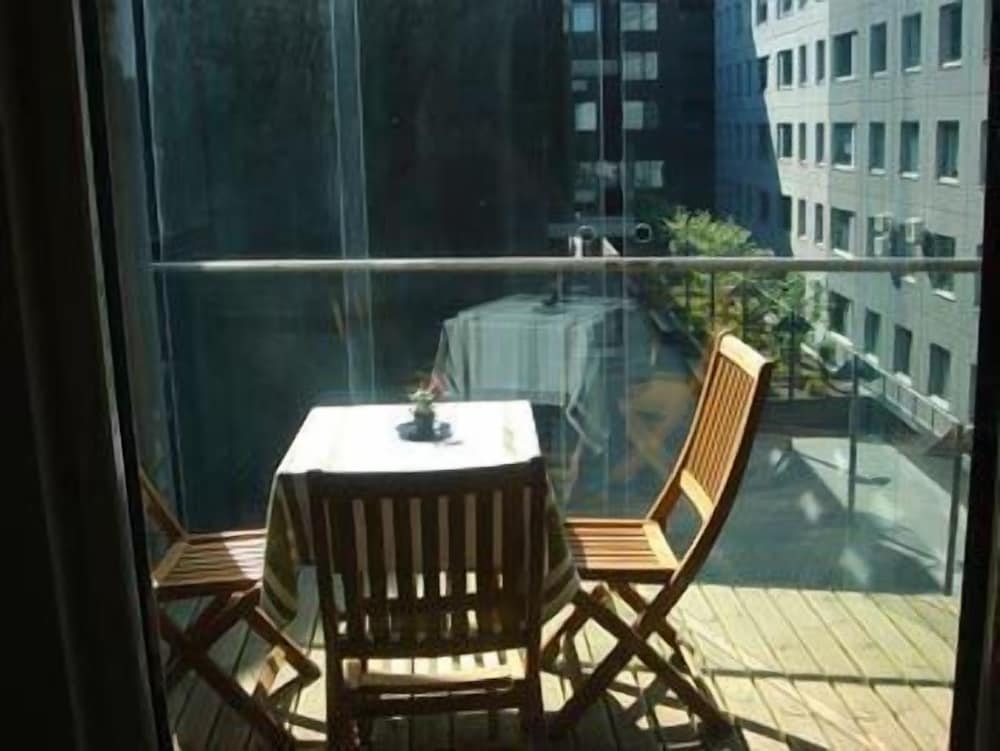
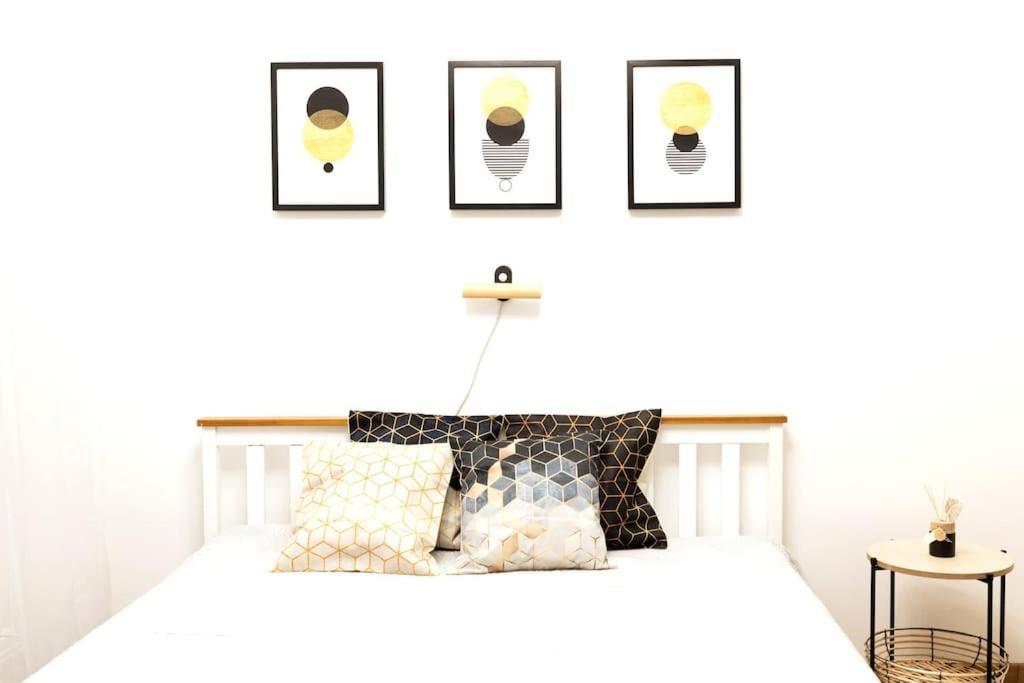

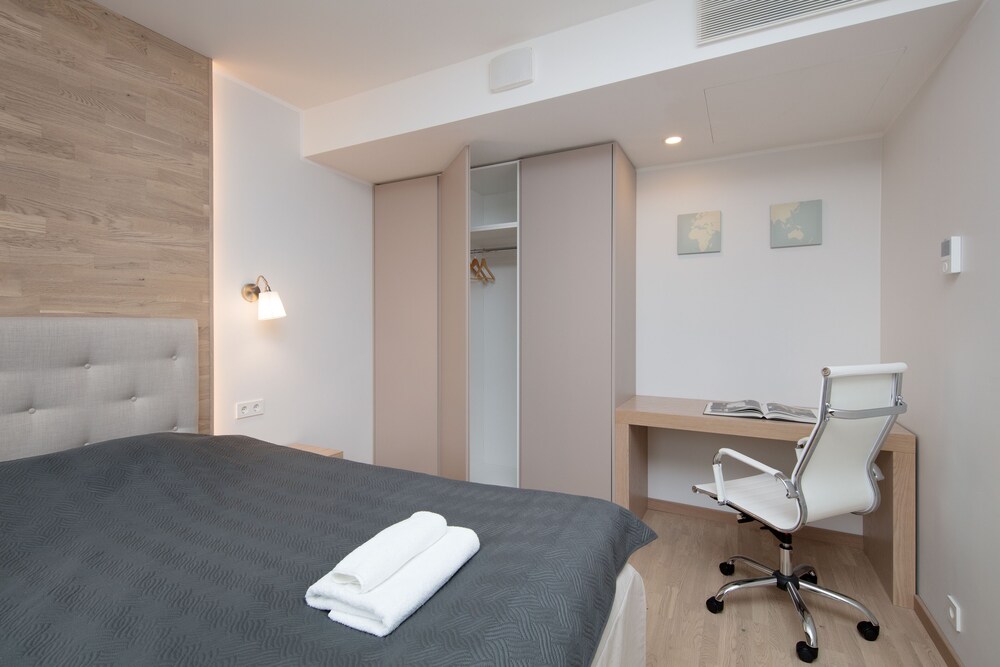
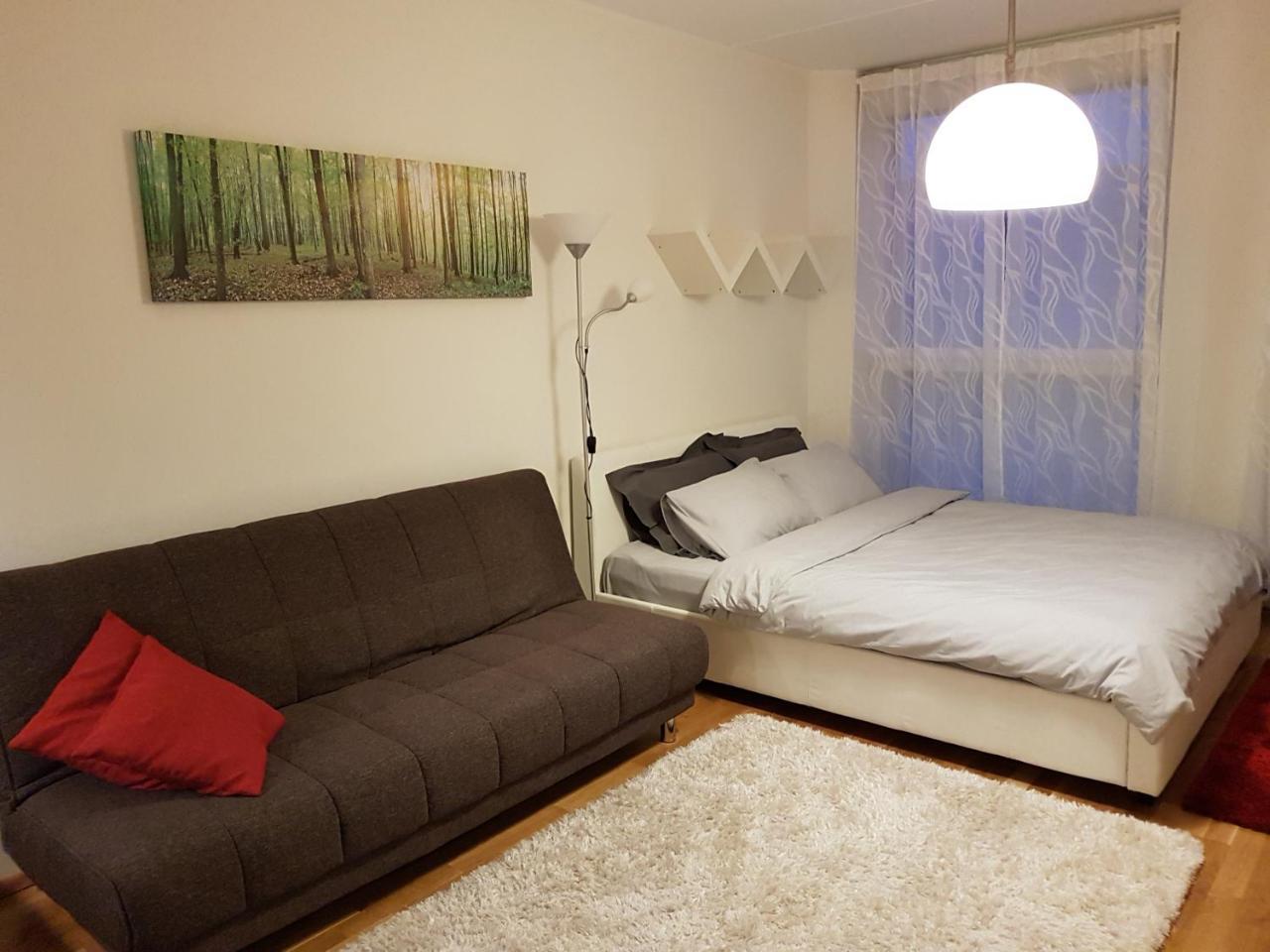
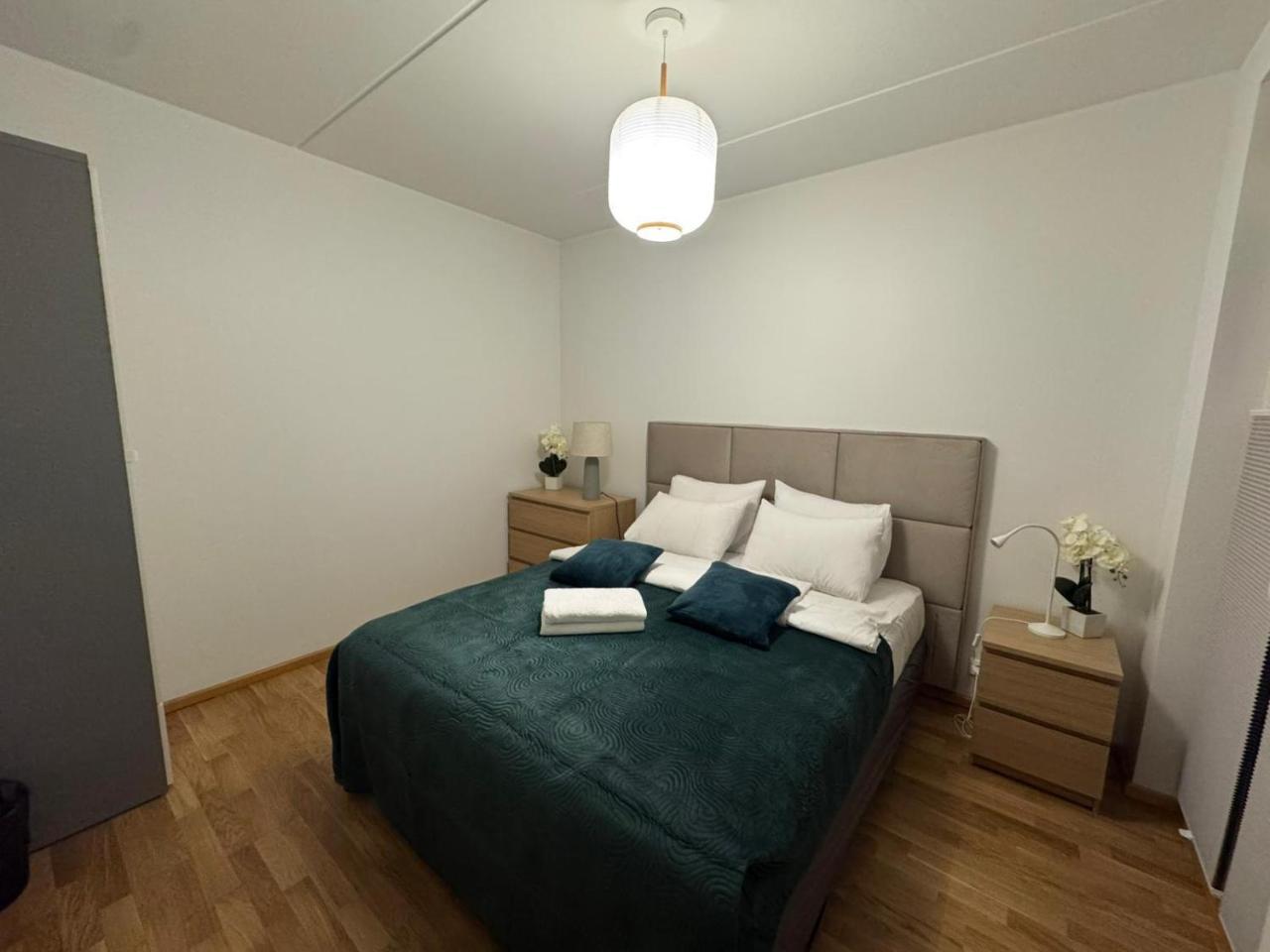
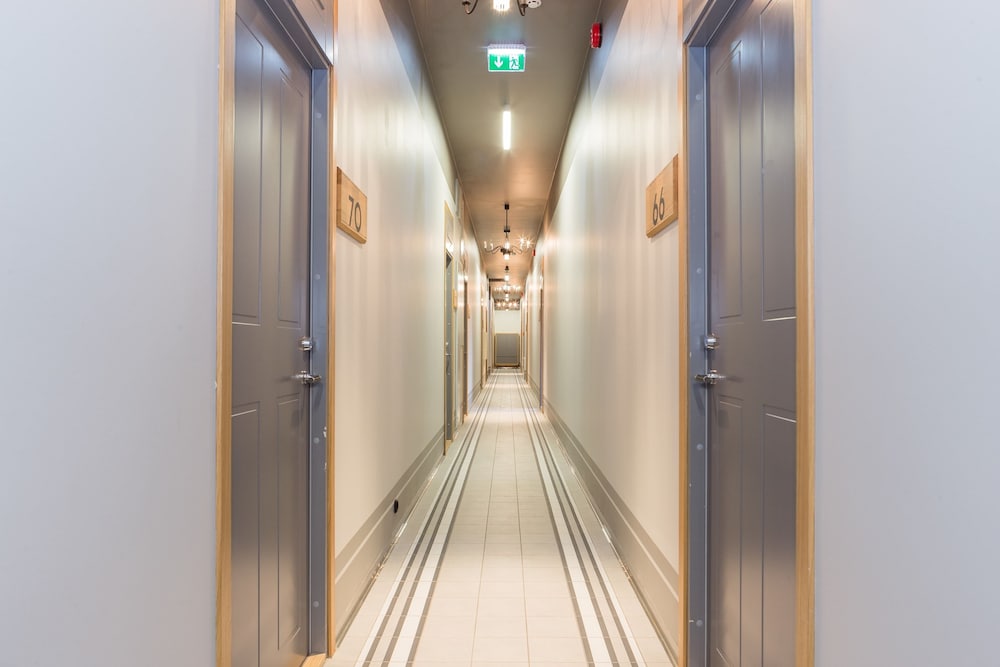
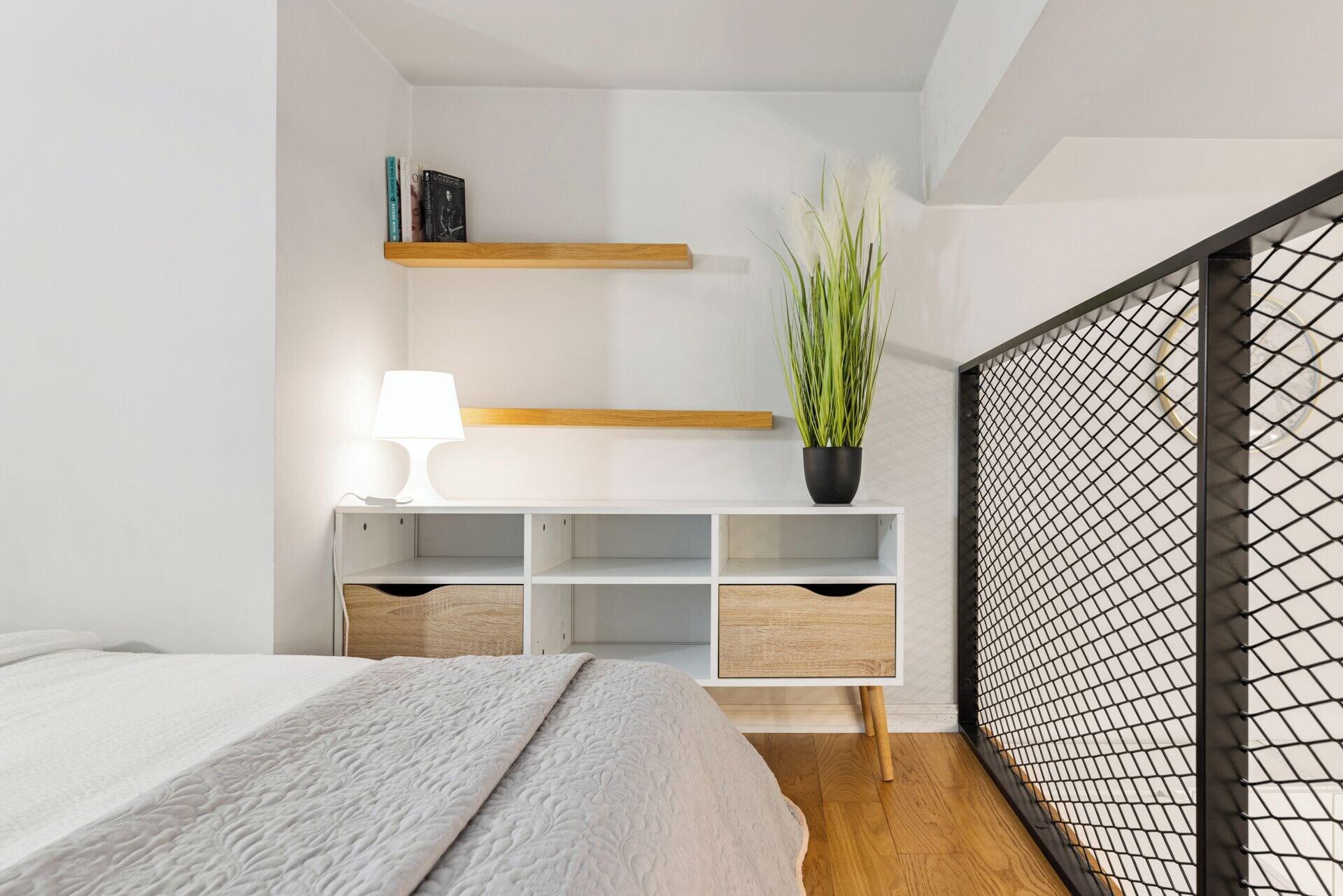
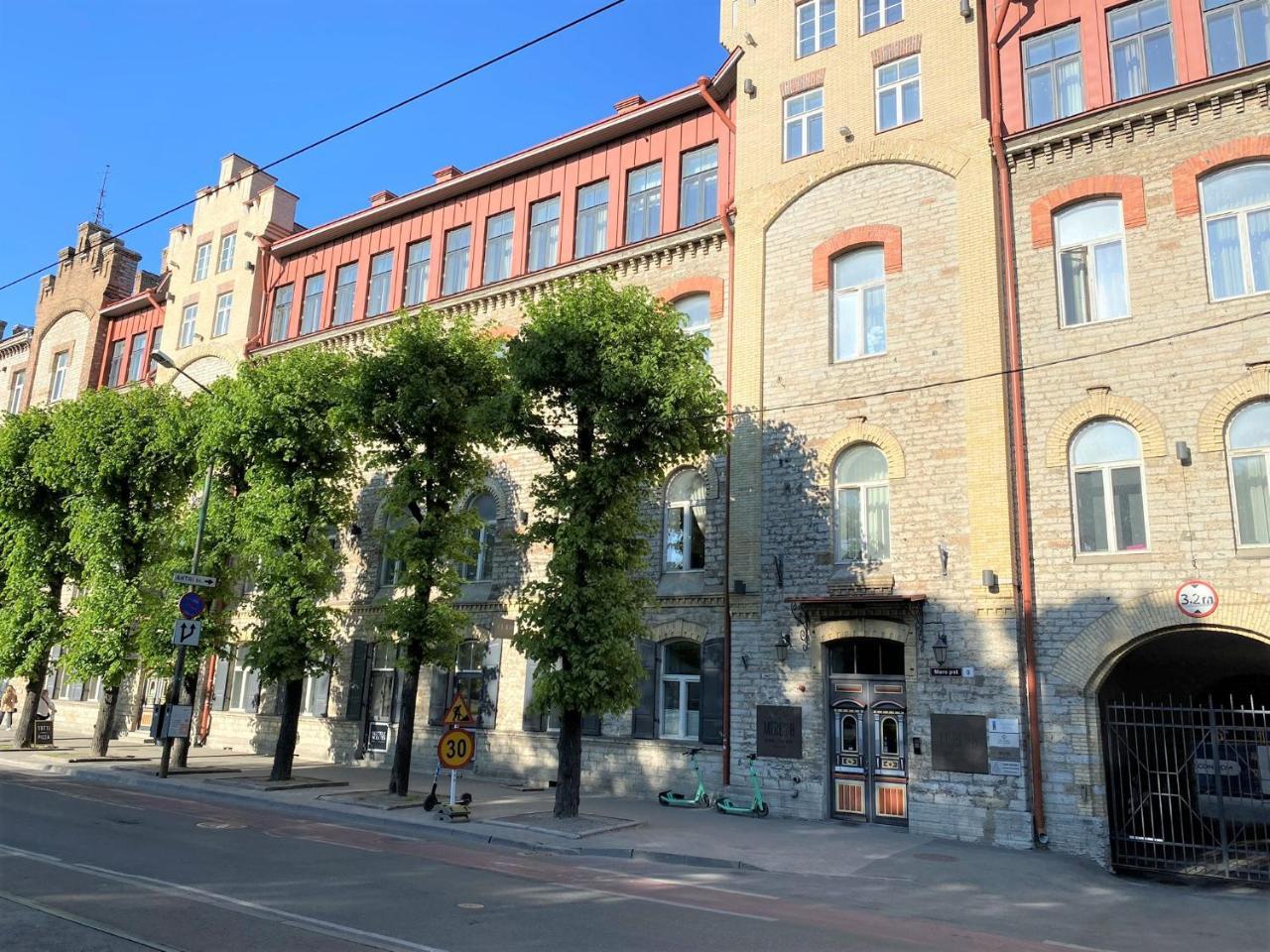
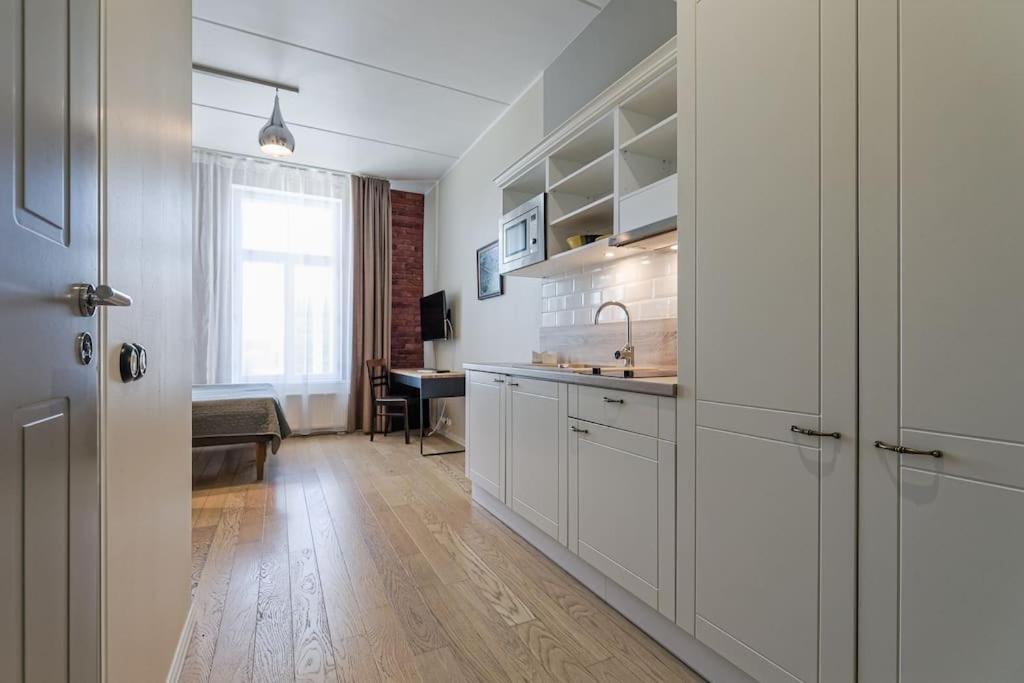
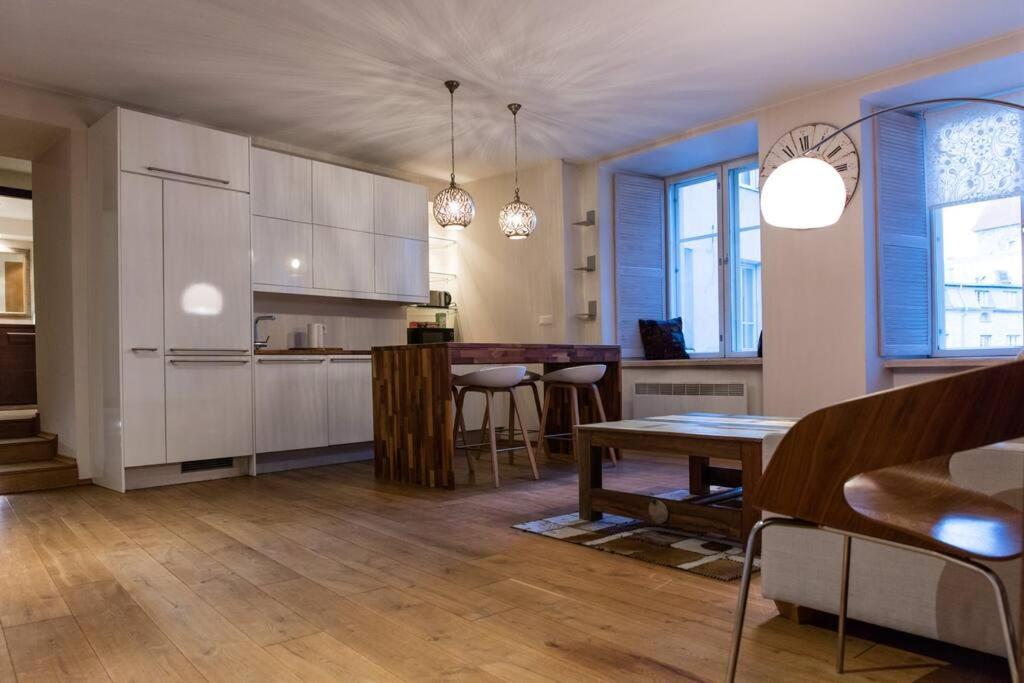
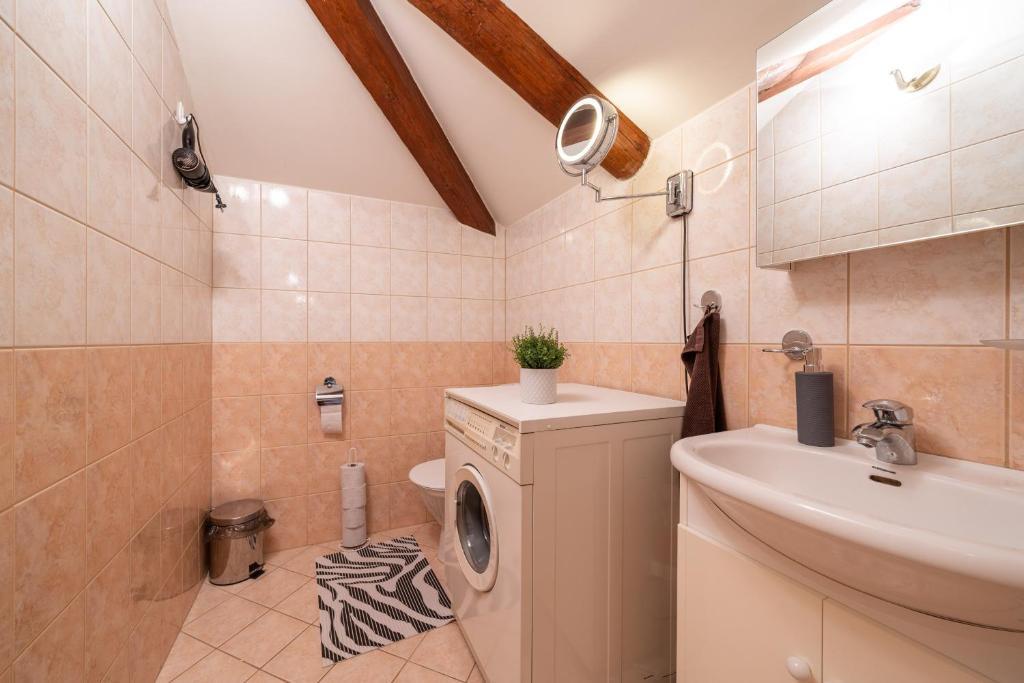
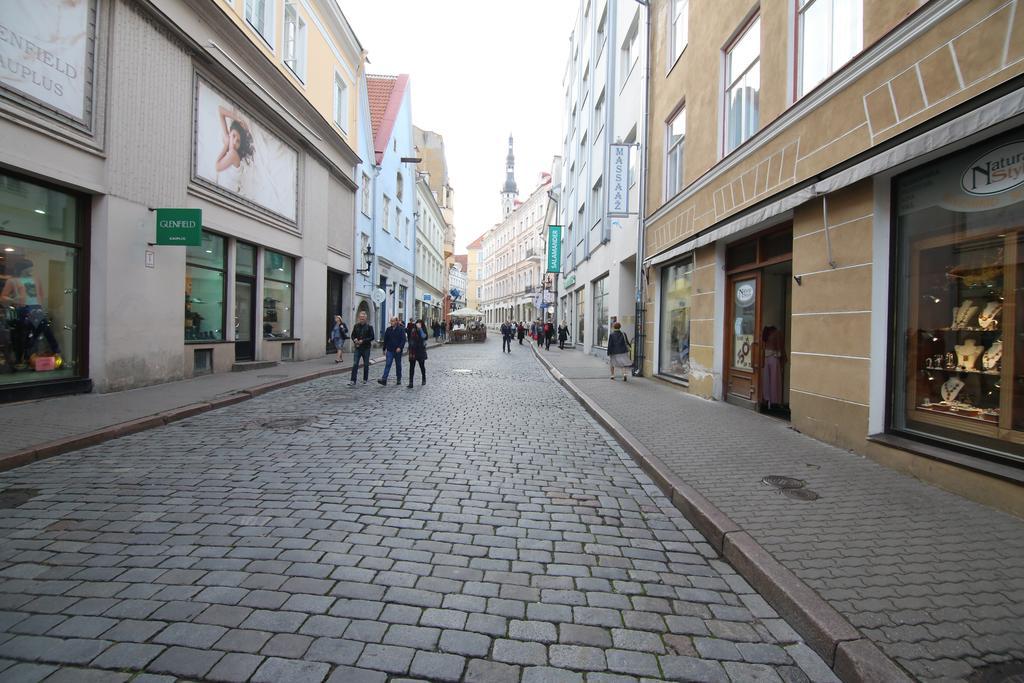
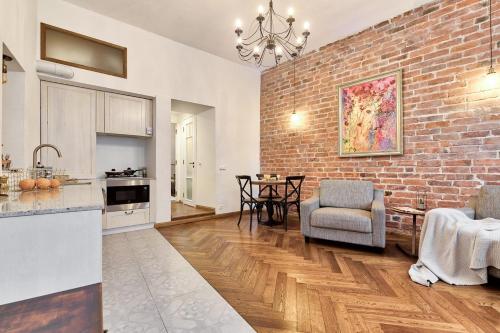
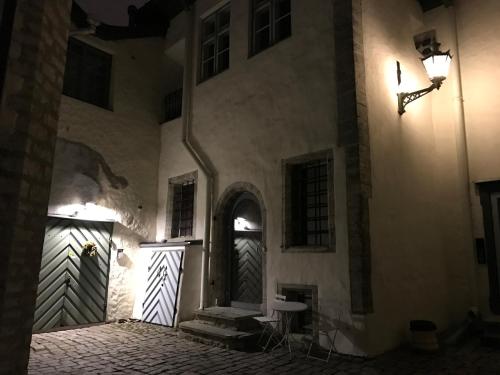
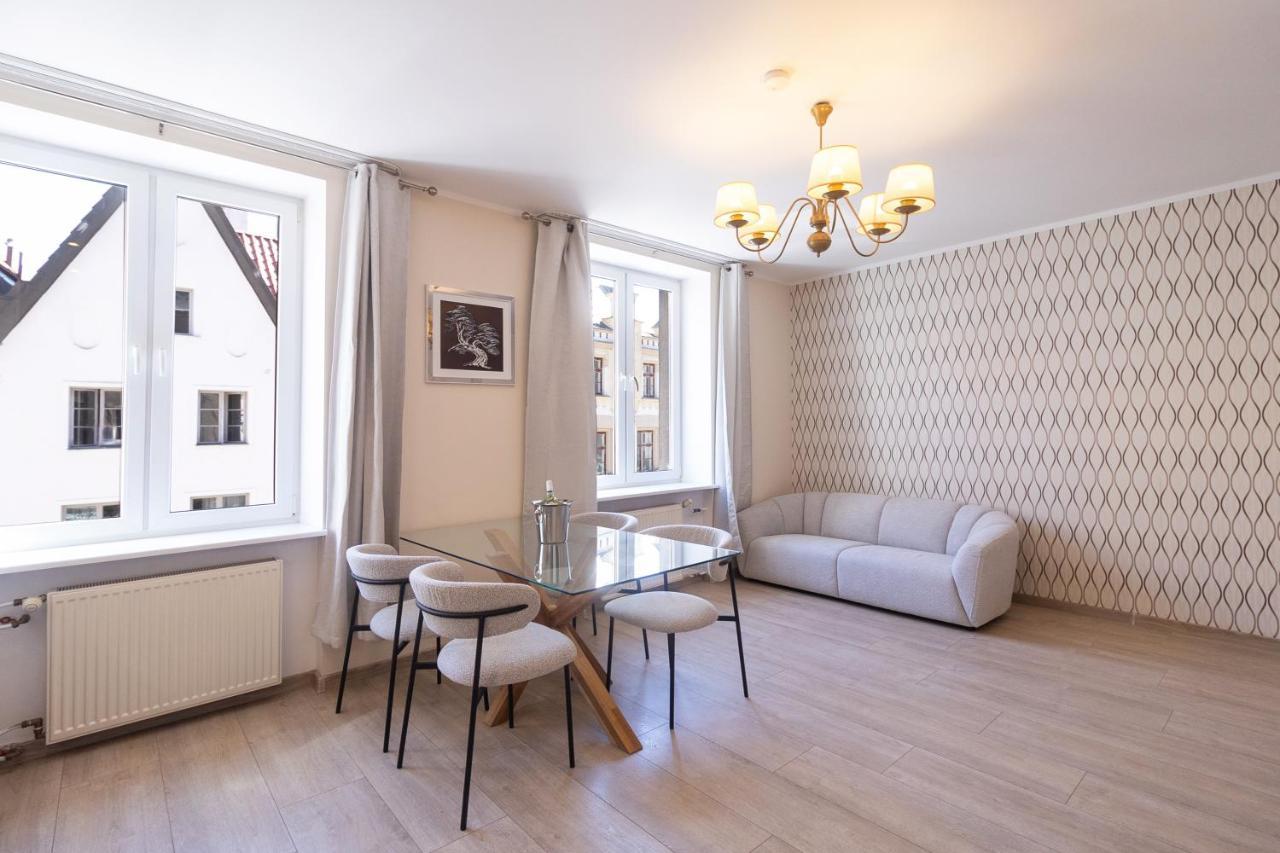
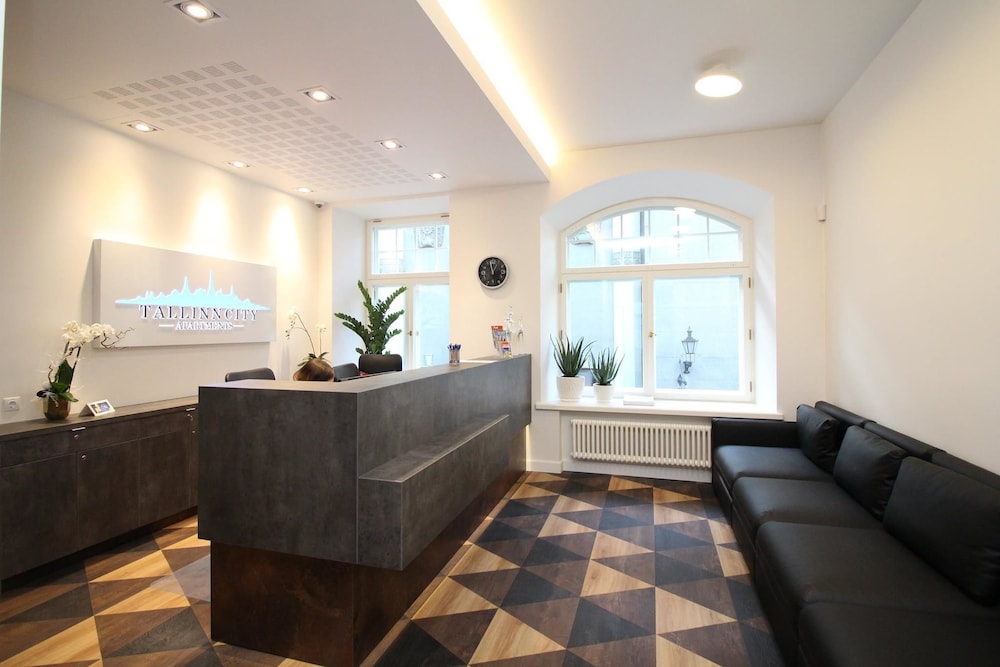
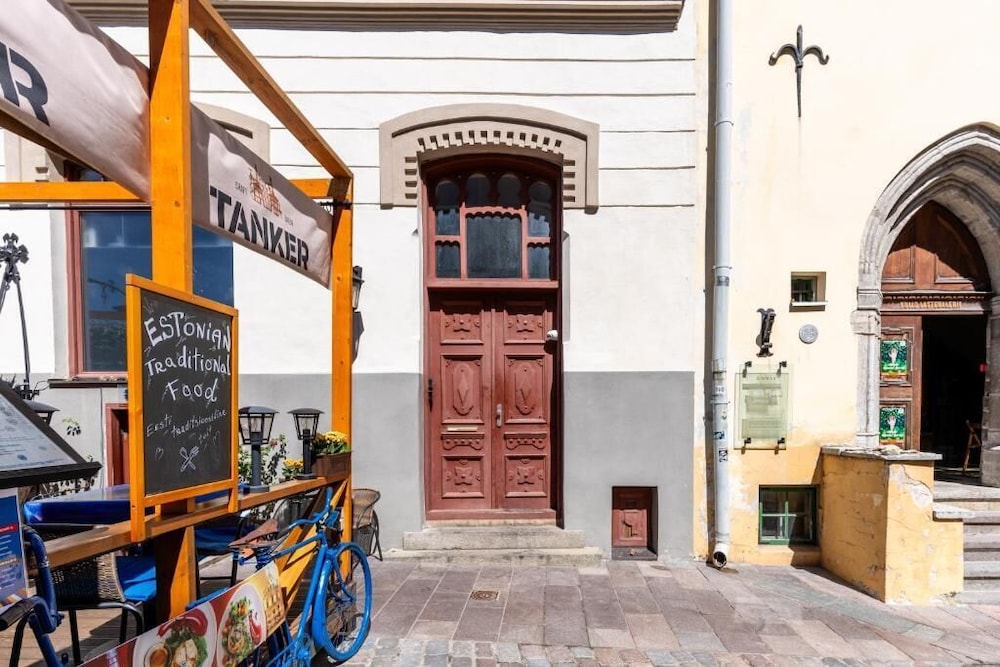
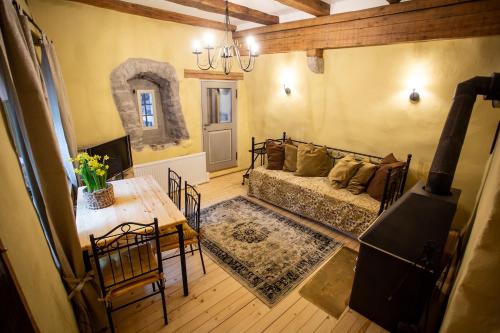
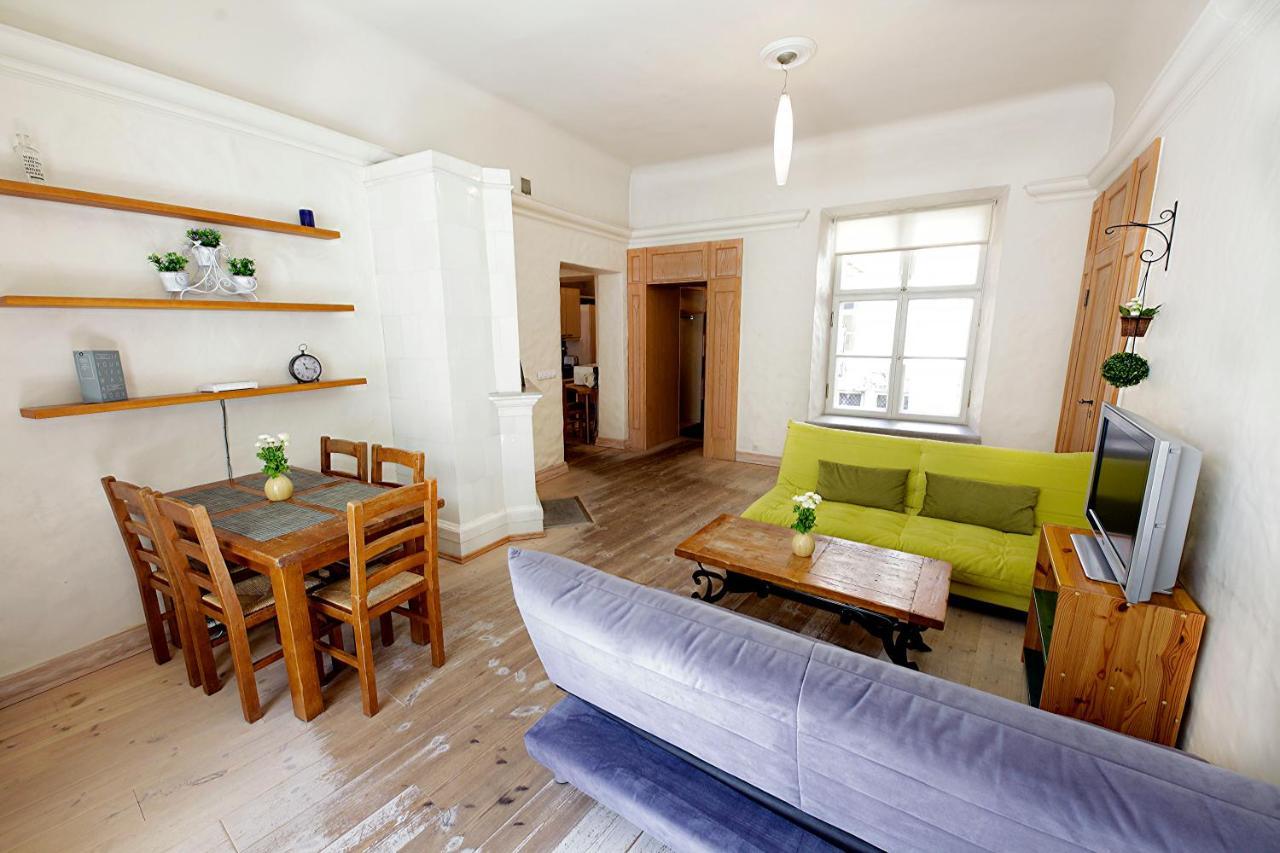
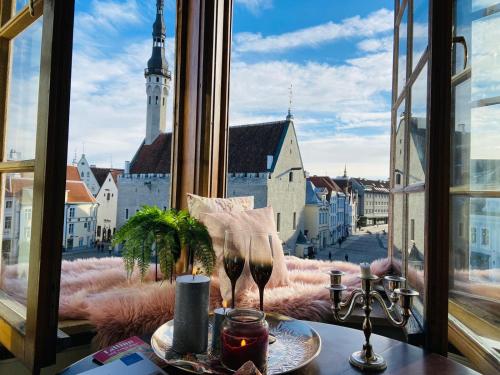
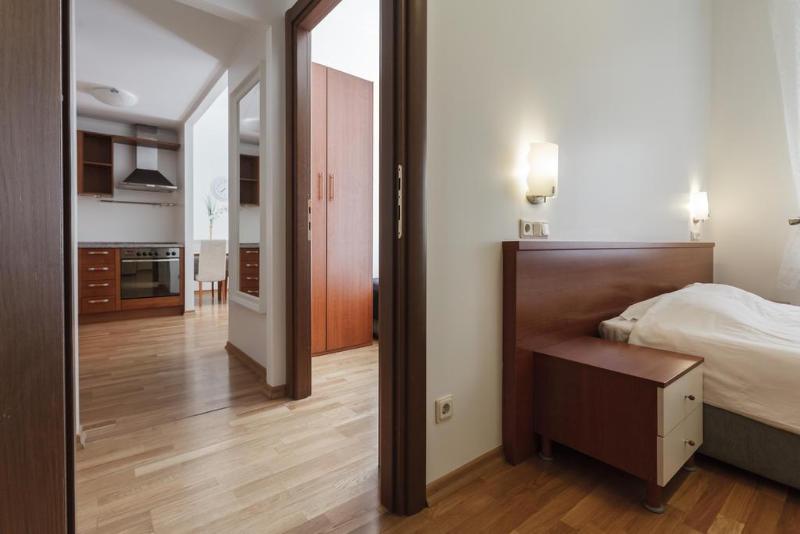
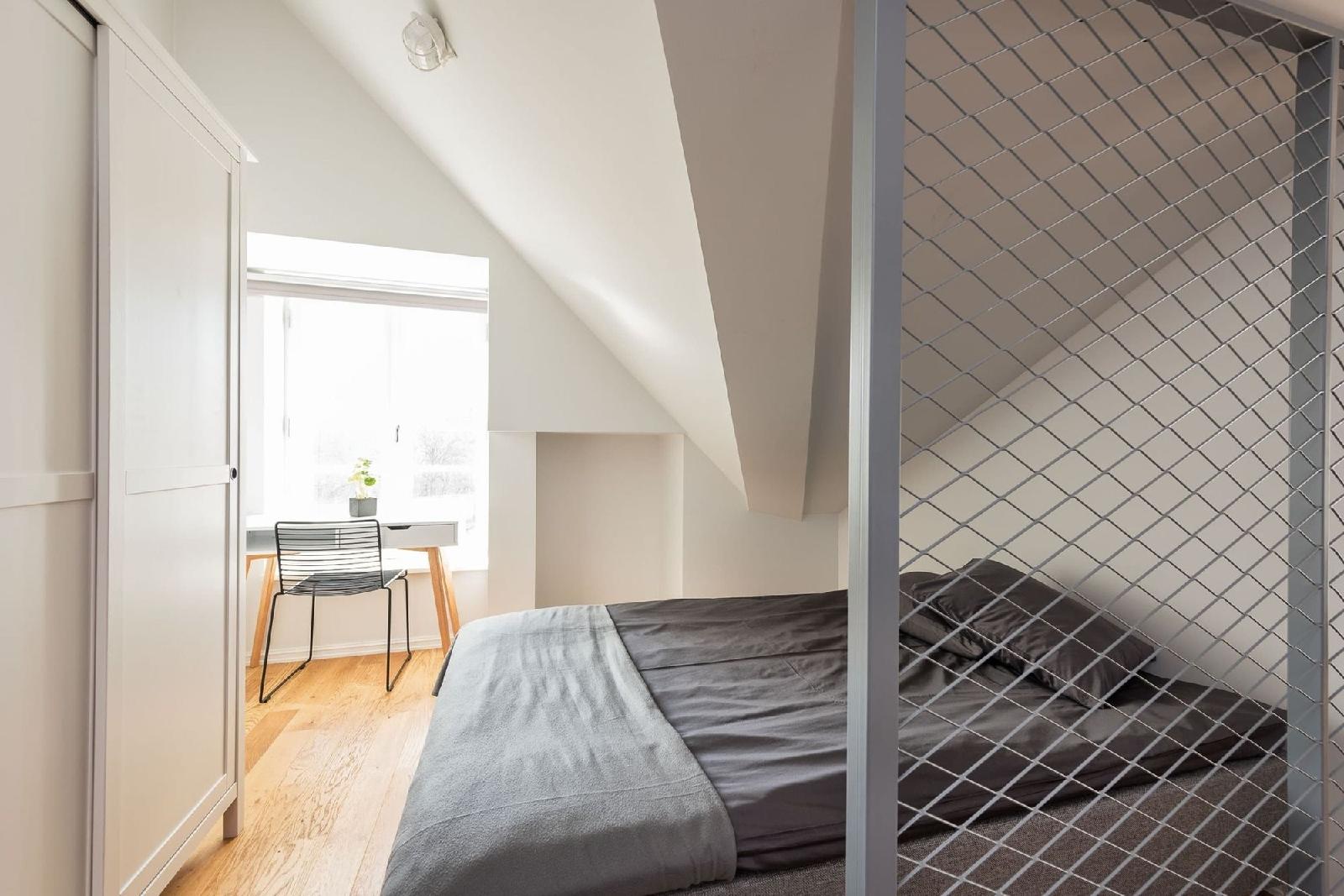
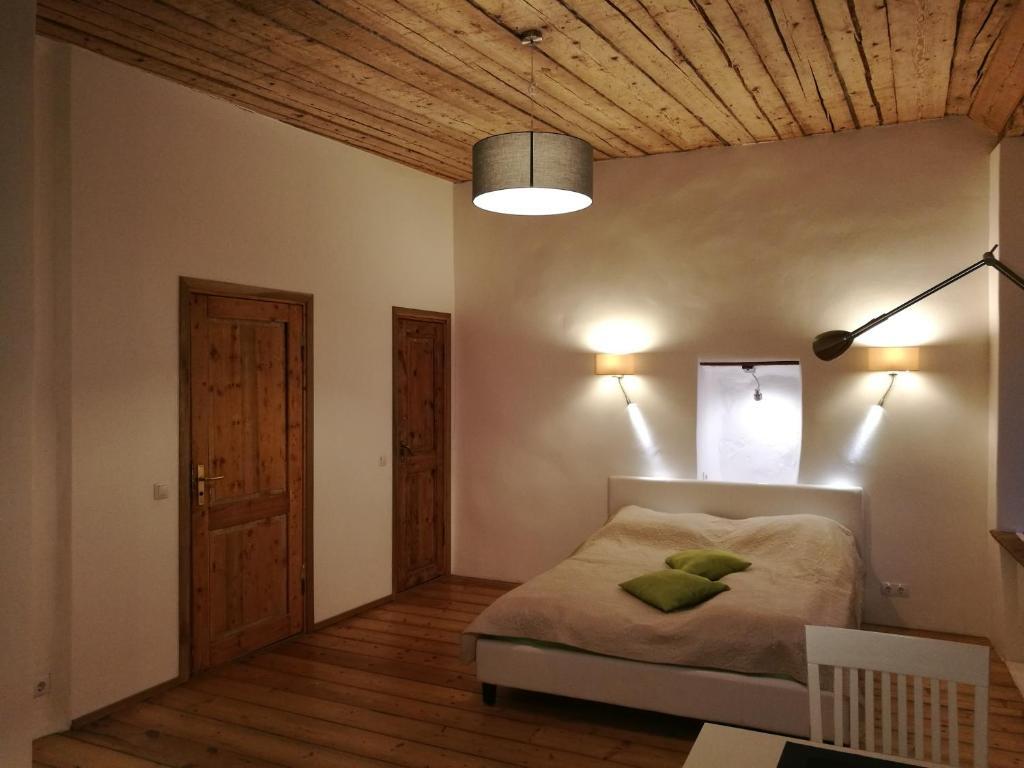
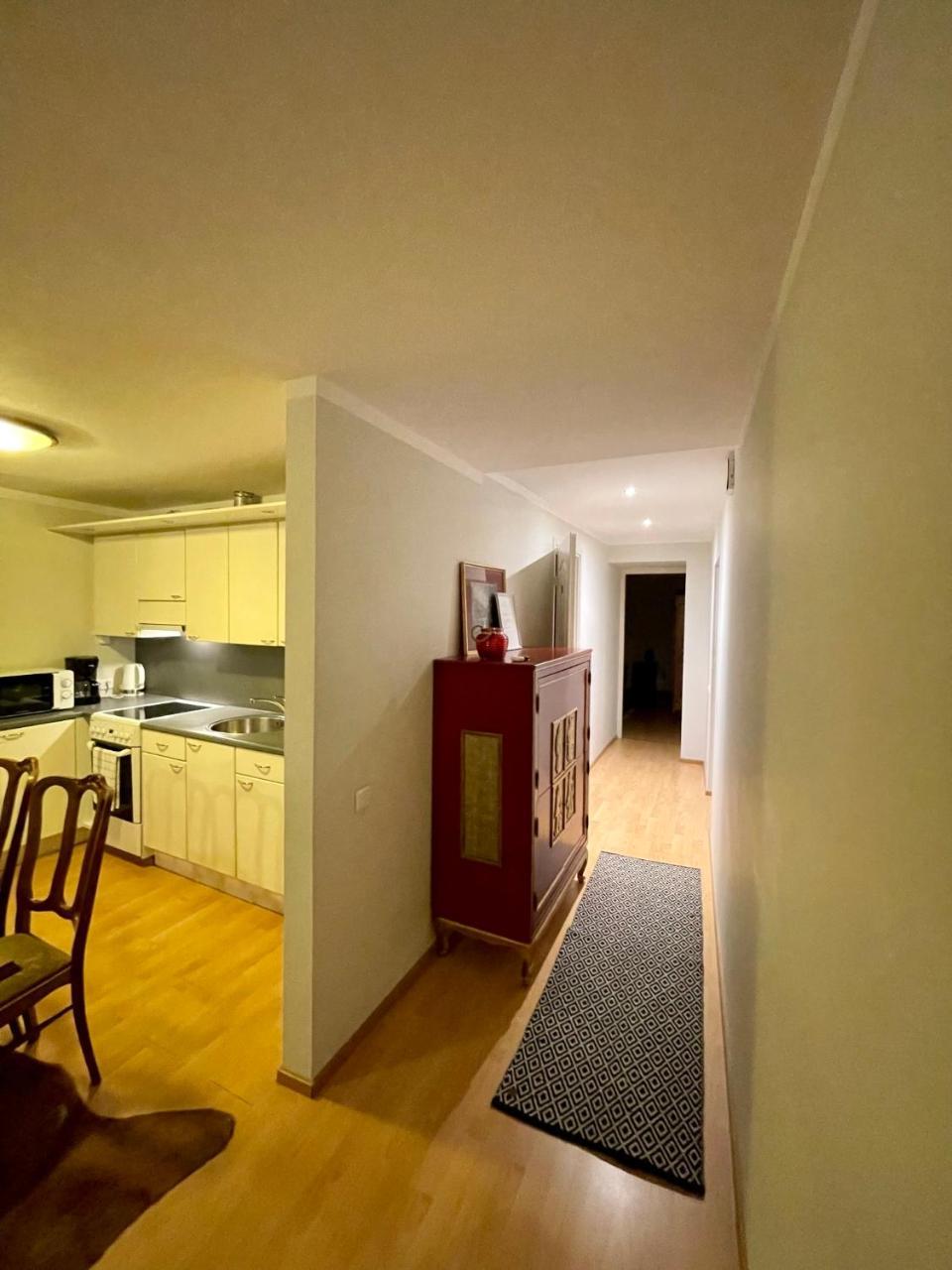
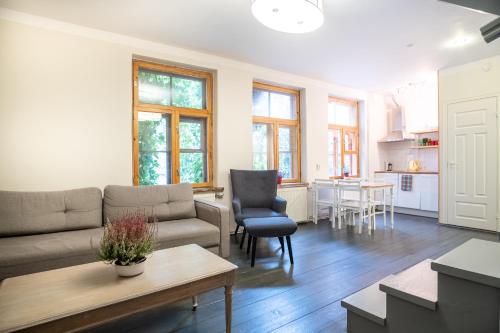
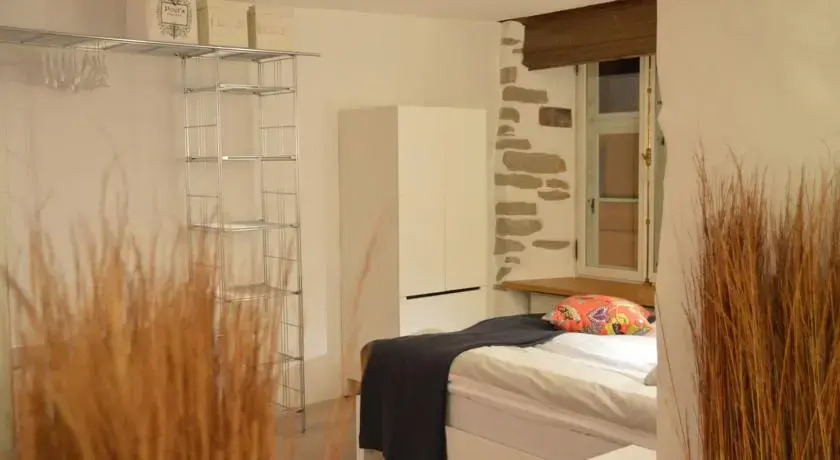

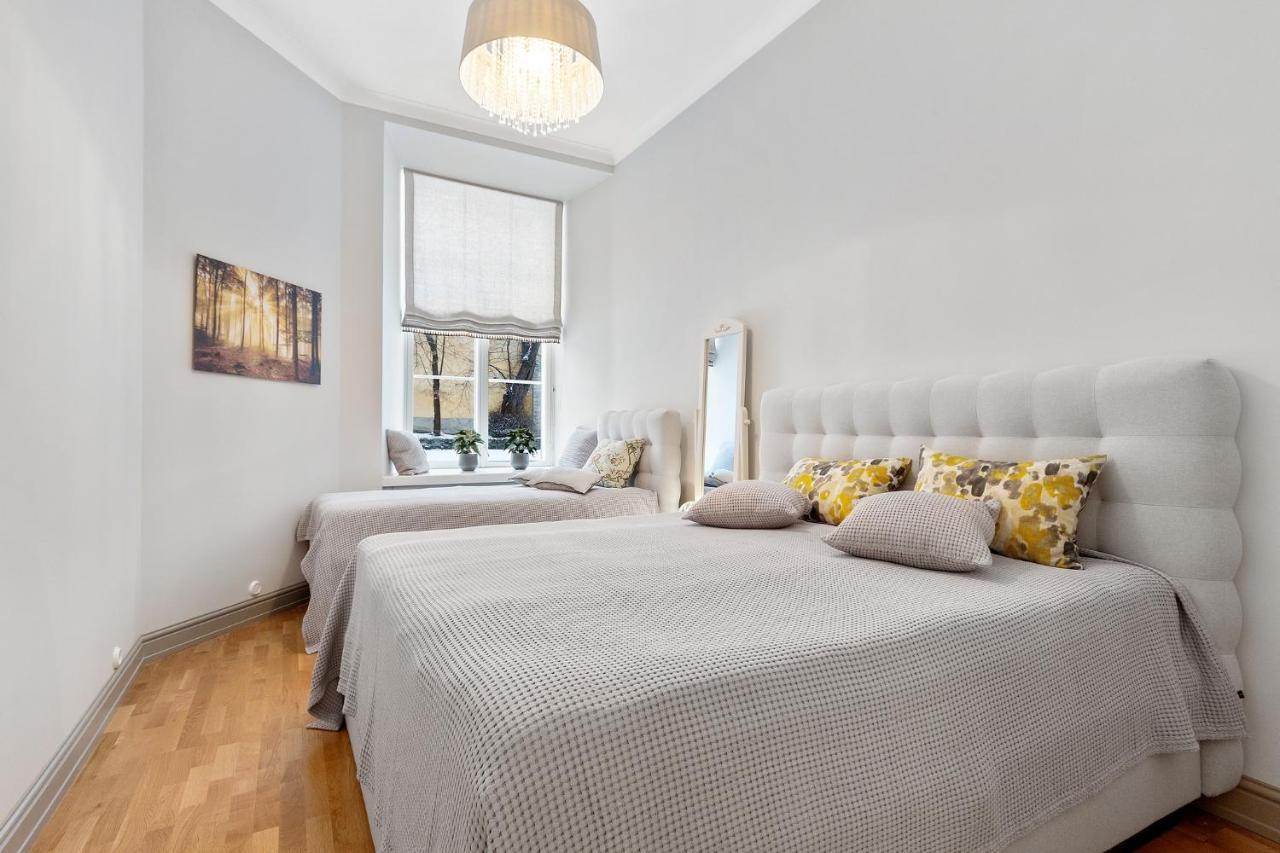
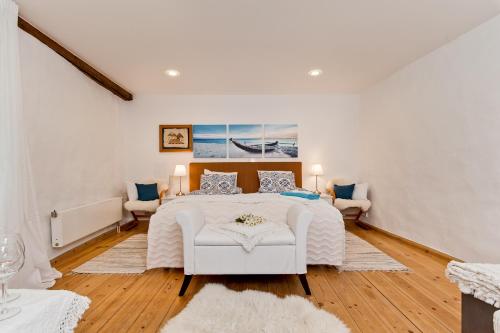
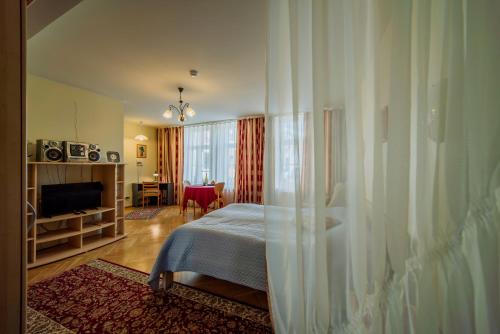
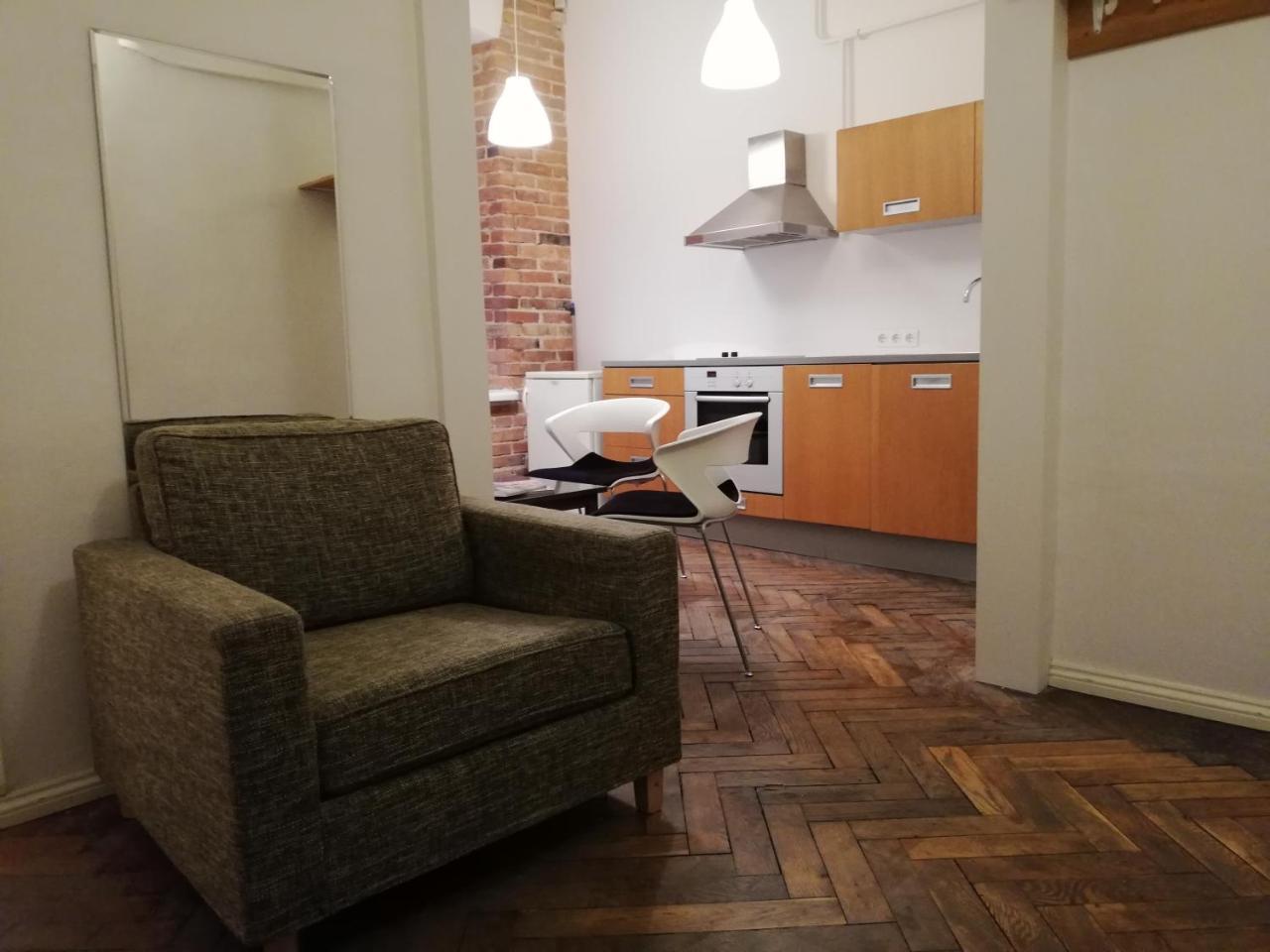
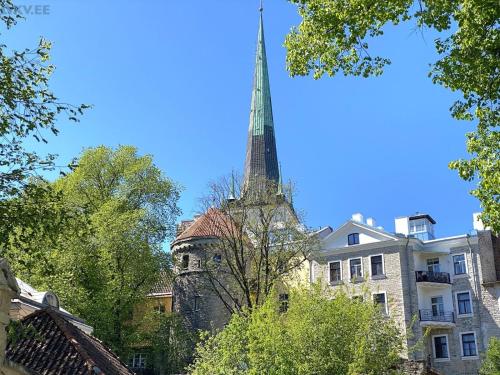
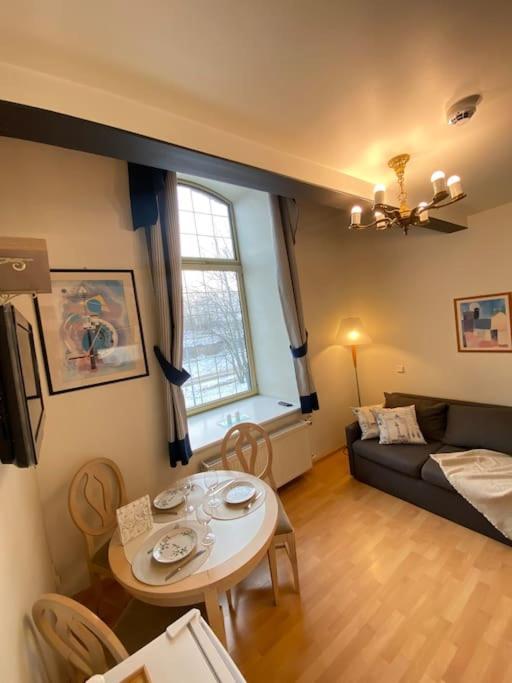
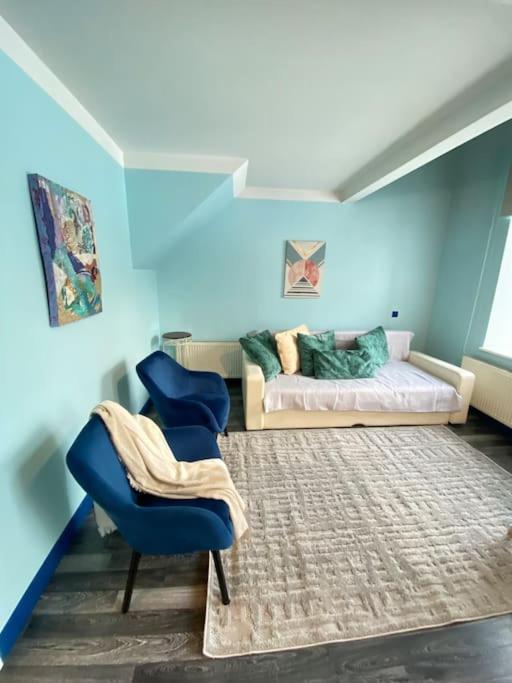
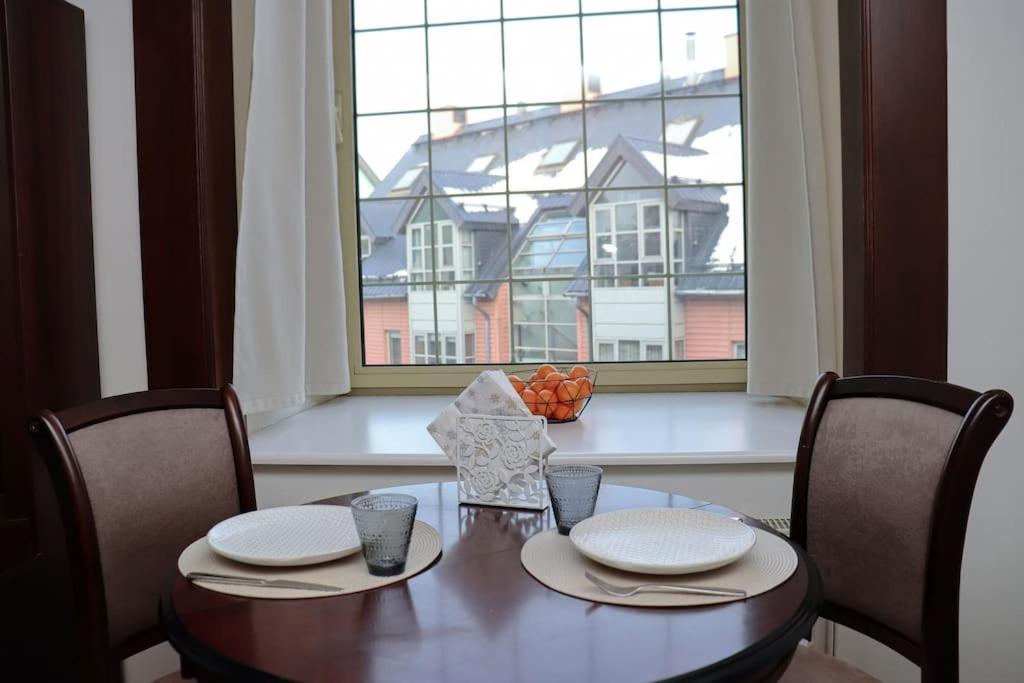
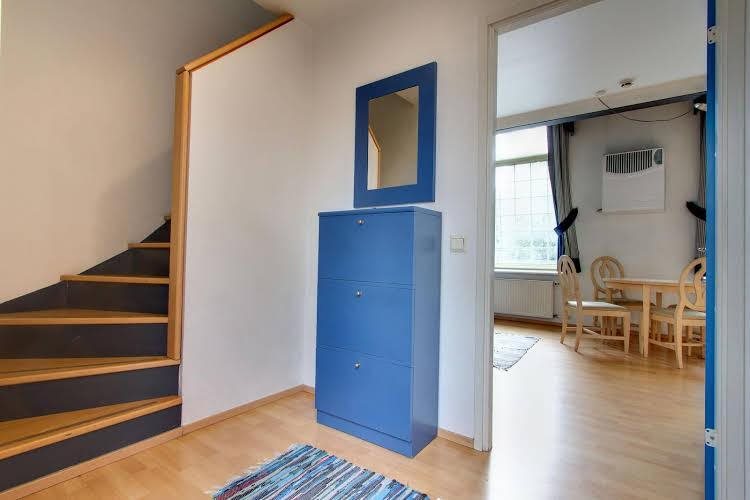
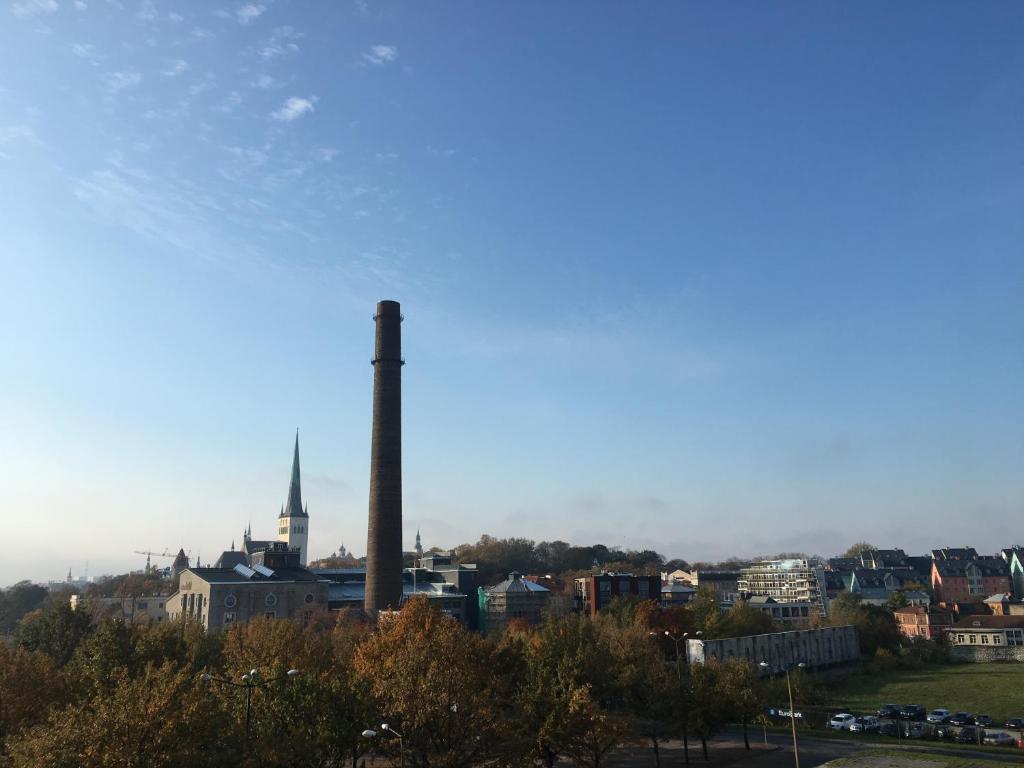
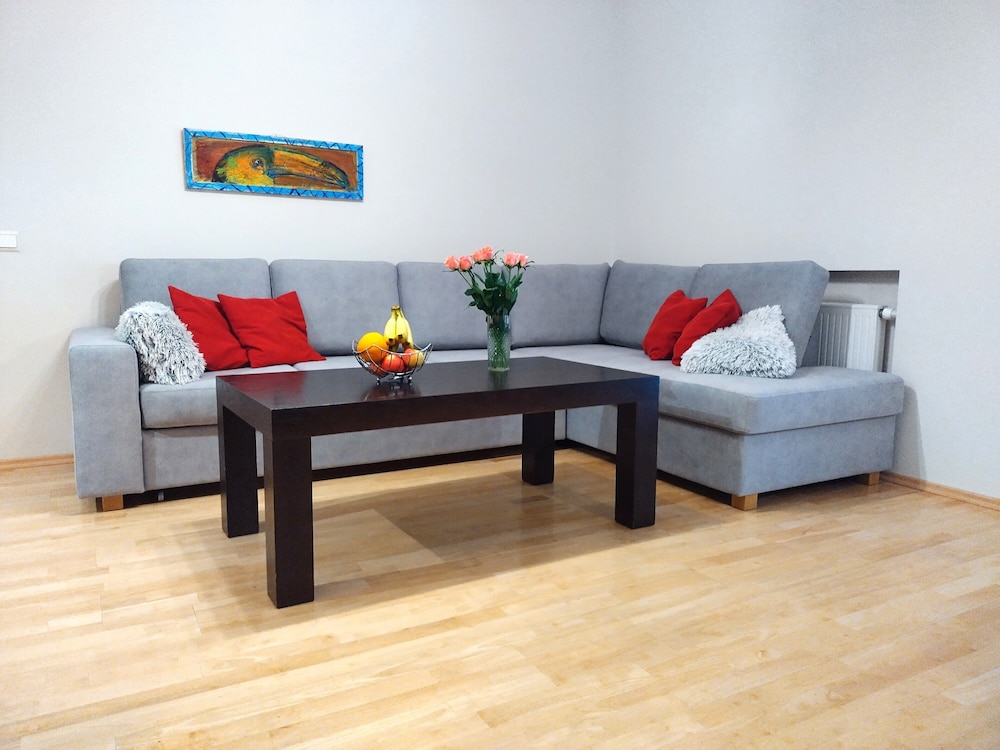
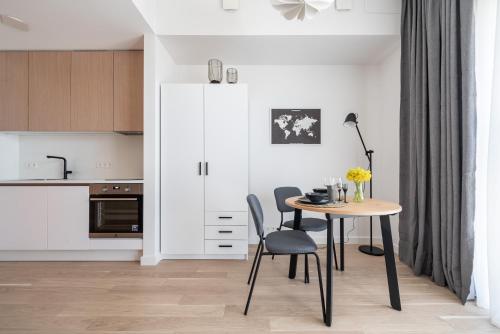
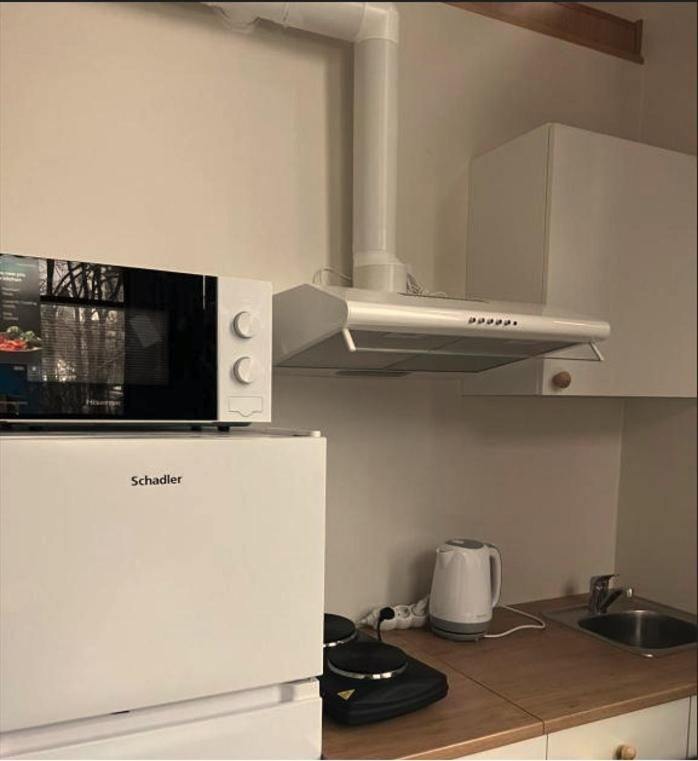
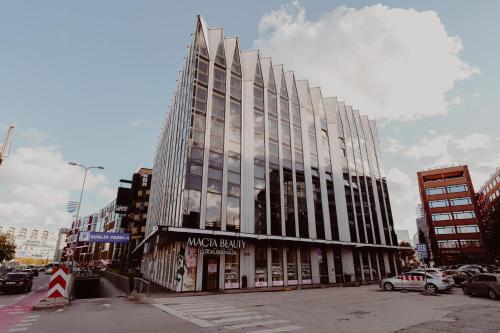
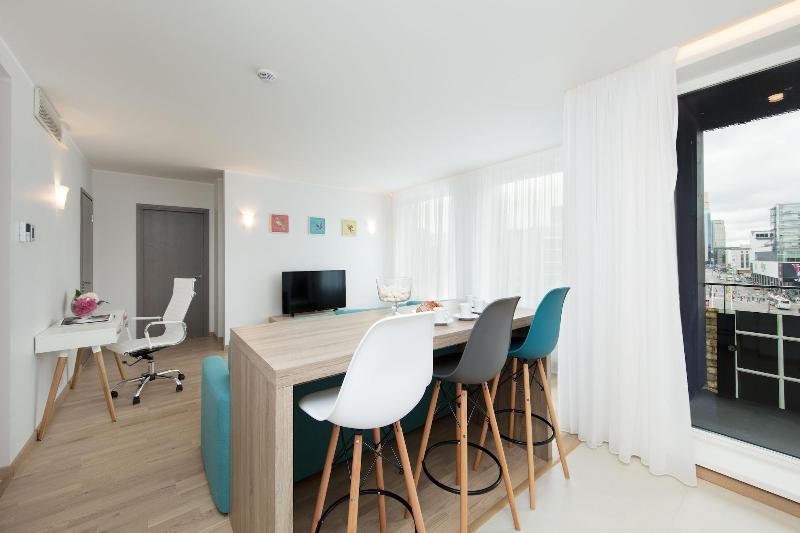
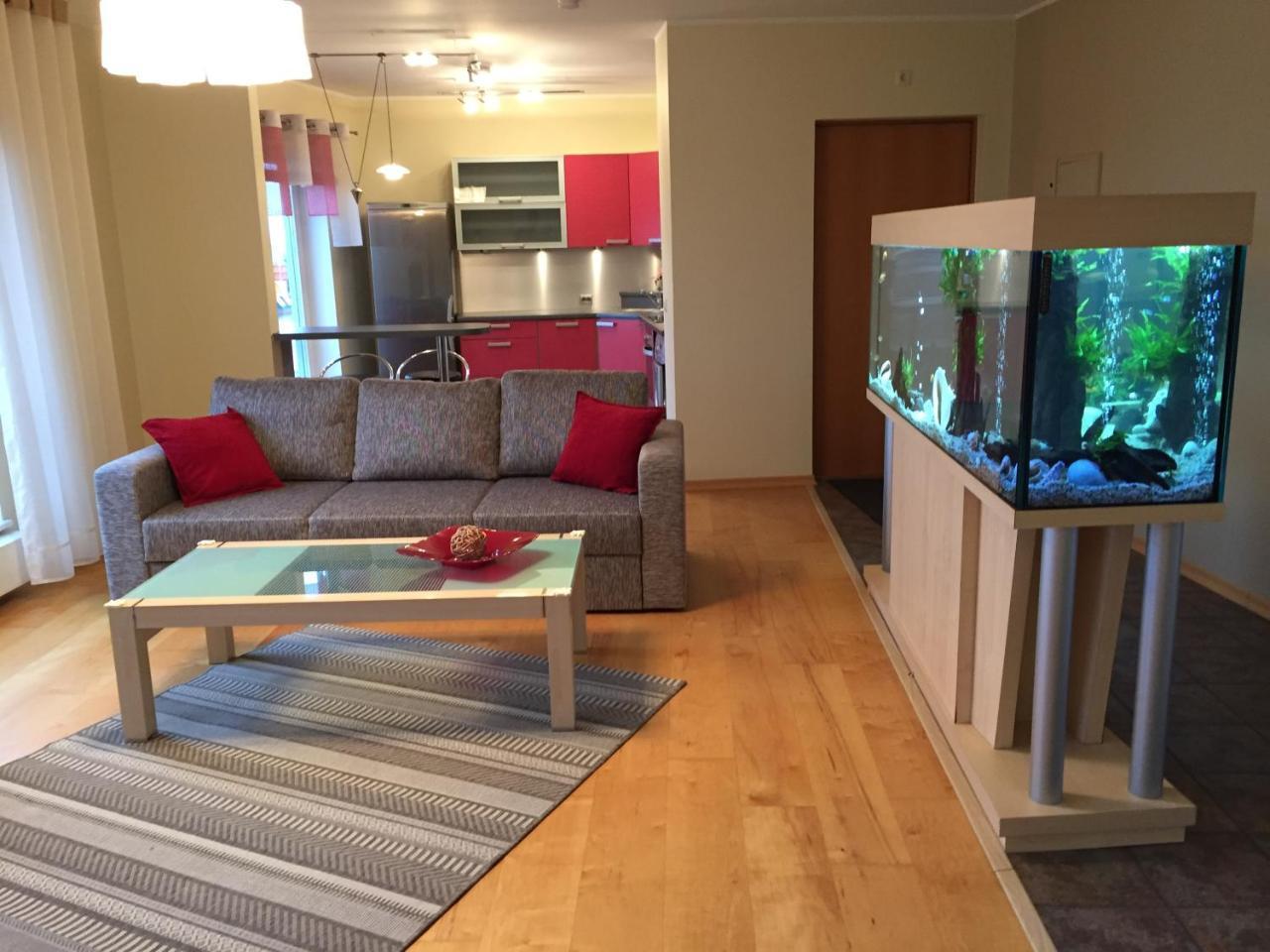
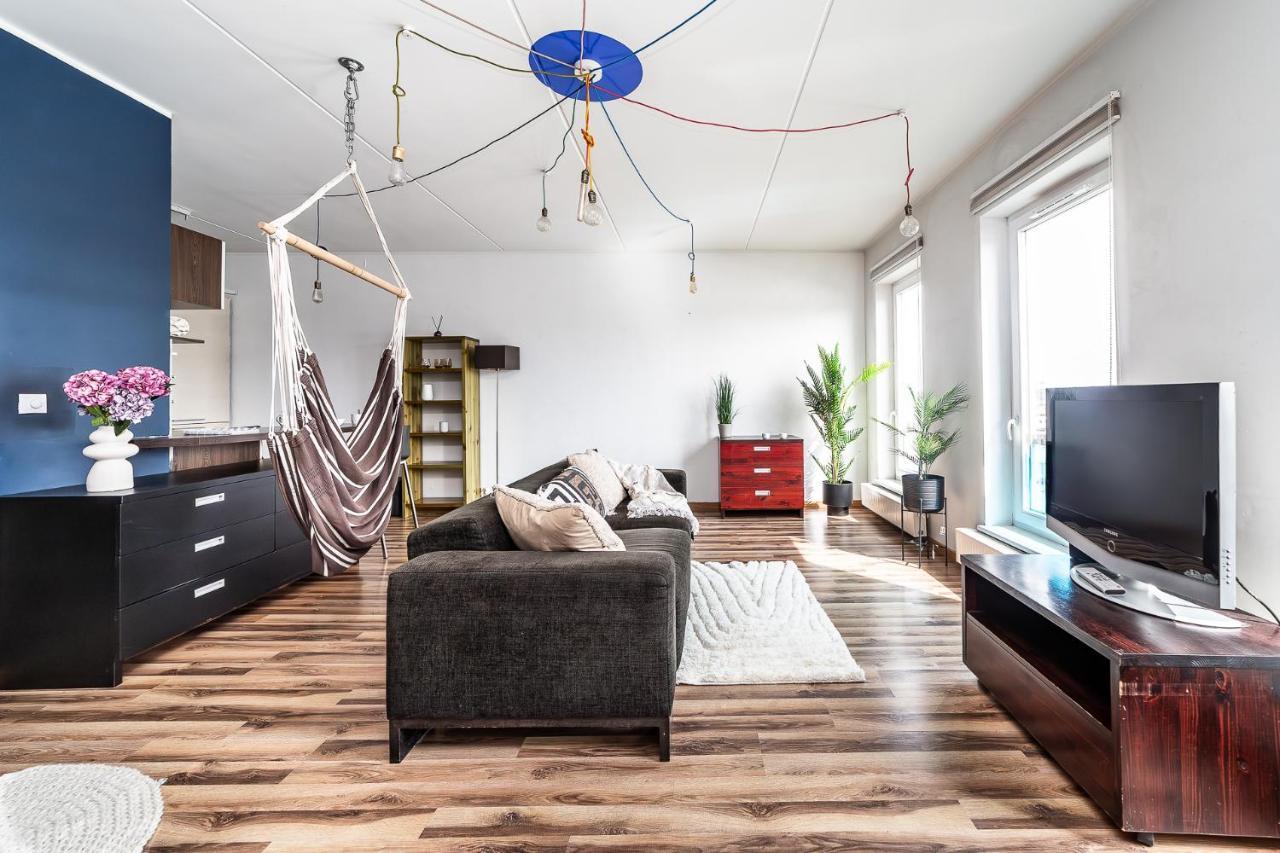
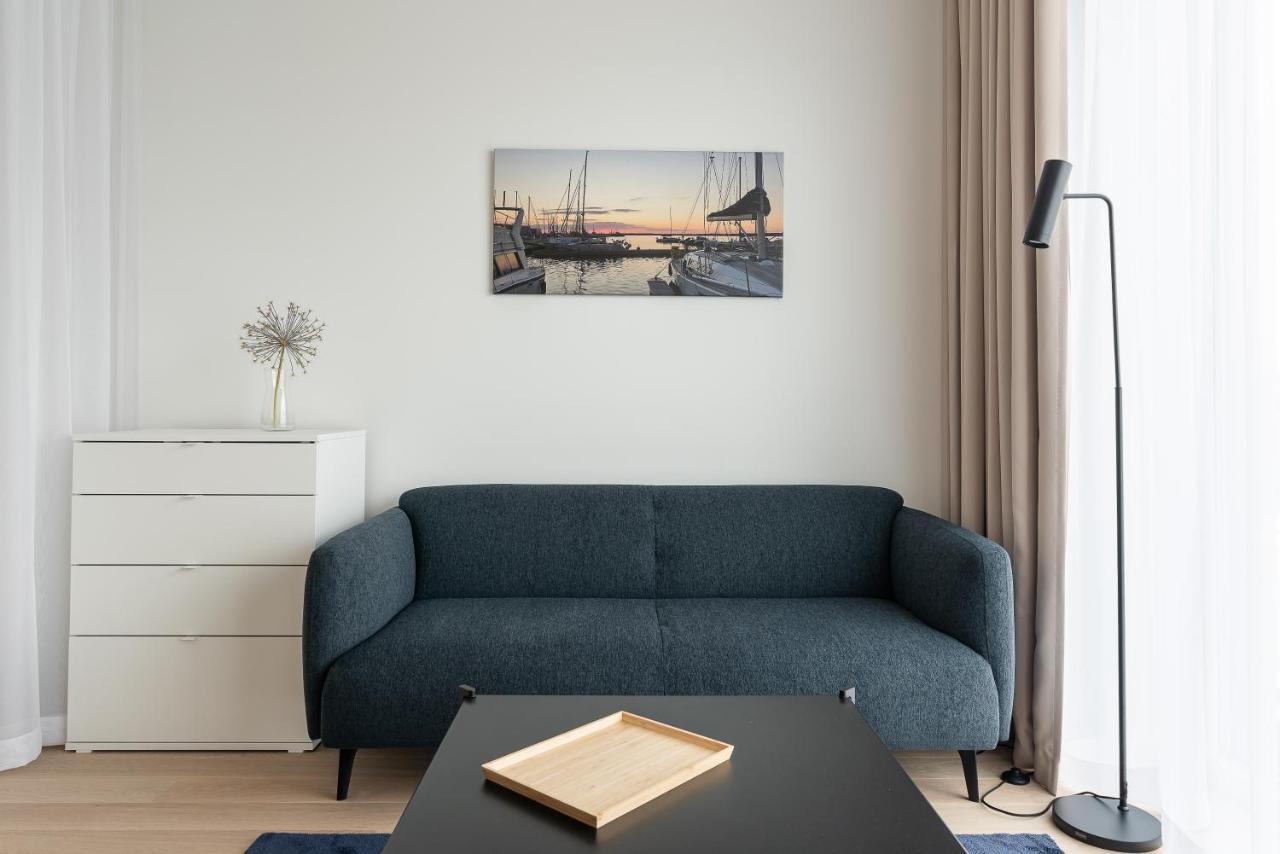
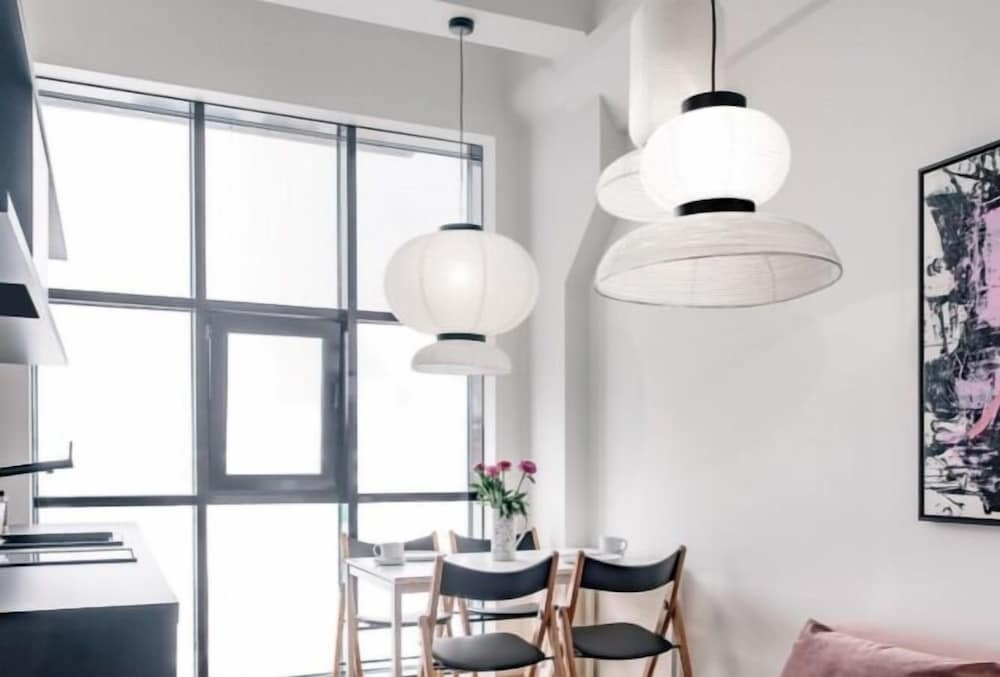
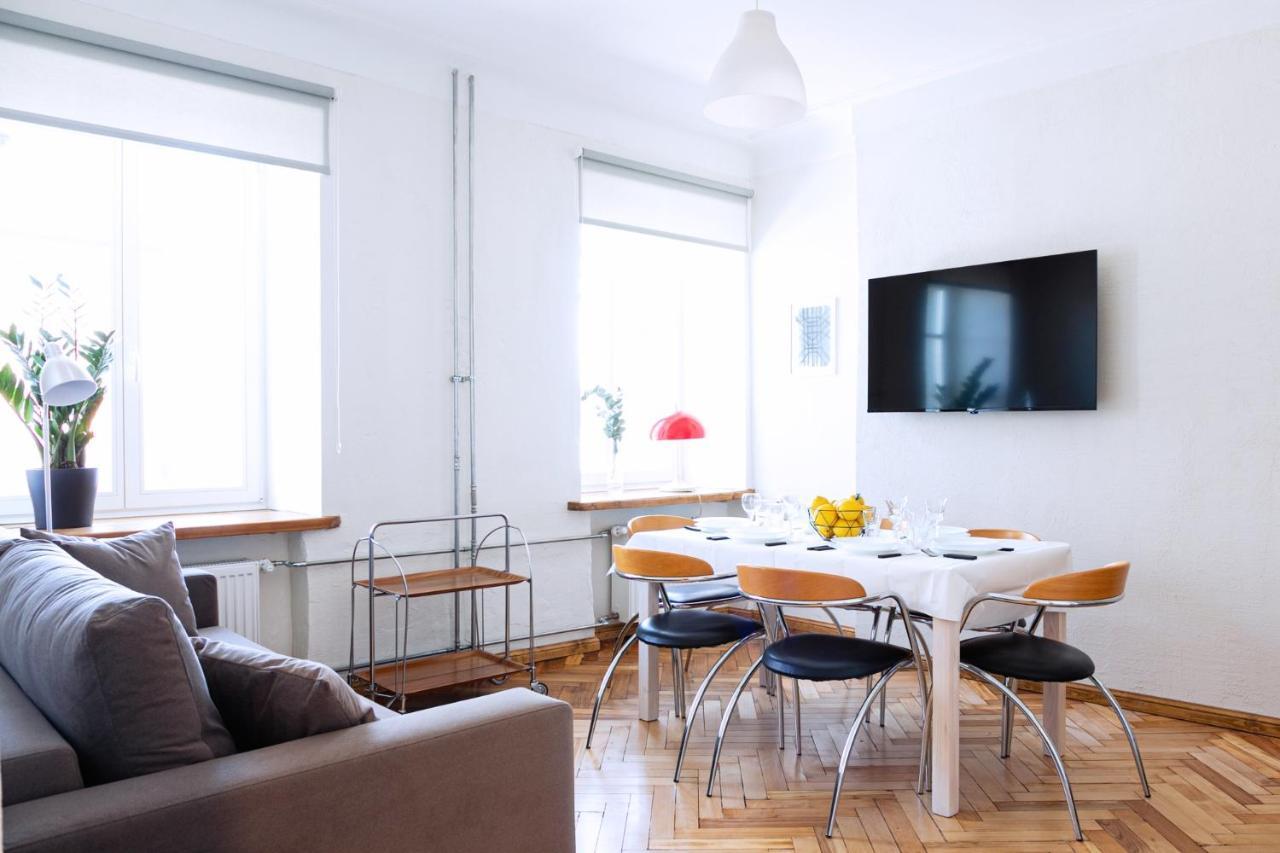
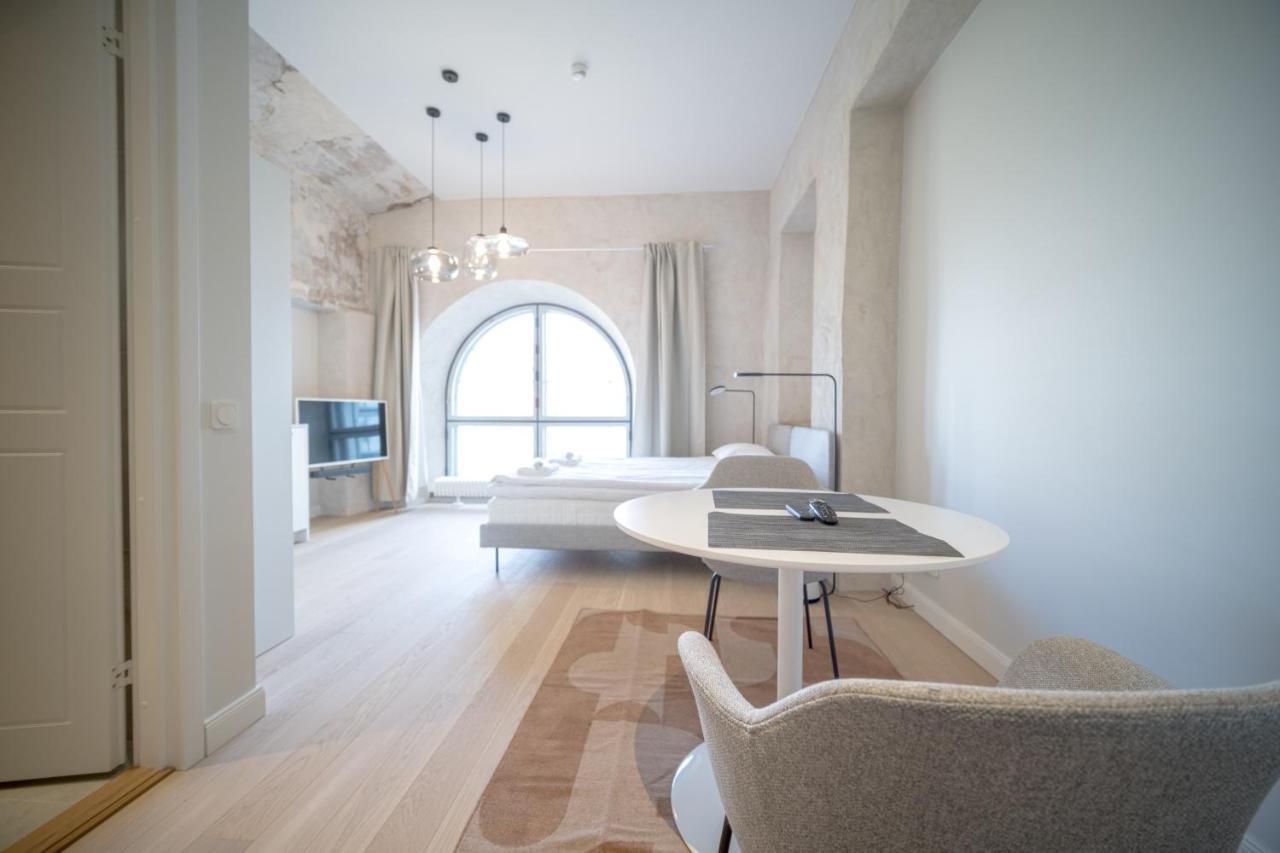
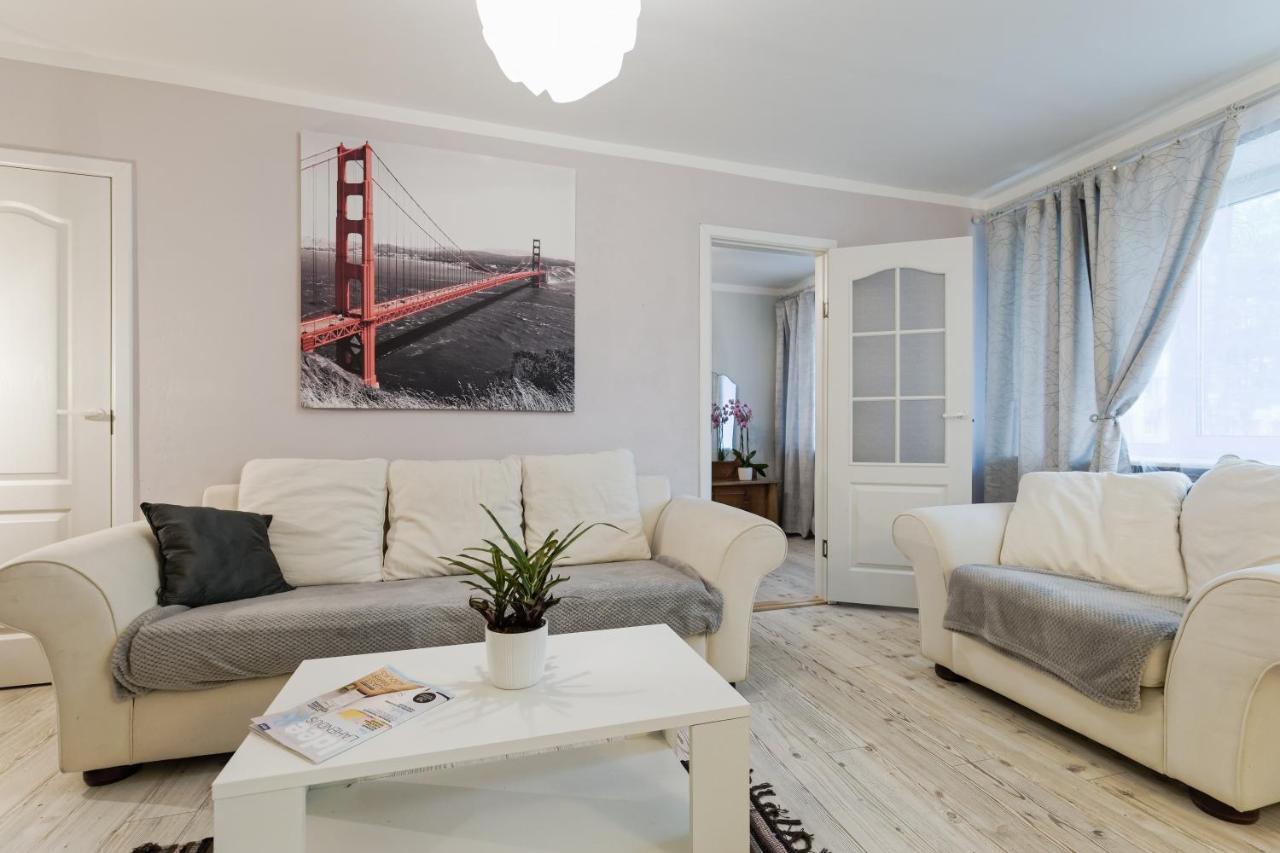
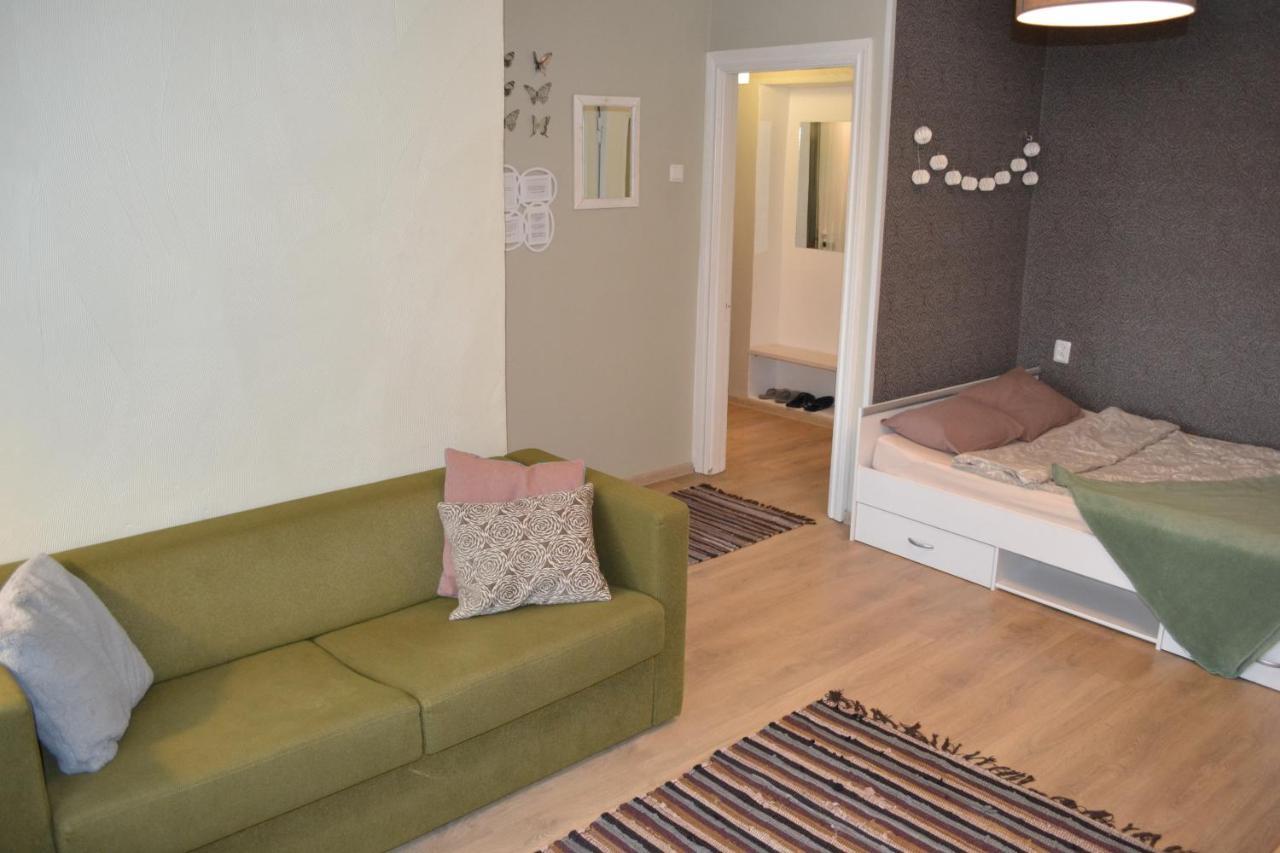
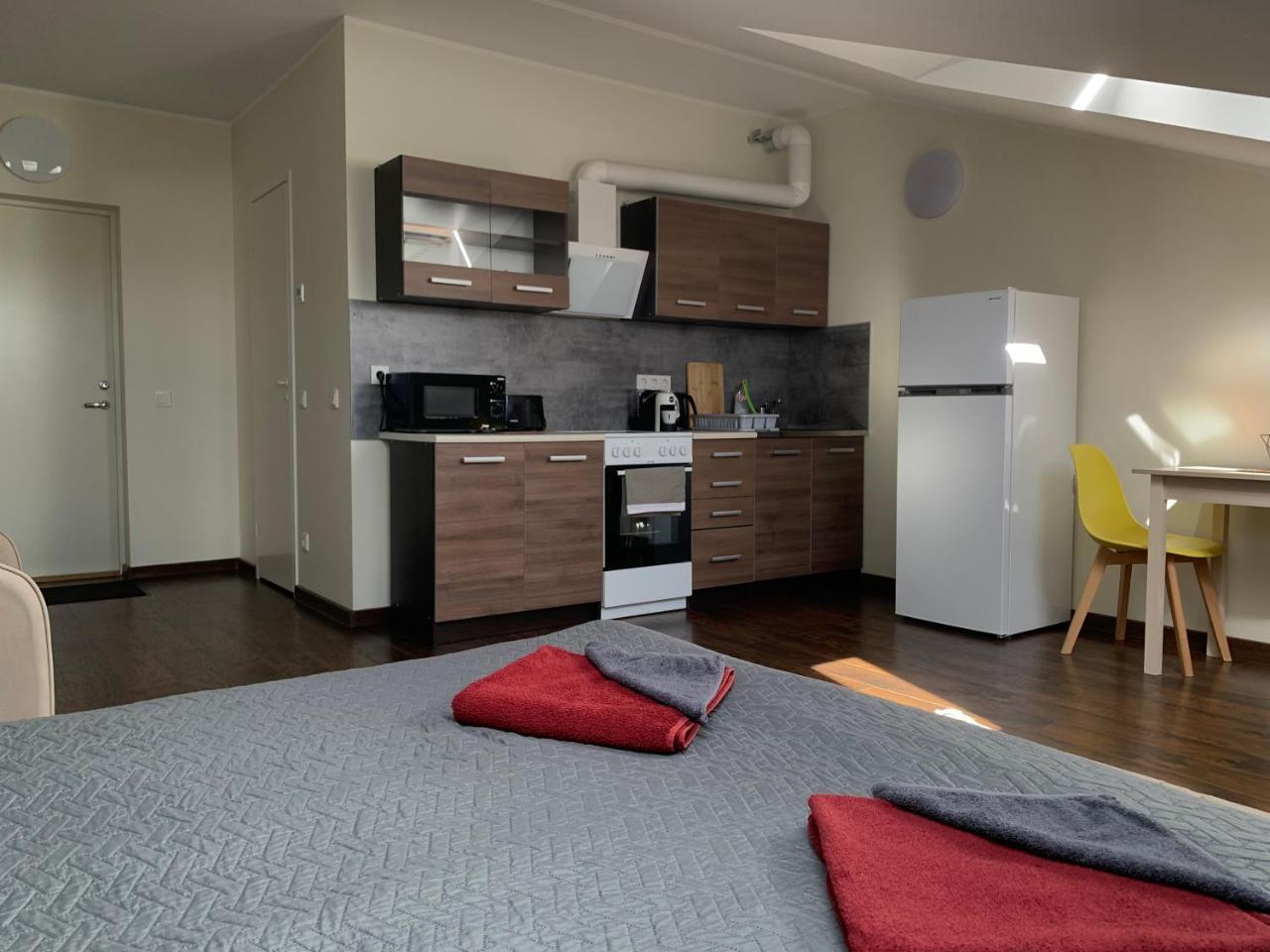
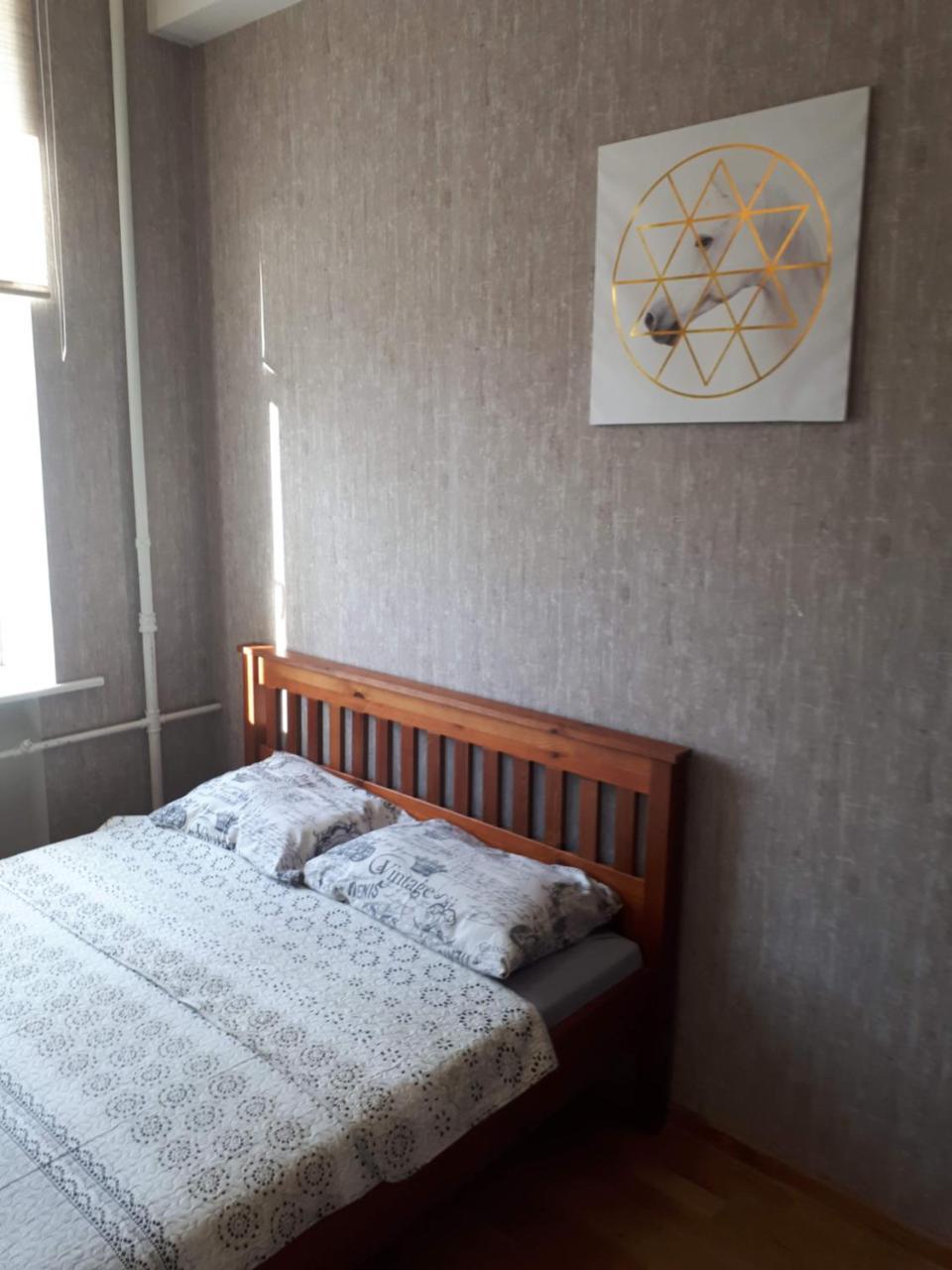
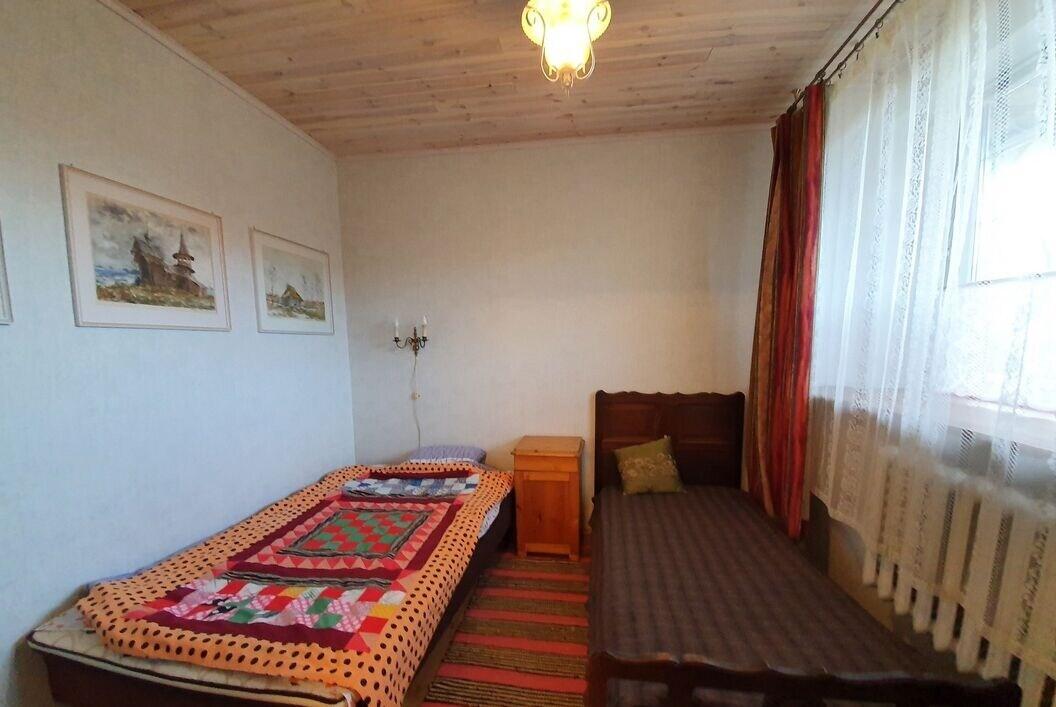
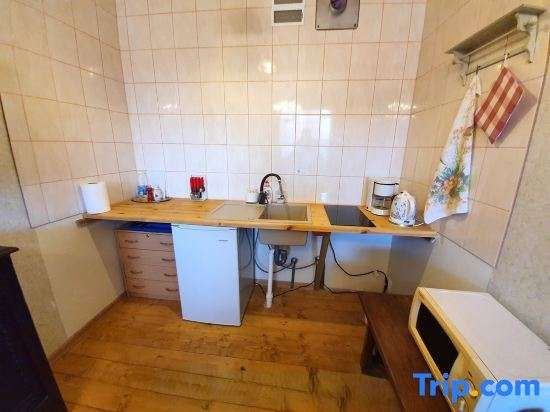
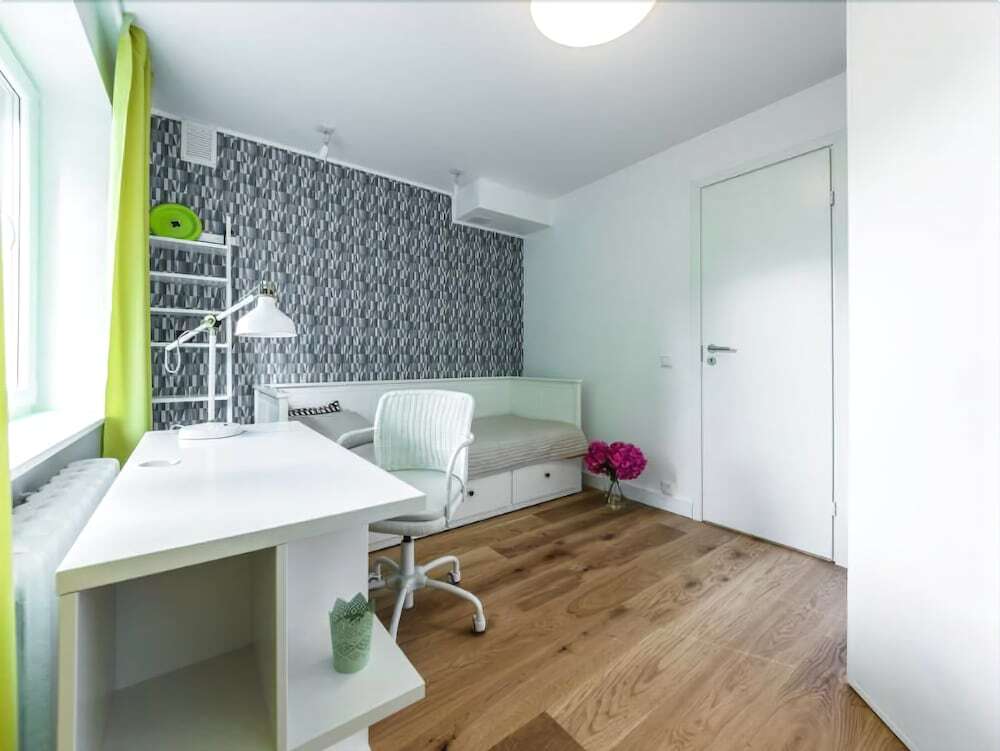
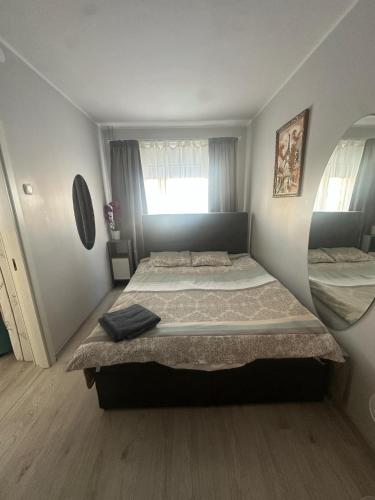
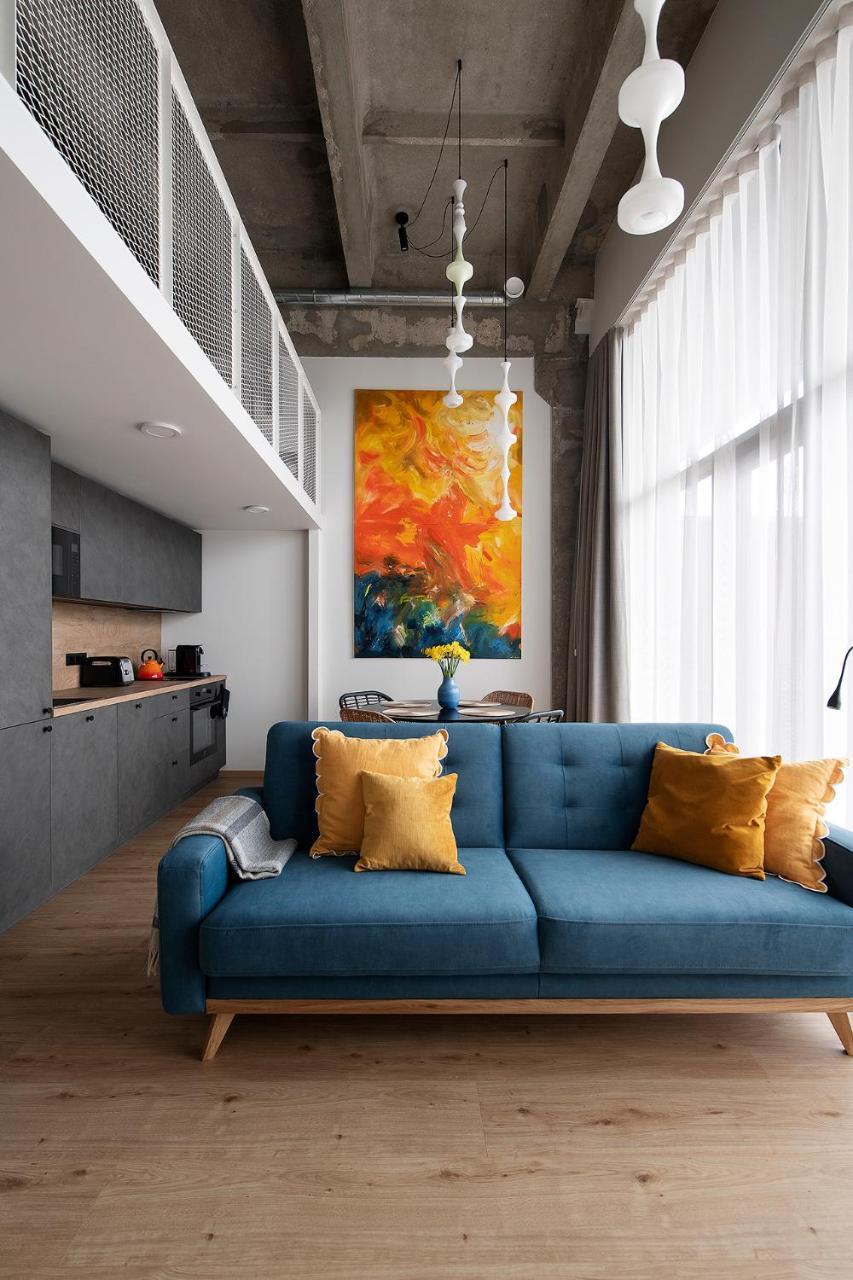
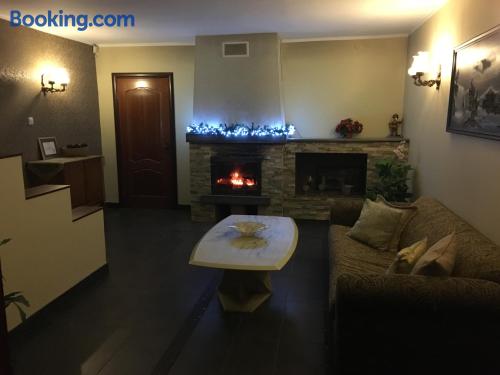
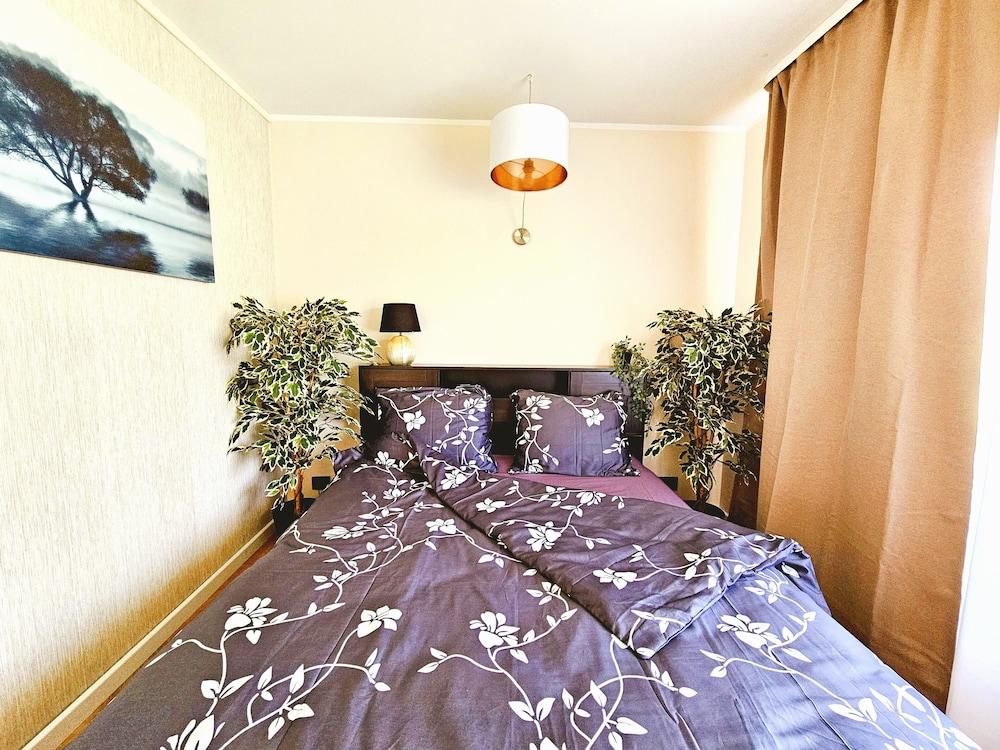
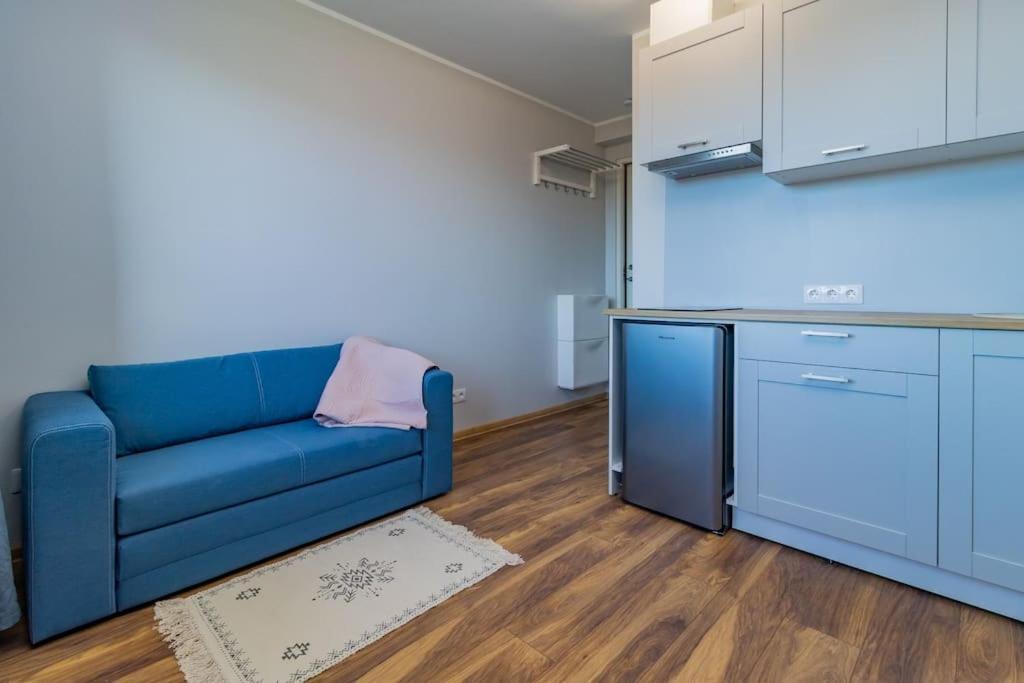
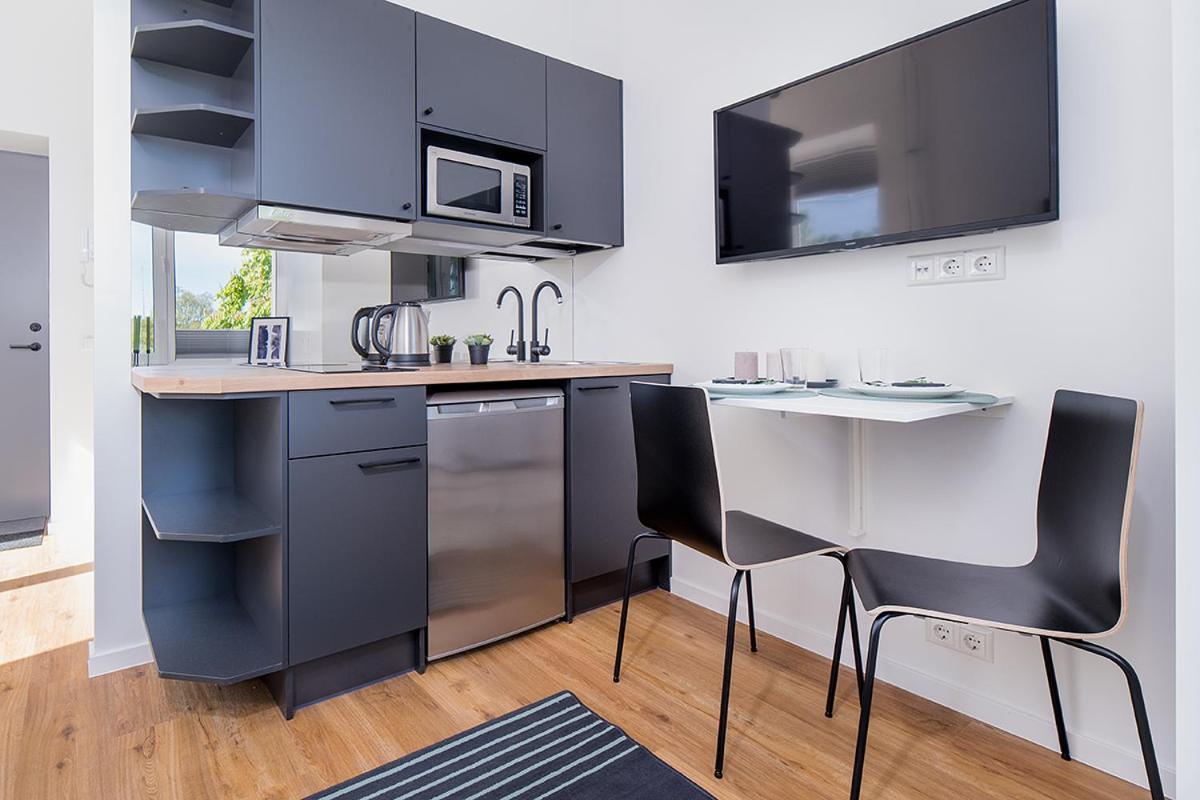
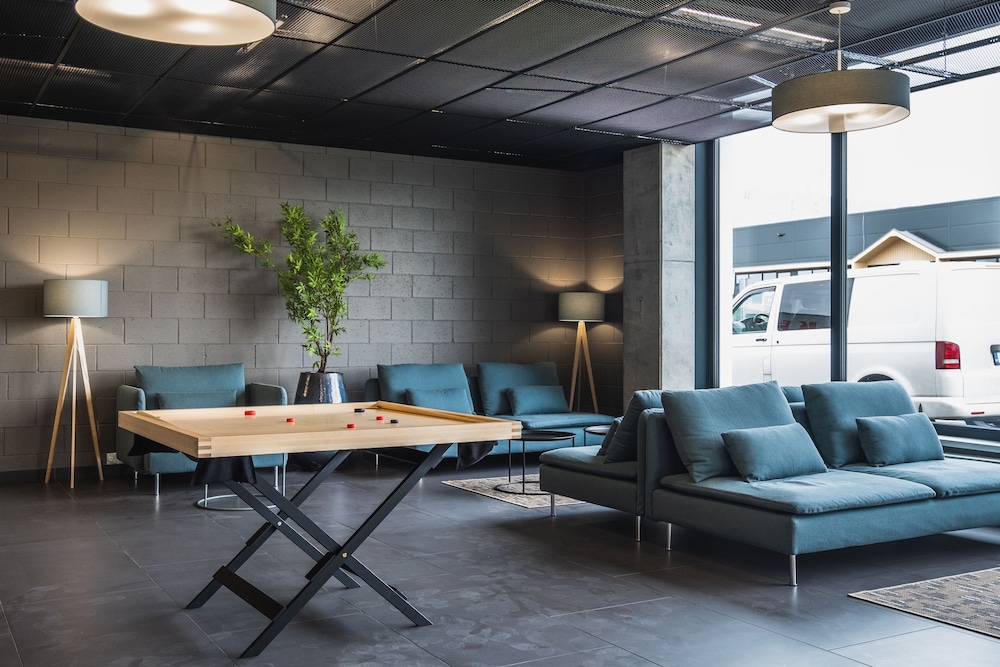
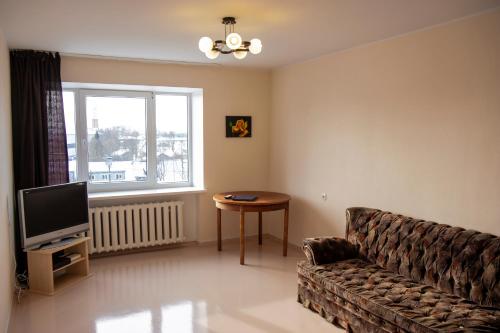
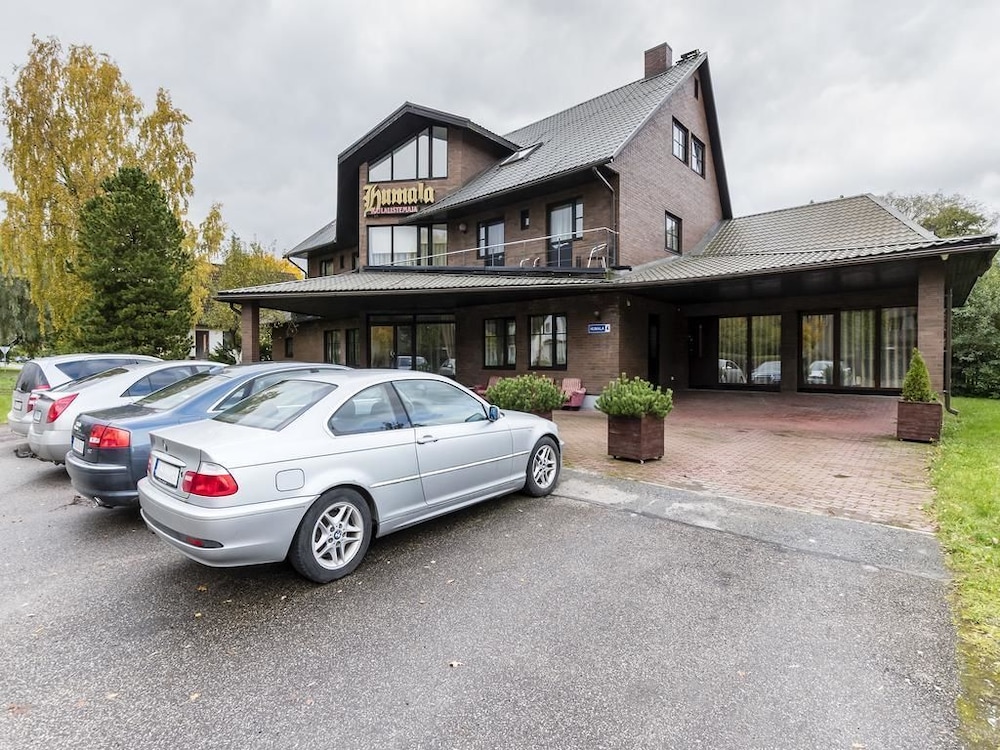
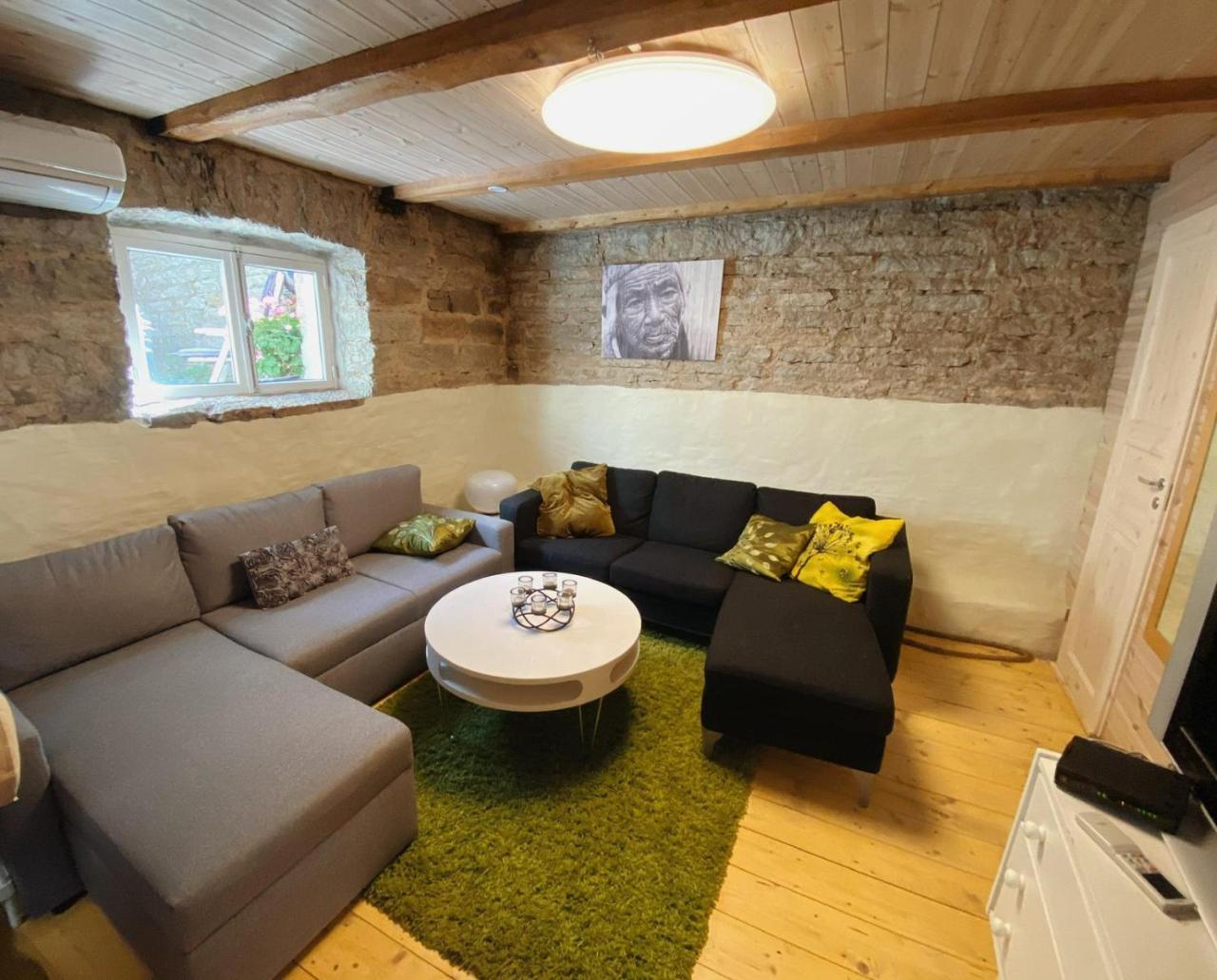
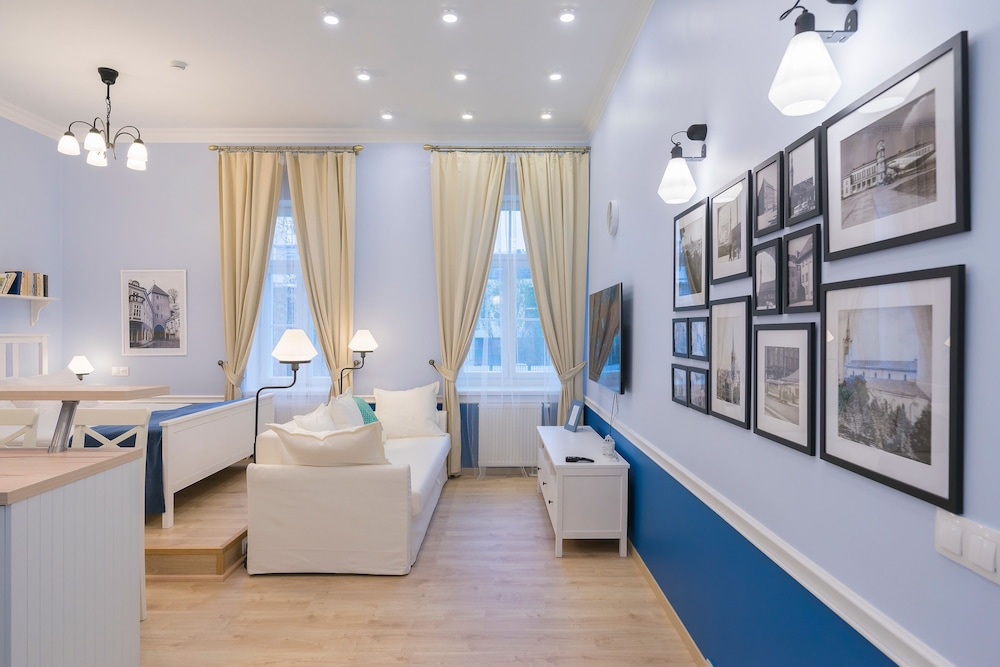
Tallinn
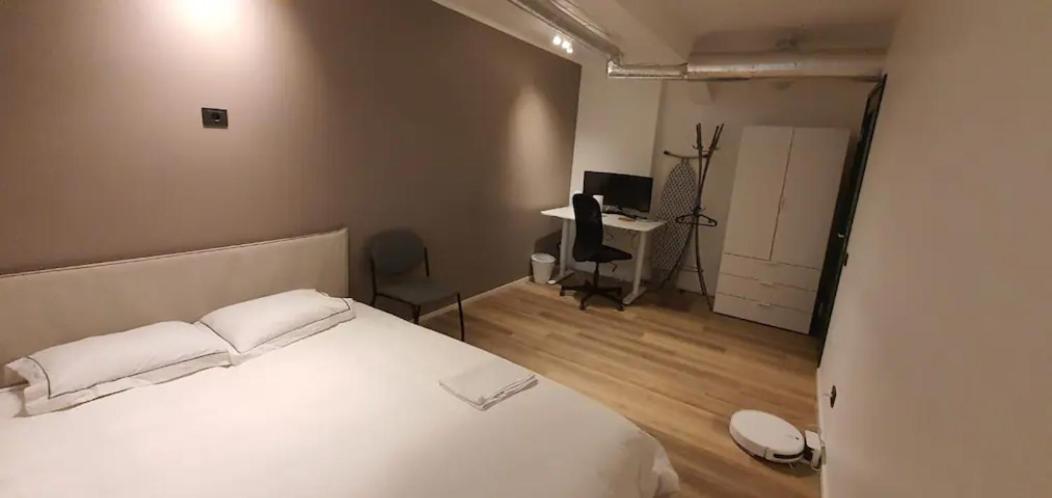
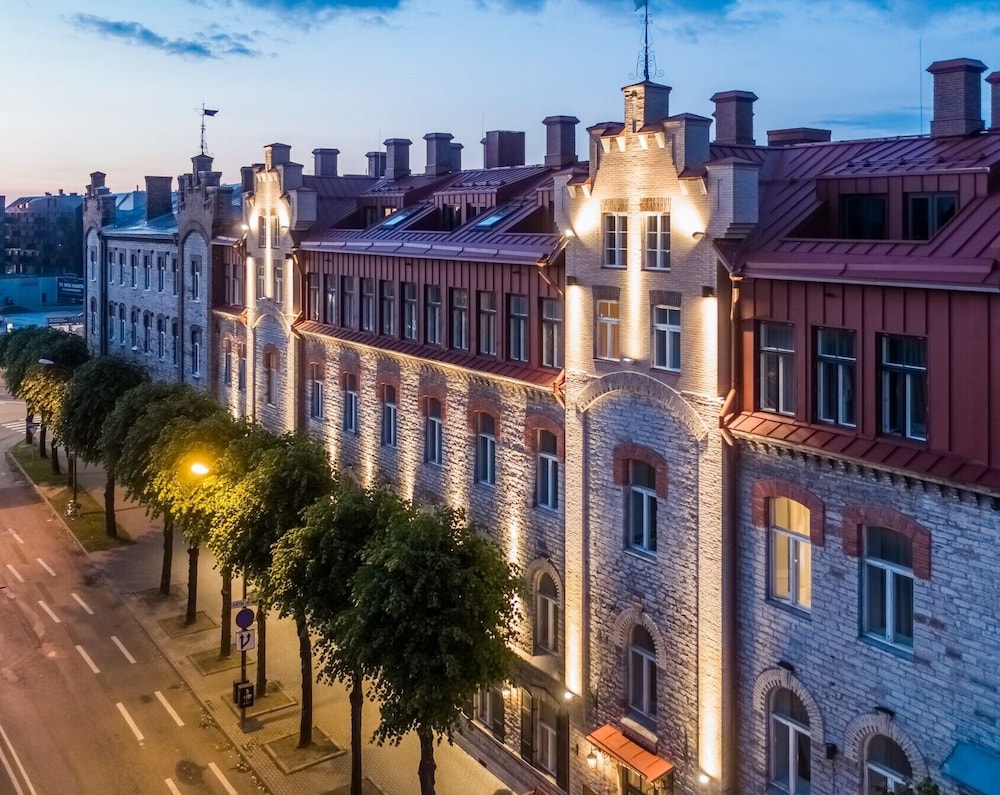
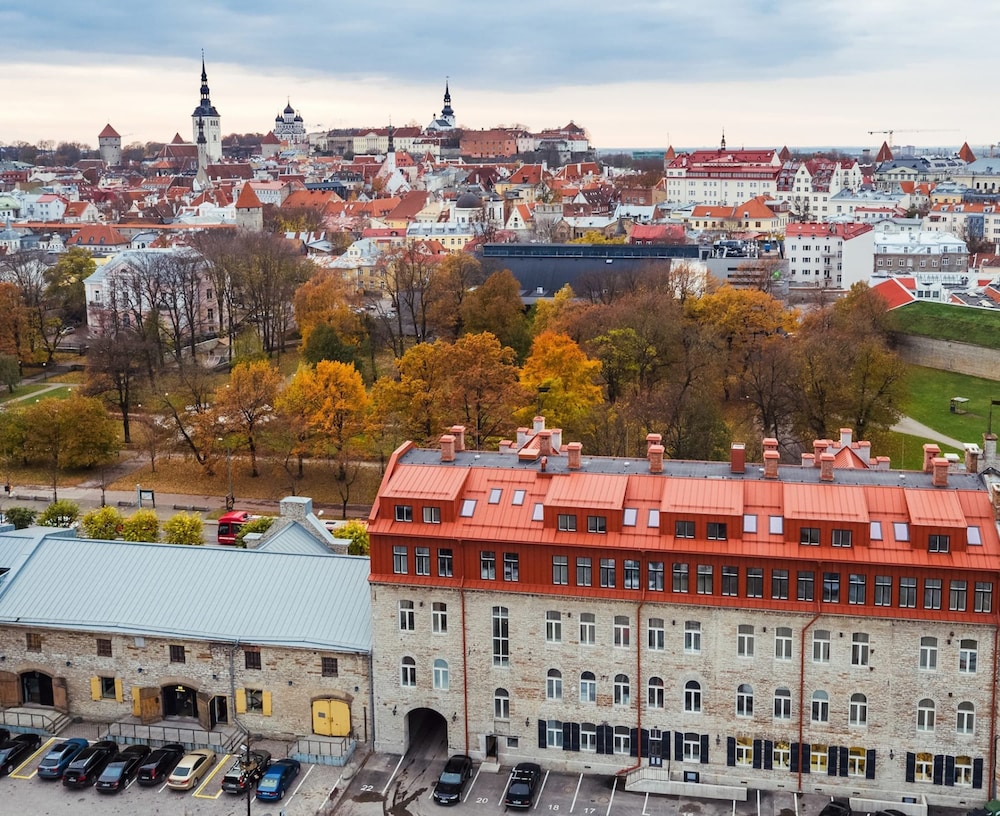
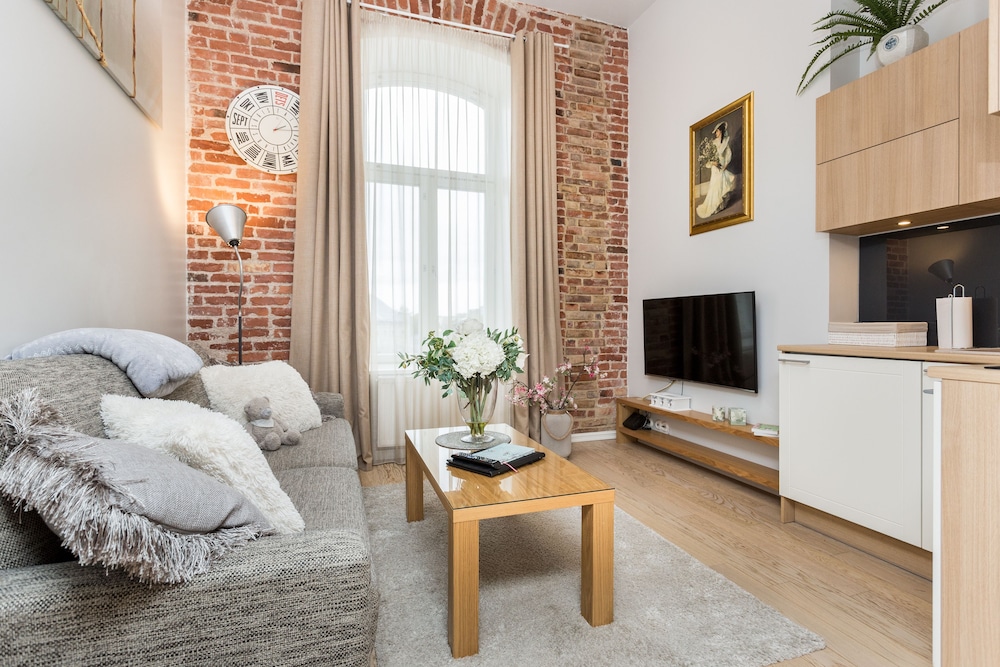
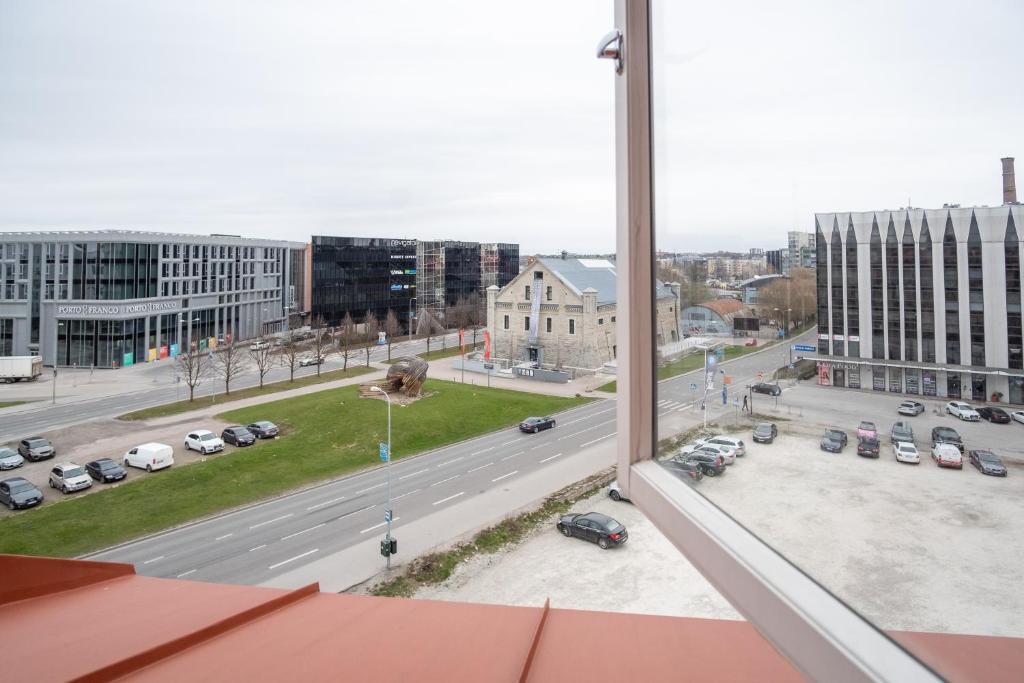
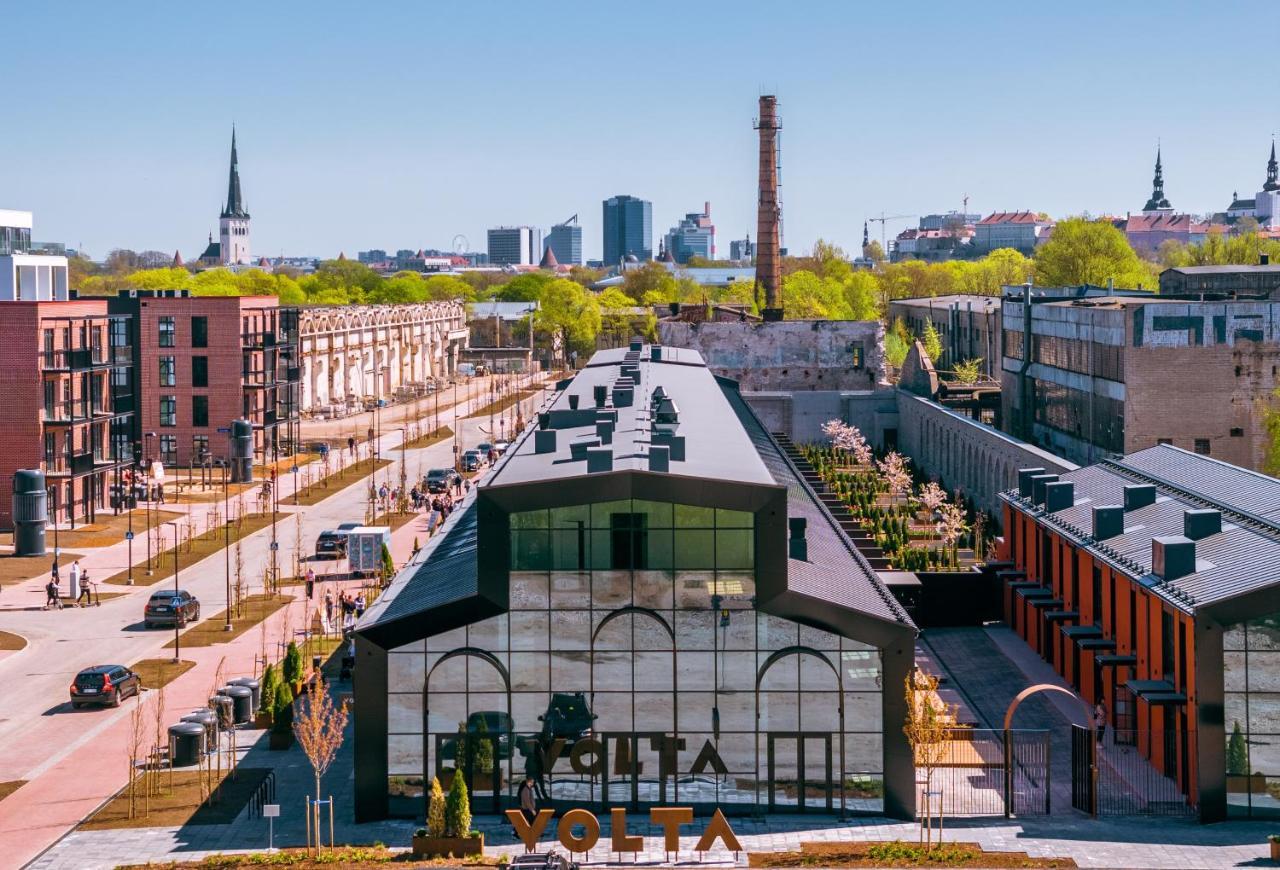
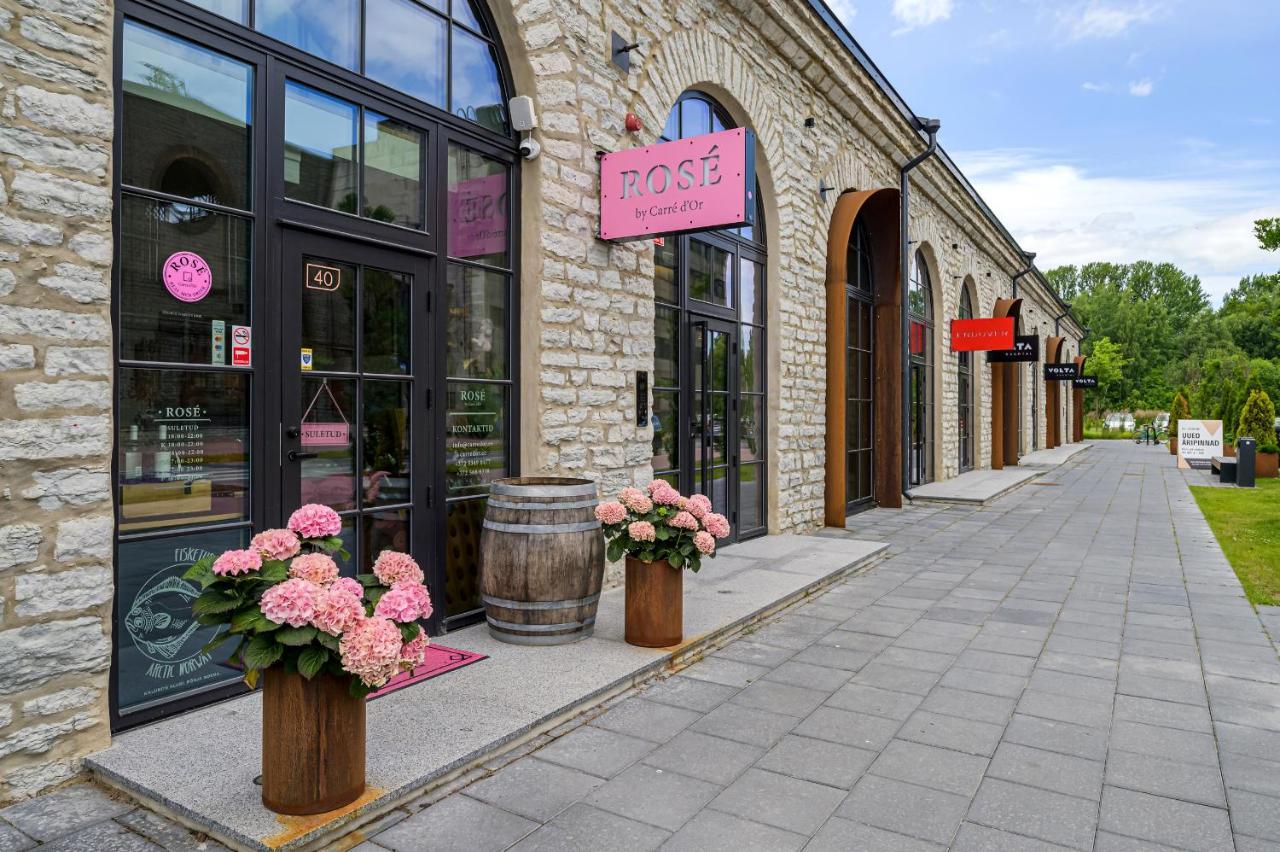
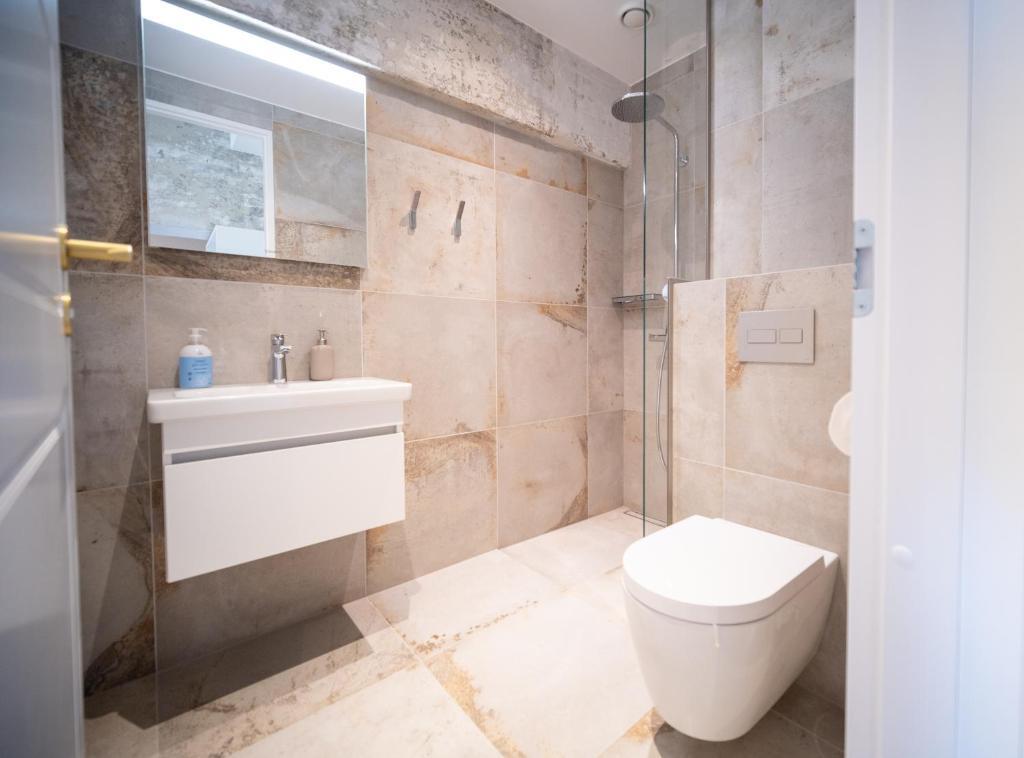
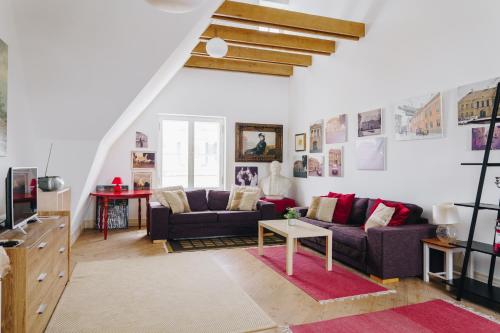
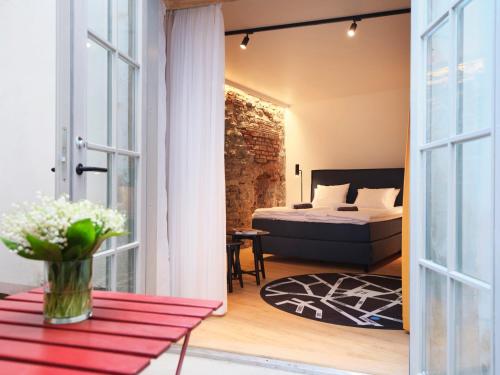
By the Old Town new & modern 2 BR easy access by car free parking
★★★ Tallinn
Live priceReserve
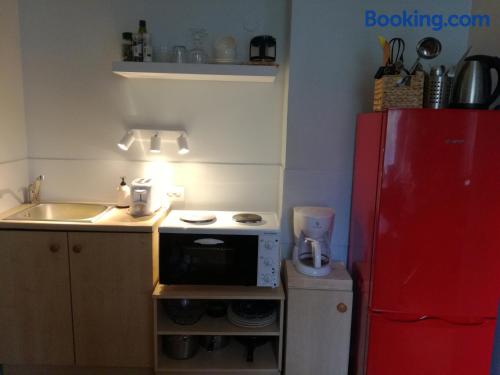
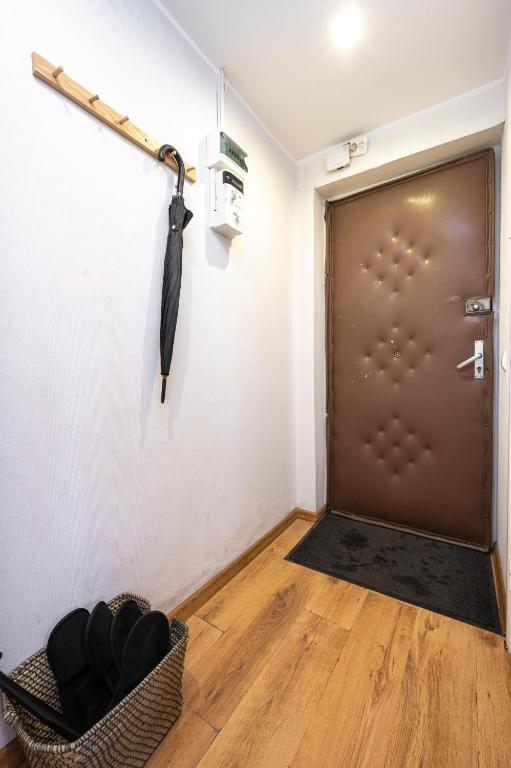
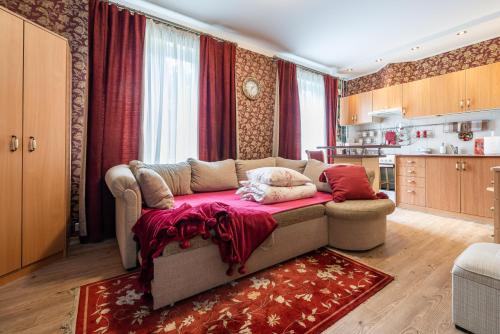
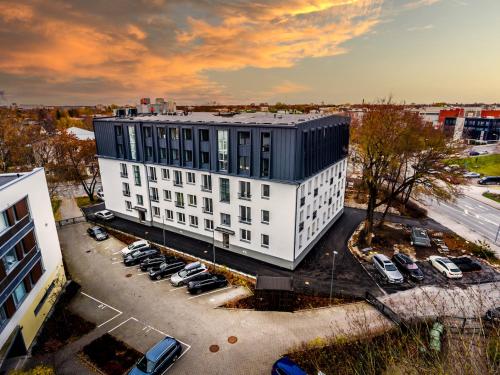
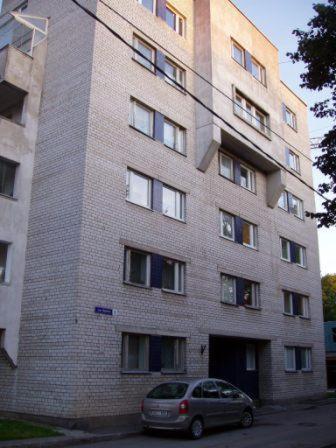
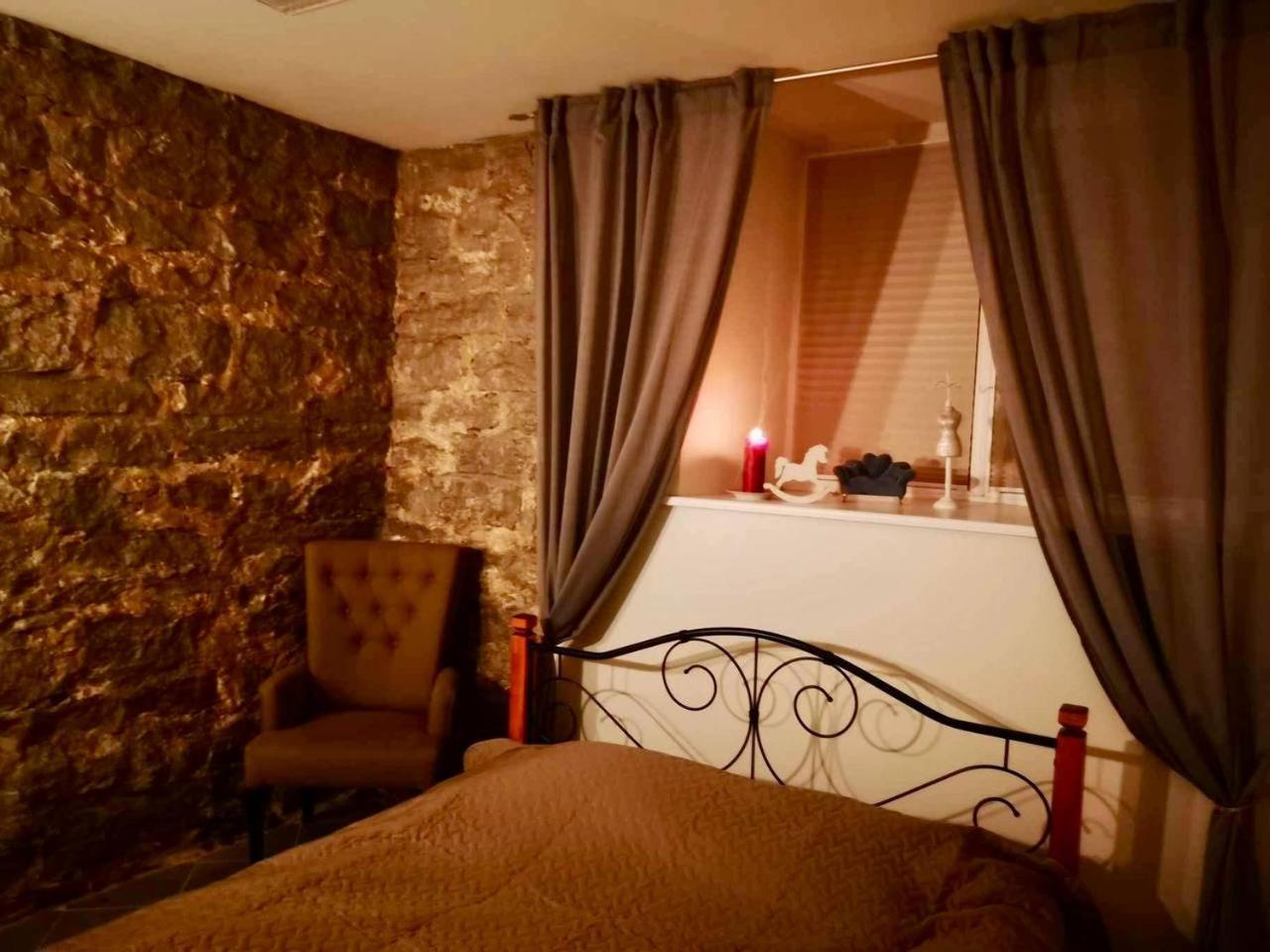
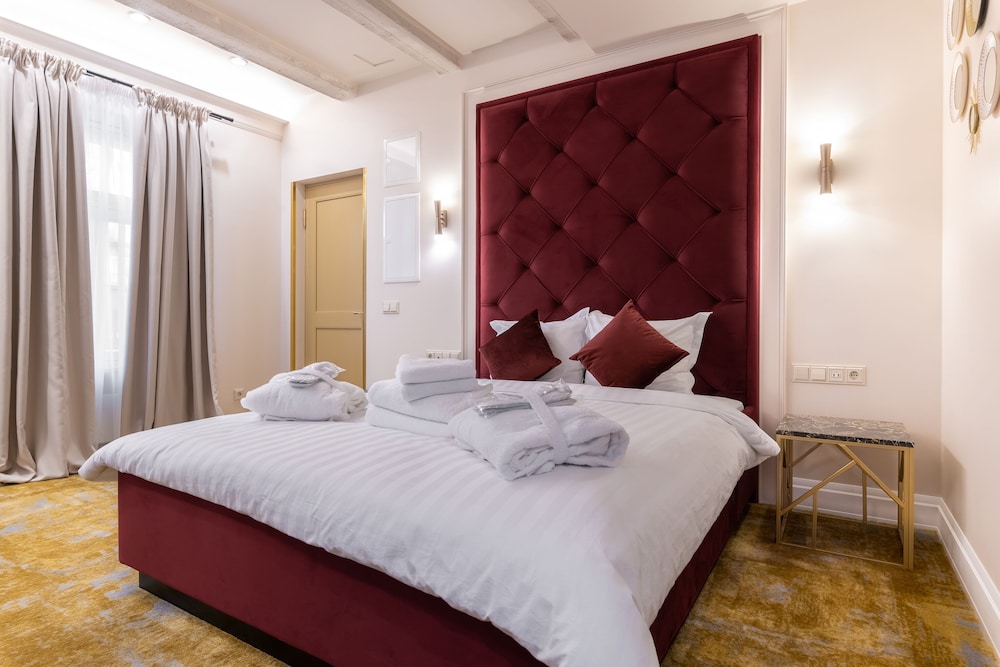
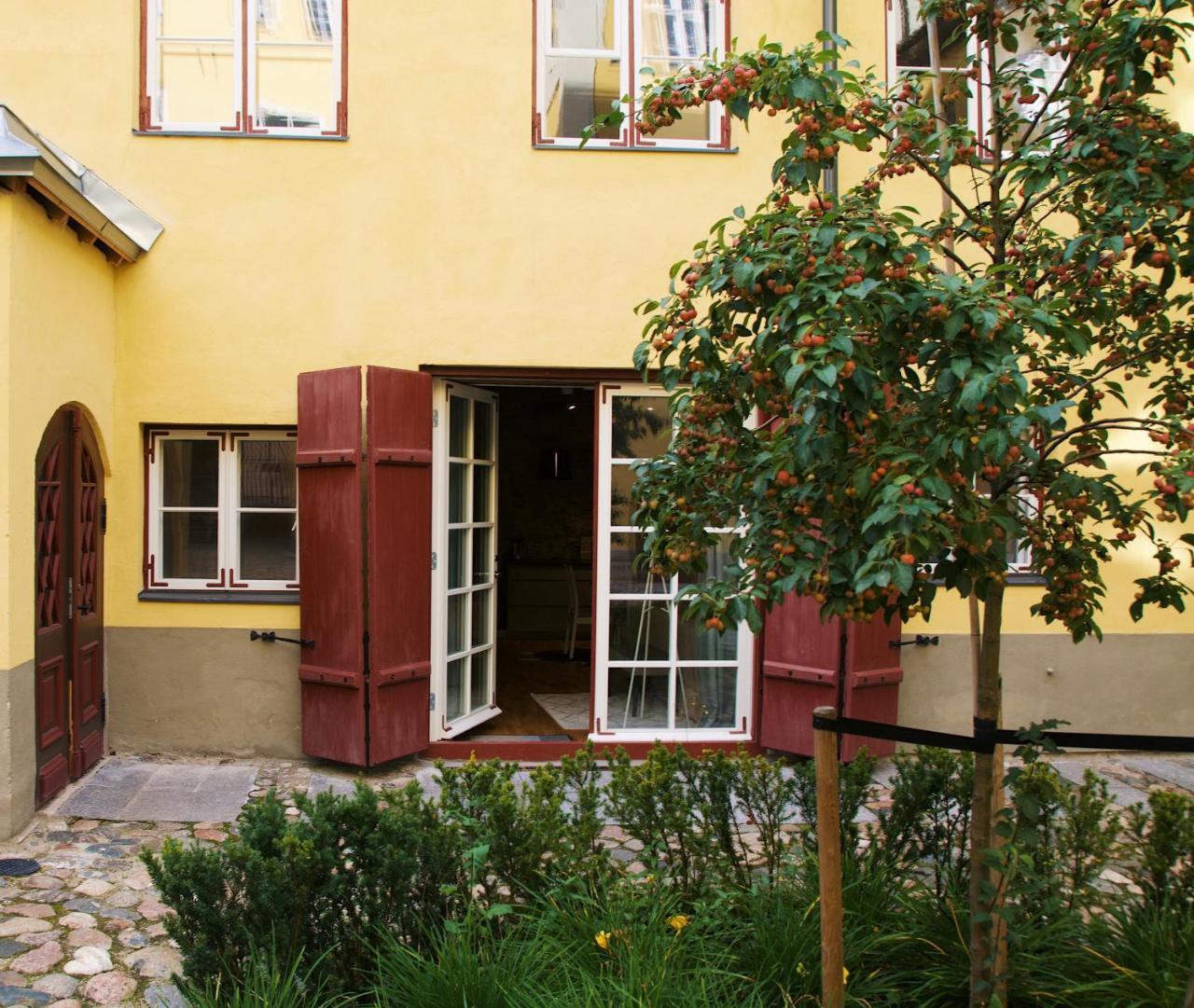
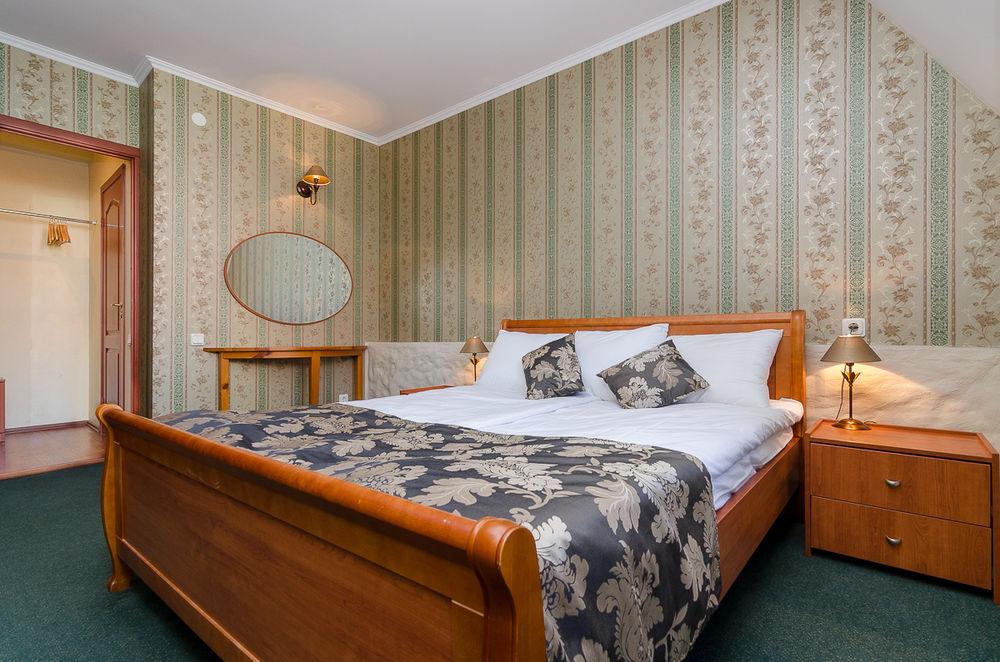
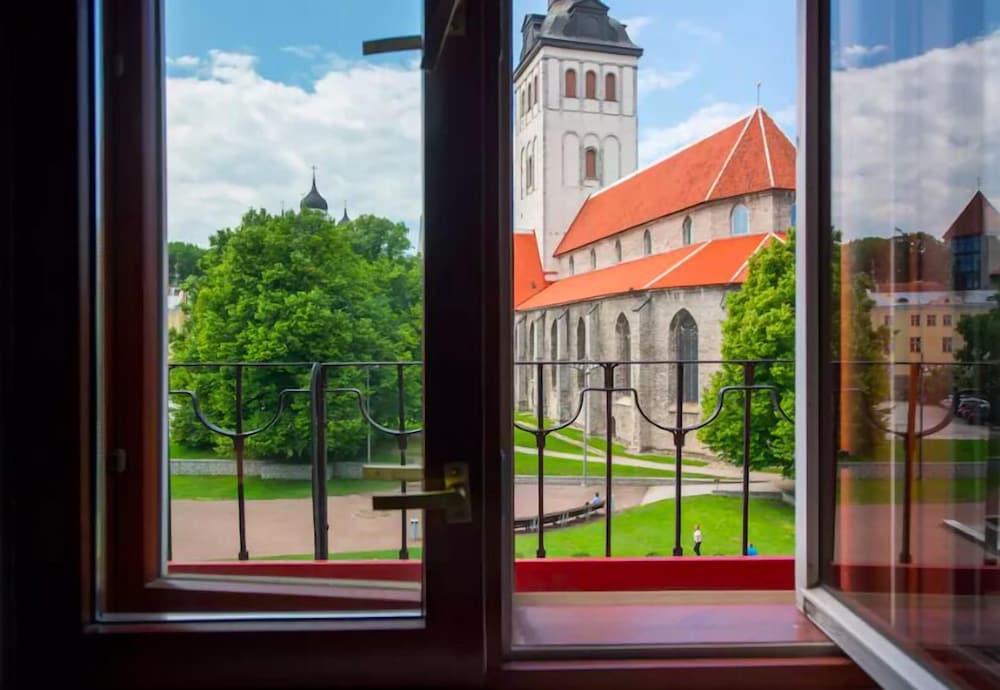
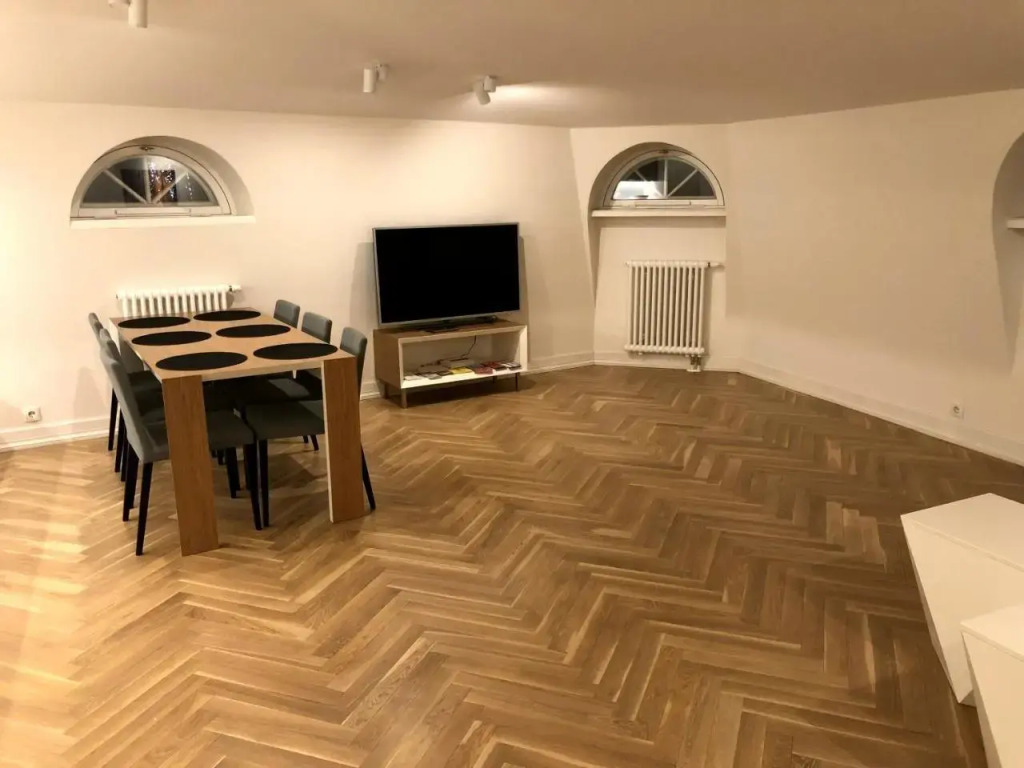
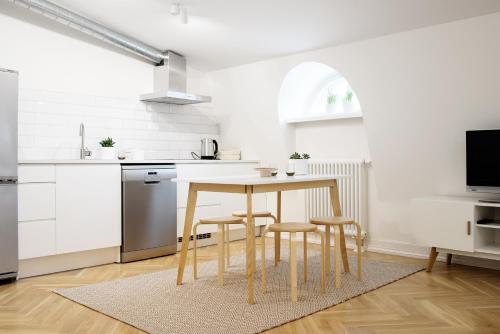
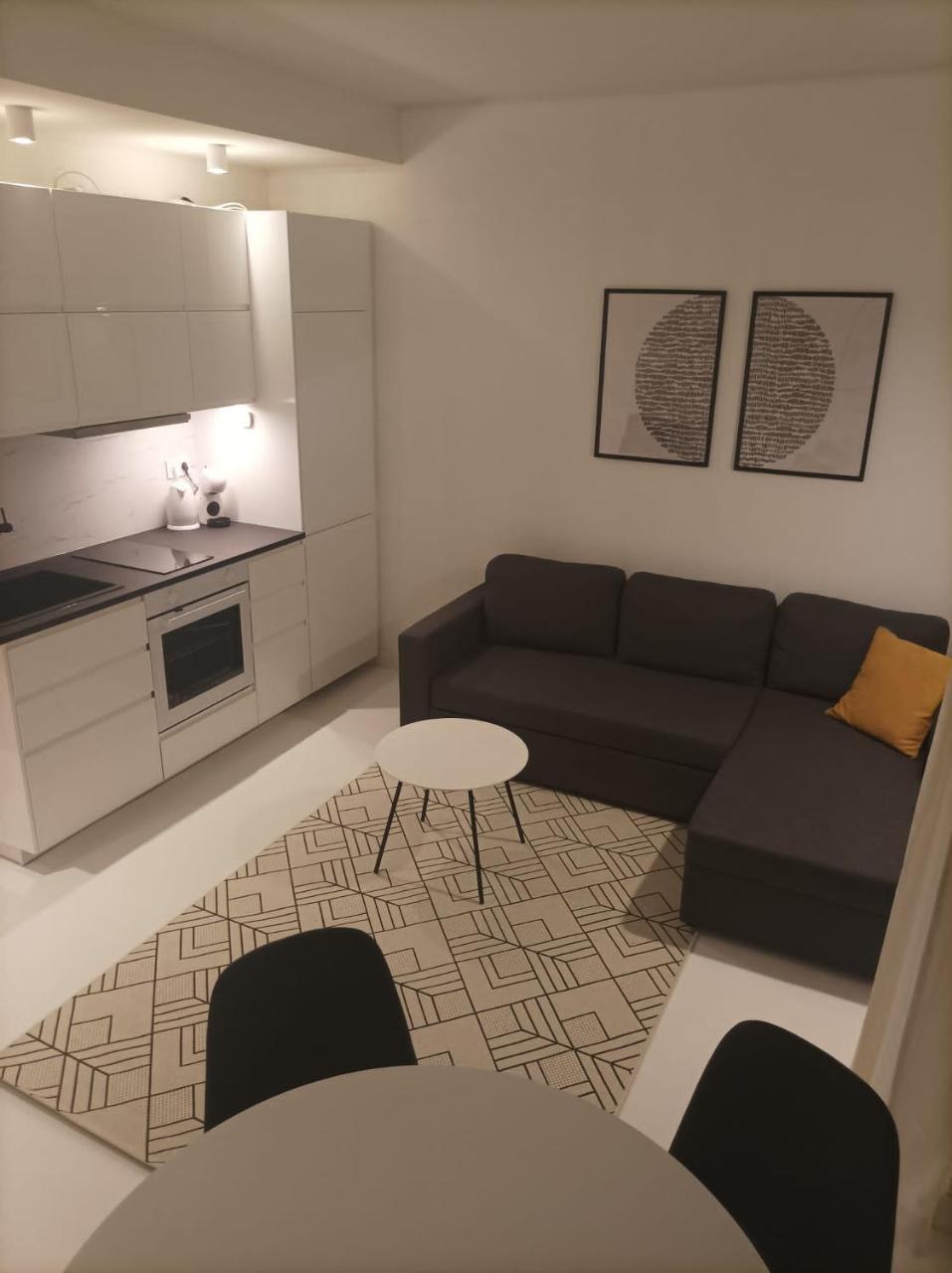
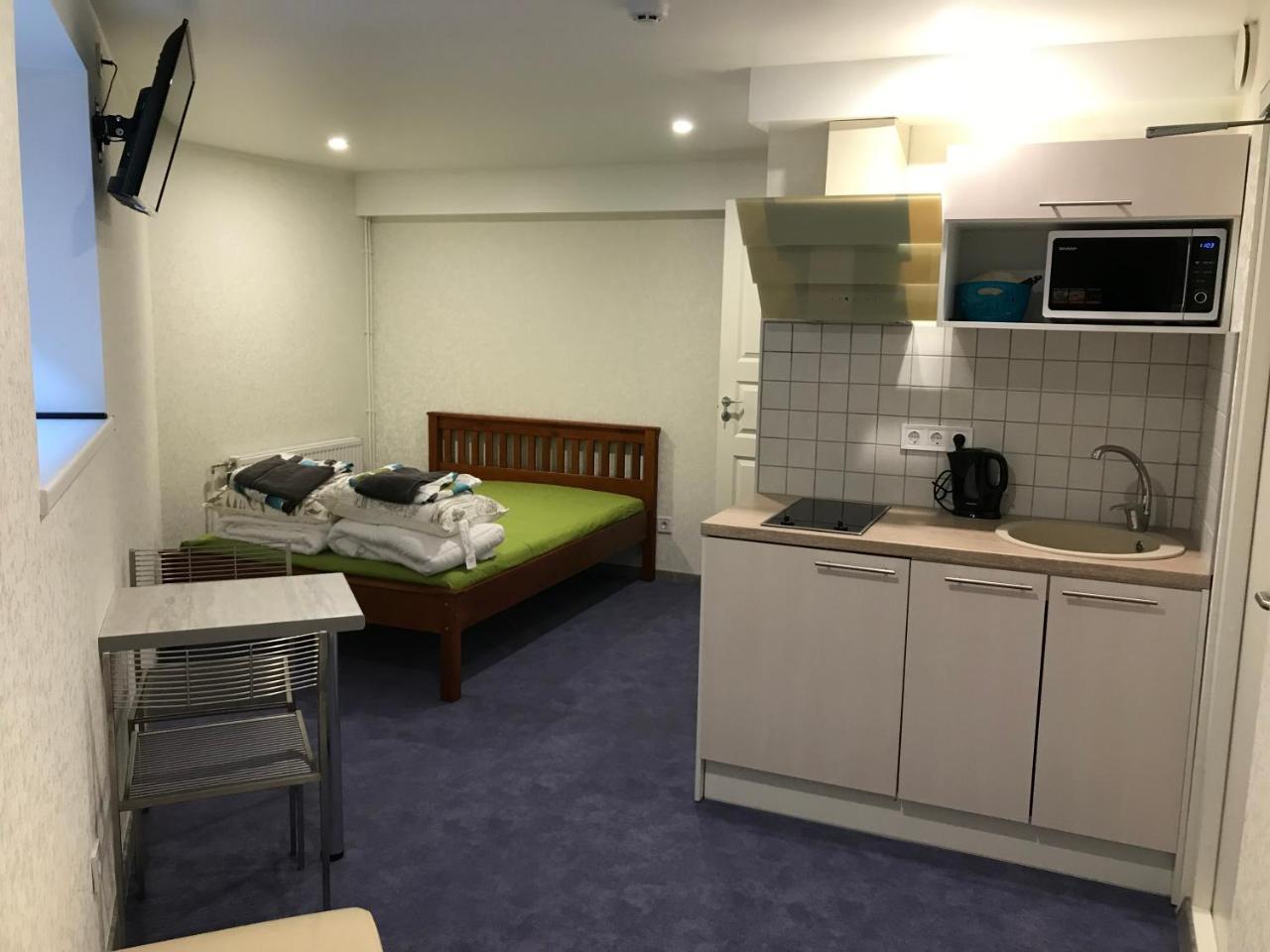
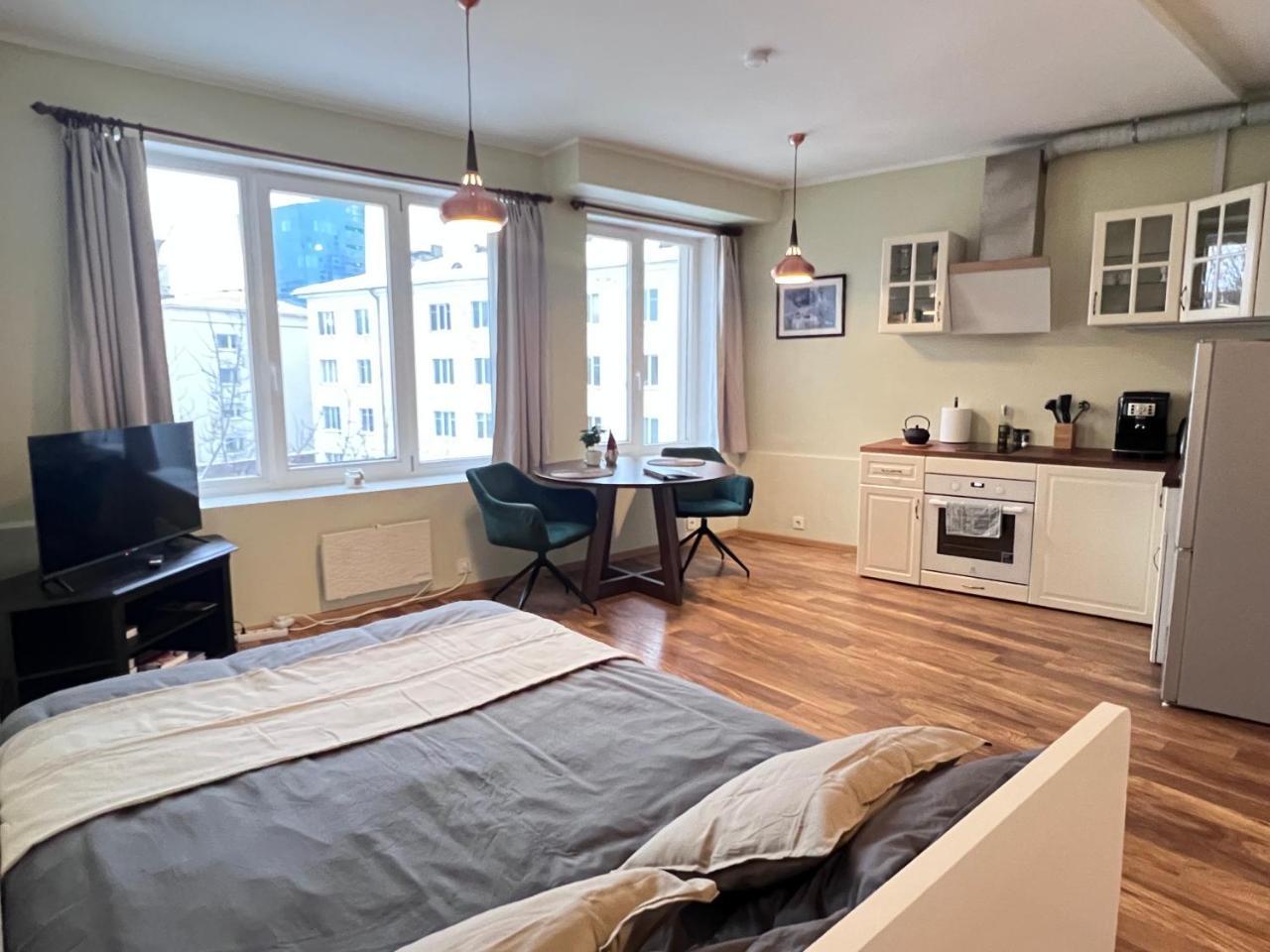
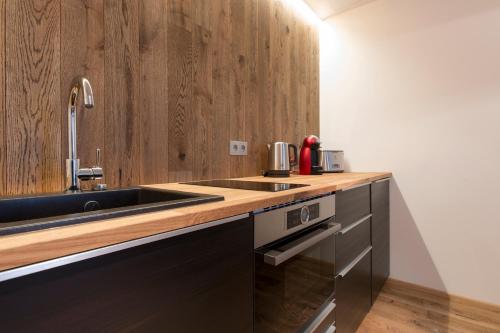
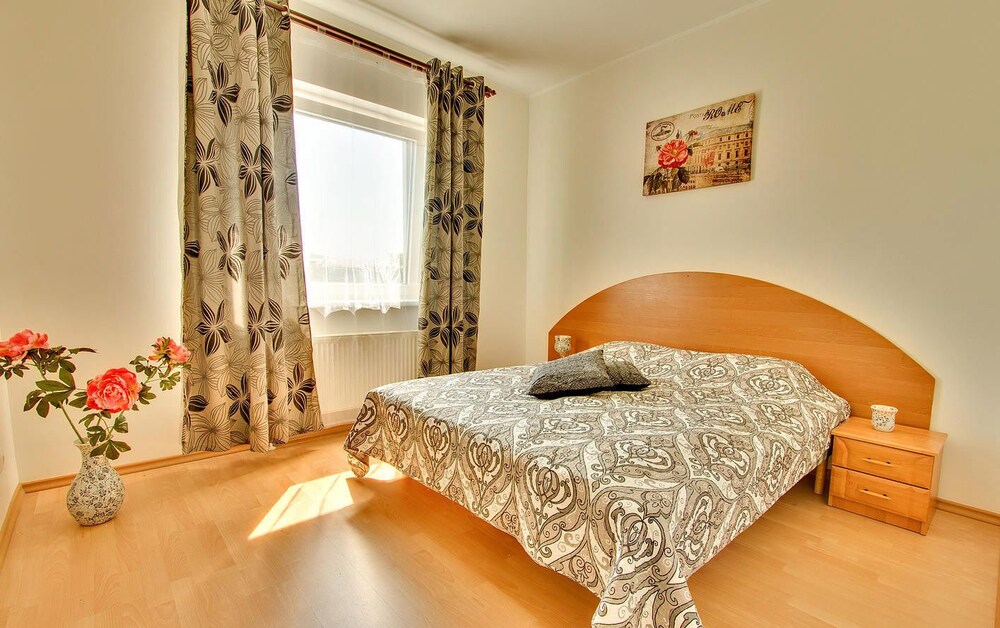
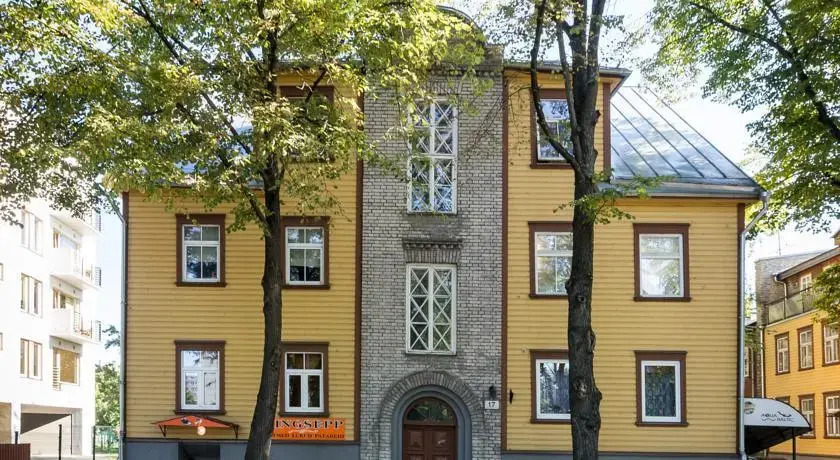
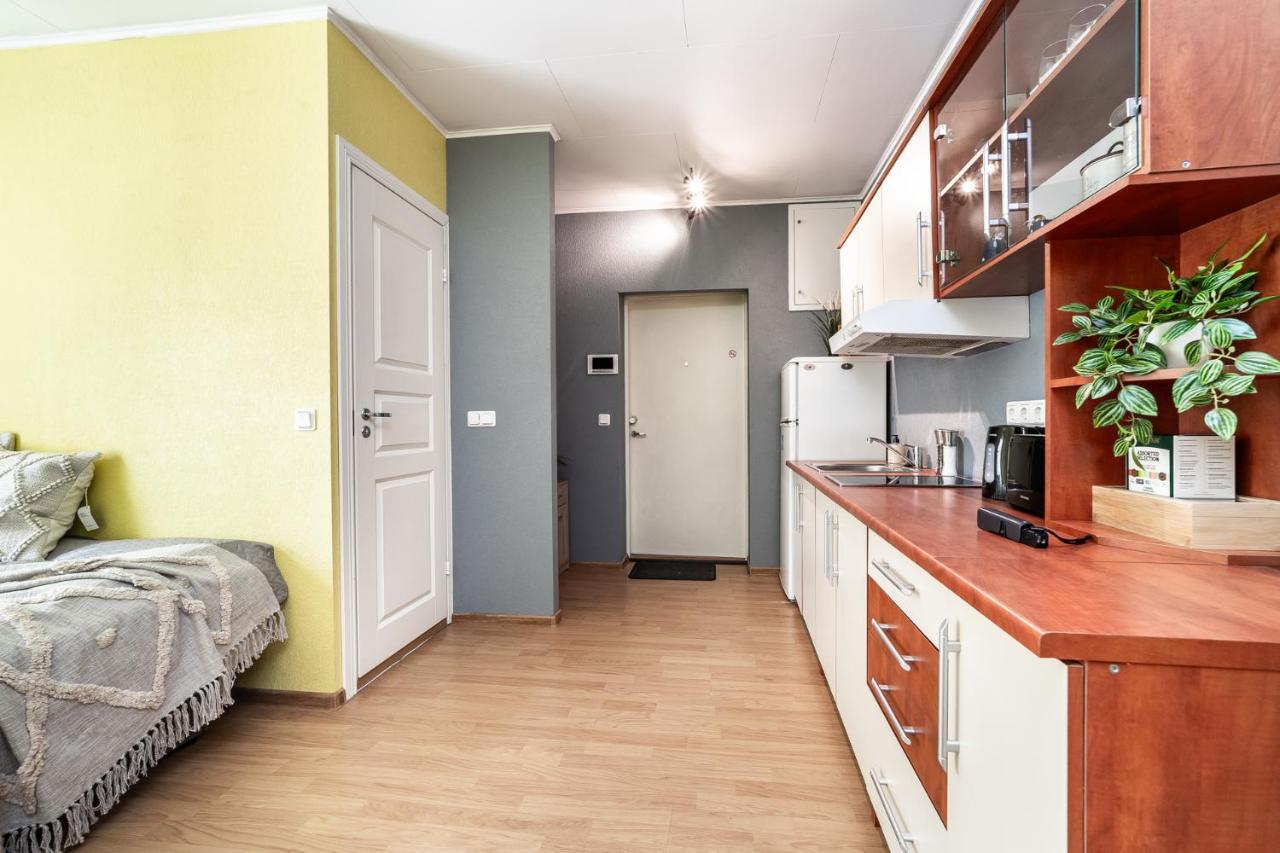
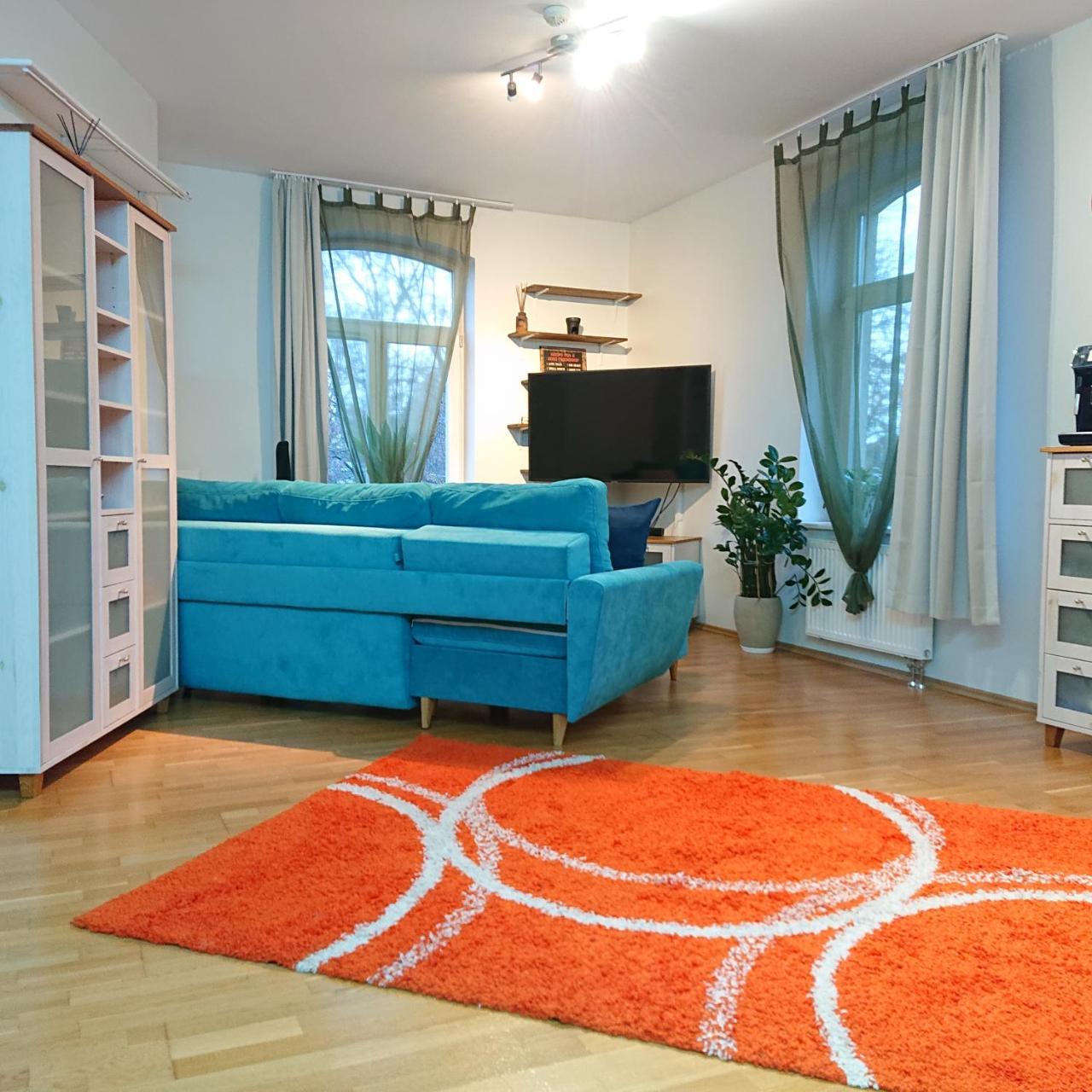
Tallinn
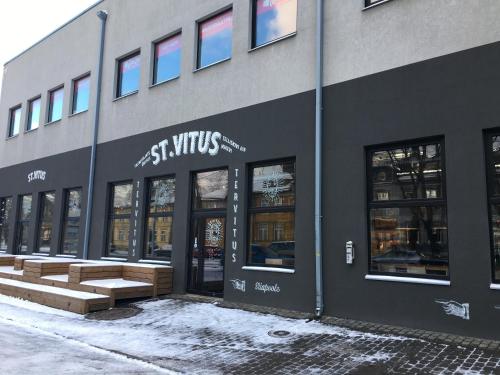
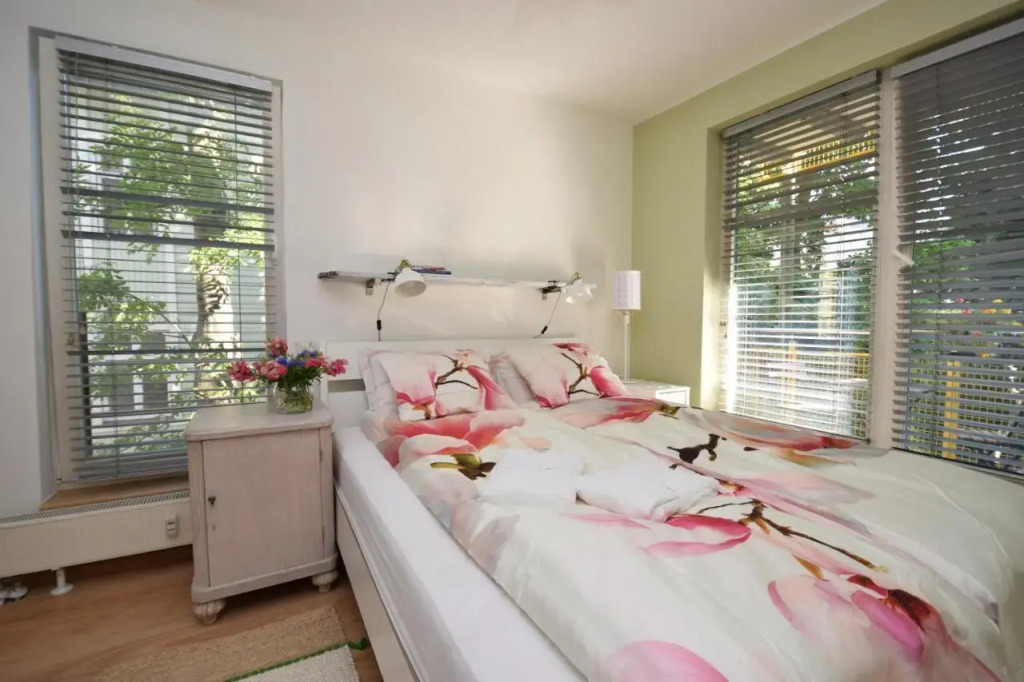
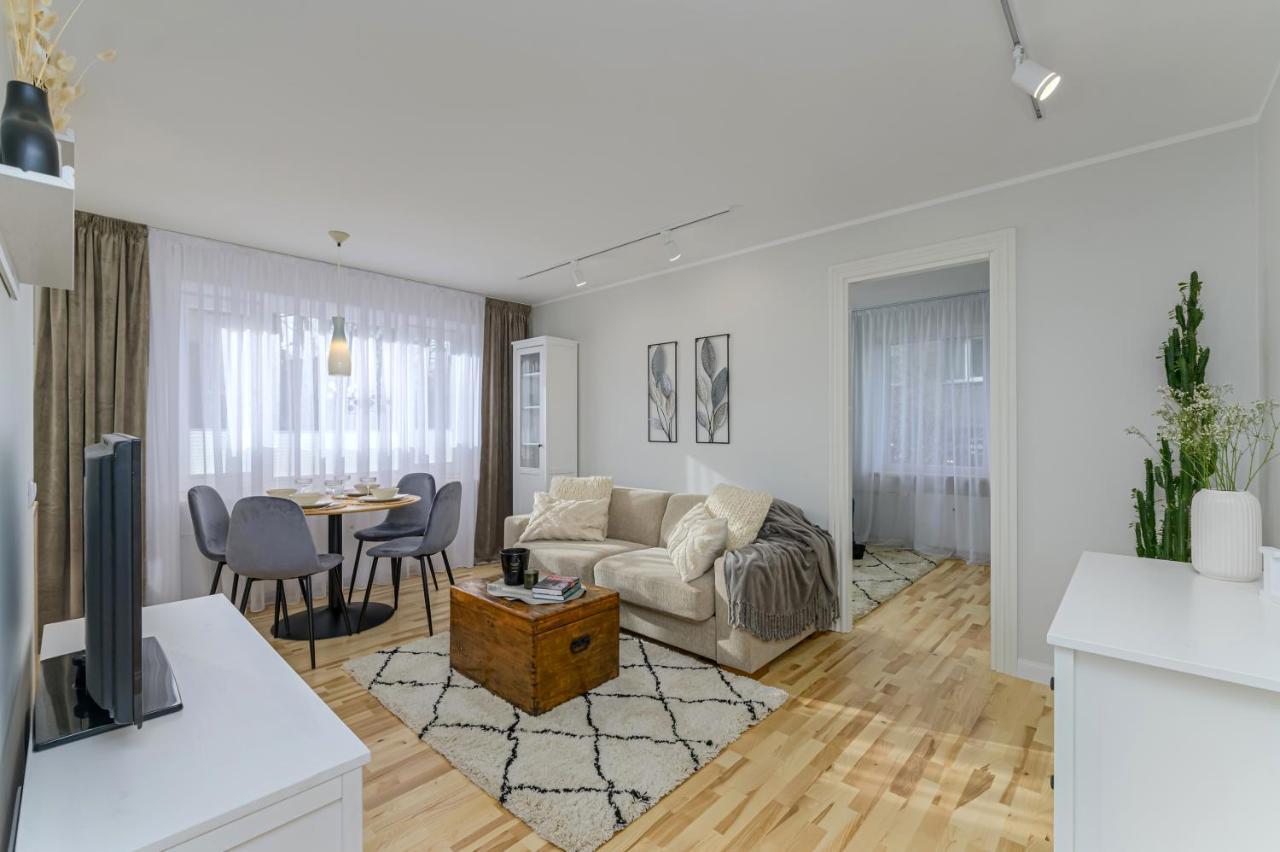
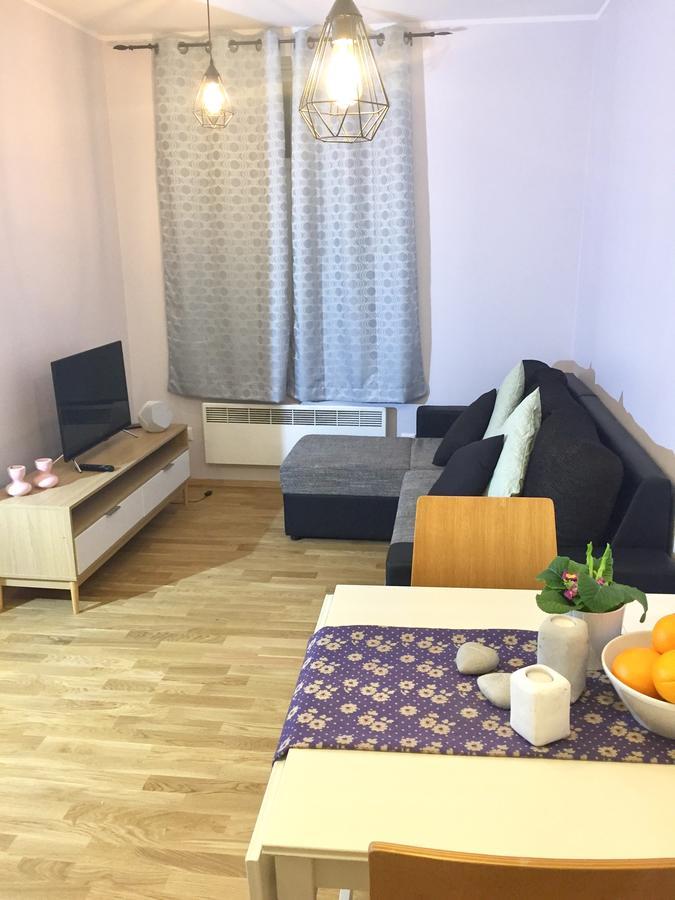
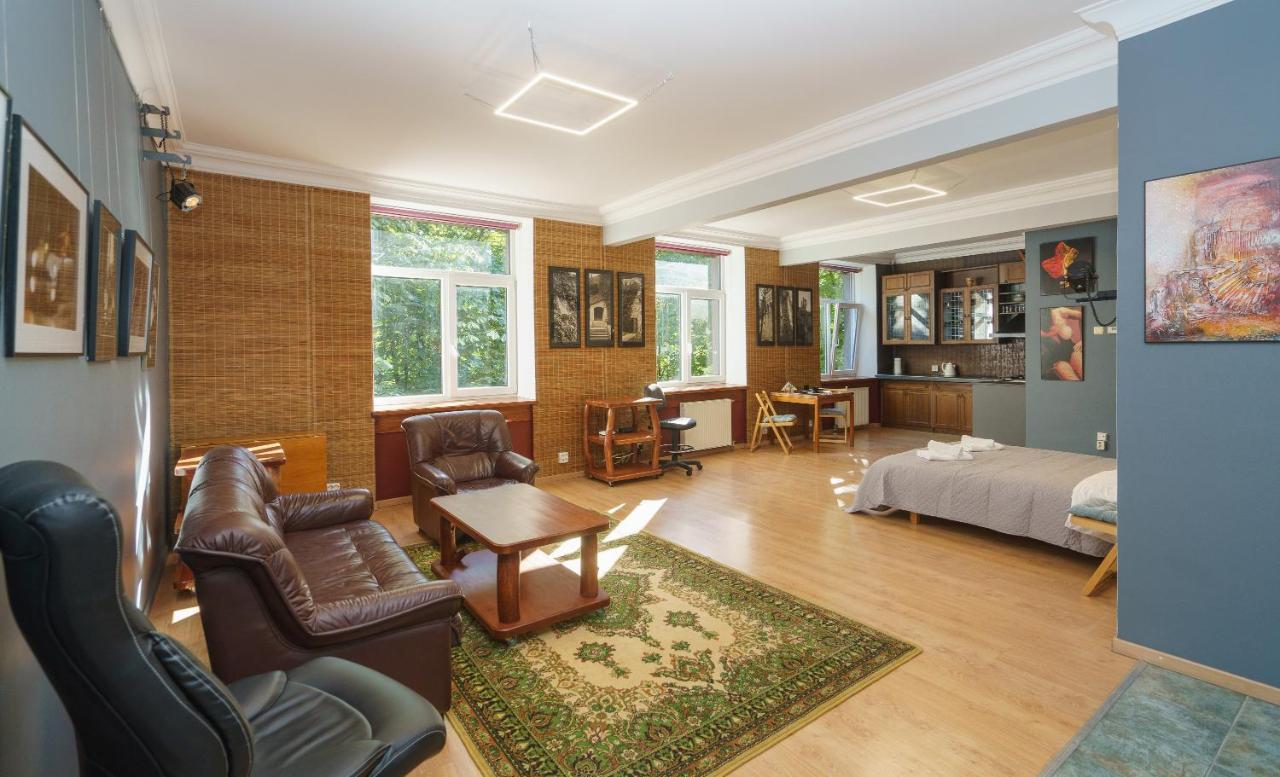
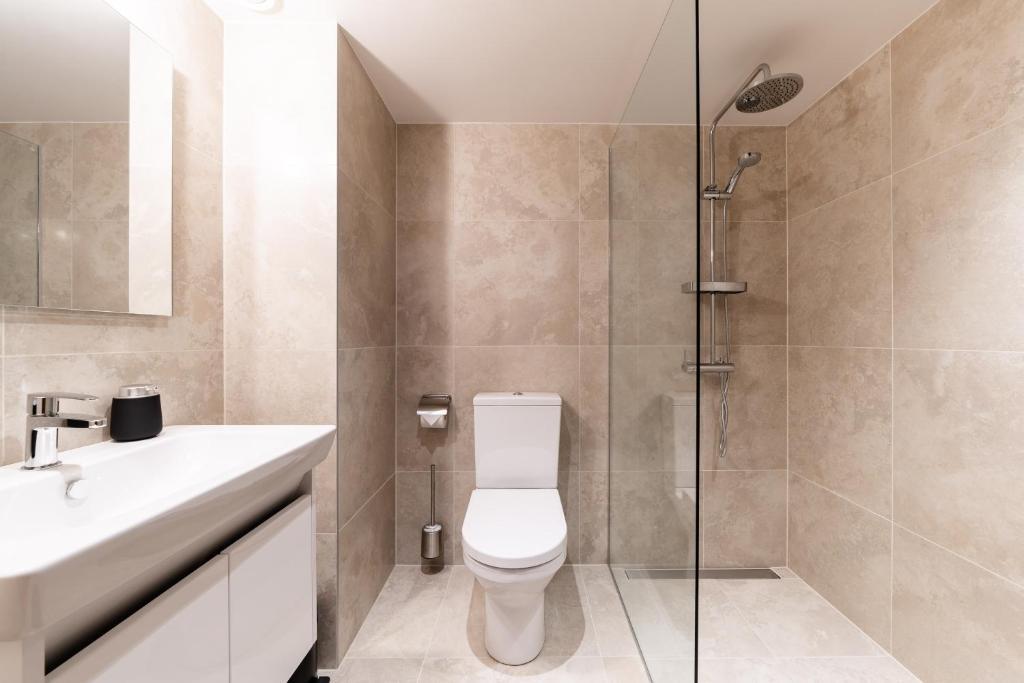
Ally's Urban Cozy Studio Juhkentali 42 Tallinn near city centre airport next to bus station
★★★ Tallinn
Live priceReserve
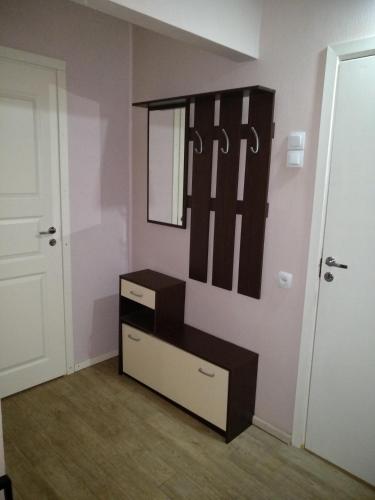
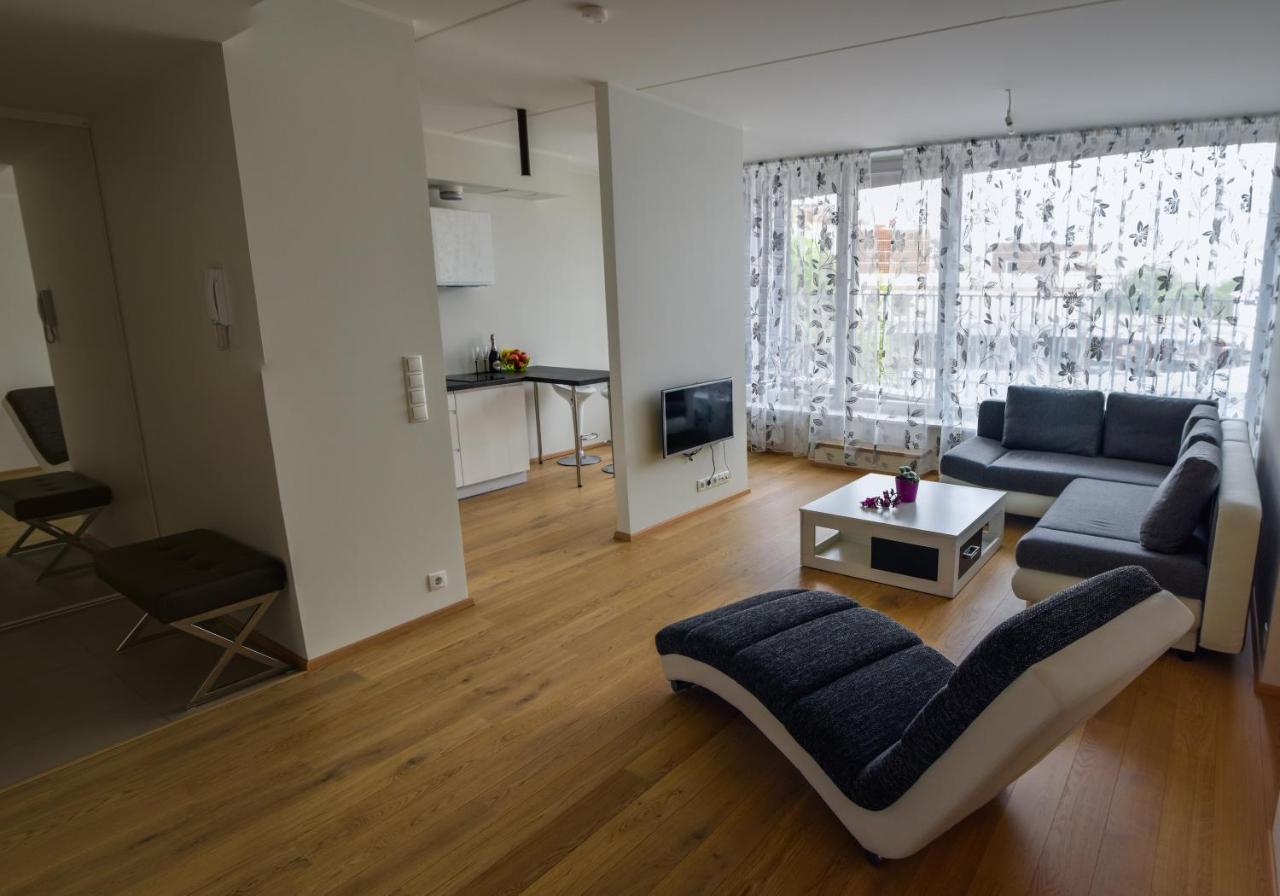
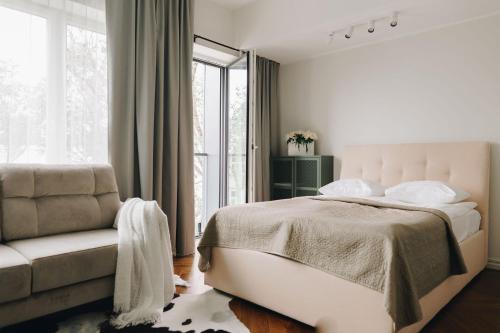
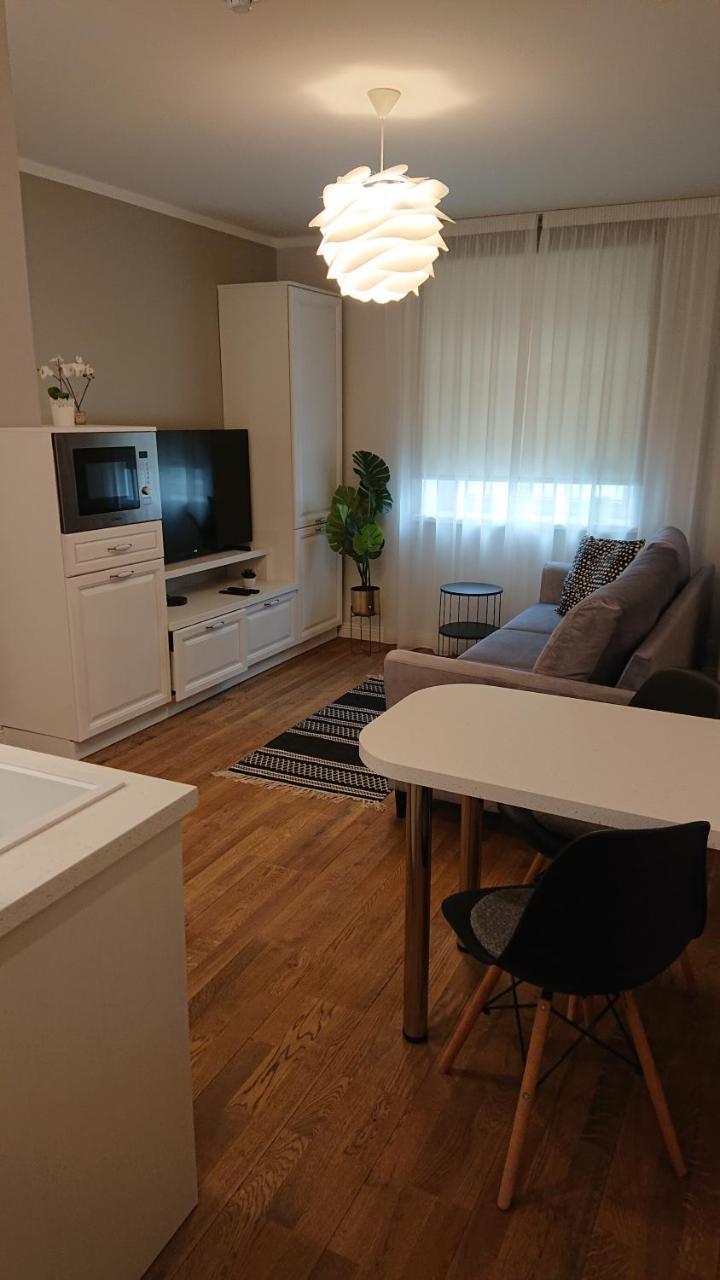
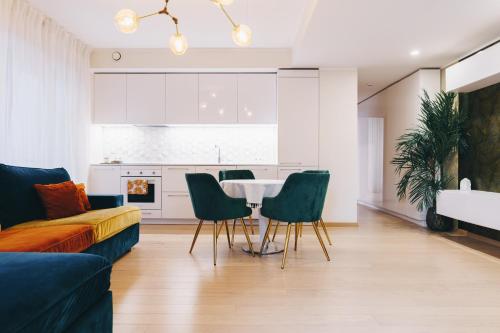
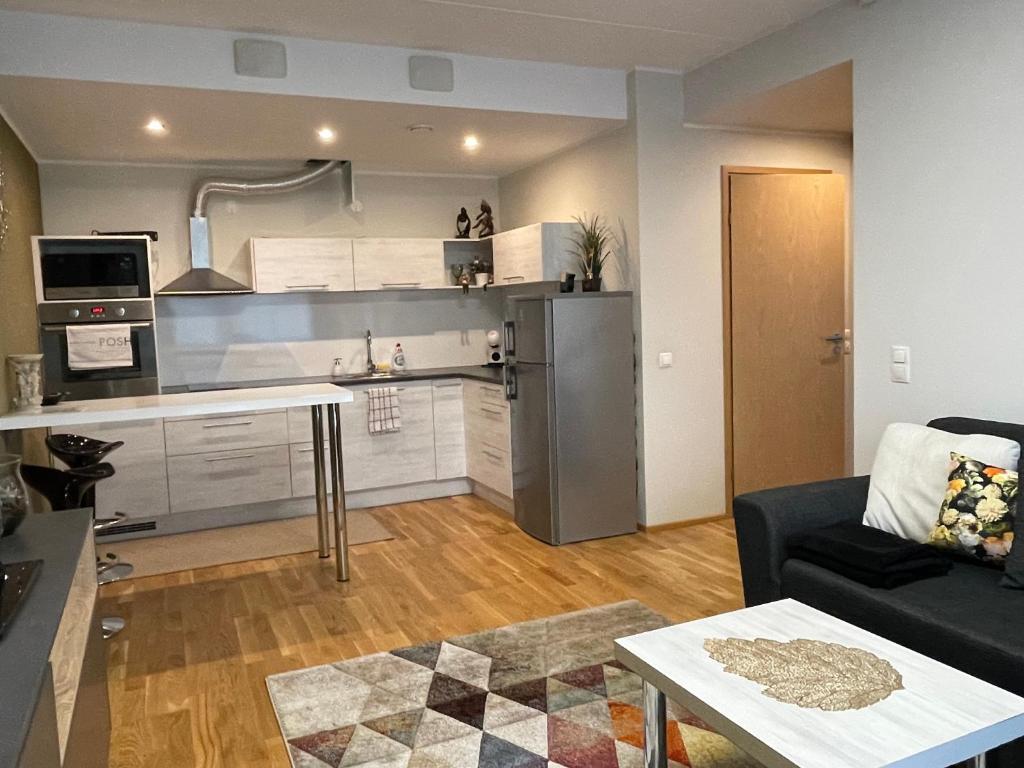
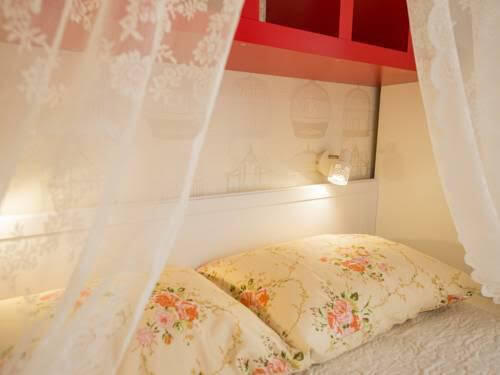
Tallinn
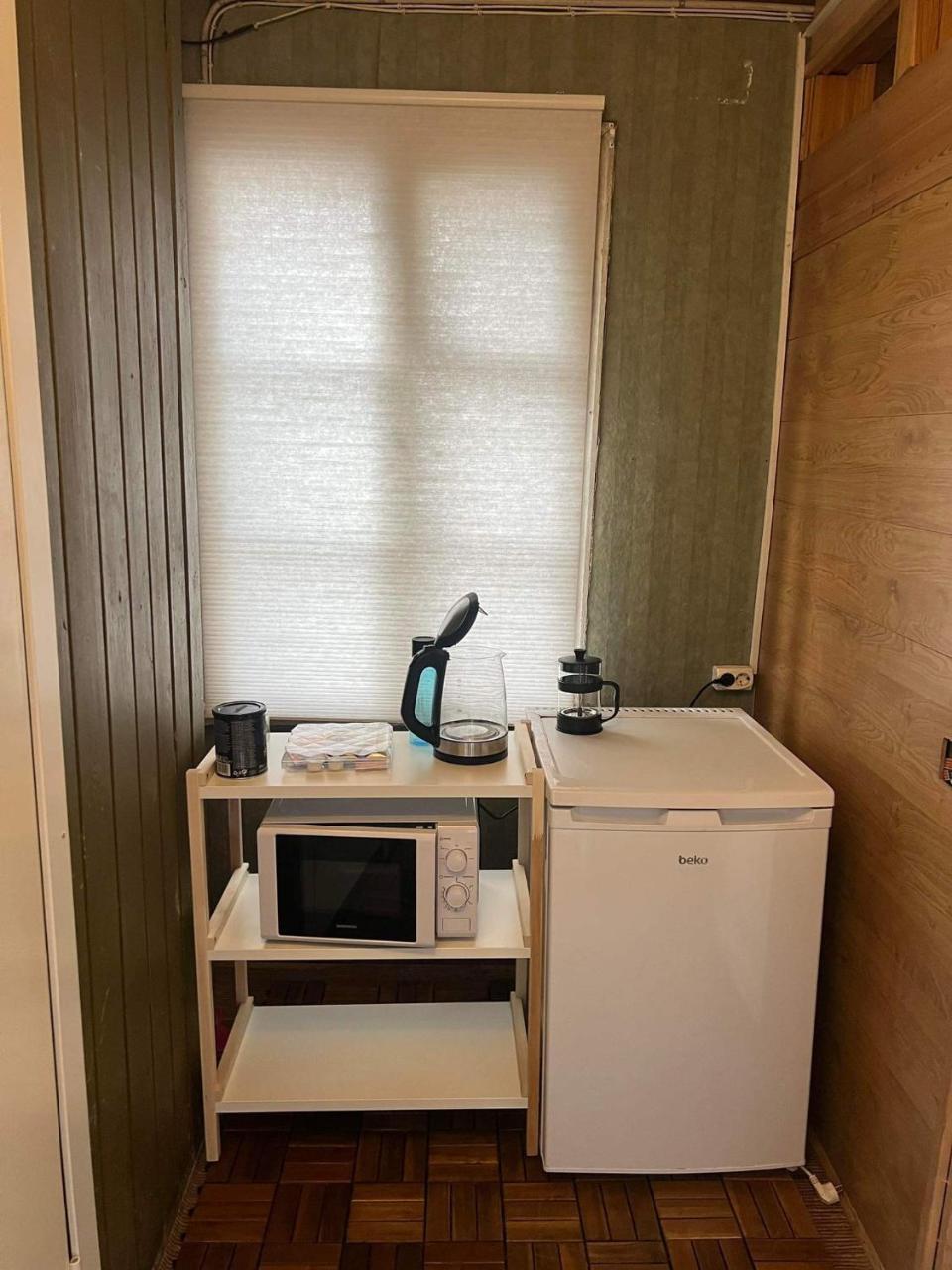
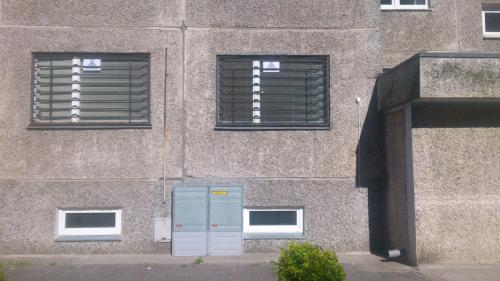
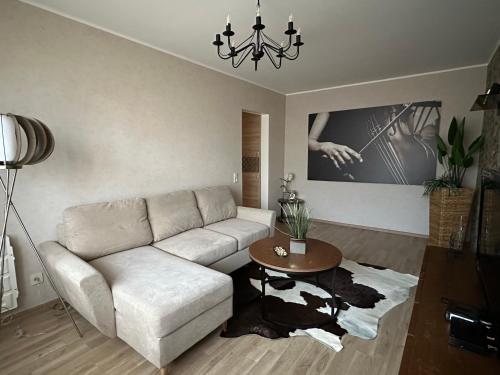
Laura comfy city apartment studio Kappeli 8 2 near Tallinn airport next to the bus station
★★★ Tallinn
Live priceReserve
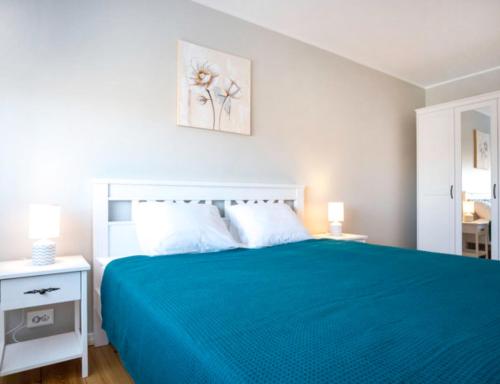
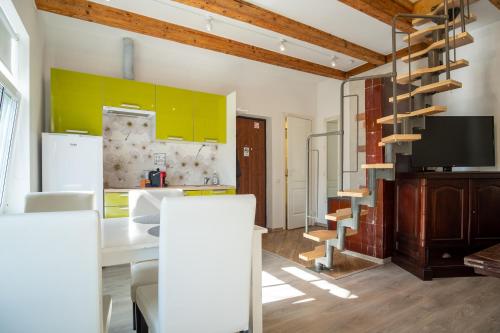
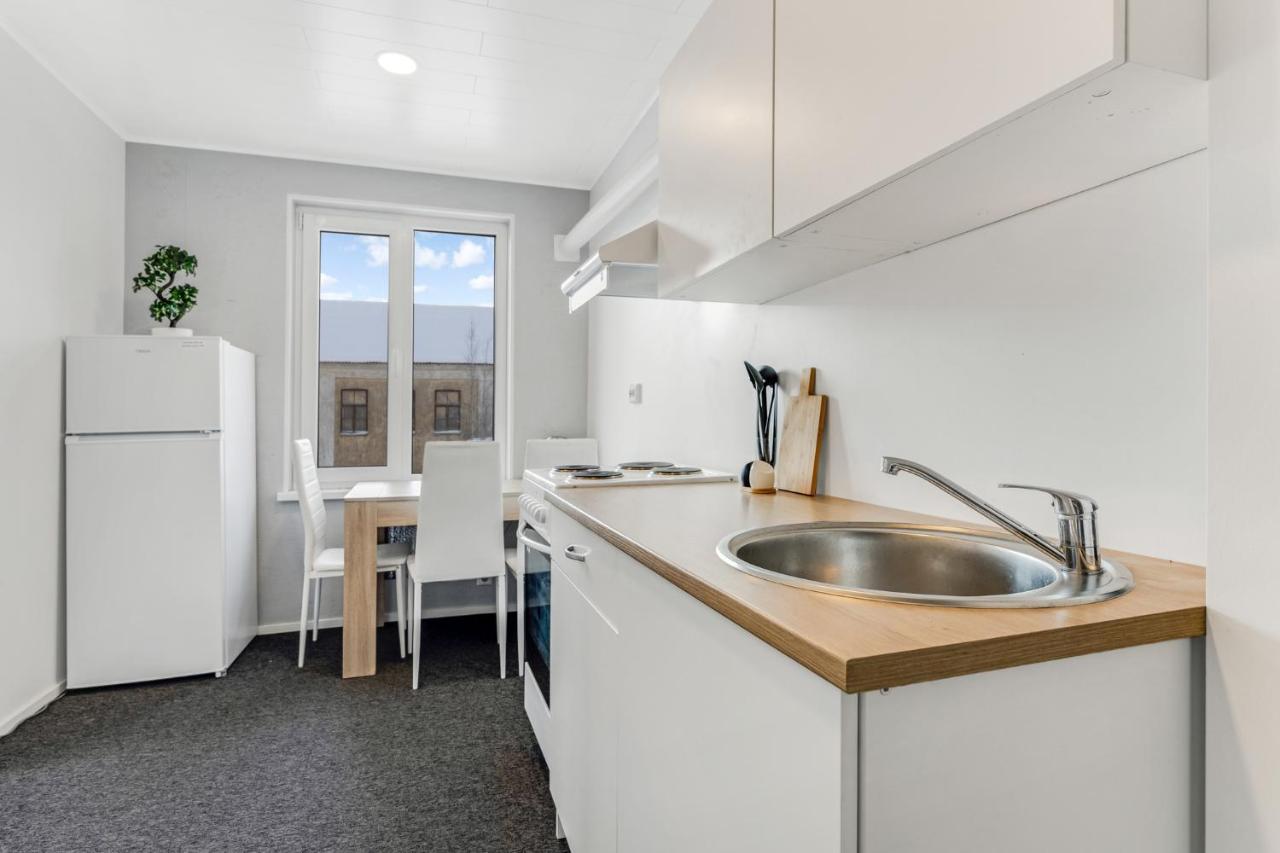
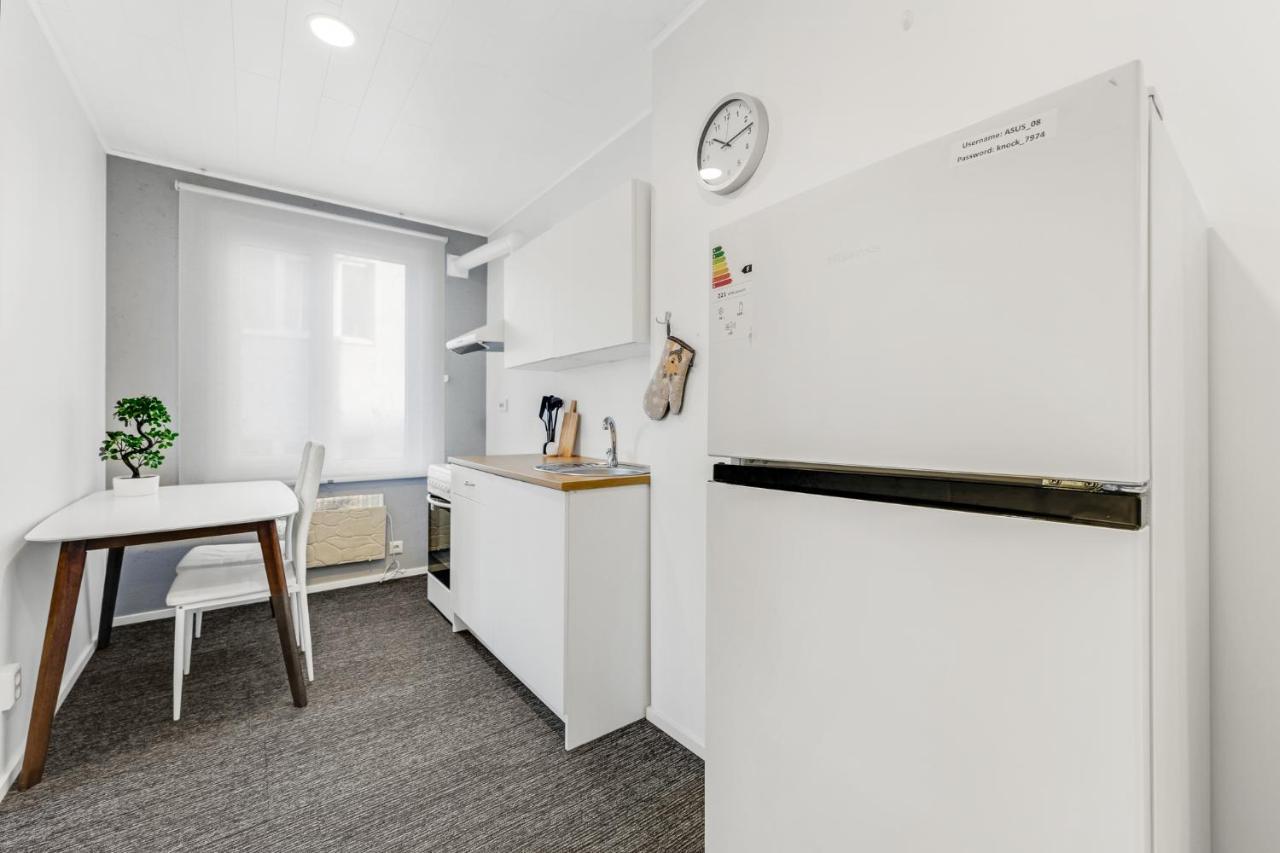
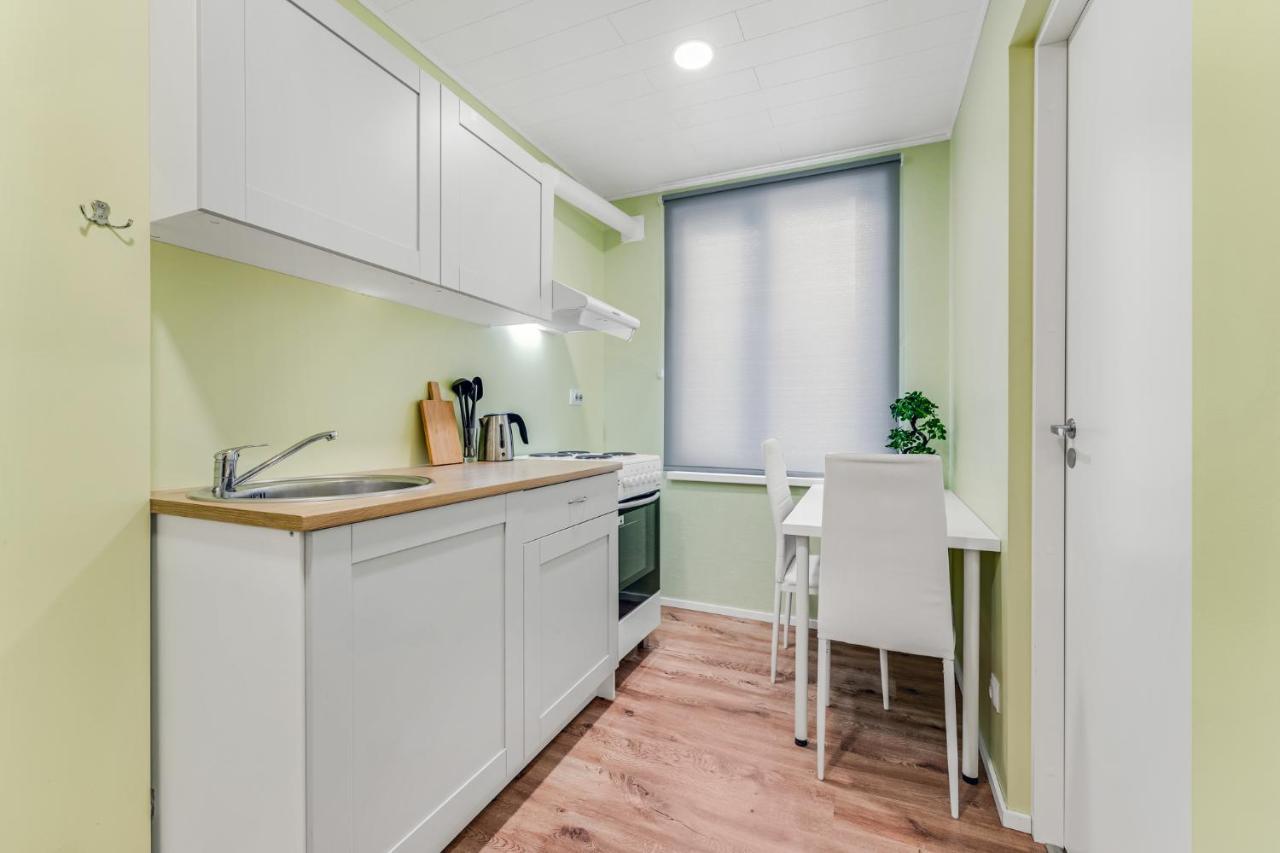

Tallinn
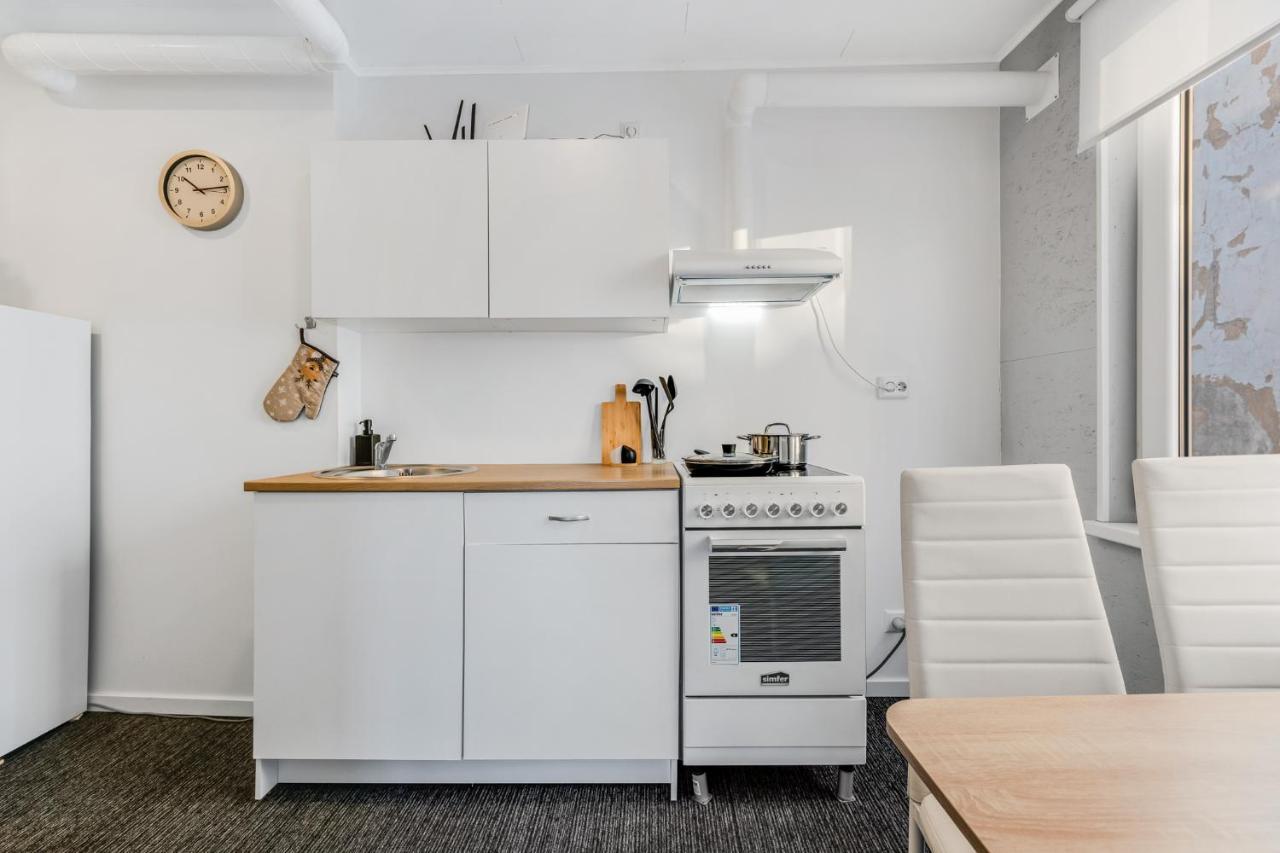
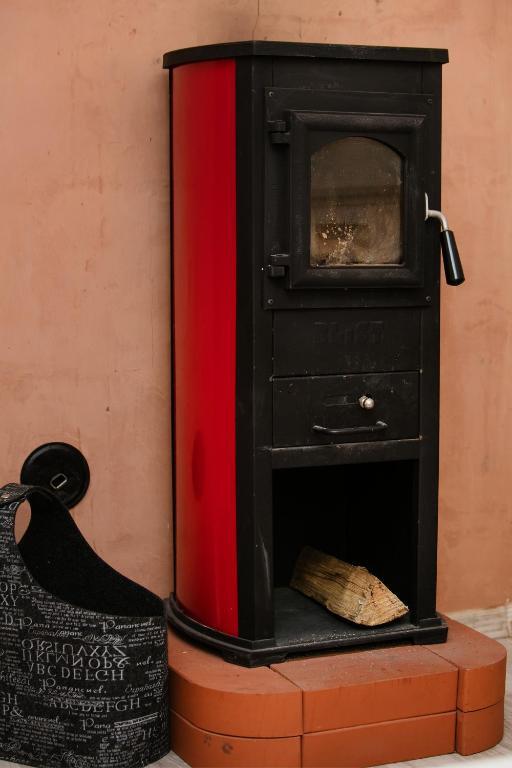
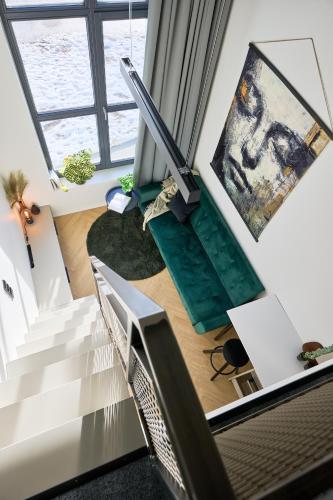
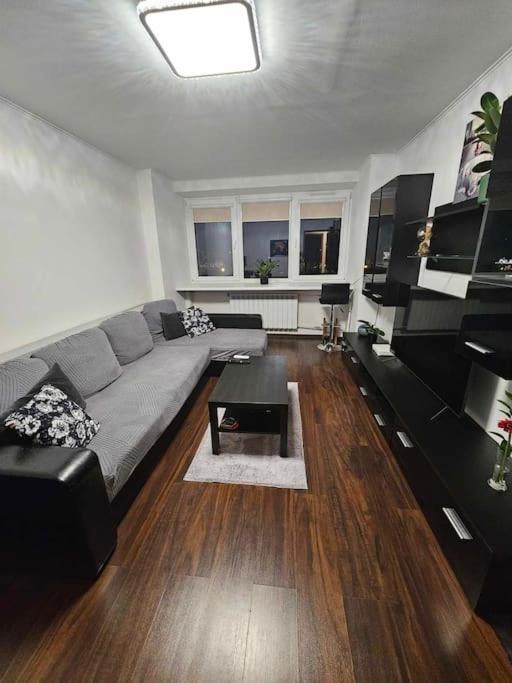
1 Bedroom Apartment On The 5Th Floor 8 Min Trainride From Old Town
★★★ Tallinn
Live priceReserve
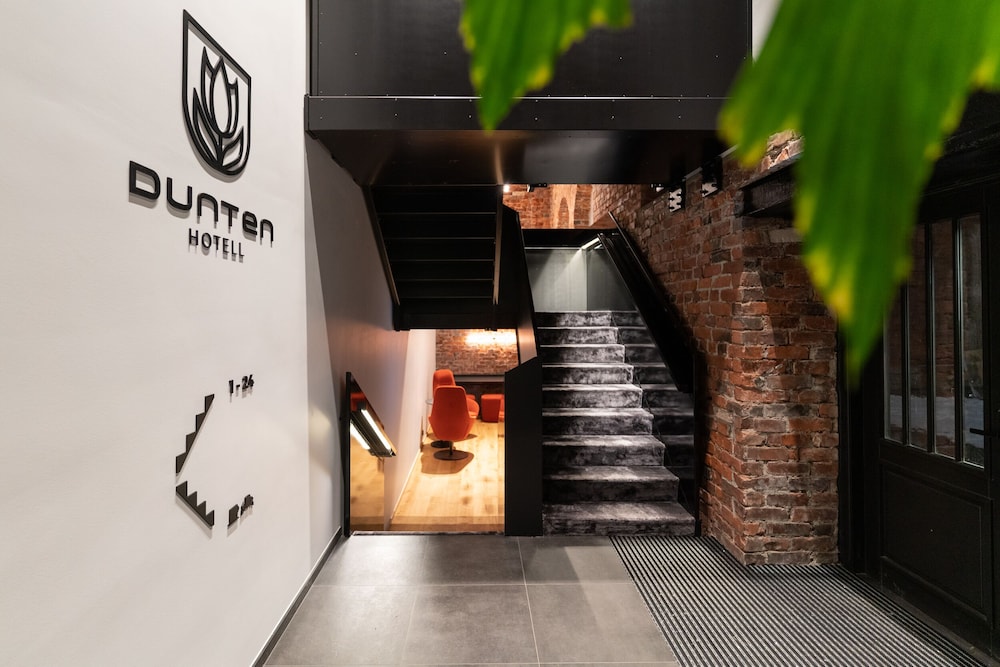
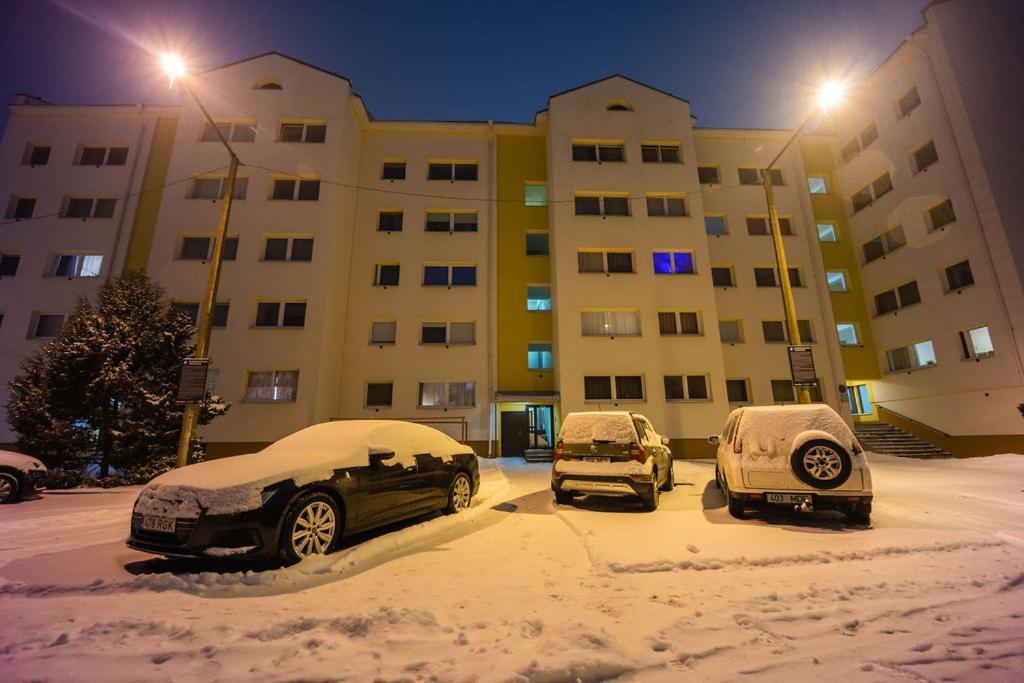
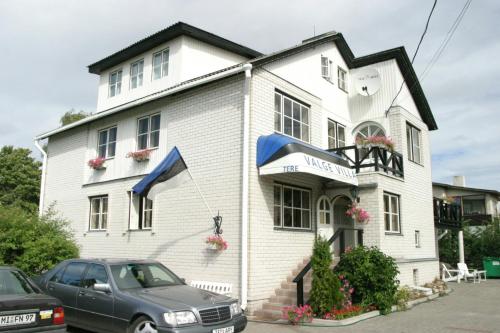
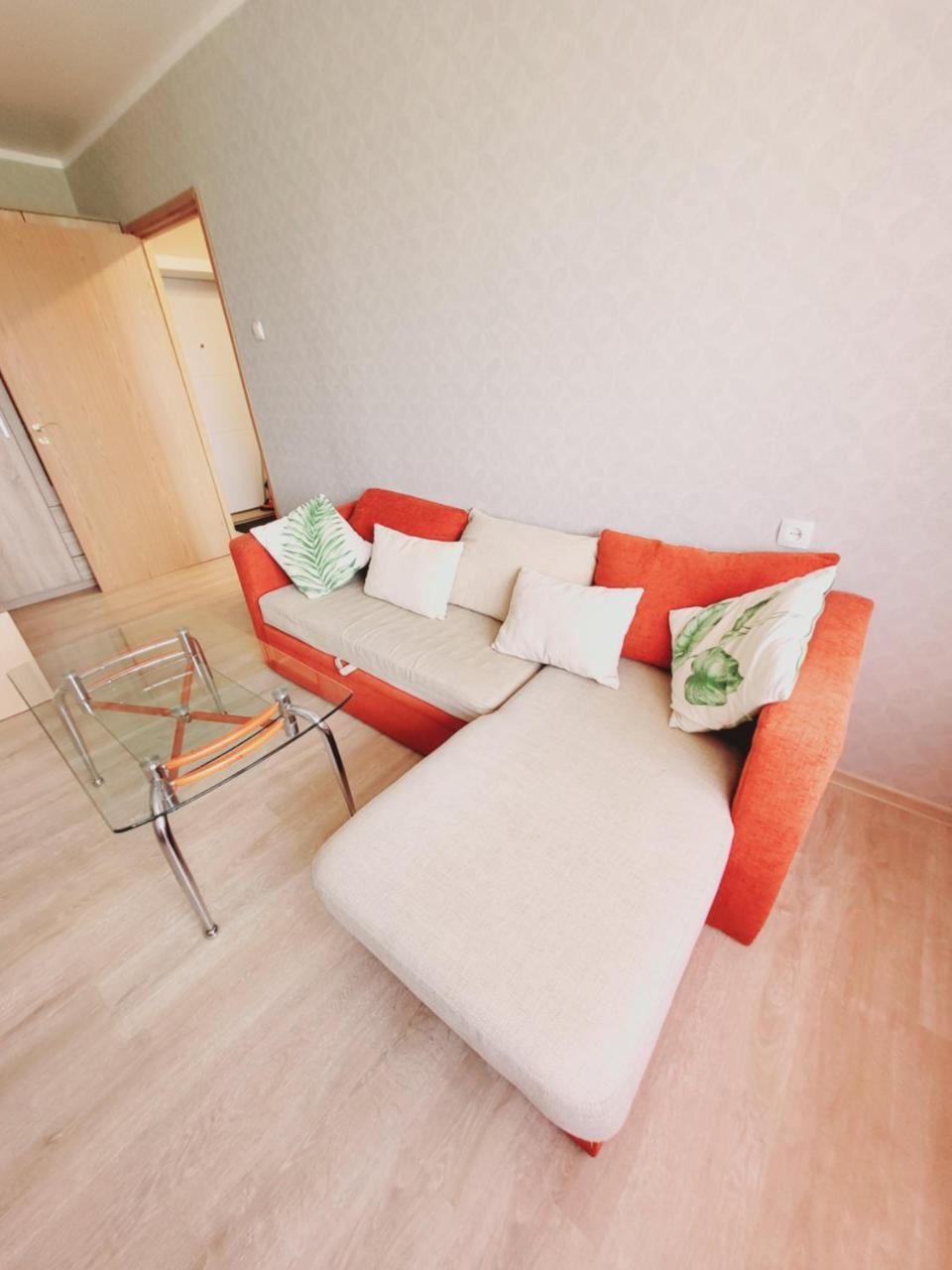
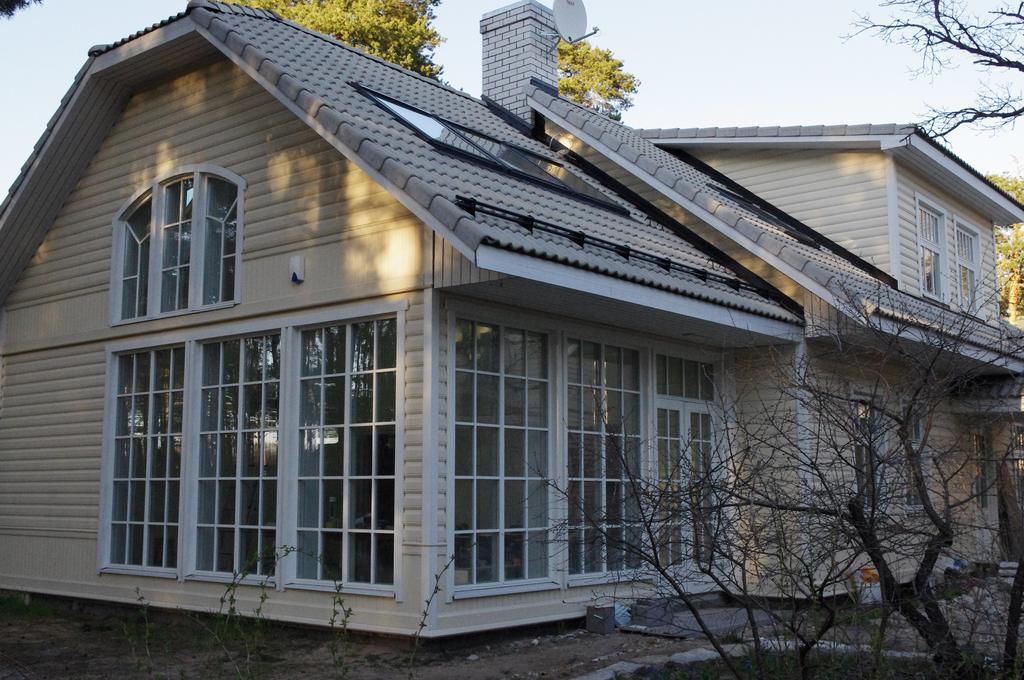
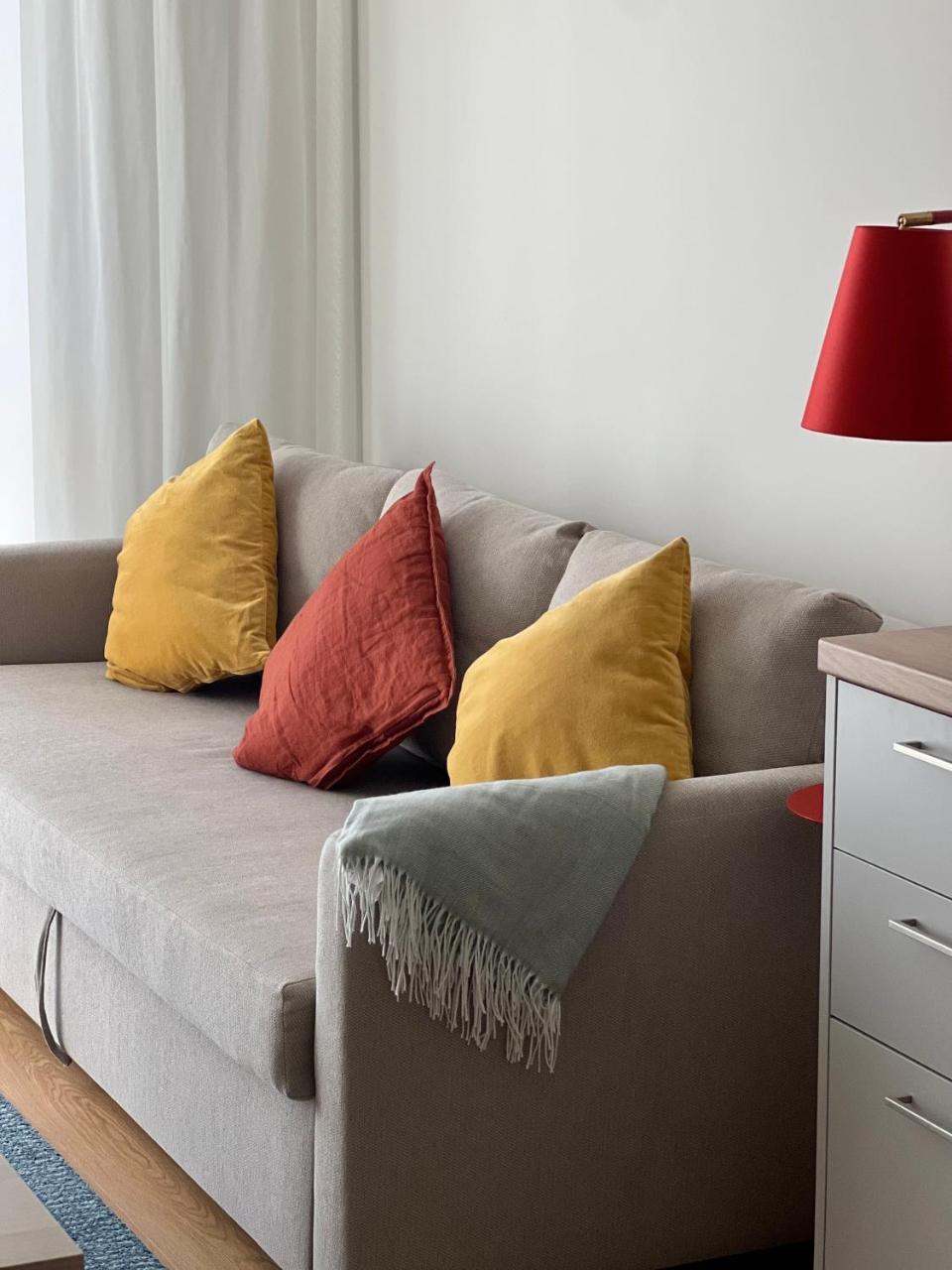
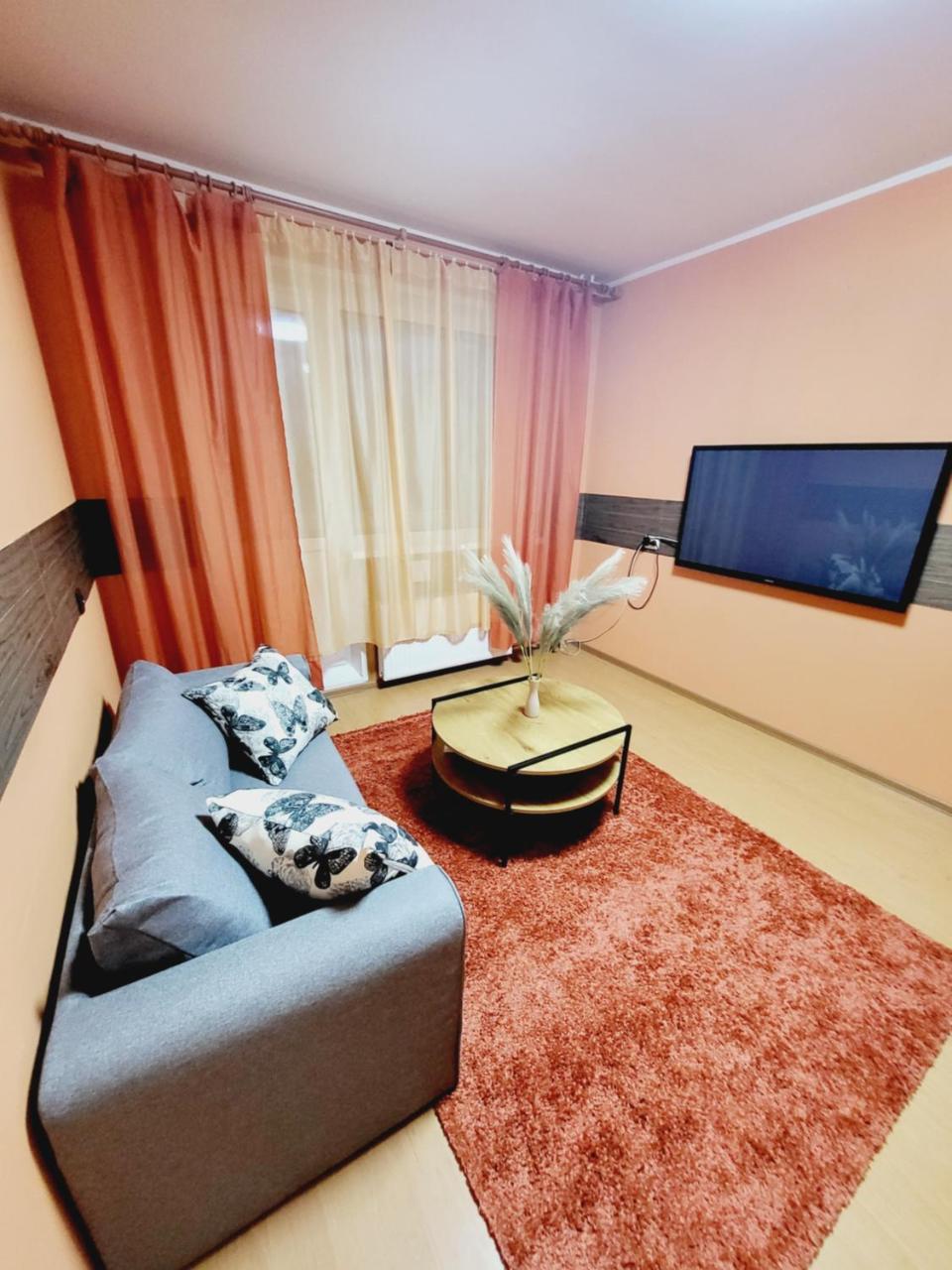
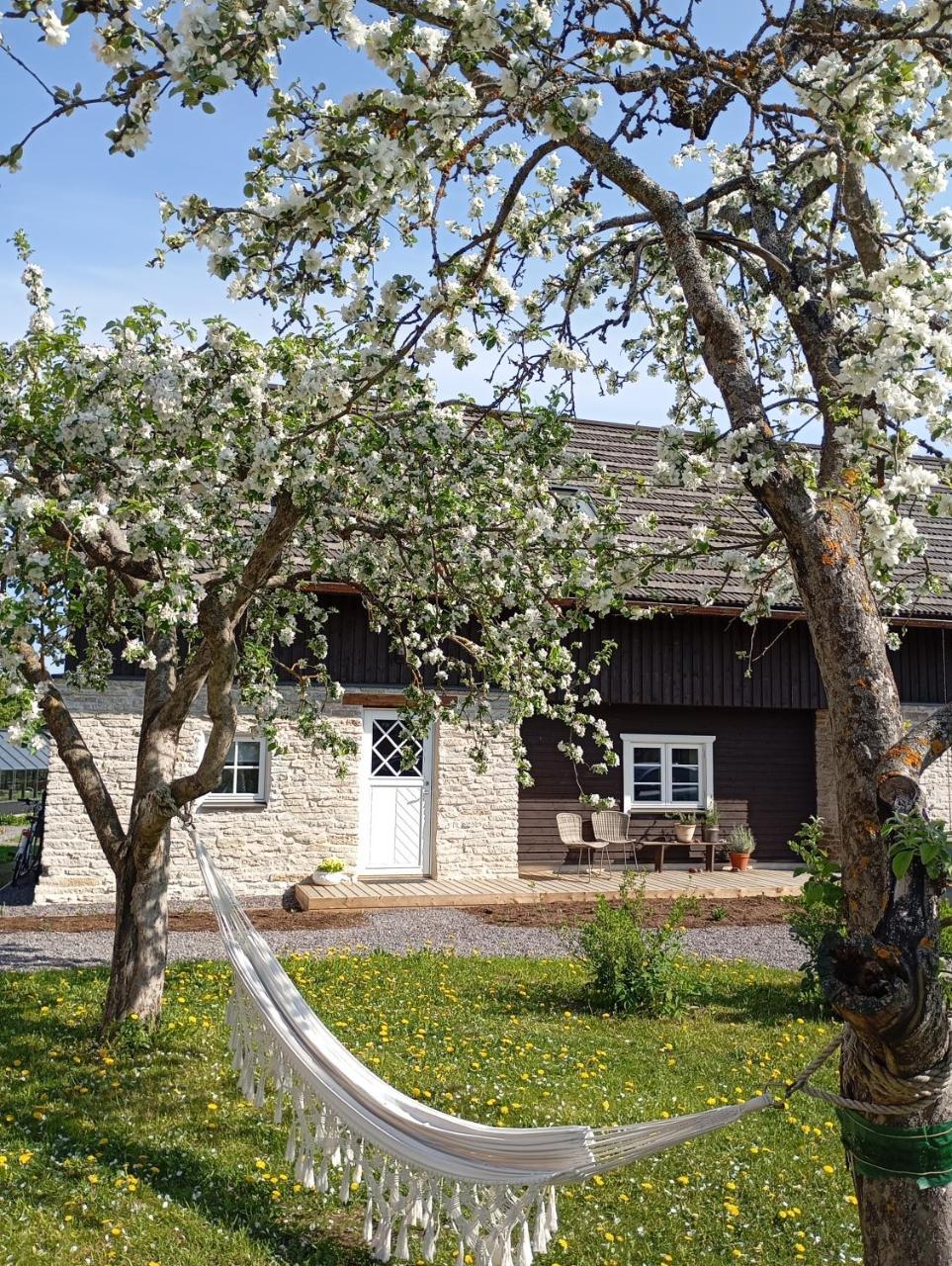
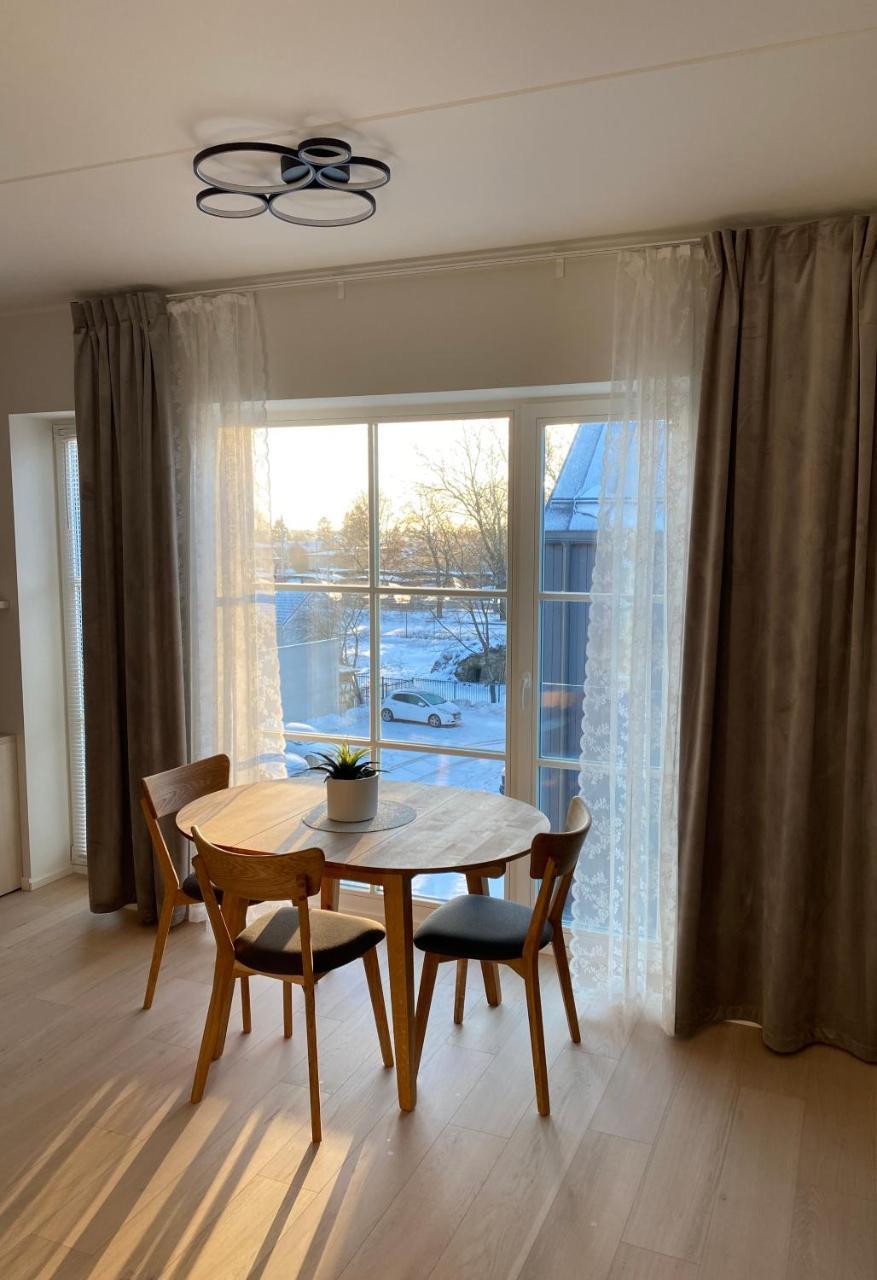
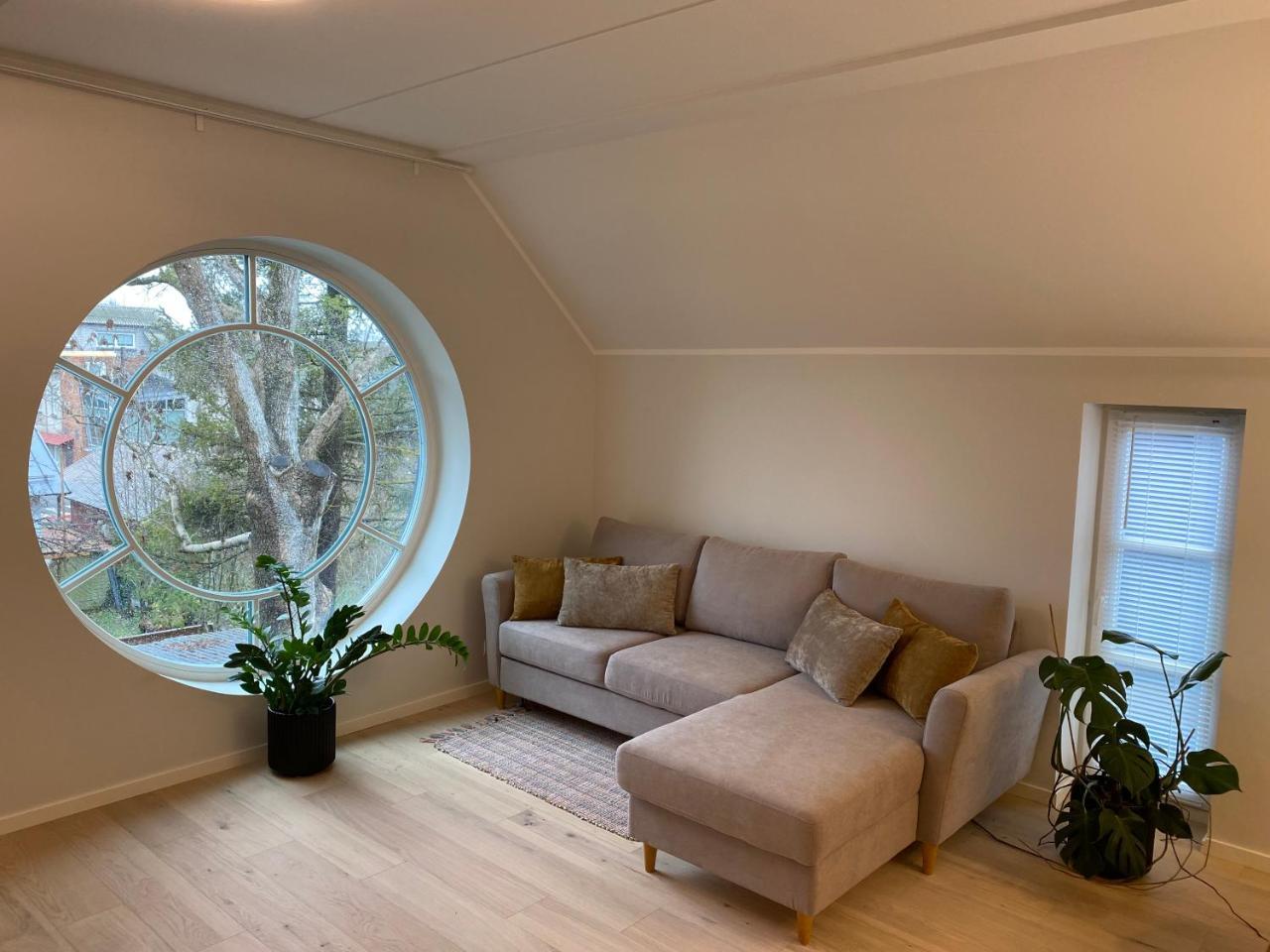

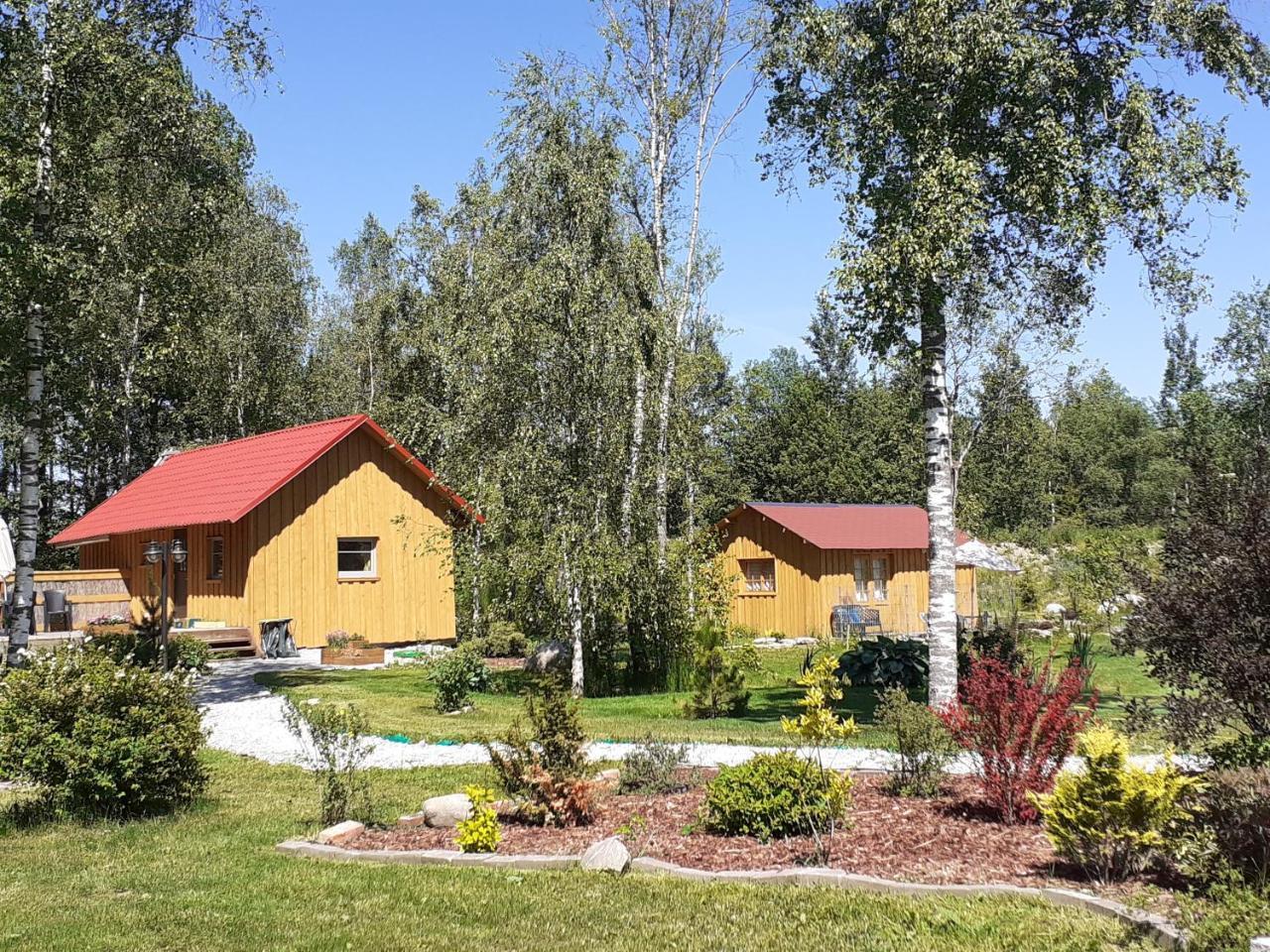


Tallinn
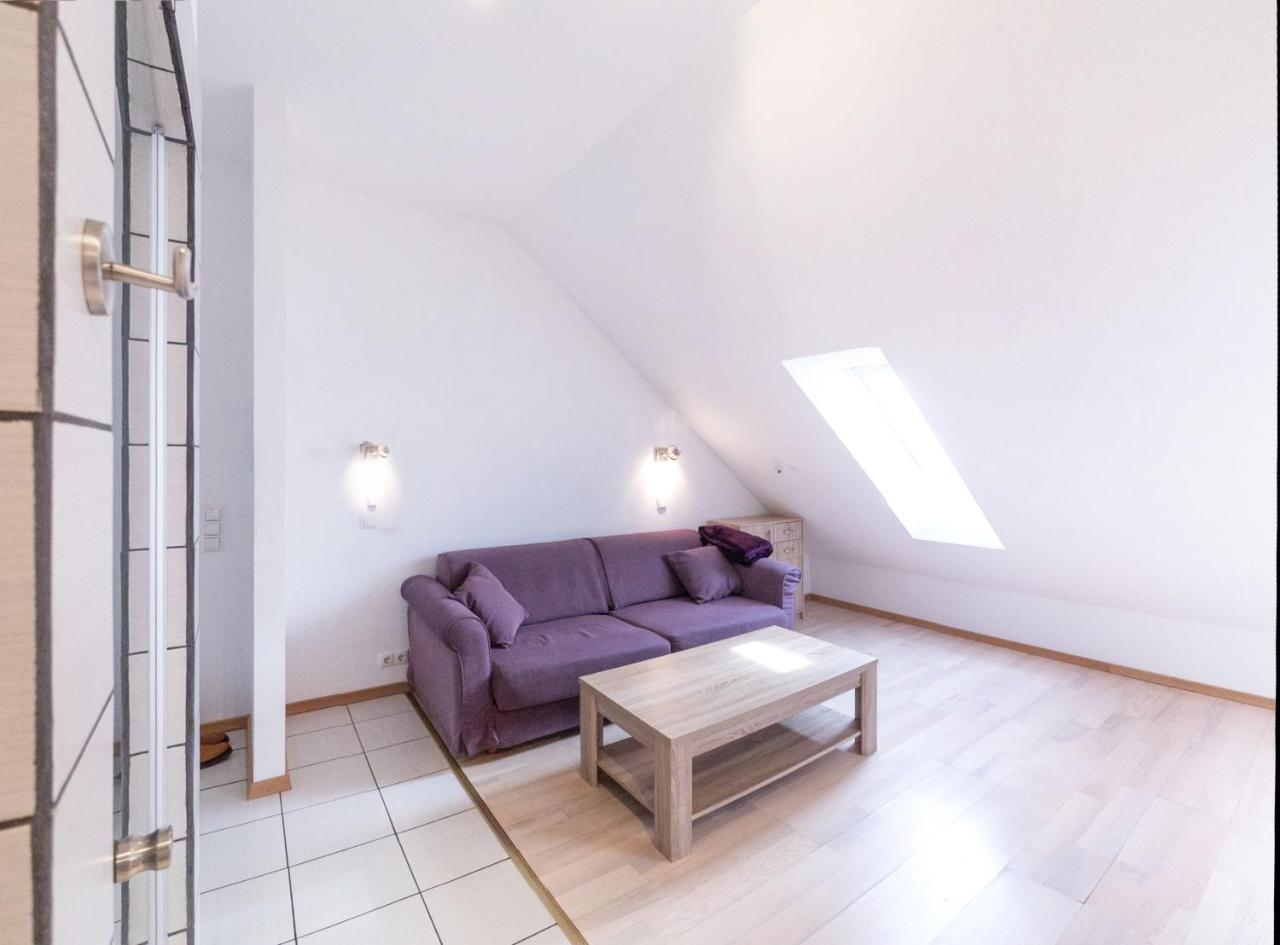
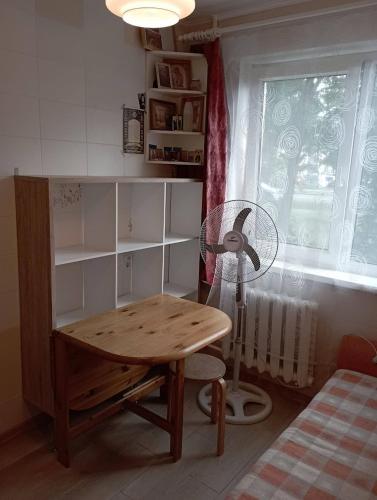
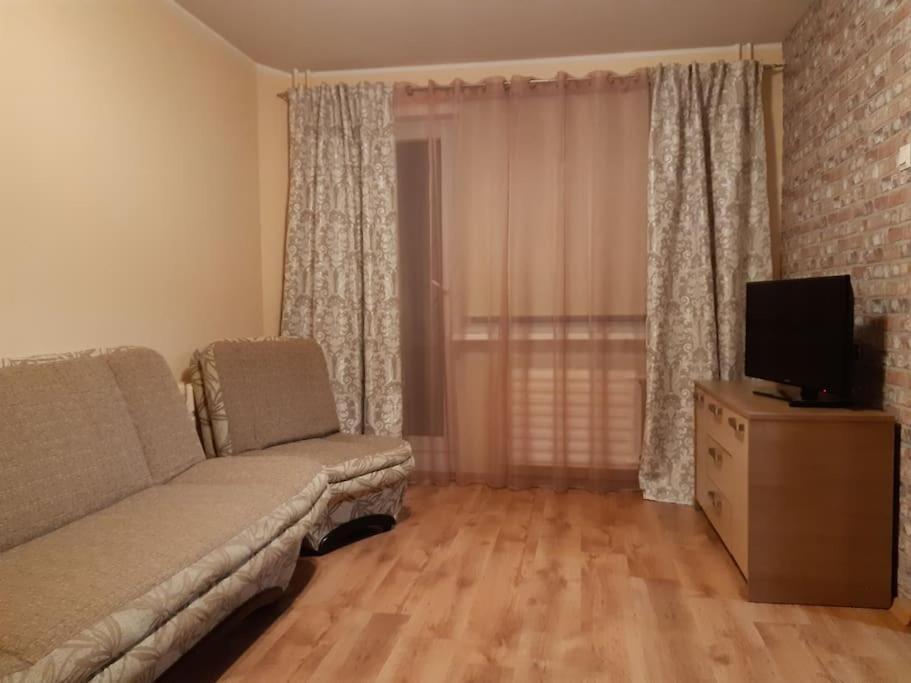
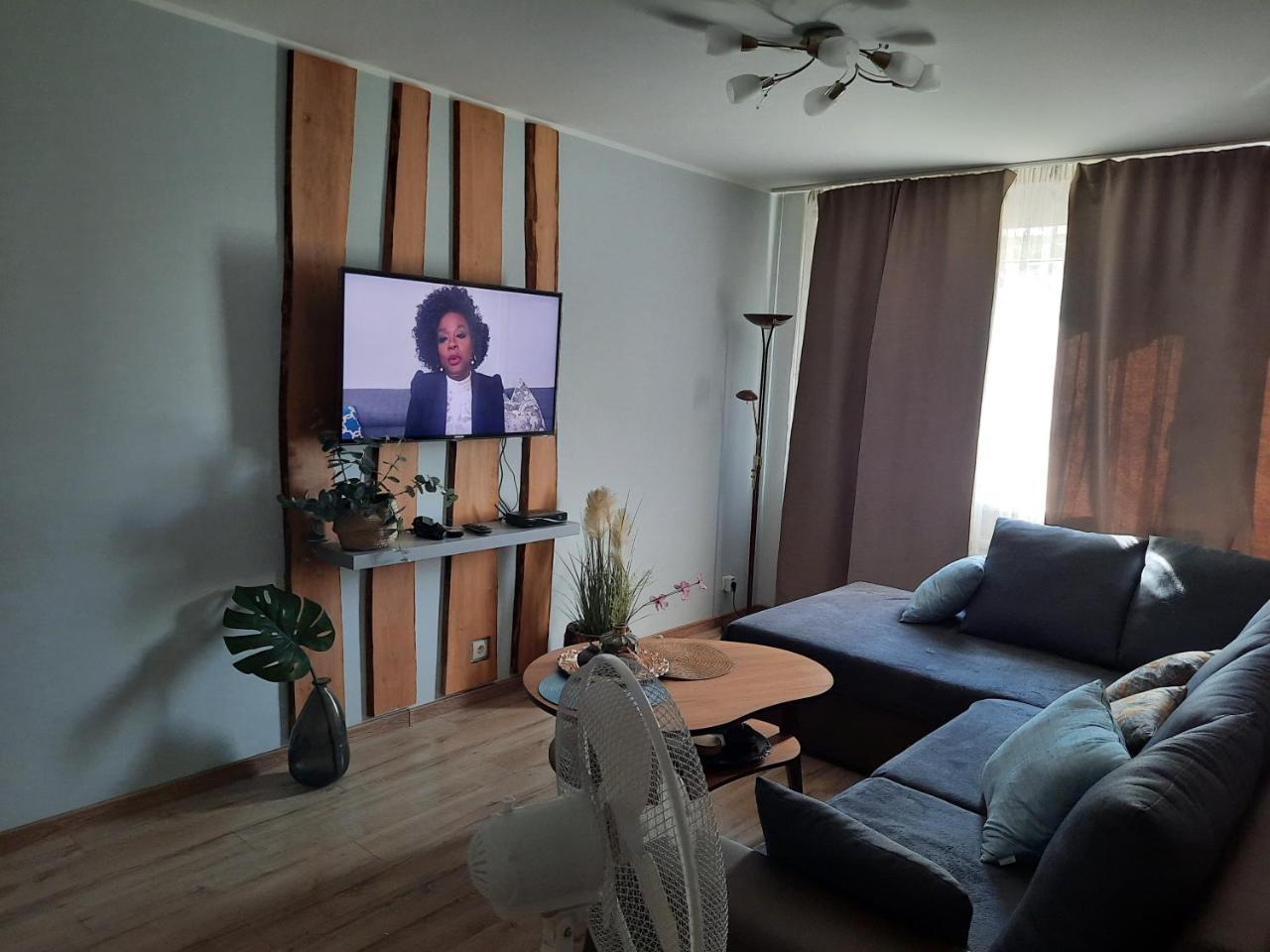
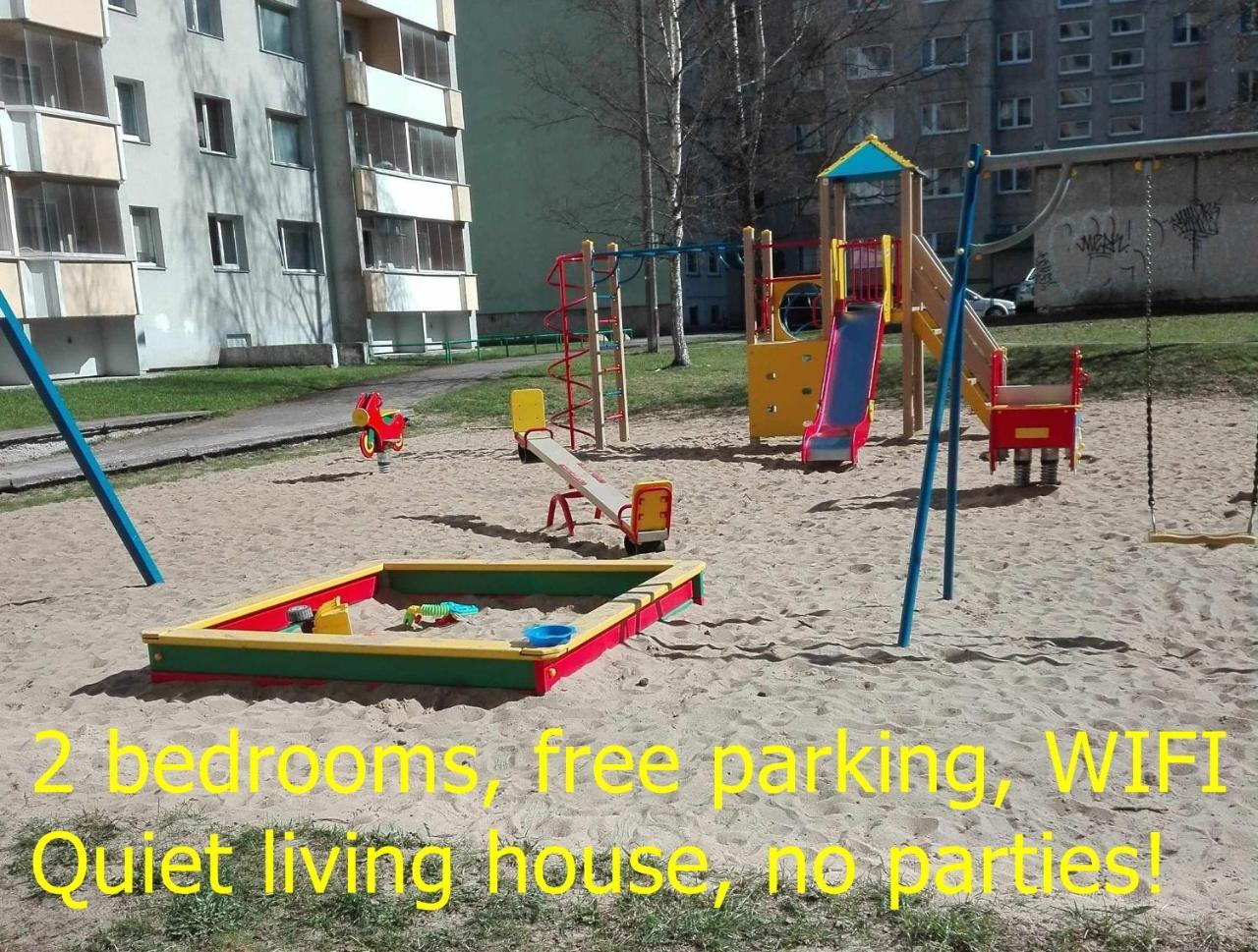
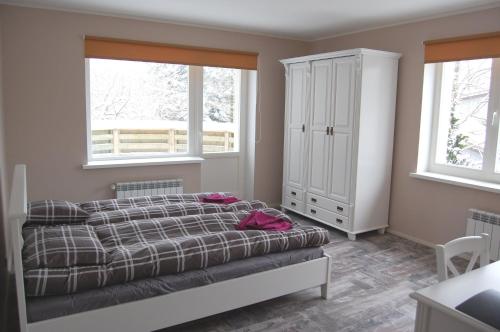
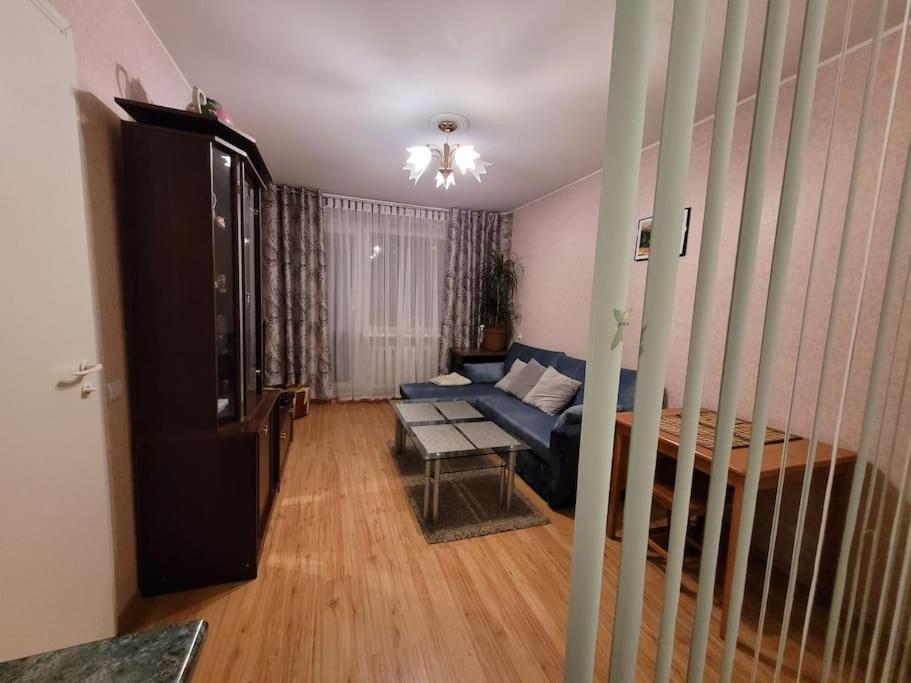
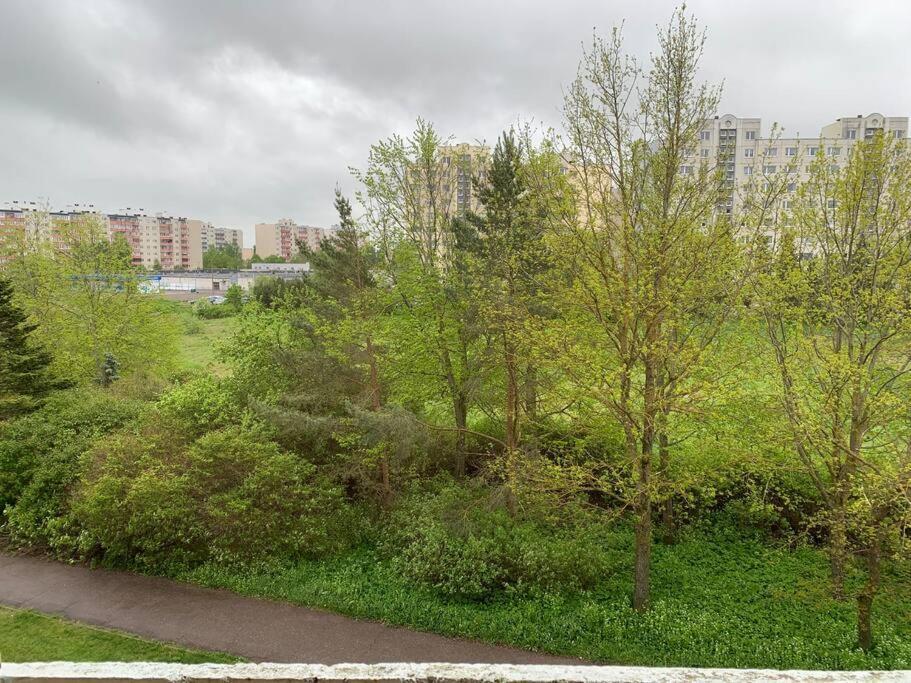
Quiet and comfortable apartment with parking for a nice stay for two one or a couple guests with a child
★★★ Tallinn
Live priceReserve
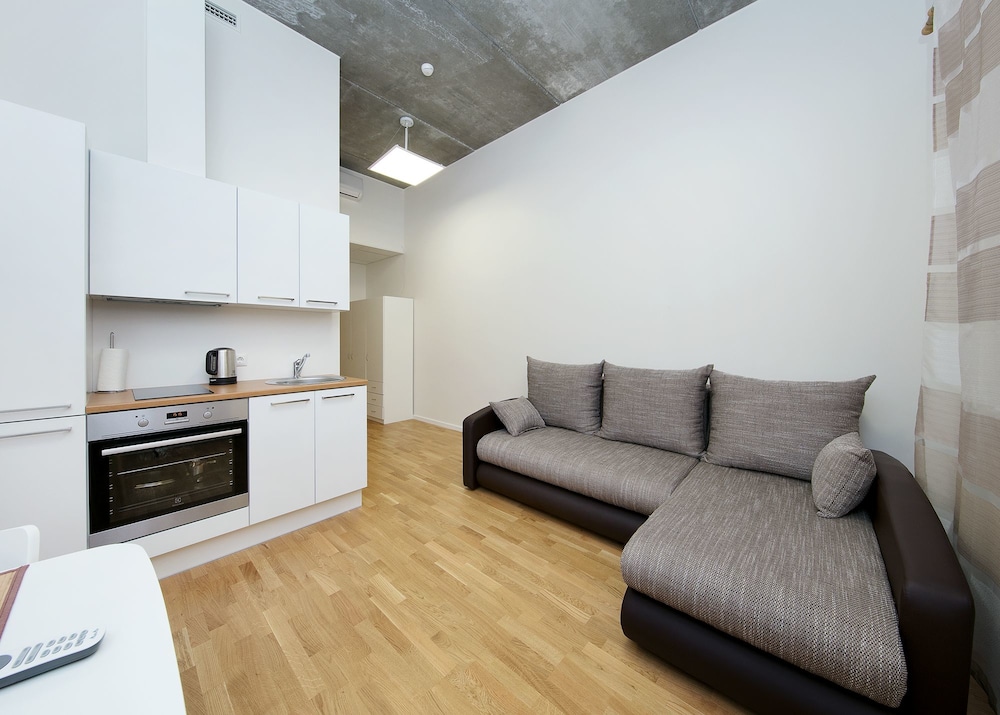


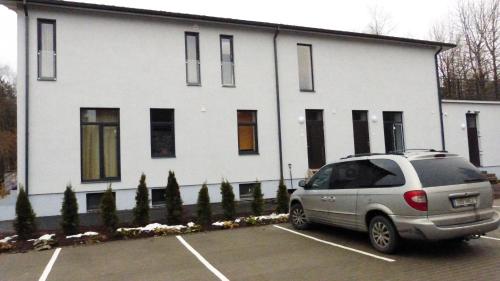


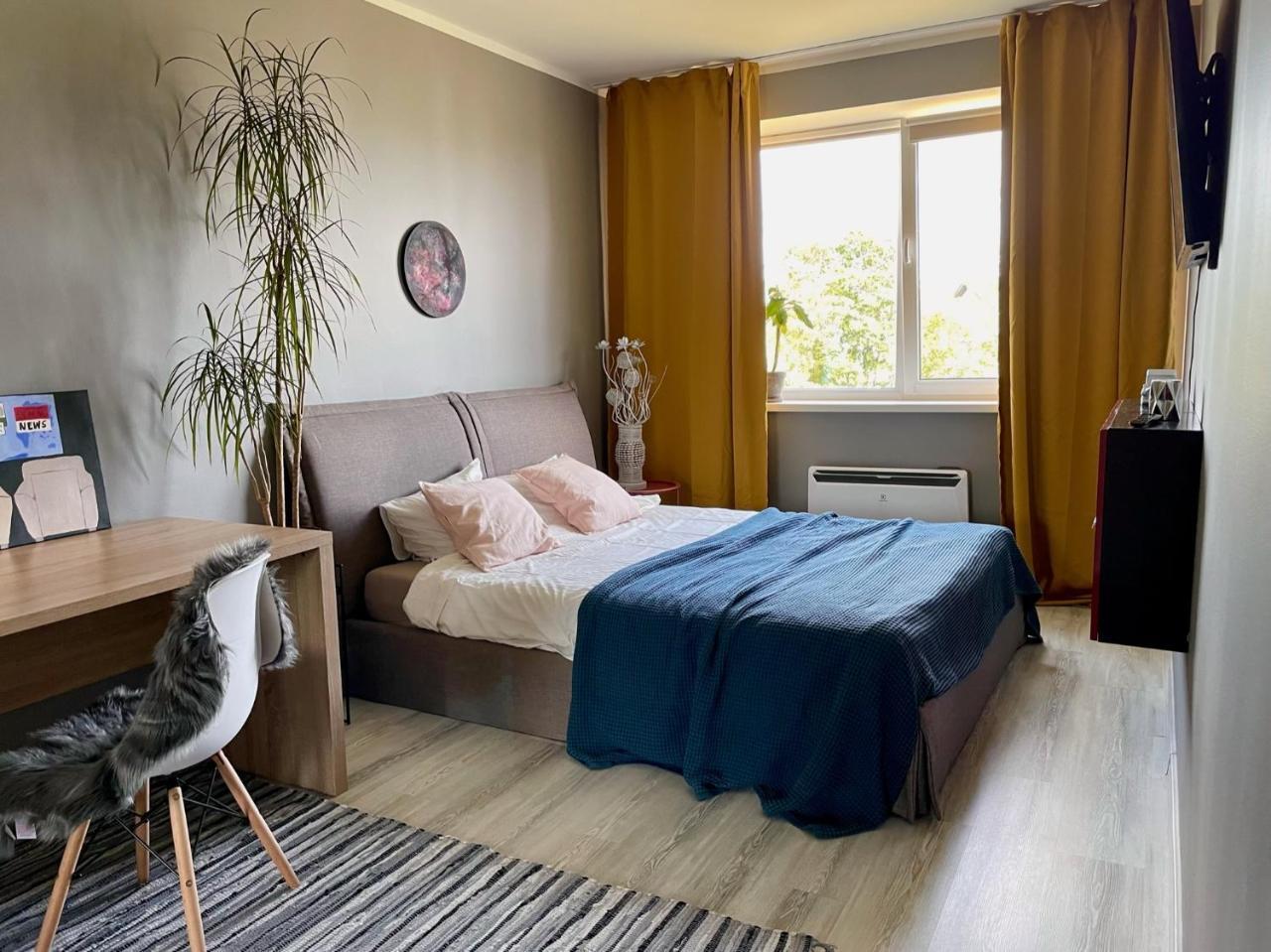
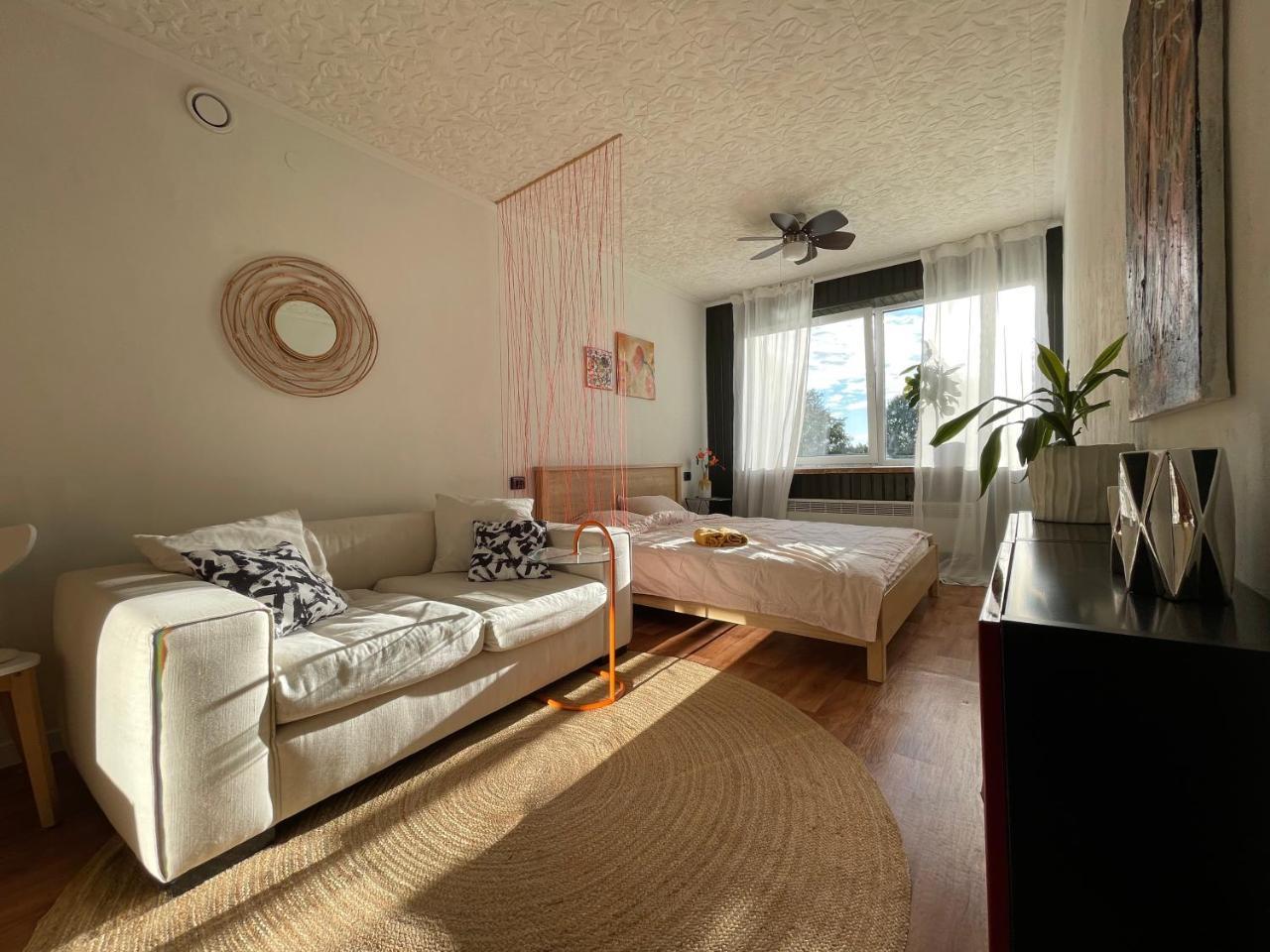

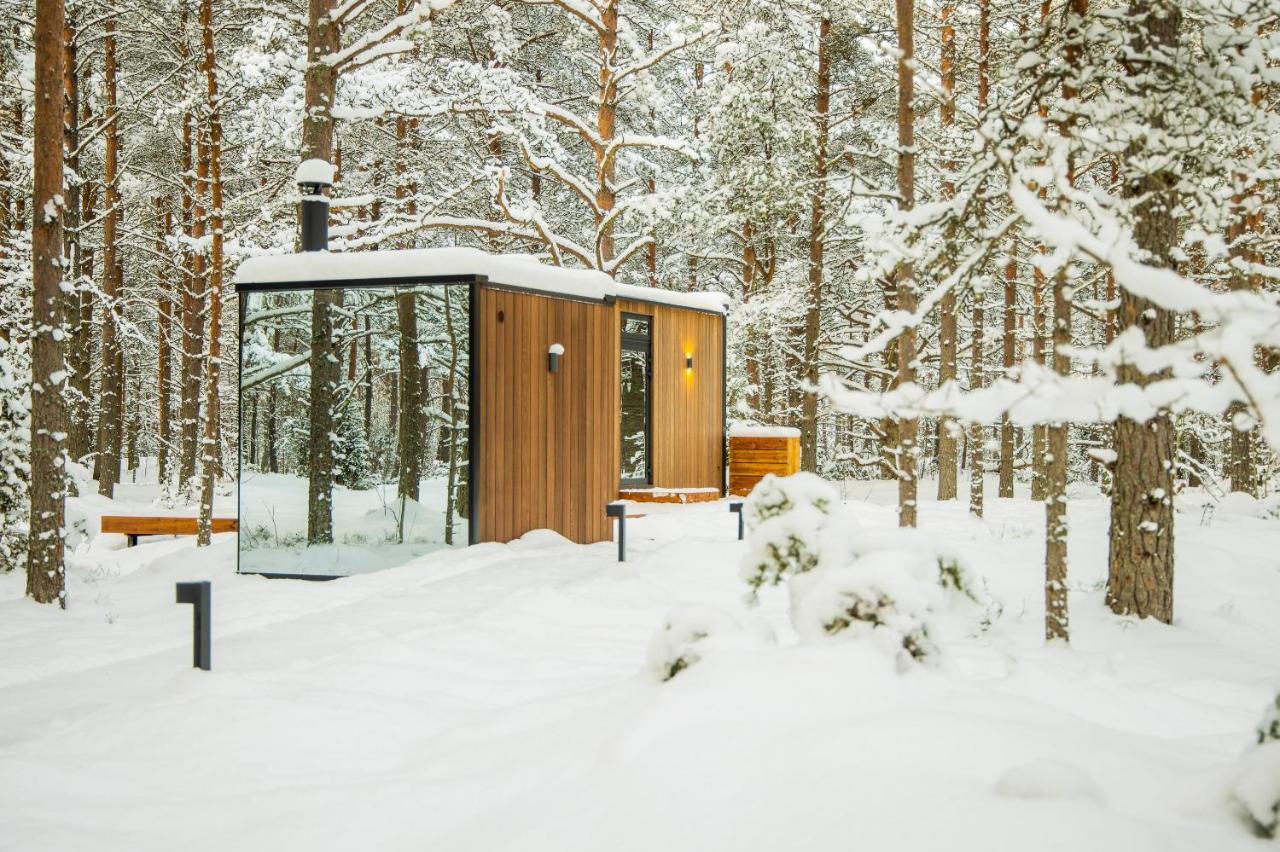

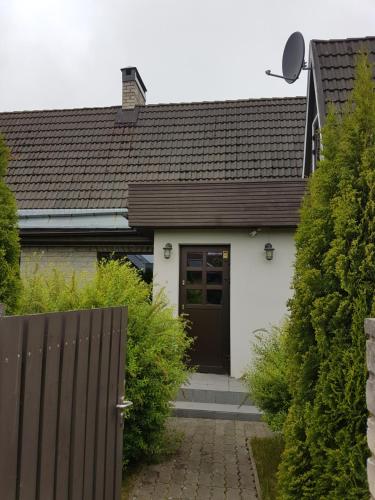
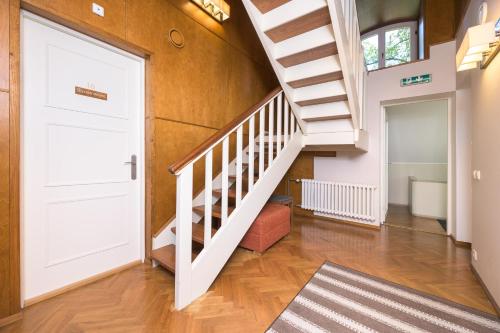
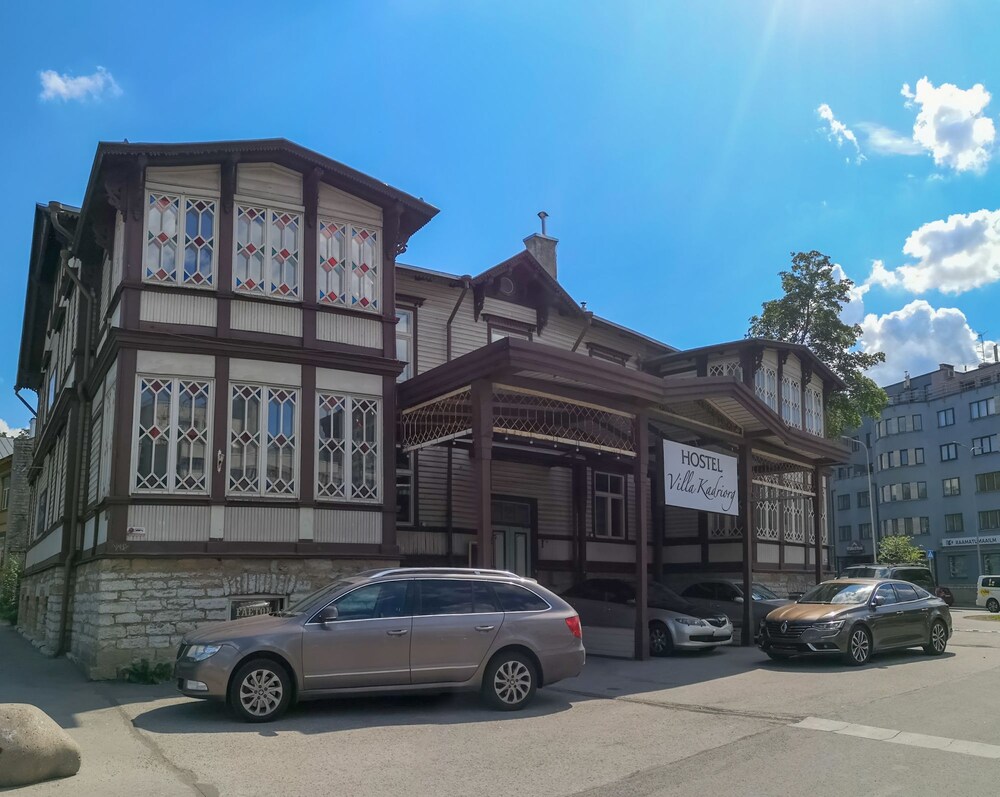
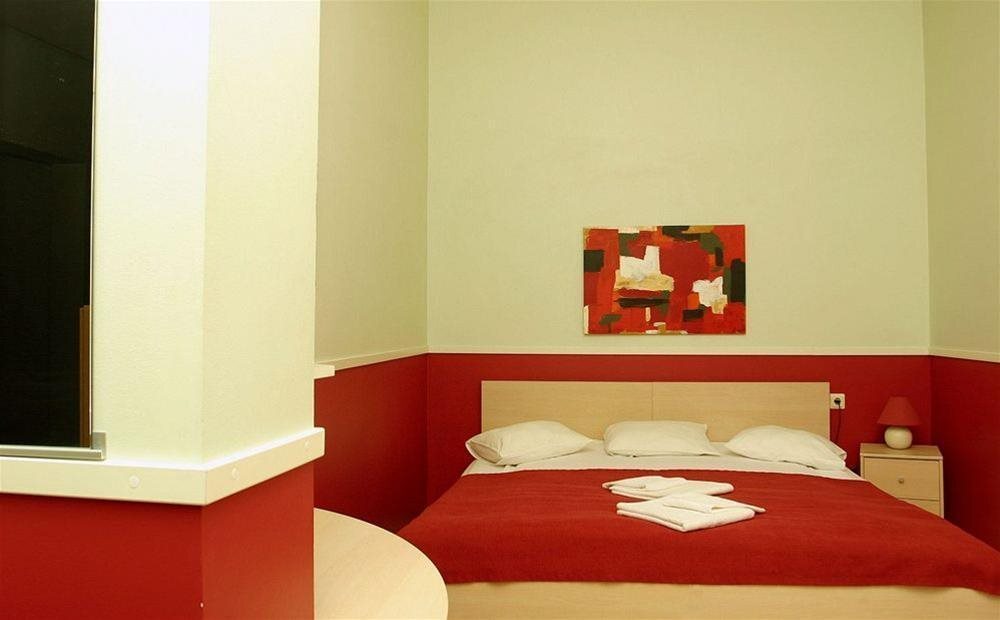
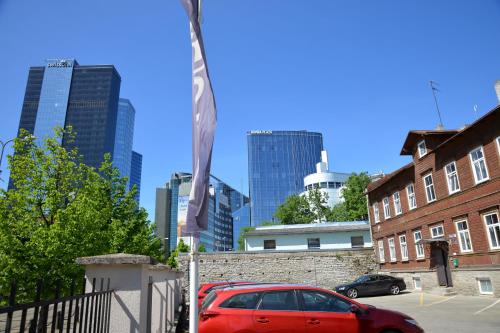
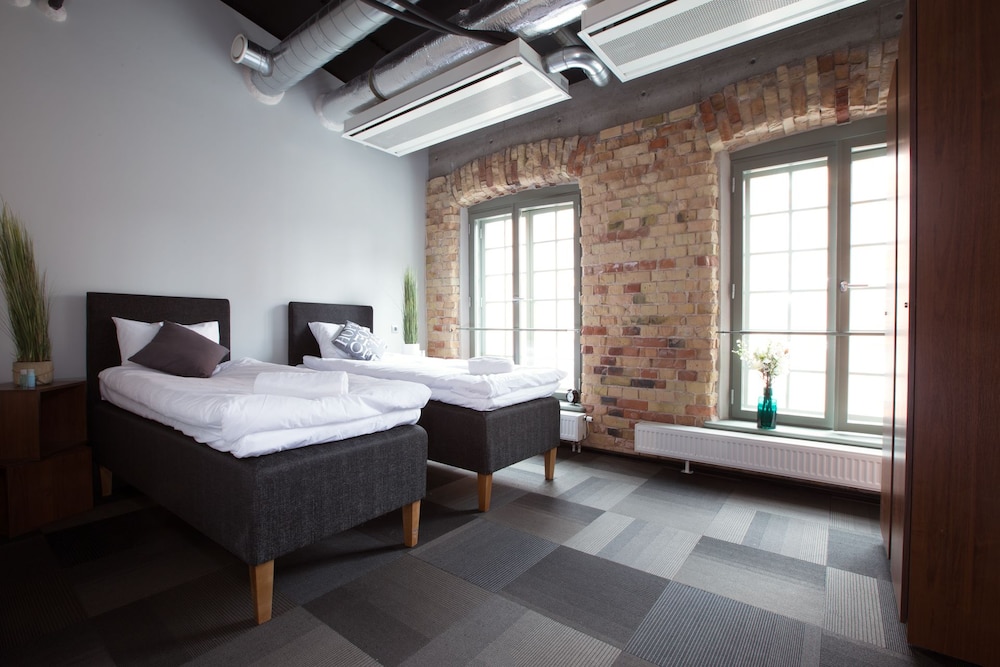
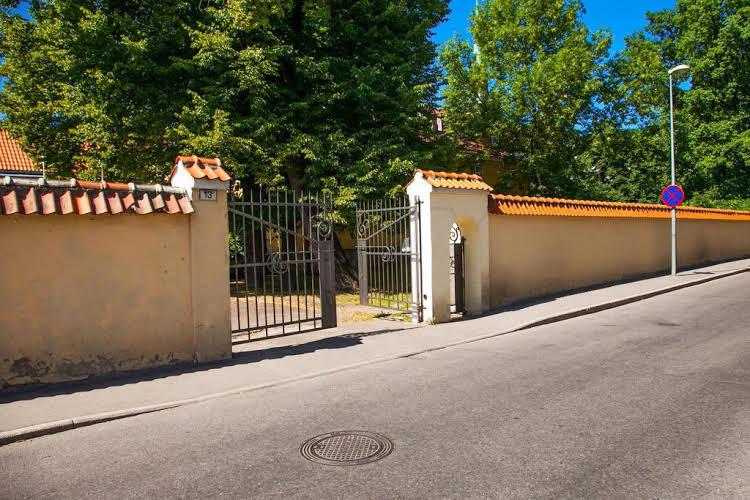

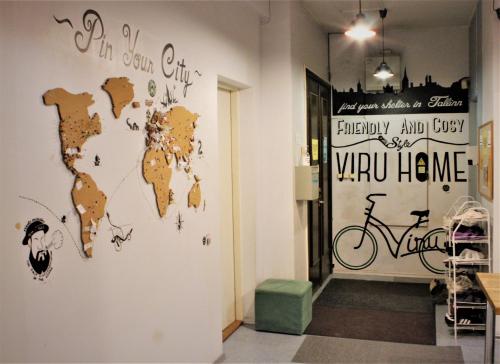
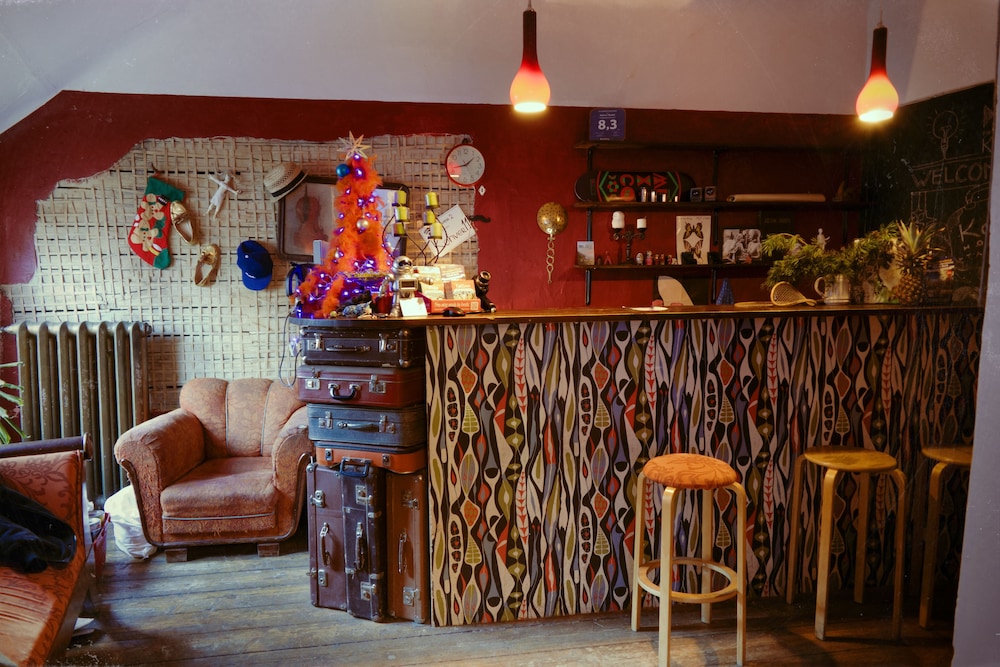

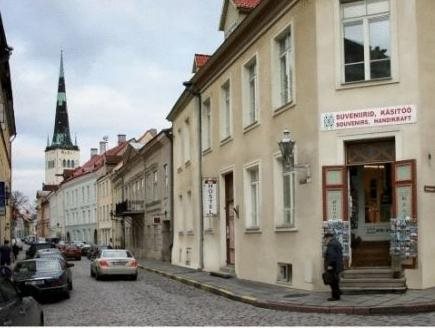
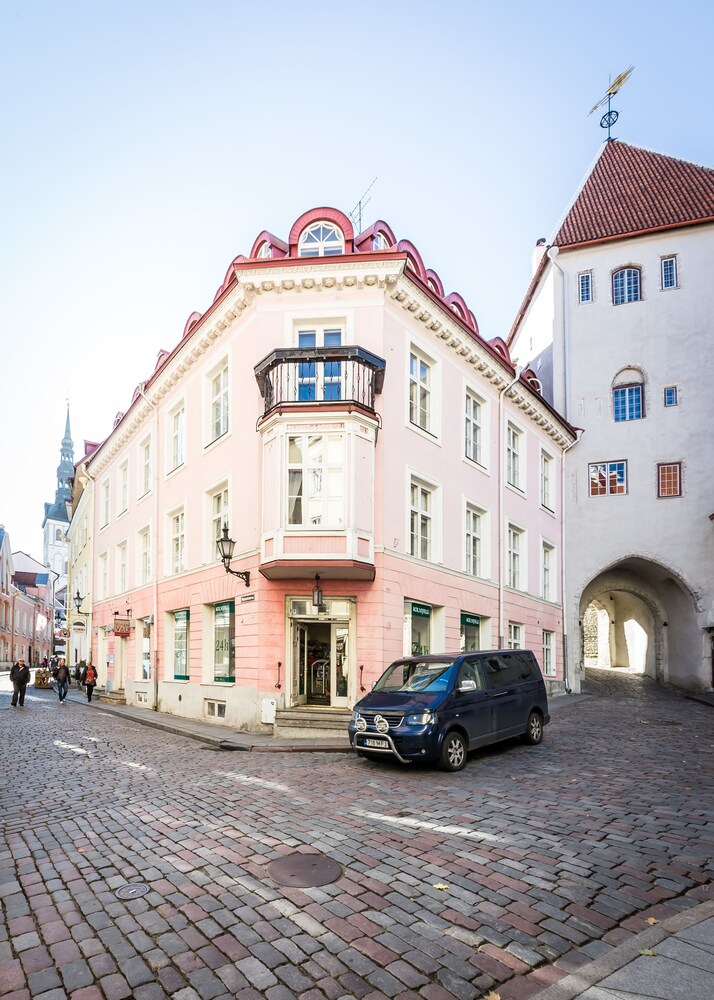
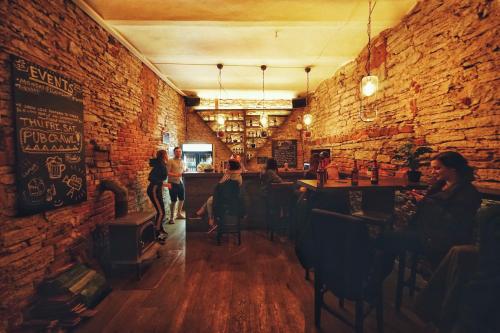
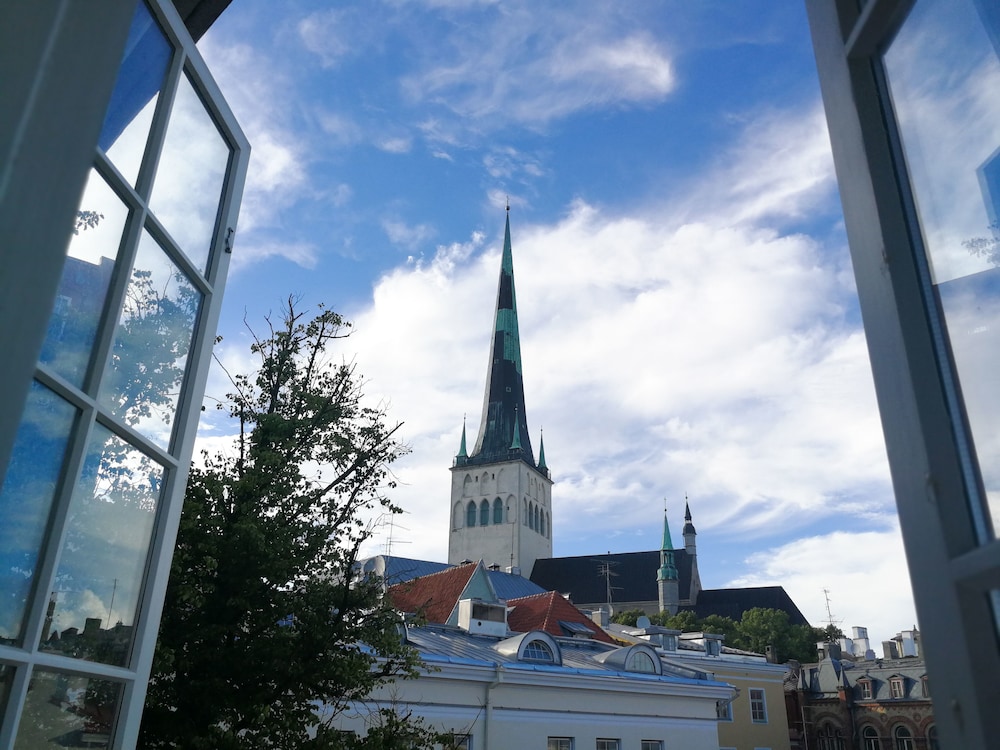
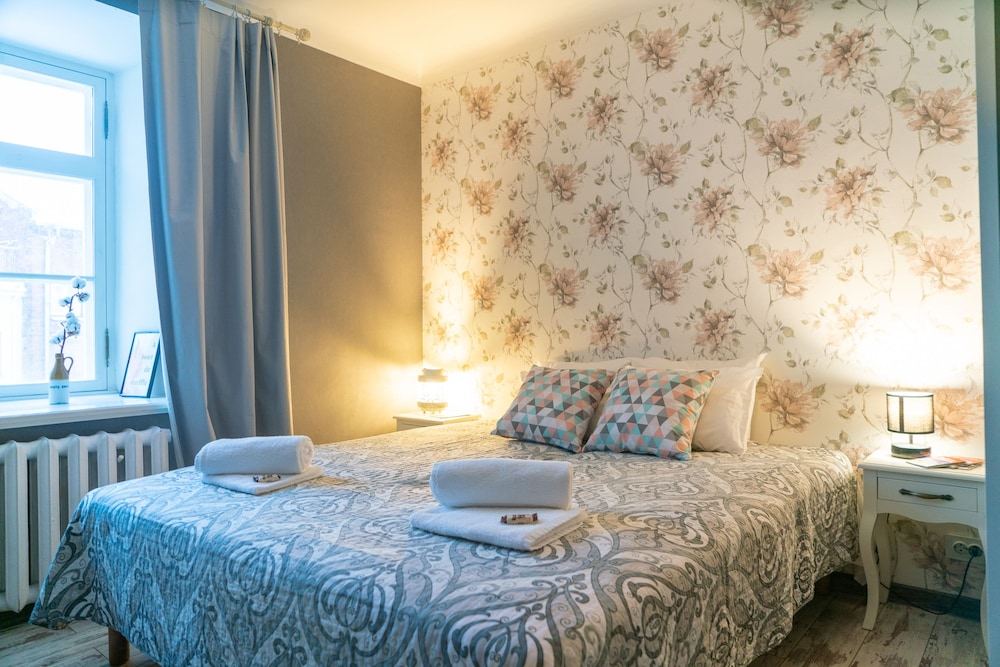
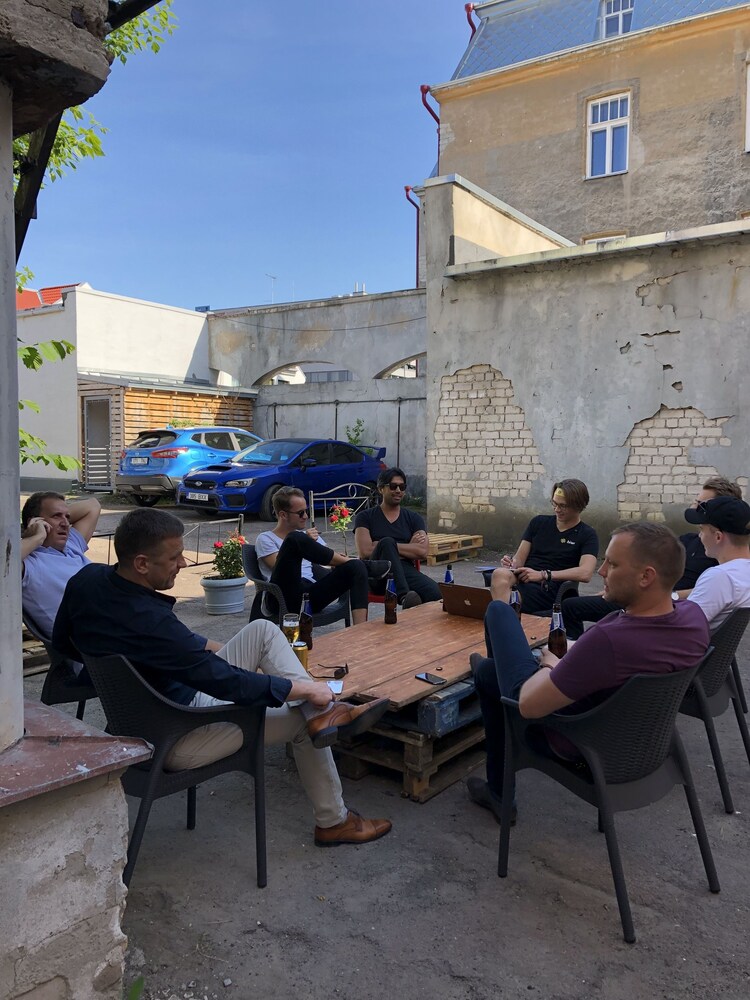
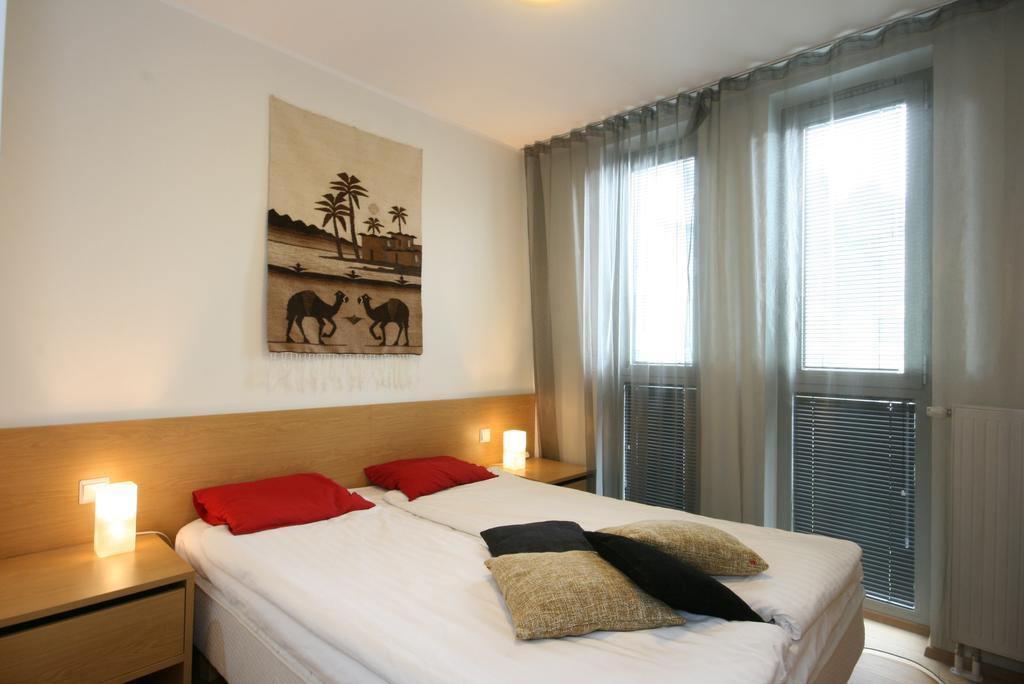
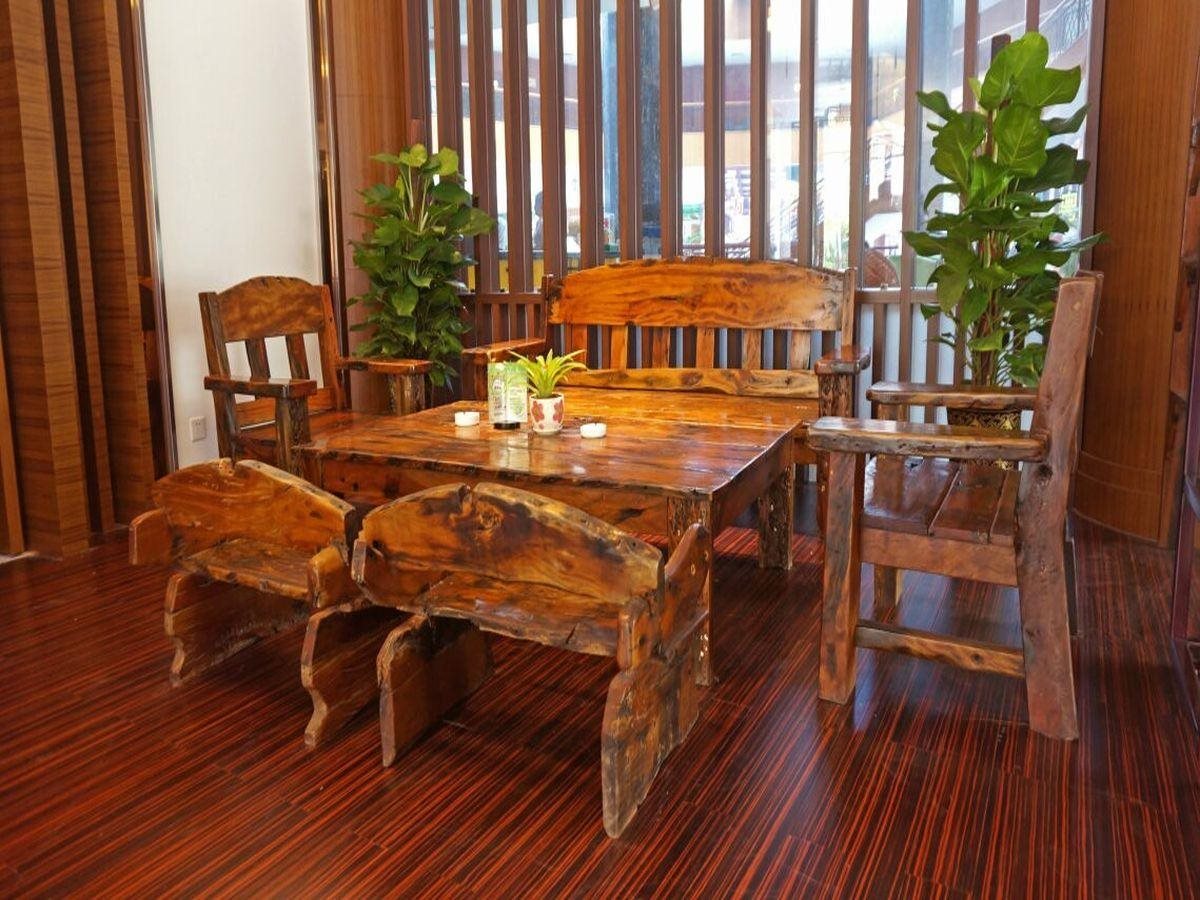
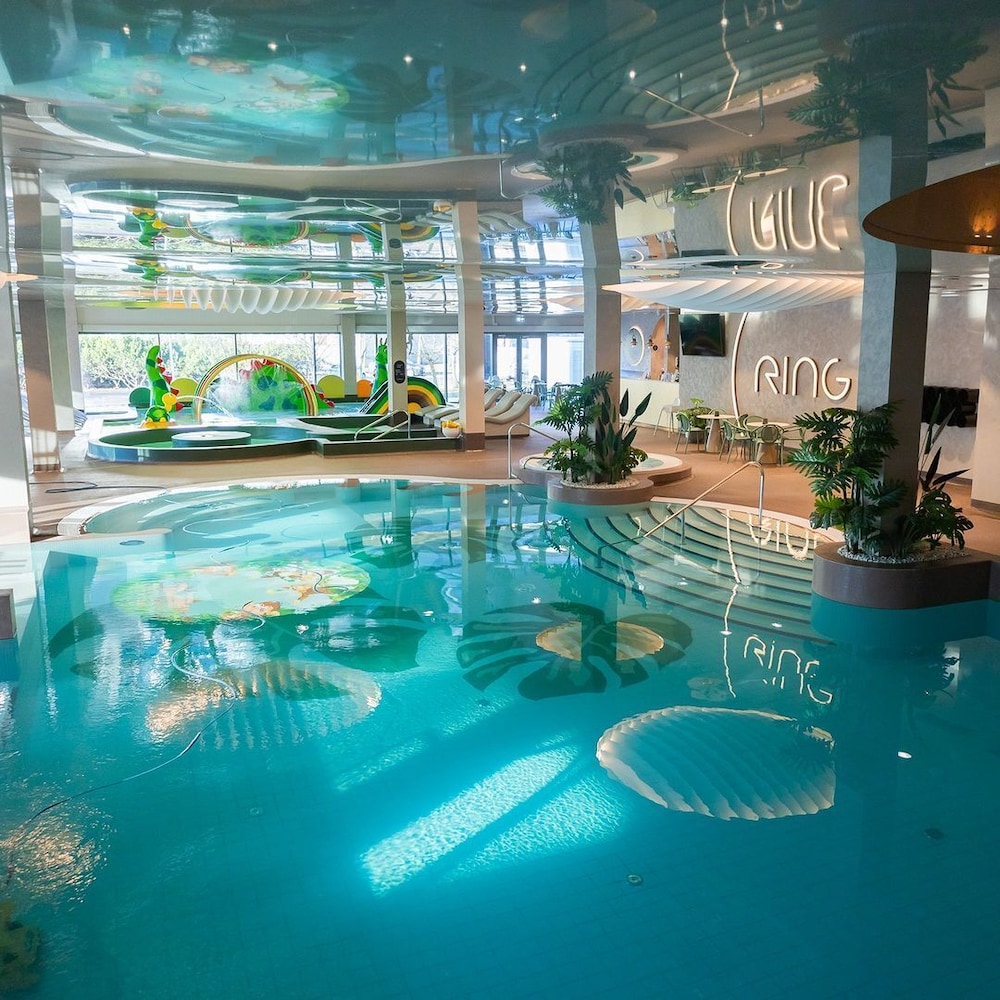
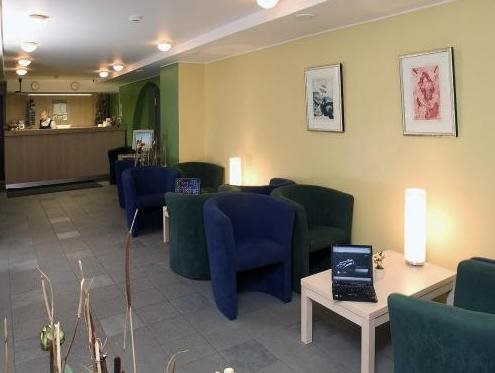
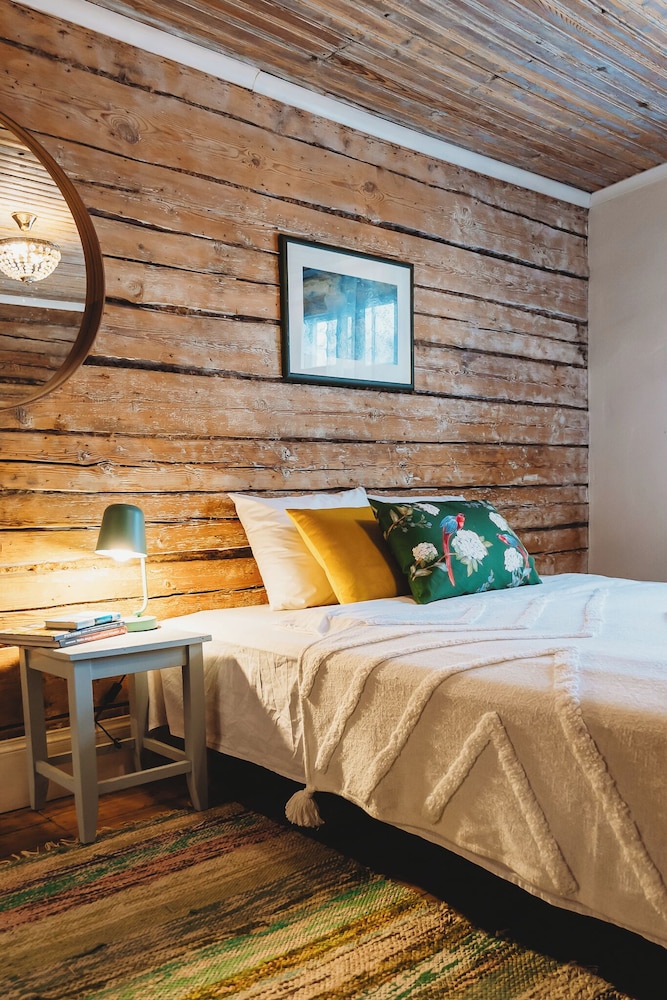
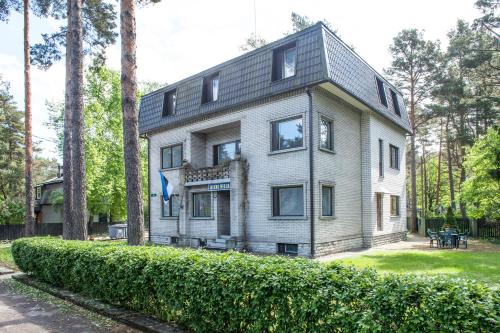
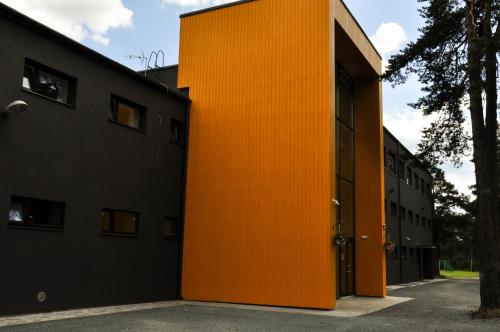
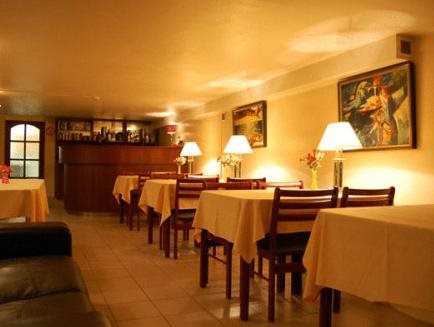
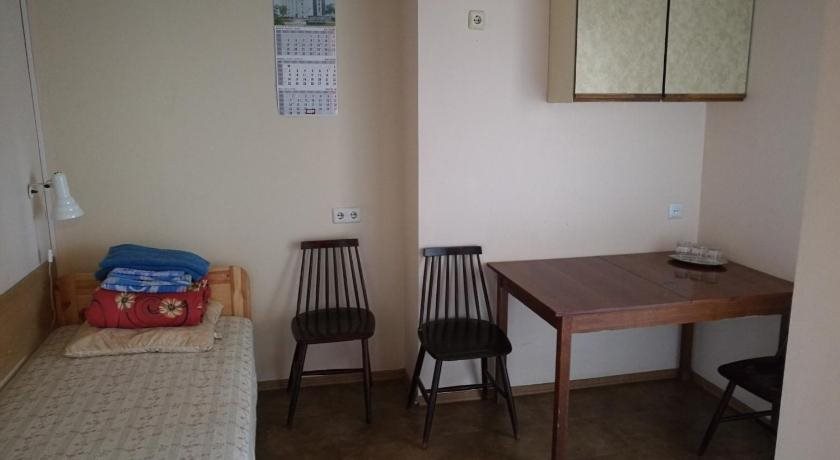
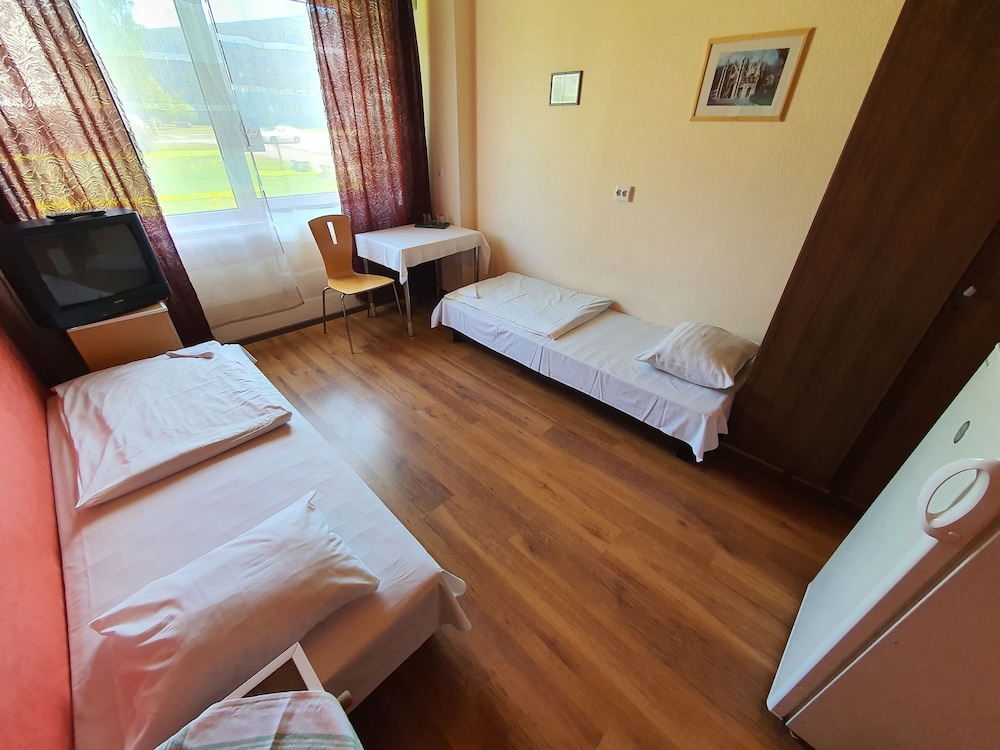
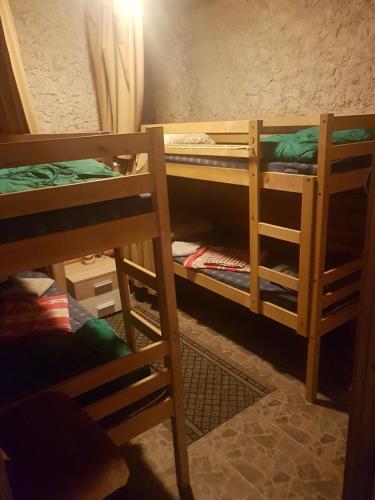
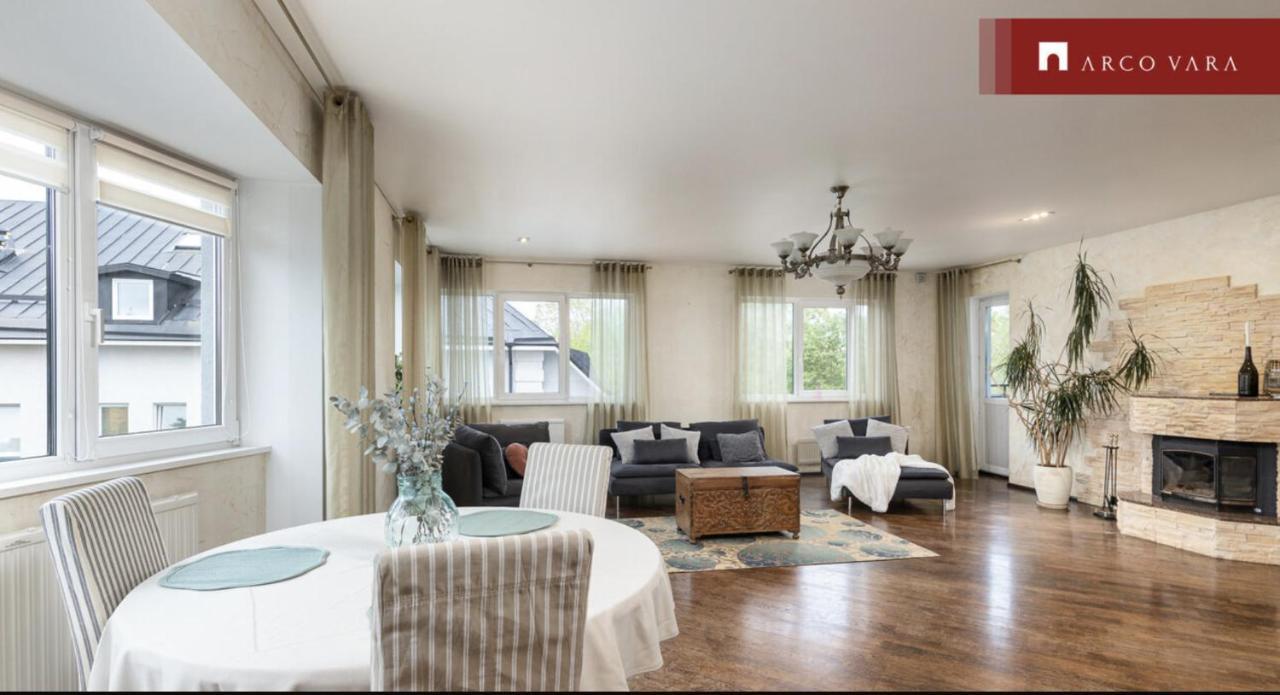
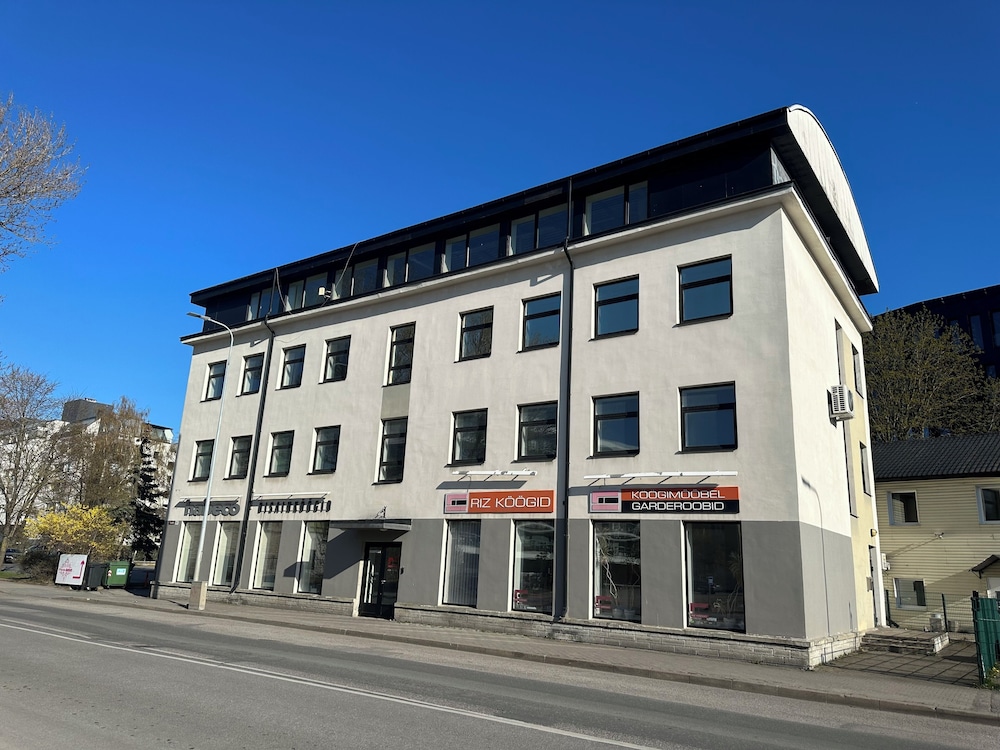
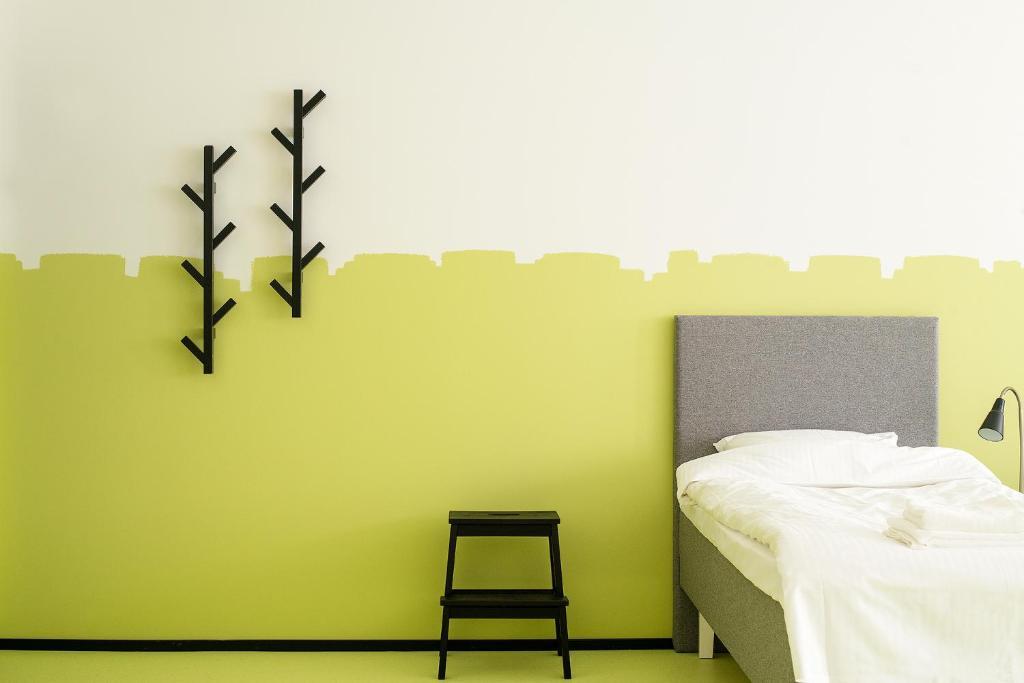
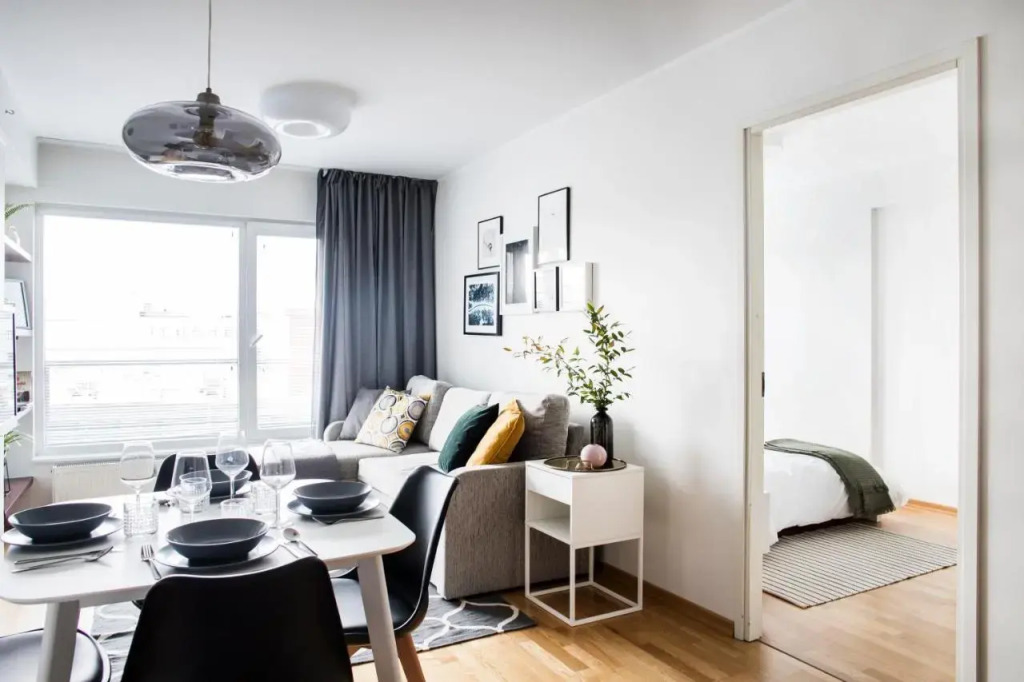
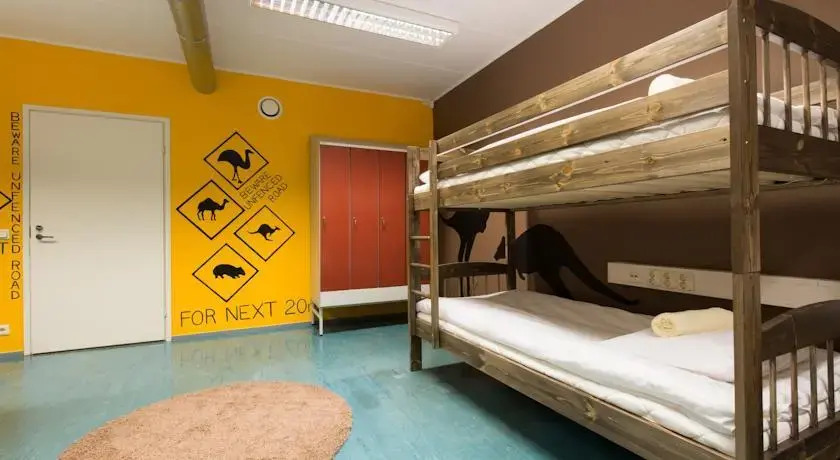
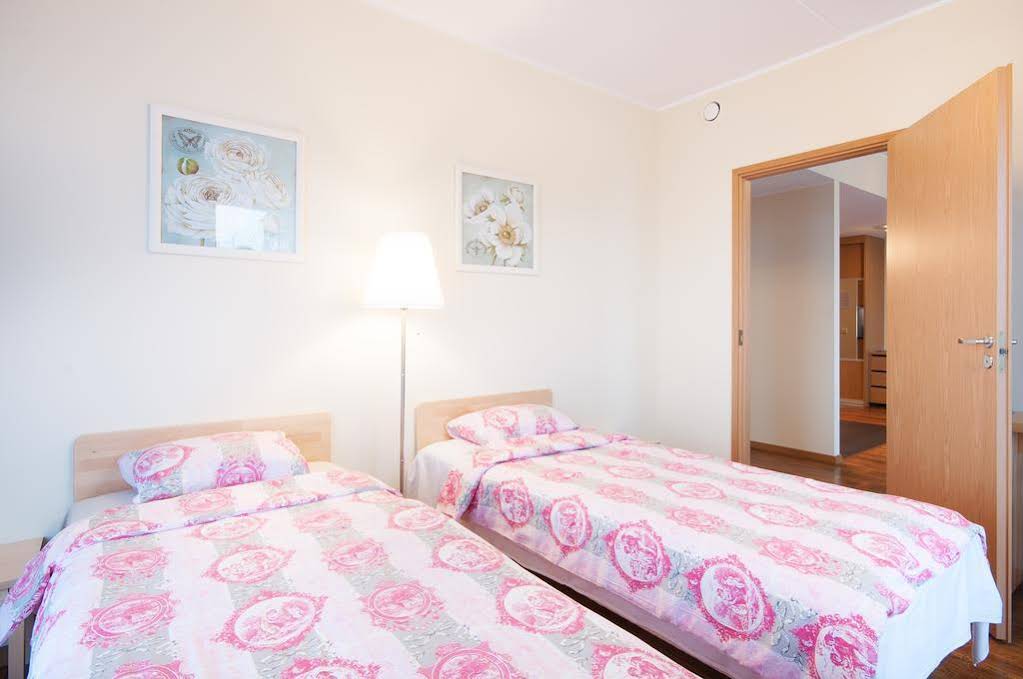
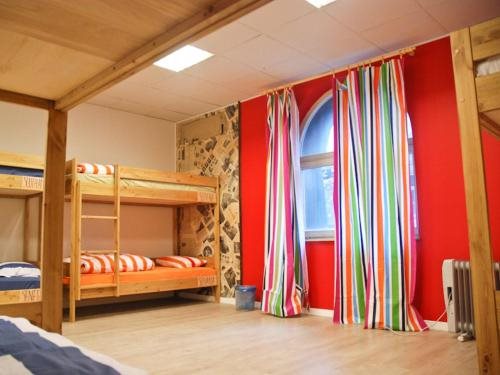
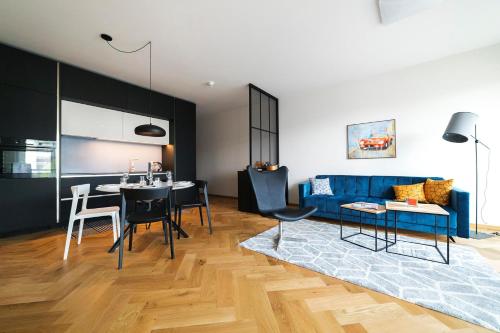
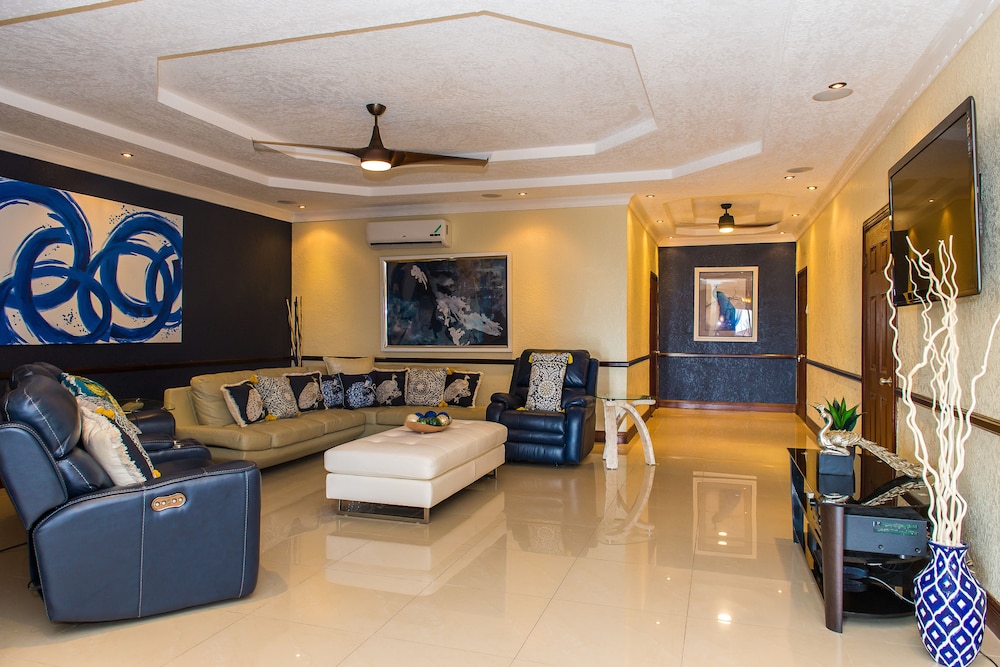
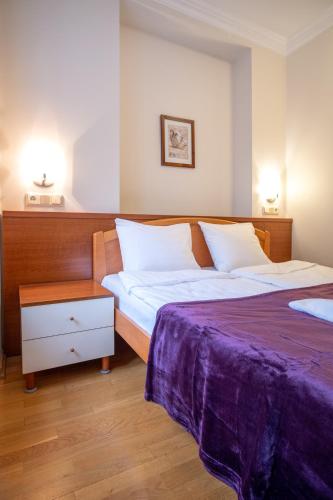
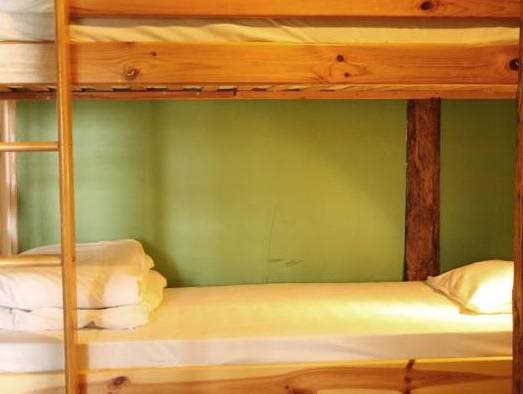
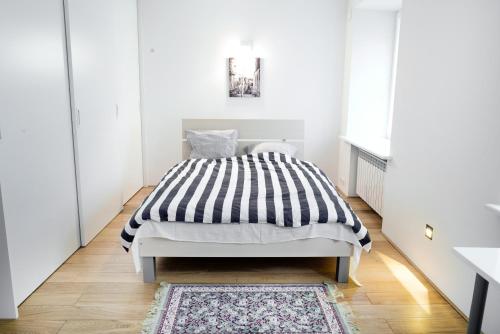
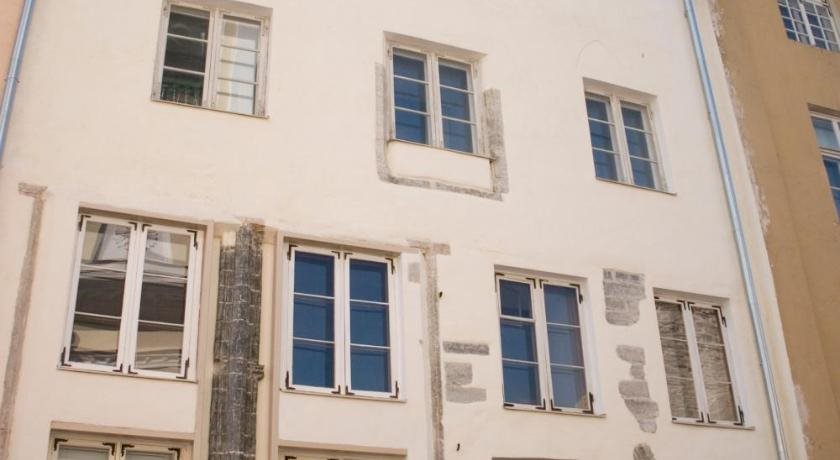
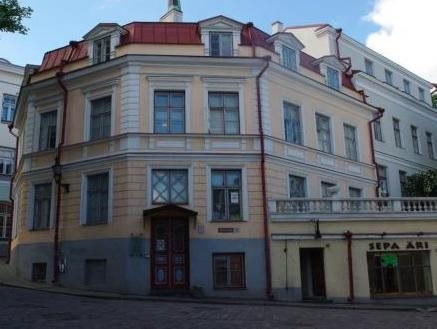
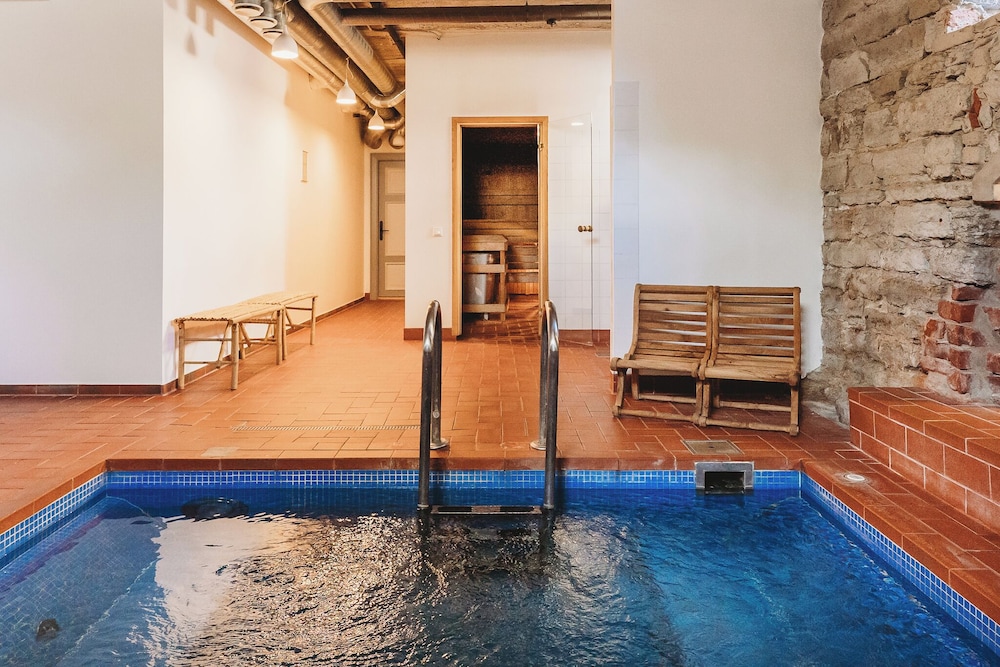
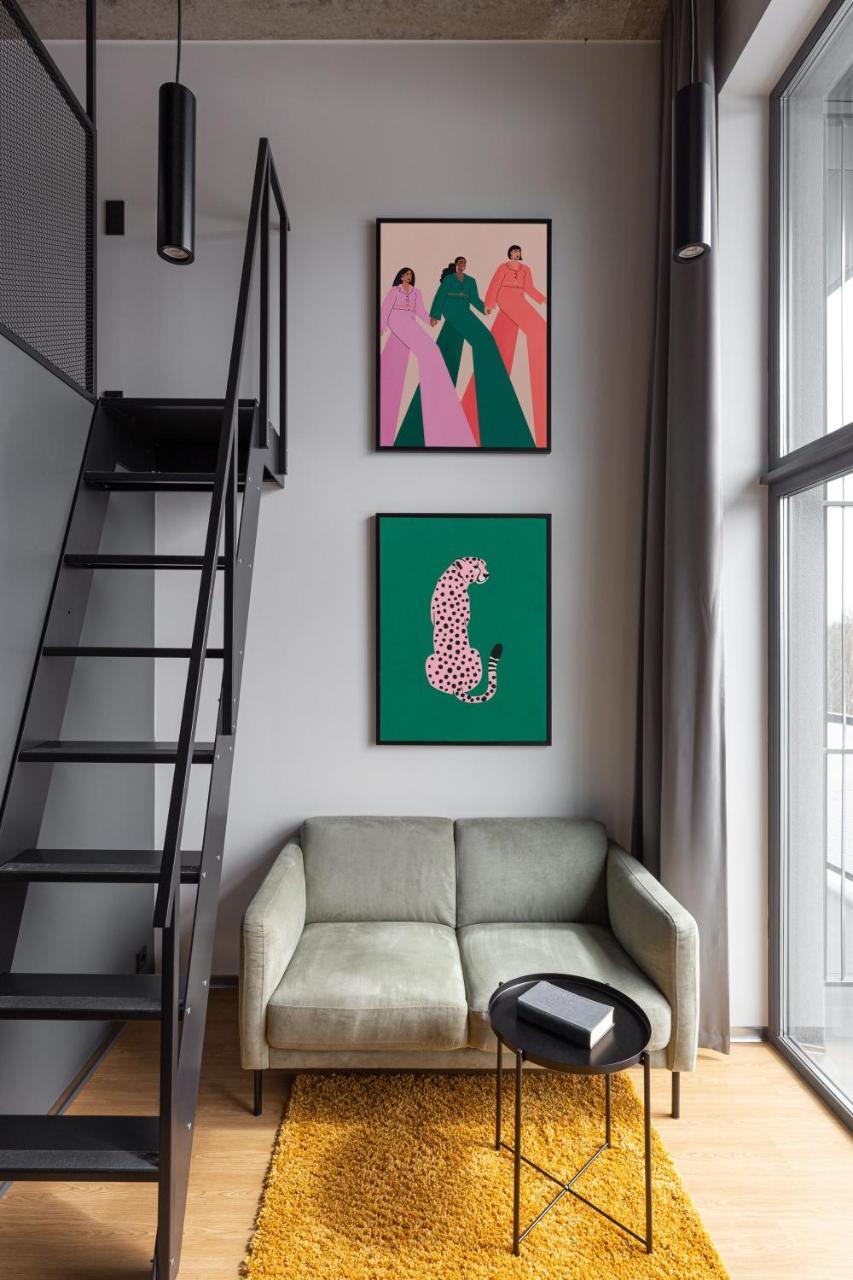
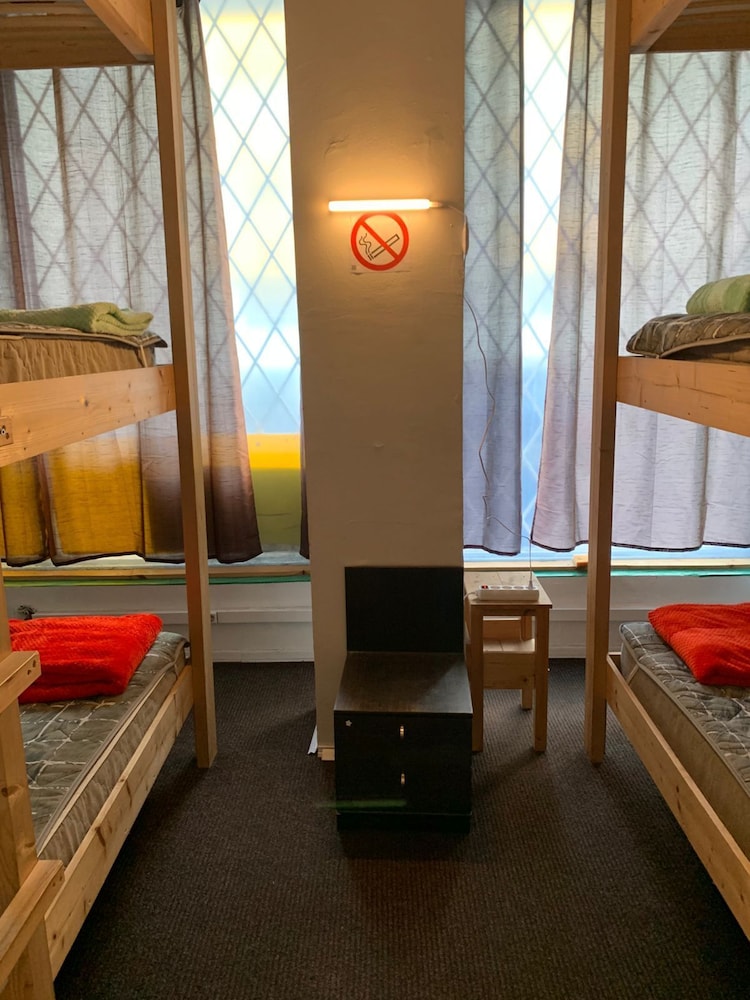
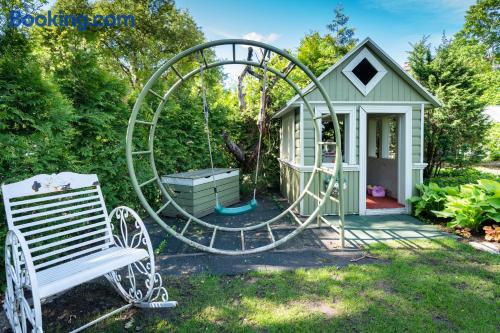
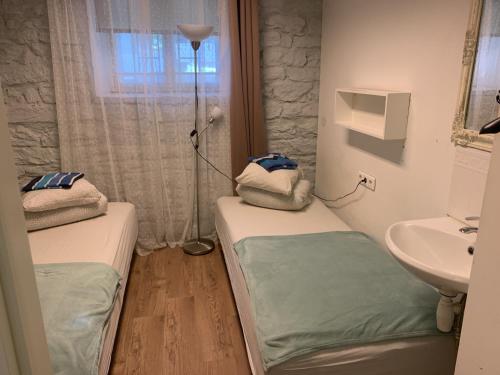
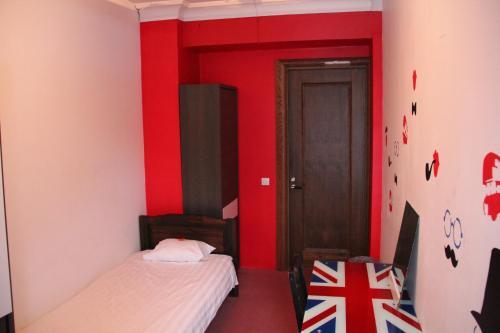
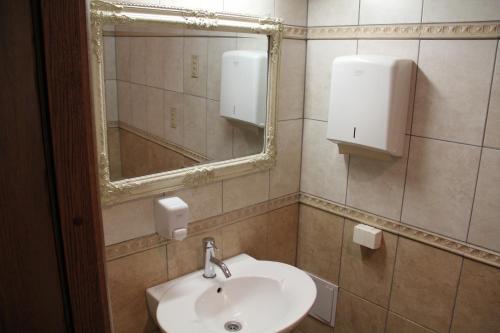
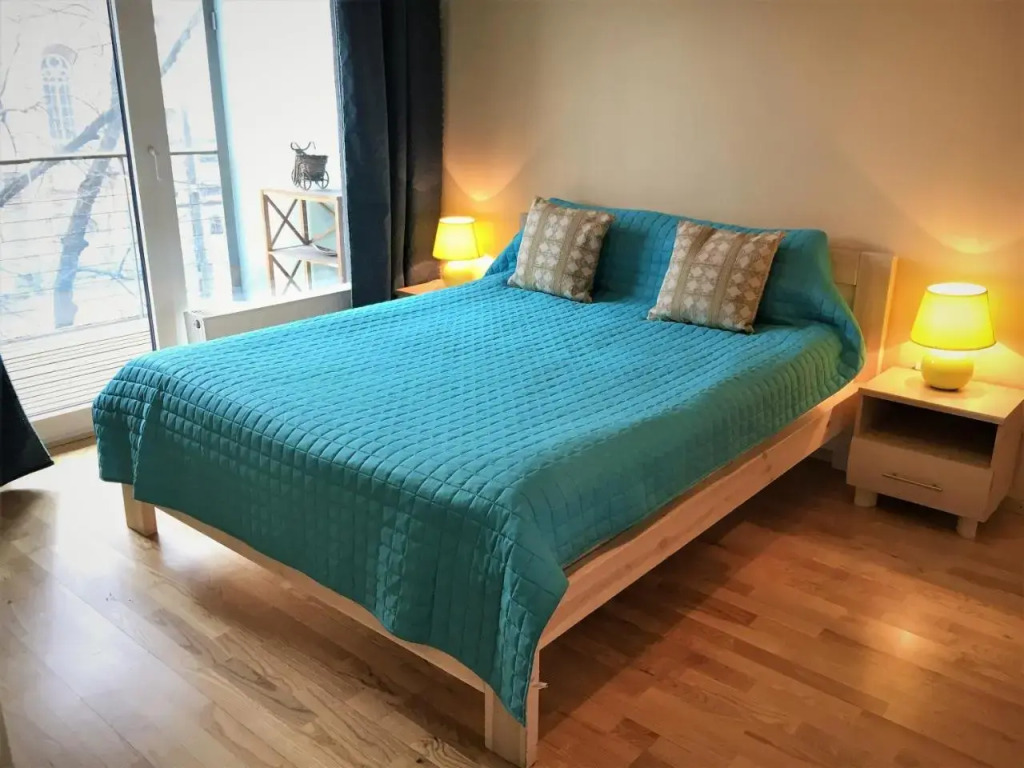
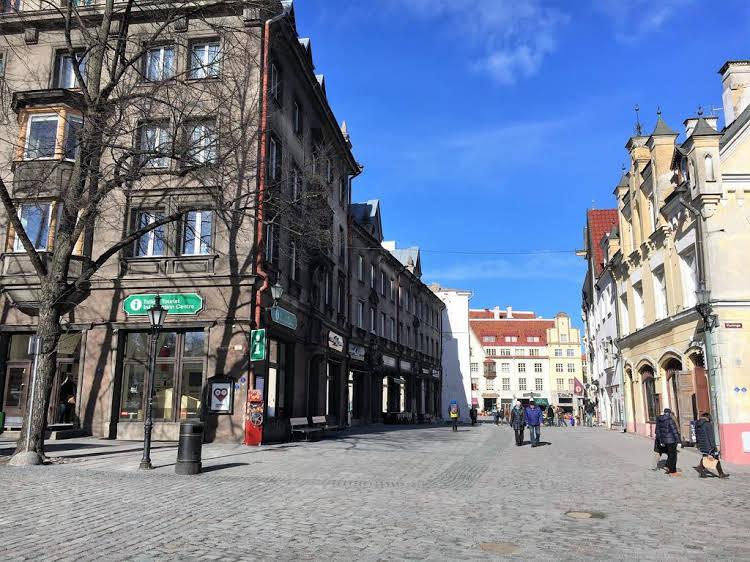
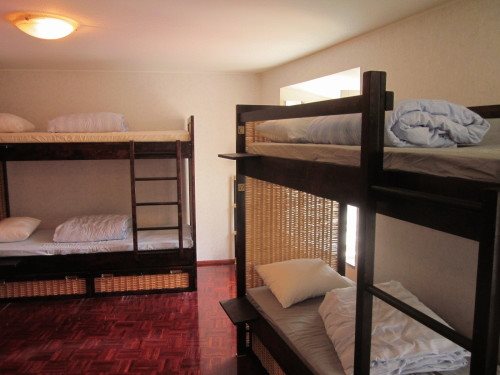
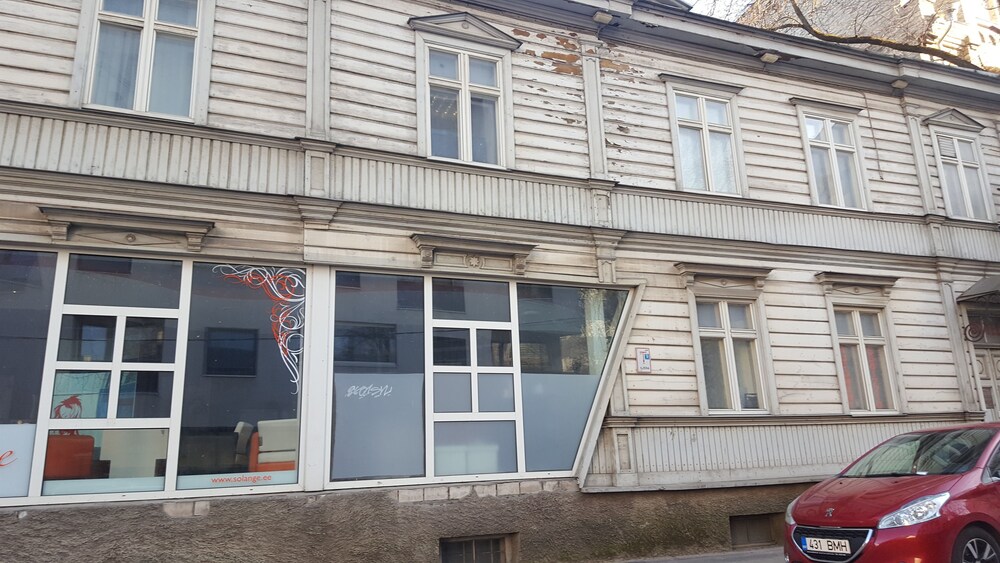
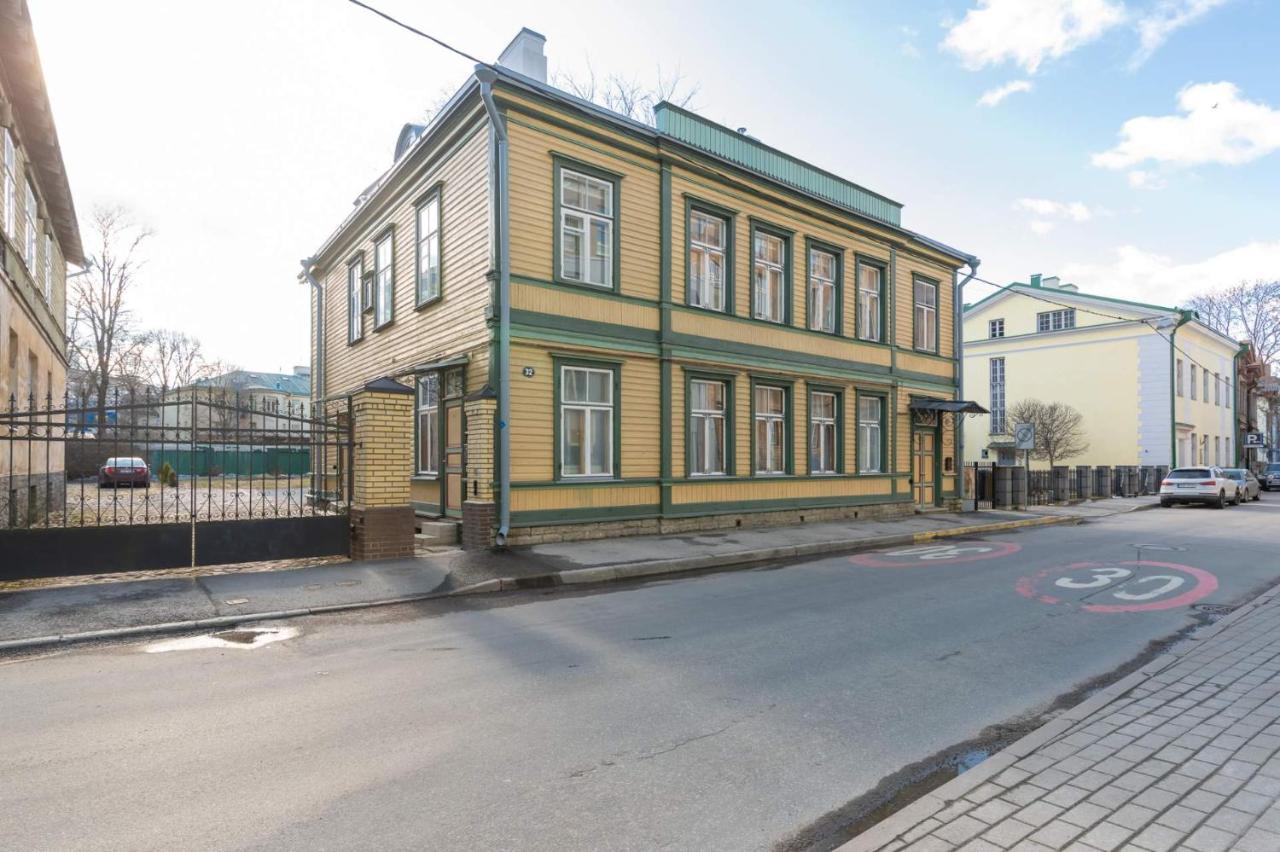
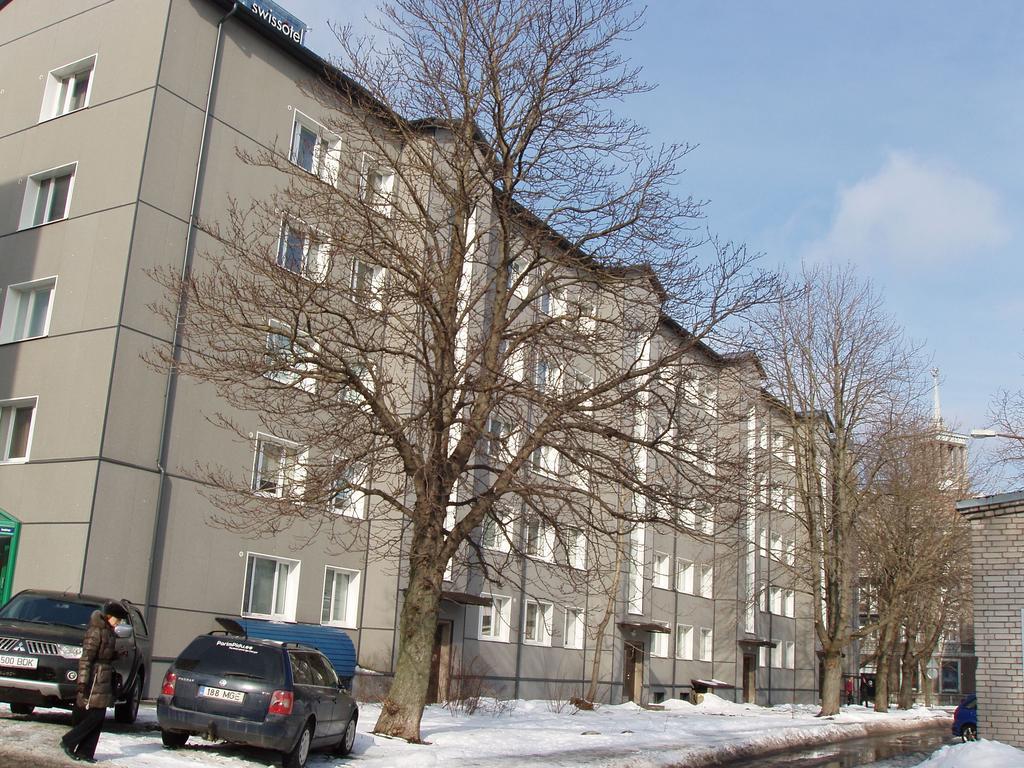
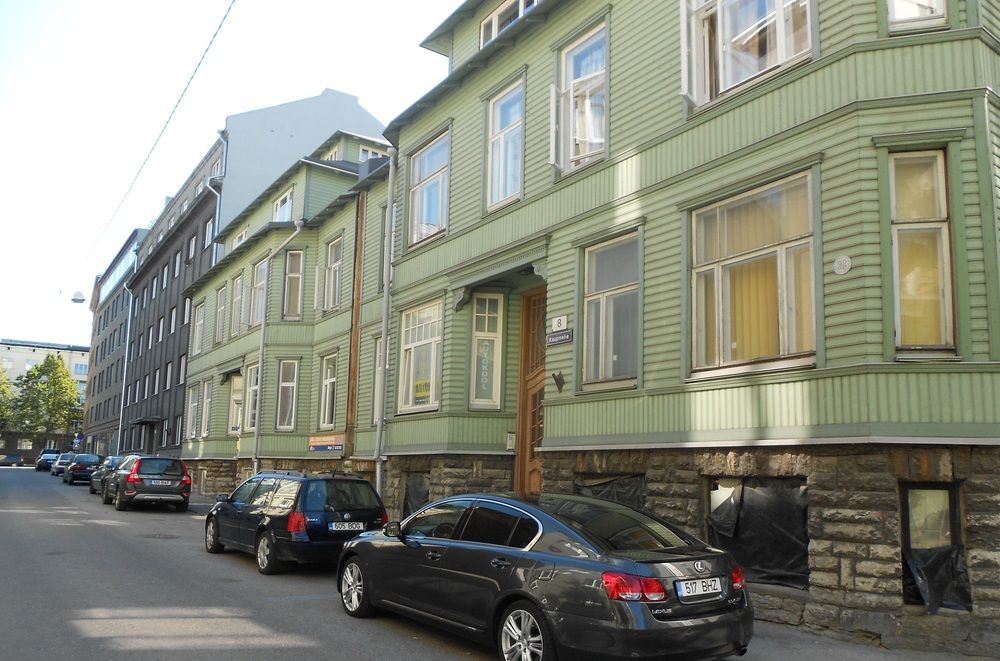
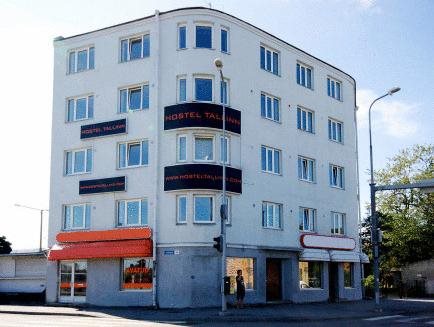
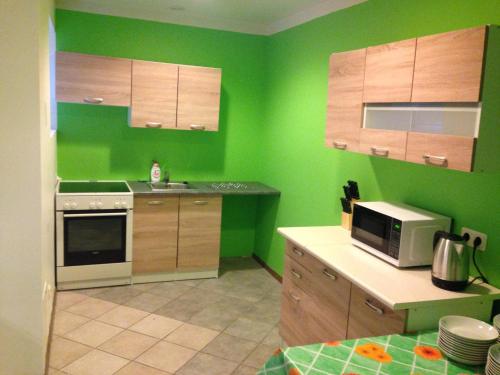
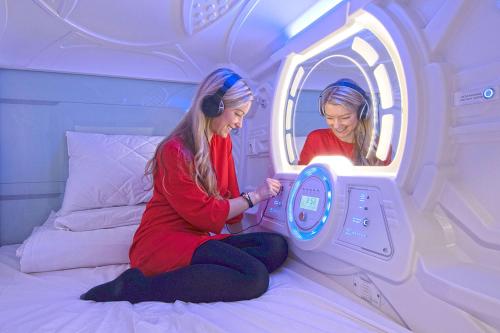
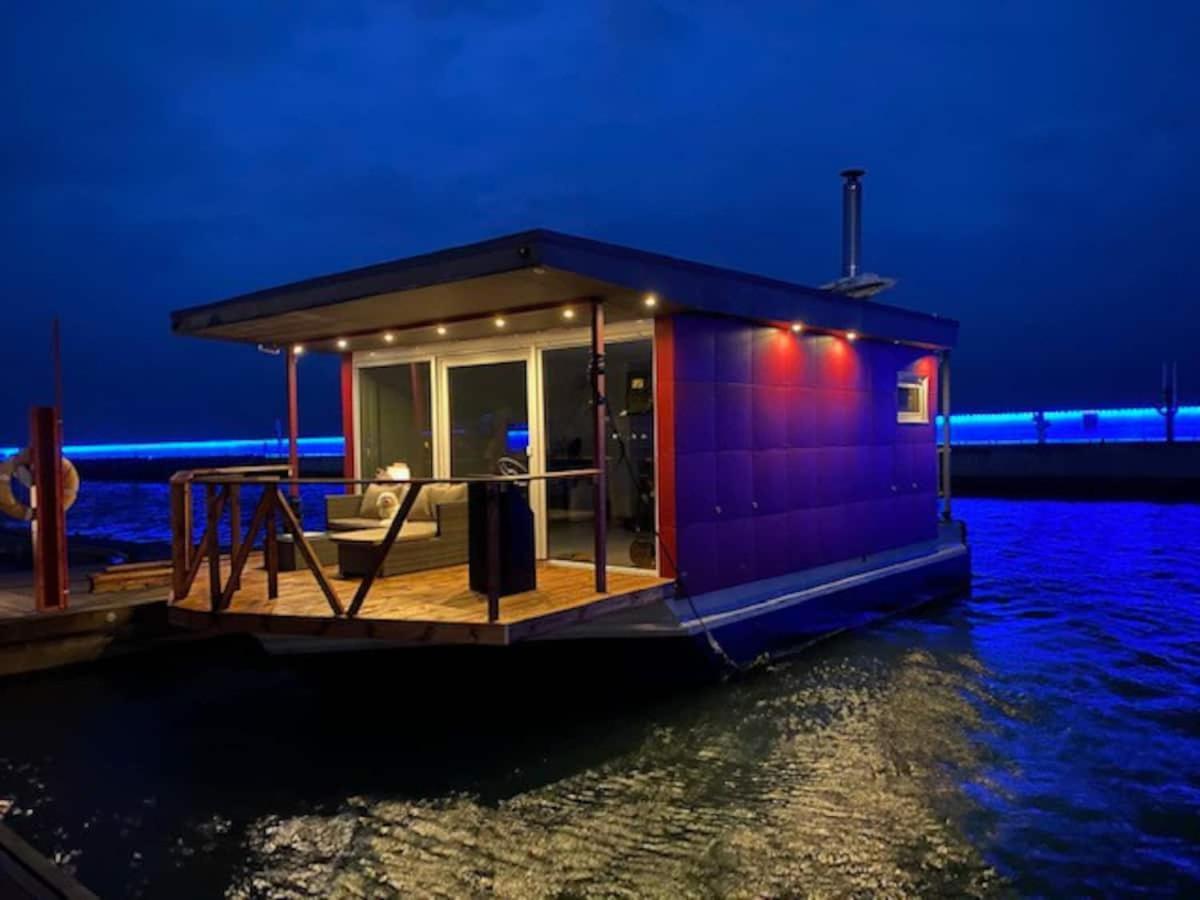
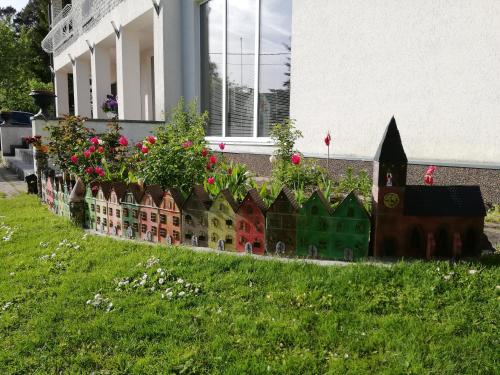

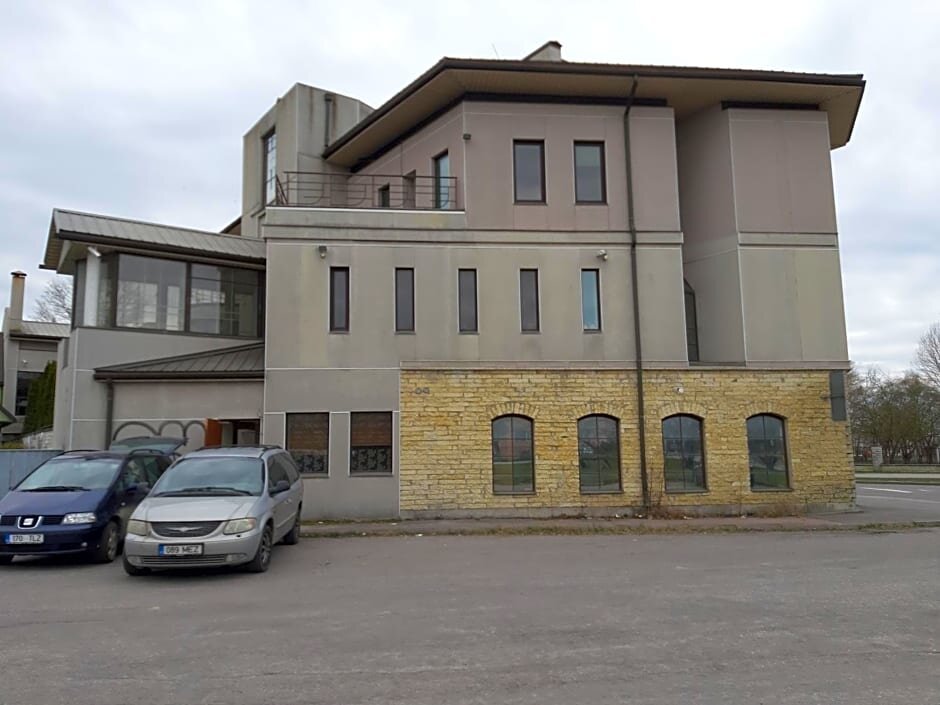
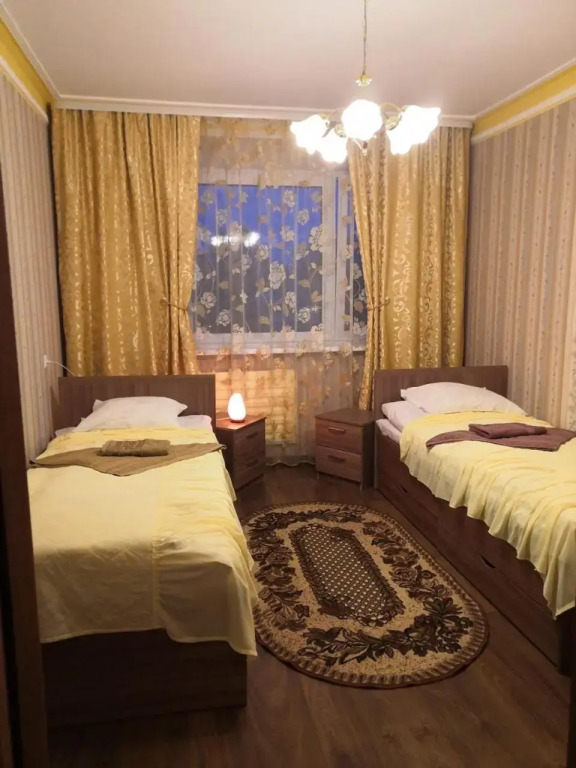

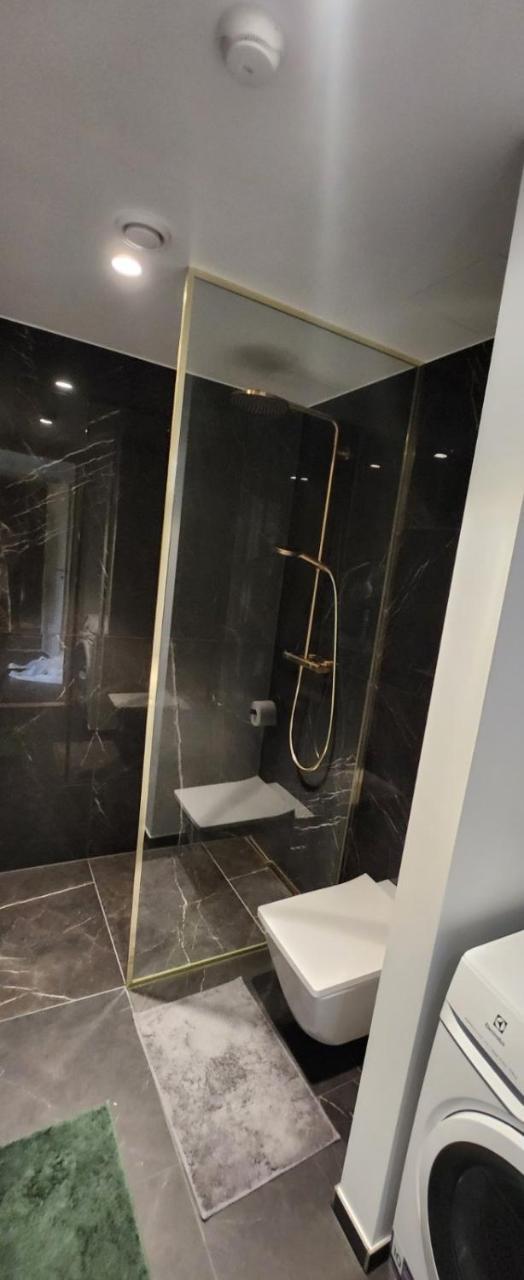
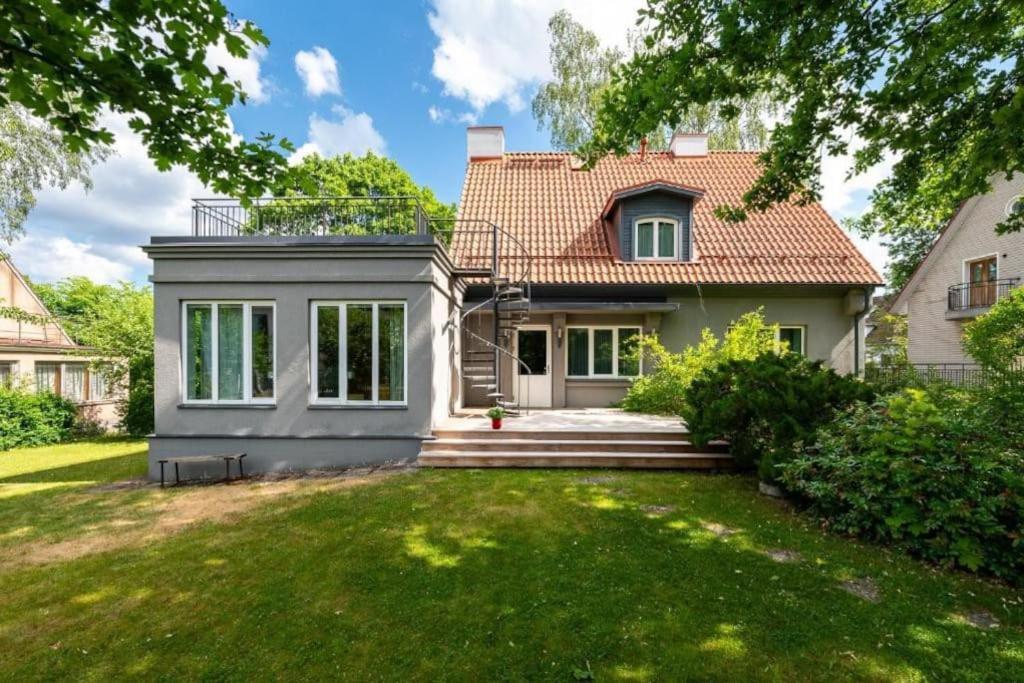
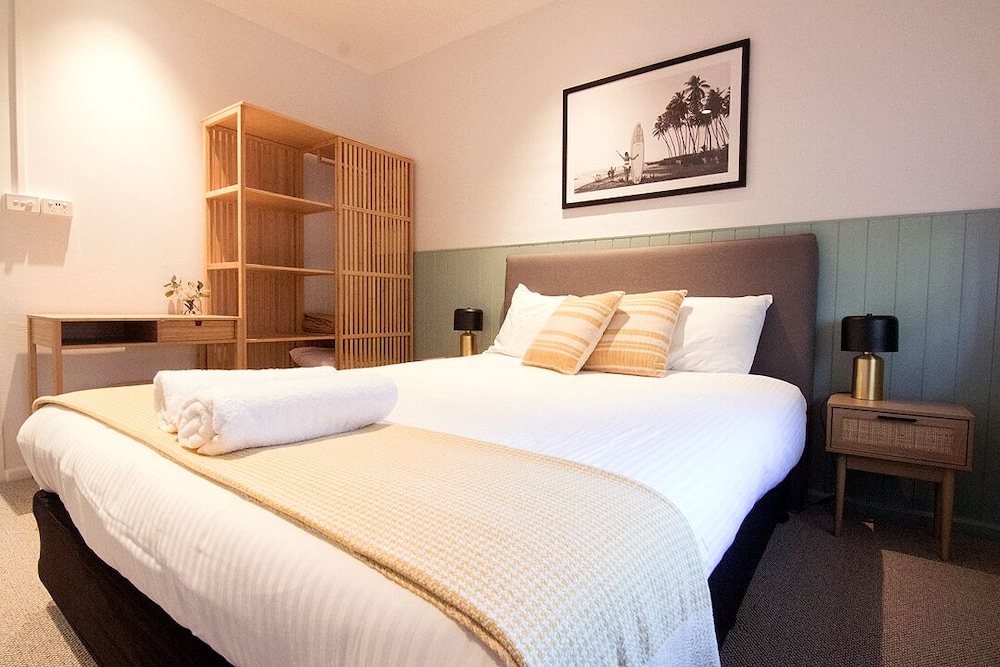
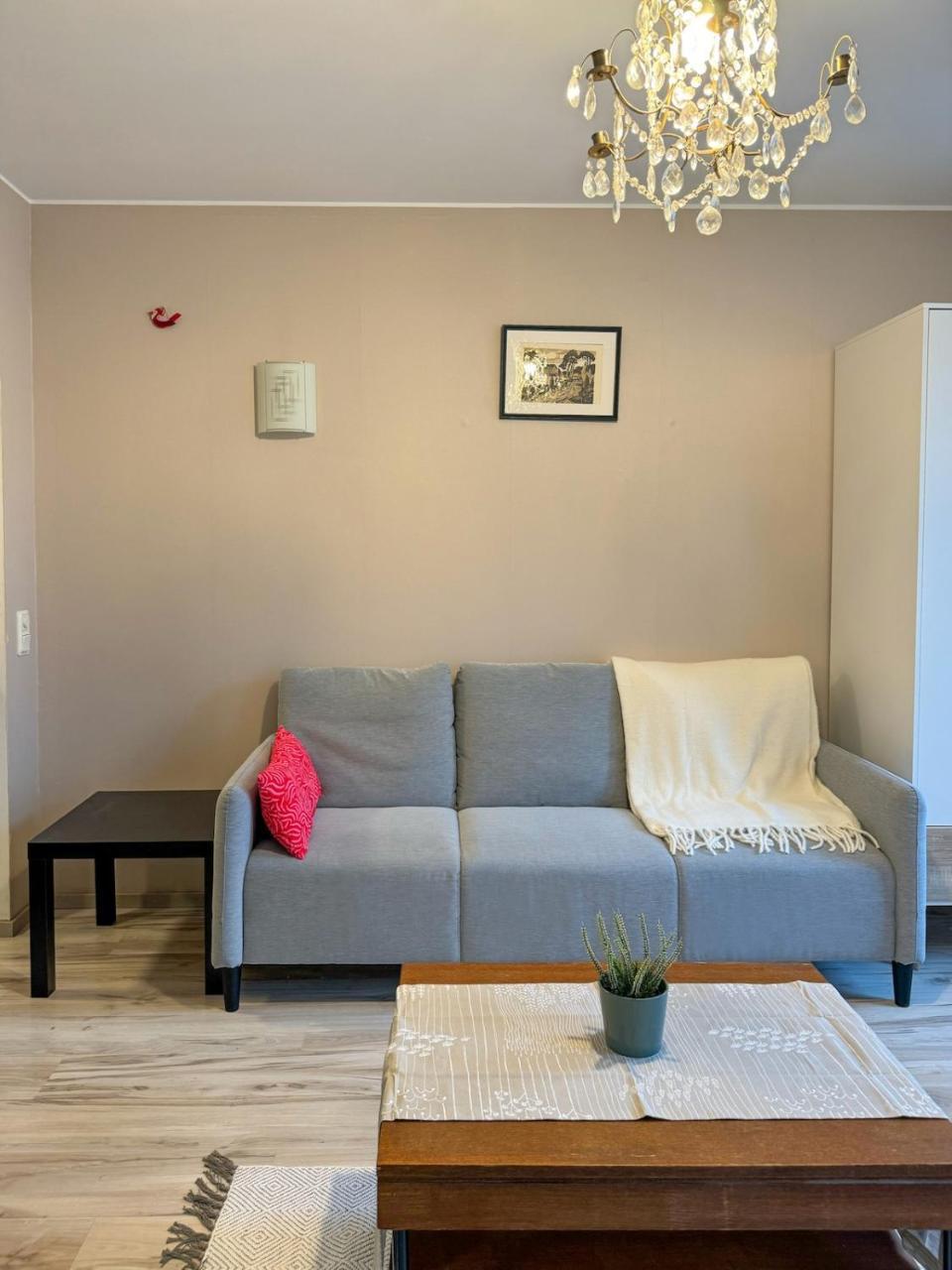
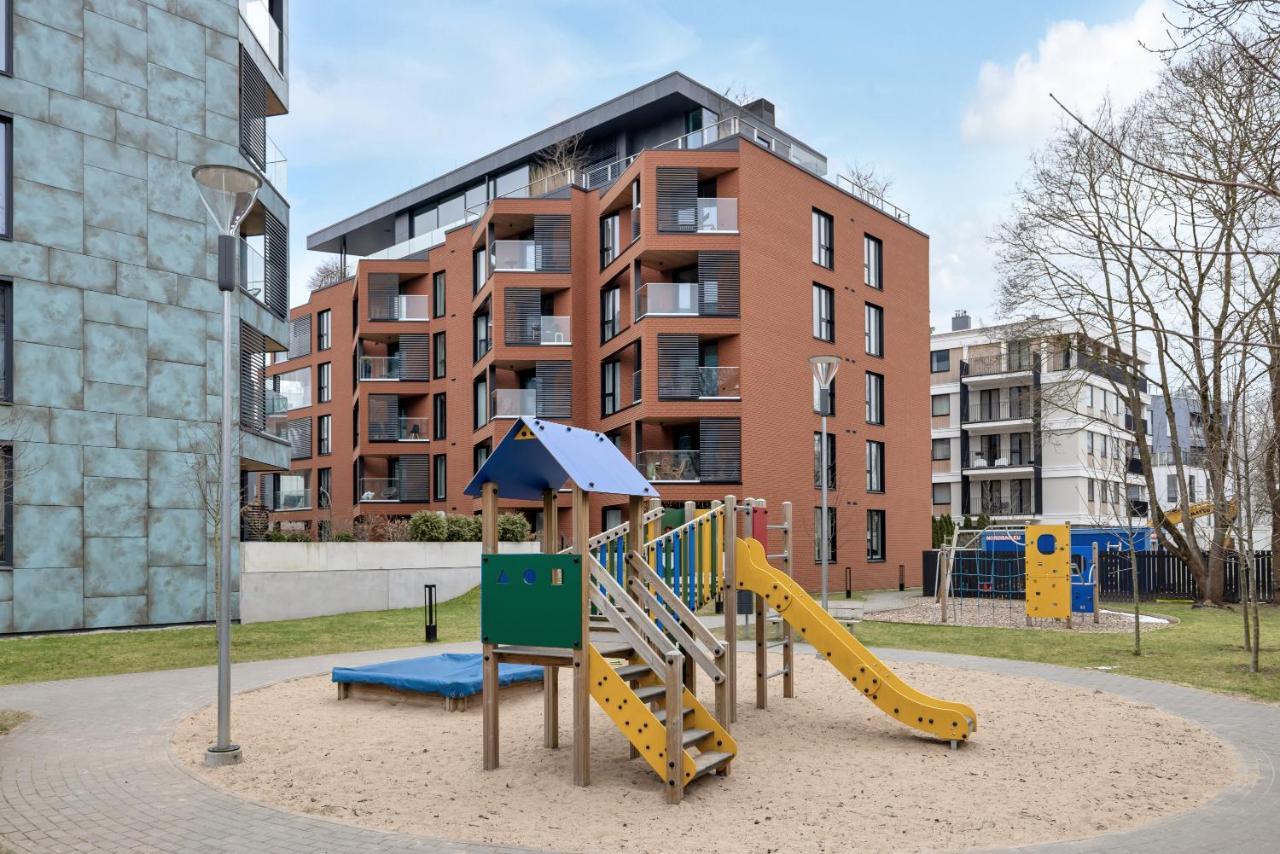
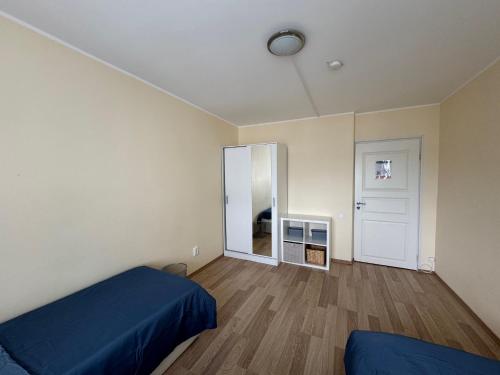
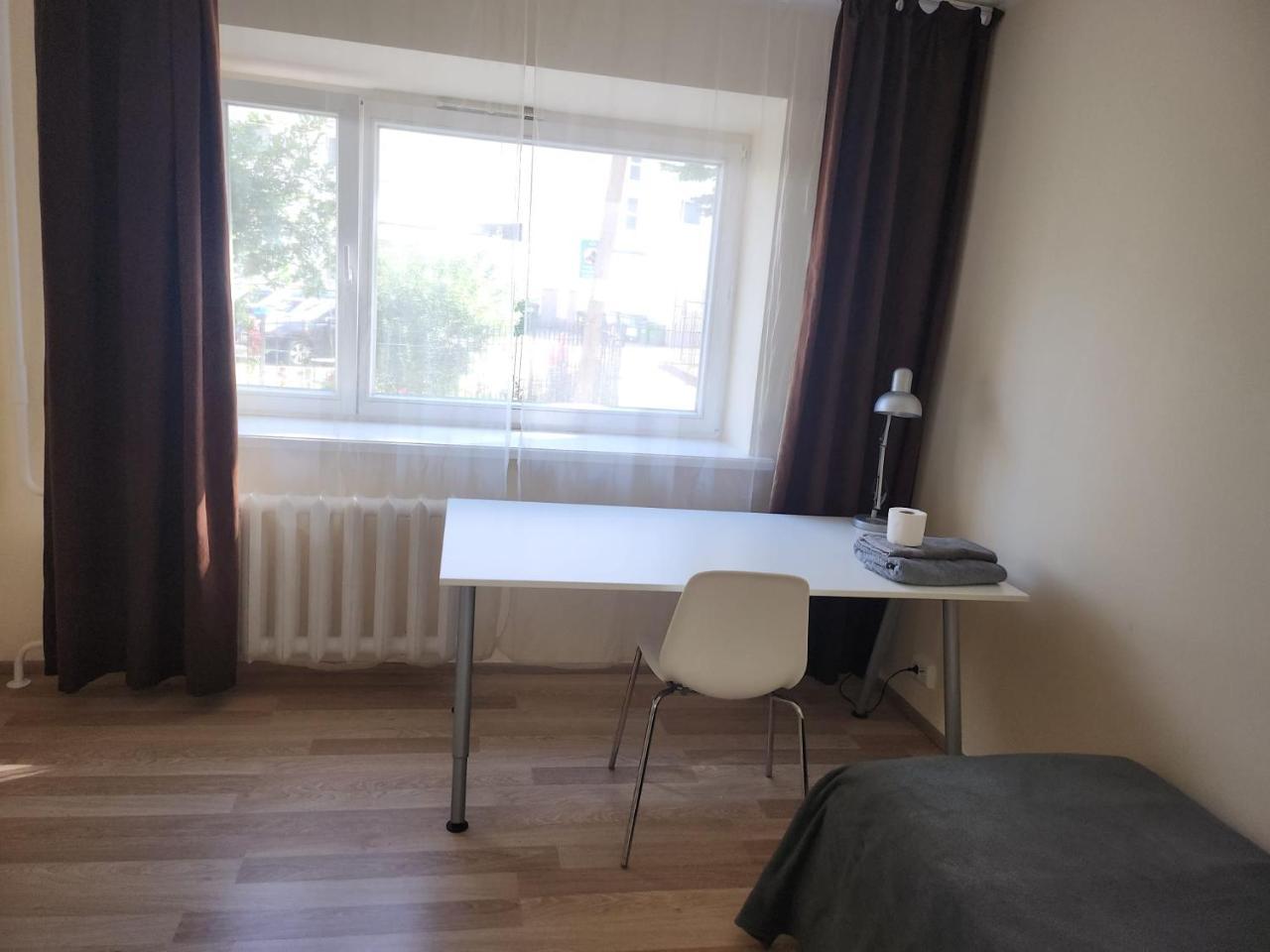
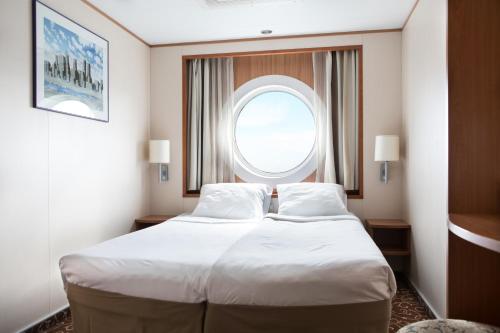
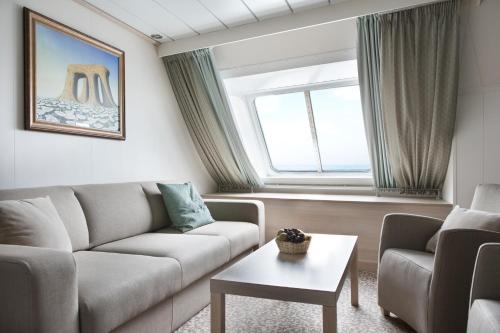
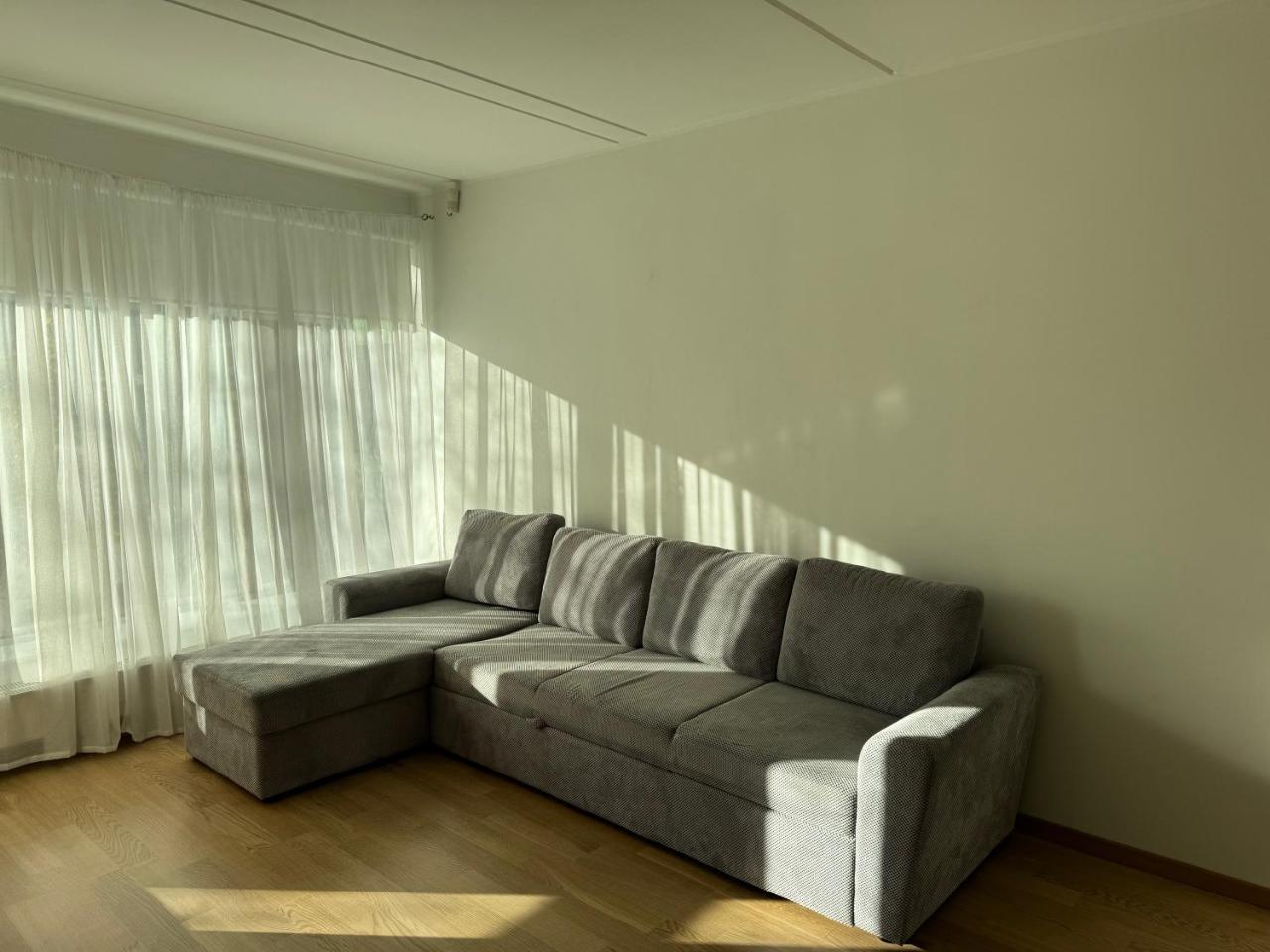
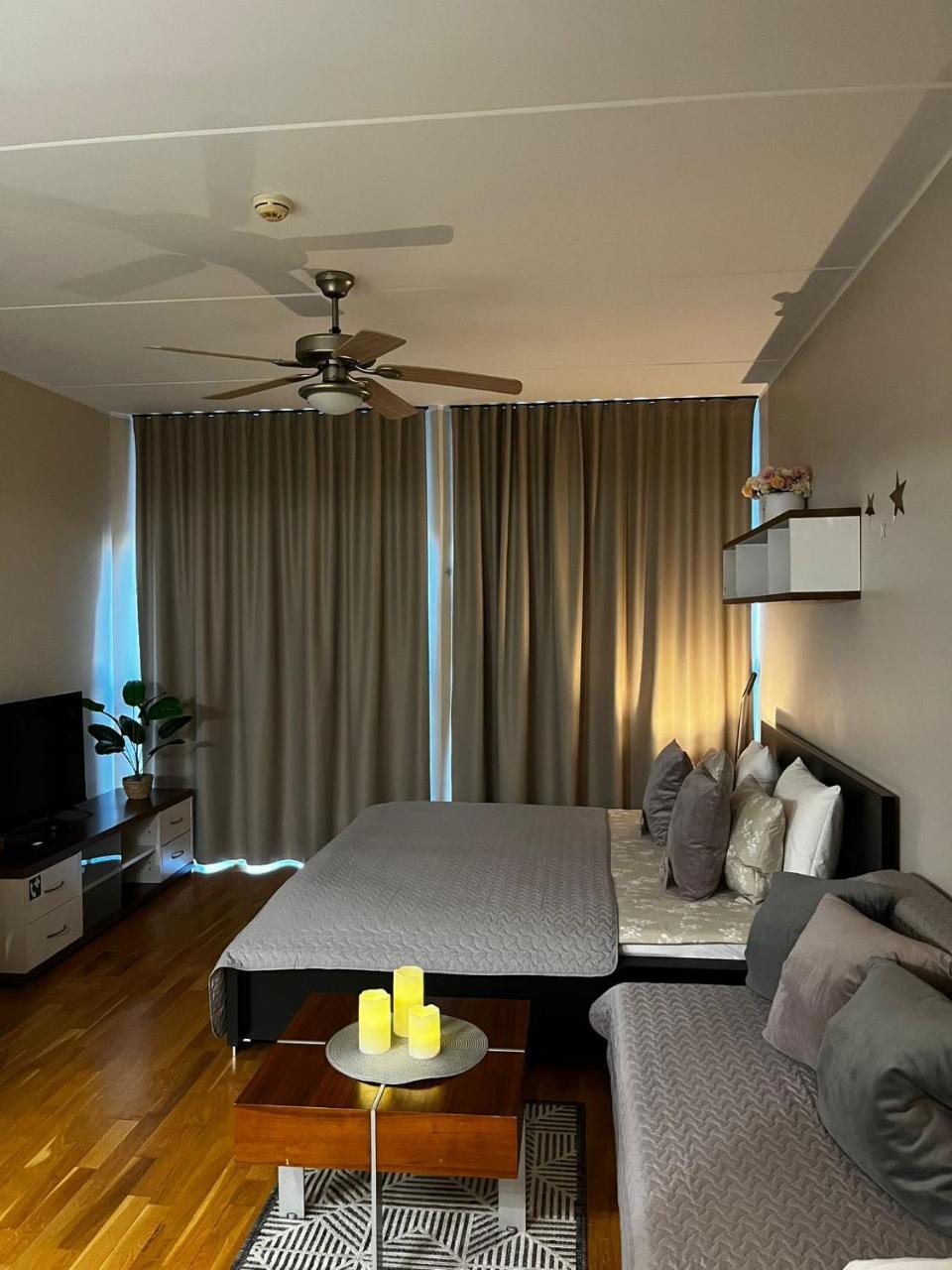
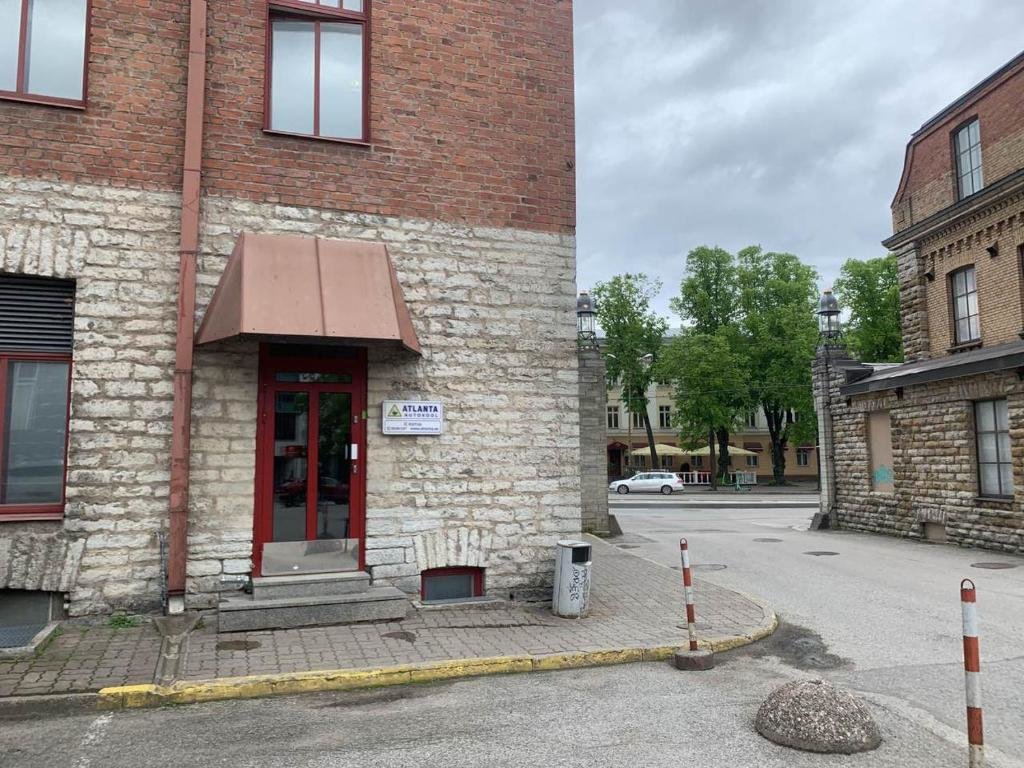
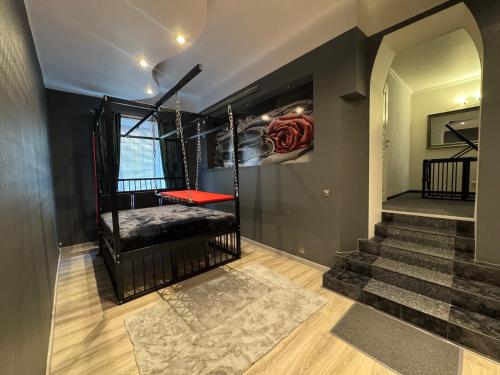
Tallinn
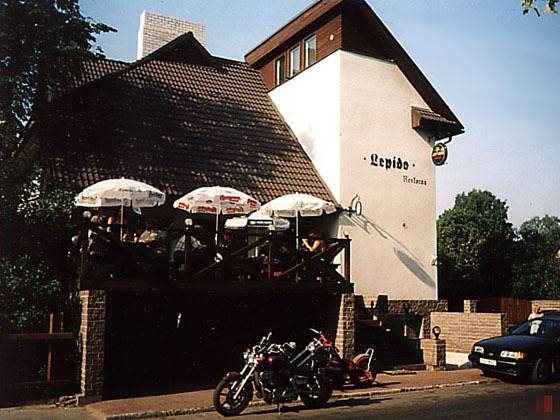
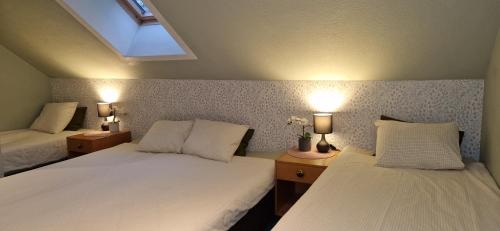
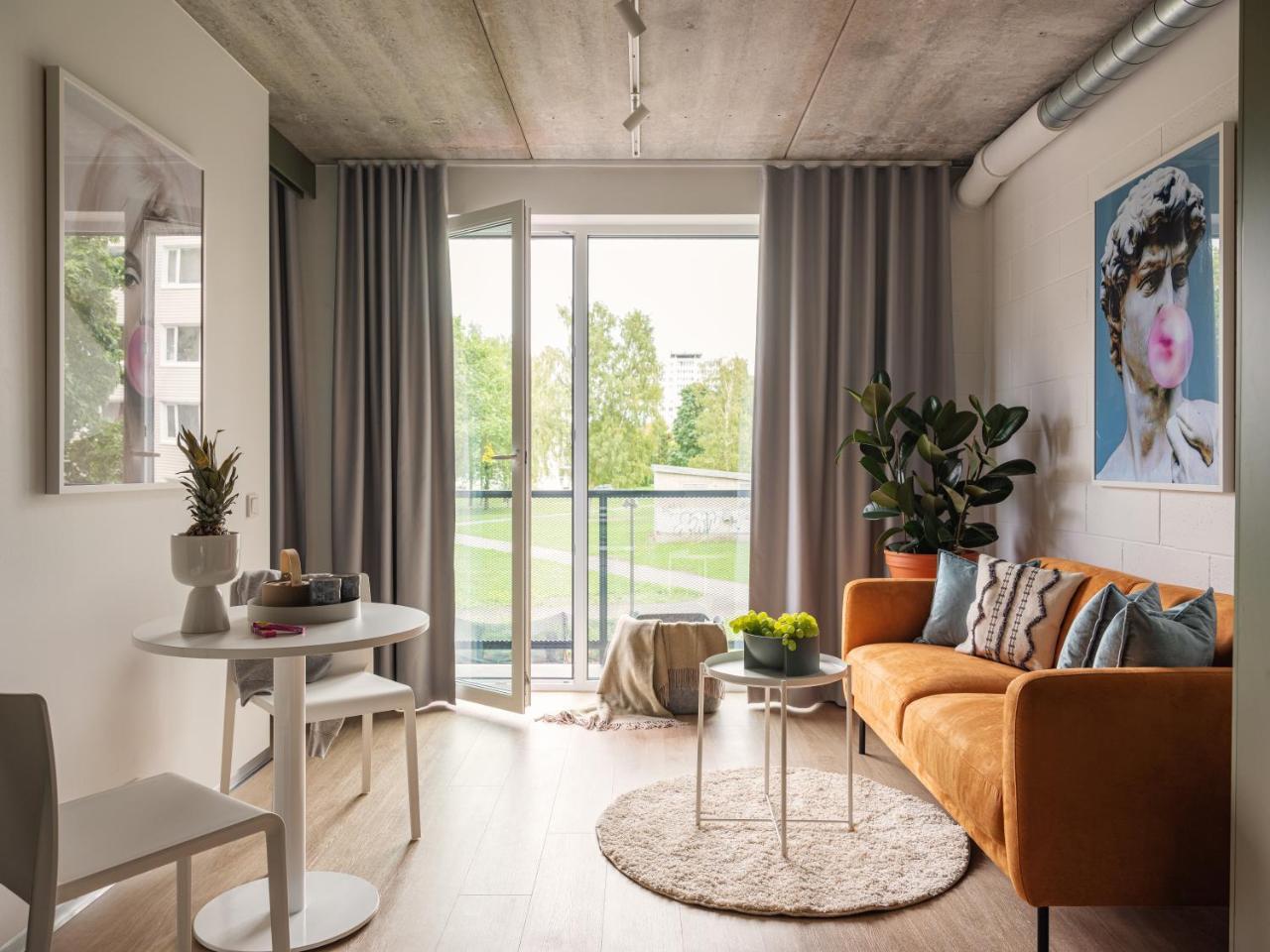
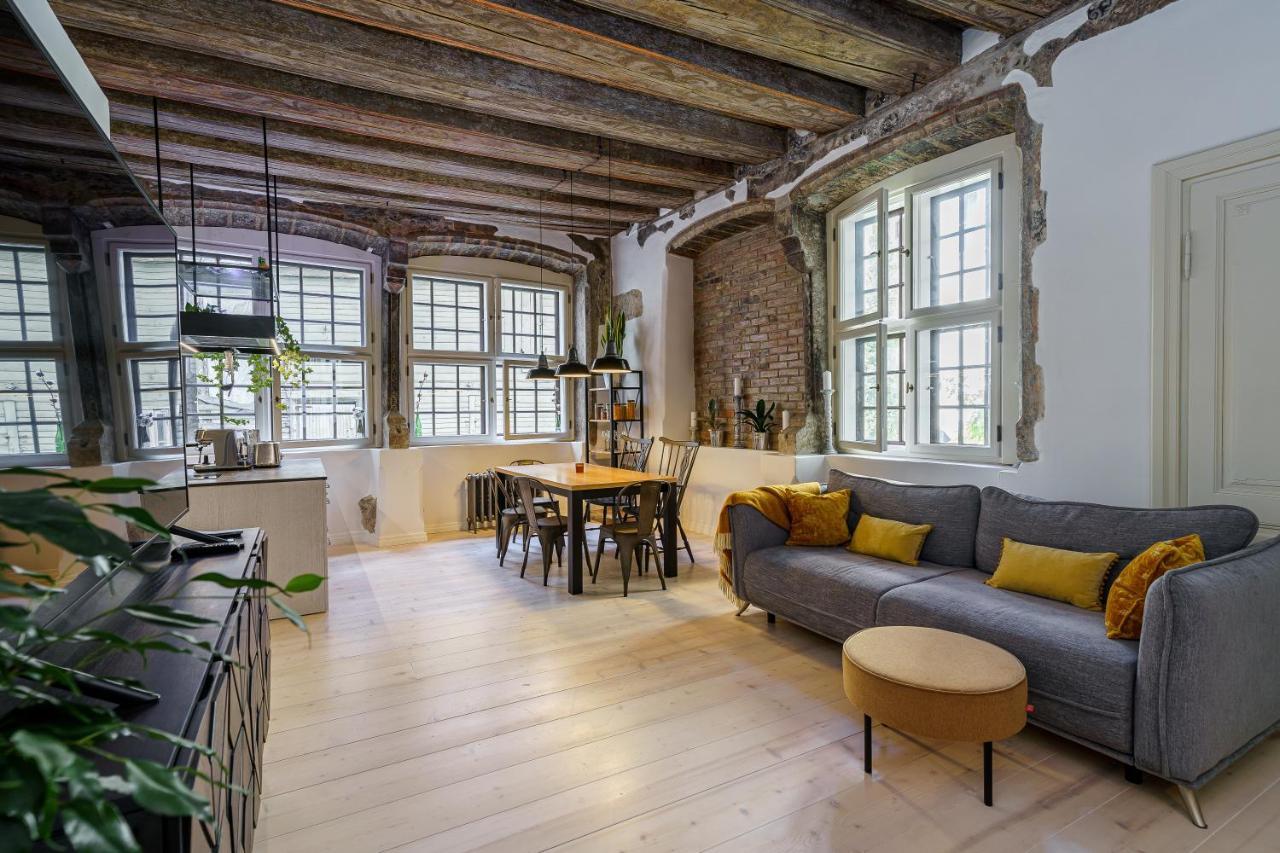
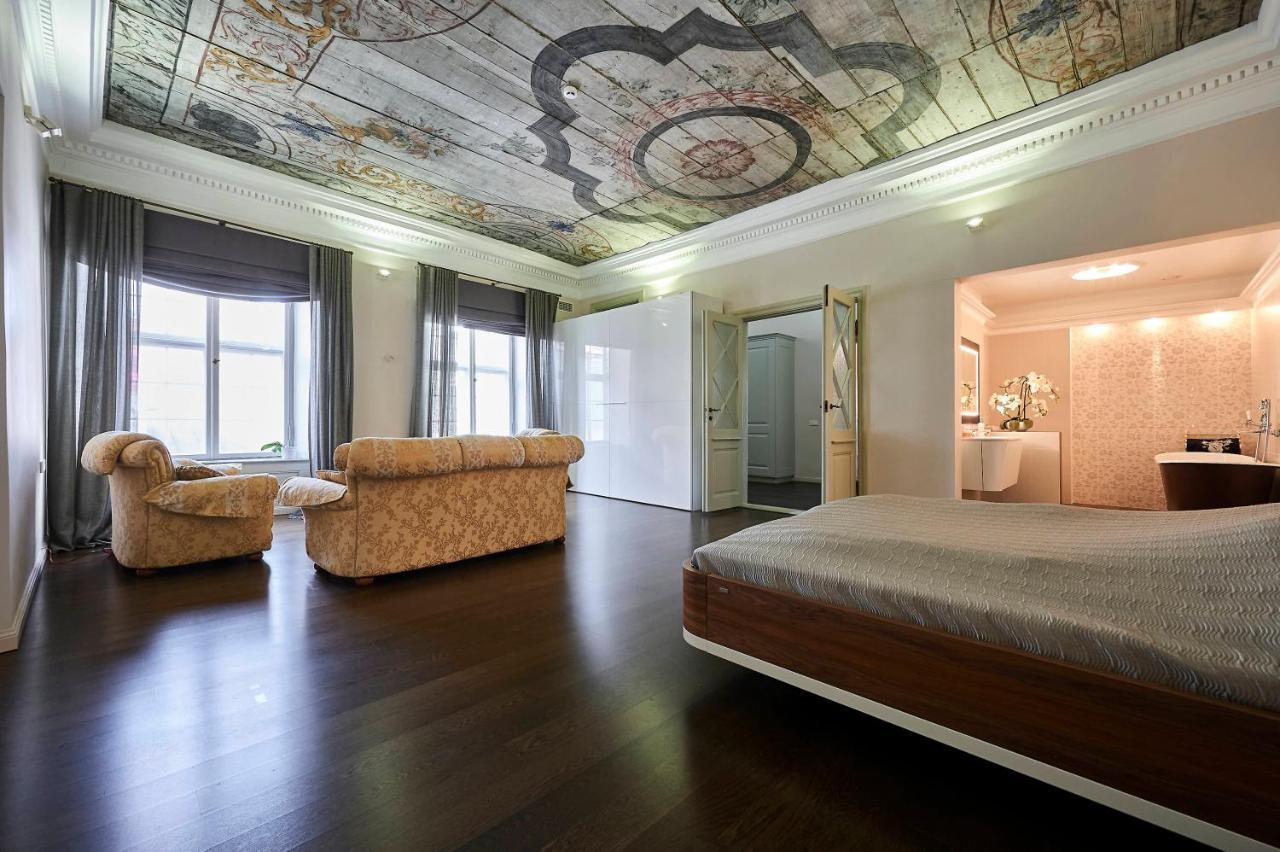
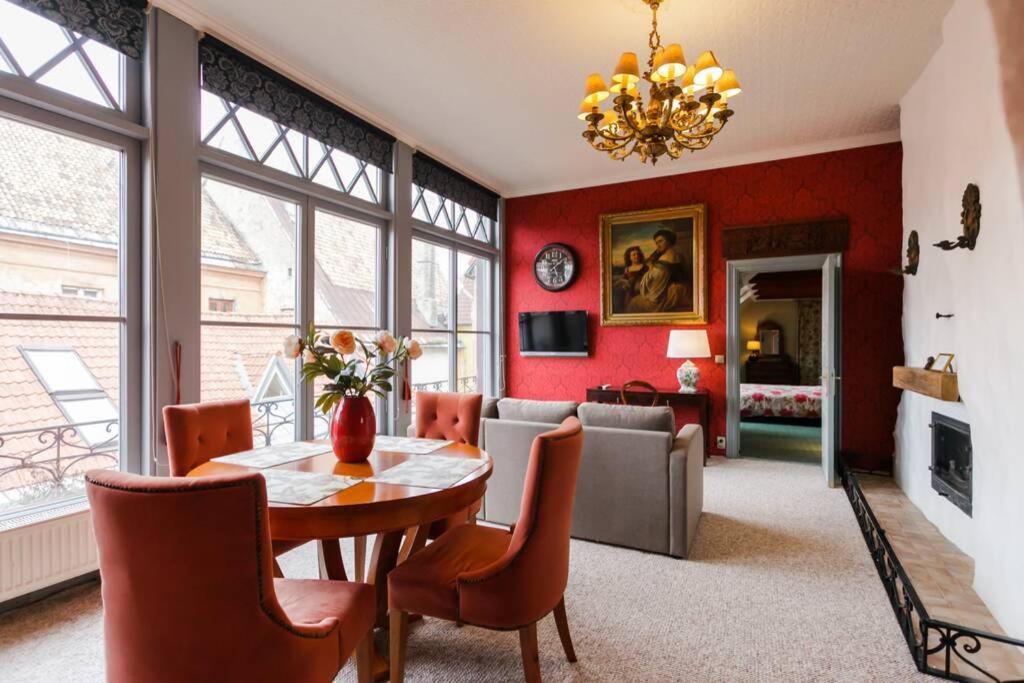
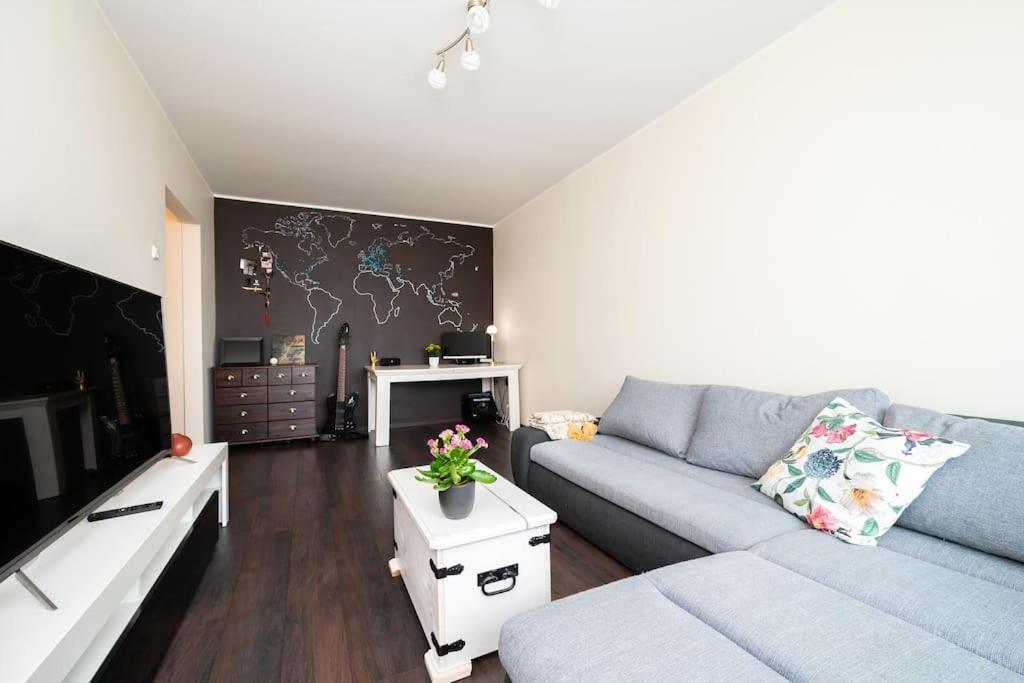
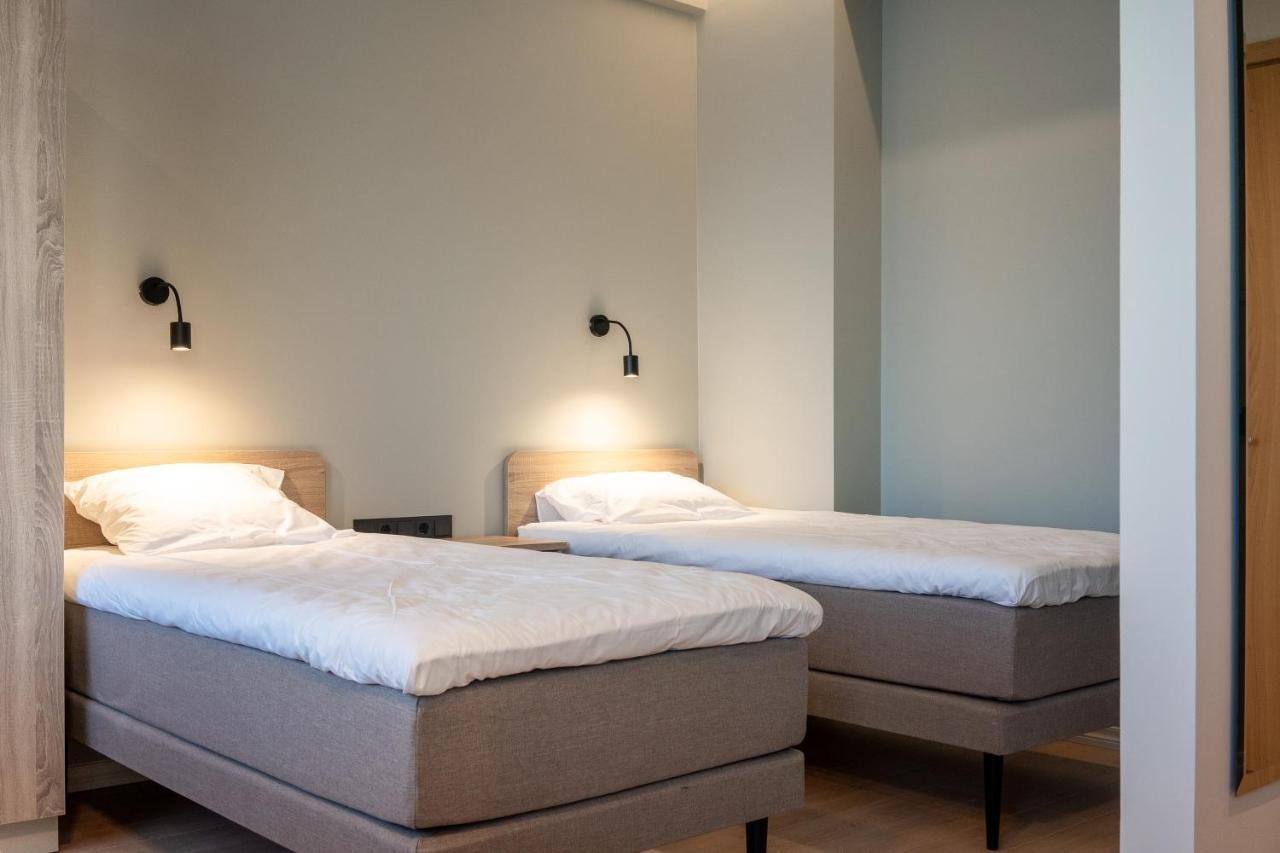
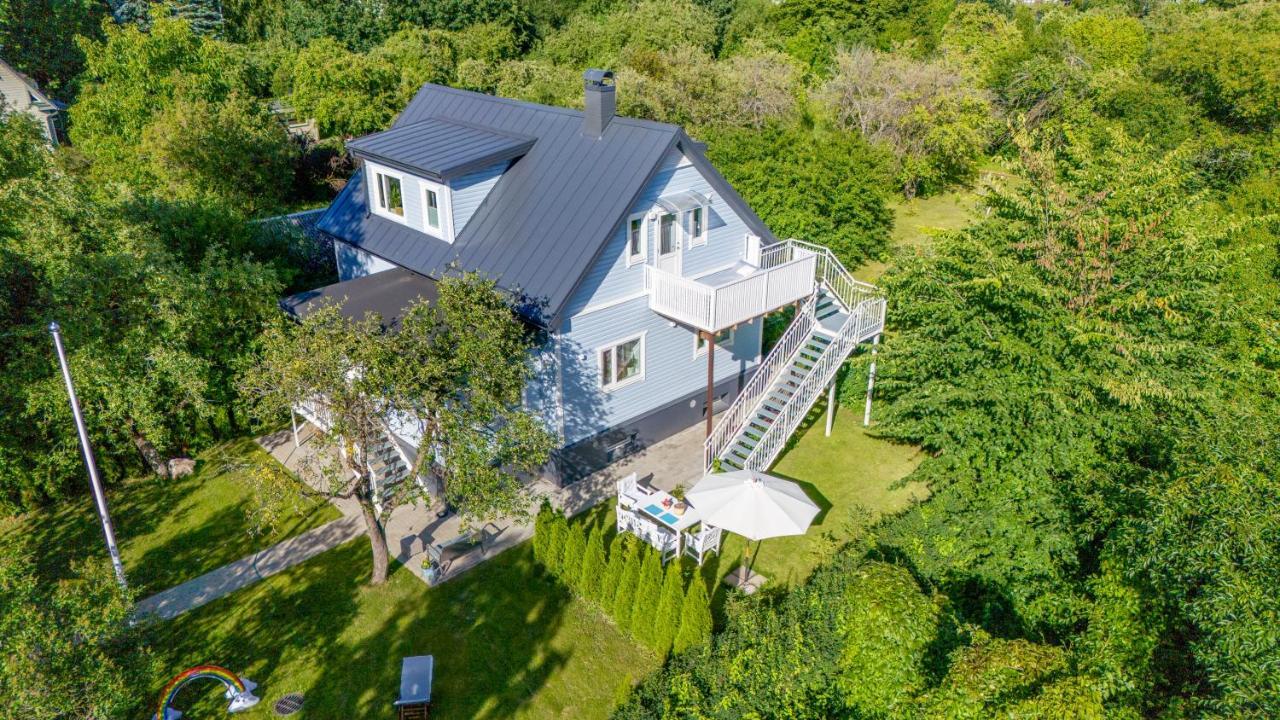
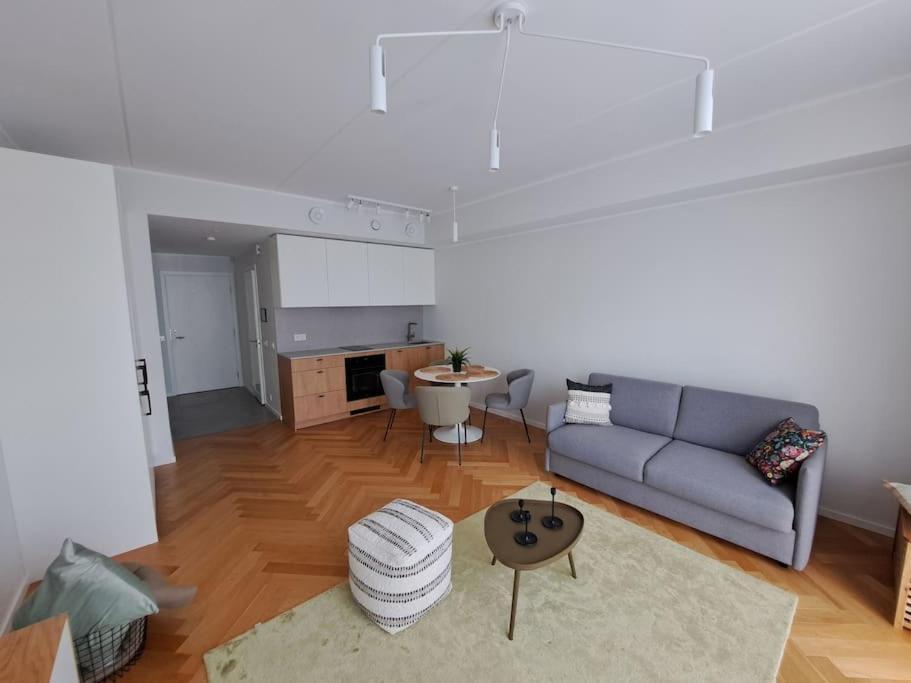
BDSM accommodation Tallinn Private Luxury Romance Studio Apartment Tallinn Old Town adults only
Tallinn
Live priceReserve
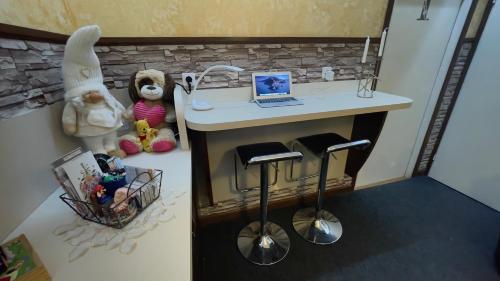
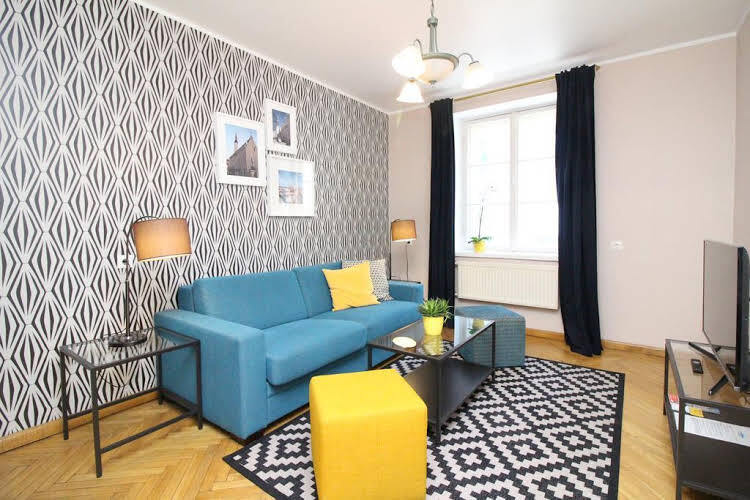
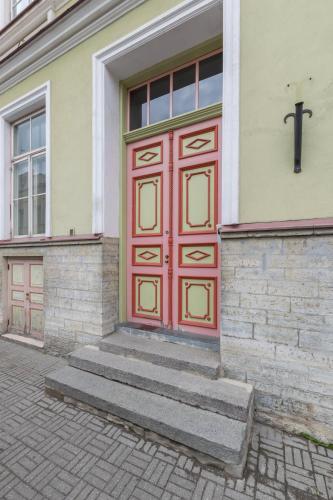
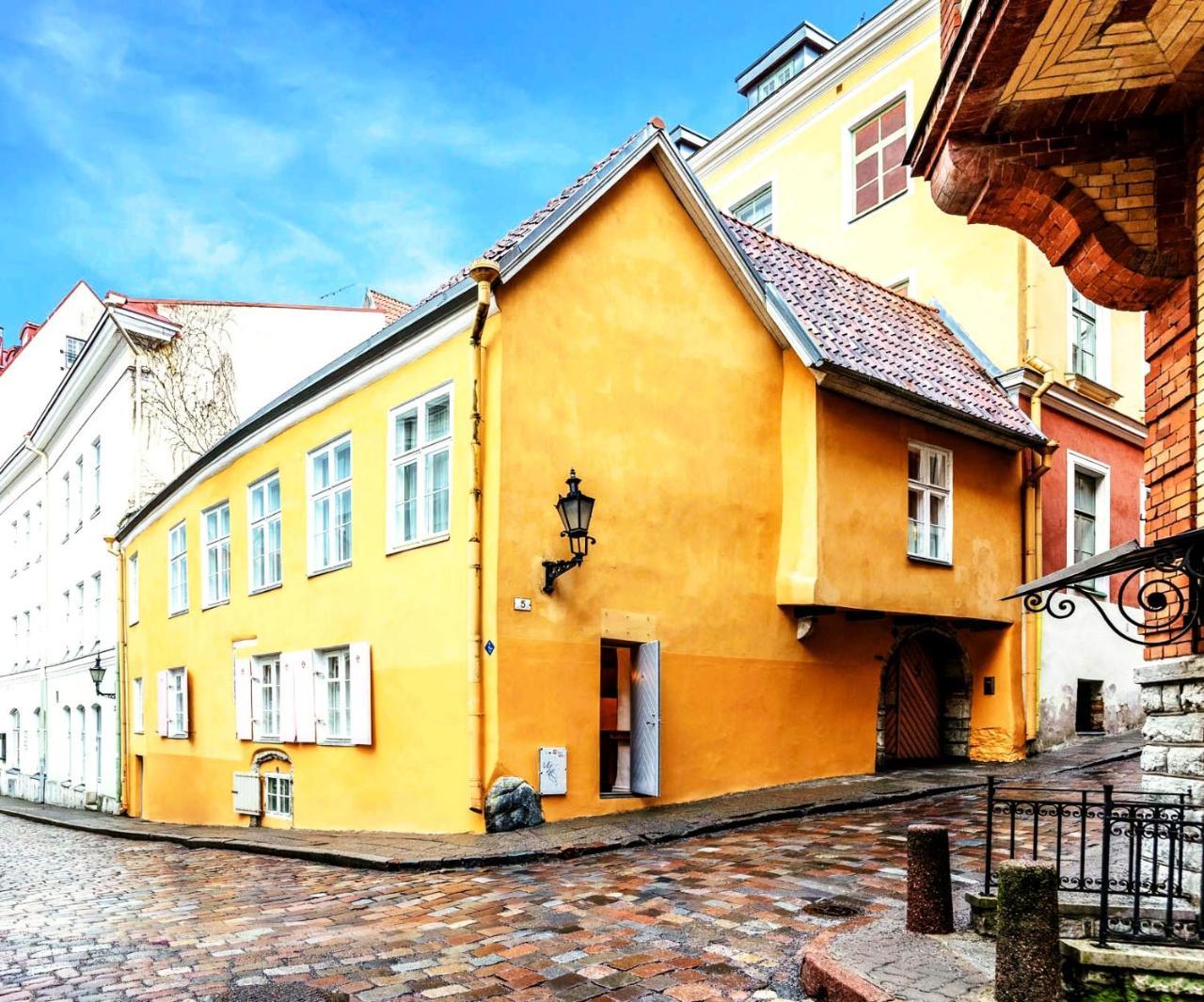
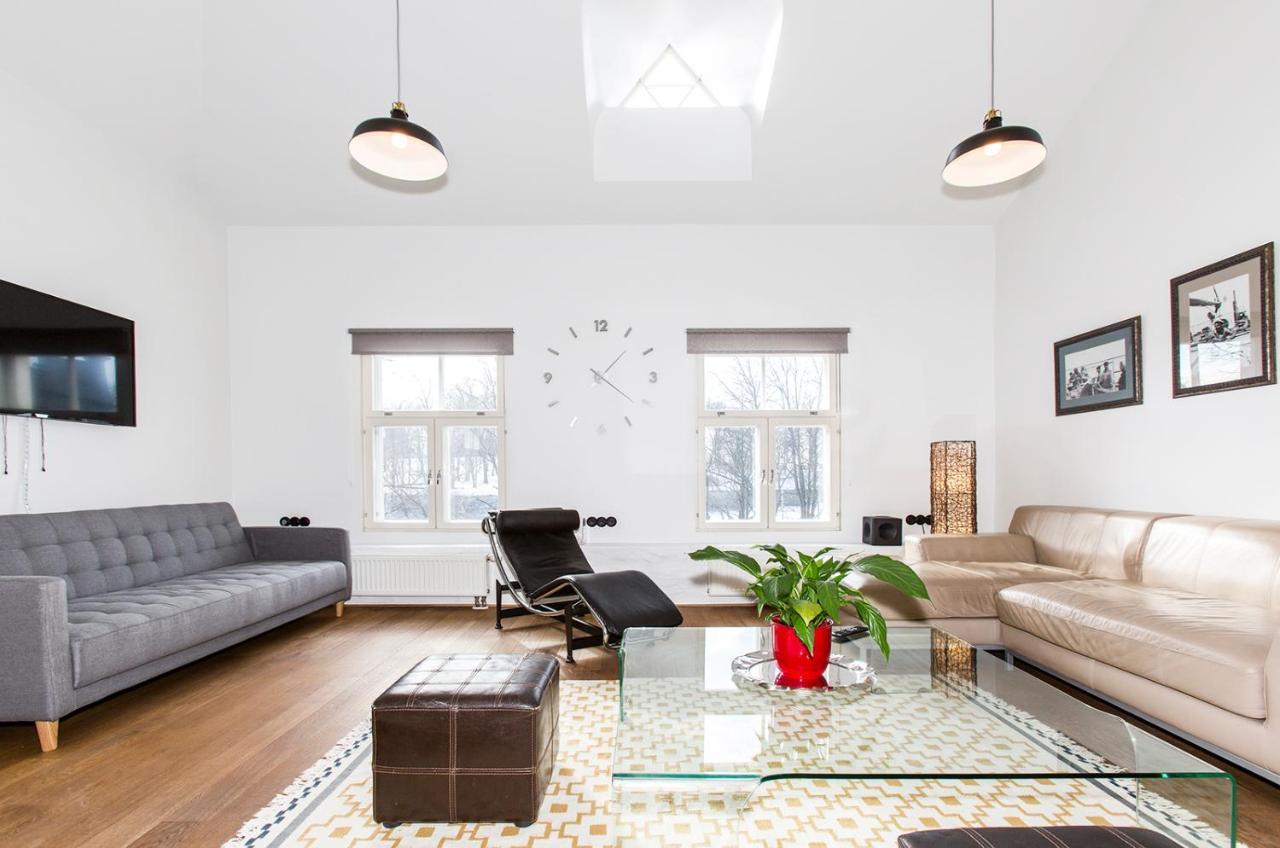

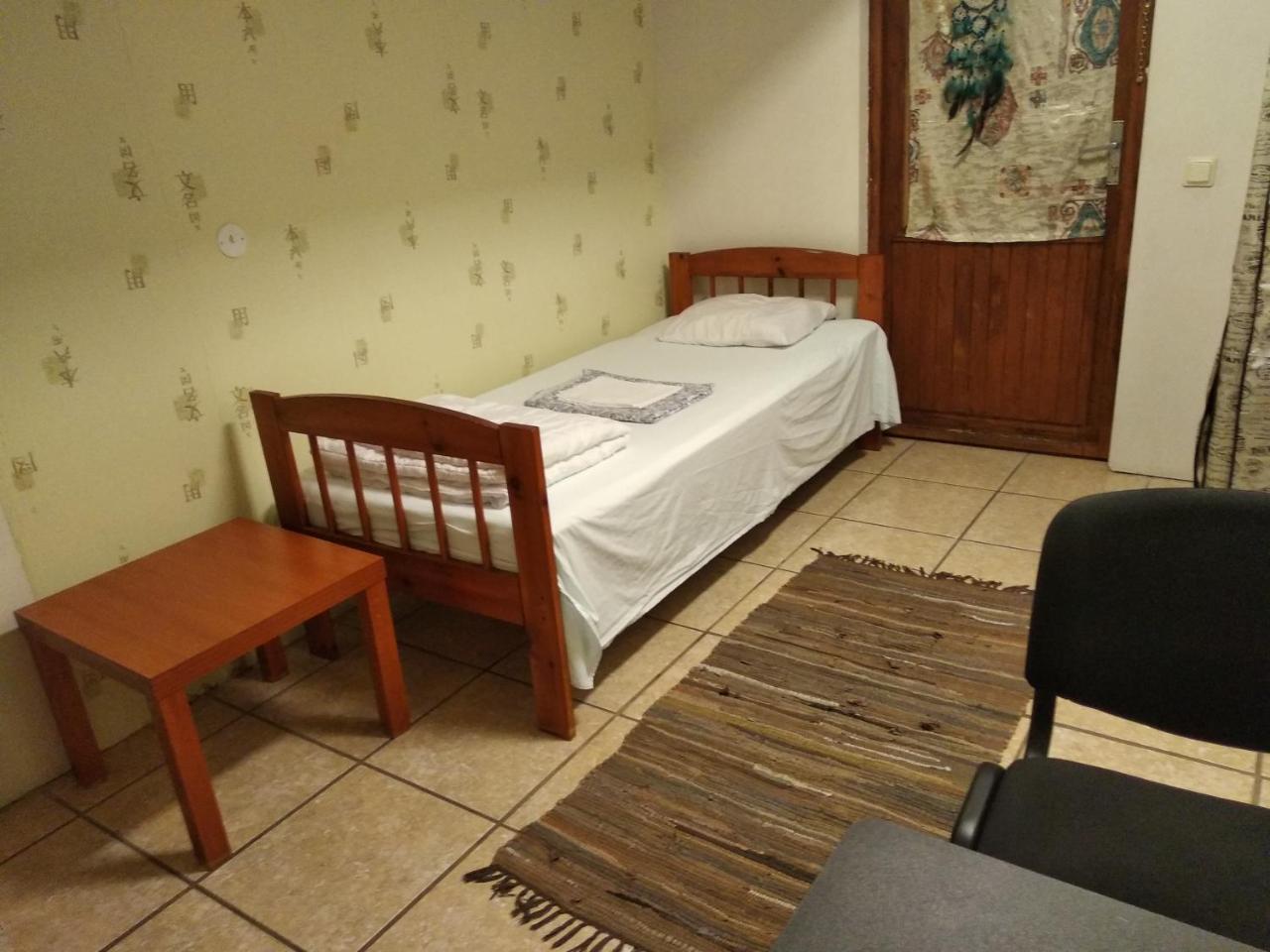
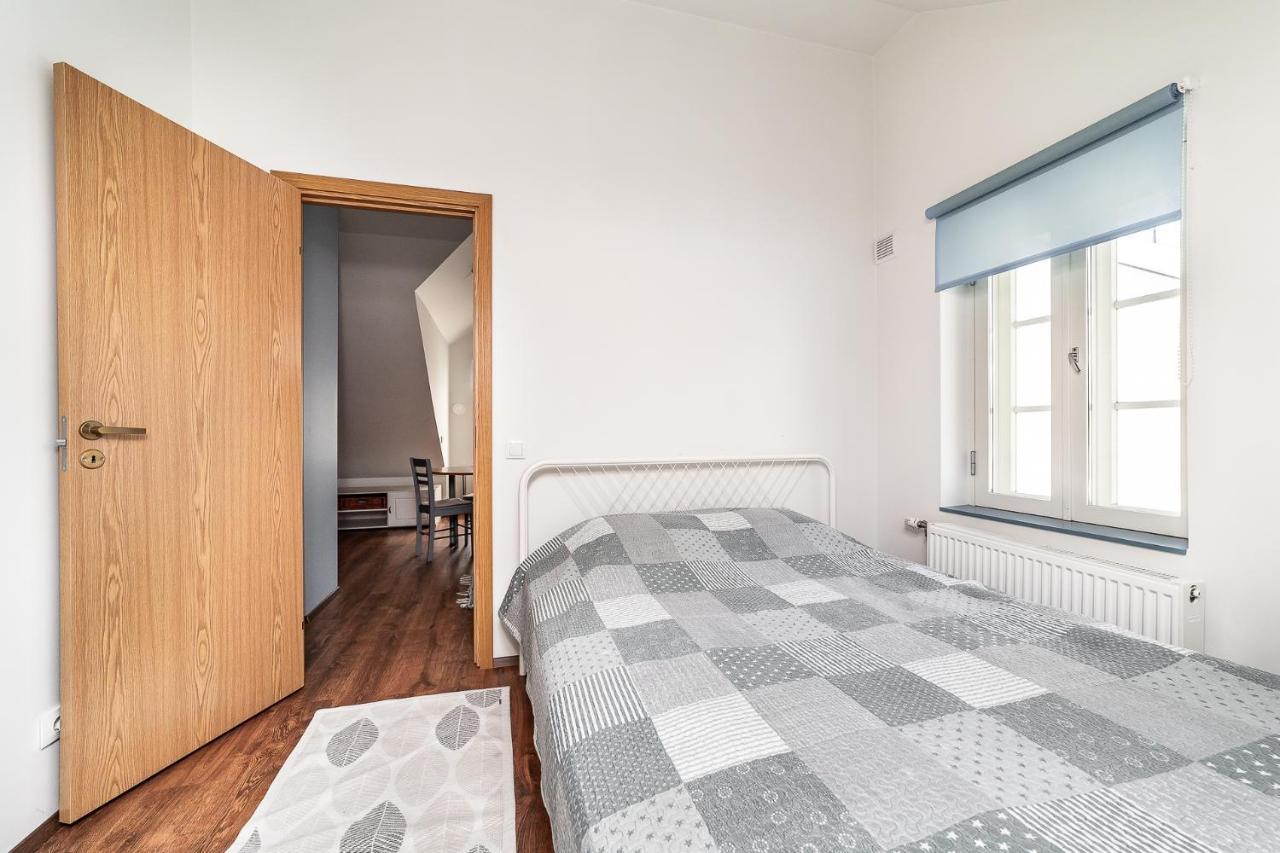
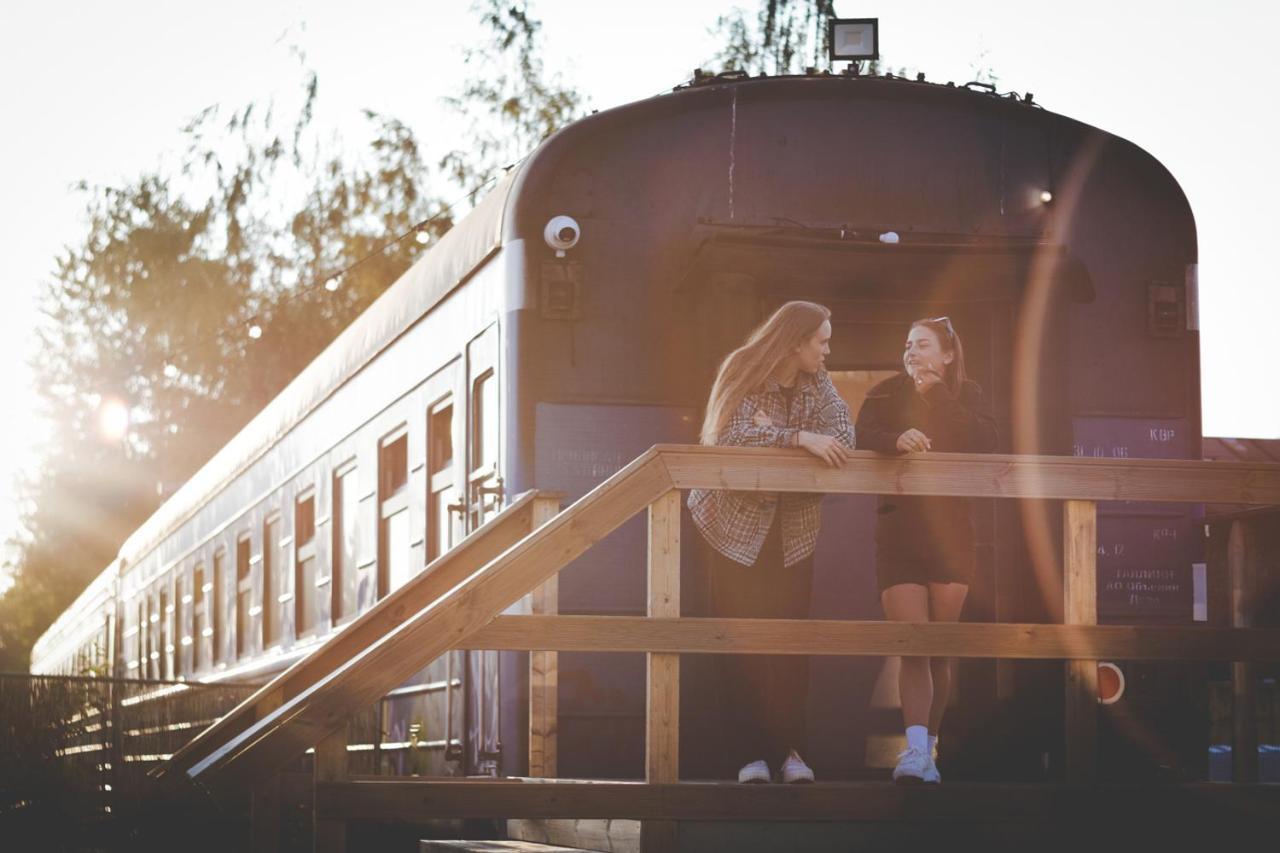
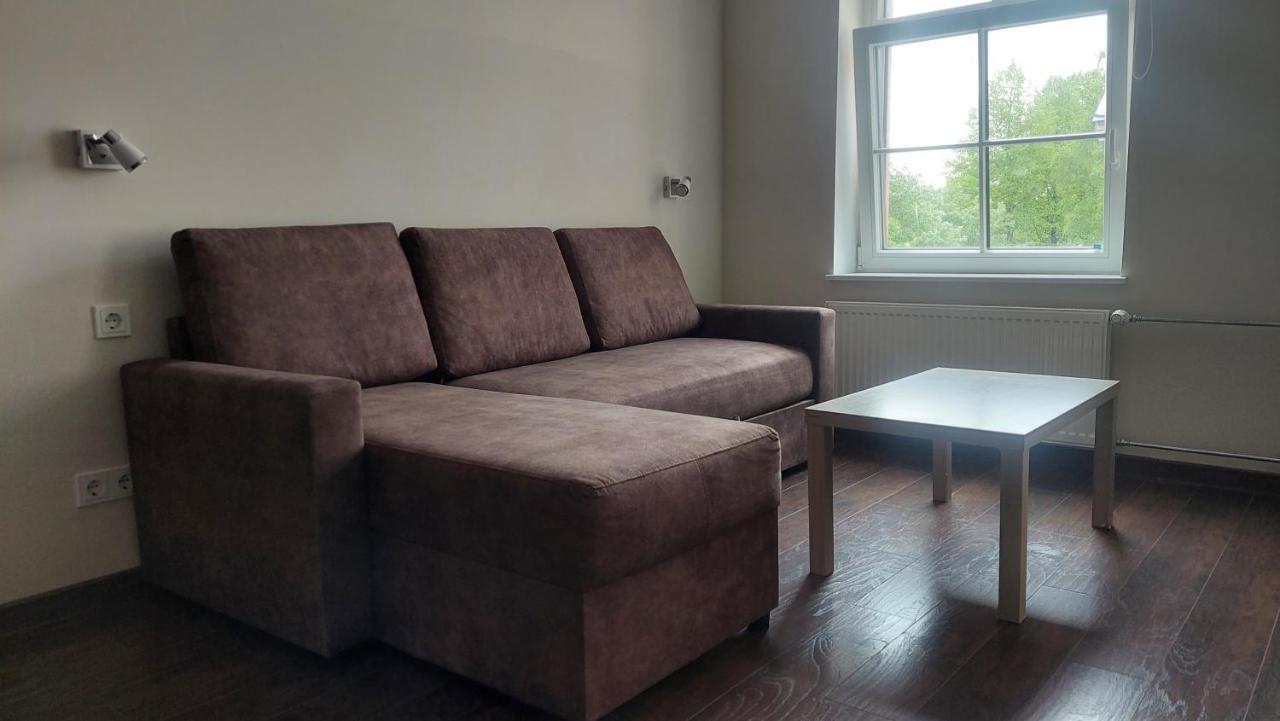
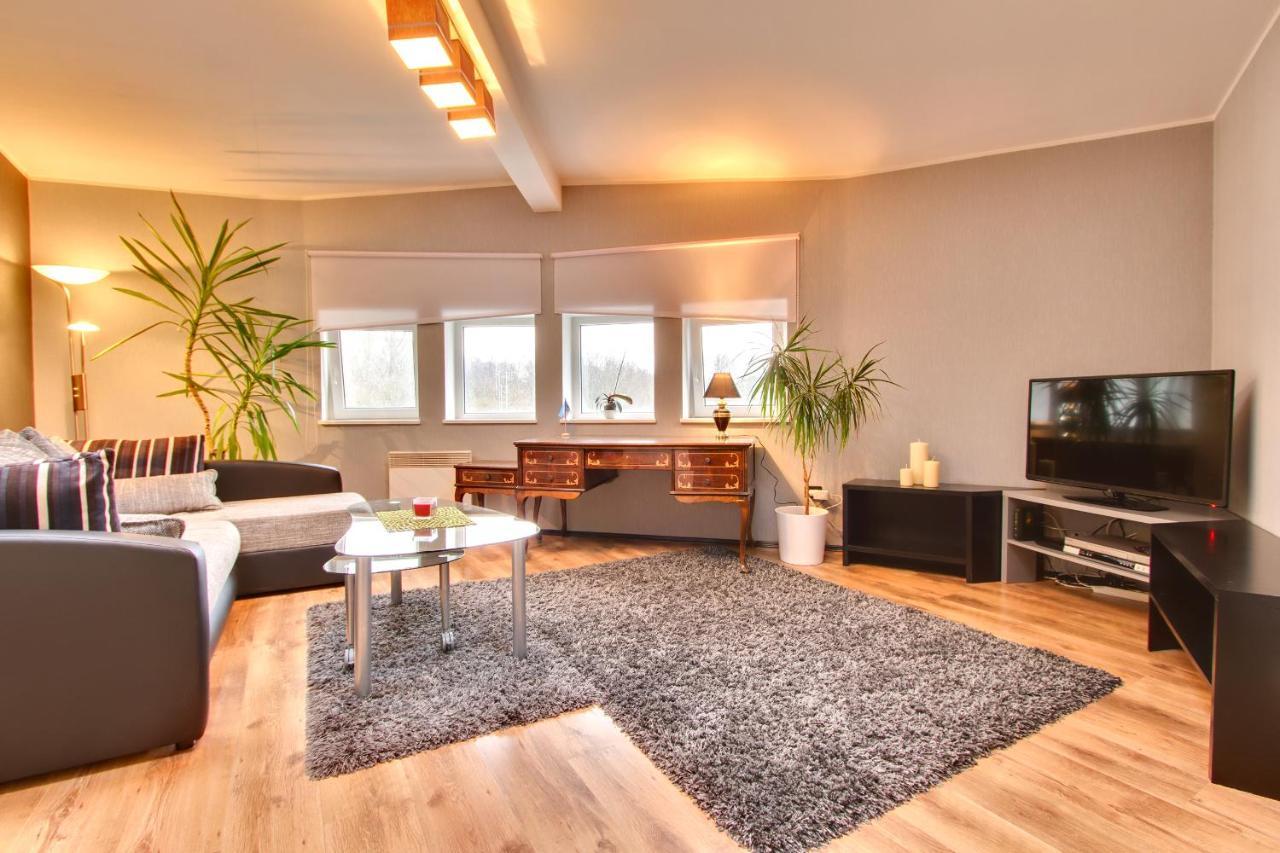
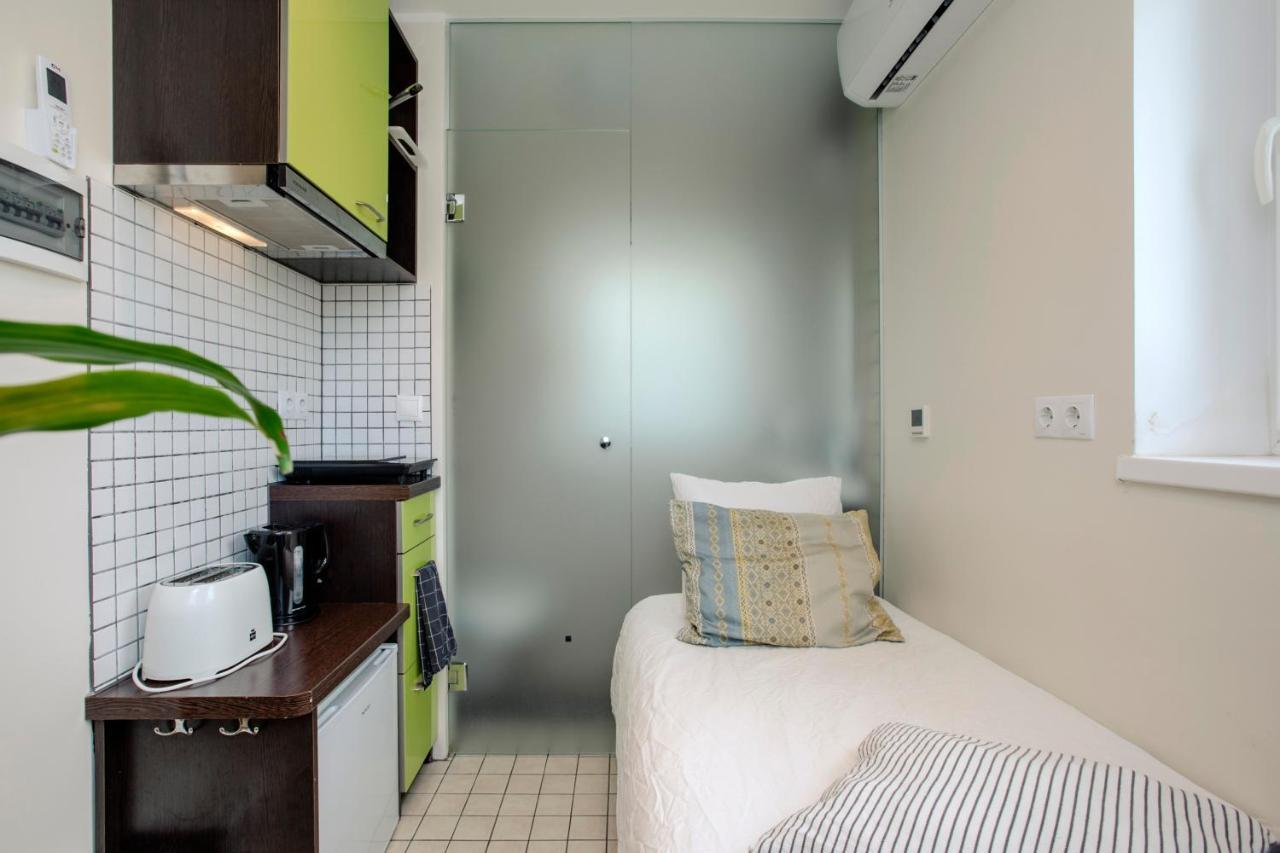
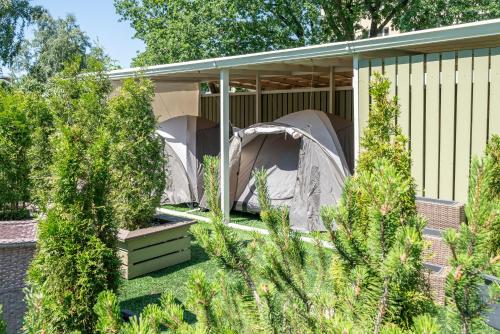
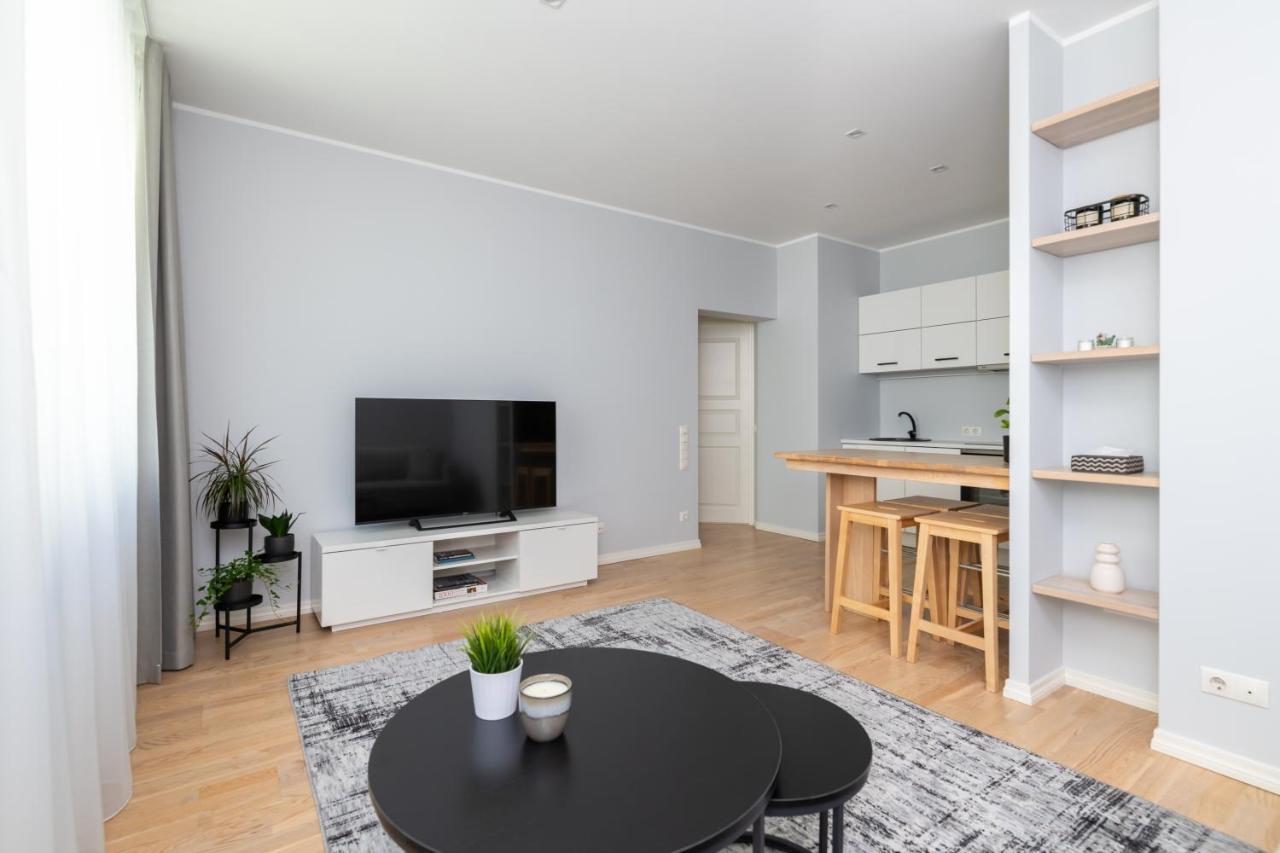
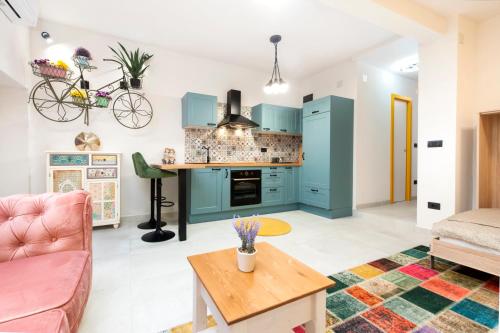
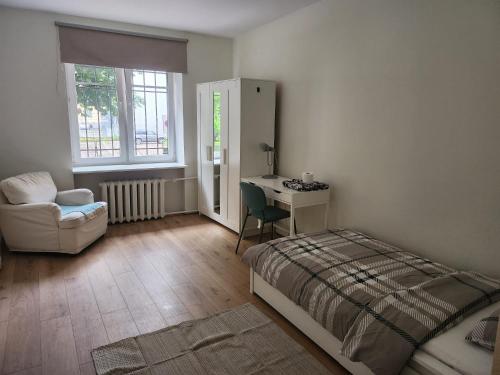
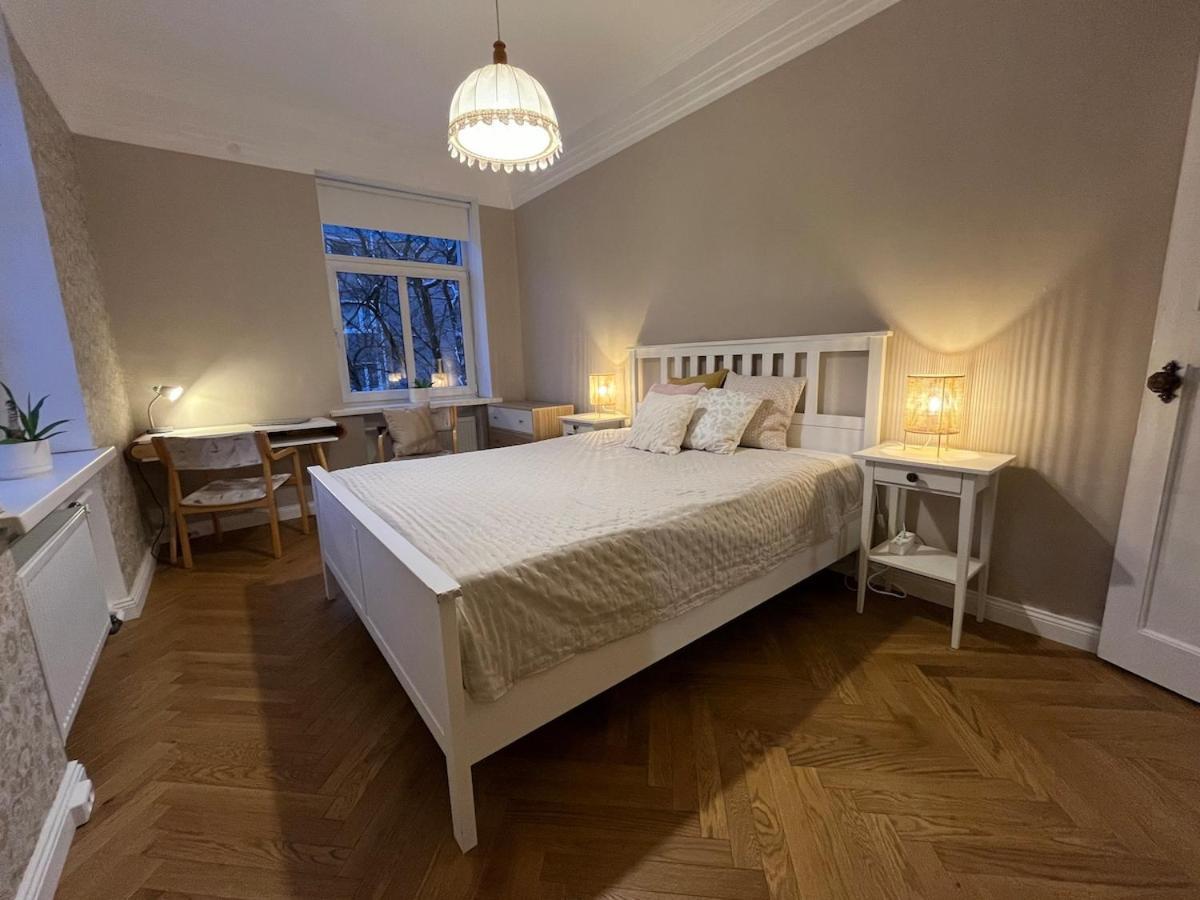
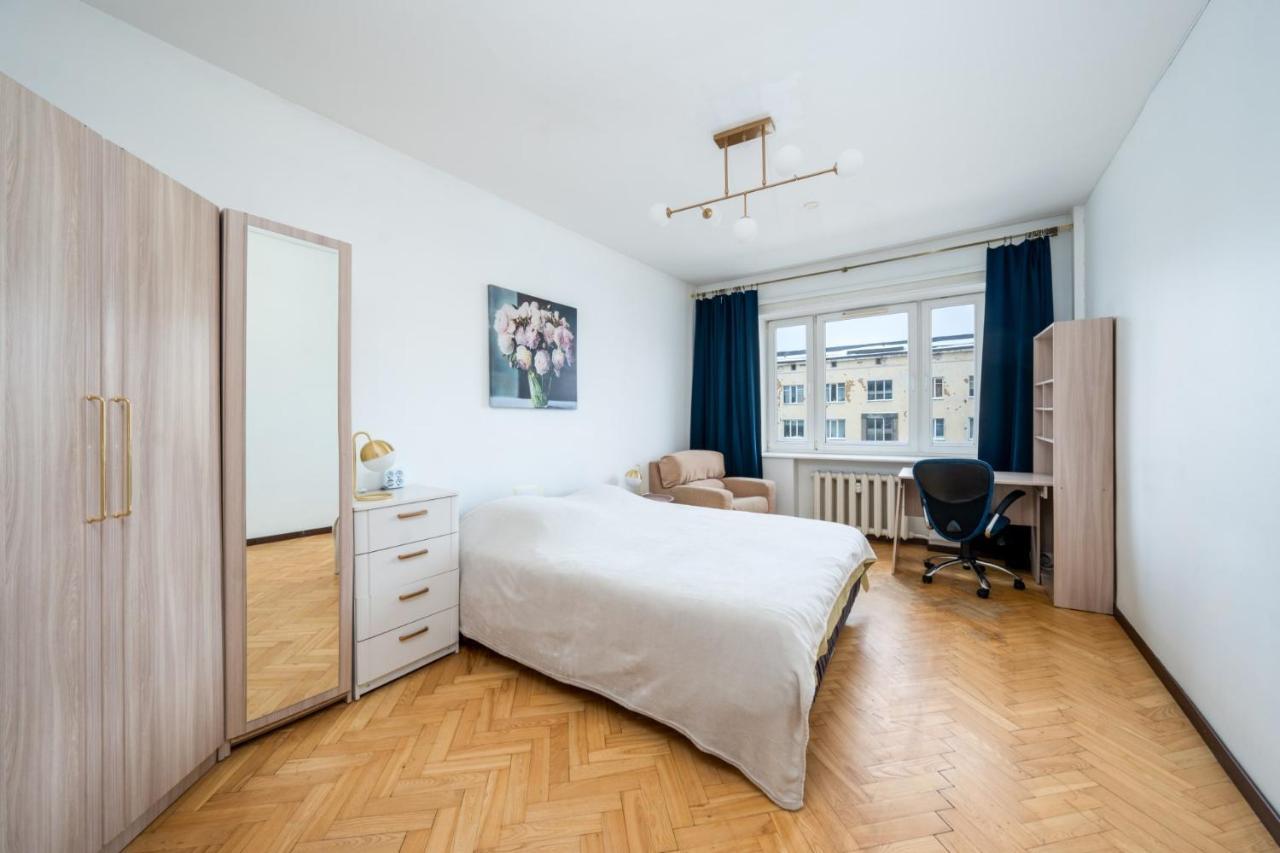
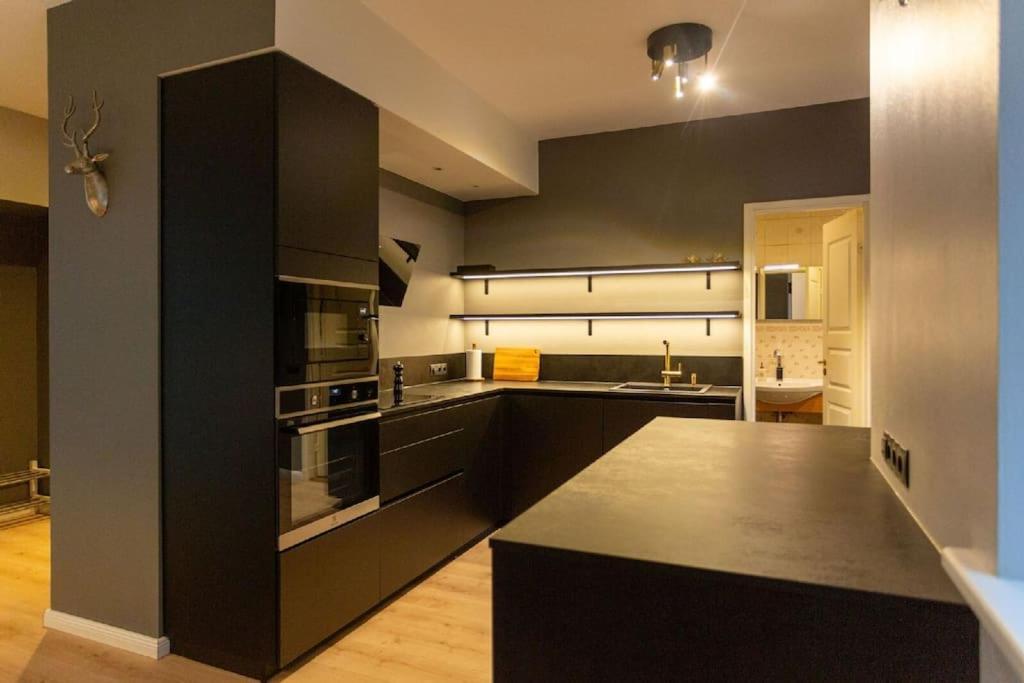
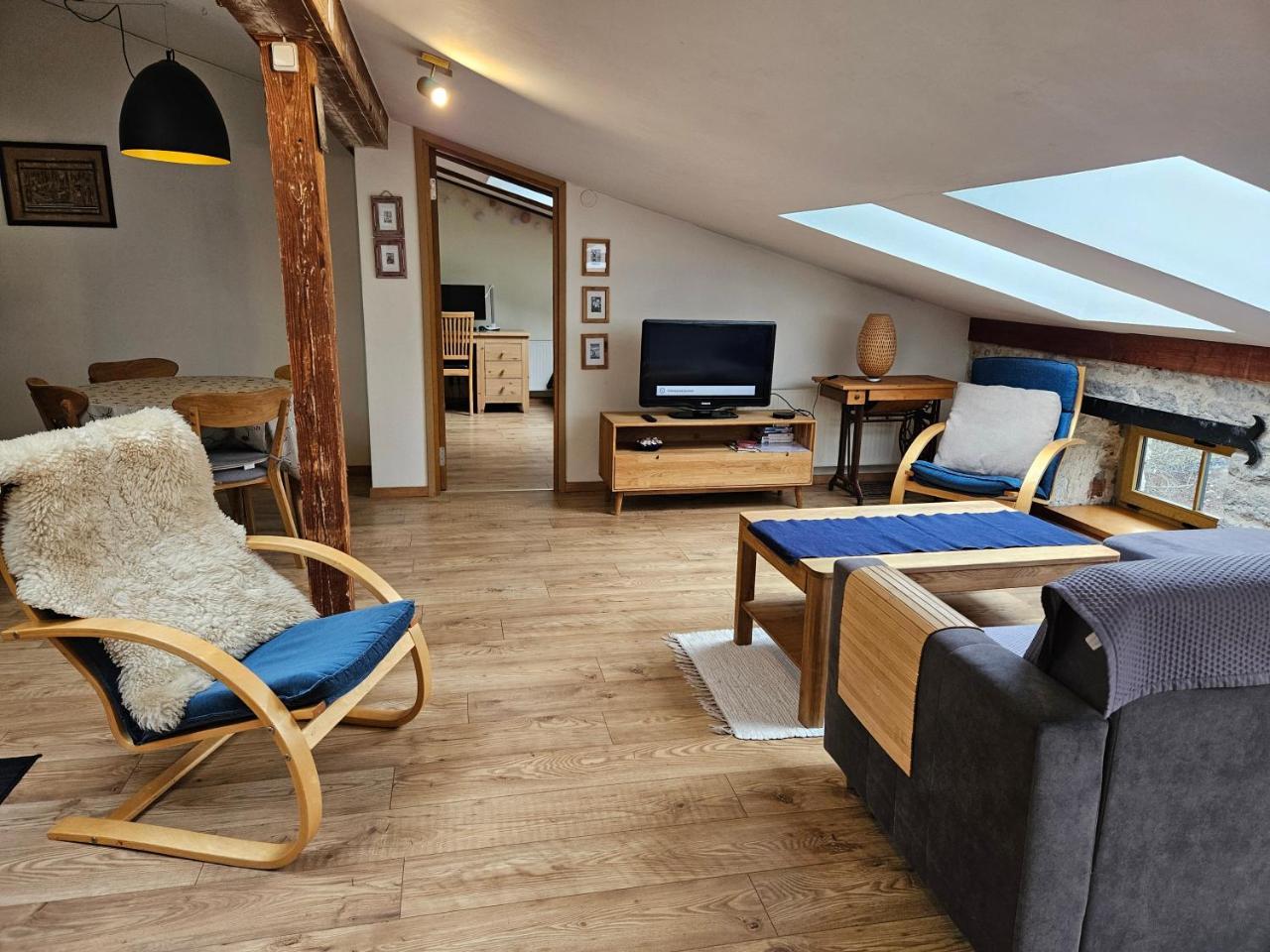
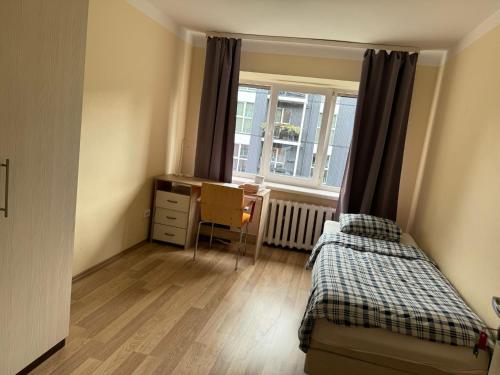
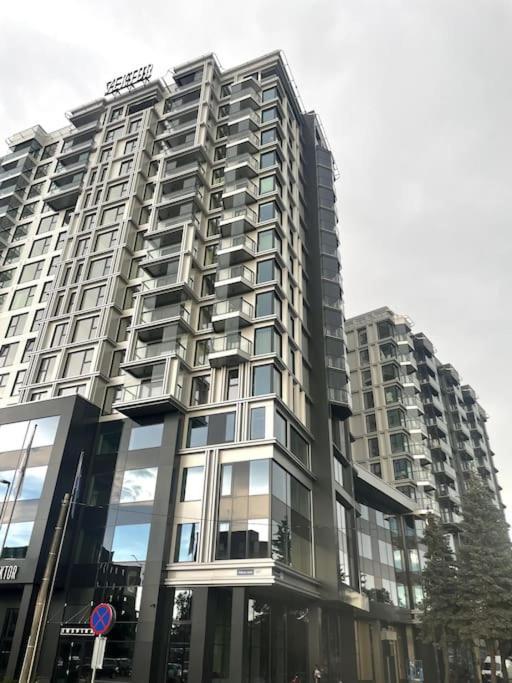
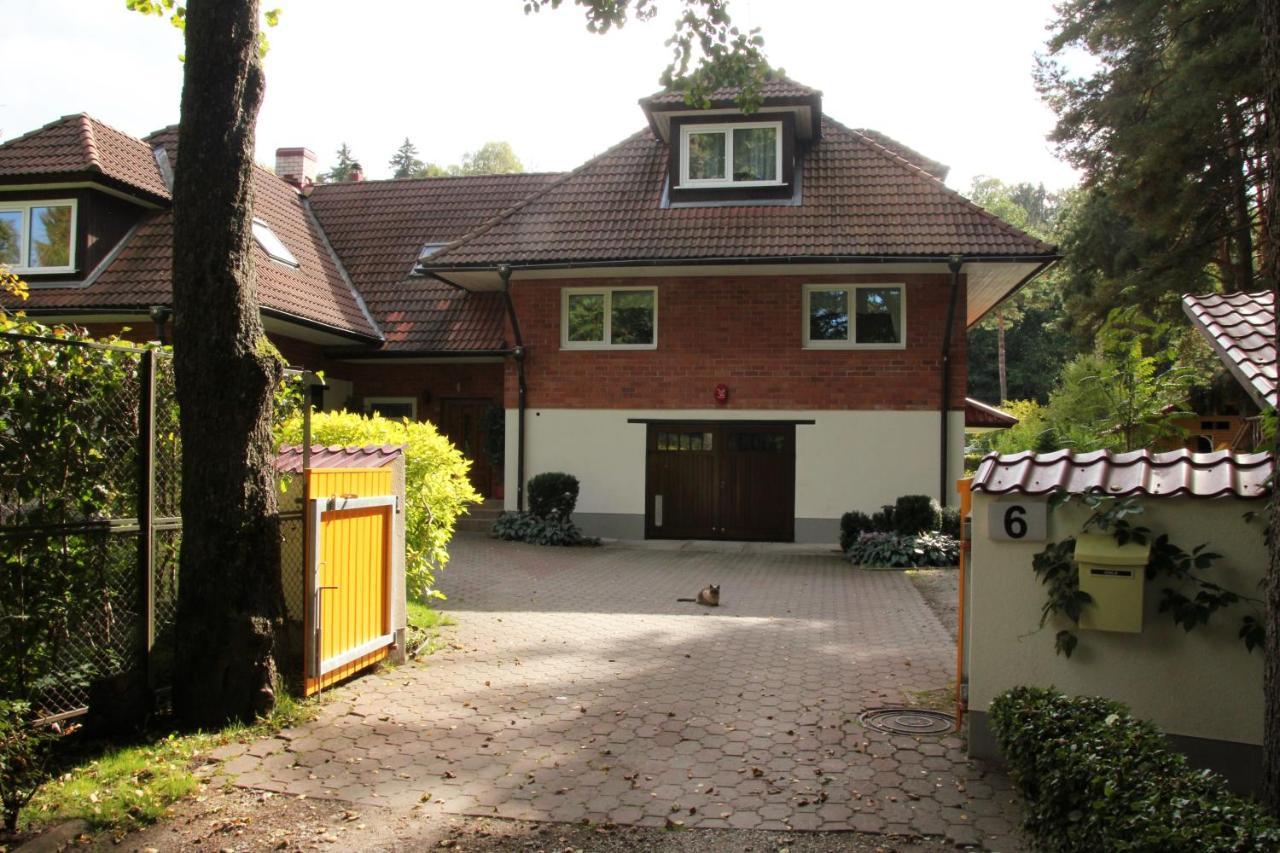

Tallinn
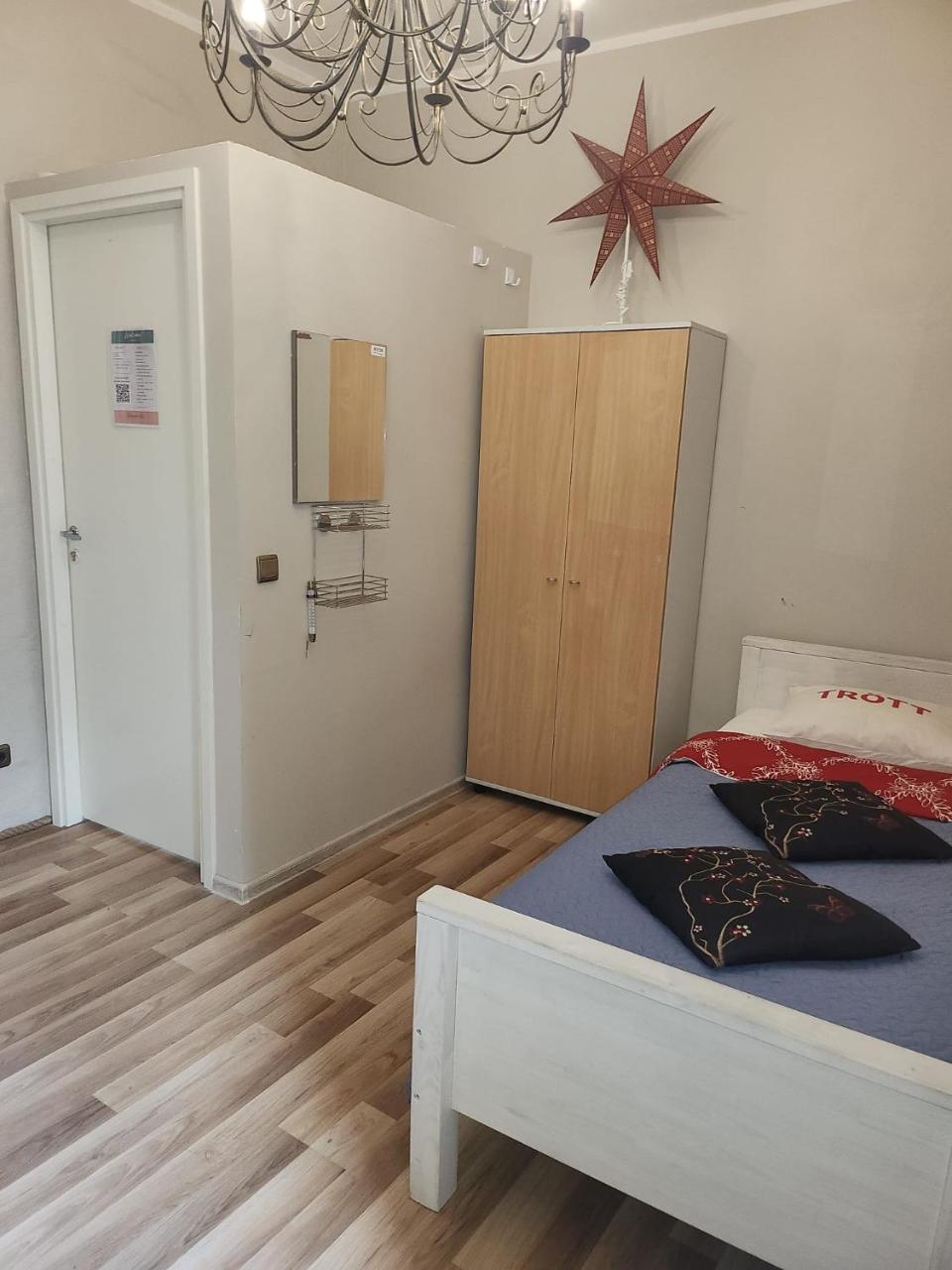
Song Festival apartment 5 10 minutes from airport bus station festival area
Tallinn
Live priceReserve


Kuressaare
2 stays
Paernu
1 stay
Keila
1 stay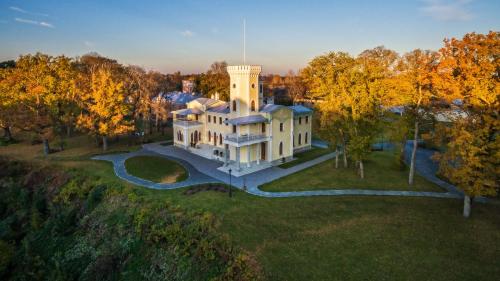
Estonia
13 stays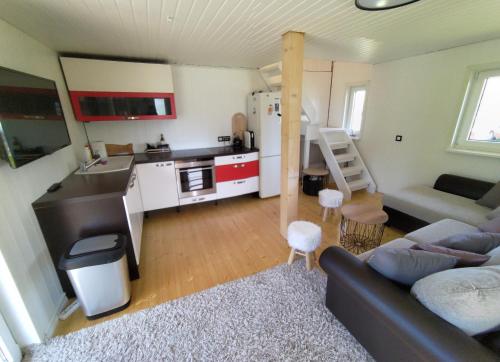
Estonia
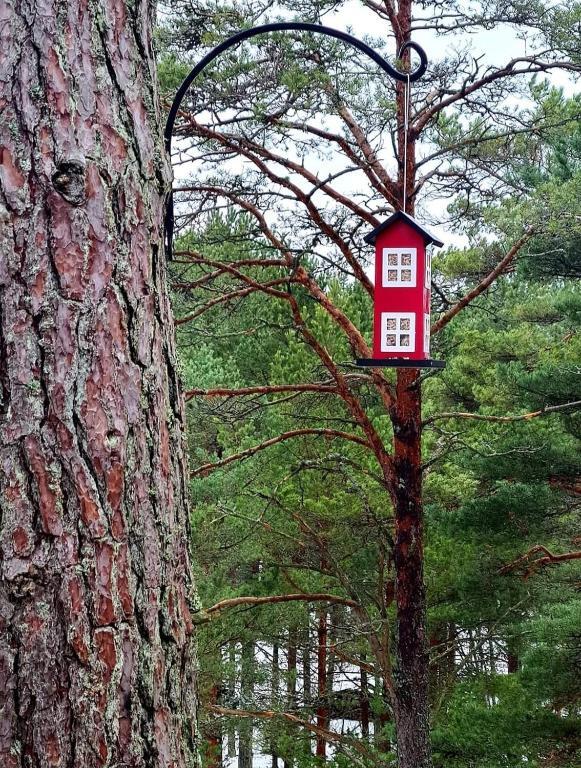
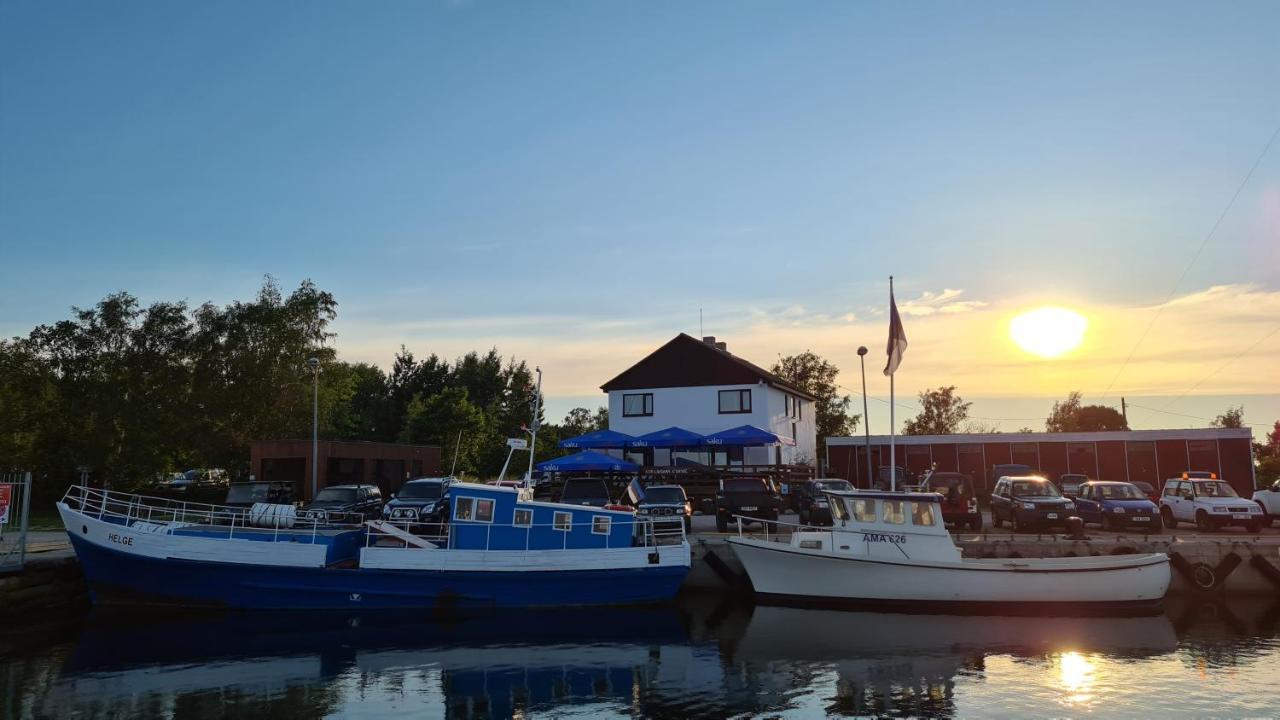
KOSMOS Guesthouse Country house Cottage Quiet stretch by the sea and forest
★★★ Estonia
Live priceReserve

Estonia
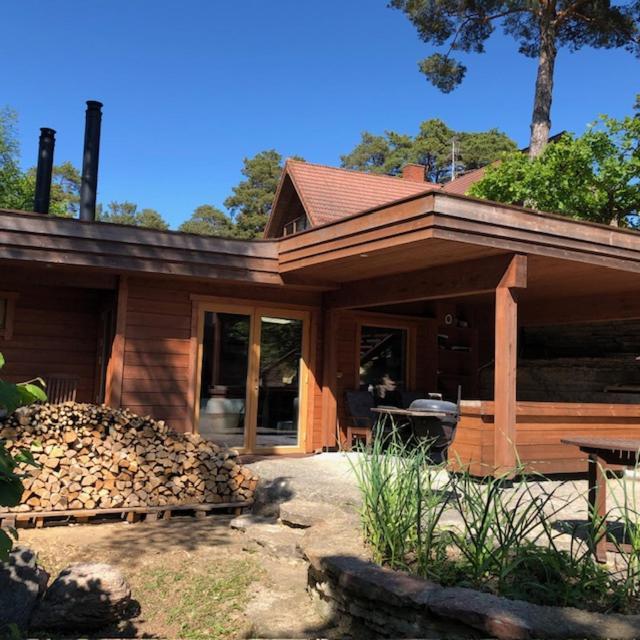
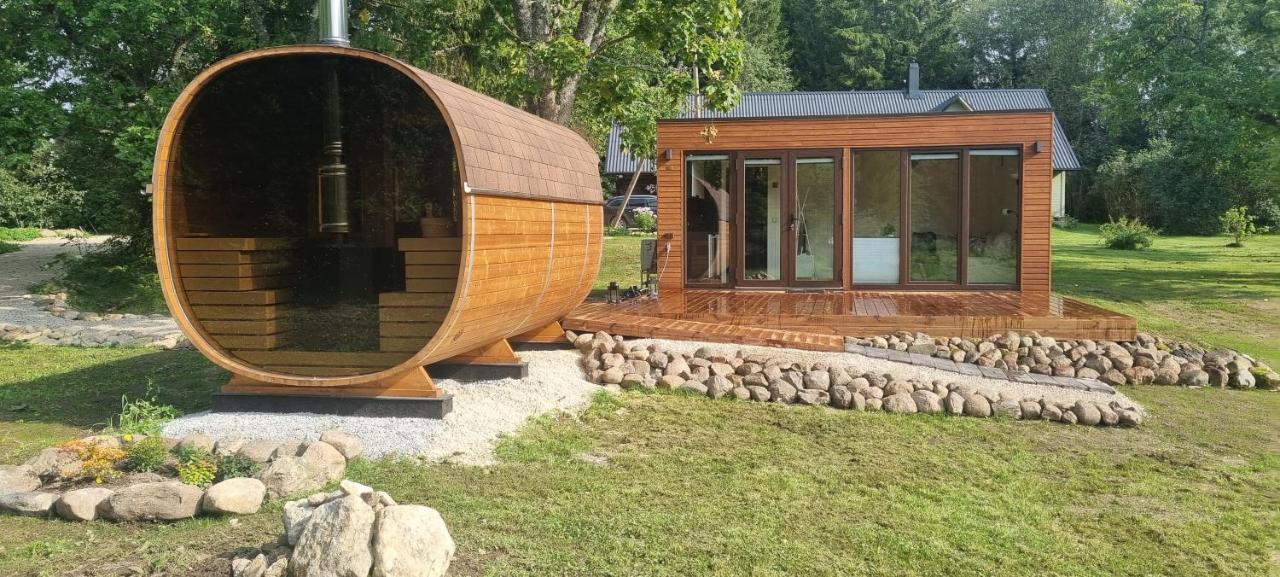
Retrohõnguline suvila saunaga Laulasmaal privaatne puhkus mere lähedal
★★★ Estonia
Live priceReserve

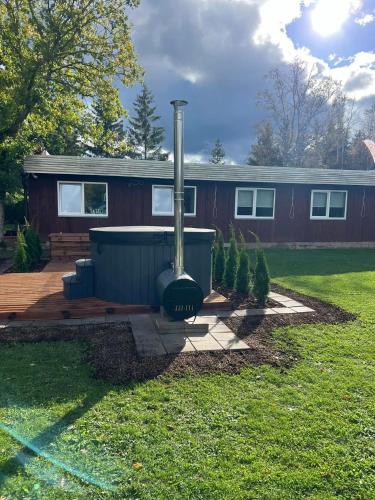
Kose
2 stays
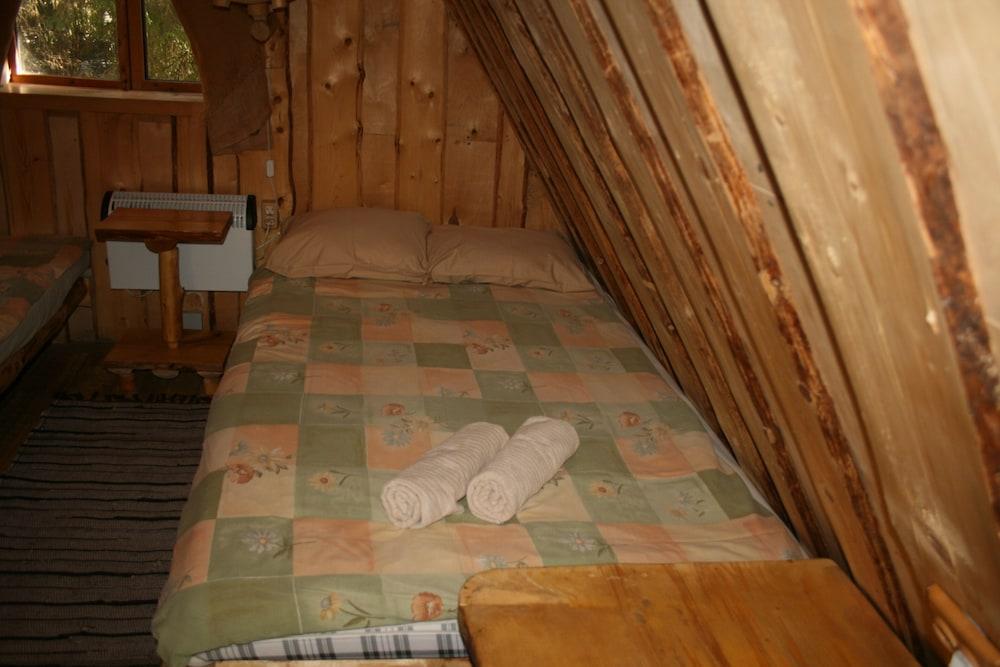
Doing good is the business: every booking through Estonia Destinations funds one verified tonne of carbon removal — same room, same price, no markup.
Search stays