Stays in Tartu
Tartu is the second-largest city in the country and its historic university town, centred on a lively square and a student population that shapes its character. The city sits on the Emajõgi River, which flows through the centre, and its compact core is easily walkable. The University of Tartu,…
Every stay in Tartu
Recent rates first, then the best-reviewed rooms. · page 1 of 5
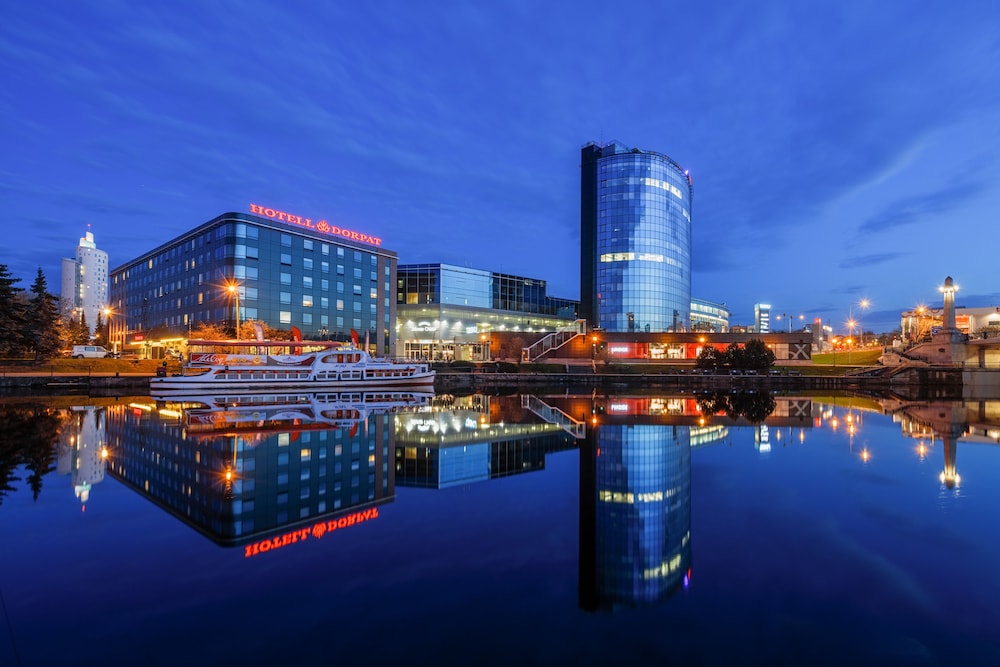
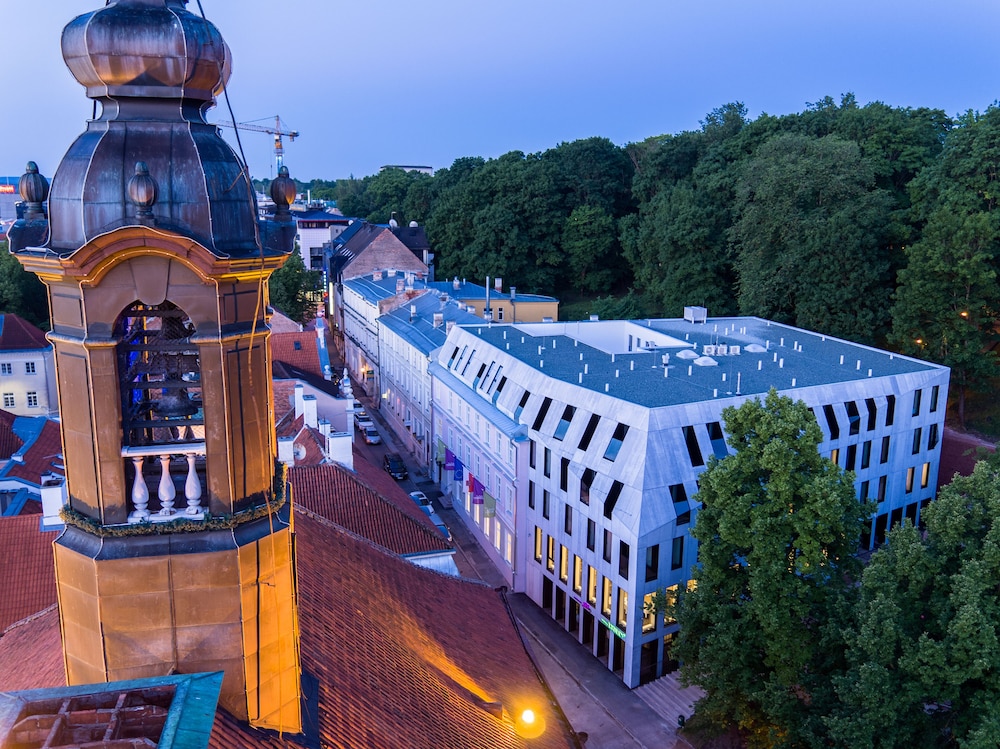
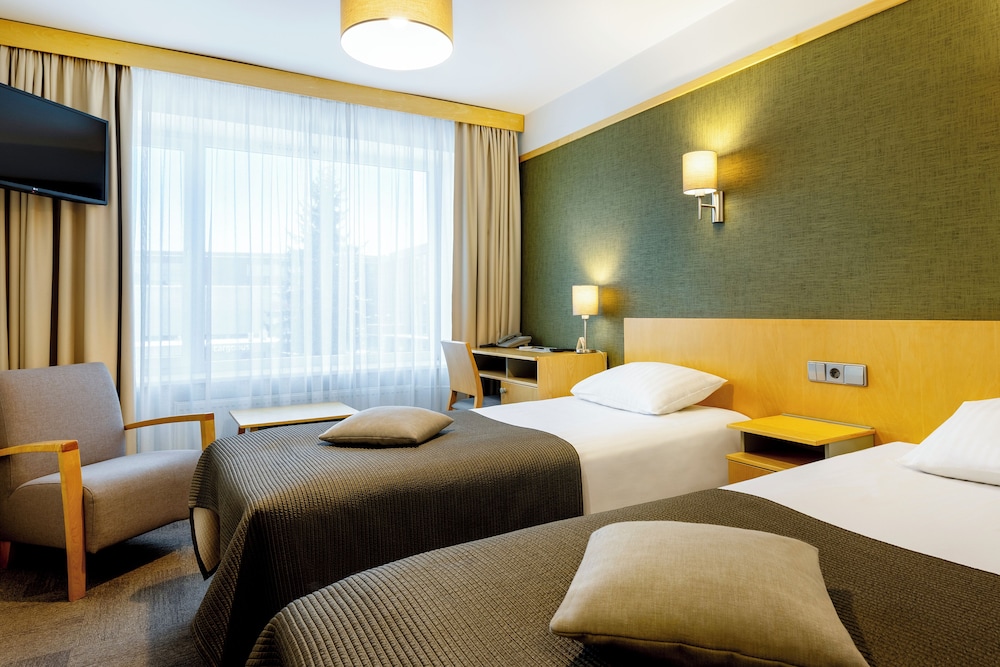
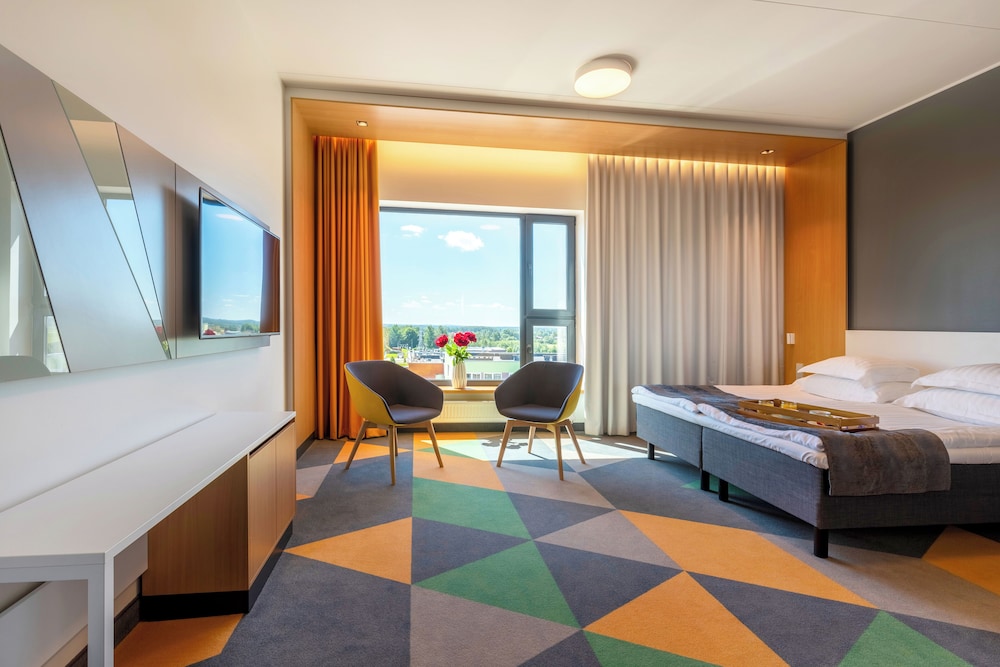




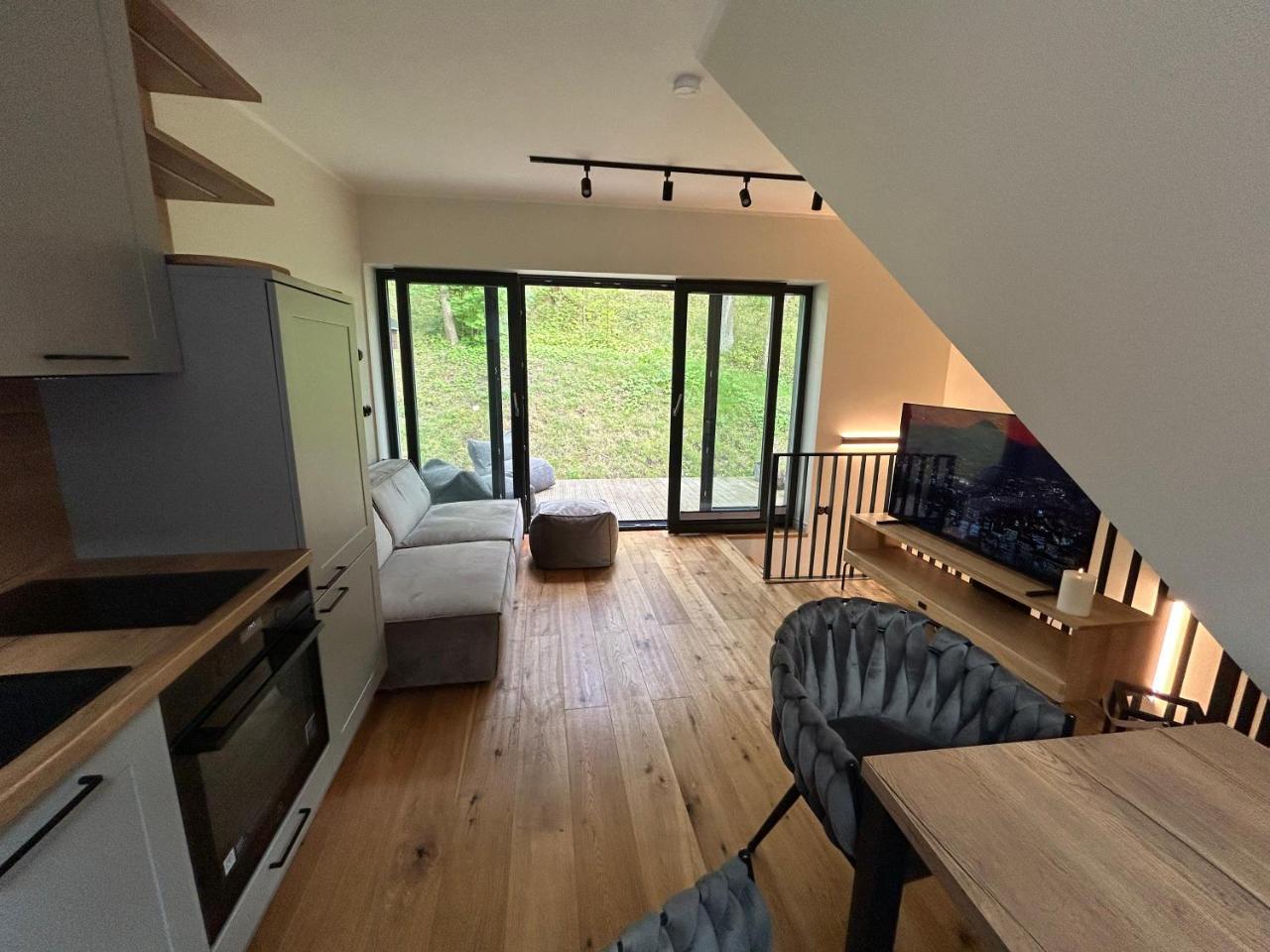
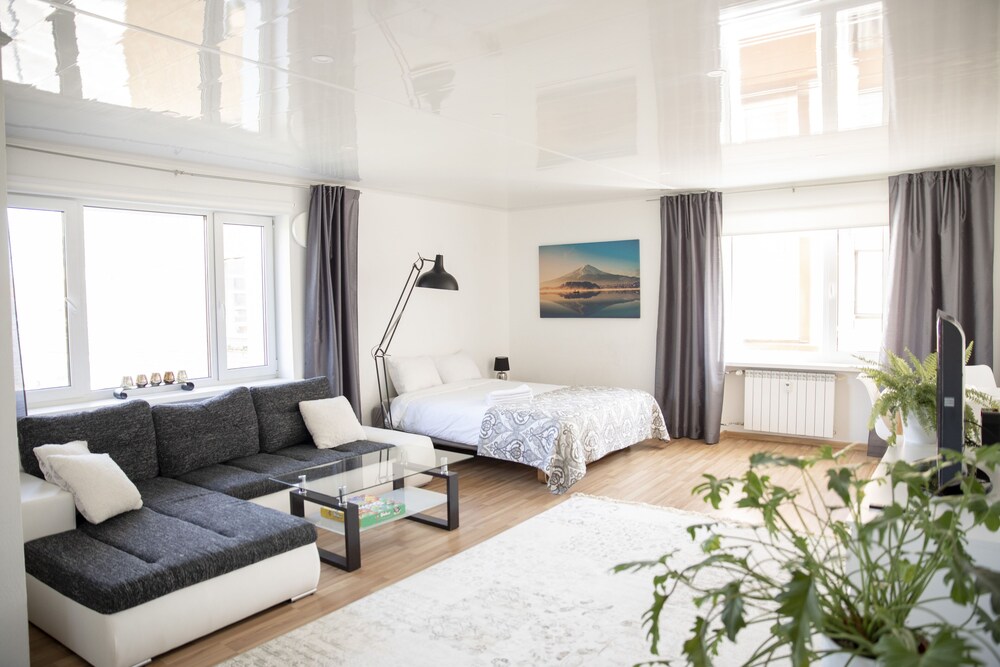
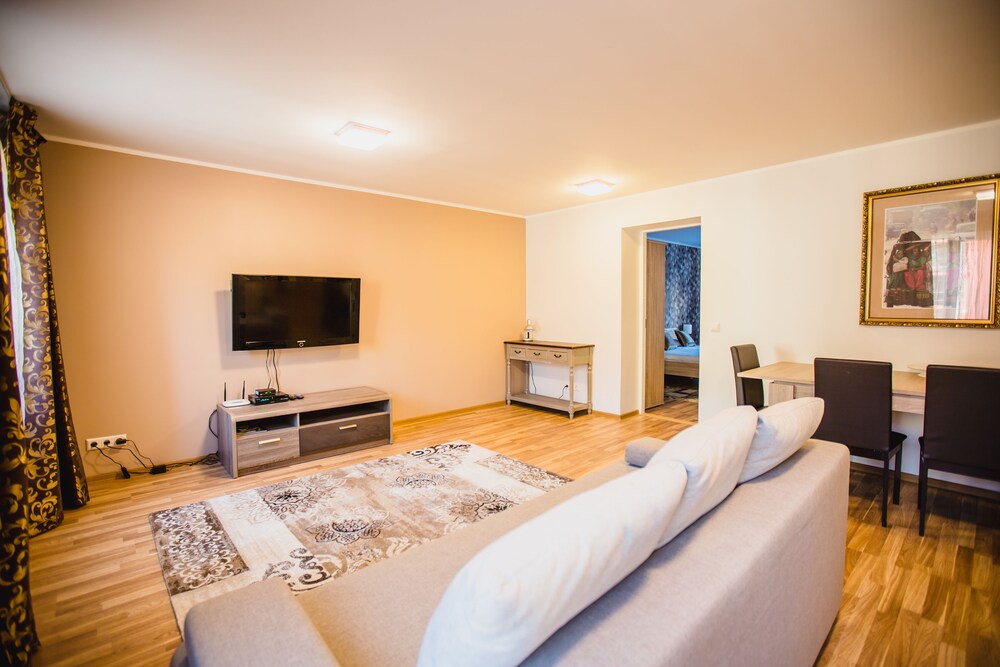
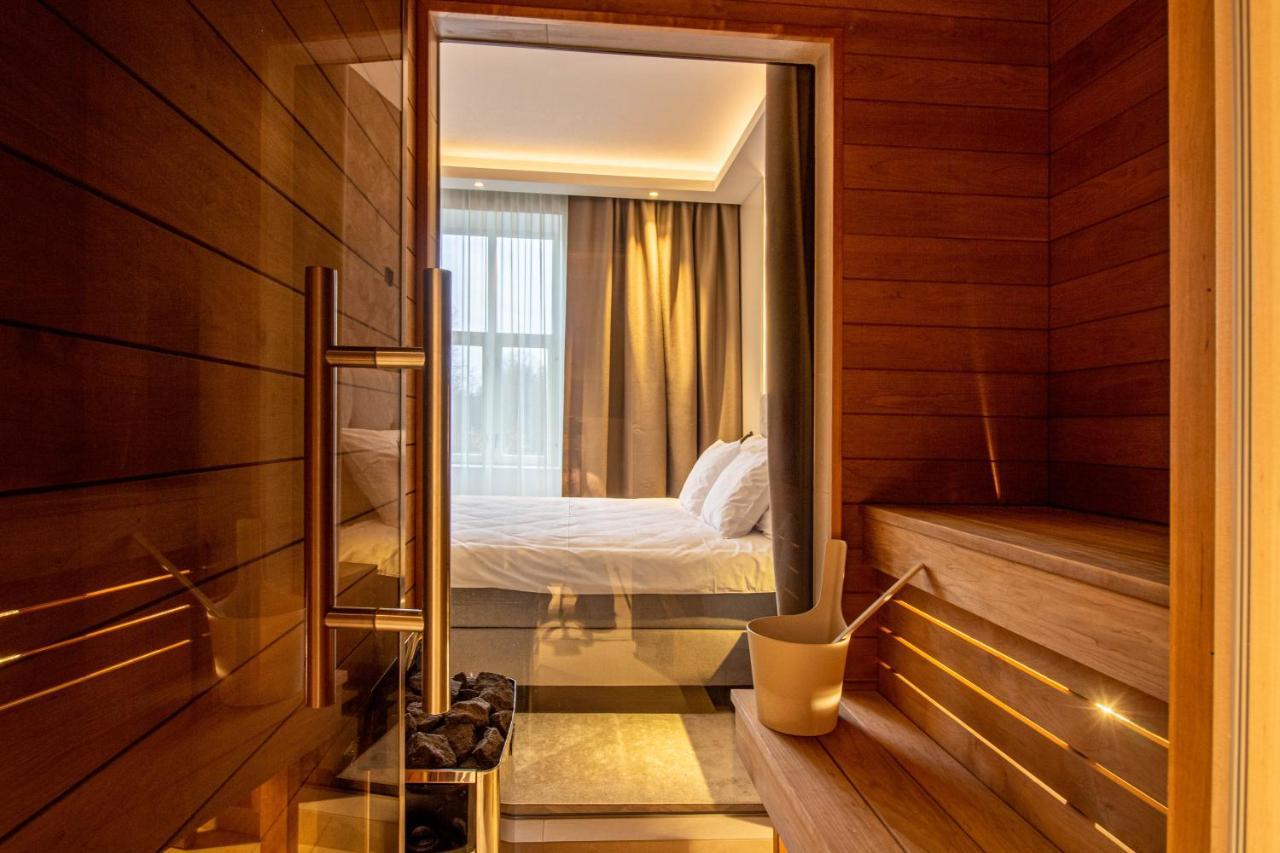

Search live rates in Tartu
Pick your dates — every Tartu room with a live price, in one list.
Free cancellation on most rooms · 1 t CO₂ removed per booking, at no extra cost.
About Tartu
Beyond the university, Tartu has a rich cultural scene, with museums, theatres, and a growing food and drink offering. The old town features a mix of medieval, Baroque, and 19th-century architecture, including the ruins of the Gothic St. John's Church and the neoclassical Town Hall. The Toome Hill area offers green space and views over the city.
Tartu is also a gateway to southern Estonia, with easy access to nature and smaller towns. Whether you are visiting for study, business, or leisure, the city's relaxed atmosphere and walkable centre make it a comfortable base. The hotel selection ranges from spa and conference properties to smaller guesthouses, with a strong concentration of mid-range options.
Where to stay in Tartu
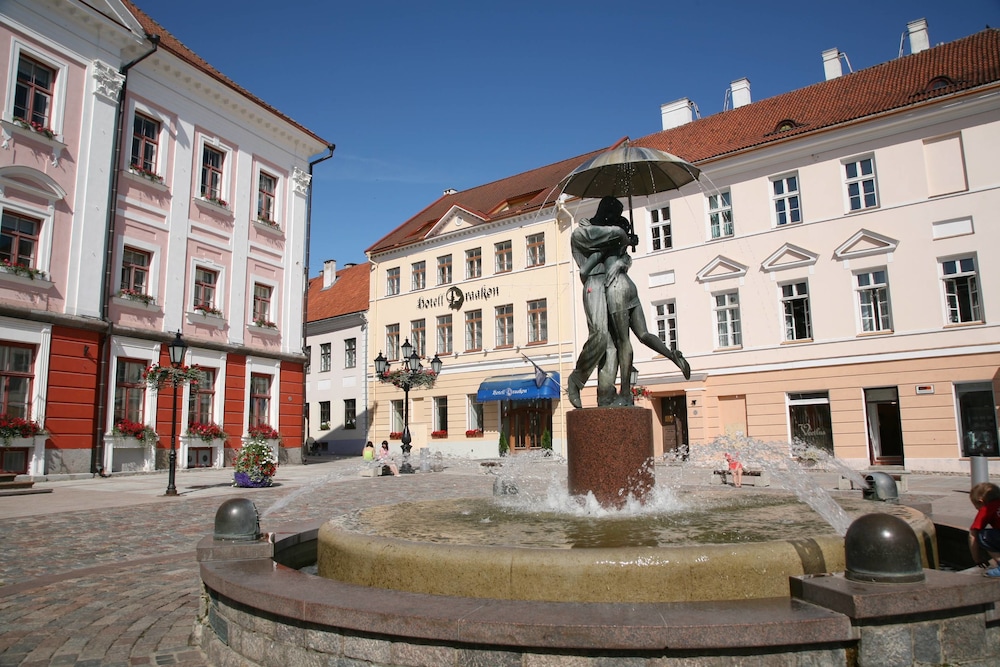
Old Town. The historic core around Raekoja plats is the most convenient area for sightseeing, dining, and nightlife, with many hotels within walking distance of the main attractions.
Toome Hill. A quieter area near the university and parks, offering a mix of hotels and guesthouses in a leafy setting, yet still close to the centre.
Ülejõe. Across the river from the old town, this district has several hotels and is within easy walking distance of the centre via the Kaarsild bridge.
Ropka and Annelinn. Residential areas south of the centre with more affordable accommodation options, connected to the centre by public transport.
Getting there and around
Tartu is served by Tartu Airport, with limited flights, and by train and bus from Tallinn, a journey of about two to two and a half hours. Buses also connect Tartu with other cities in the region. The city centre is compact and walkable, with most attractions within a 20-minute walk. Local buses provide transport to outlying areas, and taxis and ride-hailing services are available. Cycling is popular, with rental bikes and dedicated paths. Driving is possible, but parking in the centre can be limited.
When to go
Summer (June to August) is the most popular time, with warm weather, long daylight hours, and events like the Tartu Song Festival. Spring and autumn are quieter, with mild temperatures and fewer visitors. Winter can be cold and snowy, but the city remains active, especially during the Christmas season. The university calendar means the city is busiest during term time, particularly in September and May.
Questions, answered
Is Tartu walkable?
Yes, the centre is compact and most main sights, restaurants, and hotels are within walking distance of each other.
How do I get to Tartu from Tallinn?
Buses and trains run regularly between Tallinn and Tartu, taking around two to two and a half hours. The bus station and train station are both near the city centre.
What is the best area to stay in Tartu?
The Old Town is ideal for first-time visitors, while Toome Hill offers a quieter setting. Both are close to the main attractions.
What is there to do in Tartu?
Visit the University of Tartu, the Town Hall Square, Toome Hill, and the Estonian National Museum. The city also has theatres, galleries, and a range of cafes and restaurants.
Do I need a car in Tartu?
No, the centre is easily explored on foot or by public transport. A car is only useful for trips outside the city.
What is the weather like in Tartu?
Summers are mild and can be warm, while winters are cold with snow. Spring and autumn are cool and variable, so layers are recommended.