Europe's fifth-largest lake: sand dunes, smoked fish stalls, Old Believer villages with onion domes, and Estonia's strangest inland coast.
Lake Peipus — Peipsi in Estonian — is 3,555 square kilometres of water forming most of the border with Russia, and the western shore feels like an inland sea coast. At Kauksi, Uusküla and Kuru there are proper dunes, fine pale sand and pine forest running right to the water; on a hot July day the beach at Kauksi could pass for the Baltic if the horizon were not entirely fresh water. Waves, wind, no salt. The water is shallow for a long way out and warms fast, which makes it excellent for small children and mediocre for serious swimming.
The other half of the story is on the southwestern shore between Kallaste, Kolkja, Varnja and Kasepää — Old Believer villages settled by Russian religious refugees from the 1700s. Wooden houses with carved window frames face the road, onion-domed prayer houses stand at the ends of lanes, and the local speciality is onions and cucumbers grown in sandy plots plus fish. The Kolkja Onion and Fish Museum and the sibulatee, the Onion Route, tie it together. Eat smoked pike-perch or the famous fried lake fish at the Kolkja restaurant; it is one of the most distinctive meals in Estonia.
Be honest about the rhythm. This is a summer shore. From late June to mid-August the beach villages have kiosks, campsites and smoked fish stands along the roadside, and Kauksi is busy. In May and September it is nearly empty and half the food options are shut. From November the shore is bleak, beautiful and functionally closed, except for ice fishing, which locals take seriously and which is genuinely dangerous without local knowledge — people go through the ice most winters.
Rooms are cheap: €45-70 for a guesthouse double, €80-120 for a cabin sleeping four with a sauna near the northern beaches. There are no towns of any size on the Estonian shore, so bring supplies or plan around Räpina, Kallaste and Iisaku. This suits nature travellers, families with a car, and anyone curious about a cultural minority that has kept its own liturgy, dialect and cooking for three centuries. Skip it if you need restaurants after 9pm or any nightlife whatsoever.
Where to sleep
Pick a shore first. The northern beaches — Kauksi, Uusküla, Kuru — are where the sand and pines are, and you want a cabin or guesthouse within walking distance of the water: €50-80 for a double, €90-130 for a sauna cabin sleeping four. Campsites and caravan pitches at Kauksi run around €12-20 per tent. The southwestern Old Believer villages, Kolkja through Varnja, have small family guesthouses and rooms above cafés at €45-70, better for culture and food than for swimming since the shoreline there is reedy and muddy. Kallaste has the only proper sandstone cliff beach on that stretch. Avoid booking anything for late September onwards without checking that food is available nearby; many places shut their kitchens completely. Everywhere has free parking, and everywhere assumes you arrived by car.
On the ground
Things to do in Lake Peipus
- Beach day at Kauksi dunesKauksi, on the north shore where route 3 meets the lake near Iisaku, has the best sand on Peipus: wide pale beach, high dunes, pines and a shallow warm entry. Free, with a summer kiosk, changing huts and a campsite. Water reaches 22-24°C in a good July.
- Eat lake fish in KolkjaThe Old Believer village of Kolkja, on the southwestern shore off route 45, has a restaurant known for fried Peipsi fish and onion dishes; mains around €12-18. Open mostly summer and weekends, so phone ahead. Roadside stalls between Kasepää and Varnja sell smoked bream and pike-perch.
- Visit the Onion and Fish MuseumAlso in Kolkja, a small village museum on the main street covering Old Believer domestic life, fishing gear and the onion-growing economy of the sandy shore. Entry a few euros, summer hours roughly 11am-5pm. Ask about the sibulatee, the Onion Route trail linking the villages.
- See the Old Believer prayer housesWalk the single long street through Kasepää, Kolkja and Varnja and you pass several molenna prayer houses with onion domes, still in active use. They are places of worship, not attractions: dress modestly, ask before entering, and do not photograph services. Best combined with the museum visit.
- Climb the Kallaste sandstone cliffsAt Kallaste, mid-shore, red Devonian sandstone bluffs up to 8-10 metres rise straight from the lake, riddled with swallow burrows. Free access from the town waterfront; a footpath runs the cliff top. The narrow beach below is fine for paddling and the geology is unlike anywhere else on the lake.
- Cycle the shore road between villagesThe flat road from Varnja north through Kolkja, Kasepää and Kallaste is around 25 km of quiet lakeside cycling past fishing boats, onion plots and prayer houses. Little shade and heavy afternoon crosswind off the water; start early. Bike hire is scarce here, so bring or rent in Tartu.
The essentials
Kauksi Dunes and Pine Shore (6 km)
From the Kauksi beach car park, walk east along the waterline past the campsite and the highest dunes, then cut into the pine forest on the marked path behind the beach ridge. Follow it parallel to the shore toward Uusküla, drop back to the sand at the river mouth, and return along the water with the whole open horizon of Peipus on your right.
Getting there & around
There is no railway to the Estonian shore of Peipus and no useful public transport along it, so this is car country. From Tartu, the southwestern villages are 45-60 minutes east via route 45 through Luunja and Koosa; Kallaste is 50 km, Varnja 40 km. From Tallinn, the northern beaches at Kauksi are about 190 km, two and a half hours on route 3 via Jõhvi and Iisaku. Buses from Tartu reach Kallaste and Räpina a few times a day, roughly €4-6, but nothing links the villages usefully once you arrive. Cycling the flat shore road is the best car-free option: rent in Tartu and allow a full day each way. Parking everywhere is free and informal.
Good to know
Lake Peipus, questions answered
Can you swim in Lake Peipus and is it clean?
Yes, and the northern beaches at Kauksi, Uusküla and Kuru have good sand and shallow warm water reaching 22-24°C in July. Water quality is usually fine but blue-green algae blooms occur in hot, still late summers; check local notices at the beach. The southwestern shore is reedy and less swimmable.
Who are the Old Believers on Lake Peipus?
They are descendants of Russian Orthodox who rejected the 17th-century church reforms and fled to this shore from the 1700s. Their villages — Kolkja, Kasepää, Varnja — keep onion-domed prayer houses, their own liturgy, and a cuisine built on lake fish, onions and cucumbers. Several communities are still active today.
Is it possible to visit Lake Peipus without a car?
Barely. Buses from Tartu reach Kallaste and Räpina a few times a day, but nothing connects the shore villages or the northern beaches with any convenience. The realistic car-free option is cycling from Tartu, roughly 45 km to Varnja on flat roads, staying overnight rather than attempting a day trip.
Is Lake Peipus worth visiting outside summer?
For photographers and birdwatchers, yes; for most travellers, no. From late September the kiosks, campsites and village restaurants close, and by November the shore is empty and windswept. Winter ice fishing is a real local tradition but the ice is unpredictable and unsafe without local guidance.
Keep exploring
Nearby areas

stays
Tartu
Estonia's university city: a neoclassical centre, cathedral ruins on a wooded hill, wooden suburbs and student bars that stay cheap.
Stays in Tartu ↗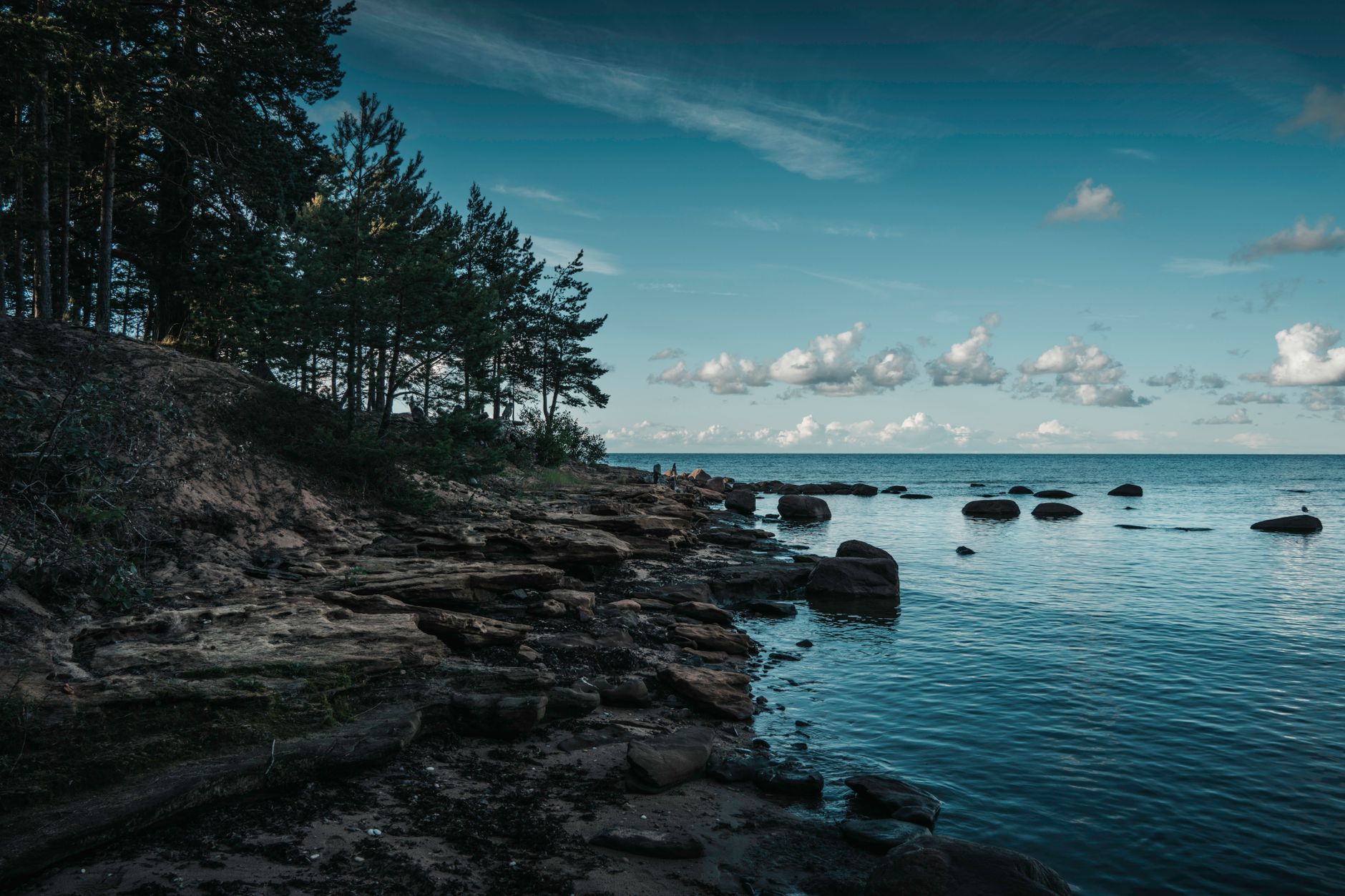
stays
Võru
Grid-plan lake town in Estonia's deep south, best base for Suur Munamägi, Vastseliina castle, Setomaa and canoe trips on the Võhandu.
Stays in Võru ↗
stays
Narva
Two fortresses staring at each other across a border river, a vast red-brick mill town, and a sandy resort 14 km north.
Stays in Narva ↗Doing good is the business: every booking through Estonia Destinations funds one verified tonne of carbon removal — same room, same price, no markup.
Search stays