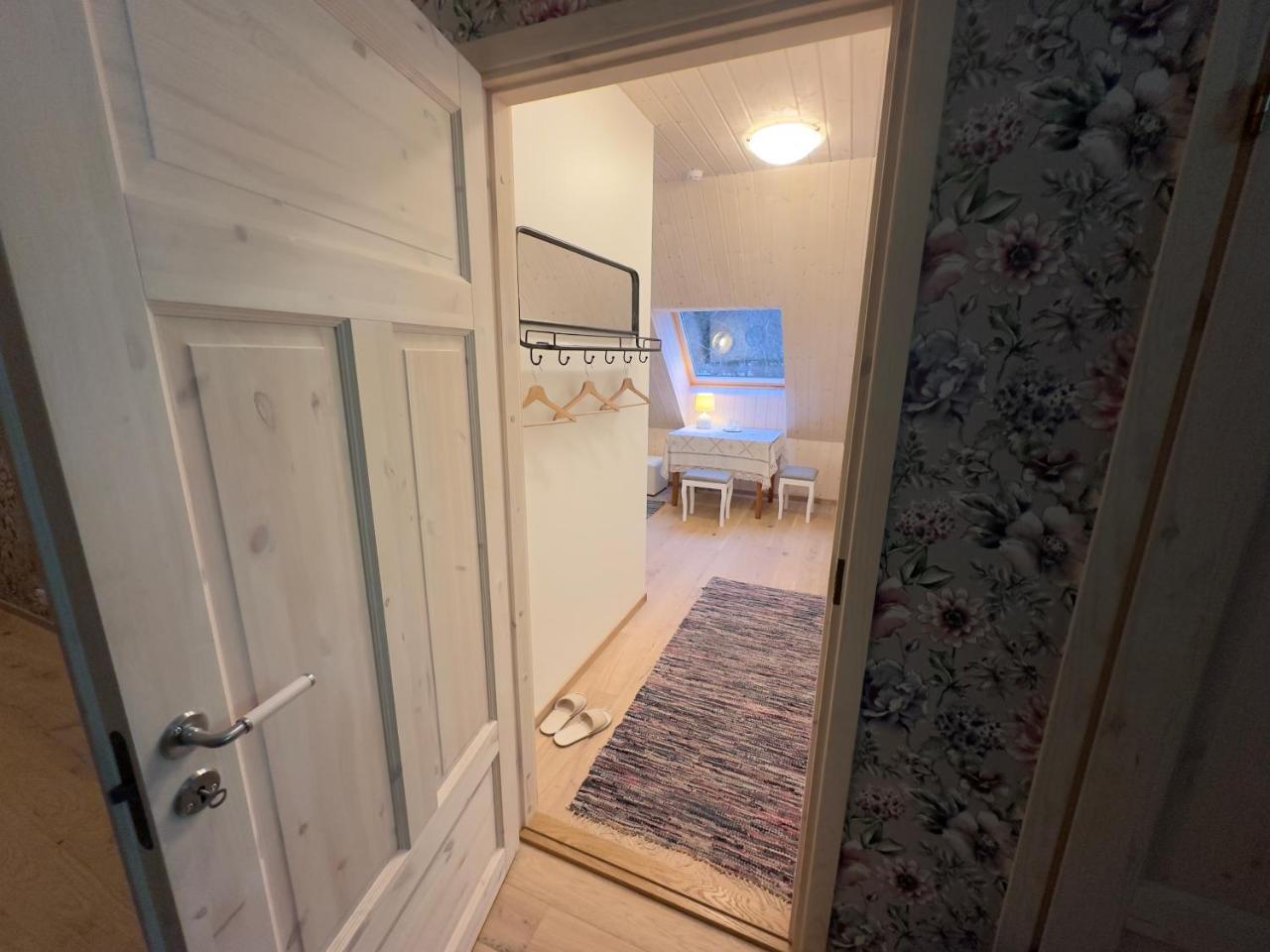
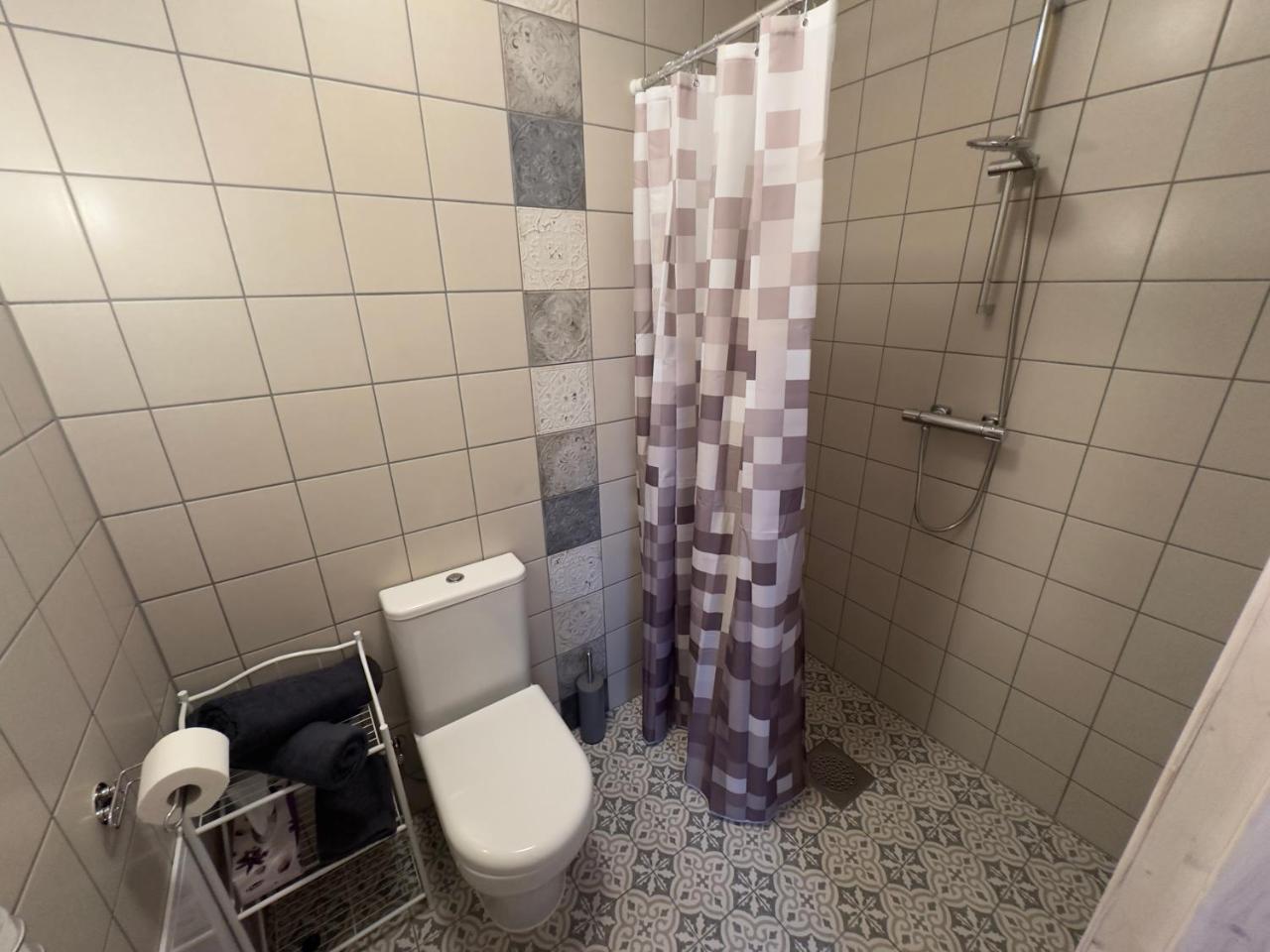
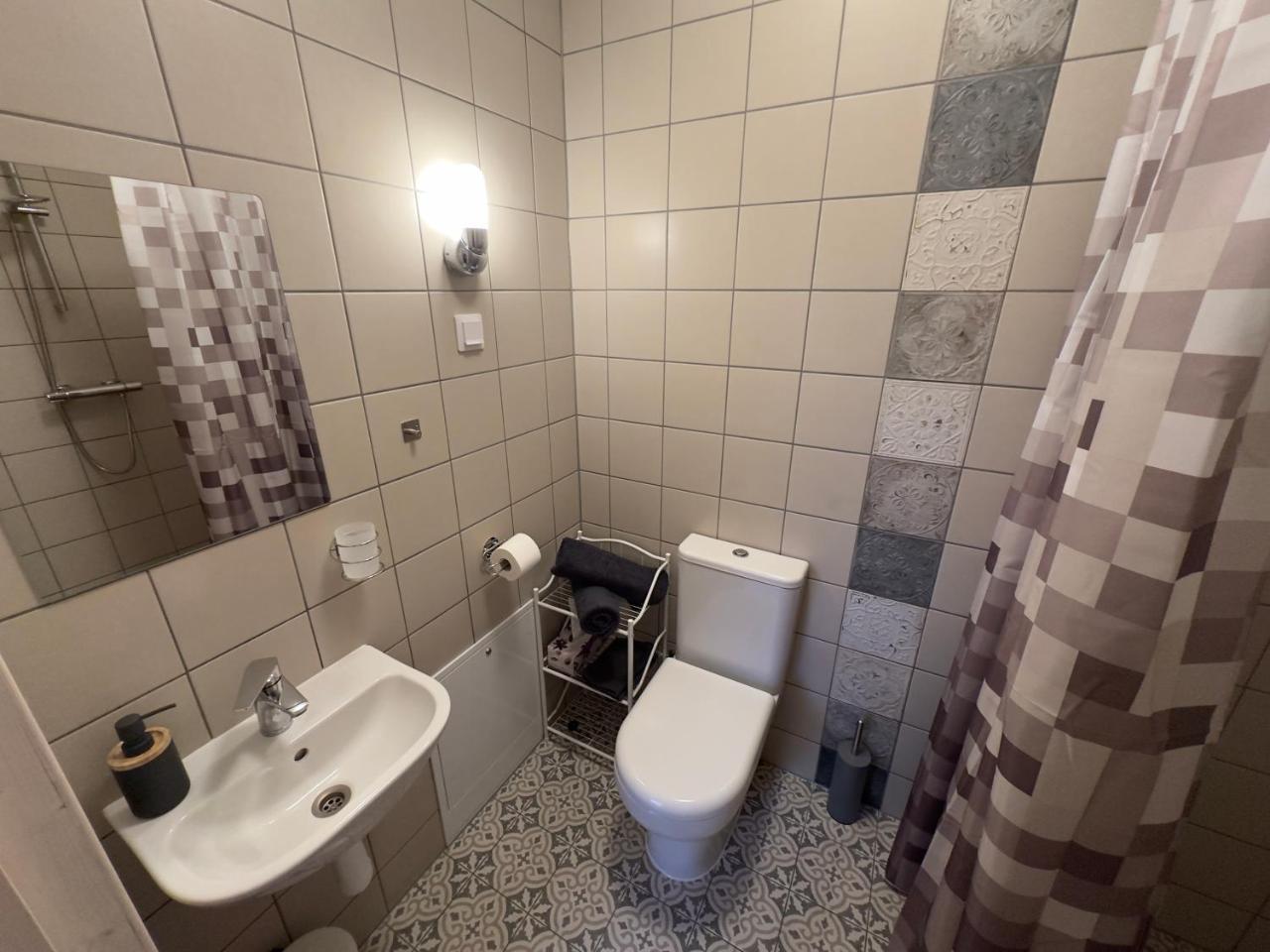
Harmoonikum
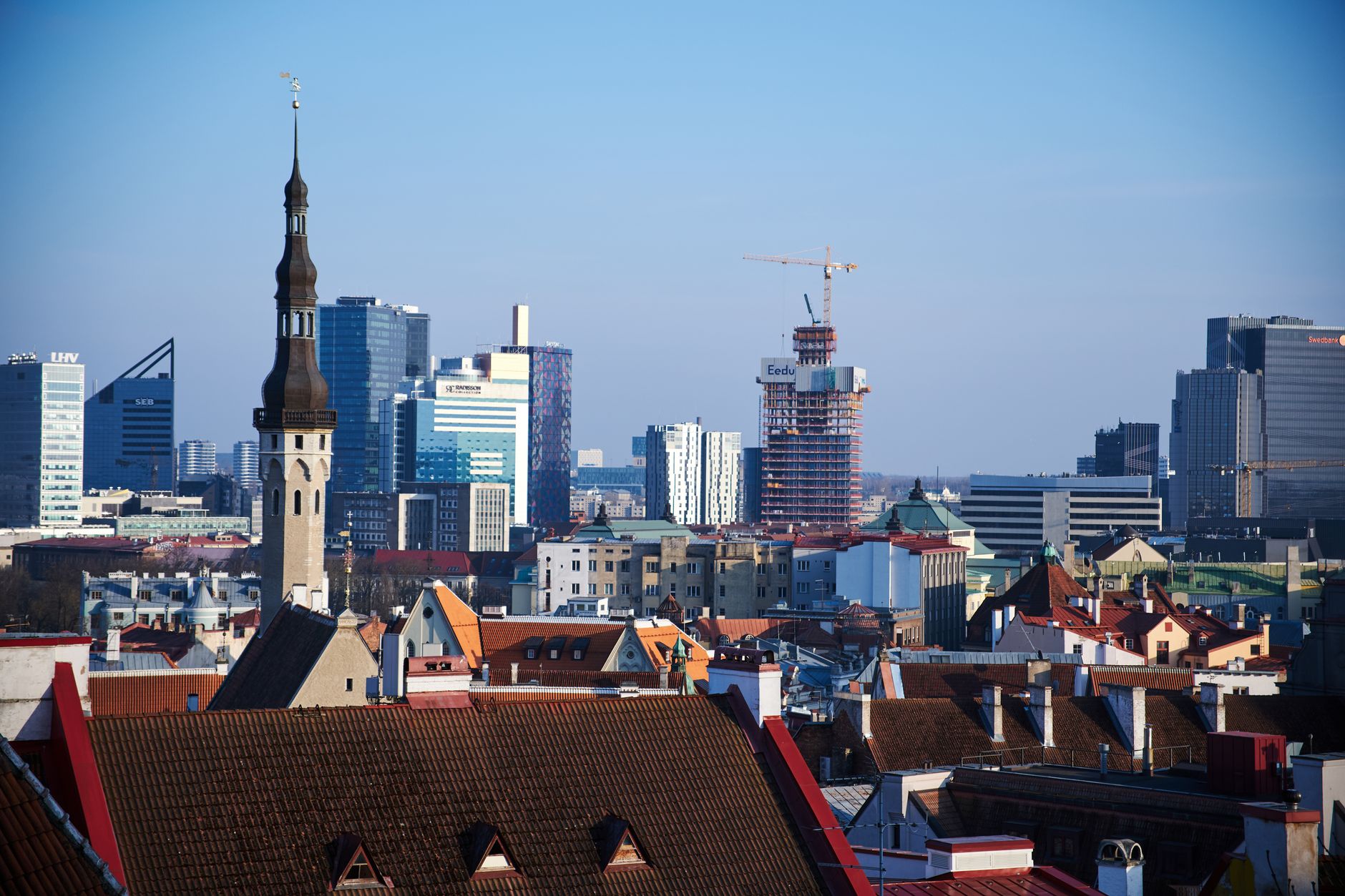
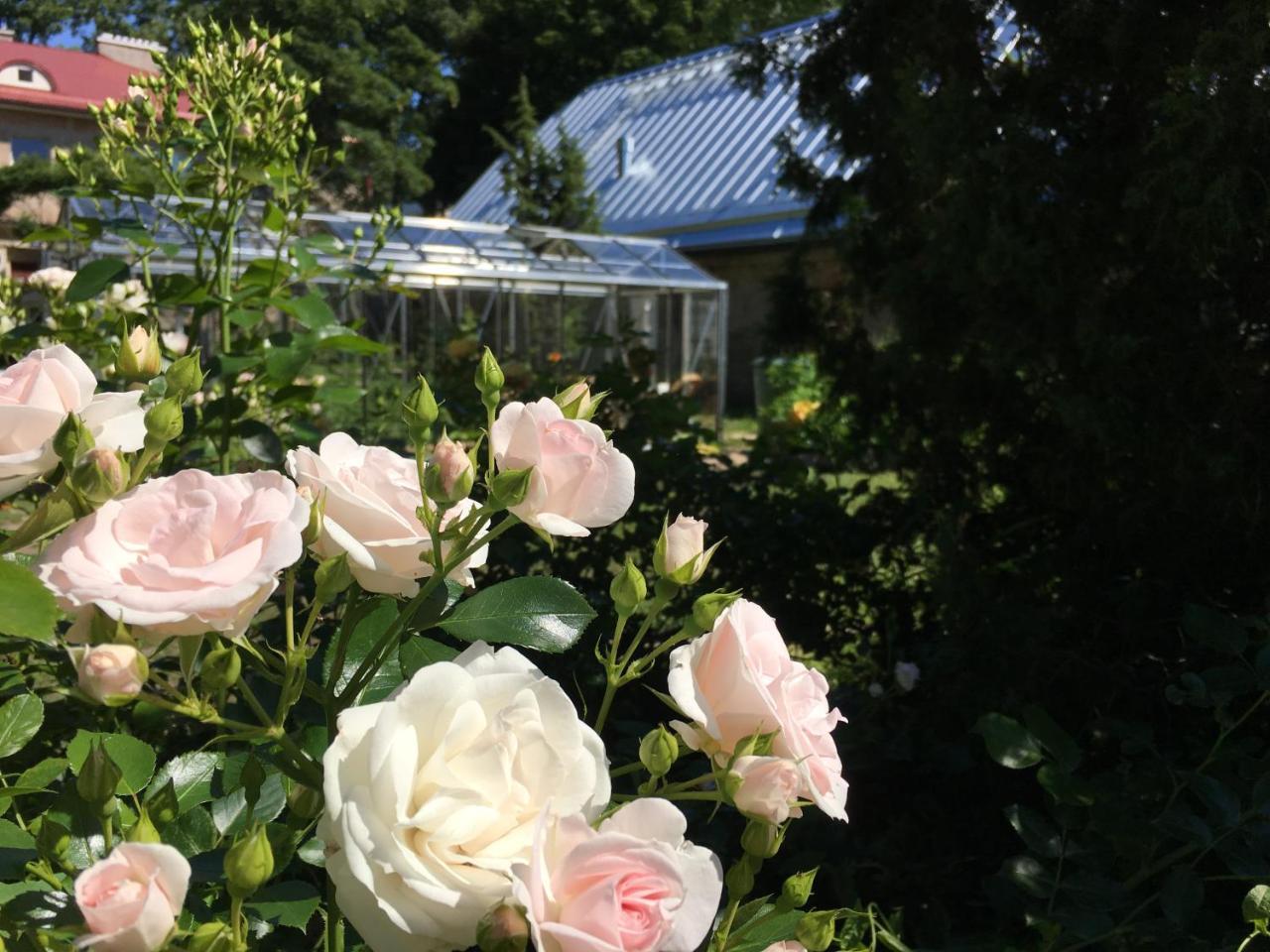
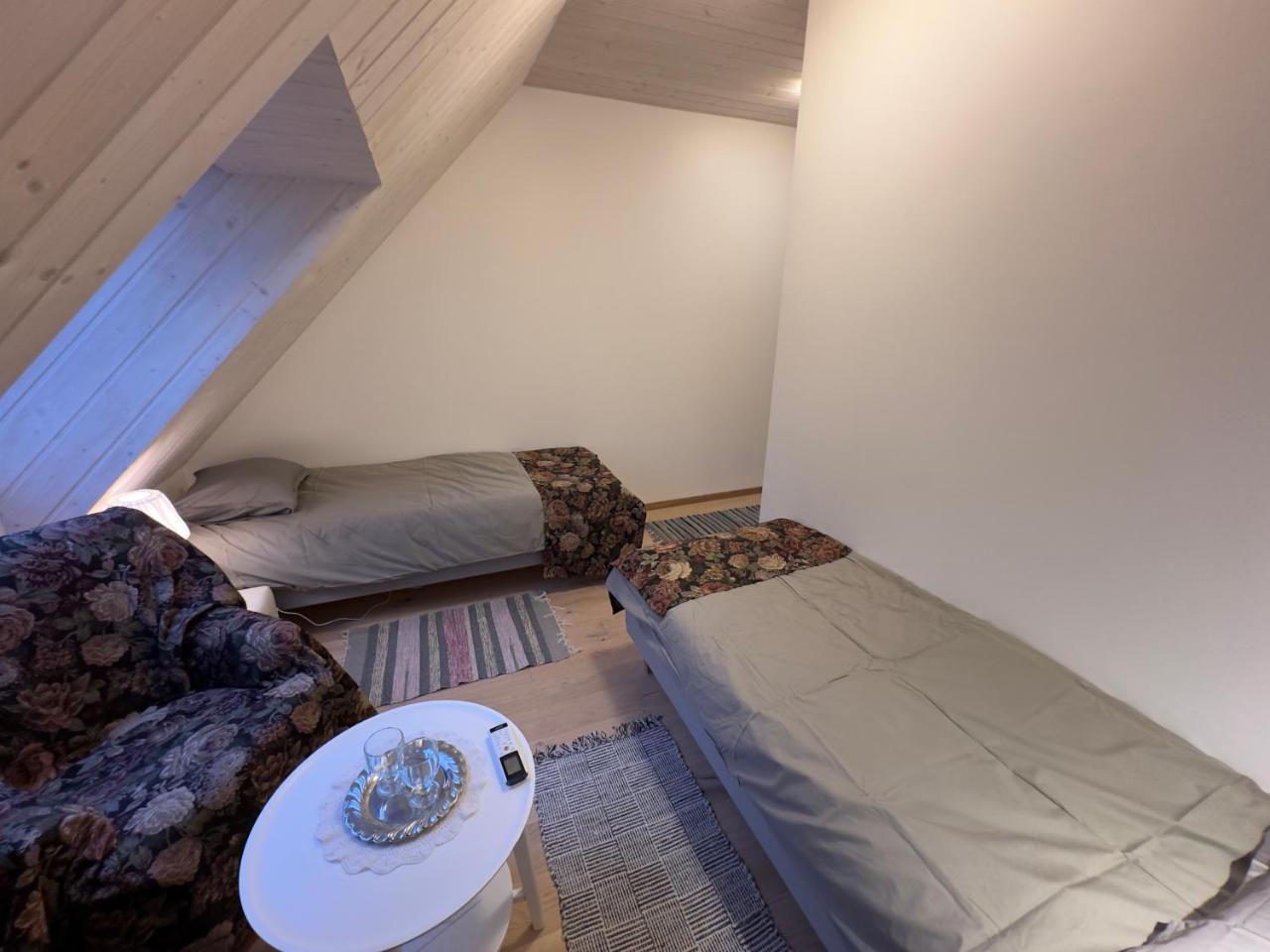
Harmoonikum is a well-rated 4-star hotel in Tallinn, Estonia, popular with guests who want comfort and a strong location near central Tallinn.
The surrounding Tallinn district is one of the most convenient parts of Estonia to stay in, with restaurants, cafés and transport links close by.
Because pricing is set live by the hotel and its suppliers, the figure shown here is a recent snapshot; check the current rate for your exact dates before booking.
Key facts
What’s included
Around Tallinn



How many nights do you need in Estonia?
Five nights is the practical minimum for more than Tallinn, and seven is the number that covers the country's two halves without daily packing. A workable seven-night shape: three nights in Tallinn, one night in Lahemaa at Võsu, Käsmu or Sagadi, then two nights in Tartu with a day trip to Lake Peipus and the Onion Route villages of Kolkja and Varnja, and a final night in Pärnu before flying out of Tallinn Airport. That keeps every drive under 200 km. If you only have three or four nights, stay in Tallinn and take Lahemaa as a day trip — Palmse is 80 km out on route 1 and the Viru bog boardwalk loop is 3.5 km.
Ten nights lets you add the islands properly. Two nights on Saaremaa is the honest minimum given the ferry, and three lets you reach Kaali crater, the Angla windmills, Panga cliff and the Sõrve lighthouse without rushing Kuressaare castle. Nature-first trips work better with a different shape: two nights near Riisa in Soomaa for the bog and canoe trails, two at Haapsalu or Lihula for Matsalu's Haeska and Kloostri towers, then Pärnu for the beach. In winter, budget three nights around Otepää if you want to ski, since conditions vary and Tehvandi and Kääriku are the reliable options.
What hotels actually cost in Estonia
Budget rooms — hostel doubles, simple guesthouses, 2-star town hotels in Rakvere, Narva or Võru — run about €35–60 a night, and Narva is consistently the cheapest overnight in the country. Mid-range 3-star doubles sit around €70–110: that is a Tartu city hotel, a Pärnu place a few streets back from the beach, or a Lahemaa manor guesthouse with breakfast and parking. Top-end means €160–300 for a design or historic 4–5 star in Tallinn's Old Town, and €130–200 for a Kuressaare or Pärnu spa hotel with pools and treatments, often quoted half board. Farm and forest accommodation near Soomaa and Setomaa is usually €50–90 including a sauna, and frequently cash-light, card-only bookings direct with the owner.
Rates spike in three predictable bursts. Midsummer, 23–24 June, hits the coast and the islands hardest; July hits Pärnu, where a room that is €70 in mid-May can be €150–190 in the second week of July; and the Viljandi Folk Music Festival weekend at the end of July prices Viljandi like Tallinn. Winter is the bargain, with 3-star Tallinn doubles at €55–80 from mid-January to March, except during Otepää's ski weekends and the Tartu Marathon. Note that Estonia's accommodation VAT rose to 13% in 2025, so older quoted prices you find online may sit slightly below what you are charged; there is no separate city tourist tax in Tallinn.
Ferries, the fifth season and the areas people wrongly skip
The single biggest planning trap is the Virtsu–Kuivastu and Rohuküla–Heltermaa ferries. Foot passengers can nearly always squeeze on, but vehicle places on the summer sailings and on Friday and Sunday crossings sell out, and an unbooked car can mean a two- or three-sailing wait at Virtsu. Reserve the vehicle in advance for anything between mid-June and late August, and remember the crossing is only 27 minutes but Kuivastu to Kuressaare is another 75 km of driving. The second trap is seasonal closure: a meaningful share of guesthouses on Hiiumaa, in Lahemaa's villages and along the Matsalu shore simply shut from mid-October until Easter, so an autumn trip needs the accommodation fixed before the route.
The season nobody expects is Soomaa's fifth season, the spring flood that usually arrives between late March and mid-April when meltwater spills out of the Halliste and Raudna rivers and puts roads, meadows and forest tracks under water. It is the point of going: you paddle a canoe or a traditional haabjas dugout over ground you would otherwise walk, and local operators run guided trips for a few weeks only. As for the areas people wrongly skip, Setomaa and Narva are top of the list. Setomaa's leelo singing is on UNESCO's intangible heritage list and Seto Kingdom Day falls on the first Saturday of August at a different village each year; Narva has the largest castle keep in Estonia facing Ivangorod across the river, the vast Kreenholm mill complex, and 13 km of sand at Narva-Jõesuu for less than half what the same room costs in Pärnu.