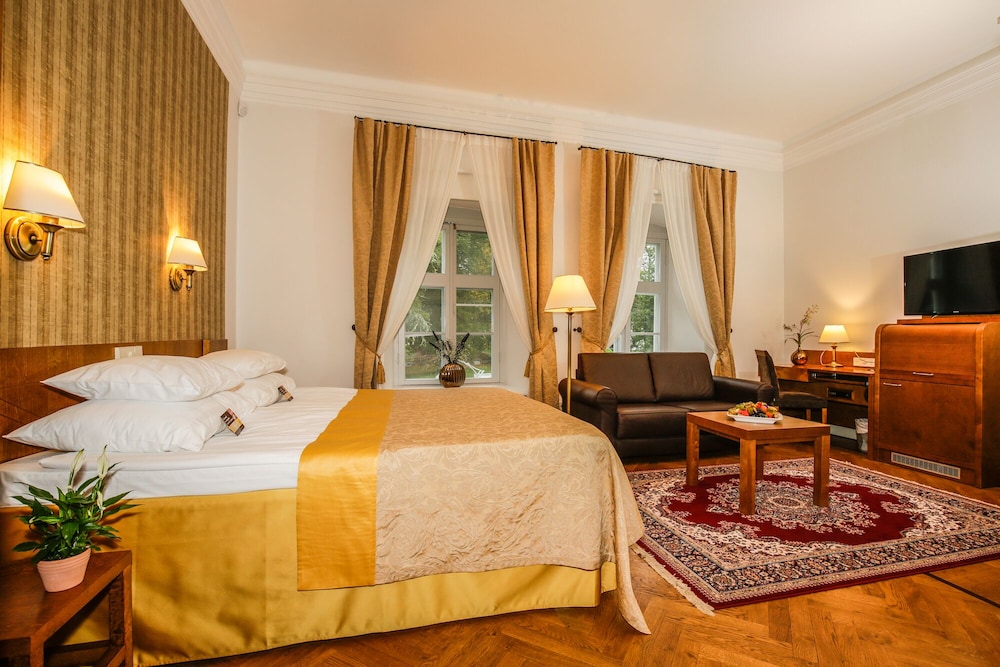
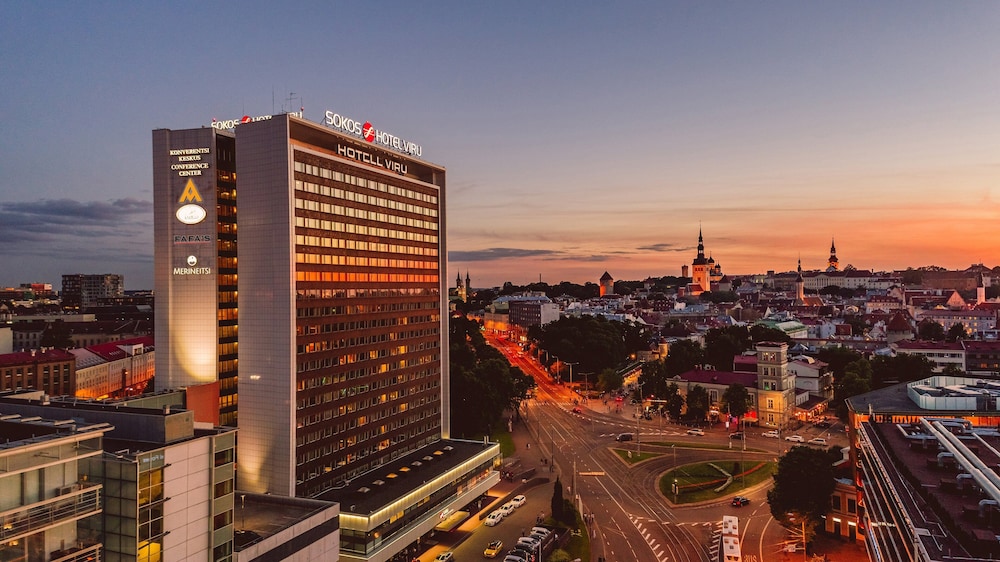
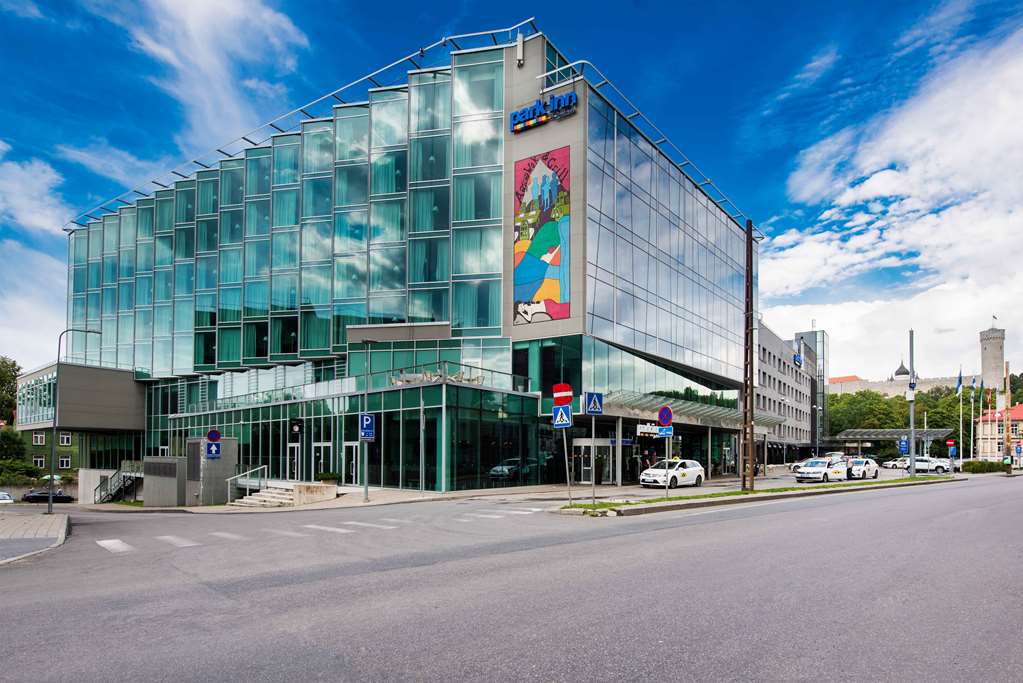
Rocca House by Larsen
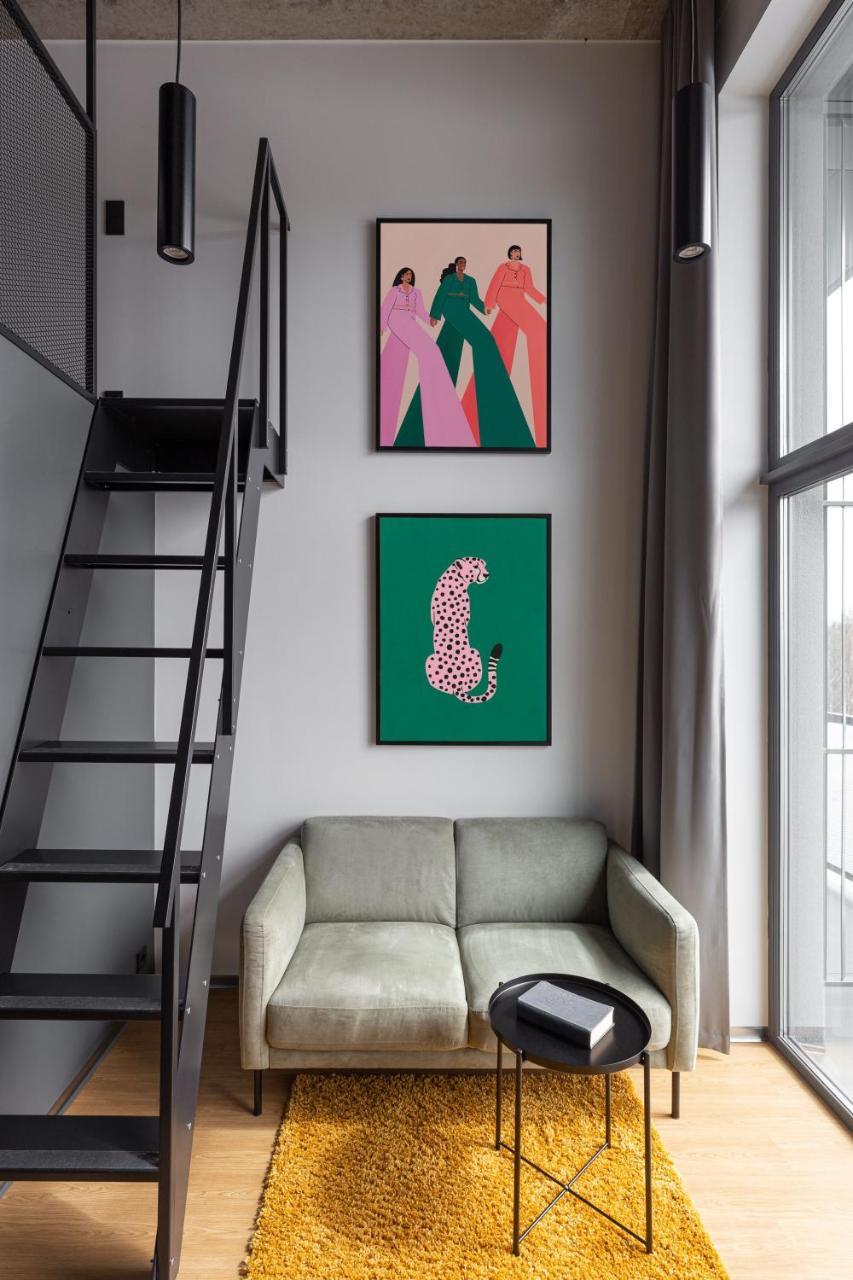
Why guests stay
- Wi-Fi
- Garden
Video transcript
Welcome to Rocca House by Larsen, a 1-star hotel in Tallinn, Estonia. Guests can enjoy Wi-Fi, a terrace and a garden. You will find it at Oismaee Tee 175, in Tallinn. Have a look around, then compare and book on estoniadestinations.com.
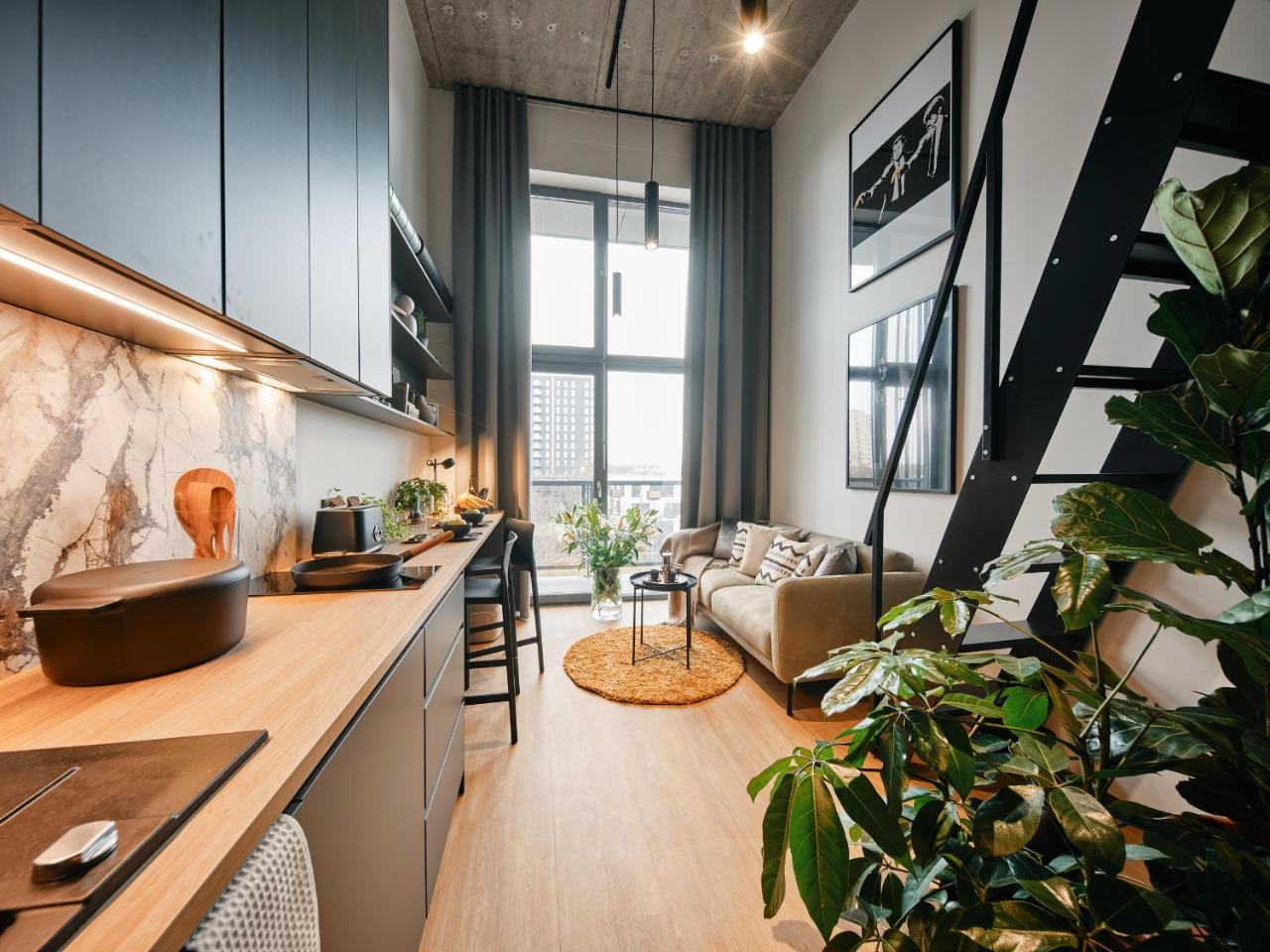
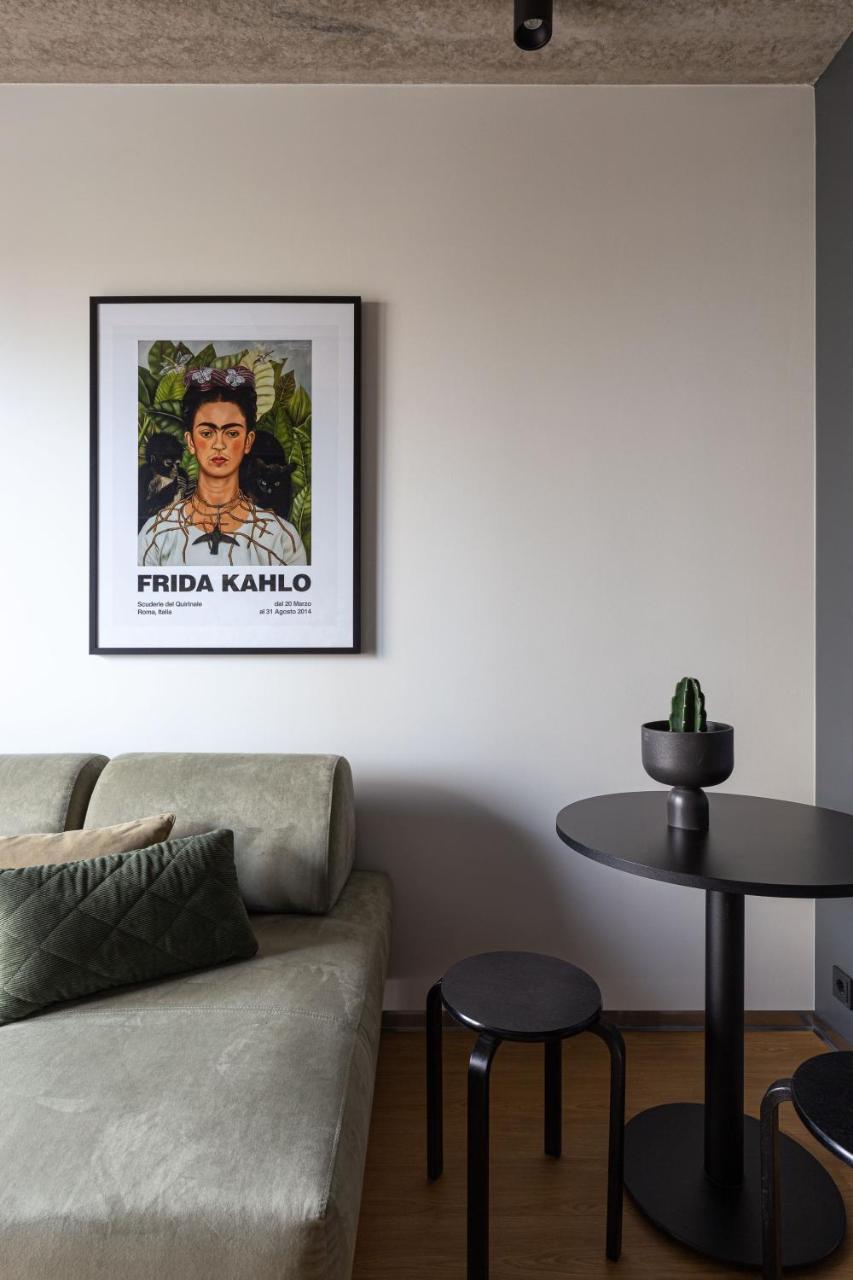
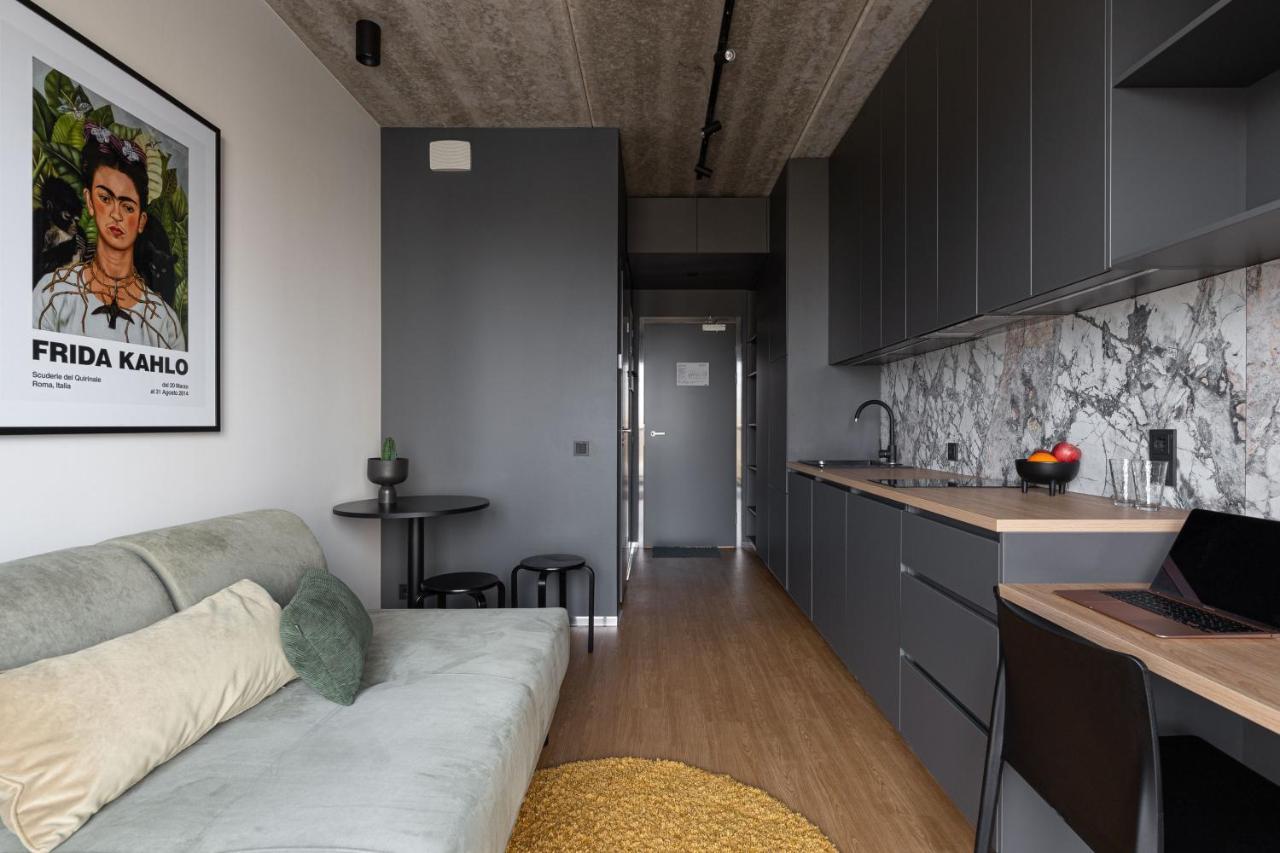
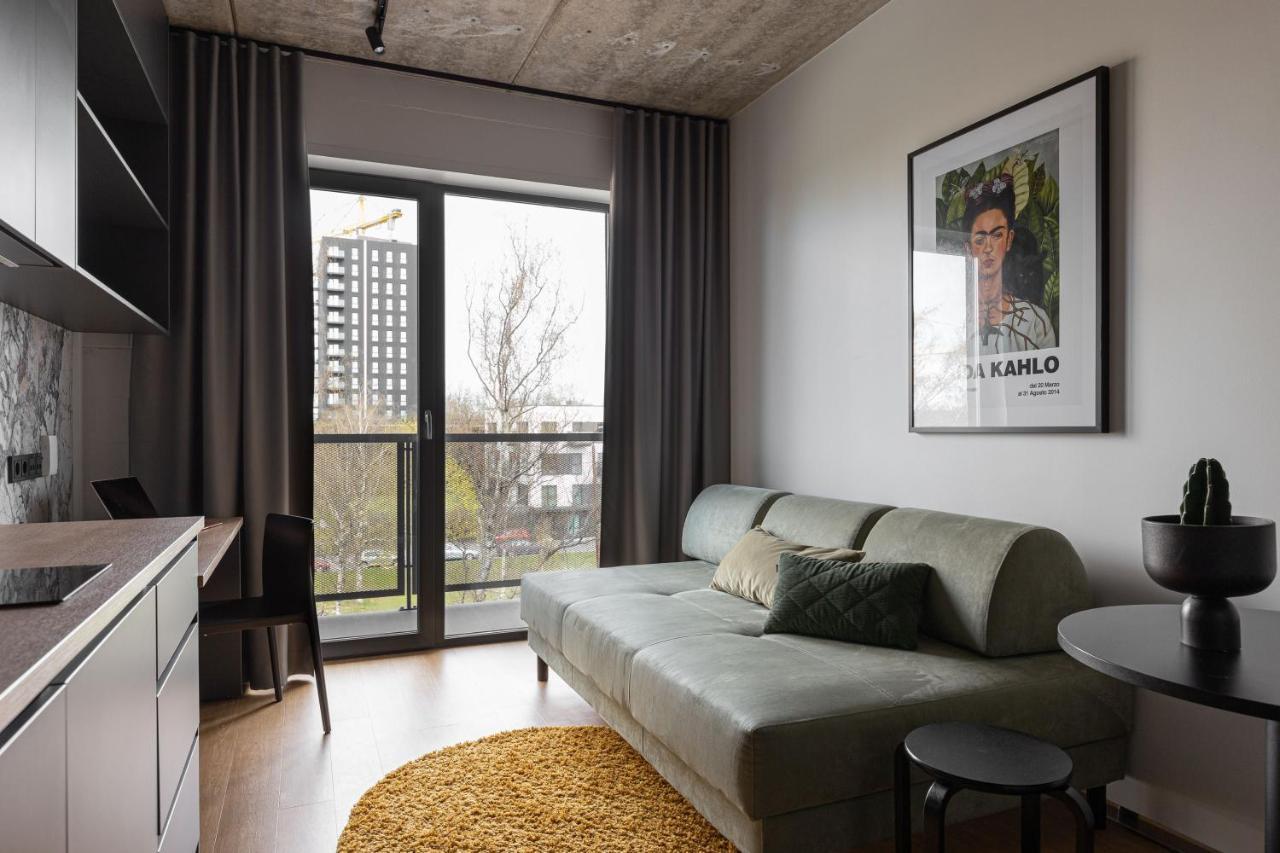

About this stay
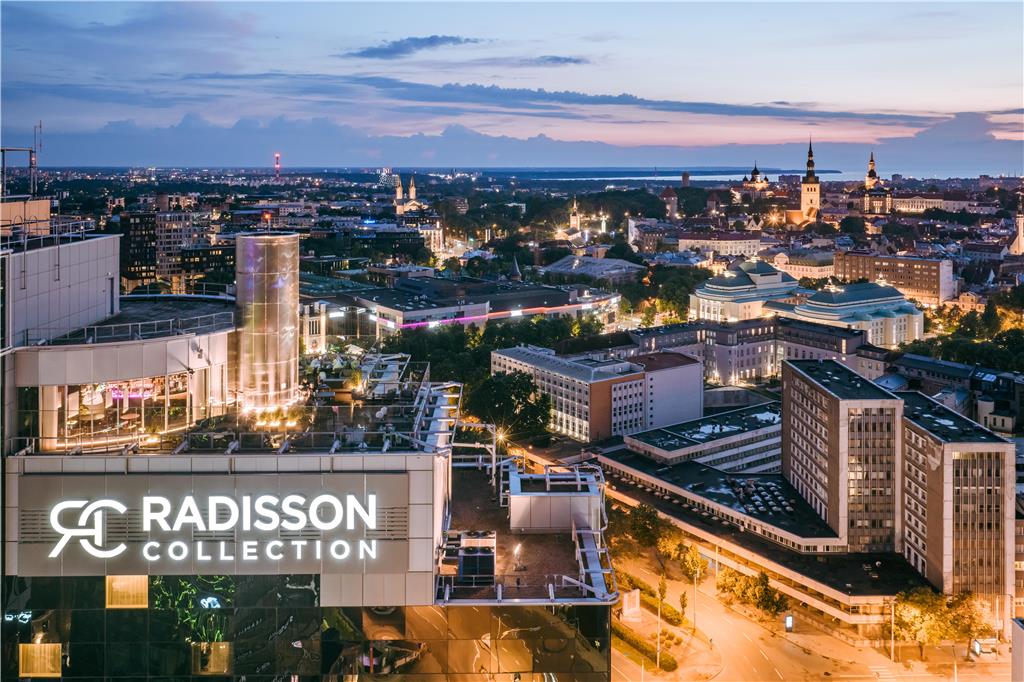
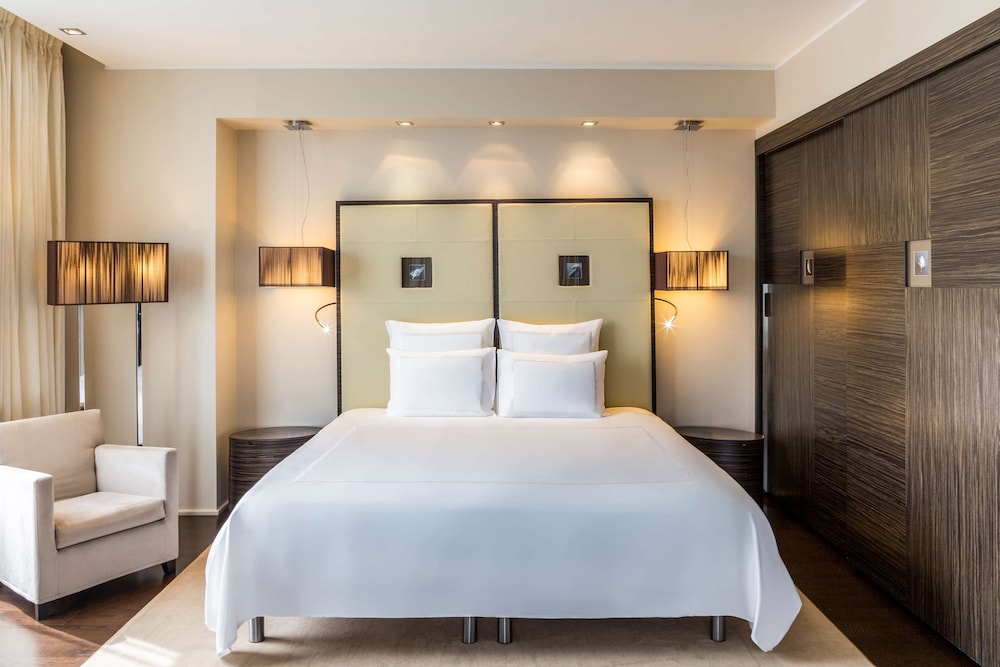
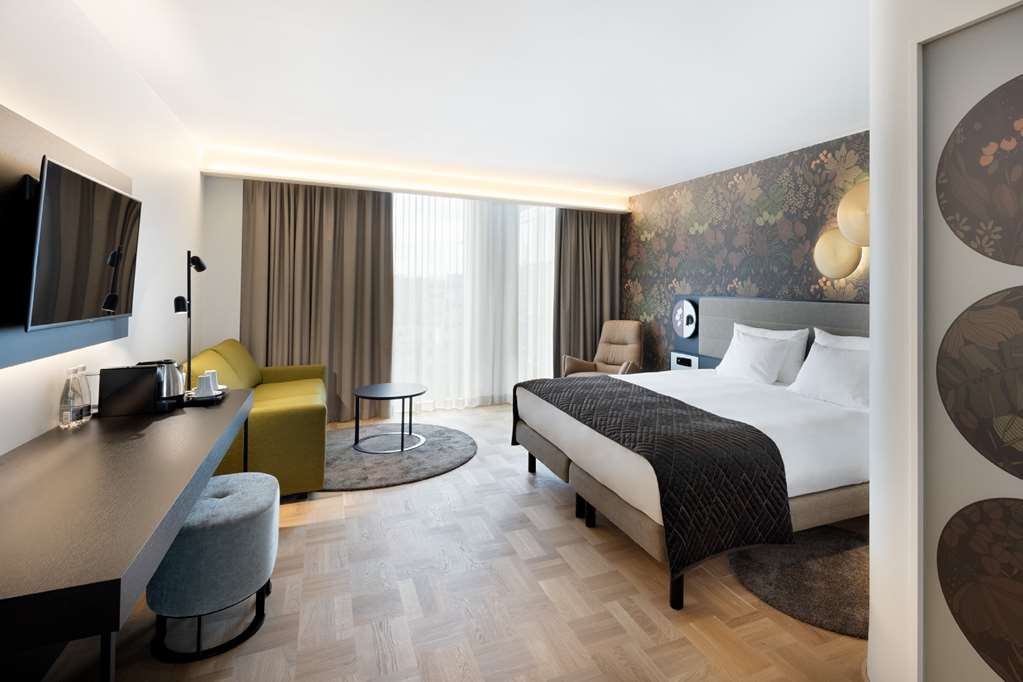
Rocca House by Larsen is a 1-star hotel in Tallinn, Estonia.
Rocca House by Larsen is a budget-friendly stay in Tallinn, Estonia — a no-frills base for seeing central Tallinn and the rest of the area affordably.
Book Rocca House by Larsen through app.impt.io at the same live rate you would find anywhere else, with free cancellation on most rooms. Every completed booking funds one verified tonne of carbon removal — paid from the standard commission the hotel already covers, never added to your bill.
Facilities
- Balcony
- Bathroom
- Cleaning
- Desk
- Free Wifi
- Games room
- Garage
- Garden
- Internet access
- Iron and board
- Kitchen
- Kitchenette
Location
Oismaee Tee 175, Tallinn, Estonia.
Open in Google Maps ↗Questions, answered
Where is Rocca House by Larsen located?
Rocca House by Larsen is in Tallinn, Estonia (Oismaee Tee 175, Tallinn, Estonia), close to central Tallinn.
How much does Rocca House by Larsen cost per night?
Prices are set live by the hotel — check the booking page for a real rate for your dates.
How many stars is Rocca House by Larsen?
Rocca House by Larsen is a 1-star hotel in Estonia.
Is Estonia walkable, or do you need transport within each town?
The towns are unusually walkable and the countryside is not. Tallinn's Old Town is about 1 km across and you can walk from Toompea to Kalamaja or Kadriorg in 25–35 minutes; Tartu, Pärnu, Viljandi, Haapsalu and Kuressaare are all small enough to cross on foot in 20 minutes. Outside them, distances open out fast — Lahemaa alone covers 747 km² and Saaremaa 2,673 km². Cycling fills the gap well in flat areas like Pärnu, Hiiumaa and the Peipus shore, and bike hire is widely available from May to September.
What is the fifth season in Soomaa and when can I see it?
The fifth season is the annual spring flood in Soomaa National Park, when meltwater from the Halliste, Raudna and Lemmjõgi rivers overflows and puts roads, meadows and forest floors under water for anything from a few days to several weeks. It usually falls between late March and mid-April, though it depends entirely on the winter's snow and thaw. Guided canoe and traditional haabjas dugout trips run during it from bases near Riisa and Tõramaa, roughly 65 km from Pärnu and 40 km from Viljandi. Accommodation in the park is farm-based and limited, so most visitors book a room in Viljandi or Pärnu and drive in for the morning.
What is the best area to stay in Estonia for a first visit?
Tallinn is the best first base, and specifically the Old Town or Kalamaja, because you can reach Toompea, Rotermann, Telliskivi and the ferry terminals on foot. From there Lahemaa is an easy day trip at around 80 km on route 1 / E20, so you get forest, bog boardwalks and manor houses without moving hotel. If your trip is mainly about the beach and spas, switch that base to Pärnu, 128 km south. Most first-timers who have a week split three nights in Tallinn with two in Tartu and one or two in Pärnu or Lahemaa.
What is the cheapest month to visit Estonia?
November is the cheapest month, closely followed by early December and the second half of January. Expect 3-star Tallinn doubles around €55–75 and Tartu or Narva rooms below €50, though you get barely six or seven hours of daylight and most island guesthouses are closed. The exception in that window is the run of weekends before Christmas, when the Raekoja plats market pushes Old Town prices back up. If you want cheap plus usable daylight, aim for the first half of May instead, when rates are still 30–40% below July.
How many nights do you need in Estonia?
Seven nights is the right answer for a first trip covering both the north and the south. That comfortably allows three nights in Tallinn, one in Lahemaa, two in Tartu with a run out to the Lake Peipus villages of Kolkja and Varnja, and one in Pärnu. Five nights works if you drop either Tartu or the coast, and three or four means basing yourself in Tallinn and taking day trips. Add two to three more nights if you want Saaremaa, since the Virtsu–Kuivastu ferry plus the 75 km to Kuressaare eats most of an arrival day.