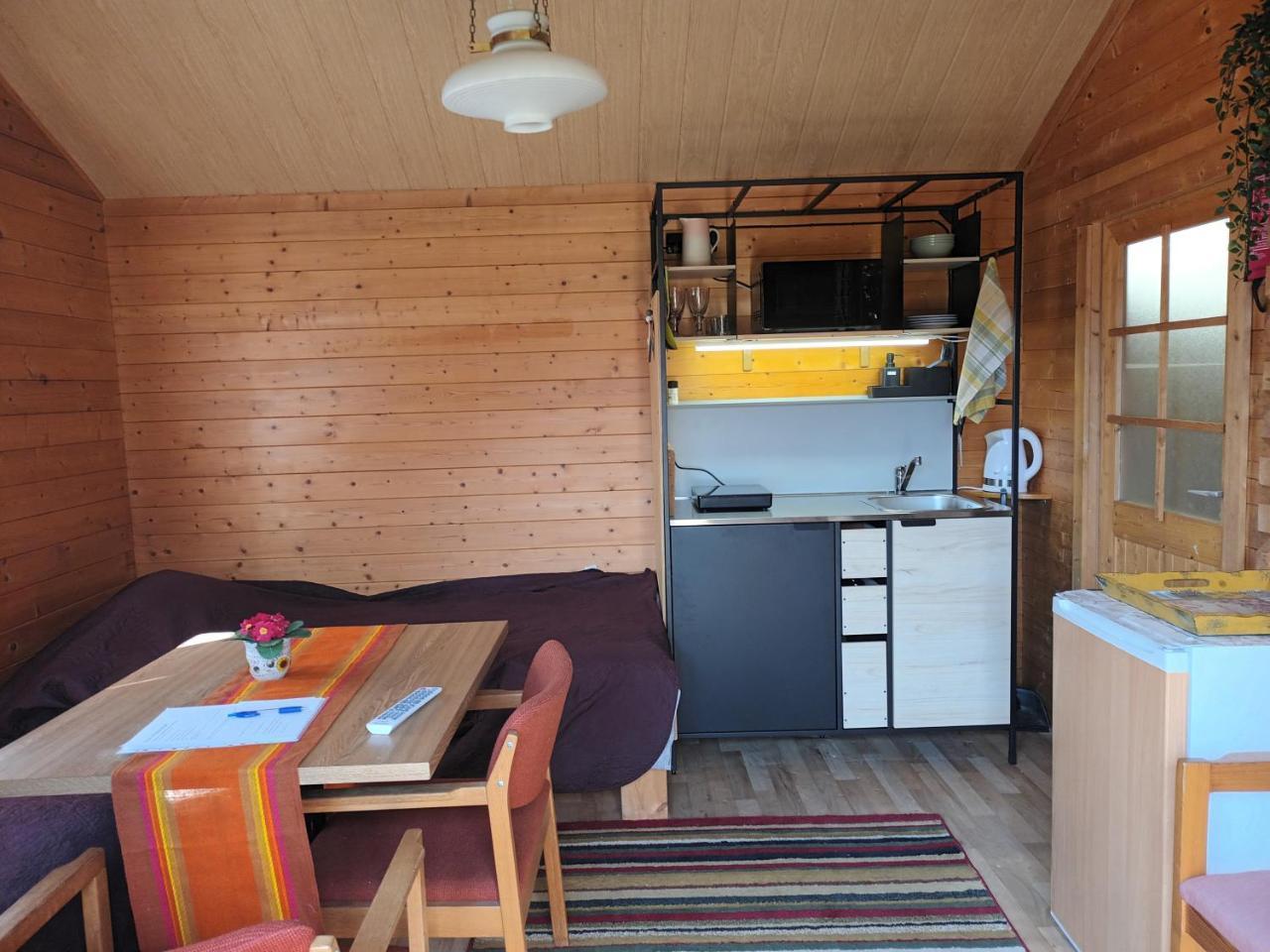

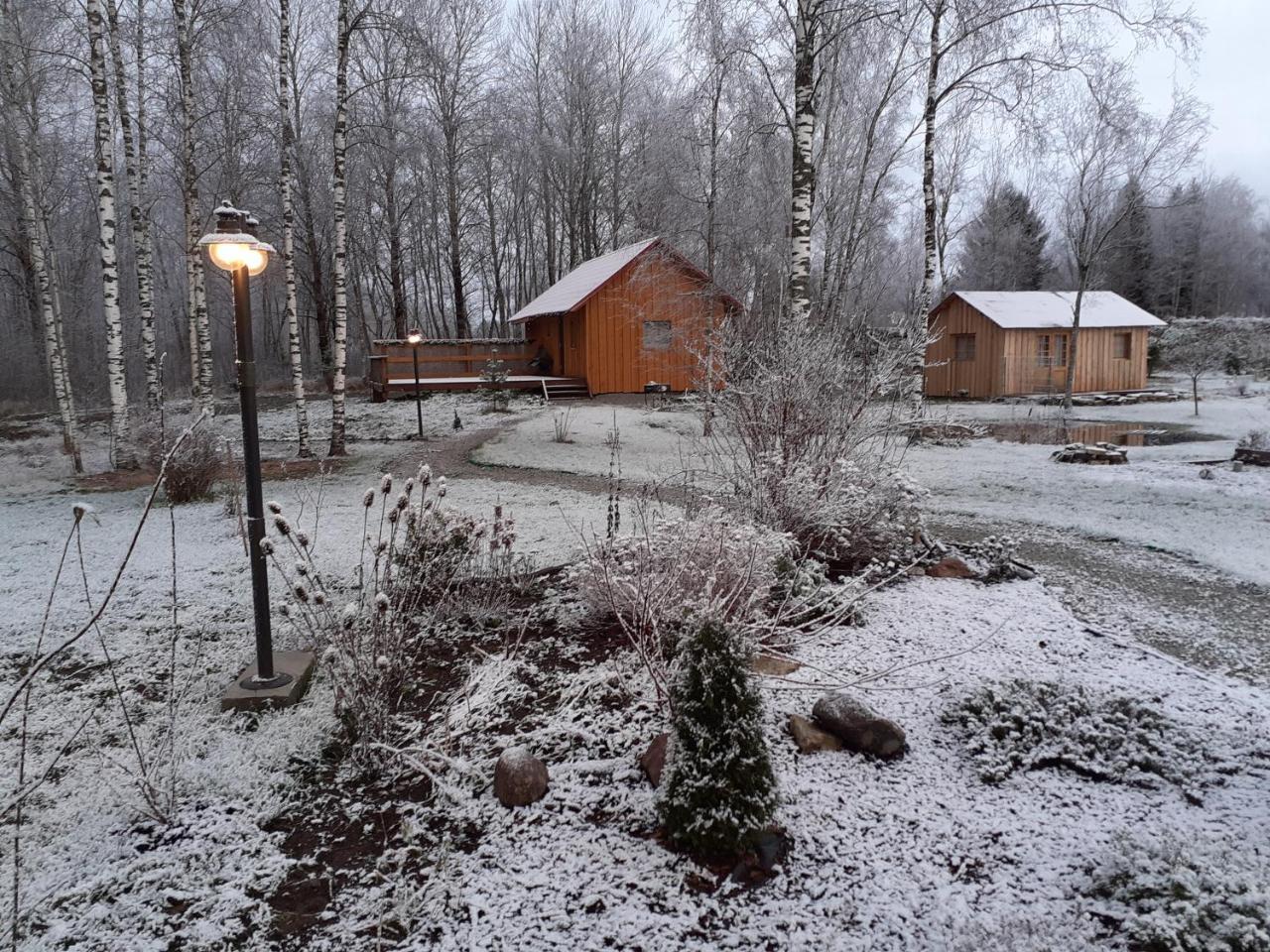
Hüüru Puhkemajad
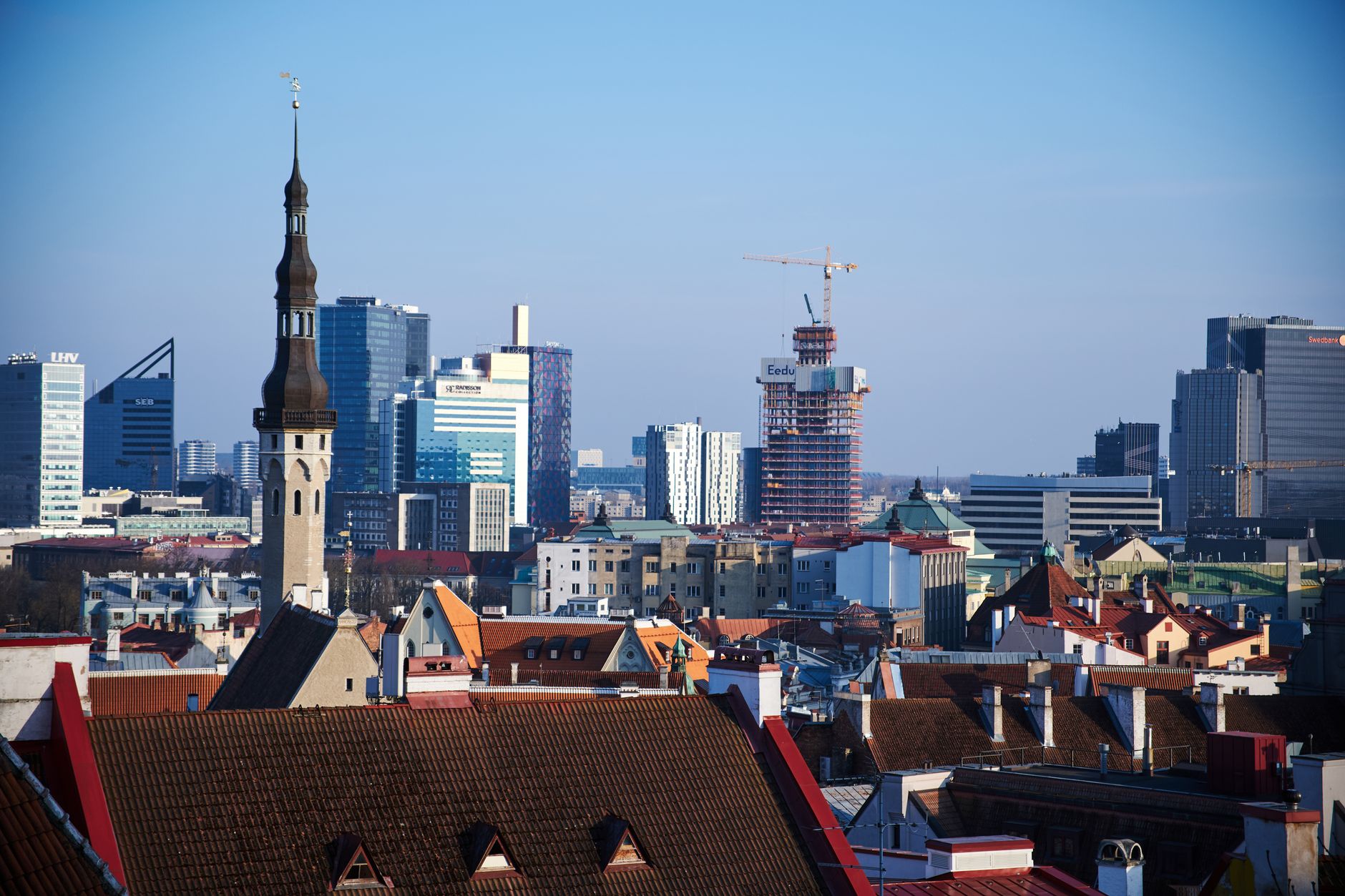
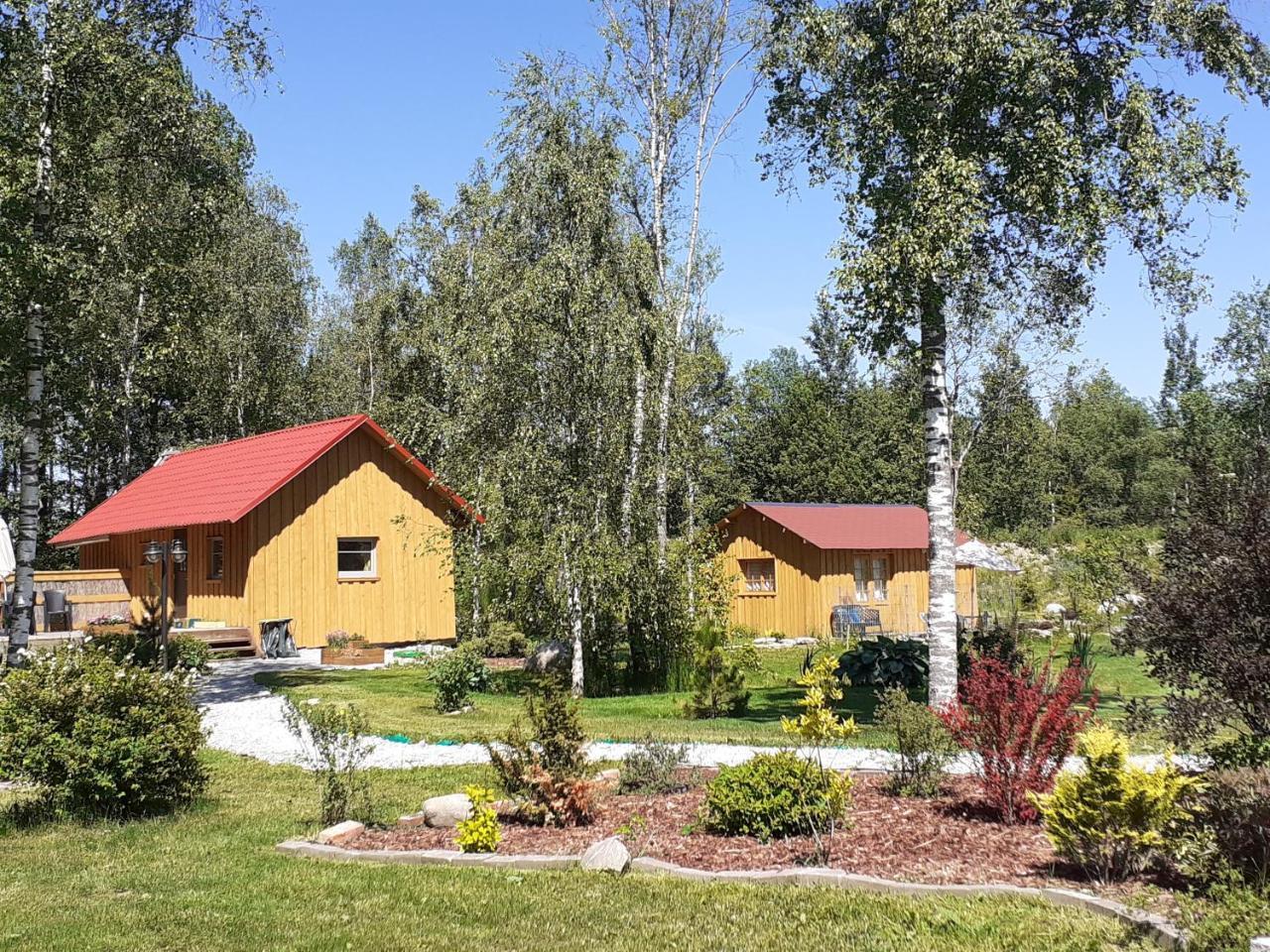
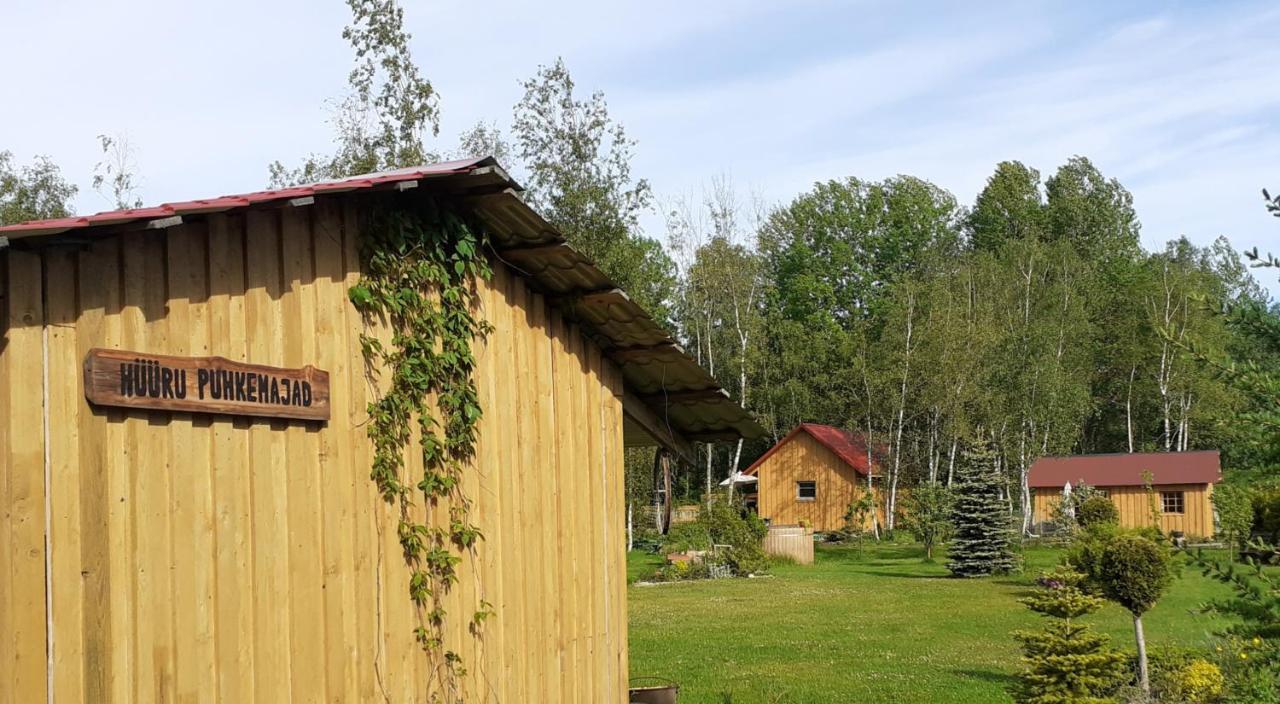
Hüüru Puhkemajad is a 3-star hotel in Tallinn, Estonia, a sensible choice for sightseeing around central Tallinn without overspending.
Guests typically choose Tallinn for its balance of location and price; Hüüru Puhkemajad is a good fit if you want to be near the action in Estonia.
Rates shift with the season and with demand, so the live price on the booking page is always the one to trust — tap through for tonight's or your dates' real availability.
Key facts
What’s included
Around Tallinn



Best time to visit Estonia, month by month
June to August is the peak: daytime temperatures of 20–23°C, sunset near 22:30 around midsummer, and the only reliable window for swimming at Pärnu beach or Narva-Jõesuu. Prices climb sharply for Jaanipäev on 23–24 June and stay high through July, when Pärnu Hanseatic Days, the Pärnu Film Festival and the Viljandi Folk Music Festival (last full weekend of July) can fill every bed for 40 km around. Expect coastal and island rates 50–80% above spring levels in July, and book Viljandi and Saaremaa three to six months out for those dates. May and early June are the sweet spot for value: dry, light until late, and 30–40% cheaper, with spring bird migration at Matsalu peaking late April into May.
September and October bring the crane and barnacle goose passage through Matsalu, autumn colour in Lahemaa, and rates back down to shoulder levels; many island guesthouses and small coastal places close entirely from mid-October to April. November to early December is the cheapest and darkest stretch, with barely six hours of daylight at the solstice, though Tallinn's Christmas market on Raekoja plats from late November lifts Old Town prices again over the weekends before Christmas. January to March is winter sports season around Otepää and Haanja — the Tartu Marathon runs 63 km from Otepää to Elva on the third Sunday of February and sells out local beds early. March and April in Soomaa bring the flood season, which is a reason to go, not to stay away.
Getting around Estonia: car, train or bus
A car is genuinely needed for Lahemaa, Soomaa, Matsalu, Setomaa and the interiors of Saaremaa and Hiiumaa, and largely unnecessary for Tallinn, Tartu, Pärnu, Viljandi and Narva. Elron trains run Tallinn–Tartu in about 2 hours for roughly €13, Tallinn–Narva in 2h15–2h45, and Tallinn–Viljandi in around 2h20. There is no passenger train to Pärnu or Haapsalu — the Pärnu service ended in 2018 and Rail Baltica is still under construction — so buses from Tallinn Bus Station on Lastekodu take the strain at around €7–12 for the 2-hour run to Pärnu. Intercity buses are frequent, punctual and bookable on tpilet.ee.
Ferries matter more than most people expect. Saaremaa is reached via the Virtsu–Kuivastu crossing (about 27 minutes), then 75 km of road from Kuivastu to Kuressaare; Hiiumaa goes Rohuküla–Heltermaa in about 1h25, with Rohuküla 9 km west of Haapsalu. A car ticket runs roughly €12–15 with foot passengers around €3–4, and from June to August you should reserve the vehicle sailing days in advance. Small aircraft also link Tallinn with Kuressaare and Kärdla in 30–40 minutes on subsidised fares from about €15–30 one way. Driving distances are modest: Tallinn–Pärnu 128 km, Tallinn–Tartu 186 km, Tallinn–Narva 210 km, Tartu–Obinitsa about 90 km.
How many nights do you need in Estonia?
Five nights is the practical minimum for more than Tallinn, and seven is the number that covers the country's two halves without daily packing. A workable seven-night shape: three nights in Tallinn, one night in Lahemaa at Võsu, Käsmu or Sagadi, then two nights in Tartu with a day trip to Lake Peipus and the Onion Route villages of Kolkja and Varnja, and a final night in Pärnu before flying out of Tallinn Airport. That keeps every drive under 200 km. If you only have three or four nights, stay in Tallinn and take Lahemaa as a day trip — Palmse is 80 km out on route 1 and the Viru bog boardwalk loop is 3.5 km.
Ten nights lets you add the islands properly. Two nights on Saaremaa is the honest minimum given the ferry, and three lets you reach Kaali crater, the Angla windmills, Panga cliff and the Sõrve lighthouse without rushing Kuressaare castle. Nature-first trips work better with a different shape: two nights near Riisa in Soomaa for the bog and canoe trails, two at Haapsalu or Lihula for Matsalu's Haeska and Kloostri towers, then Pärnu for the beach. In winter, budget three nights around Otepää if you want to ski, since conditions vary and Tehvandi and Kääriku are the reliable options.