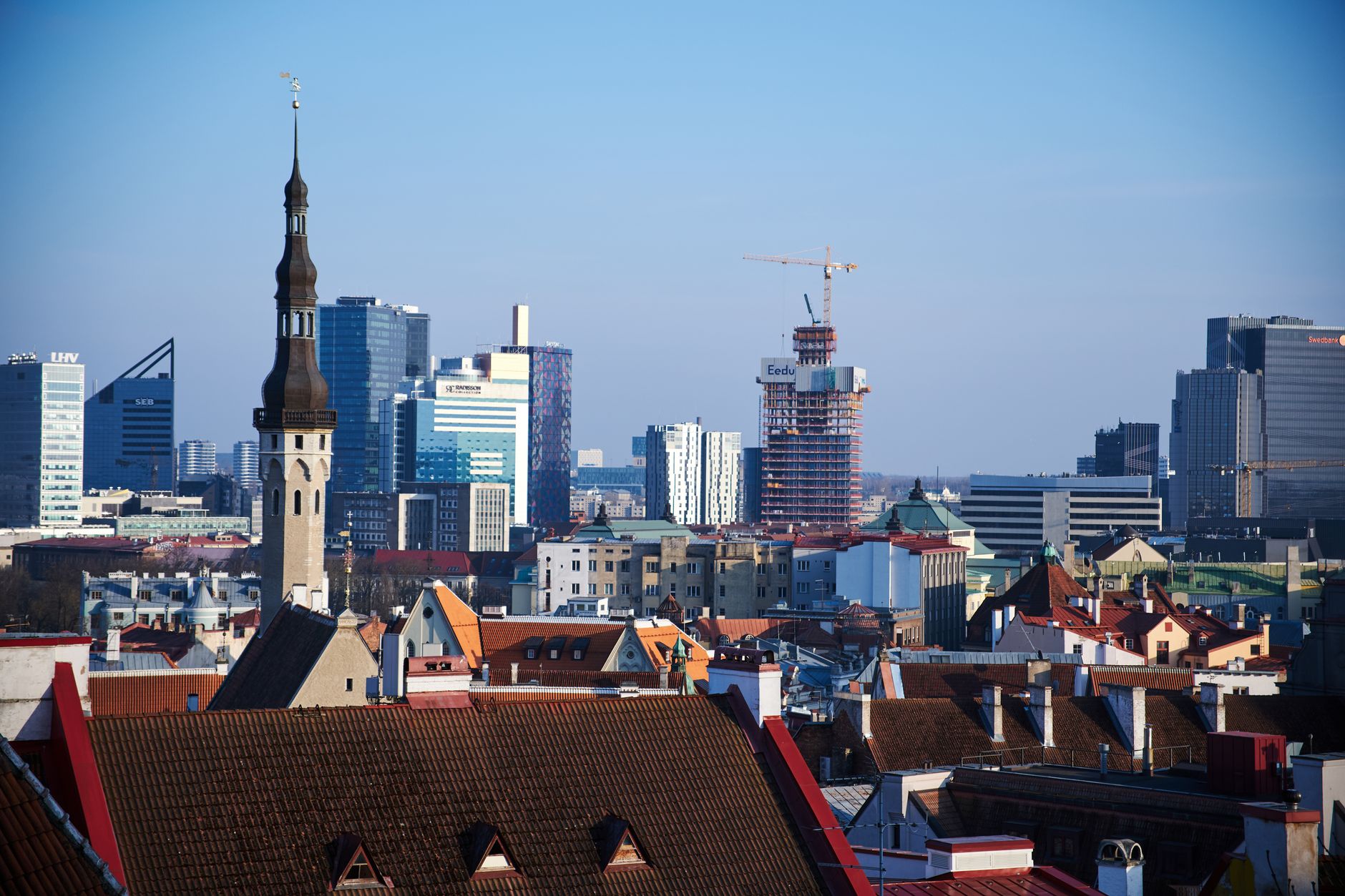
Guesthouse near Tallinn
Guesthouse near Tallinn is a 3-star hotel in Tallinn, Estonia, a sensible choice for sightseeing around central Tallinn without overspending.
Guests typically choose Tallinn for its balance of location and price; Guesthouse near Tallinn is a good fit if you want to be near the action in Estonia.
Because pricing is set live by the hotel and its suppliers, the figure shown here is a recent snapshot; check the current rate for your exact dates before booking.
Key facts
What’s included
Around Tallinn



Where to stay in Estonia: which area suits you
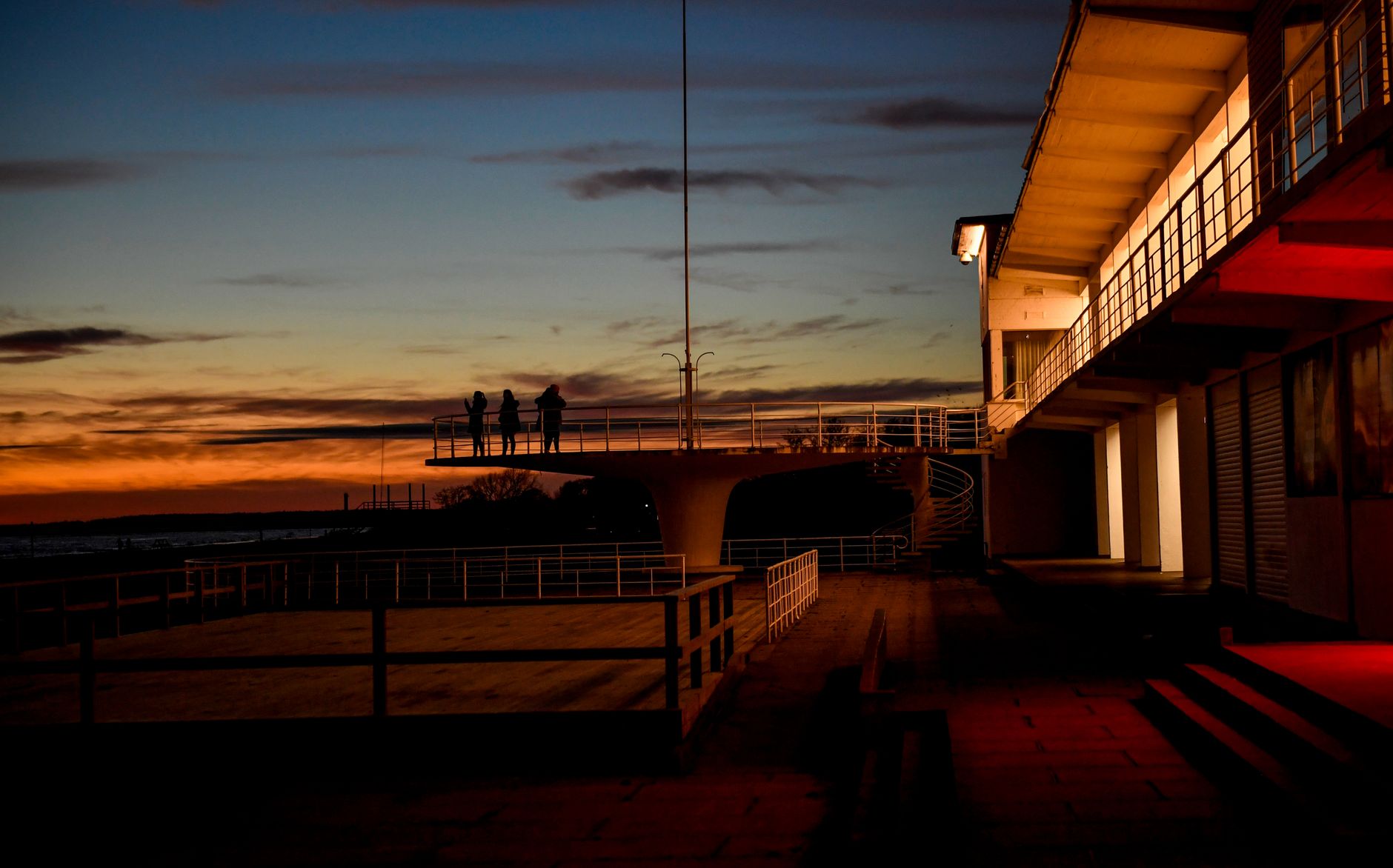
Tallinn suits first-timers and anyone without a car, with the Old Town, Kalamaja, Rotermann and Kadriorg all within a 30-minute walk of each other and the widest range of rooms in the country. Pärnu is the summer beach and spa base, 128 km south of Tallinn on the Via Baltica (road 4 / E67), and it is the one place where July rates routinely beat Tallinn's. Tartu, 186 km southeast of the capital, is cheaper than both and works as the hub for the southeast — Otepää is 44 km away, Võru 70 km, Lake Peipus around 50 km. Saaremaa and Hiiumaa are island stays reached by ferry, with Kuressaare holding most of Saaremaa's spa hotels and Kärdla the bulk of Hiiumaa's small guesthouses.
For the parks, you are choosing between villages and manors rather than towns. Lahemaa is served by Võsu, Käsmu, Vihula, Palmse and Sagadi, roughly 70–90 km east of Tallinn on route 1 / E20, and rooms there tend to run €60–110. Soomaa has almost no hotels at all: you sleep in farm accommodation near Riisa, Tõramaa or Kõpu, or you commute in from Viljandi (40 km) or Pärnu (65 km). Matsalu birders use Lihula, Penijõe or Haeska; Haapsalu, 100 km from Tallinn, doubles as a Matsalu base and a resort town in its own right. Narva and Rakvere in the northeast are the cheapest overnights in the country, and Setomaa — Obinitsa, Värska, Piusa — is the most distinctive, but expect guesthouses rather than hotels.
Best time to visit Estonia, month by month
June to August is the peak: daytime temperatures of 20–23°C, sunset near 22:30 around midsummer, and the only reliable window for swimming at Pärnu beach or Narva-Jõesuu. Prices climb sharply for Jaanipäev on 23–24 June and stay high through July, when Pärnu Hanseatic Days, the Pärnu Film Festival and the Viljandi Folk Music Festival (last full weekend of July) can fill every bed for 40 km around. Expect coastal and island rates 50–80% above spring levels in July, and book Viljandi and Saaremaa three to six months out for those dates. May and early June are the sweet spot for value: dry, light until late, and 30–40% cheaper, with spring bird migration at Matsalu peaking late April into May.
September and October bring the crane and barnacle goose passage through Matsalu, autumn colour in Lahemaa, and rates back down to shoulder levels; many island guesthouses and small coastal places close entirely from mid-October to April. November to early December is the cheapest and darkest stretch, with barely six hours of daylight at the solstice, though Tallinn's Christmas market on Raekoja plats from late November lifts Old Town prices again over the weekends before Christmas. January to March is winter sports season around Otepää and Haanja — the Tartu Marathon runs 63 km from Otepää to Elva on the third Sunday of February and sells out local beds early. March and April in Soomaa bring the flood season, which is a reason to go, not to stay away.
Getting around Estonia: car, train or bus
A car is genuinely needed for Lahemaa, Soomaa, Matsalu, Setomaa and the interiors of Saaremaa and Hiiumaa, and largely unnecessary for Tallinn, Tartu, Pärnu, Viljandi and Narva. Elron trains run Tallinn–Tartu in about 2 hours for roughly €13, Tallinn–Narva in 2h15–2h45, and Tallinn–Viljandi in around 2h20. There is no passenger train to Pärnu or Haapsalu — the Pärnu service ended in 2018 and Rail Baltica is still under construction — so buses from Tallinn Bus Station on Lastekodu take the strain at around €7–12 for the 2-hour run to Pärnu. Intercity buses are frequent, punctual and bookable on tpilet.ee.
Ferries matter more than most people expect. Saaremaa is reached via the Virtsu–Kuivastu crossing (about 27 minutes), then 75 km of road from Kuivastu to Kuressaare; Hiiumaa goes Rohuküla–Heltermaa in about 1h25, with Rohuküla 9 km west of Haapsalu. A car ticket runs roughly €12–15 with foot passengers around €3–4, and from June to August you should reserve the vehicle sailing days in advance. Small aircraft also link Tallinn with Kuressaare and Kärdla in 30–40 minutes on subsidised fares from about €15–30 one way. Driving distances are modest: Tallinn–Pärnu 128 km, Tallinn–Tartu 186 km, Tallinn–Narva 210 km, Tartu–Obinitsa about 90 km.