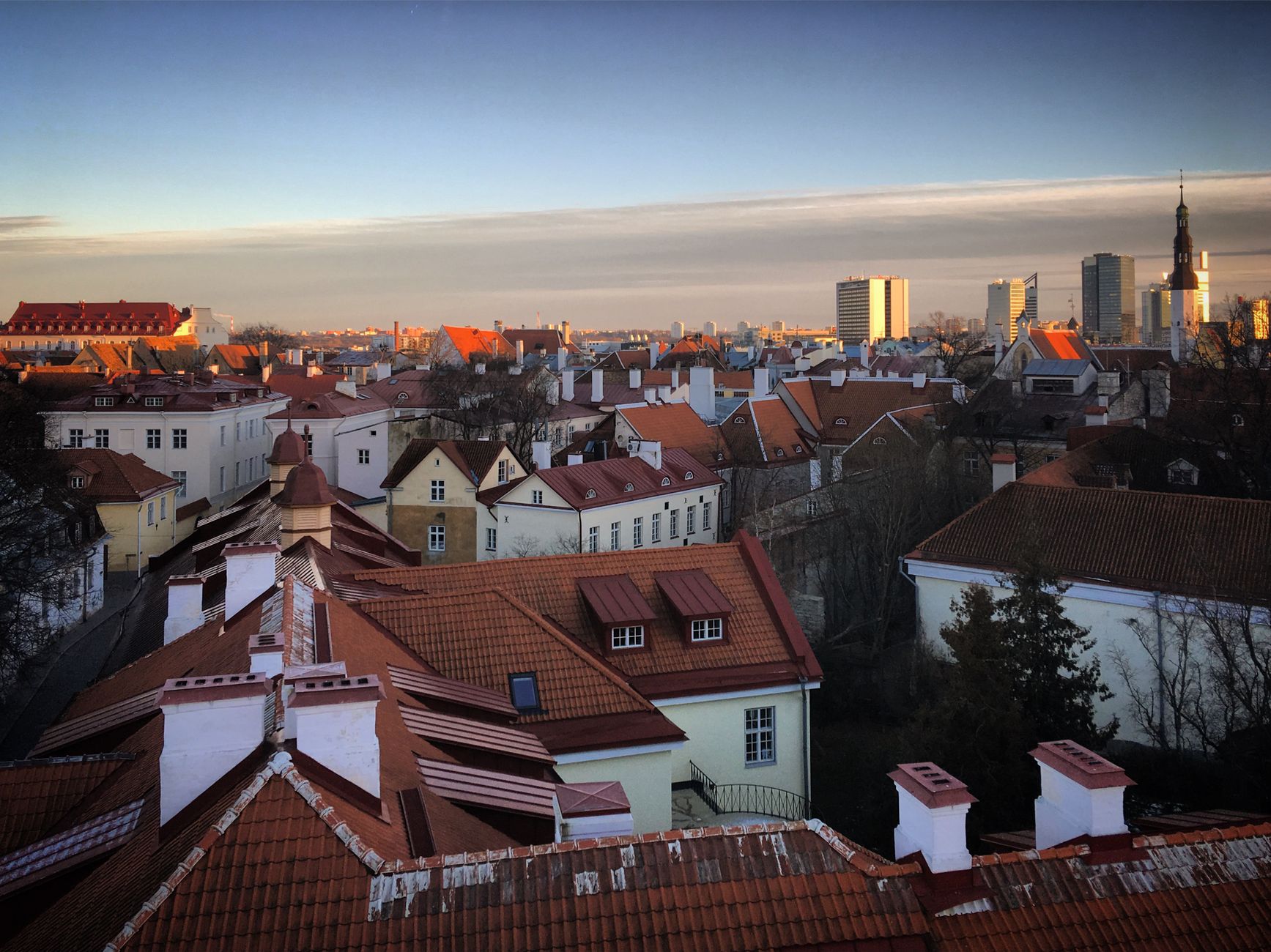
Nõmme
Tallinn's forested garden suburb 8 km southwest — pine-shaded villas, a lively market, and cross-country ski trails.
 Pine trees and wooden villas along a residential street in Nõmme
Why people stay in Nõmme
Nõmme was developed from 1873 as a healthful forest suburb — Tallinn's Ealing, if you like — and still feels that way. Wide streets of wooden and Art Nouveau villas set among mature pines, a small but genuine town center around the train station, and access to Nõmme-Mustamäe forest reserve at your doorstep. The Saturday market on Turu plats is one of the best food markets in the city, and the sledding hill at Harku is packed on winter weekends. At 9pm it's residential quiet: dog walkers and cyclists, nothing else.
Suits families with kids, nature-oriented travelers, and anyone with a car or willingness to use the elektriraudtee train. Skip if you want to walk to Old Town — it's 25 minutes by train, longer by bus, and there's no reasonable walking route. Skip also if nightlife matters: Nõmme goes to bed at 10pm. But for a stay that resets the nerves after two nights of Old Town cobbles, it's a genuine option.
Accommodation is mostly guesthouses and Airbnb in the wooden villas — expect $60-$110 a night, more for the larger houses. Nõmme has two or three small hotels near the train station. Best streets: Vabaduse puiestee, Külmallika, and Raudtee. Avoid anything advertised as 'Nõmme' that's actually across the Pärnu maantee highway in the industrial Mustamäe fringe. Do not book here without confirming your specific address is inside the pine belt.
What to see
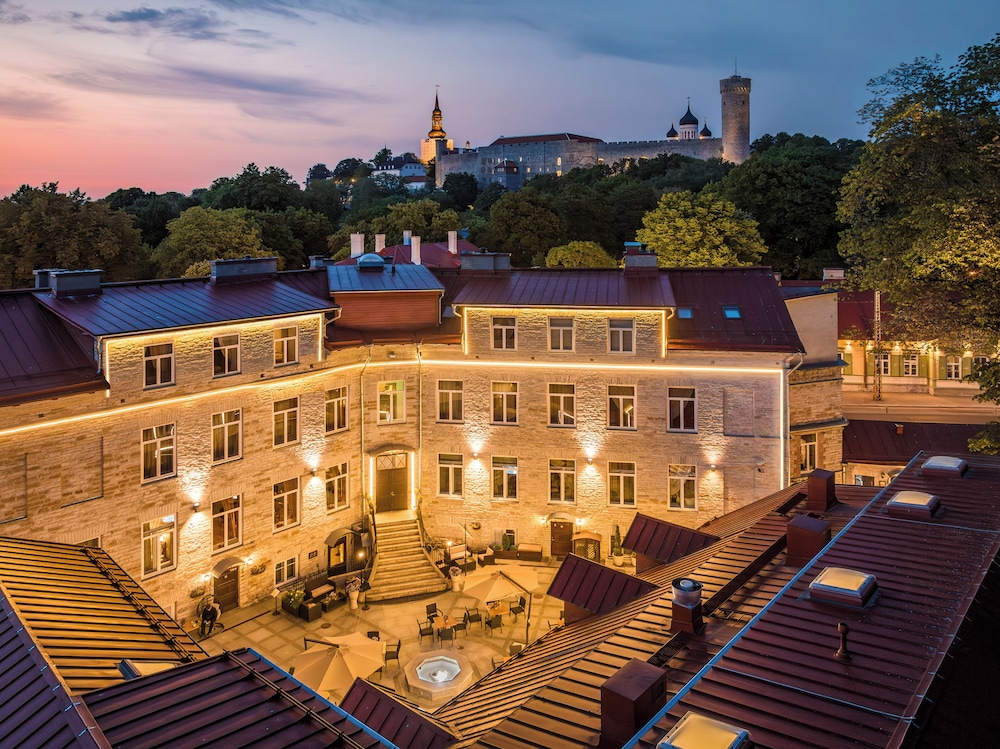
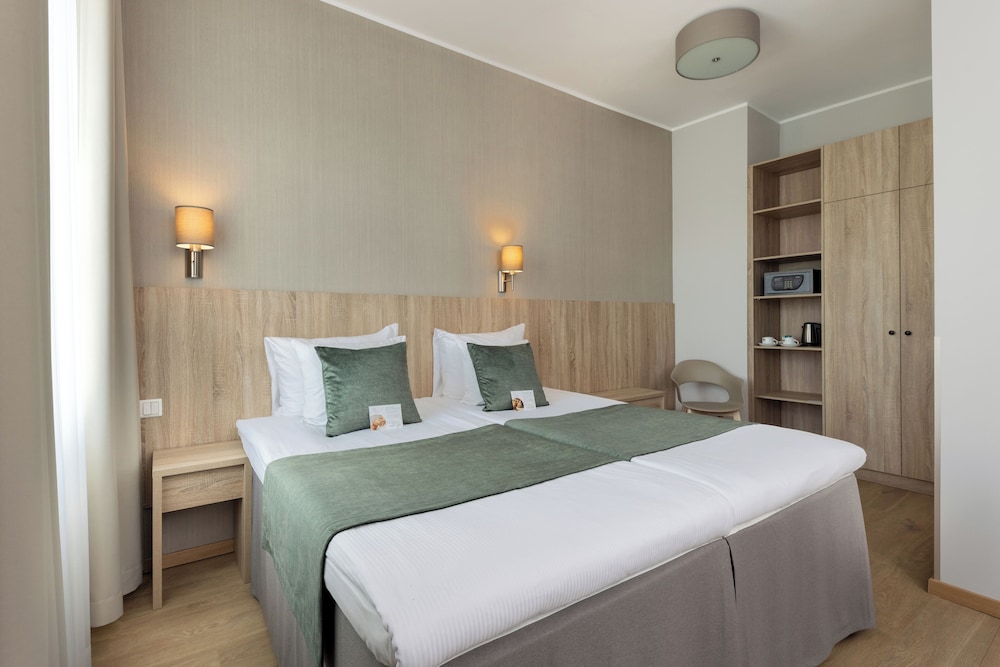
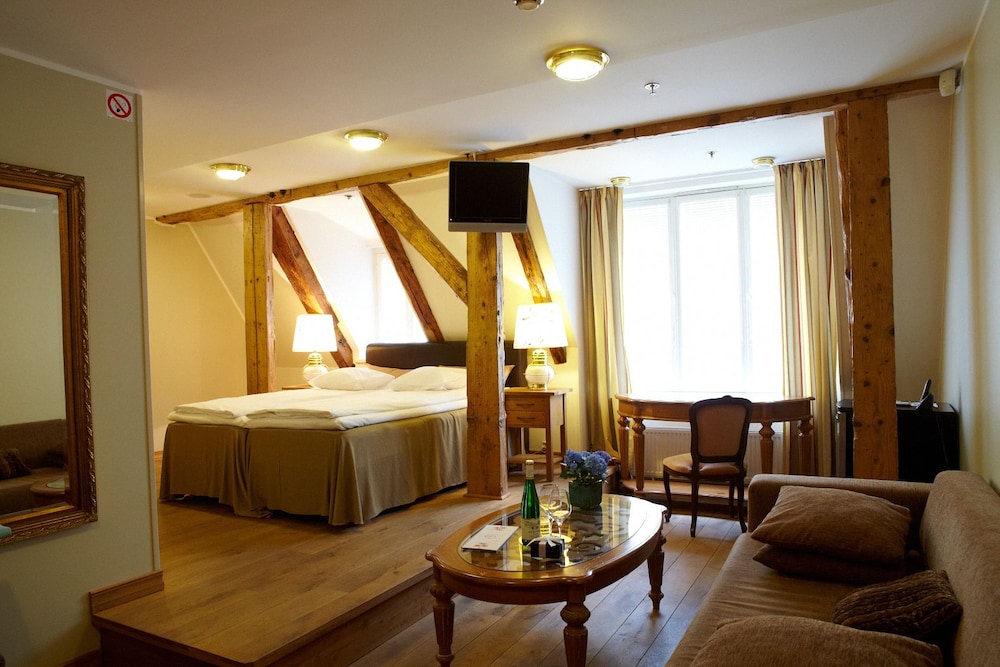
Hotels in Nõmme

Getting around Nõmme
Elektriraudtee train from Balti jaam to Nõmme runs every 15-30 minutes, 12 minutes' journey, $2. Bus 10, 14, and 17 also reach Nõmme from downtown in 25-35 minutes. From the airport, take a Bolt ($15-$18) or bus 2 to Balti jaam then train. Inside Nõmme the neighborhoods are spread over 3 km — bus and bike are useful. Cars have easy street parking.
Questions about Nõmme
For a first visit, yes. For a week where you want two or three days of Tallinn plus forest access, it works well. The train is fast and reliable.
The forest trails yes — March and early April are boggy. The main streets are paved and drained. Pack real waterproof shoes if visiting in shoulder season.